Top 20 Mountain Passes in Gran Canaria
Best mountain passes in Gran Canaria traverse a diverse landscape, often called a "miniature continent" due to its varied terrain. The island's mountainous interior features routes that offer dramatic scenery and panoramic views. These passes are characterized by their geographic features, including deep ravines, pine forests, and high-altitude viewpoints. The region provides opportunities to experience the island's natural beauty and cultural landmarks.
Best mountain passes in Gran Canaria
- The most popular mountain passes is Alto de Fataga, a mountain pass that is 930 meters above sea level, surrounded by a dense pine forest and crossed by the GC-60 highway. From this point, routes descend south through the valley or to San Bartolomé de Tirajana.
- Another must-see spot is Degollada de las Yeguas Astronomical Viewpoint, a viewpoint. The viewing platform is about 10 km from Maspalomas and almost 500 meters higher, offering a beautiful all-round view of the Barranco de Fataga and the sea.
- Visitors also love Climb from La Filipina to Barranquillo Andrés, a challenging climb with a good surface and extensive views. This route offers scenic landscapes and is appreciated for its visual appeal.
- Gran Canaria is known for its mountain passes, climbs, and viewpoints. The island offers a variety of routes, from high-altitude roads to scenic drives and challenging ascents.
- The mountain passes in Gran Canaria are appreciated by the komoot community. The guide features 42 highlights, with 176 photos and 428 upvotes from users.
Last updated: June 23, 2026
Cruz de Tejeda
Highlight • Mountain Pass
Showing Translation
Tip by

Alto de Fataga
Highlight • Mountain Pass
This height is surrounded by a dense pine forest and is crossed by the GC-60 highway.
Translated by Google •
Tip by

Sign up now to discover places like this
Get recommendations on the best single tracks, peaks, & plenty of other exciting outdoor places.
Sign up for free
Climb from La Filipina to Barranquillo Andrés
Highlight (Segment) • Climb
Translated by Google •
Tip by
Tauro Pass Serpentine Road
Highlight (Segment) • Mountain Pass
However, then you have the agony of choice on the pass: The road down to Soria is in bad condition & steep and the GC605 is about 10km before Ayacata also quite bumpy. 🙈
Translated by Google •
Tip by

Degollada de las Yeguas Astronomical Viewpoint
Highlight • Viewpoint
Great view from up here
Heading towards the coast and into the gorge.
Translated by Google •
Tip by

Sign up for free to discover even more mountain passes in Gran Canaria.
Sign up for free
Already have an account?
Start today with a free account
Your next adventure awaits.
Login or Signup
Popular around Gran Canaria
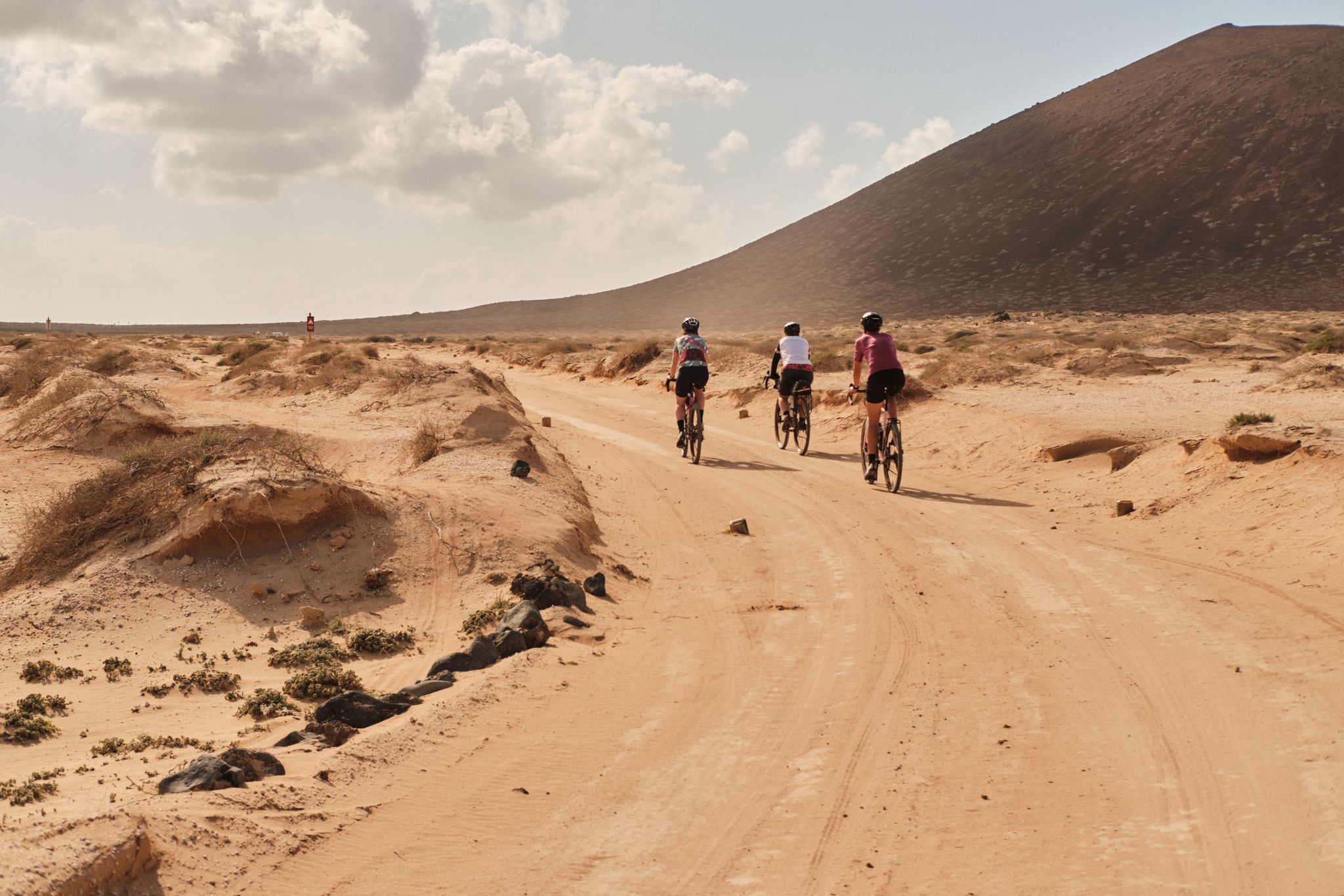
GranGuanche gravel – Komoot women's rally 2023
GranGuanche Audax Trail – my first ultra race on the Canary Islands
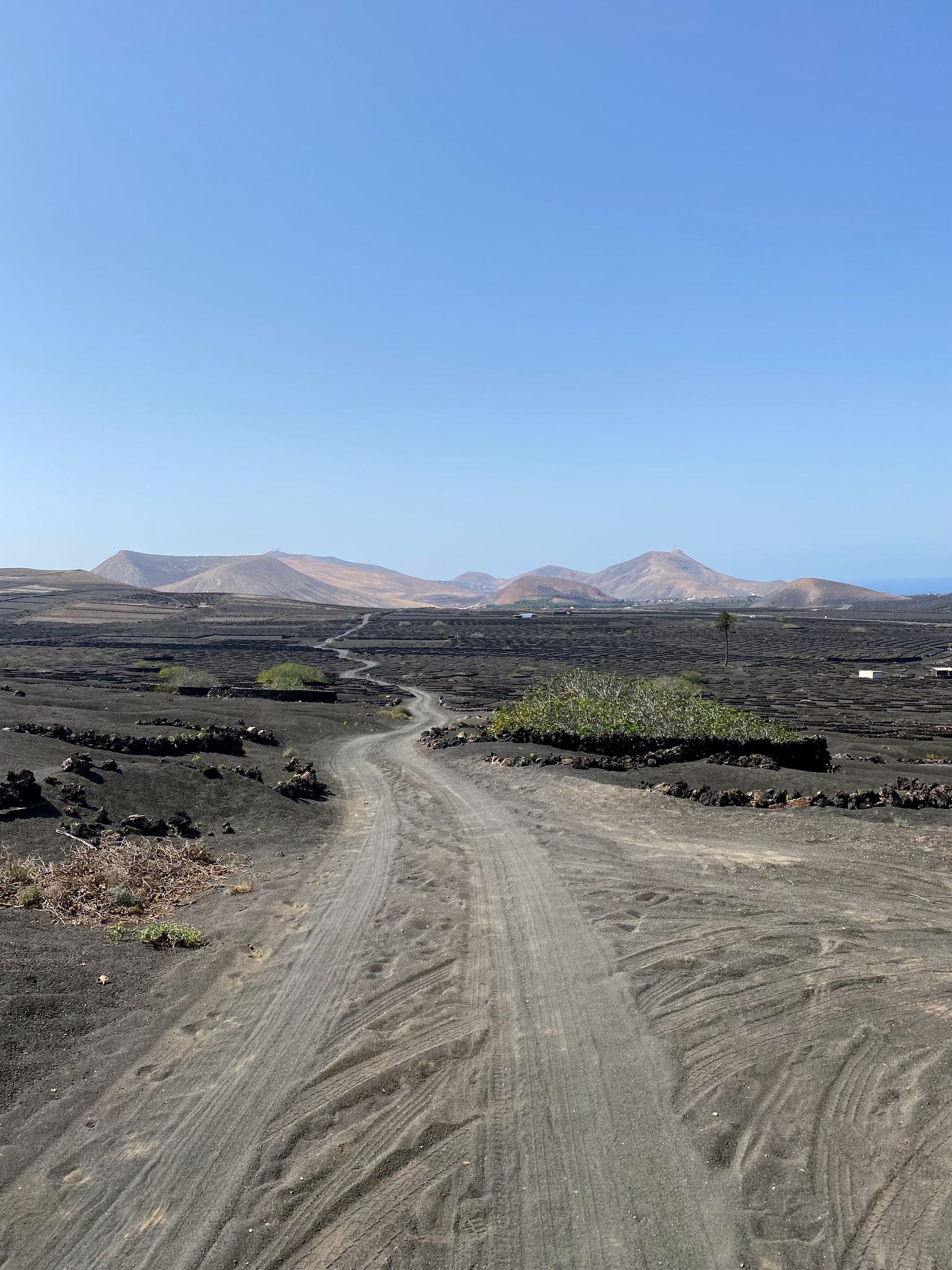
Bikepack in the Canary Islands – surprising adventures in the sun
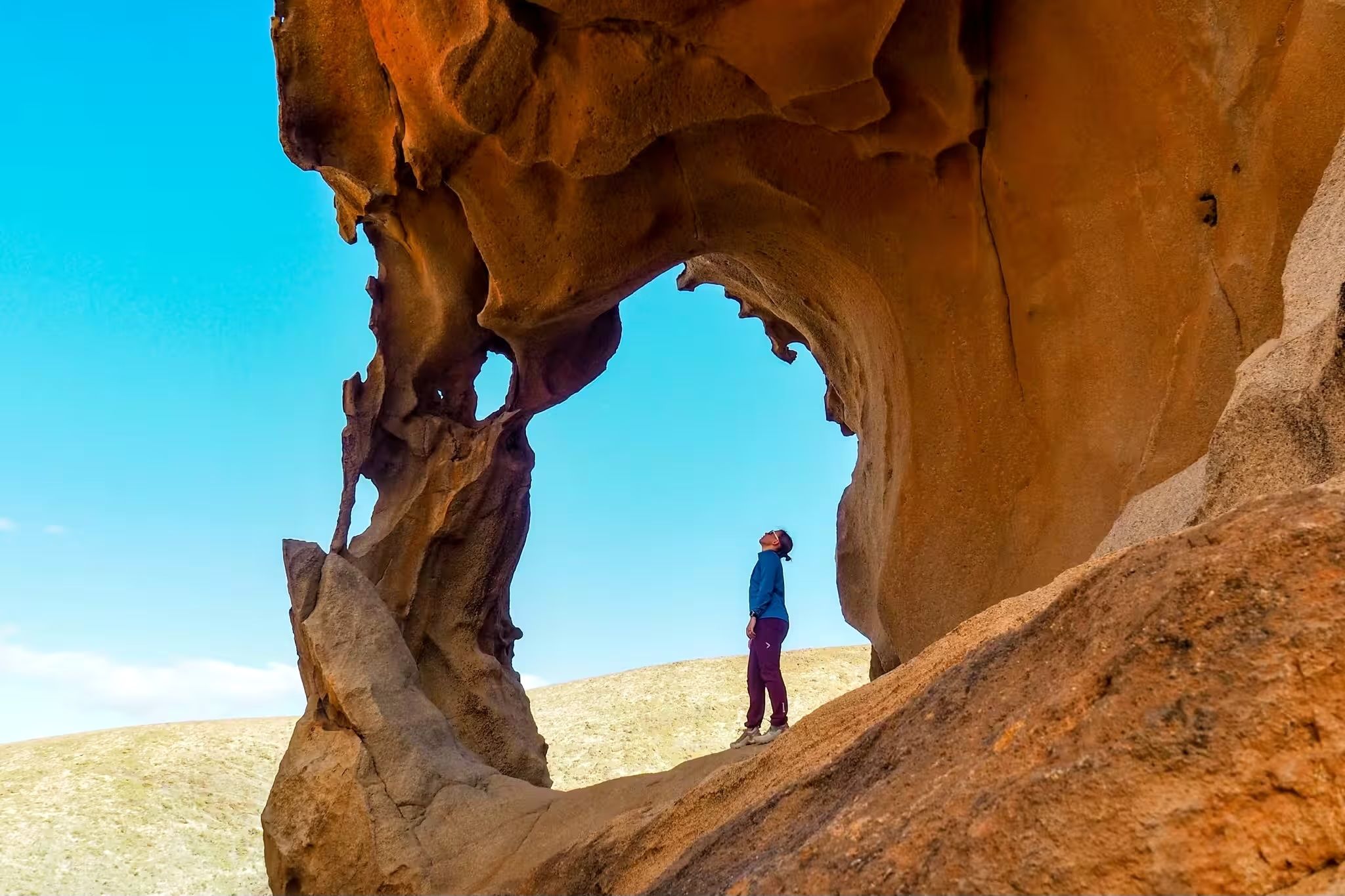
Canary Islands at a slow pace – six hikes immersed in nature
Six fascinating ways to discover the Canary Islands on foot
The challenge of the year — Transgrancanaria Classic
An island of contrasts – crossing Gran Canaria
GranGuanche Audax Gravel — five islands in two and a half days
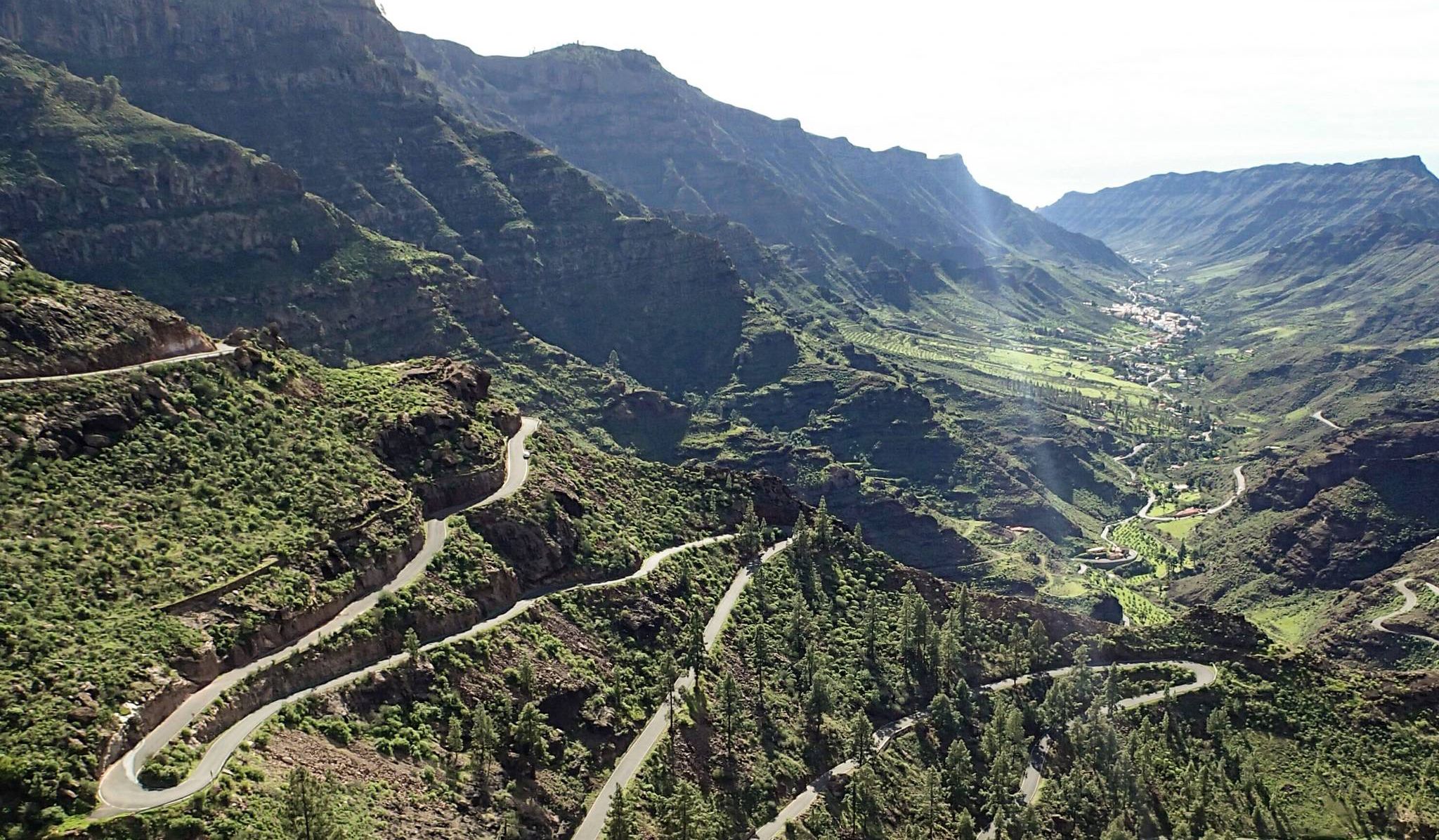
Escape to the south — road cycling in Gran Canaria
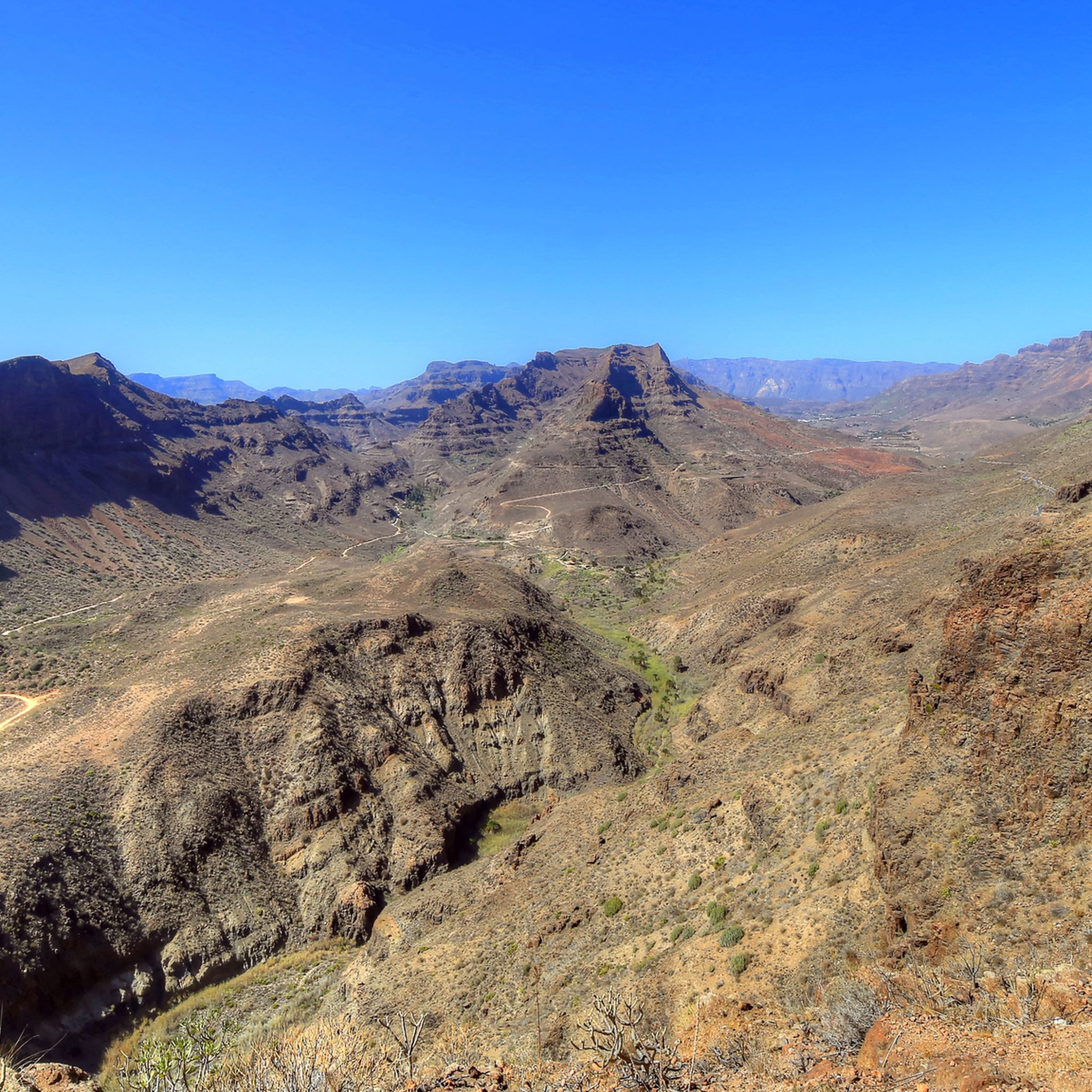
Hiking in Gran Canaria
Other adventures in Gran Canaria


Tips from the Community

The Valley of Tears must be attempted, but be left in no doubt that it is super difficult.
0
0

If you're planning to explore this area by bike, on a run, or while hiking, make sure to bring your own Merlot. The region is known for its stunning views and outdoor activities, but finding a good spot to enjoy a glass of wine can be a challenge. Packing your favorite Merlot ensures you can savor a well-deserved drink after your adventure!
0
1

From here you can go hiking, there is a public car park nearby. Locals offer various delicacies😊
1
0

Nice viewpoint right on the road, which can also serve as a pleasant uphill for the Maspalomas home flow trail that starts here, which leads you back to Maspalomas in an entertaining way - partly flowing, partly with small steps.
3
0

Cool trails next to the road
2
0


Stunning serenity climb, gradual easy elevation gain watch out for the head wind as you come out at the top of the climb, dropping slightly before climbing again up and up again to pico, 28 miles of climbing
1
0

Small pass at 480 meters above the Atlantic with a view of Maspalomas.
4
0
Frequently Asked Questions
What are some notable mountain passes and high-altitude areas to visit in Gran Canaria?
Gran Canaria offers a diverse range of mountain passes and high-altitude areas. Key locations include Cruz de Tejeda, known as the island's geographical center, and Pico de las Nieves, the highest peak offering unparalleled panoramic views. Other significant spots are Roque Nublo, a monumental volcanic monolith, and the scenic drive through Fataga, often called the 'Valley of the Thousand Palms'. The challenging Valley of the Tears (GC-210) is also popular among experienced cyclists.
Where can I find the best panoramic views in Gran Canaria's mountains?
For breathtaking panoramic views, Pico de las Nieves is highly recommended. On clear days, you can see Roque Nublo, the Caldera de Tejeda, and even Mount Teide on Tenerife. Cruz de Tejeda also provides stunning vistas of the island's main caldera and Roque Nublo. Additionally, the Degollada de las Yeguas Astronomical Viewpoint offers a beautiful all-round view of the Barranco de Fataga and the sea.
Are there family-friendly mountain passes or viewpoints in Gran Canaria?
Yes, several areas are suitable for families. Cruz de Tejeda is a bustling hub with restaurants and shops, offering various walking routes. The Degollada de las Yeguas Astronomical Viewpoint is also family-friendly, providing impressive views without strenuous effort. The hike to Roque Nublo from the La Goleta parking lot is a relatively easy 3 km round trip, offering spectacular scenery.
What kind of hiking opportunities are available near Gran Canaria's mountain passes?
Gran Canaria's mountain passes are excellent starting points for hikes. From Cruz de Tejeda, you can embark on various routes, including a recommended 12.5 km circular trek to Roque Nublo. The area around Pico de las Nieves is also popular for hiking. For more options, you can explore guides like Easy hikes in Gran Canaria, which features routes like the 'Bandama Caldera loop'.
Are there challenging routes for experienced cyclists in the Gran Canaria mountains?
Absolutely. The Valley of the Tears (GC-210) is renowned for its difficult and challenging climb, popular with experienced cyclists due to its steep gradients, averaging over 11% with sections up to 25%. Another challenging ascent is the Climb from La Filipina to Barranquillo Andrés, known for its good surface and extensive views. For gravel biking, routes like 'Switchbacks with a view – Pico de las Nieves summit loop' are available in the Gravel biking in Gran Canaria guide.
When is the best time to visit Gran Canaria's mountain passes?
Gran Canaria's mountain passes can be visited year-round, but the cooler months from autumn to spring (October to May) are generally preferred for outdoor activities like hiking and cycling, as temperatures are milder. During these times, you might also witness the spectacular 'sea of clouds' phenomenon from high points like Pico de las Nieves, especially during sunrise or sunset.
What unique natural features can I expect to see in the mountain regions?
The mountain regions of Gran Canaria are rich in natural wonders. You can witness the monumental volcanic monolith of Roque Nublo, part of a UNESCO World Heritage site. The drive through Fataga reveals impressive cliffs, winding barrancos (ravines), and groves of palm and fruit trees. From Pico de las Nieves, the 'sea of clouds' phenomenon creates a surreal landscape. The island's diverse terrain, often called a 'miniature continent,' ensures varied natural beauty.
Are there cultural or historic sites near the mountain passes?
Yes, the mountain areas hold cultural and historic significance. Cruz de Tejeda is a historic meeting point, marked by a stone cross, and offers a vibrant atmosphere with local vendors. Roque Nublo holds cultural and spiritual significance for the indigenous Guanche people. The village of Fataga provides a glimpse into traditional Canarian life with its whitewashed houses and narrow streets, and the village of Artenara along the Valley of the Tears route features troglodyte houses.
What do visitors enjoy most about Gran Canaria's mountain passes?
Visitors frequently praise the dramatic scenery and panoramic views. The opportunity to stop every 100 meters to take a photo and enjoy the landscape, as described for the Climb from La Filipina to Barranquillo Andrés, highlights the visual appeal. The vibrant atmosphere and local products at places like Cruz de Tejeda, along with the sense of isolation and breathtaking beauty in areas like the Valley of the Tears, are also highly appreciated.
Is it possible to find food and accommodation near the mountain passes?
Yes, you can find amenities in the mountain regions. Cruz de Tejeda is a central hub with bustling restaurants, bars, and shops selling local products. The Hotel Parador de Cruz de Tejeda is located at the top of this pass, offering accommodation with stunning views. The village of Fataga also has traditional establishments, and other mountain villages like Artenara provide options for refreshments and stays.
What is the Tauro Pass known for?
The Tauro Pass Serpentine Road is celebrated for its beautiful hairpin curves and good asphalt, making it a favorite among cyclists. It offers scenic views and is often noted for having little traffic, especially in certain seasons. While the road down to Soria can be in poor condition, the pass itself is appreciated for its cycling experience.
Most popular routes in Gran Canaria
Most popular attractions in Gran Canaria

Get inspired with the komoot mobile app


Explore more
See even more epic mountain passes by checking out these guides in Gran Canaria:
