Top 5 Natural Monuments in Rhönwald-Grabenberg
Best natural monuments in Rhönwald-Grabenberg showcase the region's geological and ecological diversity. This area features scenic landscapes and unique natural formations, including significant geological sites and protected habitats. Visitors can explore these monuments to understand the powerful forces that shaped the land and appreciate the local biodiversity. The natural monuments here offer opportunities for outdoor activity and immersion in nature.
Best natural monuments in Rhönwald-Grabenberg
- The most popular natural monuments is Three-State Point Hesse–Bavaria–Thuringia, a man-made monument that marks…
Last updated: July 5, 2026
Three-State Point Hesse–Bavaria–Thuringia
Highlight • Monument
Translated by Google •
Tip by

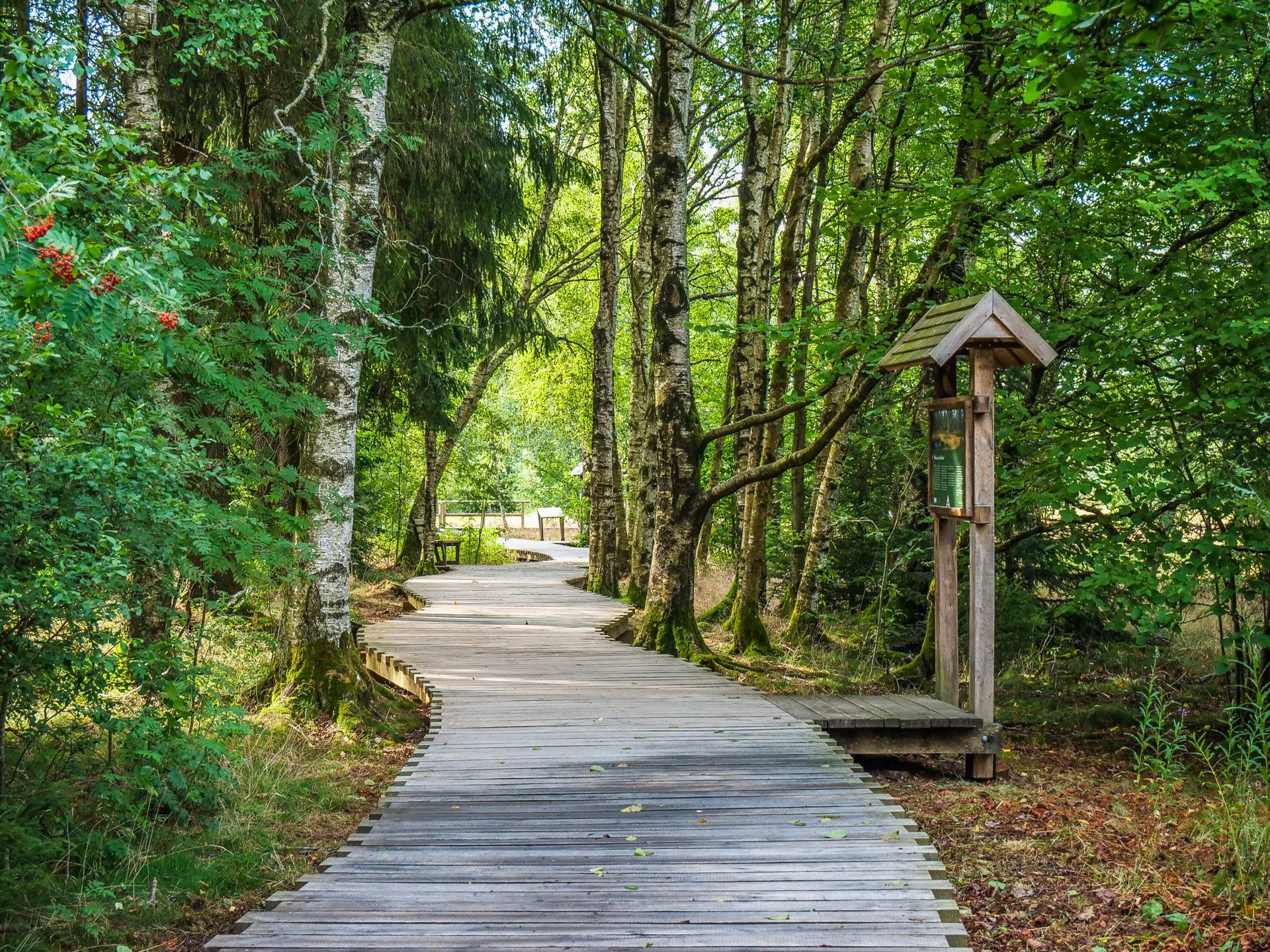
Birxgraben Stream and Wooden Bridge
Highlight • River
Translated by Google •
Tip by

Sign up now to discover places like this
Get recommendations on the best single tracks, peaks, & plenty of other exciting outdoor places.
Sign up for free
Habitat of the Rhön Spring Snail
Highlight • Natural Monument
Translated by Google •
Tip by
Hohe Rhön Discovery Trail – Nature on its Own, Information Board 20
Highlight • Trail
Translated by Google •
Tip by
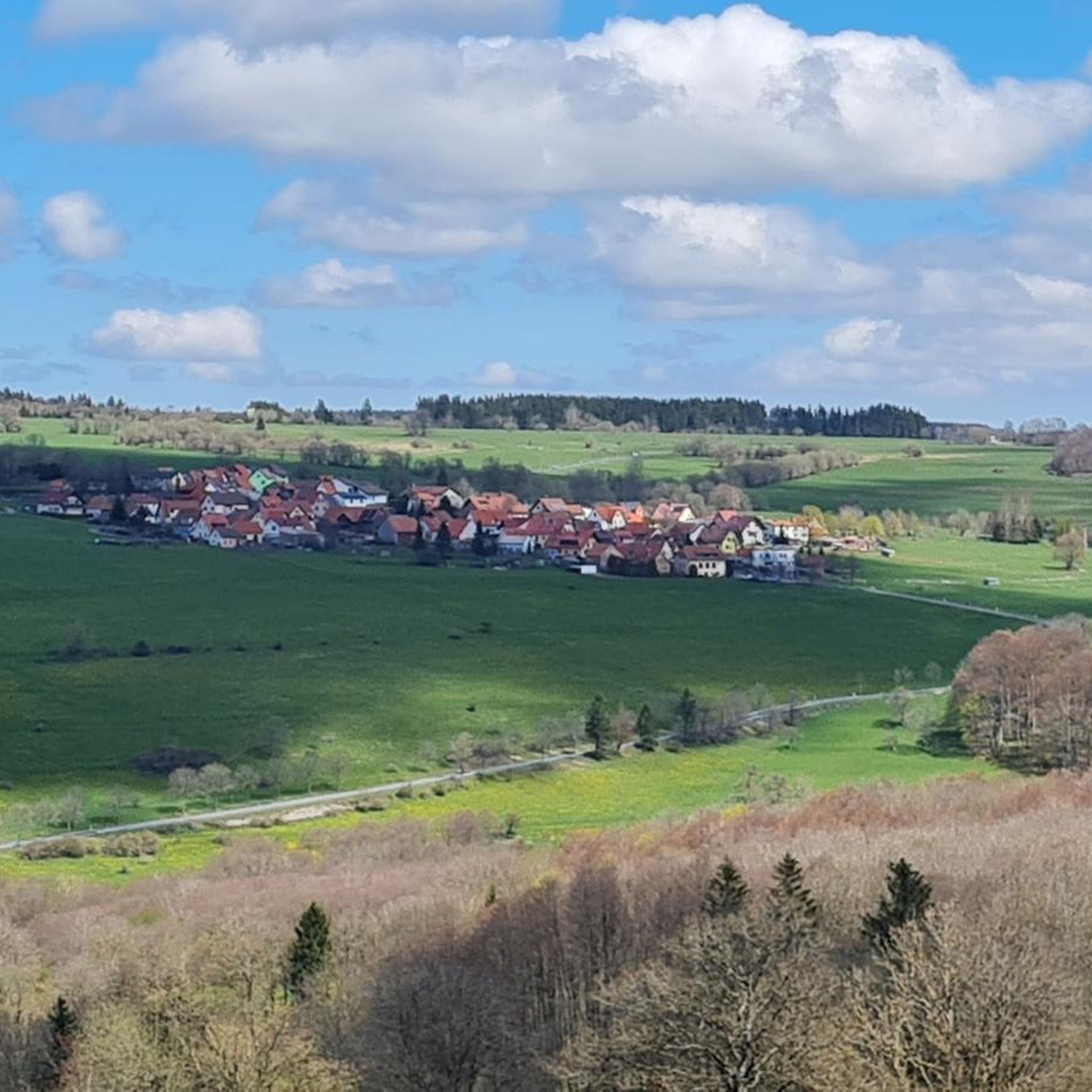
View along the Birxgraben valley to the Ulster valley
Highlight • Viewpoint
Translated by Google •
Tip by

Sign up for free to discover even more natural monuments in Rhönwald-Grabenberg.
Sign up for free
Already have an account?
Start today with a free account
Your next adventure awaits.
Login or Signup
Popular around Rhönwald-Grabenberg
Other adventures in Rhönwald-Grabenberg


Tips from the Community

At the small biotope, the information board explains the lifestyle and requirements of the rare Rhön spring snail.
0
0
As the name suggests, there is much to learn and discover on the way.
0
0

Here you can experience a beautiful stream.
1
0

One of the rare occurrences of the Rhön source snail. Really only a millimeter in size but huge in meaning.
0
0

You go hiking and learn something
0
0

20 bird voice quiz Do you recognize the birds of the Rhön? + Information about the Rhön spring snail.
0
0

Very interesting panel about the Rhön source snail.
9
0
Discovery path Hohe Rhön "Nature for itself". Information board no.20
5
0
Frequently Asked Questions
What types of natural monuments can I explore in Rhönwald-Grabenberg?
Rhönwald-Grabenberg offers a diverse range of natural monuments. You can find significant geological features, such as the Birxgraben Stream and Wooden Bridge, which is a protected biotope. The broader Rhön region, encompassing Rhönwald-Grabenberg, is also known for impressive basalt formations and ancient trees like venerable oaks, though specific examples like the 'Alte Basaltmauer' are more regionally known. The area also protects unique ecological sites, such as the Habitat of the Rhön Spring Snail.
Are there any historical natural monuments in the area?
Yes, the region features natural monuments with historical significance. The Three-State Point Hesse–Bavaria–Thuringia is a notable example, marking the meeting point of three German federal states with a boundary stone from the 19th century. Additionally, the View along the Birxgraben valley to the Ulster valley offers insights into the former German-German border history.
Which natural monuments are suitable for families with children?
Several natural monuments in Rhönwald-Grabenberg are family-friendly. The Three-State Point Hesse–Bavaria–Thuringia is an accessible landmark. The Habitat of the Rhön Spring Snail provides an interesting educational stop, and the Hohe Rhön Discovery Trail – Nature on its Own, Information Board 20 is designed for discovery and learning about local nature, including a bird voice quiz.
What kind of geological features can be observed in Rhönwald-Grabenberg?
The Rhönwald-Grabenberg area, part of the larger Rhön region, is characterized by its volcanic past. You can observe geological formations like basalt walls, which are remnants of cooled volcanic lava. The Birxgraben Stream itself is an interesting geological feature, having been shaped by extreme weather events and sinking massively into the underground, offering a tangible connection to the Earth's powerful forces.
Are there any scenic viewpoints among the natural monuments?
Yes, the region offers several scenic viewpoints. The Three-State Point Hesse–Bavaria–Thuringia provides a clear vantage point. Another excellent spot is the View along the Birxgraben valley to the Ulster valley, offering expansive views of the steeply sloping valley. The Hohe Rhön Discovery Trail – Nature on its Own, Information Board 20 also includes viewpoints along its path.
What outdoor activities can I do near these natural monuments?
The natural monuments in Rhönwald-Grabenberg are surrounded by opportunities for outdoor activities. You can find numerous hiking trails, including those that lead to waterfalls, as detailed in the Waterfall hikes in Rhönwald-Grabenberg guide. The area is also popular for cycling and road cycling, with routes available in the Cycling in Rhönwald-Grabenberg guide and Road Cycling Routes in Rhönwald-Grabenberg guide.
Are there easy hiking trails to access the natural monuments?
While specific difficulty levels vary, many natural monuments are integrated into existing trail networks. For instance, the Birxgraben Stream and Wooden Bridge offers an idyllic walk away from main roads. The Hohe Rhön Discovery Trail is designed for exploration, suggesting accessible paths. For general easy cycling options, you can refer to the Cycling in Rhönwald-Grabenberg guide, which includes easy routes like the 'Thuringian Rhön House loop'.
What is the best time of year to visit the natural monuments in Rhönwald-Grabenberg?
The Rhönwald-Grabenberg region is beautiful throughout the year, with each season offering a unique experience. Spring brings lush greenery and blooming flora, while summer is ideal for hiking and outdoor activities. Autumn showcases vibrant fall colors, and winter offers a serene, snow-covered landscape, suitable for winter hiking, provided you are prepared for the conditions.
Can I bring my dog to the natural monuments?
Generally, dogs are welcome on trails and in natural areas in Rhönwald-Grabenberg. However, it's always advisable to keep them on a leash, especially near protected biotopes like the Birxgraben Stream or sensitive habitats such as the Habitat of the Rhön Spring Snail, to protect local wildlife and ensure a pleasant experience for all visitors.
What makes the Birxgraben Stream a significant natural monument?
The Birxgraben Stream is significant as a protected biotope connection element between Ulstertal and Hochrhön since 1987. It's notable for its unique geological formation, having sunk massively into the underground due to historical extreme weather events. The stream's flora is characterized by a grove-alder alluvial forest, making it an important ecological site.
What do visitors particularly enjoy about the natural monuments in Rhönwald-Grabenberg?
Visitors appreciate the diverse natural beauty and the opportunity for immersion in nature. Many enjoy the combination of geological interest, such as the unique formations along the Birxgraben, and the historical context found at sites like the Three-State Point. The educational aspects, like the information panels at the Habitat of the Rhön Spring Snail, are also highly valued, allowing visitors to learn while exploring.
Are there any unique ecological sites to visit?
Yes, Rhönwald-Grabenberg is home to unique ecological sites. The Habitat of the Rhön Spring Snail is a prime example, protecting one of the rare occurrences of this small but ecologically significant species. The Birxgraben Stream is also a protected biotope, featuring a rich alluvial forest and contributing to the region's biodiversity.
Most popular routes in Rhönwald-Grabenberg
Most popular attractions in Rhönwald-Grabenberg

Get inspired with the komoot mobile app


Explore more
Extend your search for the best caves by checking out these guides of the top ones in Rhönwald-Grabenberg:
