Top 5 Natural Monuments in Kluisbos
Best natural monuments in Kluisbos include the 300-hectare Kluisbos forest, situated on the Kluisberg, a dominant natural feature on the Flemish-Walloon border. This area is recognized for its ecological value, being part of the Natura 2000 network. The region's distinct natural character is shaped by incised valleys and steep slopes. It offers a varied landscape for exploration.
Best natural monuments in Kluisbos
- The most popular natural monument is Kluisbos Forest, a forest that spans 300 hectares and is ecologically…
Last updated: August 15, 2026
Kluisbos Forest
Highlight • Forest
Translated by Google •
Tip by

Kluisberg - Mont de l'Enclus
Highlight • Monument
Translated by Google •
Tip by

Sign up now to discover places like this
Get recommendations on the best single tracks, peaks, & plenty of other exciting outdoor places.
Sign up for free
Giant Liedericq
Highlight • Monument
Translated by Google •
Tip by
Peetje en Meetje Standing Stones
Highlight • Natural Monument
Translated by Google •
Tip by

Oldest Sweet Chestnut Tree Kluisbos
Highlight • Natural Monument
The tree was about 30 meters high, of which more than 20 meters trunk....
Translated by Google •
Tip by

Start today with a free account
Your next adventure awaits.
Login or Signup
Popular around Kluisbos
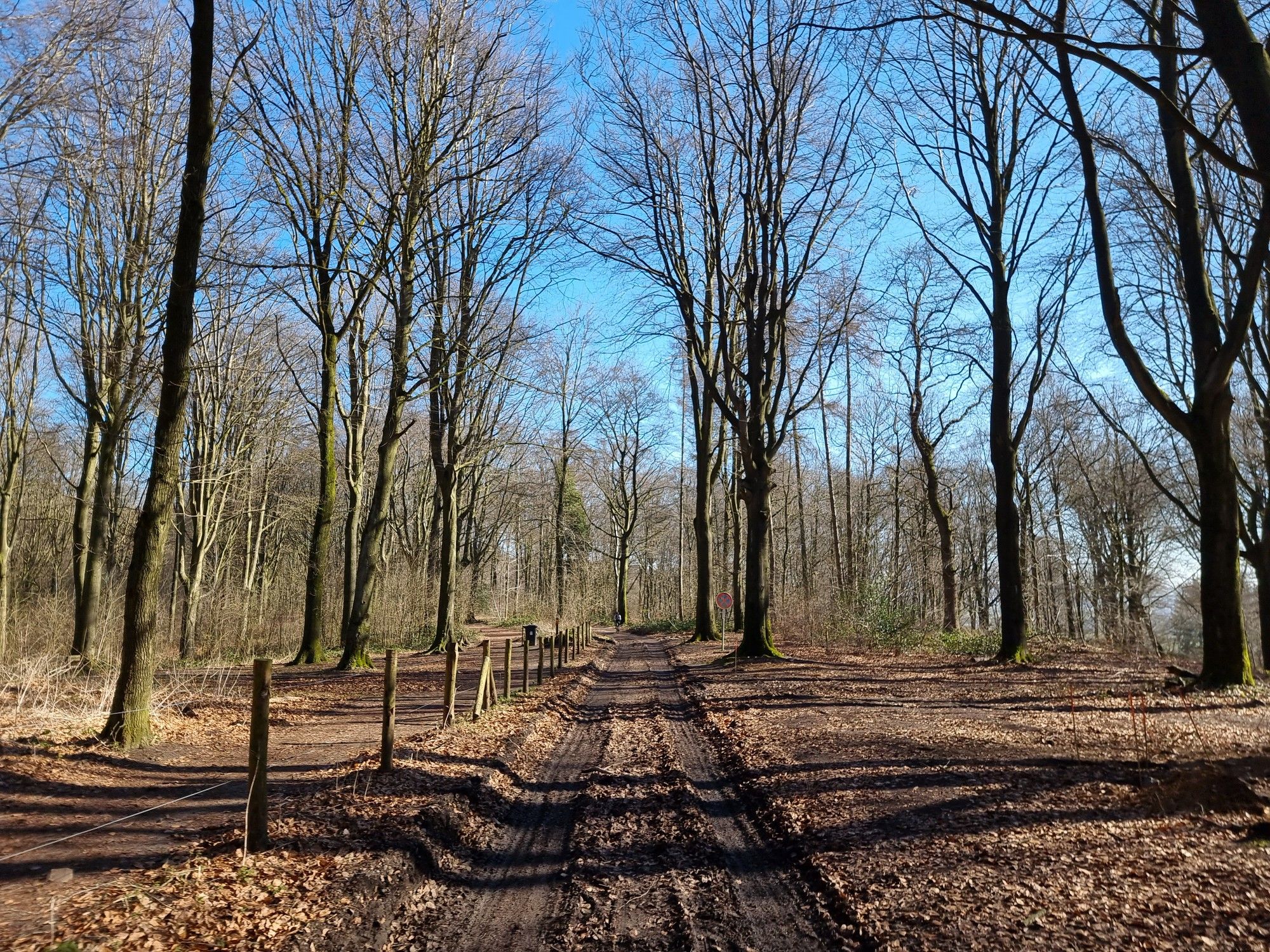
Grande Randonnée GRavel — Western Hainaut
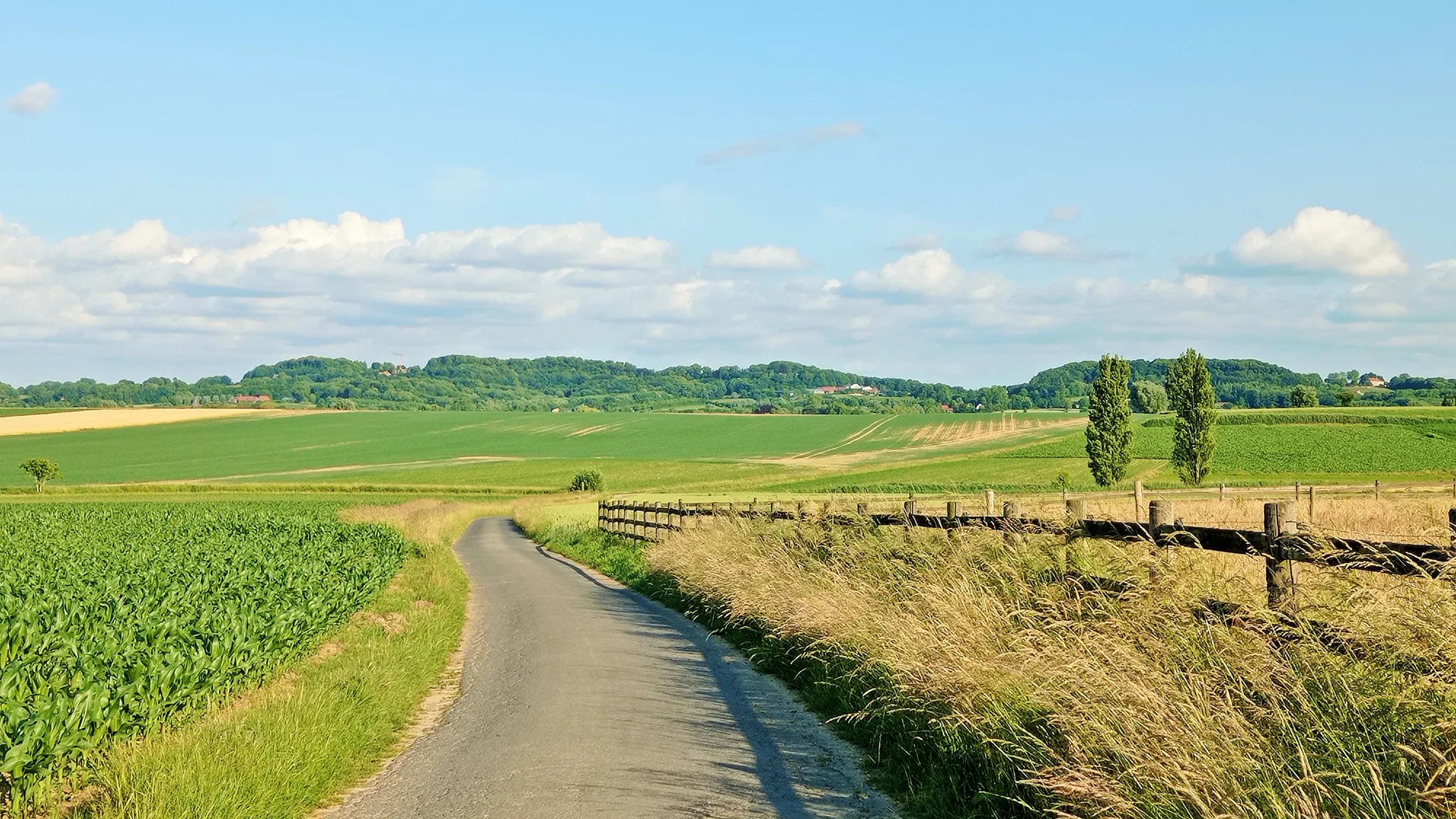
Seven-day Cycling tour through the South-Flemish hills – Hilly Route
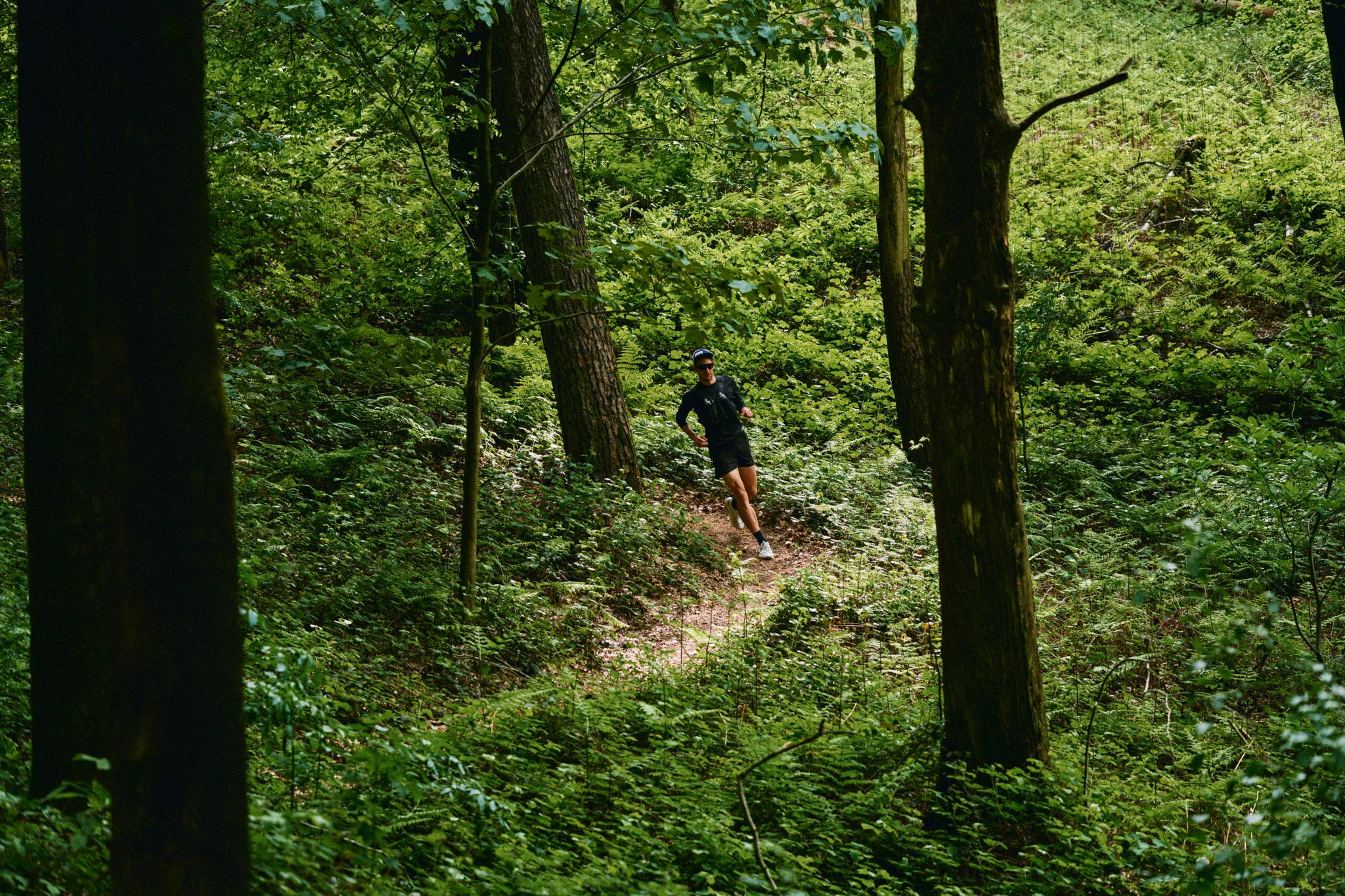
Through forests and fields – trail running in the Flemish Ardennes
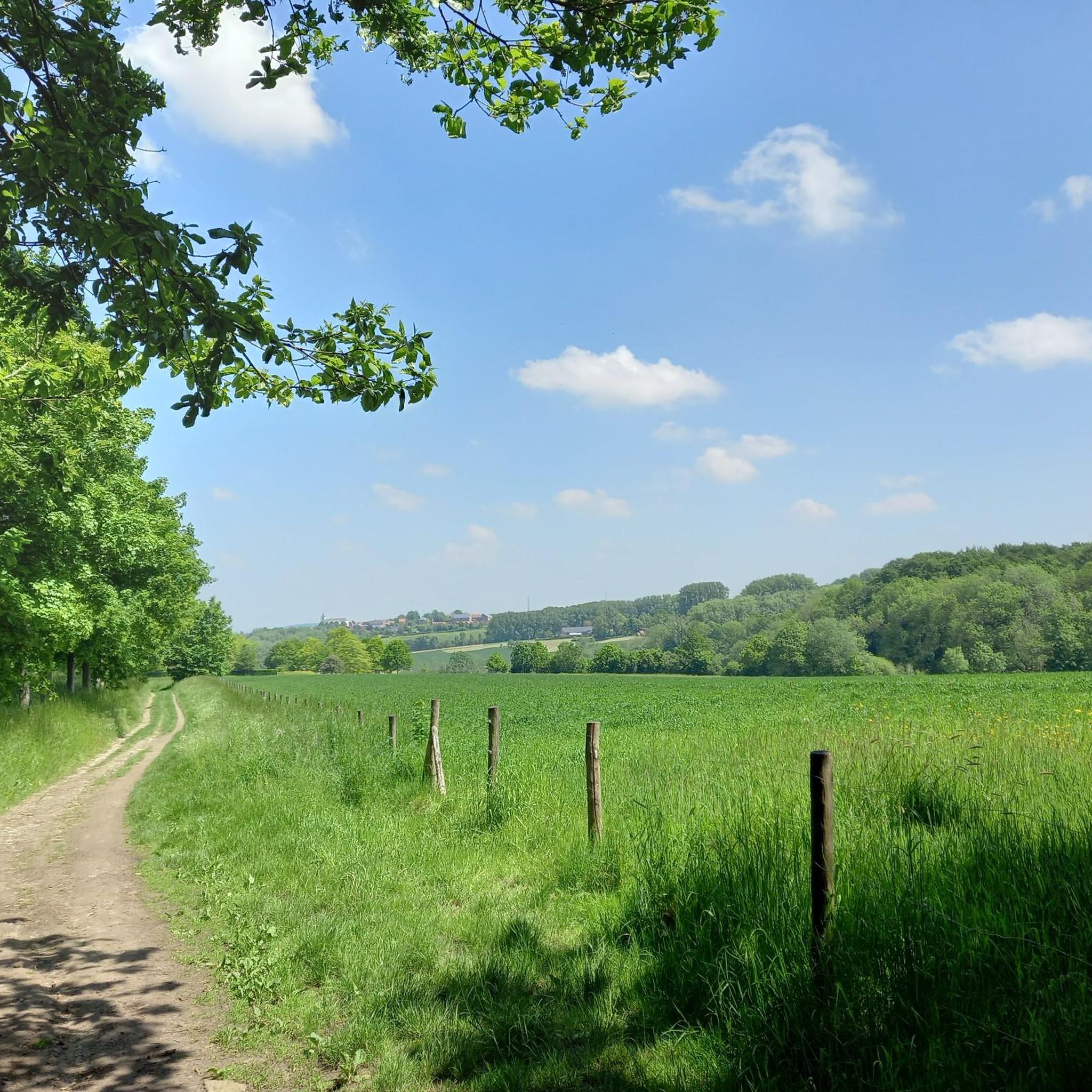
Hiking in Kluisbos
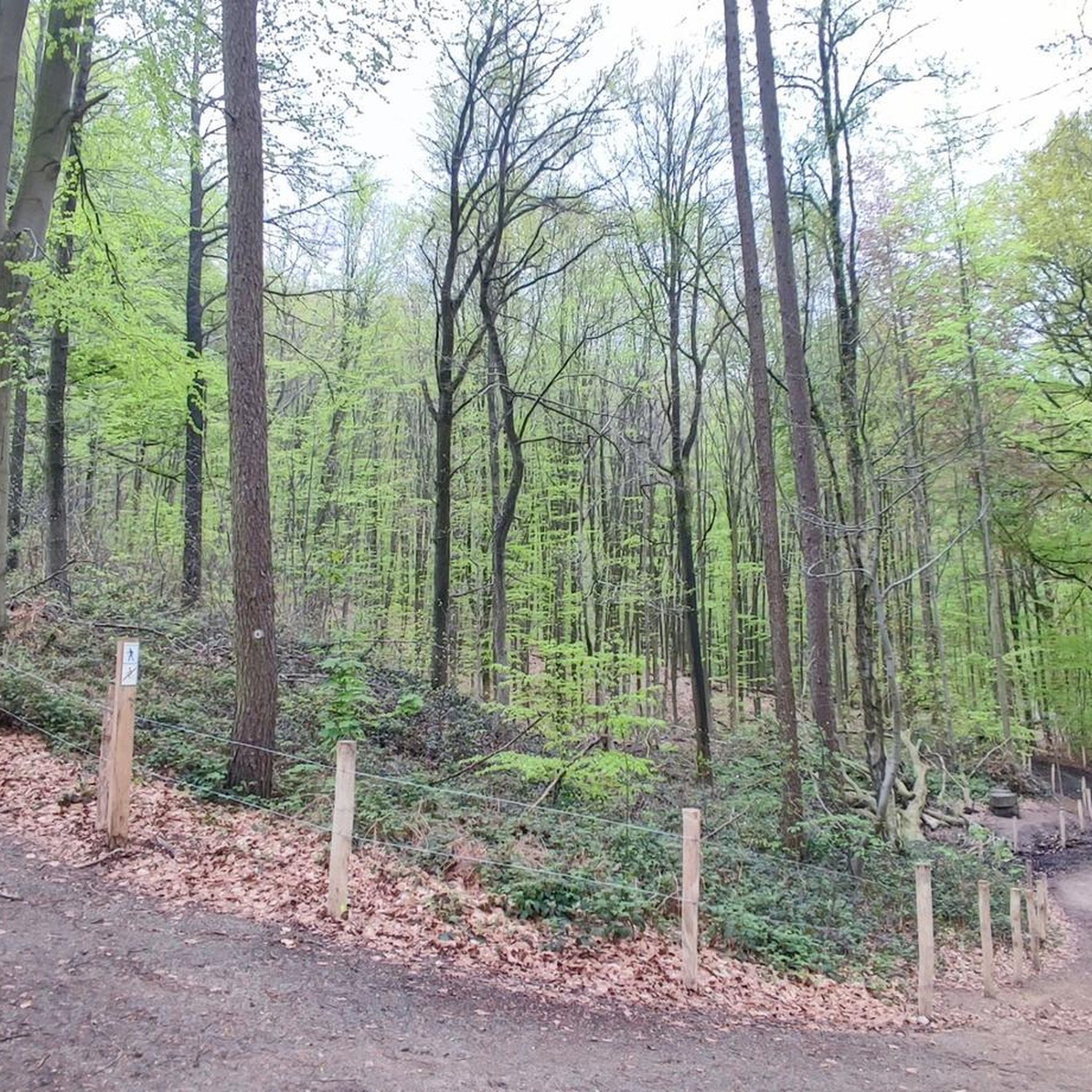
Running Trails in Kluisbos
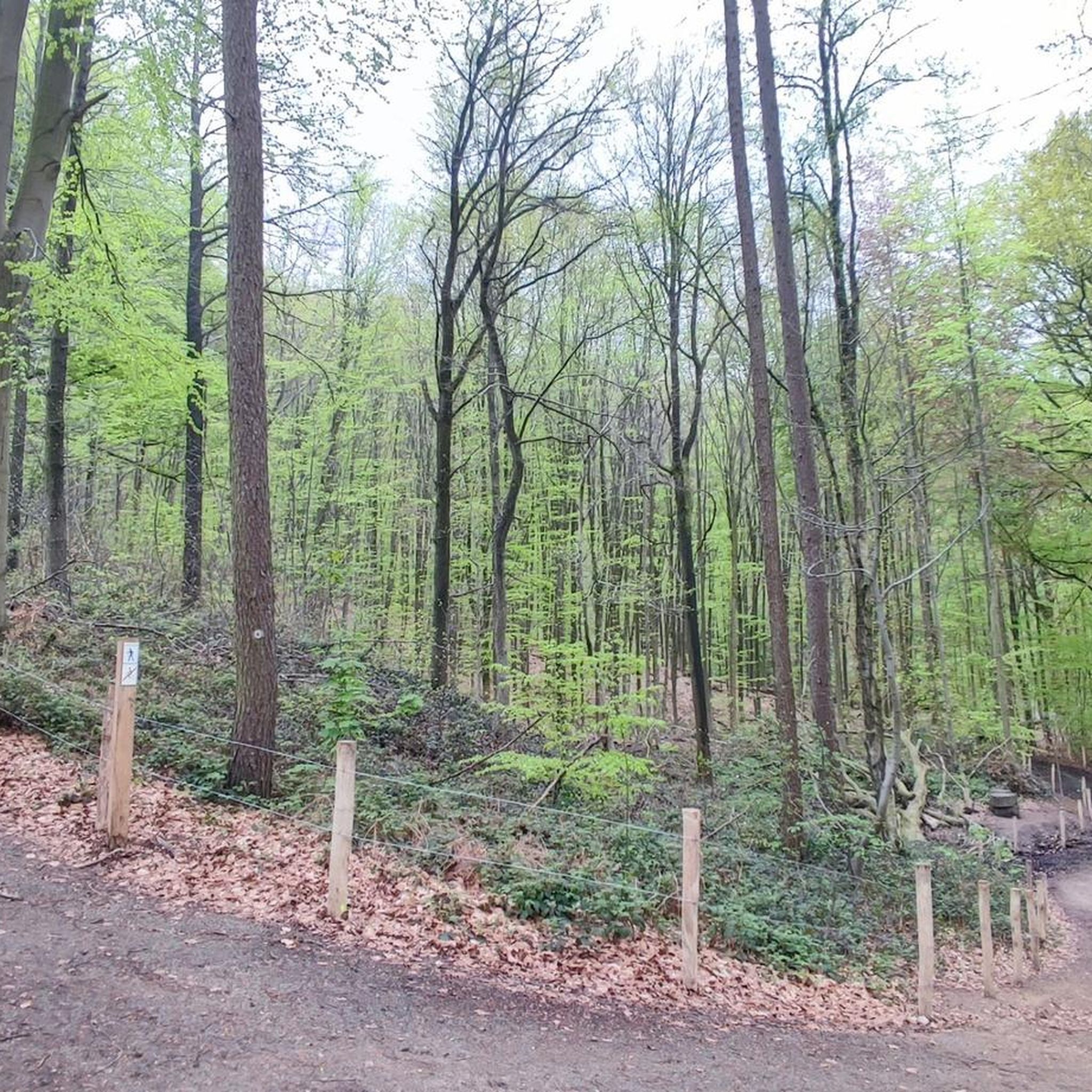
Road Cycling Routes in Kluisbos
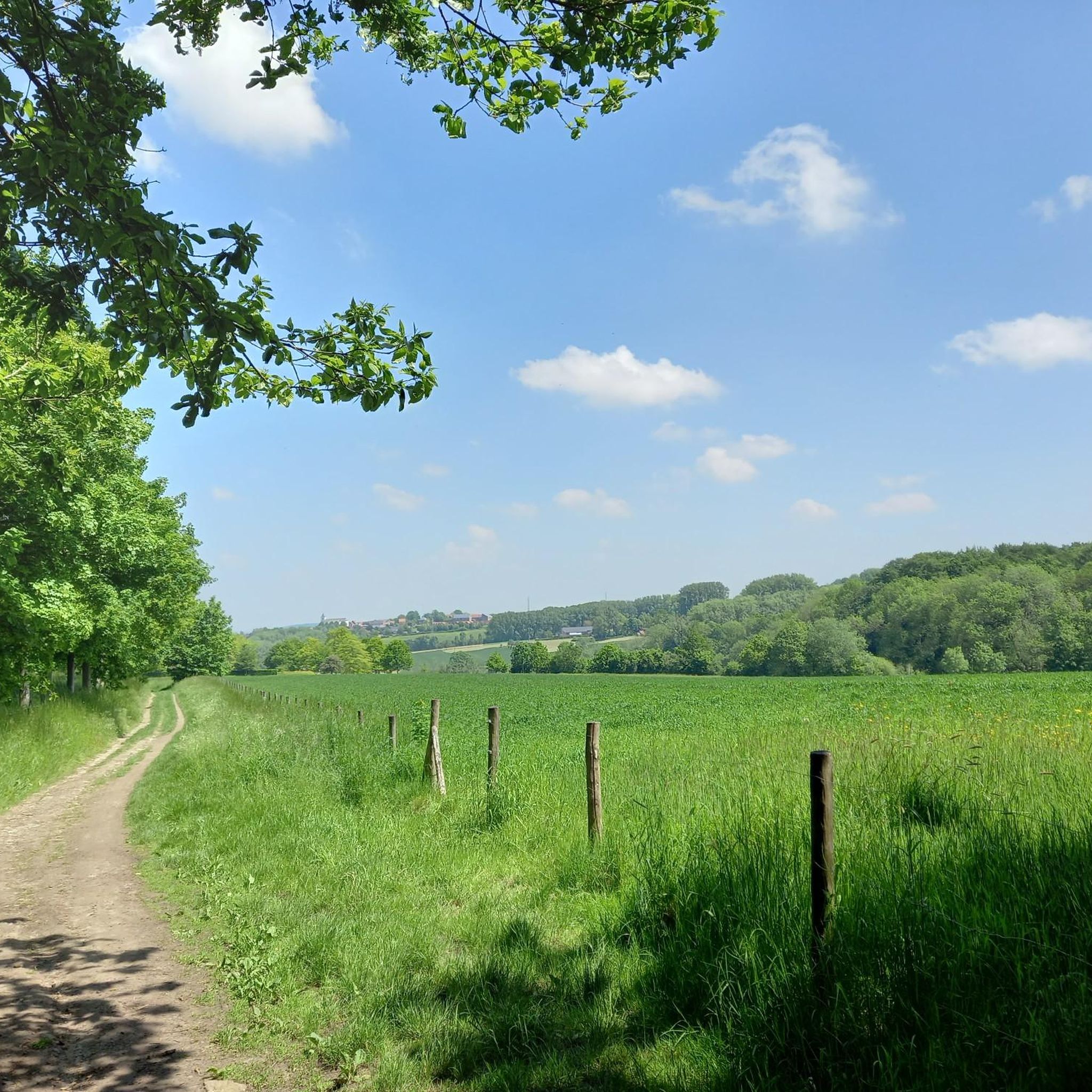
Cycling in Kluisbos
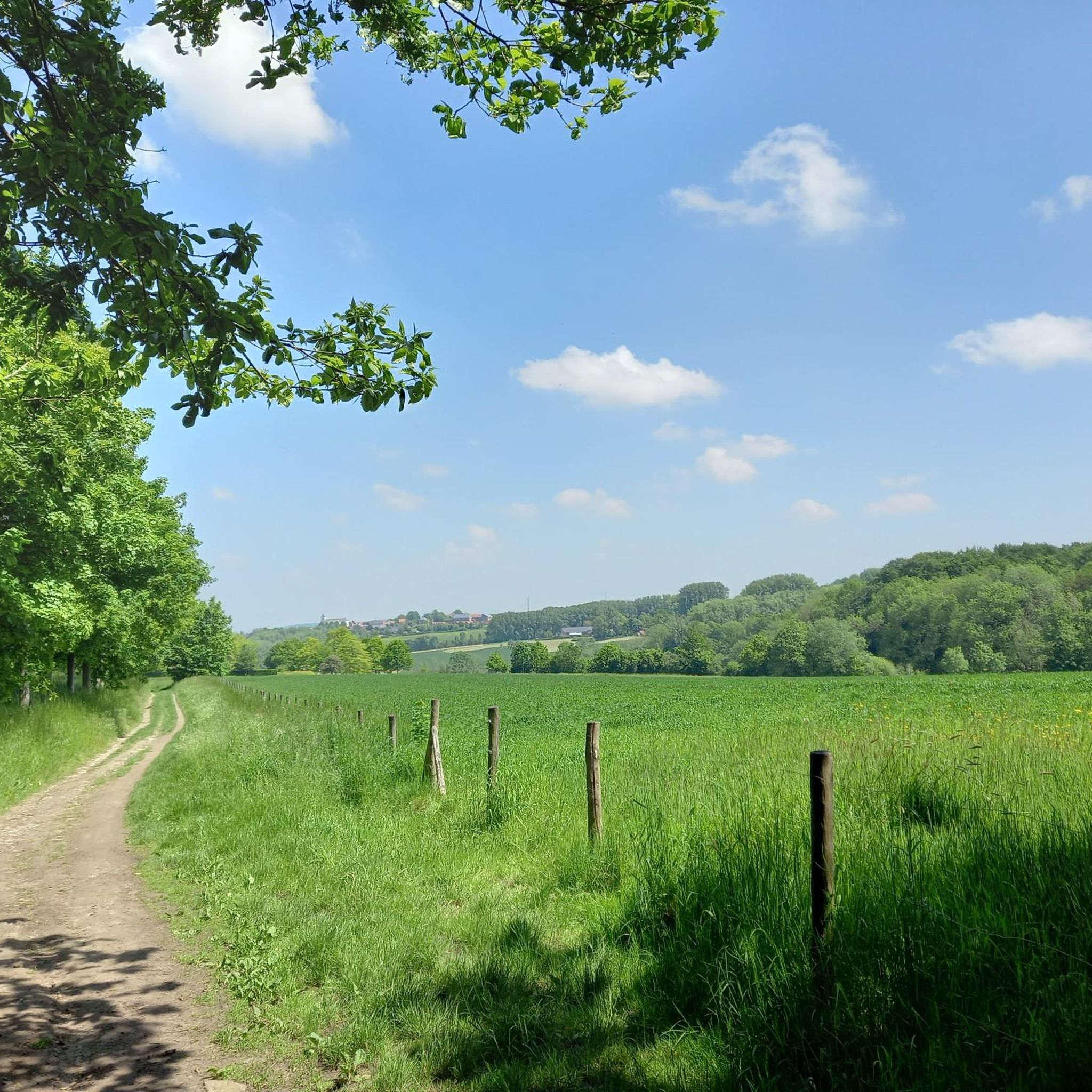
MTB Trails in Kluisbos

Gravel biking in Kluisbos
Other adventures in Kluisbos


Tips from the Community

In the Kluisbos - on top of the 141-meter-high Kluisberg - you'll never run out of walking or cycling opportunities. This is the largest forest in the Flemish Ardennes.
5
0

Crowded, but still very nice and quiet, you do not feel like being in Vlaanderen.
0
1
The forest is right on our language border. Don't be a stranger to our non-Dutch speaking compatriots: feel free to cross this imaginary line during your walk. Peeping at your neighbours won't kill you! What's more: it will make you a more complete person. In open spaces you can enjoy views of the Walloon landscape. It's something different from the Flemish Ardennes, in between. A welcome addition to an already particularly rich range of landscapes on your trip. (East Flanders Tourism)
15
0

The Kluisbos is a nature reserve, partly a domain forest and partly a public forest, in the Flemish Ardennes in South-East Flanders and the Pays des Collines in Hainaut (Belgium). The Kluisbos is a forest with a rich relief and is located on the flank of the witness hill De Kluisberg. It is approximately 300 hectares in size. The Flemish part is 200 hectares in size and is located on the territory of the municipality of Kluisbergen (sub-municipalities Ruien and Kwaremont). The Walloon part (Bois de l'Enclus) is 100 hectares in size and is located on the territory of the sub-municipalities: Rozenaken, Orroir and Amougies in the Pays des Collines region. The Flemish part of the forest is managed by the government agency Agency for Nature and Forests. Since 2006, a 50-hectare part has been designated as a forest reserve.
6
0

It's a beautiful forest with many heights and depths! And surprisingly a lot of bird song🤗🤗🤗
5
0

The language border runs right across the densely wooded Kluisberg. Various stories and legends are connected to this witness hill. One of these is the legend of Liedericq, a prince who was raised in the forest by a hermit. Near hiking junction 7 on the Walloon side of the hill is the first of three large giants, each of which depicts a part of the story. The path slowly climbs past the three giants. In 620, Prince Salvaert of Dijon and his entourage passed near the hill. They were attacked by the cruel giant Phineart and were killed. Only the pregnant Ermengaert, wife of Salvaert, managed to escape. She gave birth in the forest and hid her newborn before also falling into the hands of Phineart. A hermit (wink ‘Kluisbos’) took care of the baby. This Prince Liedericq later grew up to be a knight and is said to have been the ancestor of the Counts of Flanders.
11
0

It looks like a dolmen, but could it be one? What is it? Erratic boulders dating from the ice age? Mystery mystery…
1
0

Very nice to have a drink on a terrace and recover from the climb
4
0
Frequently Asked Questions
What are the most prominent natural features to explore in Kluisbos?
The primary natural feature is the Kluisberg (Mont de l'Enclus), a 141-meter-high hill that forms a significant ridge on the Flemish-Walloon border. It's largely covered by the extensive Kluisbos Forest, a 300-hectare area recognized for its ecological value and diverse ecosystem. The region's distinct character is also shaped by incised valleys and steep slopes, offering varied landscapes.
Are there any unique geological formations or historical sites within Kluisbos?
Yes, you can visit the Peetje en Meetje Standing Stones, two large rock formations believed to be the pedestals of an ancient dolmen used by Celtic druids. While not strictly geological, their natural presence combined with historical significance makes them a fascinating point of interest.
What kind of wildlife can I expect to see in Kluisbos?
The Kluisbos Forest is part of the Natura 2000 network, safeguarding its vulnerable flora and fauna. Its diverse ecosystem supports typical forest animals such as owls, treecreepers, roe deer, and squirrels. Portions of the forest are managed to create habitats for insects and rare species like the fire salamander.
What outdoor activities are popular near the natural monuments in Kluisbos?
Kluisbos is popular for various outdoor activities. You can enjoy easy hikes, with routes like the Kluisbos Forest loop from Kluisberg. The challenging terrain, characterized by steep slopes, also makes it ideal for gravel biking and running trails.
Are there family-friendly natural monuments or activities in Kluisbos?
Absolutely. Many natural monuments in Kluisbos are suitable for families. The Kluisberg - Mont de l'Enclus is considered an ideal destination for young and old, offering recreation and beautiful views. The Peetje en Meetje Standing Stones and the Giant Liedericq statue, which tells a local legend, are also family-friendly points of interest.
What is the best time of year to visit Kluisbos for its natural monuments?
Kluisbos offers beauty throughout the year. Spring brings lush greenery and blooming flora, while summer provides a pleasant and cool spot at the Liefdesbron (Love Spring) in the shade of the forest. Autumn is particularly scenic with vibrant fall foliage, making it a popular time for hiking and enjoying the rich, varied landscape.
What do visitors enjoy most about the natural monuments in Kluisbos?
Visitors frequently highlight the extensive opportunities for walks and cycling through the Kluisbos Forest, appreciating its rich and varied landscape. Many enjoy the challenging slopes and the beautiful panoramic views, especially from the Kluisberg. Spotting wildlife like bambi's in the early morning is also a memorable experience for some.
Is there a specific natural monument that offers panoramic views?
Yes, the Kluisberg - Mont de l'Enclus, being the highest point at 141 meters, offers valuable nature and beautiful panoramic views of the surrounding Flemish Ardennes and even the Walloon landscape from open spaces within the forest.
Are there any historical legends associated with the natural monuments in Kluisbos?
Yes, the Giant Liedericq monument is linked to a local legend. It tells the story of Prince Liedericq, who was raised in the forest by a hermit and later became an ancestor of the Counts of Flanders. The path slowly climbs past three large giants, each depicting a part of this tale.
What is the significance of the Kluisbos Forest being part of the Natura 2000 network?
Being part of the Natura 2000 network means the Kluisbos Forest is a European protected natural area. This designation safeguards its vulnerable flora and fauna, ensuring its diverse ecosystem and biodiversity are preserved for future generations. It highlights the forest's ecological importance.
Are there any specific trails or routes recommended for exploring the natural monuments?
For exploring the natural monuments, you can find various trails. For example, the 'Kluisbos Forest – Wooden Steps in Kluisbos loop' is an easy hike that takes you through the heart of the forest. For those seeking more challenging terrain, there are also moderate to difficult running trails and gravel biking routes that traverse the steep slopes of the Kluisberg.
Is there a place to relax and cool down during warm weather in Kluisbos?
Yes, the Liefdesbron (Love Spring) provides a pleasant and cool spot to relax in the shade of the forest during warm summer days. While not a grand monument, its serene ambiance and refreshing qualities offer a charming natural feature for visitors.
Most popular routes in Kluisbos
Most popular attractions in Kluisbos

Get inspired with the komoot mobile app


Explore more
Extend your search for the best caves by checking out these guides of the top ones in Kluisbos:
