Top 5 Natural Monuments in Dummersdorfer Ufer
Best natural monuments in Dummersdorfer Ufer encompass a 7-kilometer stretch along the left bank of the lower Trave River, designated as a nature reserve since 1958 and expanded to 340 hectares. This area is recognized for its unique ecological diversity, supporting the largest abundance of rare plant species in Schleswig-Holstein. The landscape features dramatic steep banks formed during the Ice Ages and areas of historical significance, including archaeological finds. Visitors can explore diverse habitats, from dry grasslands to coastal ponds,…
Last updated: June 21, 2026
Stülper Huk
Highlight • Beach
Quiet, seclusion and now and then the huge ships drove by.
A lovely place
Translated by Google •
Tip by

Dummersdorfer Ufer Nature Reserve
Highlight • Natural Monument
Translated by Google •
Tip by

Sign up now to discover places like this
Get recommendations on the best single tracks, peaks, & plenty of other exciting outdoor places.
Sign up for free
View from the Trave Observation Tower
Highlight • Viewpoint
Translated by Google •
Tip by

Silkteich
Highlight • Lake
Translated by Google •
Tip by

Ballastberg
Highlight • Natural Monument
Translated by Google •
Tip by
Start today with a free account
Your next adventure awaits.
Login or Signup
Tips from the Community

Indeed, despite my grandparents' house in the Bay of Lübeck, I have only now "discovered" this nature reserve. Great. In summer, besides many animals, you will also find plenty of plants like wild thyme – partly in large quantities. It smells fantastic.
0
0

This area here is truly a beautiful, untouched, and peaceful place. It's almost a shame to cycle there, as you're almost too fast to truly enjoy the beauty. Yes, you can cycle, but my tip: Go on foot. Walking along the Trave and observing the flora and fauna can almost only be done on foot. For me, the path along there is unfortunately also associated with the memory that on the other side of the Trave, "German soldiers" of the border troops had to watch "German citizens" to prevent them from "escaping" to Germany. The only good thing about it is that nature could develop completely without hustle and bustle because of it.
0
0

It was actually a hiking trail, but it was also possible by bike. However,
0
0

The Stülper Huk rises approximately 16 meters above the Trave River and is believed to have once served as a strategic location for Count Adolf II's castle to oversee shipping and trade on the Trave. A stone commemorates the site where this old Travemünde once stood. At that time, the complex was protected by ditches and ramparts, the remains of which can still be seen today. Explore the Stülper Huk on five hiking trails and climb the viewing platform for a fantastic view!
1
1
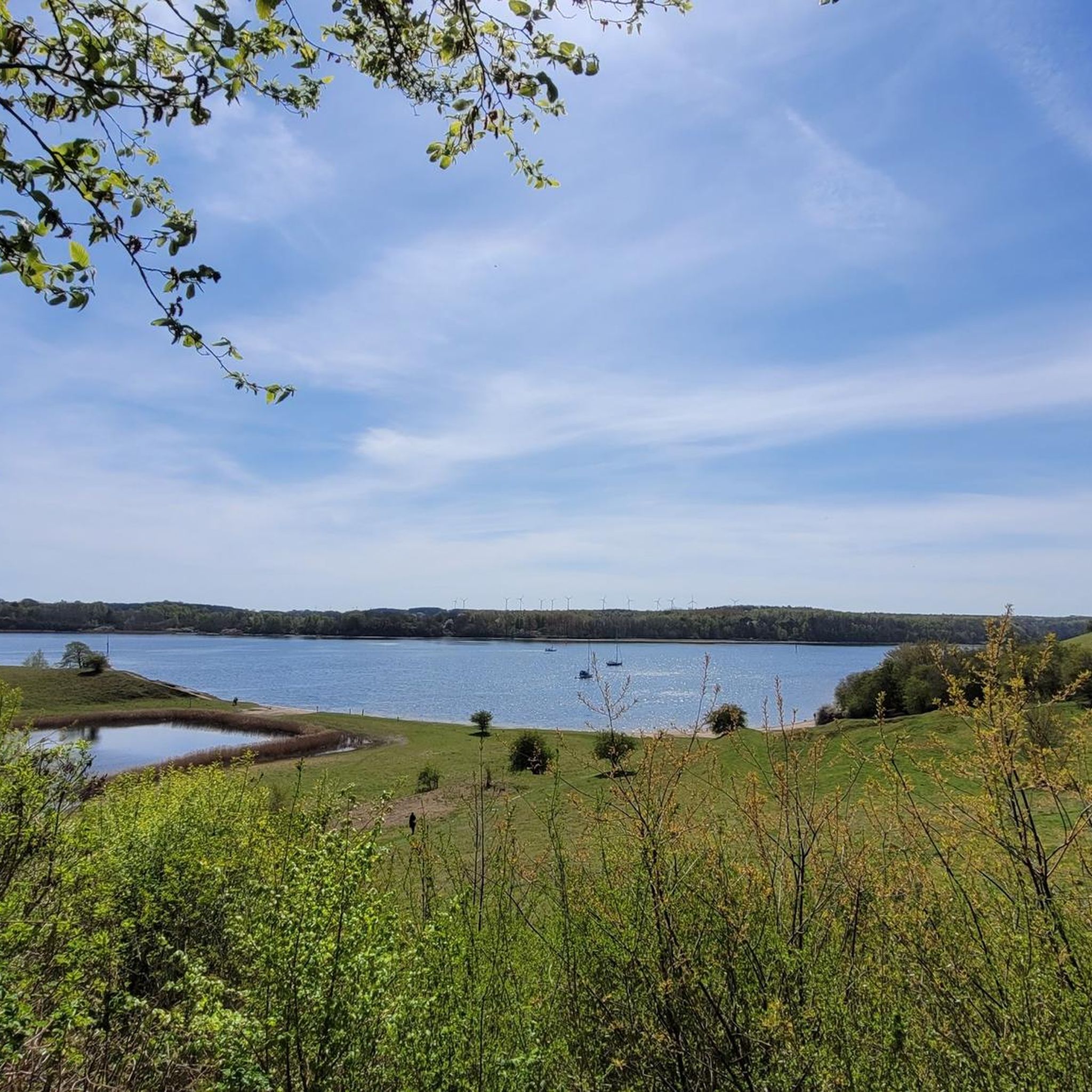
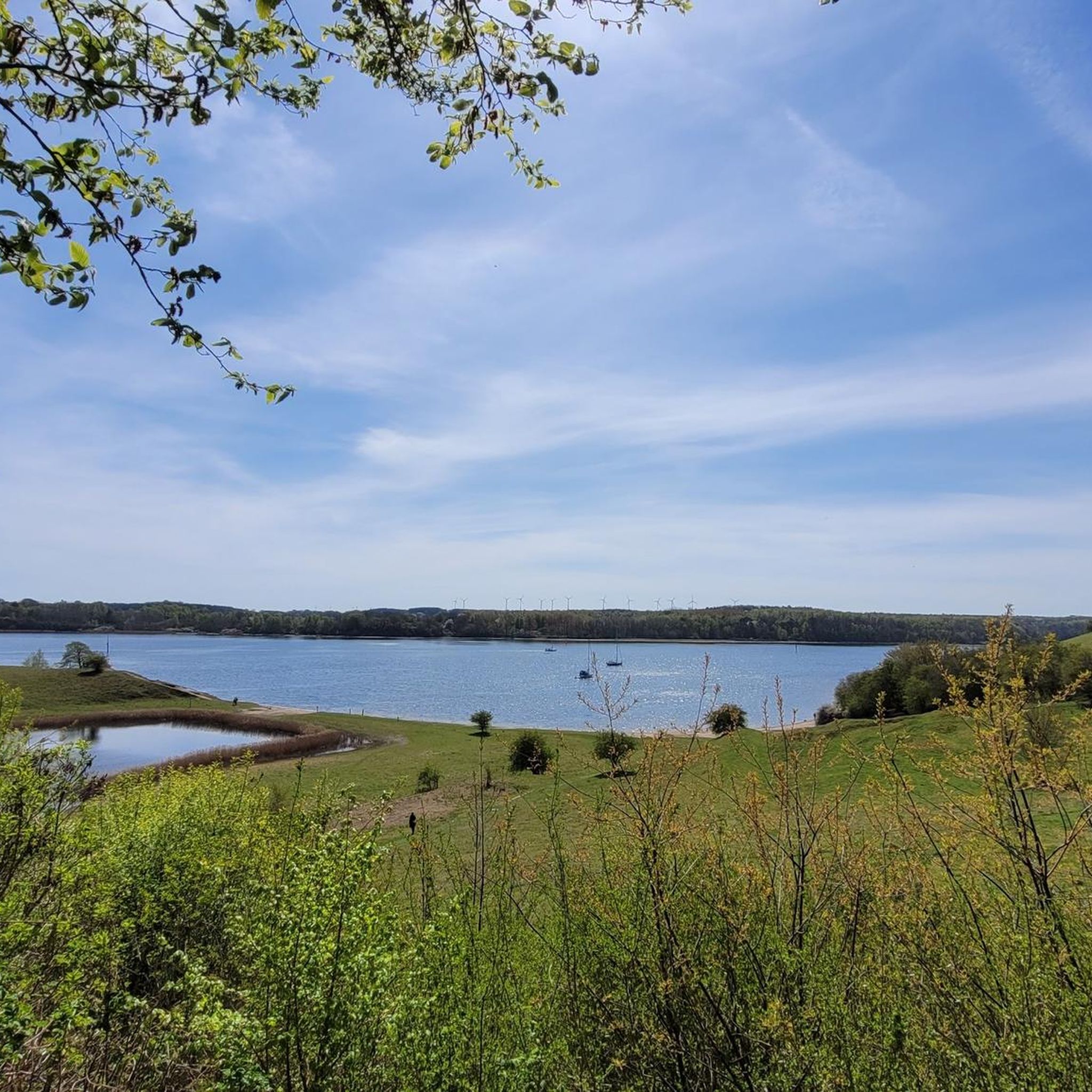
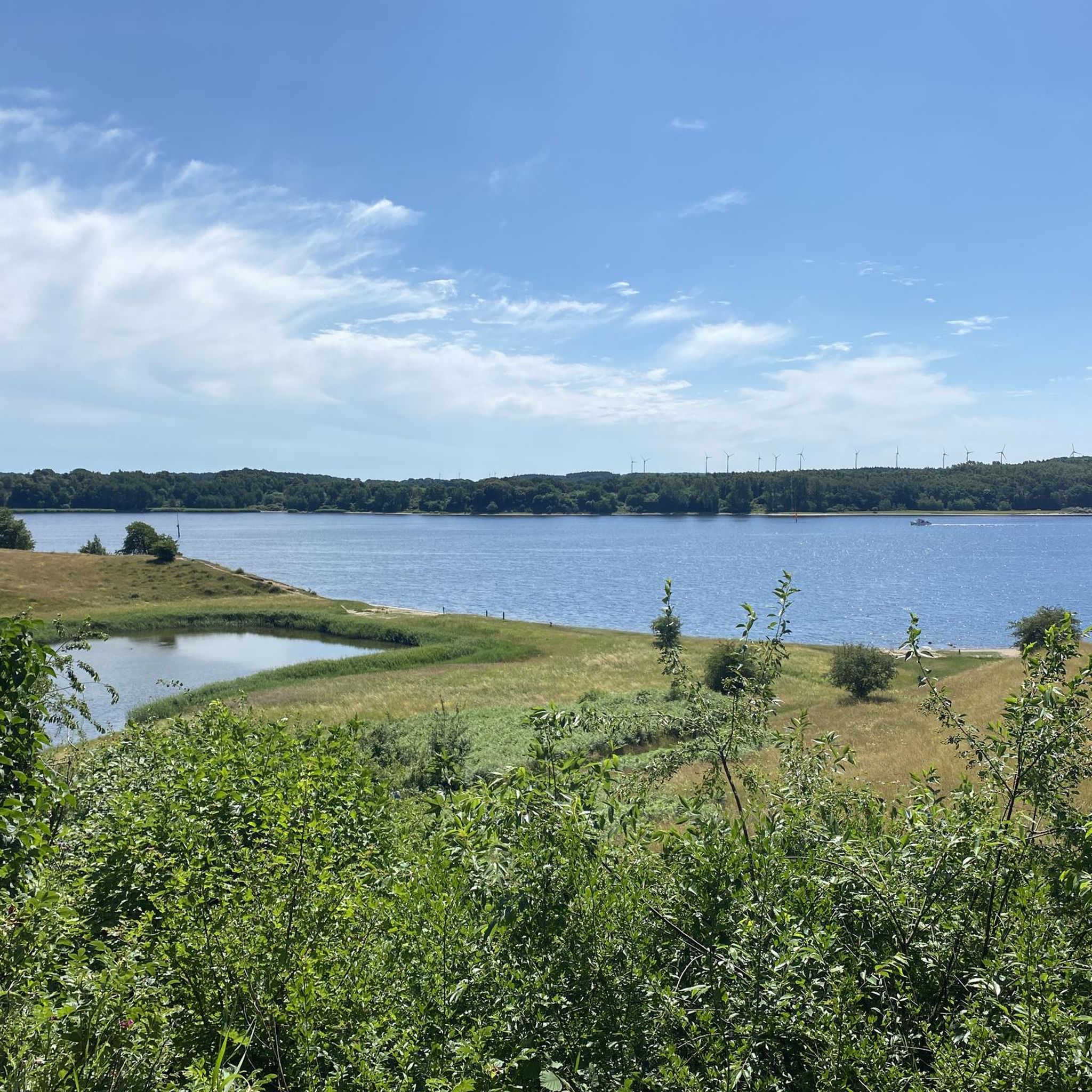
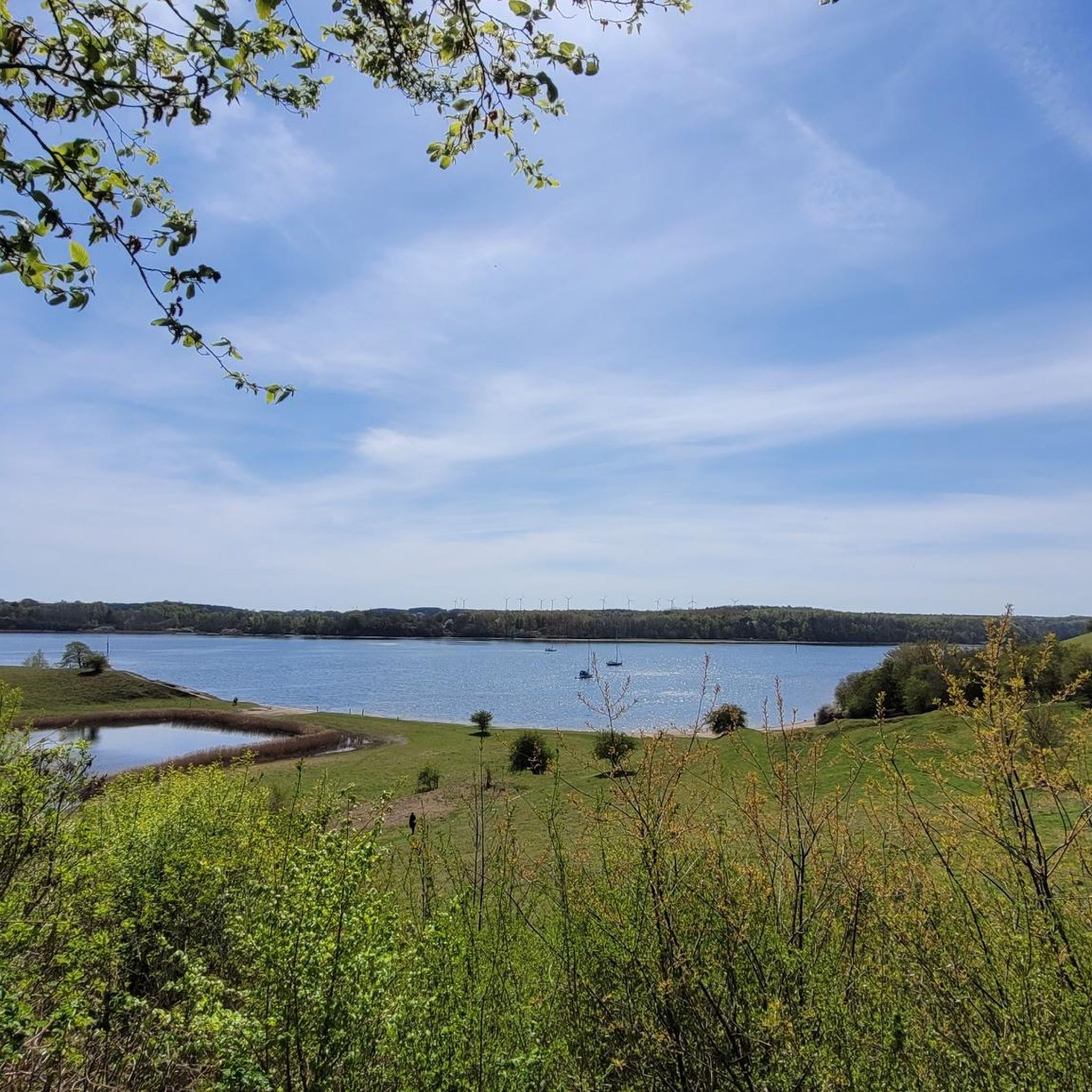
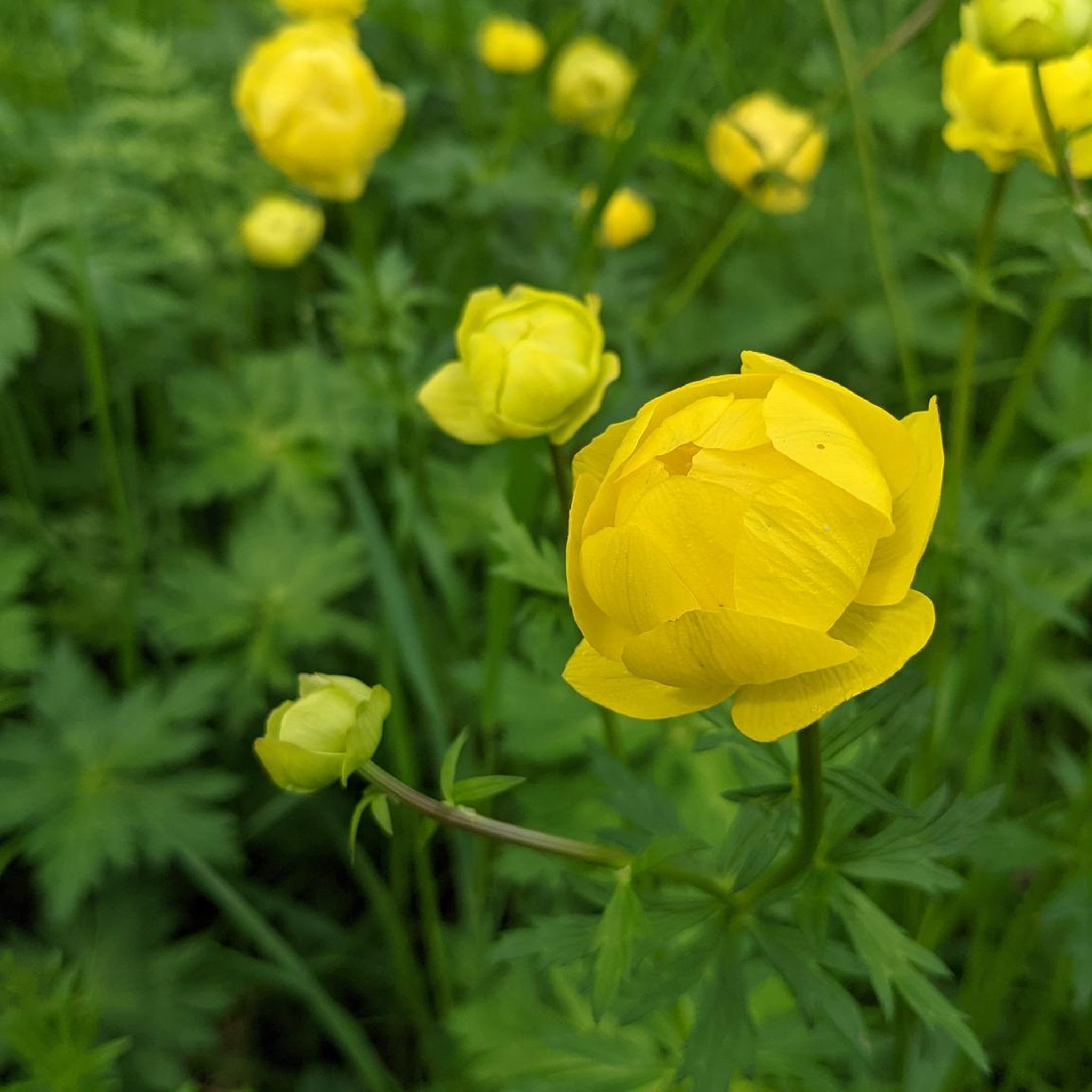
Around the Stülper Huk, a peninsula jutting into the Trave River opposite the Pötenitzer Wiek, you can still find extensive dry grasslands that provide a niche for rare plant species. Thyme, heather pinks, and gentian, for example, have specialized in nutrient-poor, sunny soils. Sheep must regularly graze the dry grasslands to ensure that the delicate, colorful "specialists" don't lose their light to faster-growing plant competitors. The Landscape Conservation Association keeps two flocks of sheep and a few goats specifically for this purpose, which, with a bit of luck, you might spot on the Dummersdorfer shore. A narrow strip of beach stretches along the steep bank.
1
1
The rolling hills were formed during the ice ages, when glaciers moved across the land and then melted again. As the Baltic Sea level rose, saltwater penetrated the meltwater channel of the Trave River, creating the high banks that still exist today. The steep banks are largely characterized by scrub forests, which farmers used for firewood for centuries.
1
1
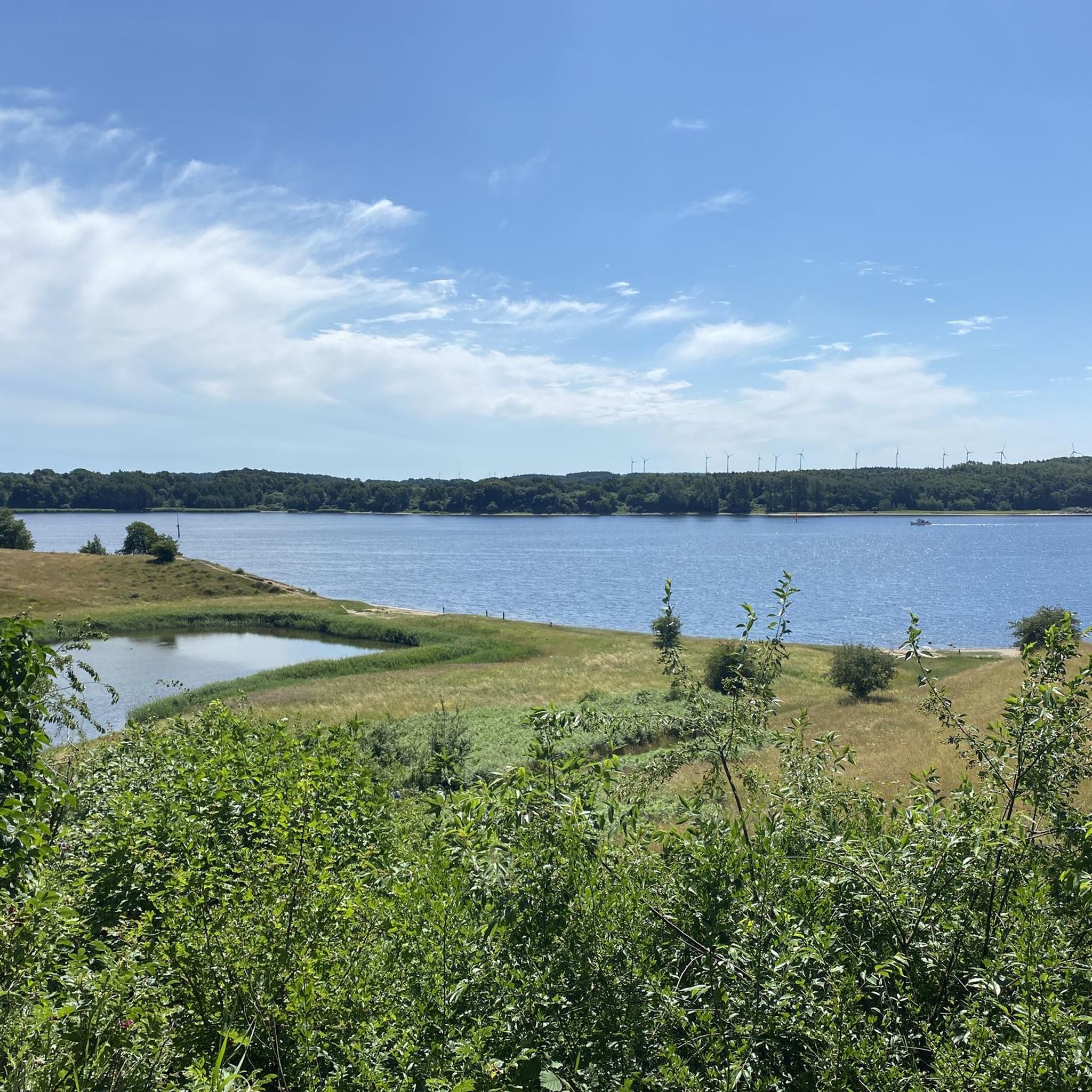
Follow the course of the Trave River from Travemünde towards Lübeck, and south of the Skandinavienkai ferry terminal, you'll reach the Dummersdorfer Ufer (Dummersdorfer Bank). This approximately 5-kilometer-long stretch of shoreline was declared a nature reserve in 1958. Since 1991, the Dummersdorfer Feld (Dummersdorf Field) has been a protected landscape area. The 340-hectare area is home to many endangered and highly sensitive plant and animal species, for which the steep banks and undulating landscape provide numerous tiny habitats. Please make sure to stay on the marked paths during your walk to avoid disturbing the plants and animals.
3
1
When God created the Dummersdorfer Ufer, he put a lot of effort into it. You have to see this wonderful spot! The nature reserve is a paradise for many rare plant species in Schleswig-Holstein.
2
1
Frequently Asked Questions
What unique natural features can I explore in Dummersdorfer Ufer?
The Dummersdorfer Ufer is renowned for its diverse natural features, including dramatic steep banks formed during the Ice Ages, extensive dry grasslands, and the re-established coastal pond, Silkteich. These varied habitats support the largest abundance of rare plant species in Schleswig-Holstein.
Are there any historical sites within the Dummersdorfer Ufer natural monuments?
Yes, the prominent peninsula of Stülper Huk holds significant historical importance. Archaeological finds suggest its role during the Roman Imperial period, possibly as a fortification and harbor. Today, you can still find the rampart and moat system of a former fortification there.
What kind of wildlife can I expect to see in Dummersdorfer Ufer?
The Dummersdorfer Ufer is a haven for wildlife. Its diverse habitats, including the Silkteich coastal pond, attract various waterfowl and amphibians. The dry grasslands and other biotopes also support numerous rare and specialized animal species, making it an excellent spot for nature observation.
Are there family-friendly activities or natural monuments in Dummersdorfer Ufer?
Absolutely. Many areas within the Dummersdorfer Ufer are suitable for families. The Stülper Huk and the View from the Trave Observation Tower are both categorized as family-friendly, offering accessible paths and engaging views. The Silkteich coastal pond is also a great spot for families to observe nature.
Where can I find the best panoramic views of the Trave River?
For expansive vistas over the Trave River and its surroundings, head to Stülper Huk, which features a dedicated viewing platform. Additionally, the View from the Trave Observation Tower offers a clear, panoramic perspective of the Trave and its landscape.
What are the best hiking opportunities near the natural monuments?
The Dummersdorfer Ufer offers excellent hiking opportunities. You can explore beautiful forest paths along the Trave, often leading along steep slopes. For specific routes, consider the easy to moderate trails like the "View of Stülper Huk – Stülper Huk loop from Dummersdorfer Ufer" or the "Stülper Huk Beach – Stülper Huk loop from Dummersdorfer Ufer." You can find more hiking options in the Hiking in Dummersdorfer Ufer guide.
Are there cycling routes available in the Dummersdorfer Ufer area?
Yes, the Dummersdorfer Ufer and its surroundings provide various cycling routes. You can find options for gravel biking and mountain biking. For example, the "Passat Tall Ship – Travemünde Lighthouse loop from Travemünde" is an easy MTB route. Discover more routes in the Gravel biking in Dummersdorfer Ufer and MTB Trails in Dummersdorfer Ufer guides.
What do visitors enjoy most about the Dummersdorfer Ufer Nature Reserve?
Visitors frequently praise the tranquility and natural beauty of the Dummersdorfer Ufer Nature Reserve. Many highlight the "beautiful path that leads almost always above the cliffs" and the "fantastic views over the still wide Trave." The quiet seclusion and the sight of large ships passing by are also often mentioned as enjoyable aspects.
What is the best time of year to visit the Dummersdorfer Ufer natural monuments?
The Dummersdorfer Ufer offers unique experiences throughout the year. Spring and summer are ideal for observing the rare plant species in bloom, especially in the dry grasslands of Stülper Huk. The mild weather also makes it pleasant for hiking and nature observation. Autumn brings beautiful foliage, while winter can offer serene, quiet walks.
How can I help preserve the natural environment during my visit?
To protect the delicate ecosystems of the Dummersdorfer Ufer, visitors are asked to stay on marked paths and refrain from disturbing plants and animals. This helps maintain the numerous tiny habitats for endangered and sensitive species. Additionally, swimming is prohibited in certain areas to safeguard sensitive vegetation and bird breeding grounds.
Are there any specific geological formations to look out for?
Yes, the dramatic steep banks (Steilufer) are a defining geological feature of the Dummersdorfer Ufer. These cliffs were formed during the Ice Ages as glaciers retreated and the Baltic Sea level rose, allowing saltwater to penetrate the Trave's meltwater gully. They offer a fascinating glimpse into the region's glacial history.
Can I bring my dog to the Dummersdorfer Ufer natural monuments?
While the Dummersdorfer Ufer is a natural area, specific rules regarding dogs may apply, especially within the nature reserve to protect wildlife. It is generally recommended to keep dogs on a leash and stay on marked paths. Always check local signage for the most current regulations regarding dog access.
Most popular routes in Dummersdorfer Ufer
Most popular attractions in Dummersdorfer Ufer

Get inspired with the komoot mobile app


Explore more
Extend your search for the best caves by checking out these guides of the top ones in Dummersdorfer Ufer:
