Top 5 Natural Monuments in Dänikhorster Moor
Best natural monuments in Dänikhorster Moor are found within a significant natural area characterized by its unique high moor landscape. This protected region, part of the larger Fintlandsmoor und Dänikhorster Moor nature reserve, features two uncultivated remnants of high moor crucial for preserving typical moorland flora. The area includes moor forests, diverse heather, peat mosses, and dystrophic lakes, showcasing re-wetting efforts and ecological significance. It offers opportunities to experience a unique natural environment and observe nature conservation.
Best natural monuments…
Last updated: July 5, 2026
Fintlandsmoor and Dänikhorster Moor
Highlight • Natural
The Dänikhorster Moor is a former nature reserve in the Lower Saxony communities of Bad Zwischenahn and Edewecht in the Ammerland district.
The nature reserve, designated NSG WE …
Translated by Google •
Tip by

Reihertief Wetland
Highlight • Natural
Translated by Google •
Tip by
Sign up now to discover places like this
Get recommendations on the best single tracks, peaks, & plenty of other exciting outdoor places.
Sign up for free
Fintlandsmoor Nature Reserve
Highlight • Natural Monument
The Fintlandsmoor and Dänikhorster Moor is a nature reserve in the Lower Saxony town of Westerstede and the municipalities of Bad Zwischenahn and Edewecht in the district of Ammerland.
Translated by Google •
Tip by
Dänikhorster Moor
Highlight • Natural
The Dänikhorster Moor is a former nature reserve in the Lower Saxony communities of Bad Zwischenahn and Edewecht in the Ammerland district.
The nature reserve with the designation …
Translated by Google •
Tip by
Dänikhorster Moor — View of Dead Birch Trees
Highlight • Natural
Translated by Google •
Tip by
Start today with a free account
Your next adventure awaits.
Login or Signup
Tips from the Community

I think you should take a little time here and enjoy the nature 😌
2
0

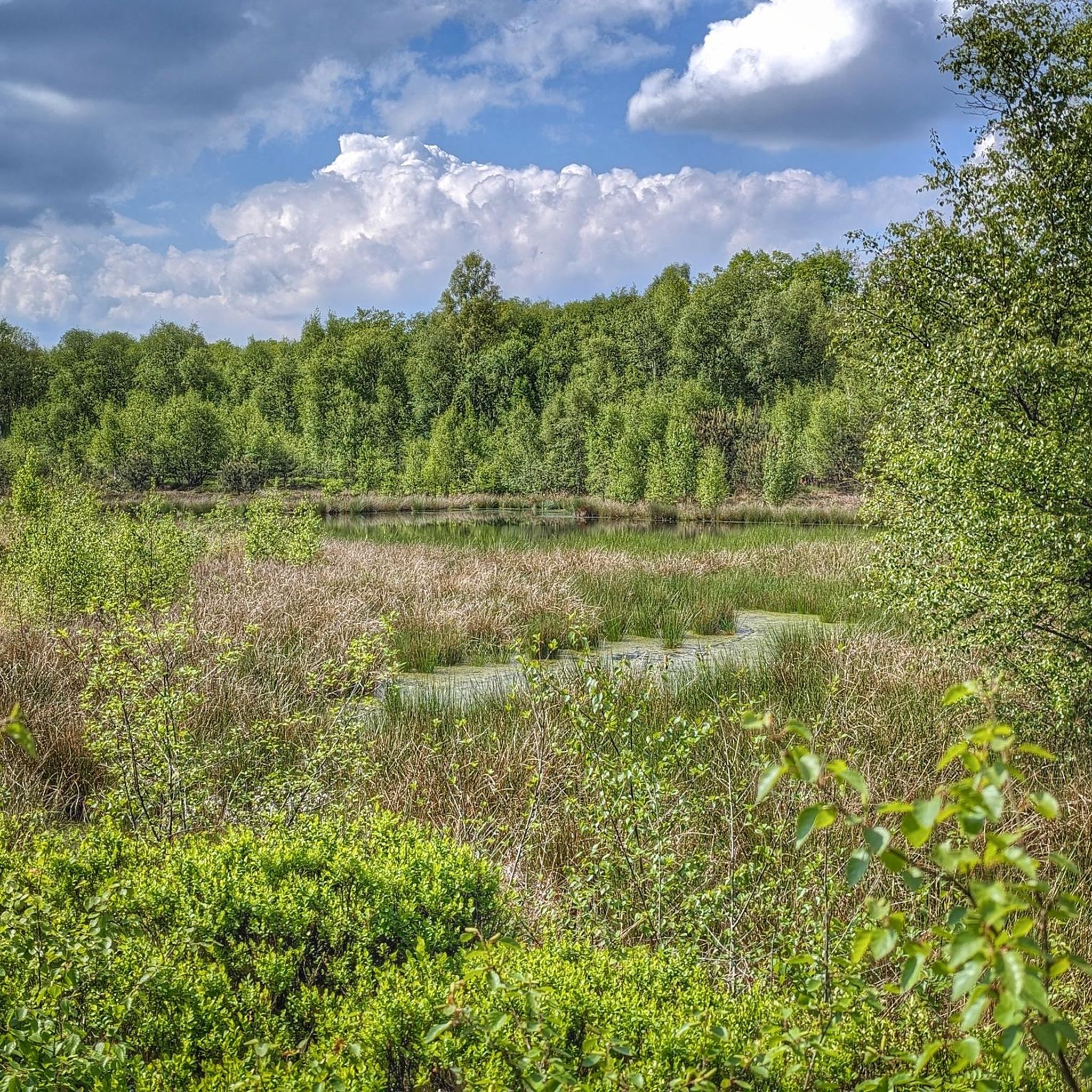
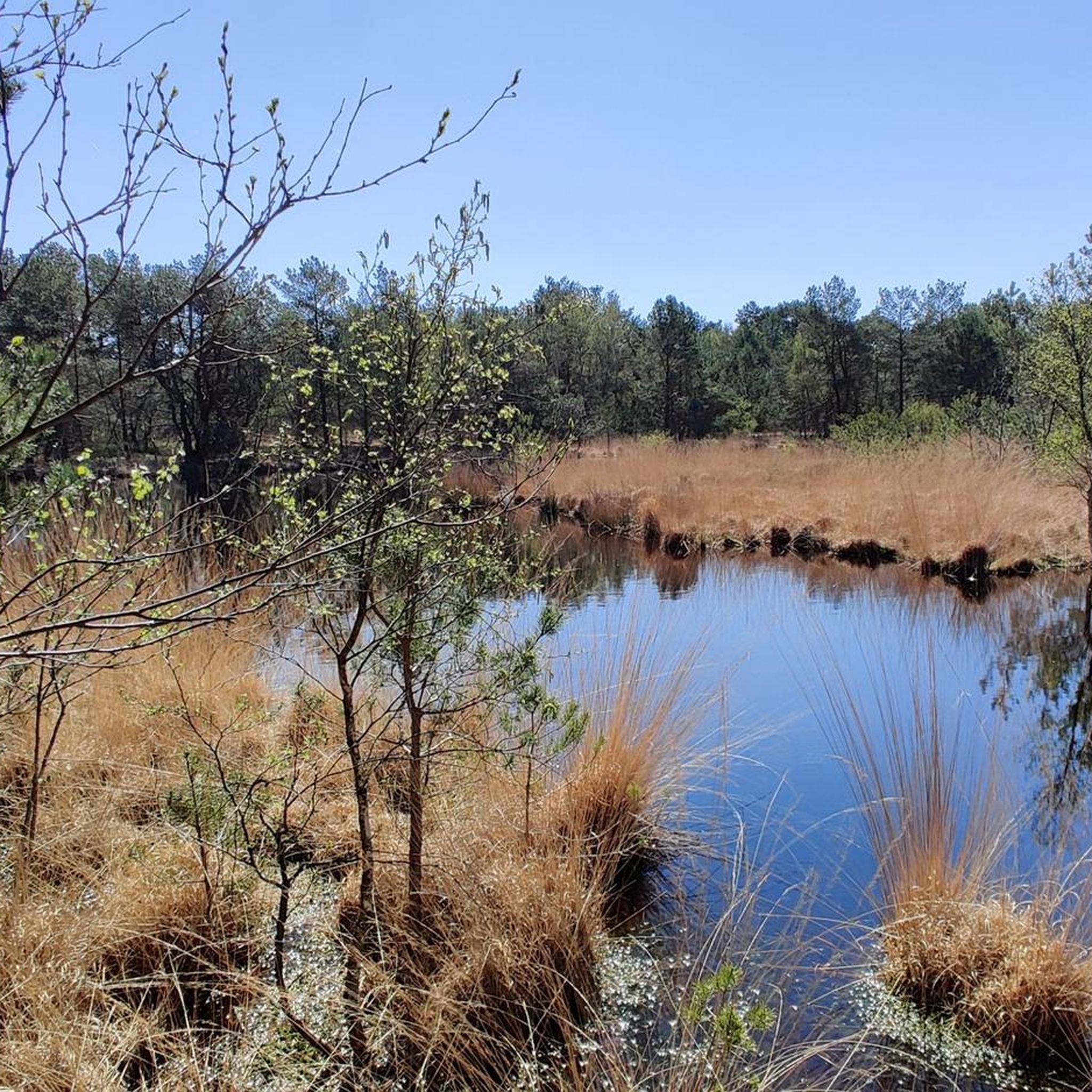
The nature reserve with the designation NSG WE 181 was 91 hectares in size. It was completely part of the FFH area "Fintlandsmoor and Dänikhorster Moor". The area had been under nature protection since October 24, 1987. In June 2017 it was incorporated into the newly designated nature reserve "Fintlandsmoor and Dänikhorster Moor". The responsible lower nature conservation authority was the Ammerland district. The area is located southwest of Bad Zwischenahn and northwest of Edewecht. It consists of two uncultivated raised bog remnants. The raised bog is on the edge of the Ammerland Geest within the Hunte-Leda Moor lowland. The northern part drains via ditches to the Ollenbäke, which flows into the Große Süderbäke near Apen. This becomes the Aper Tief in Apen. The southern part drains via ditches to the floodplain, which flows together with the Soeste near Barßel (now known as the Nordloher Tief) and forms the Barßeler Tief. The Dänikhorster Moorkanal, which crosses the area, was partially filled in 2010
2
0
Dänikhorster Moor The Dänikhorster Moor is a former nature reserve in the Lower Saxony communities of Bad Zwischenahn and Edewecht in the Ammerland district. The nature reserve with the designation NSG WE 181 was 91 hectares in size. It was completely part of the FFH area "Fintlandsmoor and Dänikhorster Moor". The area had been under nature protection since October 24, 1987. In June 2017, it was incorporated into the newly designated nature reserve "Fintlandsmoor and Dänikhorster Moor". The responsible lower nature conservation authority was the Ammerland district. The area is located southwest of Bad Zwischenahn and northwest of Edewecht. It consists of two uncultivated raised bog remnants. The raised bog is located on the edge of the Ammerland Geest within the Hunte-Leda moor lowlands. The northern part drains via ditches to the Ollenbäke, which flows into the Große Süderbäke near Apen. This becomes the Aper Tief in Apen. The southern part drains via ditches to the Aue.
5
0

The Fintlandsmoor is a drained and largely peat-extracted raised bog area in the Ammerland district of Lower Saxony. Part of the moor was designated as the "Fintlandsmoor" nature reserve in 1987, which was incorporated into the "Fintlandsmoor and Dänikhorster Moor" nature reserve in 2017.
4
1

A narrow path branches off from the middle dam and leads into the Fintlandsmoor. The path is accessible by bike. There are a few side paths that allow you to explore the moor on foot.
2
0

Worth stopping.....very remarkable section with dead birch trees in the moor Absolutely worth seeing
6
1
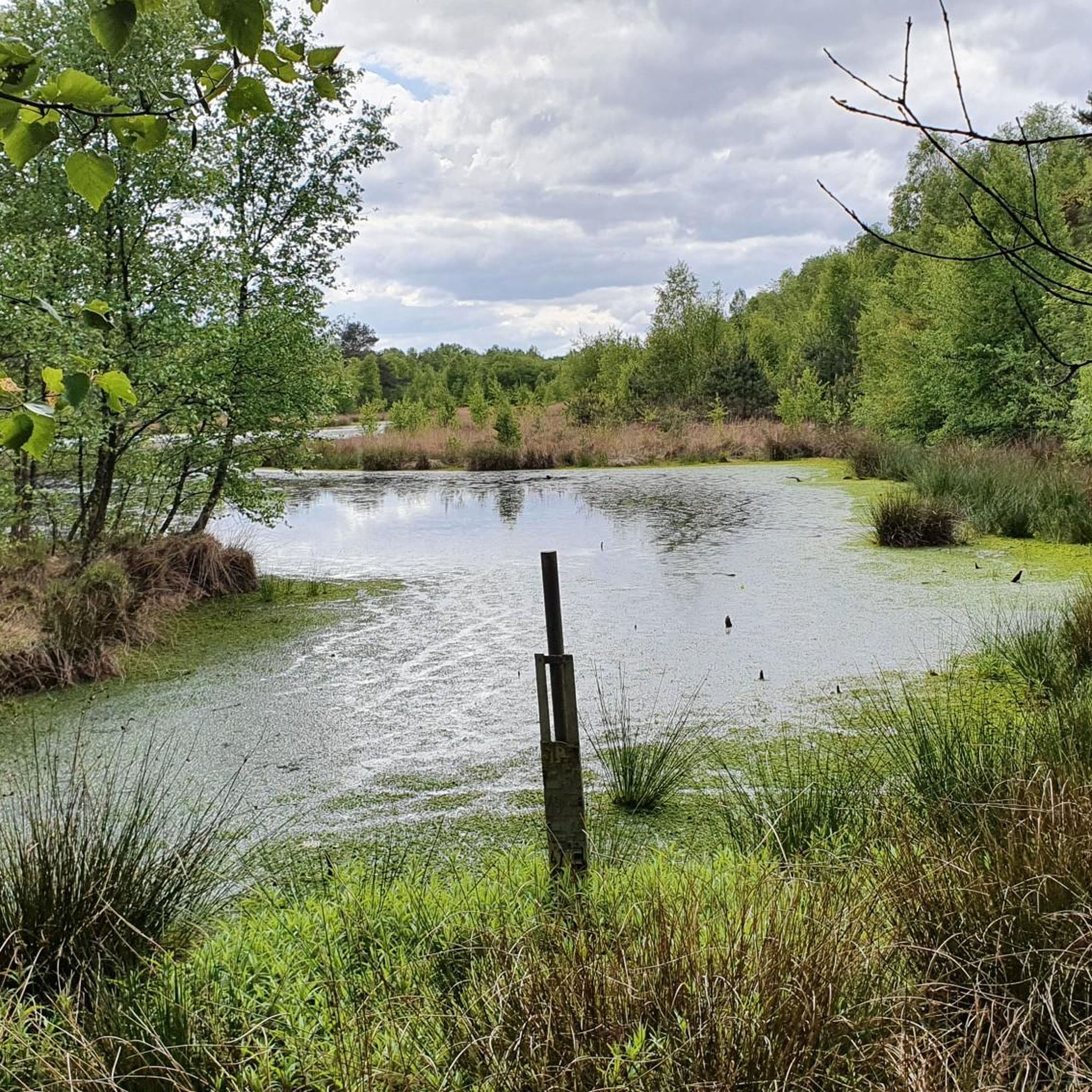
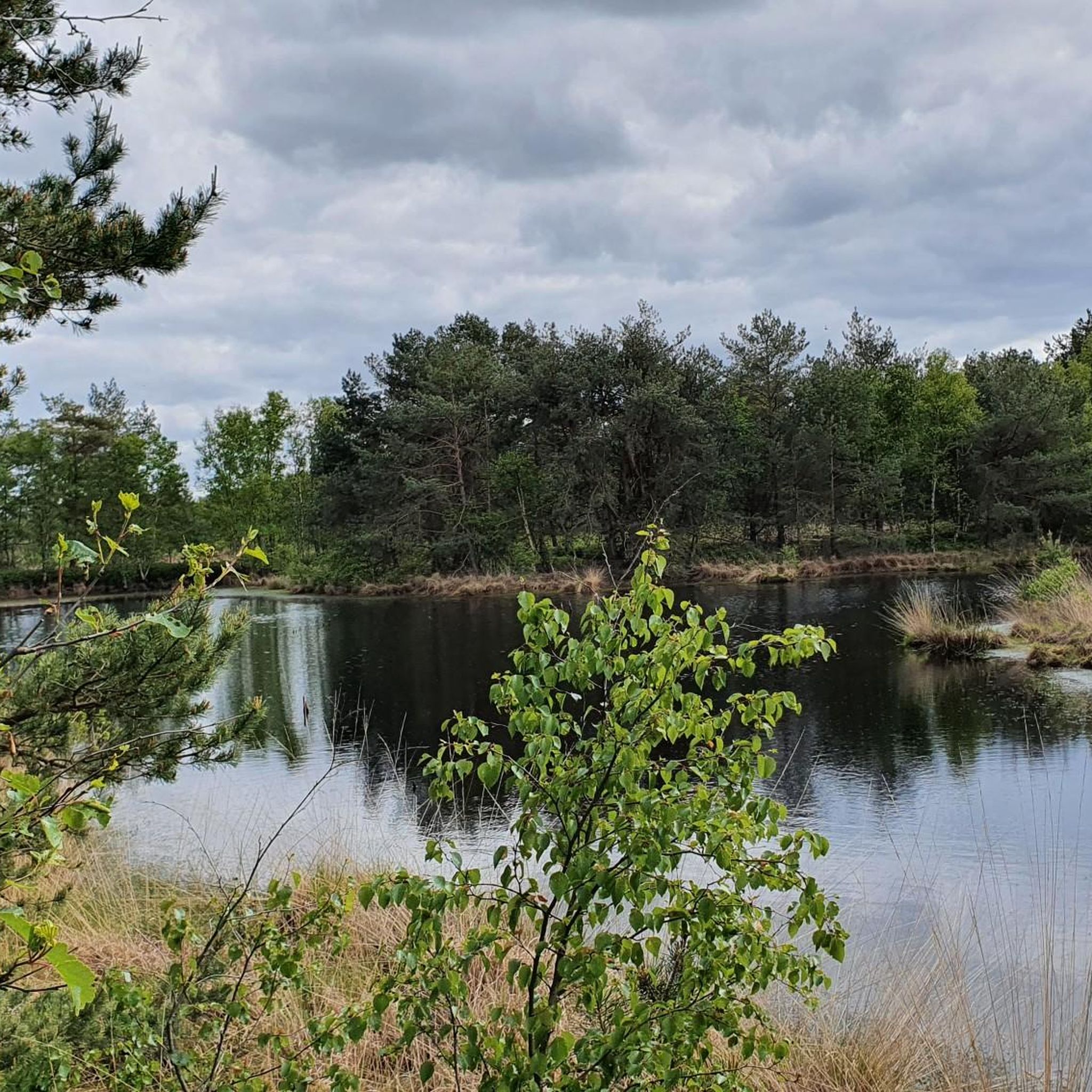
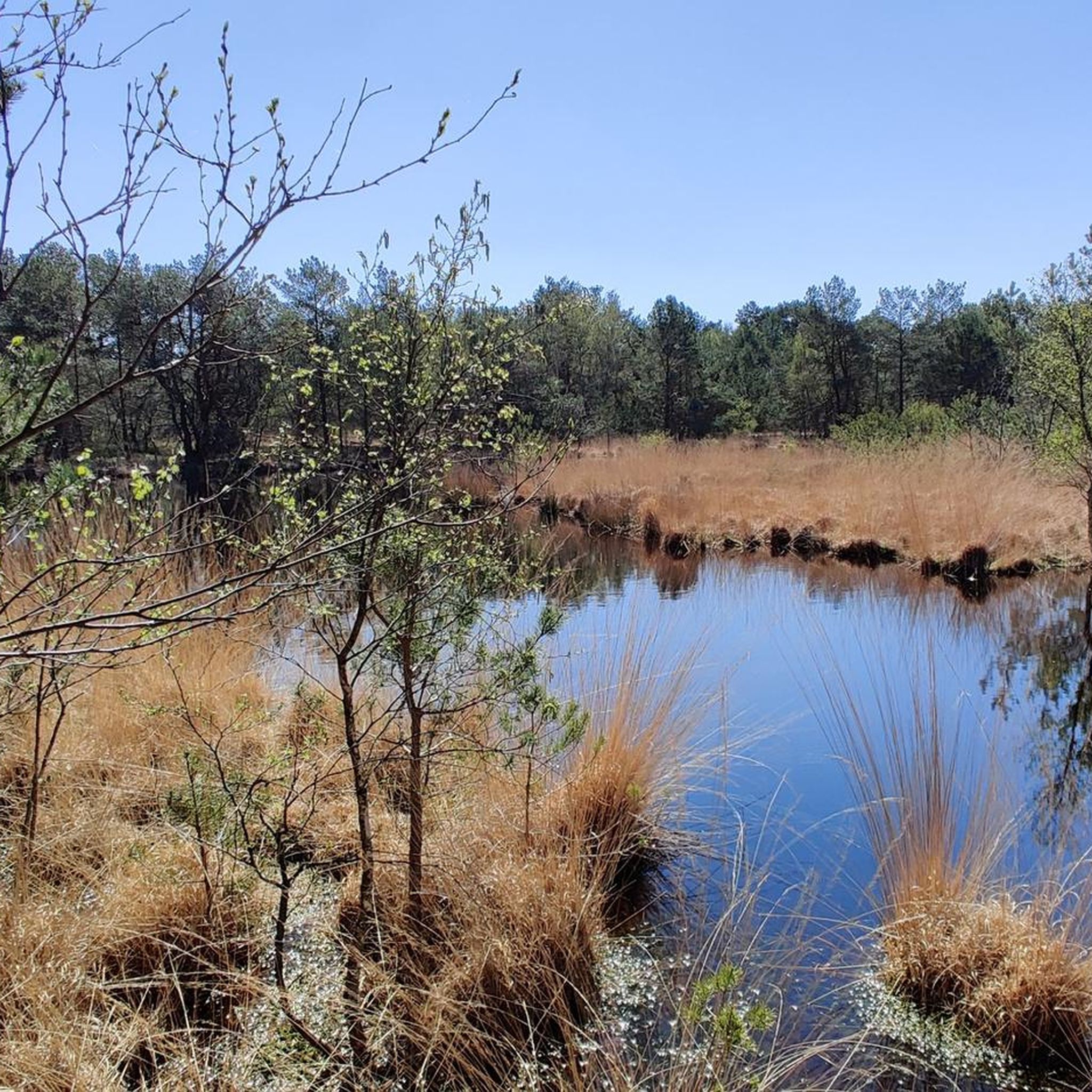
This is where the protected “Dänikhorster Moor” begins, which was returned to nature years ago through rewetting. At the end of this idyllic path, where you can see a variety of wild animals depending on the season, there is a section of the path on the little-used “Fintland Road”, which is mainly used for agriculture, but is also often used by cyclists who want to enjoy nature. After a short while on the left you will see some farms and on the right you will continue to see the moorland, which is used for agricultural purposes. As soon as the street bends to the right, it turns into “Junkersdamm”. In this area you can impressively see the rewetting of the Fintlands and Dänikhorster Moors on the left side of the road. Dead birch trees protrude from the dammed water and create a mystical image. After a few hundred meters you turn right, again directly into the moor area.
14
1
In the neighborhood of Junkersdamm in the district of Dänikhorst in 26160 Bad Zwischenahn there are streets such as Am Ponyhof, Ahlriede, Drosselweg & Am Schürplatz.
14
2
Frequently Asked Questions
What unique natural features can I expect to see in Dänikhorster Moor?
Dänikhorster Moor is characterized by its unique high moor landscape. You'll find uncultivated remnants of high moor, moor forests dominated by birch trees and purple moor-grass, and open areas with diverse flora like heather, peat mosses, sundew, and cotton grass. The area also features dystrophic lakes and ponds, particularly in the south of Fintlandsmoor.
Are there specific natural monuments that showcase the re-wetting efforts in the region?
Yes, the Dänikhorster Moor — View of Dead Birch Trees offers an impressive sight of dead birch trees protruding from dammed water, which is a direct result of the re-wetting efforts in the Fintlands and Dänikhorster Moors. This highlights the ongoing nature conservation and restoration work.
What kind of wildlife can be observed in Dänikhorster Moor?
The Dänikhorster Moor provides a habitat for various wild animals, which can be observed depending on the season. The diverse plant life, including rare moorland species, supports a range of bog-typical animals such as dragonflies, grasshoppers, and meadow birds.
Are there family-friendly natural monuments or activities in Dänikhorster Moor?
Yes, several natural monuments in the area are considered family-friendly. For instance, the Fintlandsmoor and Dänikhorster Moor nature reserve and the Fintlandsmoor Nature Reserve are suitable for families. The idyllic hiking trails through the moorland offer a peaceful setting for all ages to enjoy nature.
What is the best time of year to visit Dänikhorster Moor's natural monuments?
The Dänikhorster Moor offers unique experiences throughout the year. Spring and summer are ideal for observing diverse flora like heather, peat mosses, and sundew in bloom. However, please note that some areas of the nature reserve may have restricted access from March 15th to May 31st each year to protect wildlife during breeding season. Autumn brings beautiful colors, and winter can offer tranquil, stark landscapes for a different kind of hike, provided you are prepared for the conditions.
Are there hiking opportunities near the natural monuments in Dänikhorster Moor?
Yes, an idyllic hiking trail, partly on narrow natural paths, leads through the sparsely populated moorland. You can witness the re-wetting processes firsthand. For more detailed hiking routes, you can explore the Running Trails in Dänikhorster Moor guide, which includes routes like the 'Sand path loop from Fintlandsmoor und Dänikhorster Moor'.
Can I go cycling near the natural monuments in Dänikhorster Moor?
Absolutely! The region offers various cycling opportunities. You can find routes like the 'Cycle path along the Dänikhorster Moor – Dänikhorst Moor loop' in the Cycling in Dänikhorster Moor guide. There are also road cycling options available in the Road Cycling Routes in Dänikhorster Moor guide for those seeking longer rides.
What should I wear when visiting the natural monuments in Dänikhorster Moor?
Given the moorland environment, it's advisable to wear waterproof and sturdy footwear, especially if you plan to explore the trails. Layers of clothing are recommended as weather conditions can change. During warmer months, insect repellent might also be useful.
Is there parking available for visitors to Dänikhorster Moor's natural monuments?
While specific parking areas for each natural monument are not always explicitly signposted, visitors typically find parking opportunities at the entry points to the nature reserve or along adjacent roads. It's recommended to check local signage for designated parking spots.
What makes the Fintlandsmoor Nature Reserve a significant natural monument?
The Fintlandsmoor Nature Reserve protects the remains of a largely drained and partially cultivated raised bog. It features moor forests with birch trees, open areas with heather, and re-wetted former peat-cutting areas where typical raised bog plant species like peat moss, sundew, and cotton grass thrive. It's a prime example of successful renaturation efforts.
How long should I plan for a visit to the natural monuments in Dänikhorster Moor?
The duration of your visit depends on your interests. A short walk to a specific viewpoint like the View of Dead Birch Trees might take an hour or two. For a more immersive experience exploring the hiking trails and diverse flora within the Fintlandsmoor and Dänikhorster Moor nature reserve, you could easily spend half a day or more.
Are dogs allowed on the trails around Dänikhorster Moor's natural monuments?
Generally, dogs are allowed on trails in nature reserves, but they must be kept on a leash to protect the sensitive ecosystem and wildlife. Always check local signage for specific regulations regarding pets in different sections of the moor.
Most popular routes in Dänikhorster Moor
Most popular attractions in Dänikhorster Moor

Get inspired with the komoot mobile app


Explore more
Extend your search for the best caves by checking out these guides of the top ones in Dänikhorster Moor:
