Top 7 Natural Monuments in Dingdener Heide
Natural monuments in Dingdener Heide are primarily characterized by expansive nature reserves, notably the Naturschutzgebiet Dingdener Heide and Naturschutzgebiet Kleine Dingdener Heide. These protected areas are recognized for their diverse ecosystems, including wet and moist grasslands, heathlands, and woodlands. The region serves as a crucial habitat for numerous endangered bird species and a vital stopover for migratory birds. Visitors can explore these areas through a network of walking and cycling paths, experiencing a landscape shaped by centuries of agricultural use.
…Last updated: June 21, 2026
Dingdener Heide Observation Platform
Highlight • Viewpoint
Translated by Google •
Tip by

Water Buffalo Meadow in Naturpark Hohe Mark - Westmünsterland
Highlight • Natural
Translated by Google •
Tip by

Sign up now to discover places like this
Get recommendations on the best single tracks, peaks, & plenty of other exciting outdoor places.
Sign up for free
Water Buffalo in the Dingdener Heide
Highlight • Natural
Translated by Google •
Tip by

Birdwatching Tower Hohe Mark Wetlands
Highlight • Viewpoint
If you're lucky and depending on the time of year, you can …
Translated by Google •
Tip by
Observation platform "Zum Schießstand" (Dingden Heath)
Highlight • Viewpoint
Translated by Google •
Tip by

Sign up for free to discover even more natural monuments in Dingdener Heide.
Sign up for free
Already have an account?
Start today with a free account
Your next adventure awaits.
Login or Signup
Popular around Dingdener Heide
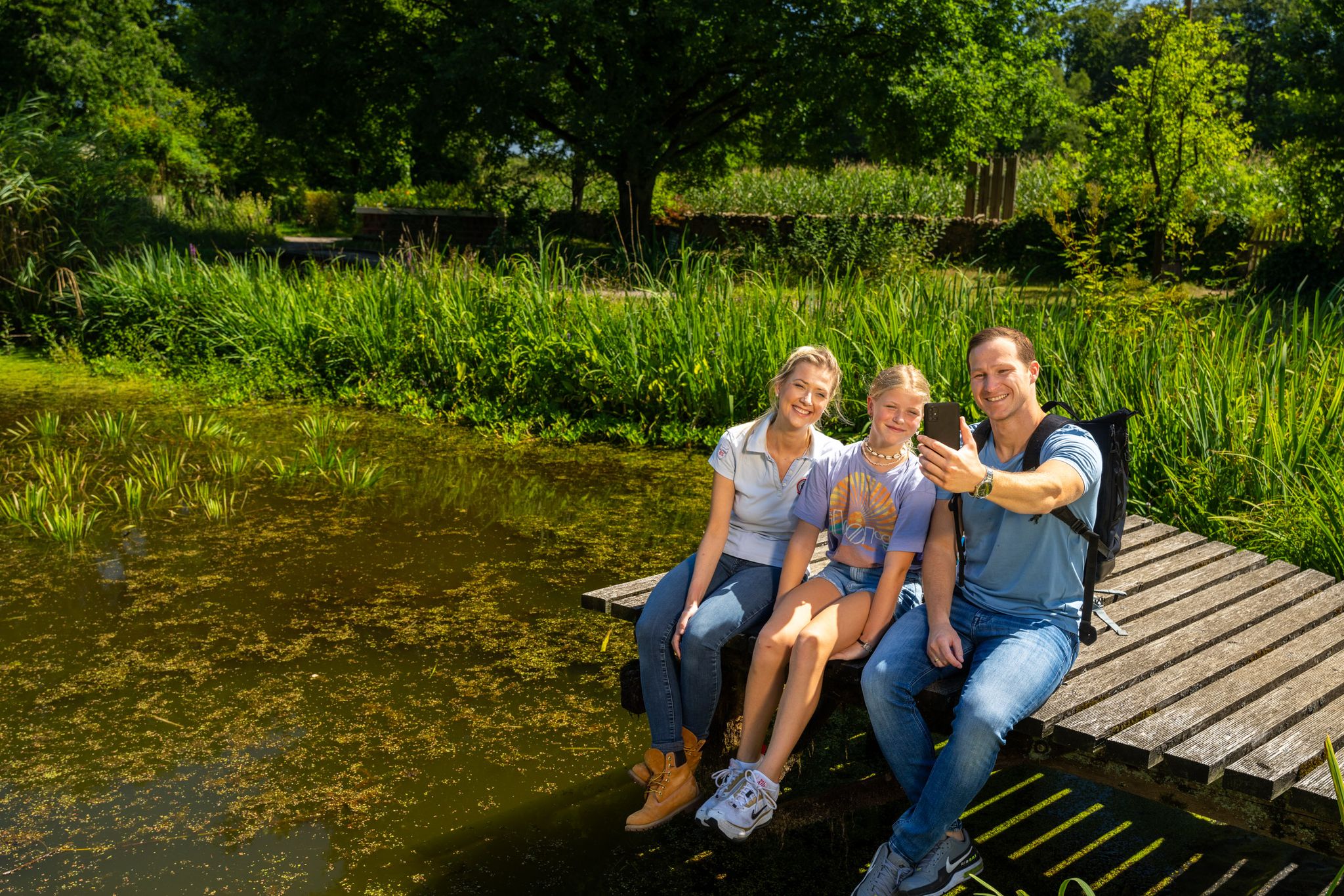
Hiking and discoveries – family walks in the Hohe Mark Nature Park
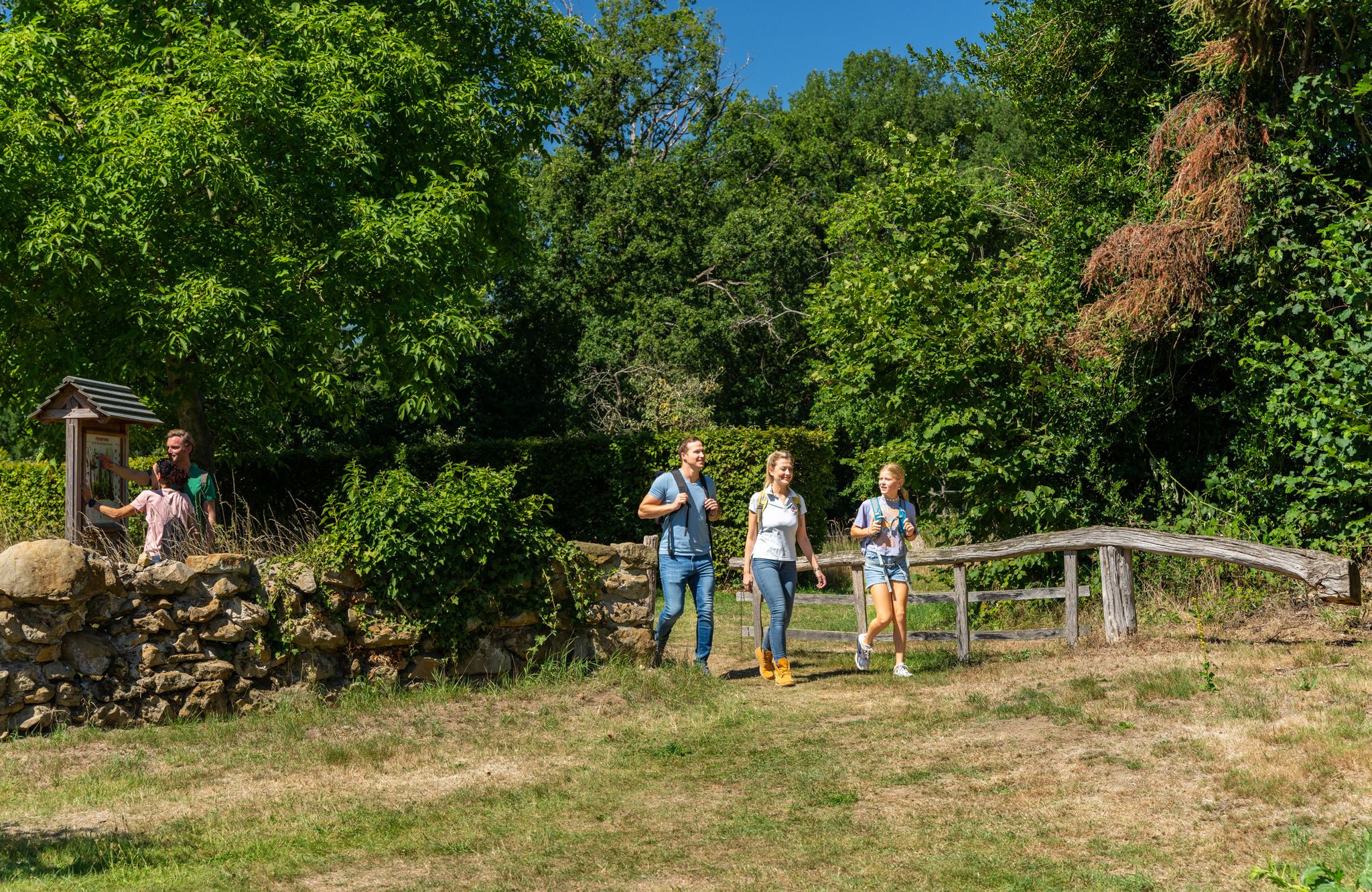
LandStreifer – circular hiking trails to Germany’s Hohe Mark Steig
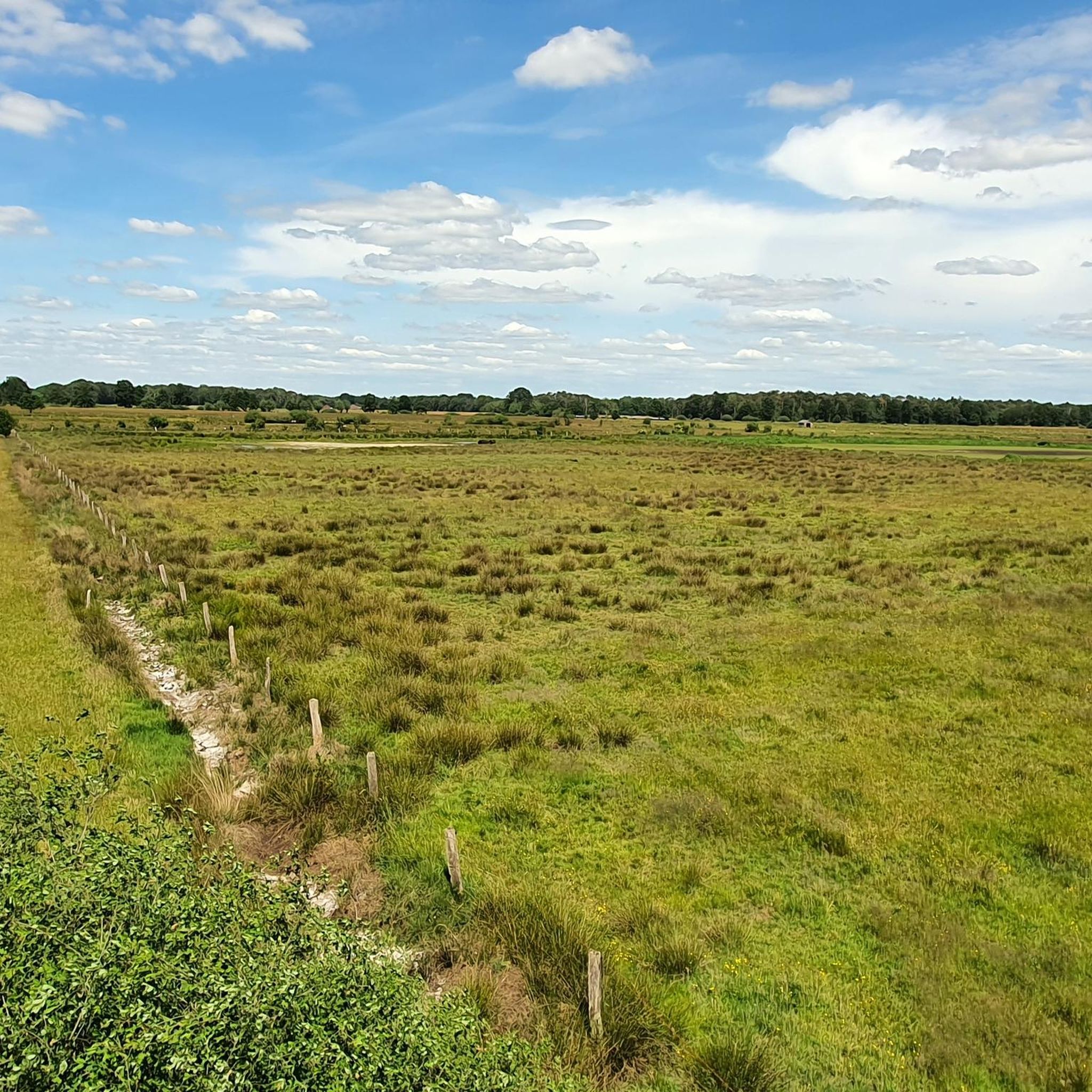
Hiking in Dingdener Heide
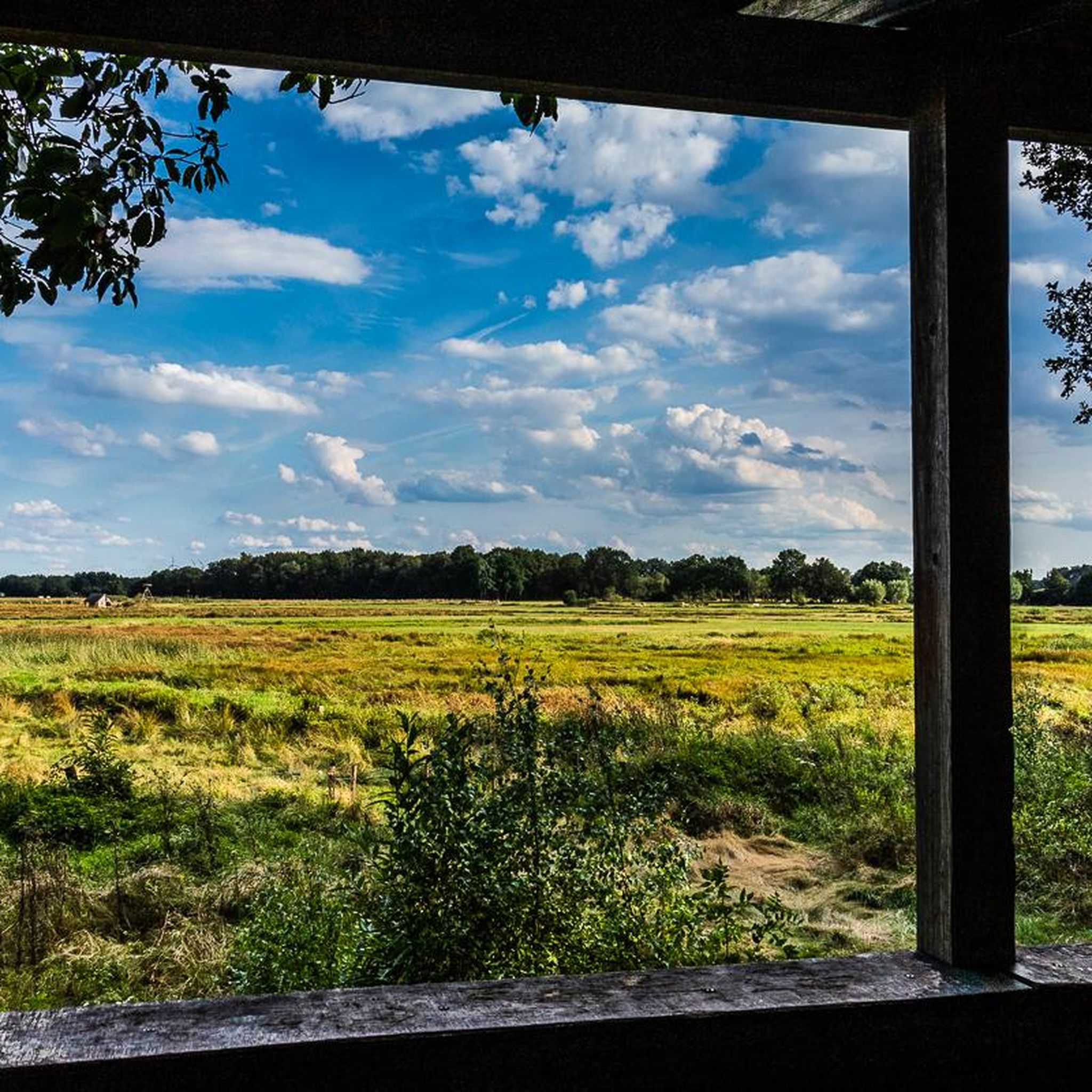
Gravel biking in Dingdener Heide
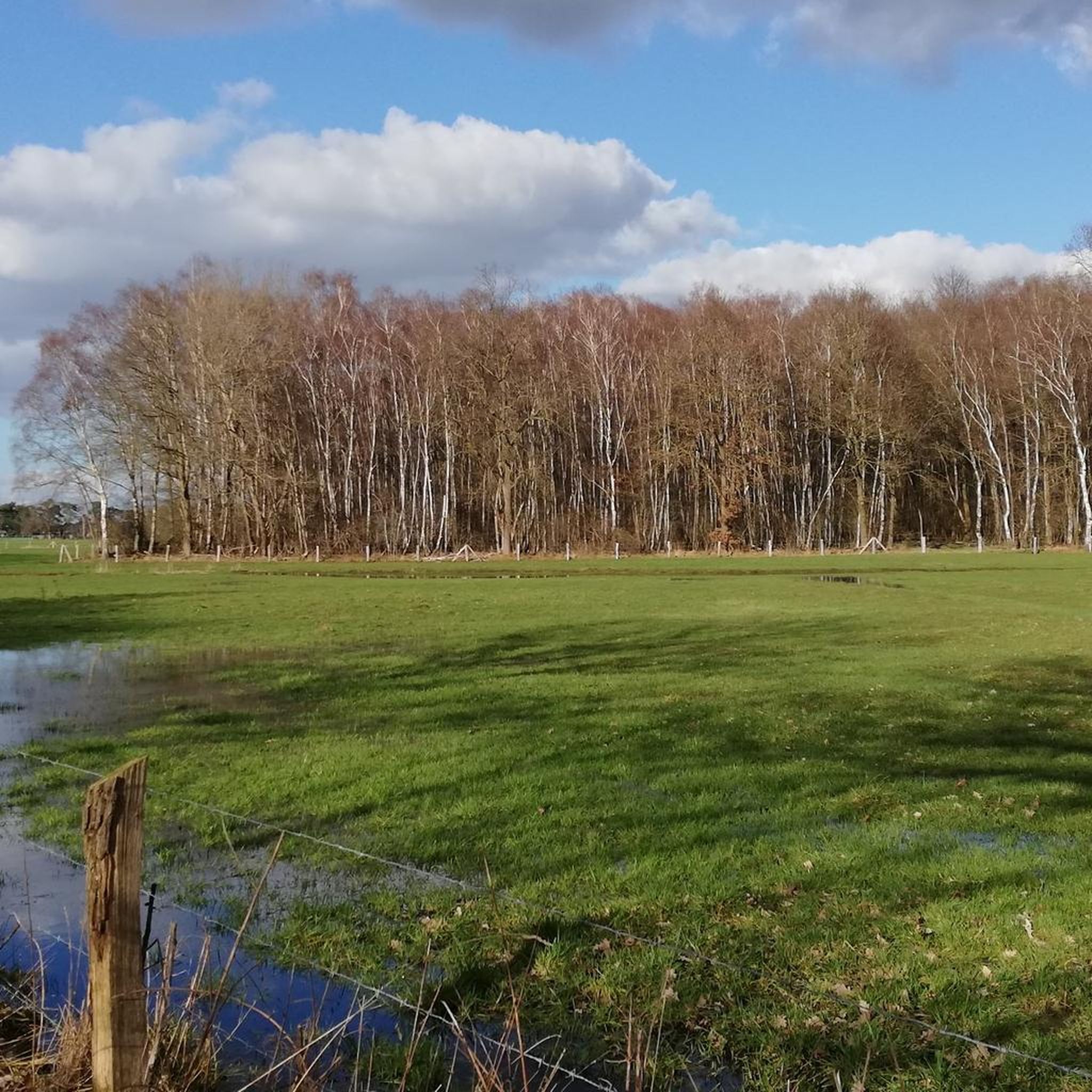
Cycling in Dingdener Heide
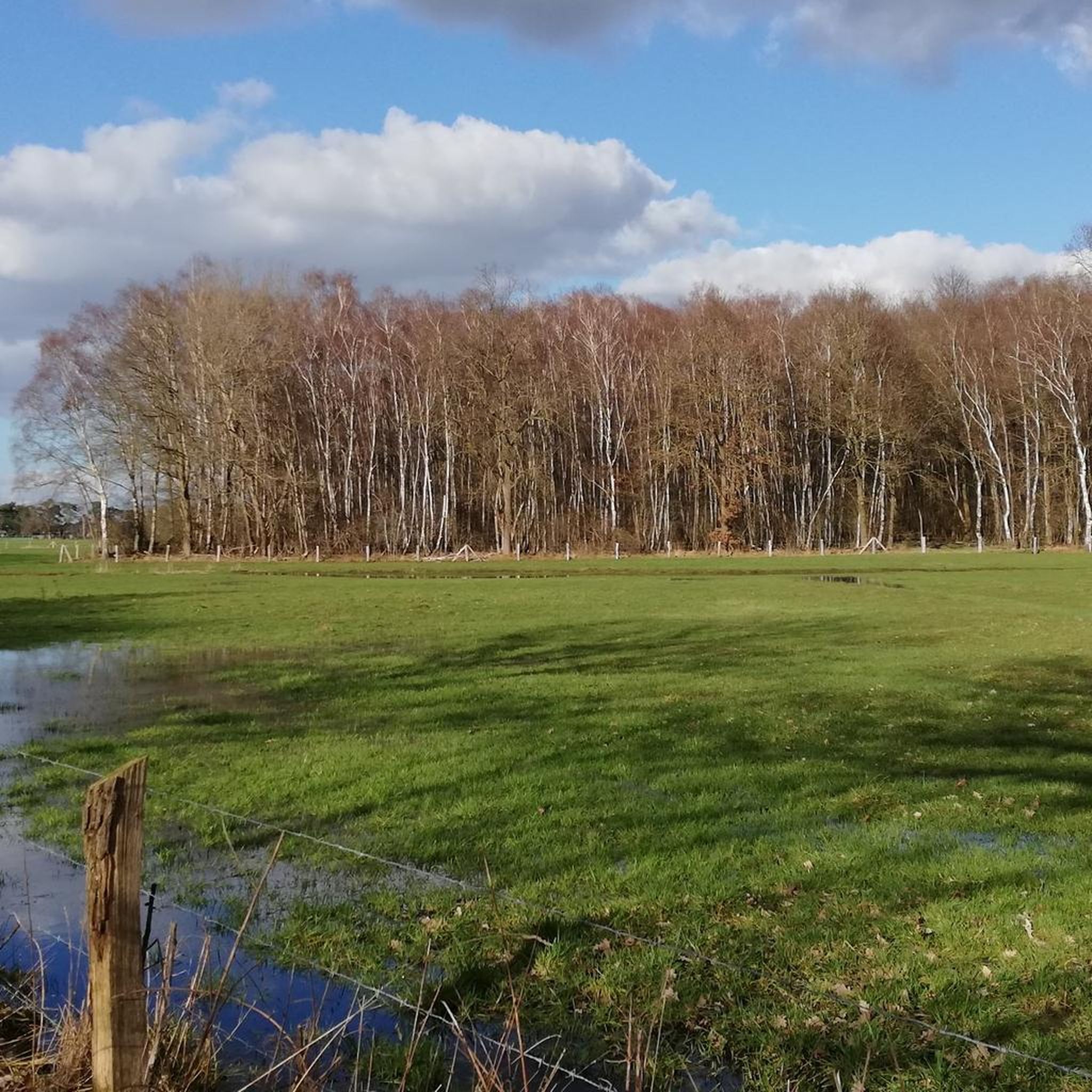
Road Cycling Routes in Dingdener Heide
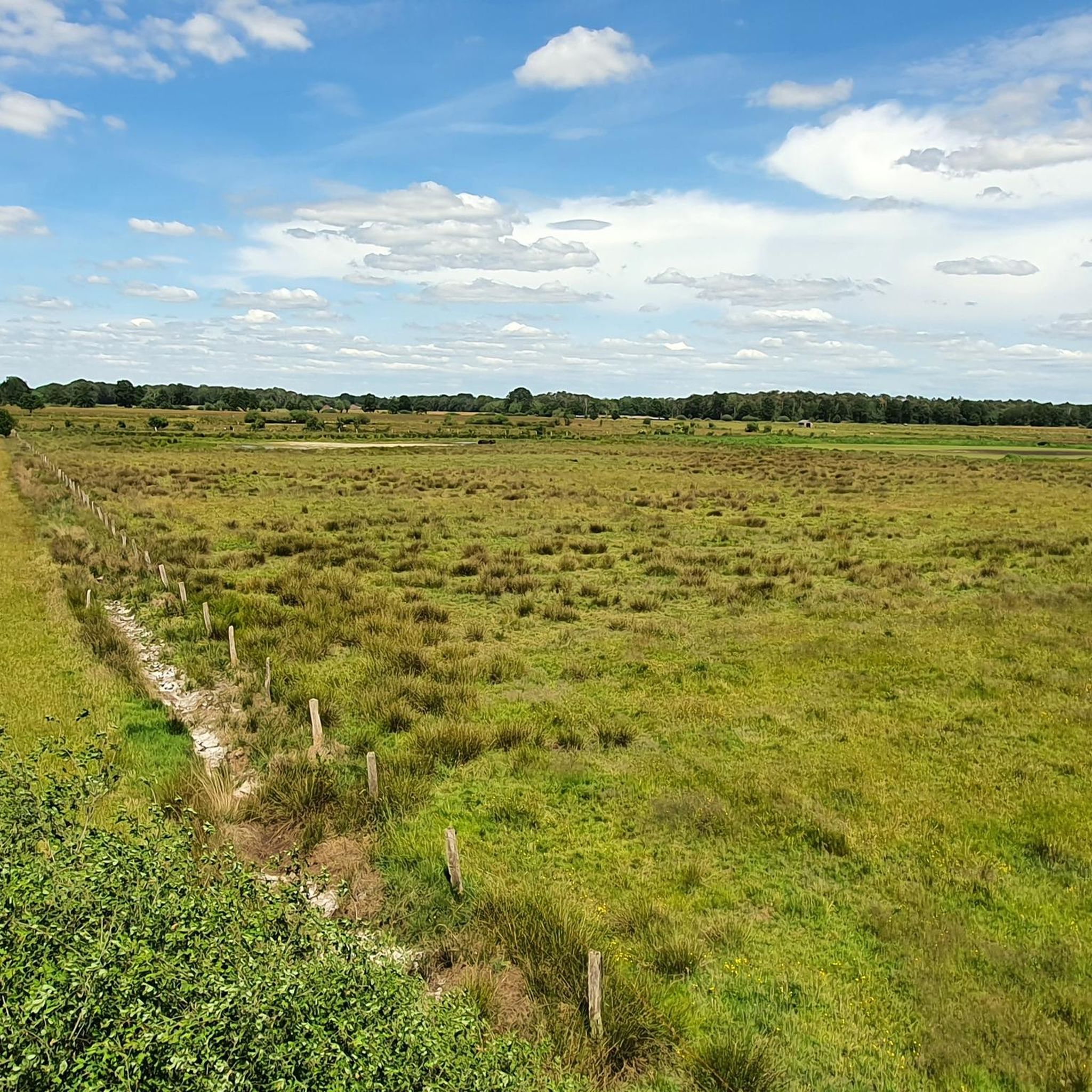
Running Trails in Dingdener Heide
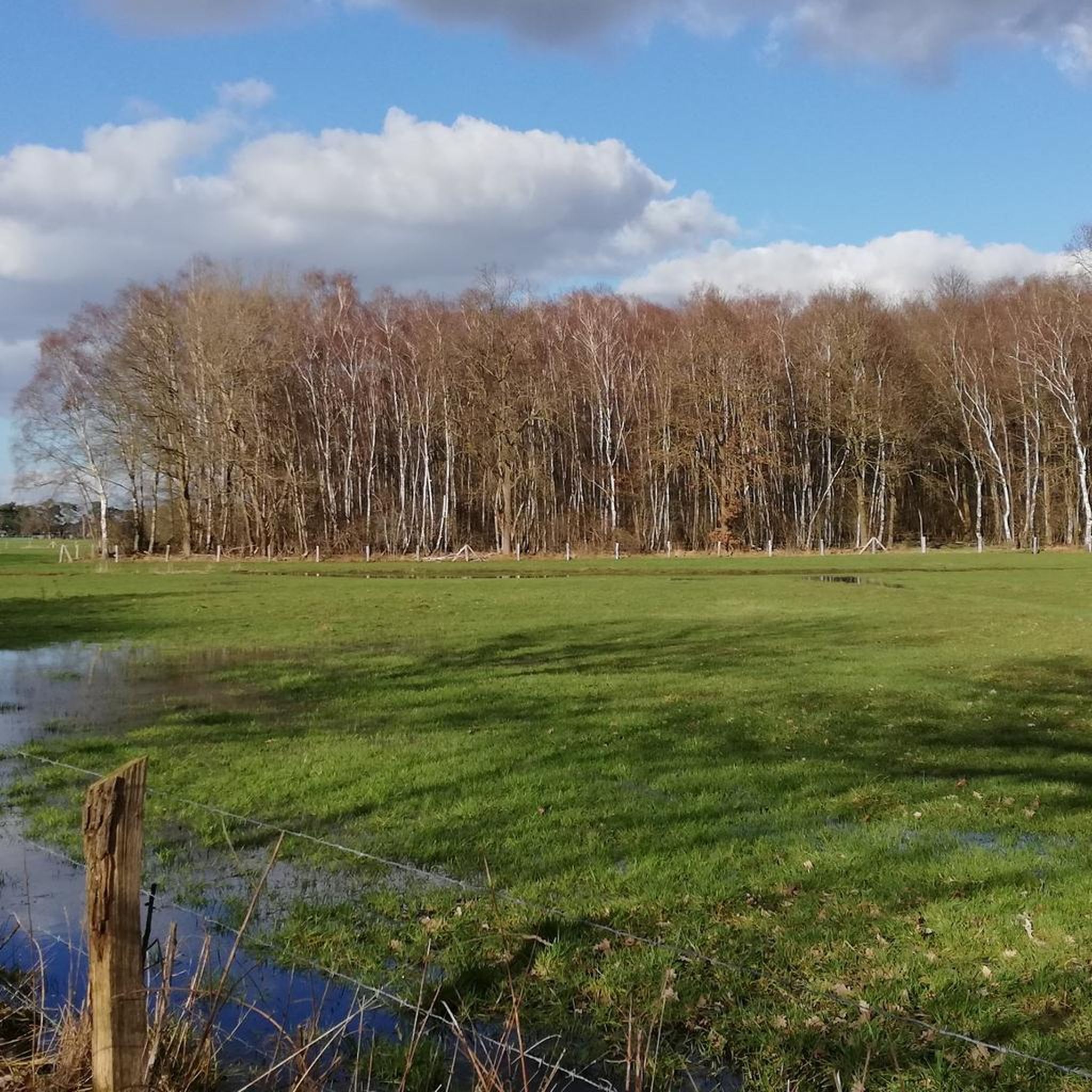
MTB Trails in Dingdener Heide

Tips from the Community

Water buffalo are very peaceful and undemanding animals. Here they are used as "landscape caretakers" and ensure that, for example, the ponds and areas in the heath are kept clear and they thus limit the growth of reeds and woody plants. This means that these areas can be used by other animal species, such as frogs, toads and dragonflies, which in turn provide food for birds, such as storks. These areas also provide breeding or resting places for rare bird species, such as curlews and snipes. The water buffalo on this pasture normally have their "residence" on the Kragemann buffalo farm in Barlo and are only here to "work".
3
0
From here you have a beautiful view over the approximately 20 hectare area of wet and damp grassland. If you're lucky and depending on the time of year, you can see ducks, grey herons, geese, curlews, lapwings, snipes and storks. Tip: take your binoculars with you!
4
0

The partially renaturalized moor with lots of heather is worth visiting at any time of year and in any weather. Heath, moor, blenken, viewing platforms, information boards, birds, sheep, buffalo...
2
0

Interesting facts about the birds that can be observed here. 👍
1
0
.... knows what's flying here. https://www.ornitho.de/
1
0

Peaceful giants as landscape gardeners in the Dingden Heath
0
0
Water buffalo are very peaceful and undemanding animals. Here they are used as "landscape caretakers" and ensure that, for example, the ponds and areas in the heath are kept clear and they thus limit the growth of reeds and trees. This means that these areas can be used by other animal species, such as frogs, toads and dragonflies, which in turn provide food for birds, such as storks. These areas also provide breeding or resting places for rare bird species, such as curlews and snipes. The water buffalo on this pasture normally have their "residence" on the Kragemann buffalo farm in Barlo and are only here to "work".
0
1
Water buffalo are very peaceful and undemanding animals. Here they are used as "landscape caretakers" and ensure that, for example, the ponds and areas in the heath are kept clear and they thus limit the growth of reeds and trees. This means that these areas can be used by other animal species, such as frogs, toads and dragonflies, which in turn provide food for birds, such as storks. These areas also provide breeding or resting places for rare bird species, such as curlews and snipes. The water buffalo on this pasture normally have their "residence" on the Kragemann buffalo farm in Barlo and are only here to "work".
1
0
Frequently Asked Questions
What are the main natural features to explore in Dingdener Heide?
The Dingdener Heide region is characterized by its expansive nature reserves, primarily the Naturschutzgebiet Dingdener Heide and Naturschutzgebiet Kleine Dingdener Heide. These areas feature diverse ecosystems including wet and moist grasslands, heathlands, and woodlands. You can observe shallow water ponds, reed canary grass stands, and small riparian forest areas.
Where can I go for birdwatching in Dingdener Heide?
The Dingdener Heide is an important area for birdwatching, serving as a breeding ground and resting area for numerous endangered and migratory bird species. A great spot is the Birdwatching Tower Hohe Mark Wetlands, offering views over wet and damp grasslands where you might spot ducks, grey herons, geese, curlews, lapwings, and storks.
Are there any unique animal sightings in Dingdener Heide?
Yes, you can observe water buffalo in the Dingdener Heide. These animals act as 'landscape caretakers,' helping to maintain the open character of ponds and heath areas. You can find them at locations like Water Buffalo in the Dingdener Heide or the Water Buffalo Pasture at Büffelhof Kragemann.
What kind of viewpoints are available in Dingdener Heide?
Several observation platforms offer excellent views of the landscape and wildlife. The Dingdener Heide Observation Platform provides views over heathland, ponds, and a stork's nest. Another option is the Observation platform "Zum Schießstand" (Dingden Heath), which overlooks cultivated landscapes and wet meadows, also with a chance to see a stork's nest.
Are there hiking trails to explore the natural monuments?
Yes, the Dingdener Heide offers a well-developed network of walking and cycling paths. The 'Dingdener Heide – Geschichte einer Kulturlandschaft' circular hiking trail provides insights into the region's past and allows you to experience the reconstructed historical forms of the rural landscape. For more specific routes, you can find various options in the Hiking in Dingdener Heide guide.
What other outdoor activities can I do near the natural monuments?
Beyond hiking, the region is suitable for other outdoor activities. You can explore various routes for running, as detailed in the Running Trails in Dingdener Heide guide. Gravel biking is also popular, with routes available in the Gravel biking in Dingdener Heide guide.
What is the best time to visit Dingdener Heide for nature observation?
The Dingdener Heide is particularly rewarding for nature observation during spring and autumn. Spring brings breeding birds and blooming flora, while autumn is ideal for observing migratory birds as they use the wet and moist grasslands as a crucial stopover.
Are the natural monuments in Dingdener Heide family-friendly?
Many areas within the Dingdener Heide are family-friendly, offering accessible paths and engaging sights. Observing the water buffalo or visiting the observation platforms to spot birds can be enjoyable activities for all ages. The well-maintained circular routes are generally suitable for families.
What kind of plant species can be found in the Kleine Dingdener Heide?
The Naturschutzgebiet Kleine Dingdener Heide is notable for its ecologically significant wet heath area. Here, you can find rare and endangered plant species such as bog rush, blunt-flowered rush, many-stemmed spike-rush, brown beak-sedge, marsh gentian, and oblong-leaved sundew, particularly in the wet heath dominated by purple moor grass.
How does the Dingdener Heide preserve its cultural landscape?
The Dingdener Heide is part of a larger initiative to preserve and re-establish the traditional cultural landscape. This includes maintaining extensively utilized fresh, moist, to wet grasslands interspersed with field groves and hedges, which are a testament to centuries of agricultural use. This preservation ensures suitable living conditions for many rare plants and animals.
Is the Dingdener Heide accessible by public transport?
While the region is well-equipped with paths, specific public transport options directly to the heart of the nature reserves may be limited. It is advisable to check local bus schedules to nearby towns or consider driving to designated parking areas and then exploring on foot or by bike.
Are there any specific regulations or permits needed to visit the natural monuments?
Generally, no special permits are required to access the public paths and observation points within the Dingdener Heide nature reserves. However, visitors are expected to respect nature conservation rules, such as staying on marked paths, not disturbing wildlife, and keeping dogs on a leash.
Most popular routes in Dingdener Heide
Most popular attractions in Dingdener Heide

Get inspired with the komoot mobile app


Explore more
Extend your search for the best caves by checking out these guides of the top ones in Dingdener Heide:
