The best walks and hikes in Dingdener Heide
4.5
(3756)
17,271
hikers
26
hikes
Hiking in Dingdener Heide offers diverse landscapes, including vast heathlands, dense forests, and open meadows. The region is characterized by small lakes, river landscapes, and wetlands, providing varied terrain for outdoor activities. Situated within the Naturpark Hohe Mark, it serves as a significant green space at the crossroads of the Ruhrgebiet, Lower Rhine, and Münsterland. The area features gentle elevation changes, making it accessible for various hiking abilities.
Best hiking trails in Dingdener Heide
- The most popular hiking route is LandStreifer Hamminkeln/Rhede, Dingdener/Büngerner Heide 'time travel', an easy 3.3 miles (5.3 km) trail that takes 1 hour 20 minutes to complete, offering a journey through varied natural settings.
- Another top favourite among local hikers is Mumbecker Brook Trail – Trail Along the Mumbecker Stream loop from Dingdener Heide, an easy 2.1 miles (3.4 km) path. This route follows the Mumbecker Stream, showcasing tranquil waterside scenery.
- Local hikers also love the Dingdener Heide Wetlands loop from Dingdener Heide, a 5.3 miles (8.6 km) trail leading through wetlands and open landscapes, often completed in about 2 hours 10 minutes.
- Hiking in Dingdener Heide is defined by heathlands, shady pine forests, and wetlands, with small lakes and river landscapes contributing to the scenic beauty. The network offers options for easy and moderate ability levels.
- The routes in Dingdener Heide are highly rated by the komoot community with an average score of 4.6 stars from over 1,300 reviews. More than 7,700 hikers have used komoot to explore Dingdener Heide's varied terrain.
Last updated: June 22, 2026
4.7
(170)
512
hikers
Easy hike. Great for any fitness level. Easily-accessible paths. Suitable for all skill levels.
4.7
(57)
213
hikers
Easy hike. Great for any fitness level. Easily-accessible paths. Suitable for all skill levels.

Sign up for free
4.7
(21)
93
hikers
Moderate hike. Good fitness required. Easily-accessible paths. Suitable for all skill levels.
4.7
(12)
39
hikers
Moderate hike. Good fitness required. Easily-accessible paths. Suitable for all skill levels.
4.2
(5)
24
hikers
Easy hike. Great for any fitness level. Easily-accessible paths. Suitable for all skill levels.
Get access to more routes and recommendations from other explorers.
Sign up for free
Already have an account?
Our route recommendations are based on thousands of hikes, rides, and runs completed by other people on komoot.
Start today with a free account
Your next adventure awaits.
Login or Signup
Popular around Dingdener Heide

Tips from the Community


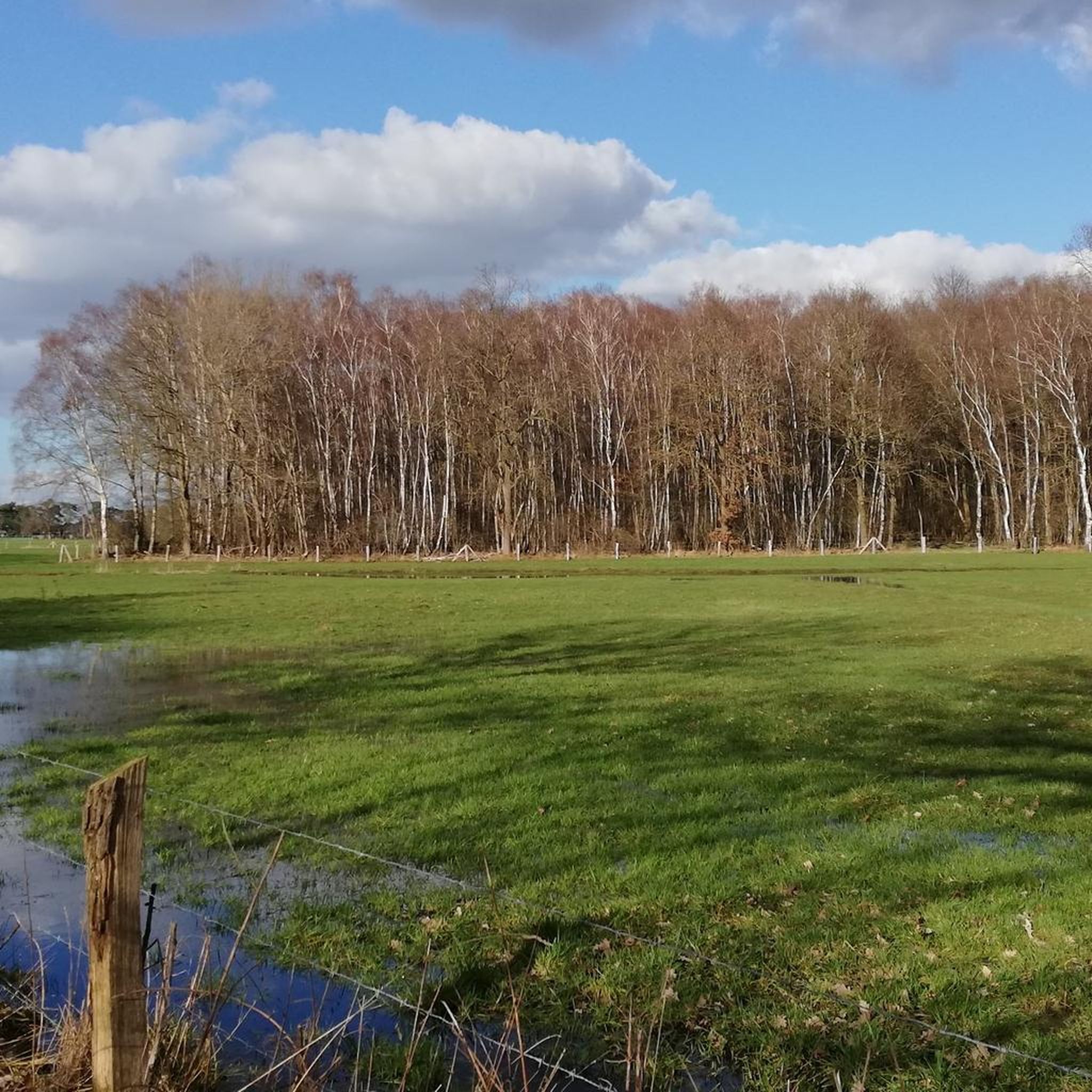
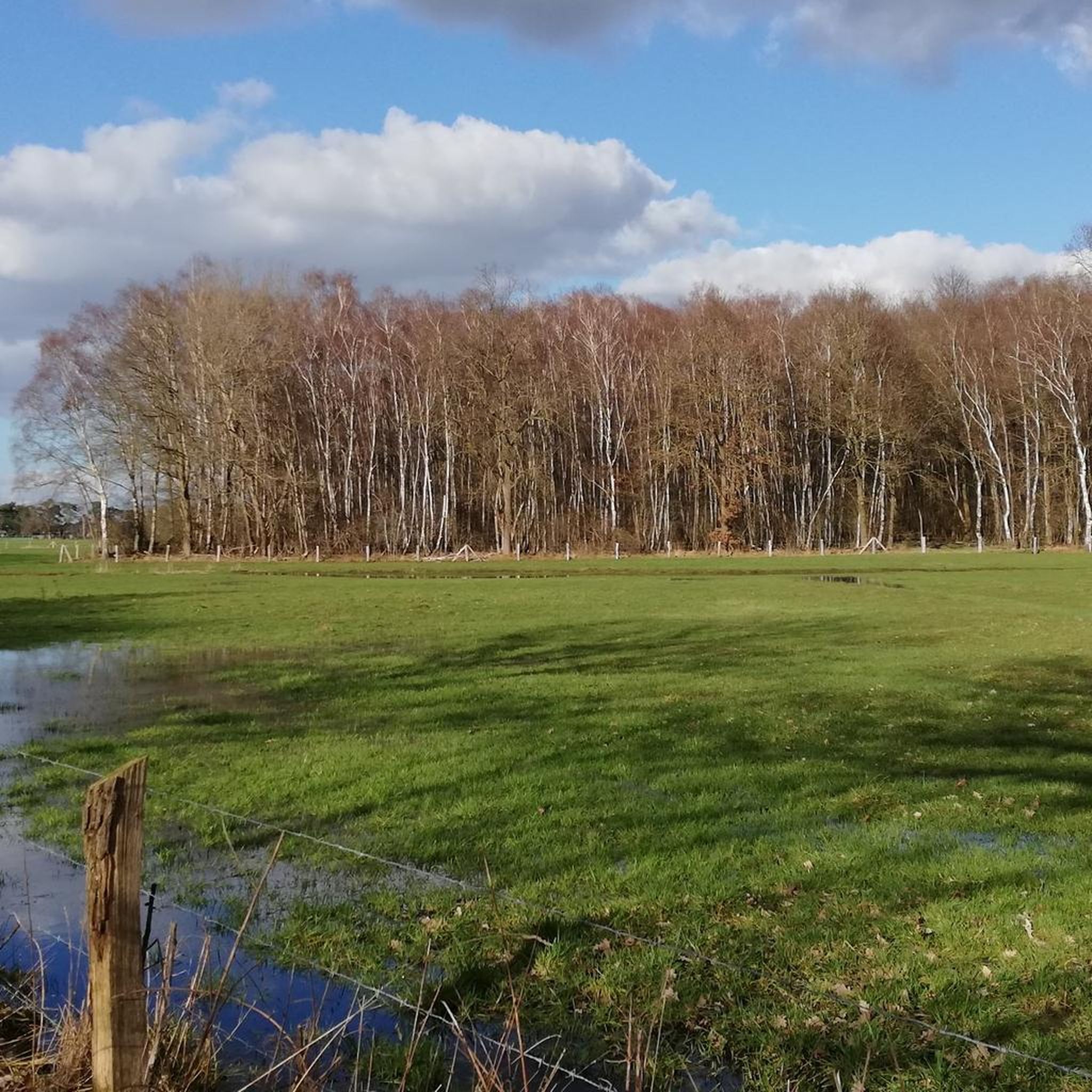
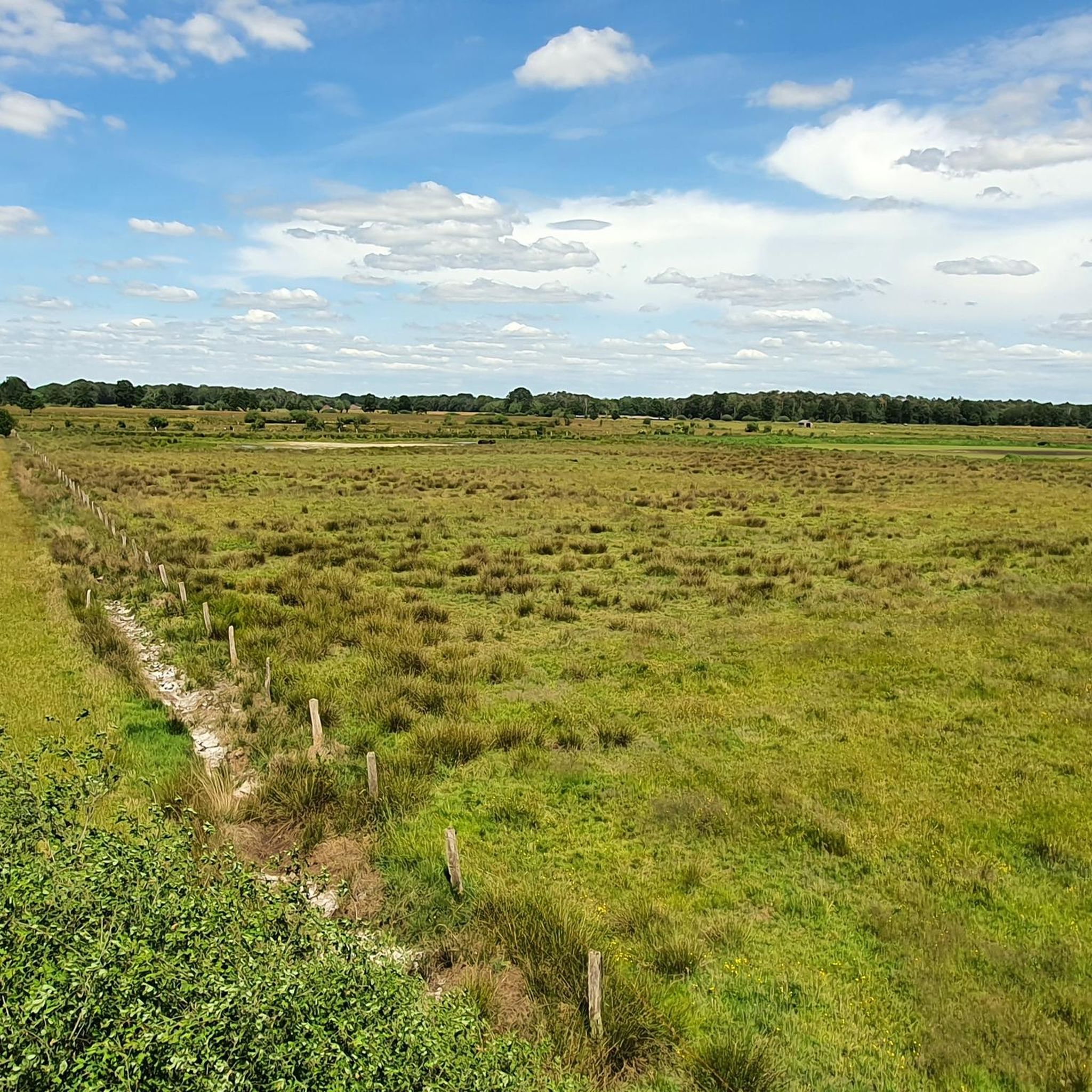
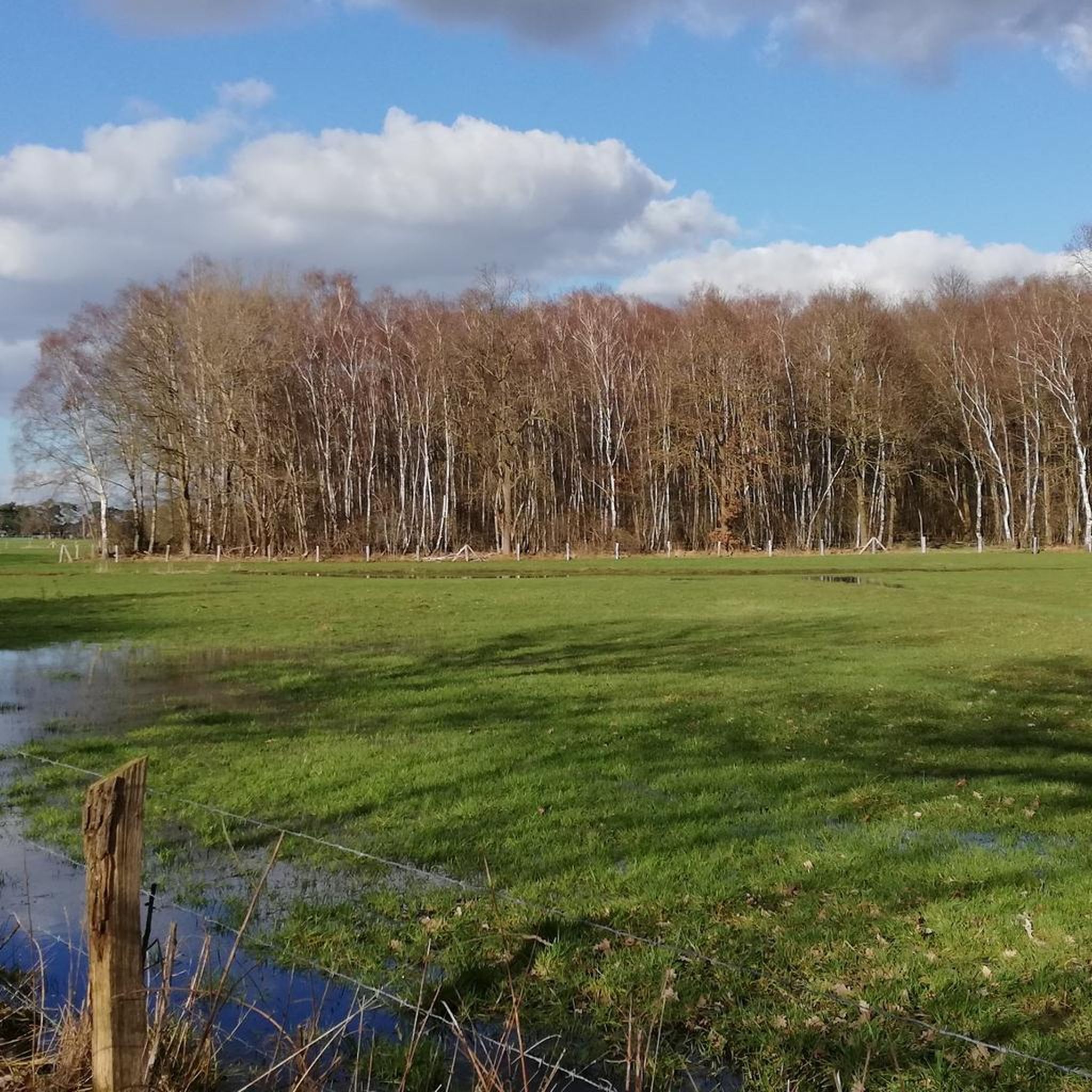
At the Hoogenkamp/Raßingvenn junction is the hub of the Büngerner Dingdener Heide, which is designated as a nature reserve. The Fääne project (with an area of around 9 hectares) is part of the Hohe Mark Nature Park (with a total of 1978 sq km). The area/meadows towards the southeast are the so-called Fääne (dialect = Fän/Vän = Venn). By purchasing this area, a connection was created between the western and eastern areas of the Büngerner Dingdener Heide and the areas were divided and redesigned. 2.1 hectares of arable land and 2.9 hectares of INTENSIVE grassland became 5 hectares of EXTENSIVE grassland with plants from moist and poor meadows and pastures. 4 hectares of mixed pine-oak forest became 4 hectares of mixed birch-oak forest. If you follow the Raßingvenn further towards the forest (harder for bicycles - better to walk), you will see the first measures of the intended forest conversion. Here, mixed coniferous forest is to be converted into mixed oak forest. The honorary chairwoman of the "Fääne" foundation at the time was Gisela Klingler. A memorial stone stands at this spot in her honor.
4
0
In 2001, for the 25th anniversary of the Dingden local history association, this draw well was donated to the NRW Foundation and the Nabu. At the inauguration, Wendelin Haverkamp named the draw well "Anton". Anton van Stegen was on the board of the Dingden local history association for many years and built this well. He still feels responsible for the draw well and regularly visits the well to check that everything is in order. The wood of the swinging tree (previously always made of oak) also has to be replaced every 5 years or so. Although Mr van Stegen would have liked to try it out with an acacia to see if it might be more durable. (Source: Bocholter Borkener Volksblatt, BBV)
5
0
Water buffalo are very peaceful and undemanding animals. Here they are used as "landscape caretakers" and ensure that, for example, the ponds and areas in the heath are kept clear and they thus limit the growth of reeds and woody plants. This means that these areas can be used by other animal species, such as frogs, toads and dragonflies, which in turn provide food for birds, such as storks. These areas also provide breeding or resting places for rare bird species, such as curlews and snipes. The water buffalo on this pasture normally have their "residence" on the Kragemann buffalo farm in Barlo and are only here to "work".
3
0
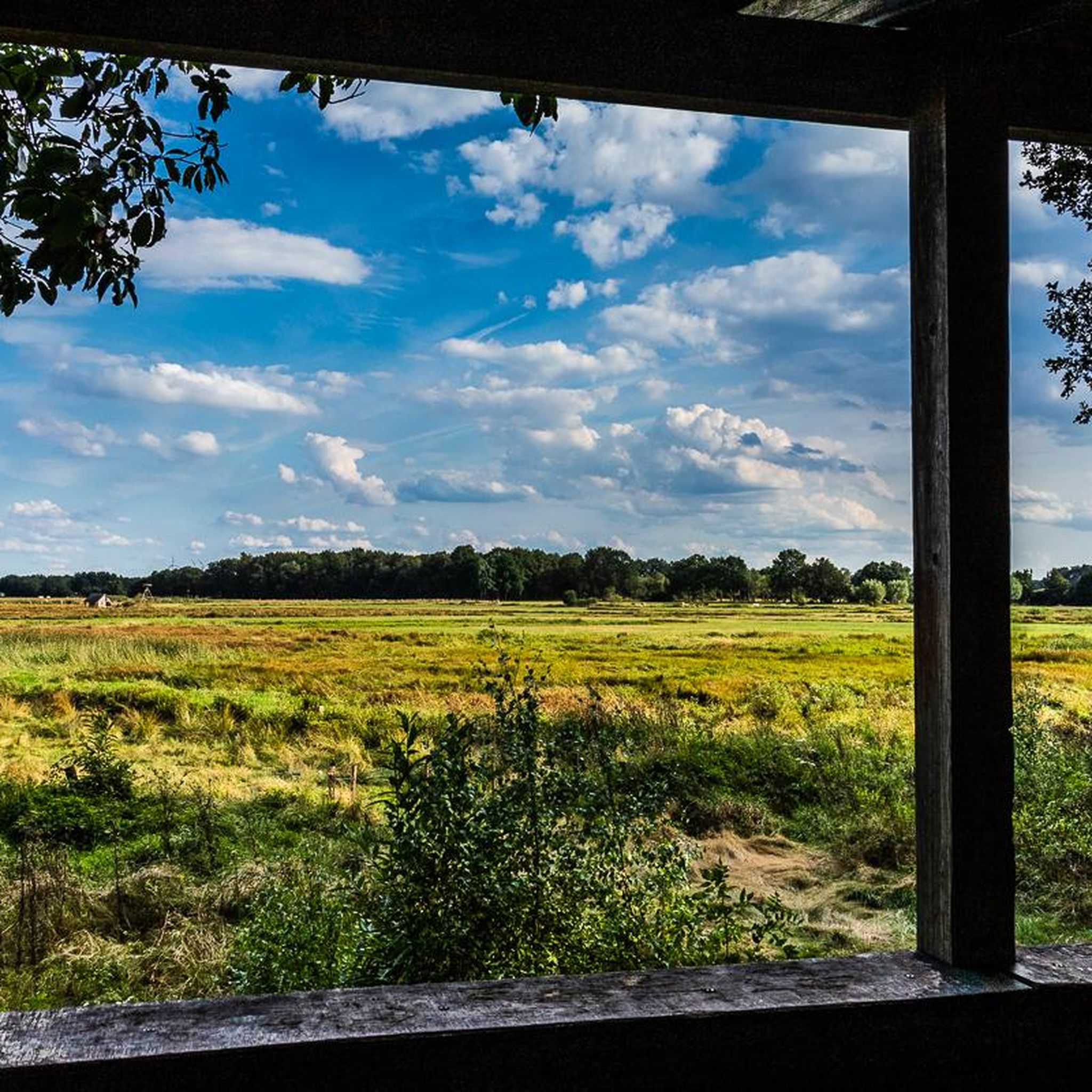
The Büngern and Dingden Heaths are a large nature reserve. Among other things, the Fääne project is located here. Simply beautiful heathland with wet meadows. Water and migratory birds feel at home here. Rare animal species such as the black-tailed godwit and the curlew can also be found here again.
3
0
The "Journey through Time" circular trail is always beautiful and can be walked at any time of year.
1
0
Frequently Asked Questions
What types of landscapes can I expect to see while hiking in Dingdener Heide?
Dingdener Heide offers a rich variety of landscapes. You'll find expansive heathlands, dense pine forests, and shady woodlands with moss-covered trees. The region also features flowering meadows, open pastures, ancient moors, wetlands, and small, enchanting lakes and river landscapes. It's a very diverse natural environment.
Are there hiking trails suitable for beginners or families with children?
Yes, Dingdener Heide is very accessible for all levels. Out of the 26 hiking routes available, 23 are rated as easy, making them perfect for beginners or families. The terrain generally has gentle elevation changes, ensuring a comfortable experience for everyone.
Can I bring my dog on the hiking trails in Dingdener Heide?
While Dingdener Heide is a natural area, it's generally dog-friendly. However, to protect wildlife and ensure a pleasant experience for all visitors, it's recommended to keep dogs on a leash, especially in areas with sensitive ecosystems or grazing animals like water buffalo. Always clean up after your pet.
Are there any circular hiking routes in Dingdener Heide?
Many of the trails in Dingdener Heide are designed as circular routes, allowing you to start and end at the same point. For example, the Dingdener Heide Wetlands loop and the Mumbecker Brook Trail loop are popular options that offer varied scenery on a round trip.
What kind of wildlife can I observe in Dingdener Heide?
Dingdener Heide is a haven for wildlife. Birdwatchers will appreciate the many bird species, and you might even spot a stork couple raising their young. A unique feature of the area is the presence of water buffalo grazing in expansive meadows. You can often observe them from designated platforms, such as the Water Buffalo in the Dingdener Heide highlight.
Are there any viewpoints or observation platforms along the trails?
Yes, the region features several observation platforms designed for enjoying the scenery and spotting wildlife. Notable spots include the Dingdener Heide Observation Platform and the Birdwatching Tower Hohe Mark Wetlands, offering great vantage points over the diverse landscapes.
What is the best time of year to go hiking in Dingdener Heide?
Dingdener Heide is beautiful year-round. Spring brings flowering meadows, while summer offers shady forests. Autumn transforms the landscape with vibrant colors, and even winter hikes can be serene. The diverse ecosystems ensure there's always something to appreciate, making it a great destination in any season.
Are there places to eat or get refreshments near the hiking trails?
Yes, you'll find amenities along the trails. The region provides refreshment stops, including huts, cafés, and restaurants, ensuring you can comfortably enjoy your visit and refuel during or after your hike.
How many hiking trails are available in Dingdener Heide?
There are 26 hiking routes available in Dingdener Heide, catering to various preferences and fitness levels. This includes a good mix of easy and moderate trails, ensuring there's something for everyone to explore.
What do other hikers say about their experience in Dingdener Heide?
The hiking experience in Dingdener Heide is highly rated by the komoot community, with an average score of 4.6 stars from over 1,300 reviews. Hikers often praise the diverse landscapes, well-marked trails, and the tranquil atmosphere that allows for immersion in nature.
Are there any themed routes or special trails to explore?
Yes, Dingdener Heide offers engaging themed routes. For instance, the 'Tijdreis Dingdener Heide' (Time Journey Dingden Heath) provides a unique journey through the landscape. There's also a 'Märchenwanderung' (fairy tale hike) that leads through a living and a 'lost place' old fairy tale forest, complete with viewing platforms and picnic spots.
Is there parking available for hikers in Dingdener Heide?
While specific parking locations are not detailed in every route description, Dingdener Heide is well-prepared for visitors. You can generally find designated parking areas near trailheads, especially at popular starting points, making it convenient to access the hiking routes.
Most popular routes in Dingdener Heide
Most popular attractions in Dingdener Heide

Get inspired with the komoot mobile app


Explore more
Browse the best Hikes in other regions.
