Bachsystem Des Wienbaches
Bachsystem Des Wienbaches
Top 10 Natural Monuments in Bachsystem Des Wienbaches
Natural monuments in Bachsystem Des Wienbaches are found within a significant nature reserve in Dorsten, North Rhine-Westphalia, Germany, spanning approximately 683 hectares. This area is recognized for its ecological importance as a Natura 2000 Flora-Fauna-Habitat site, featuring over 35 kilometers of low-pollution stream landscapes. It provides crucial habitats for diverse aquatic life and valuable associated ecosystems like wet meadows and natural forests. The region offers opportunities to observe wildlife and explore varied natural landscapes.
Best natural monuments in Bachsystem Des…
Last updated: October 8, 2026
Water buffalo in Hervester Bruch
Highlight • Natural
Translated by Google •
Tip by

Blue Lake
Highlight • Lake
Translated by Google •
Tip by

Sign up now to discover places like this
Get recommendations on the best single tracks, peaks, & plenty of other exciting outdoor places.
Freistuhl of Deuten
Highlight • Historical Site
Translated by Google •
Tip by

Wandering dune in Naturpark Hohe Mark
Highlight • Natural Monument
Translated by Google •
Tip by

Observation deck with a view of the stork nest and wetlands
Highlight • Viewpoint
Translated by Google •
Tip by

Sign up for free to discover even more natural monuments in Bachsystem Des Wienbaches.
Already have an account?
Start today with a free account
Your next adventure awaits.
Popular around Bachsystem Des Wienbaches
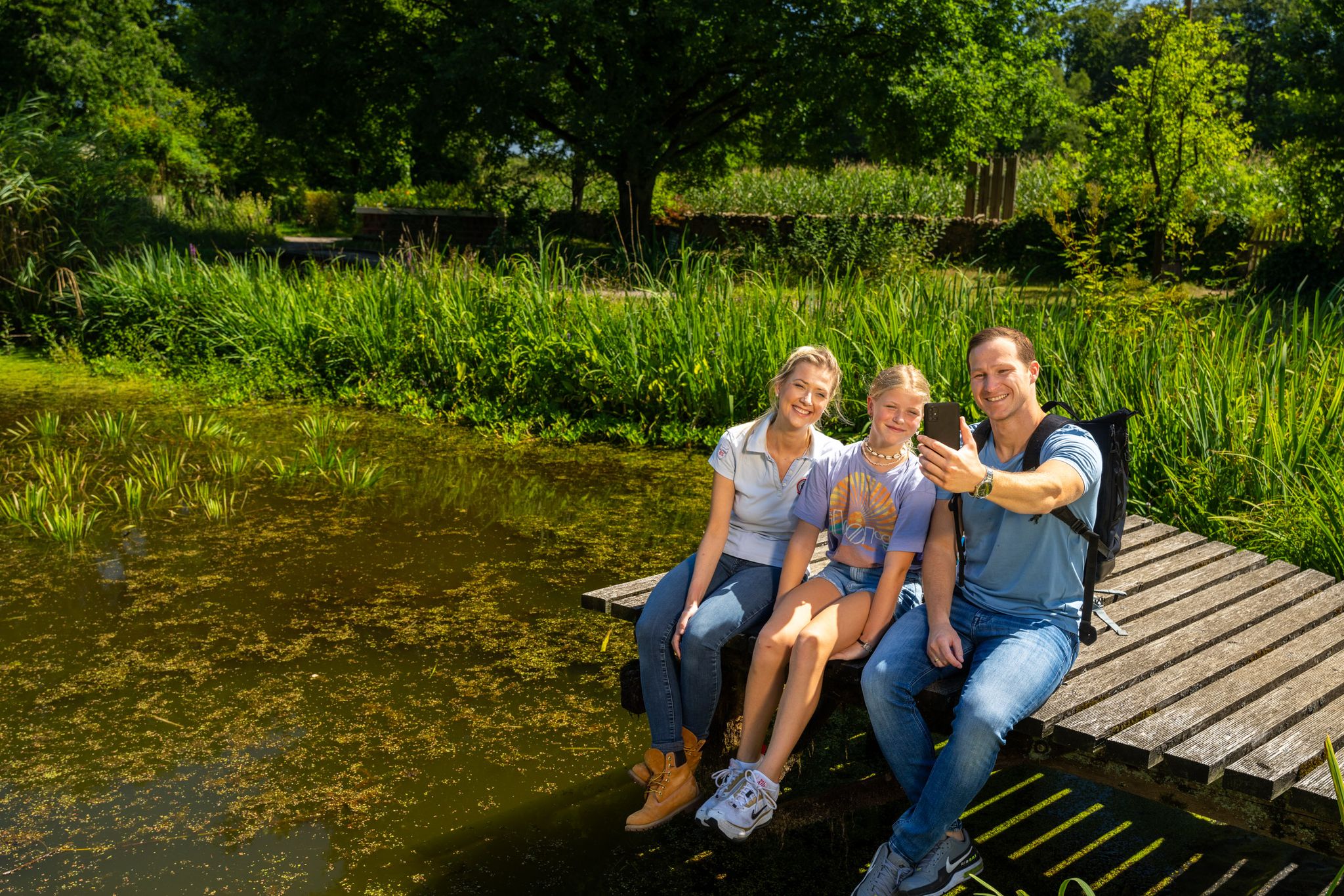
Hiking and discoveries – family walks in the Hohe Mark Nature Park
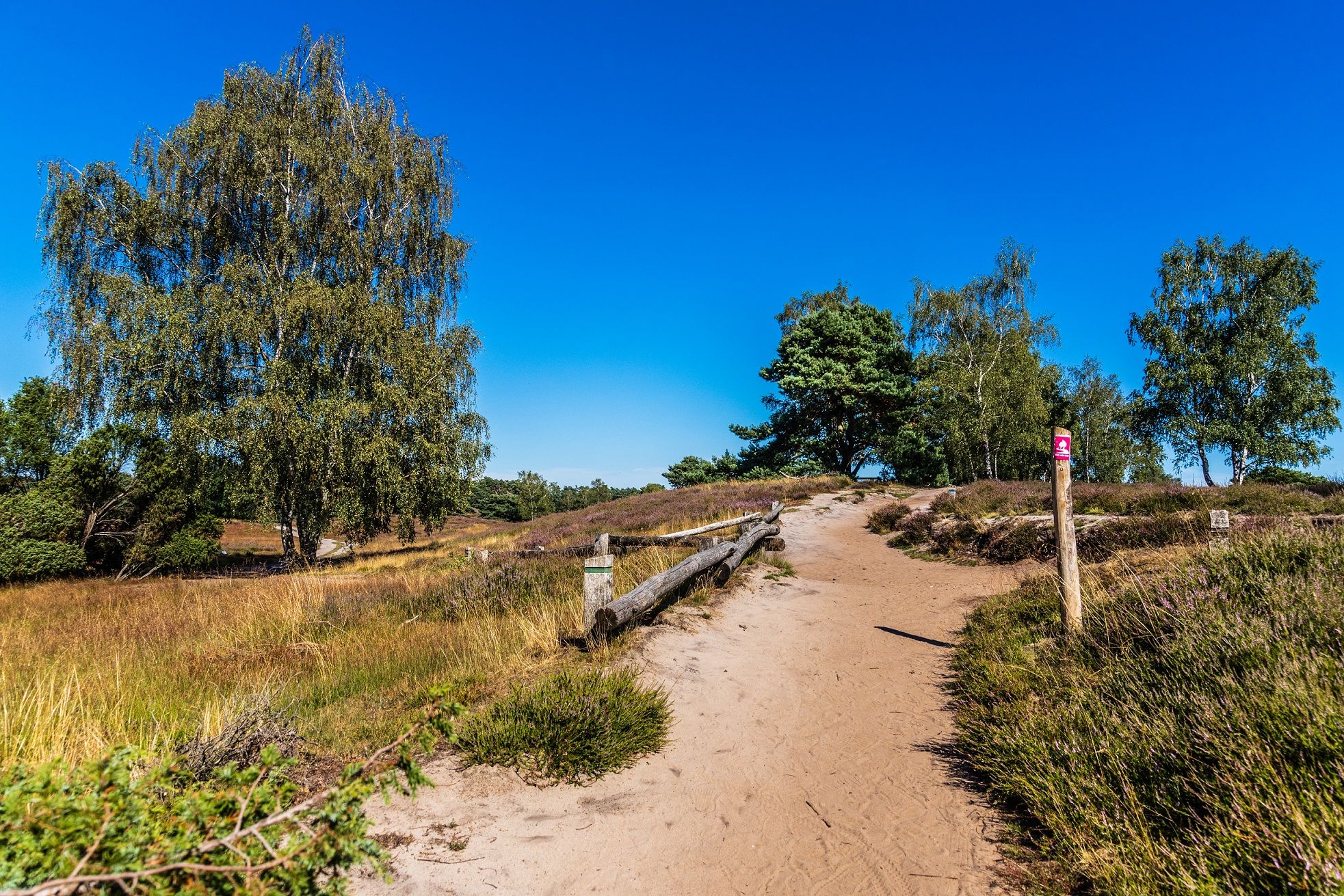
Your bond with nature — Germany’s Hohe Mark Steig
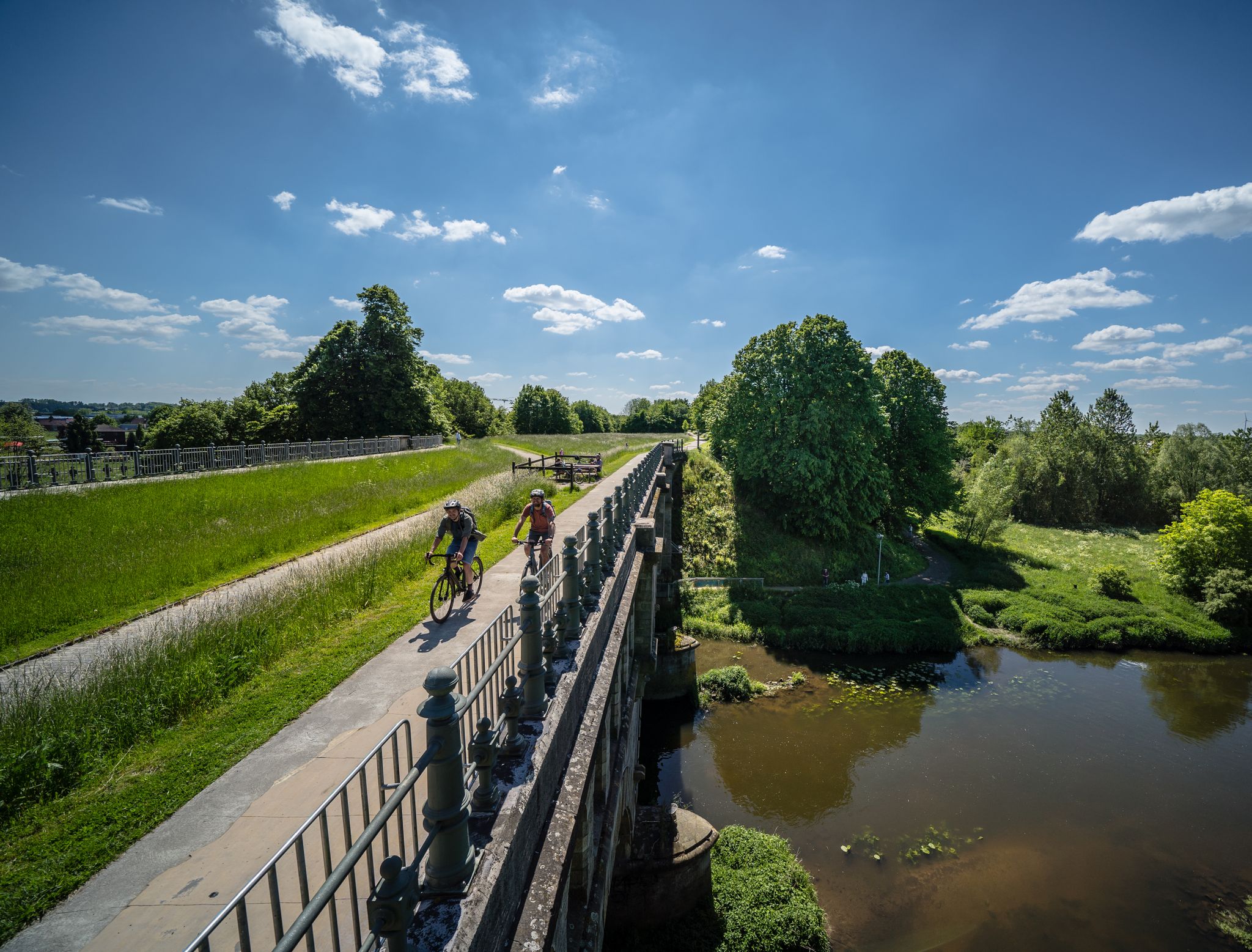
Germany’s Hohe Mark cycle route – escape into nature
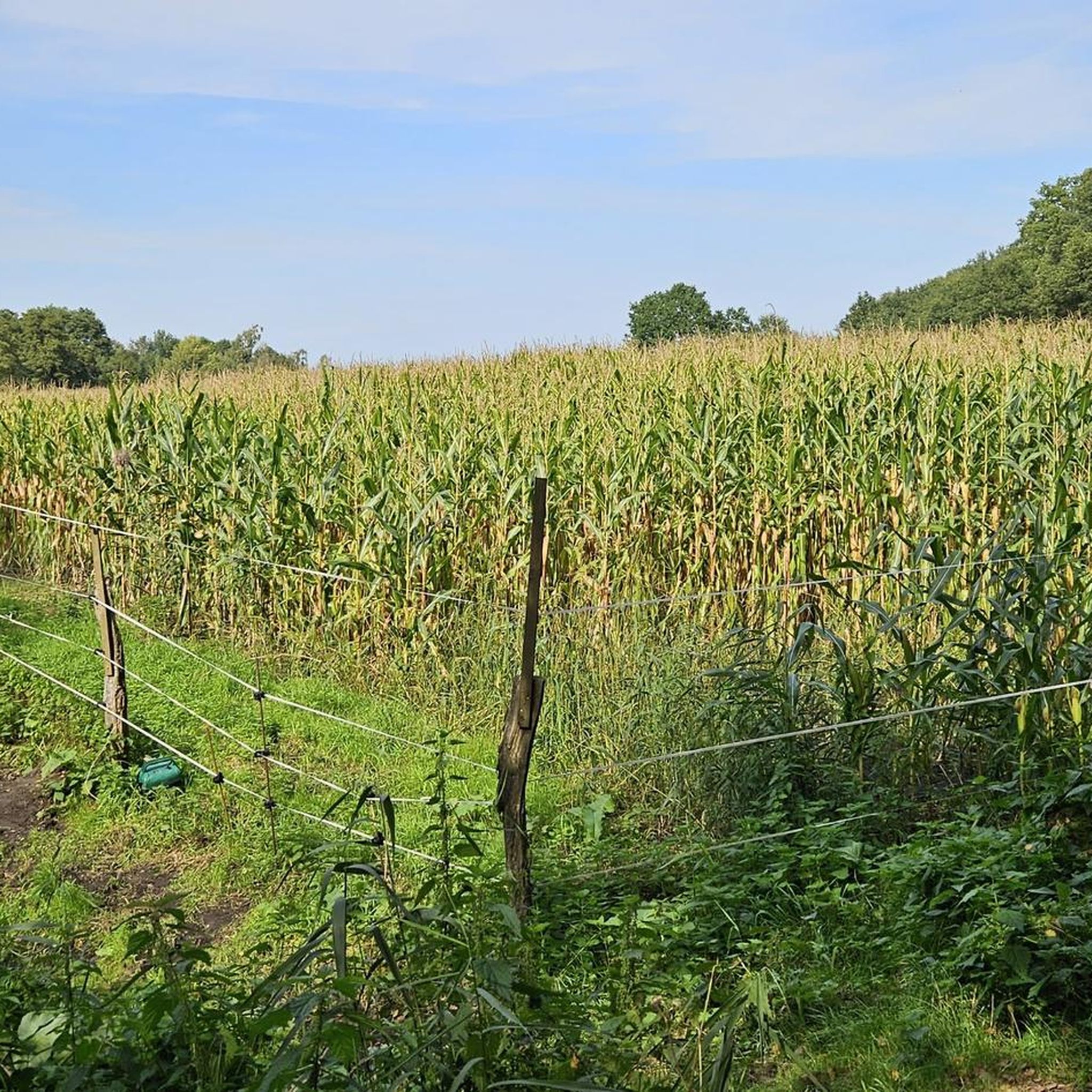
Hiking in Bachsystem Des Wienbaches
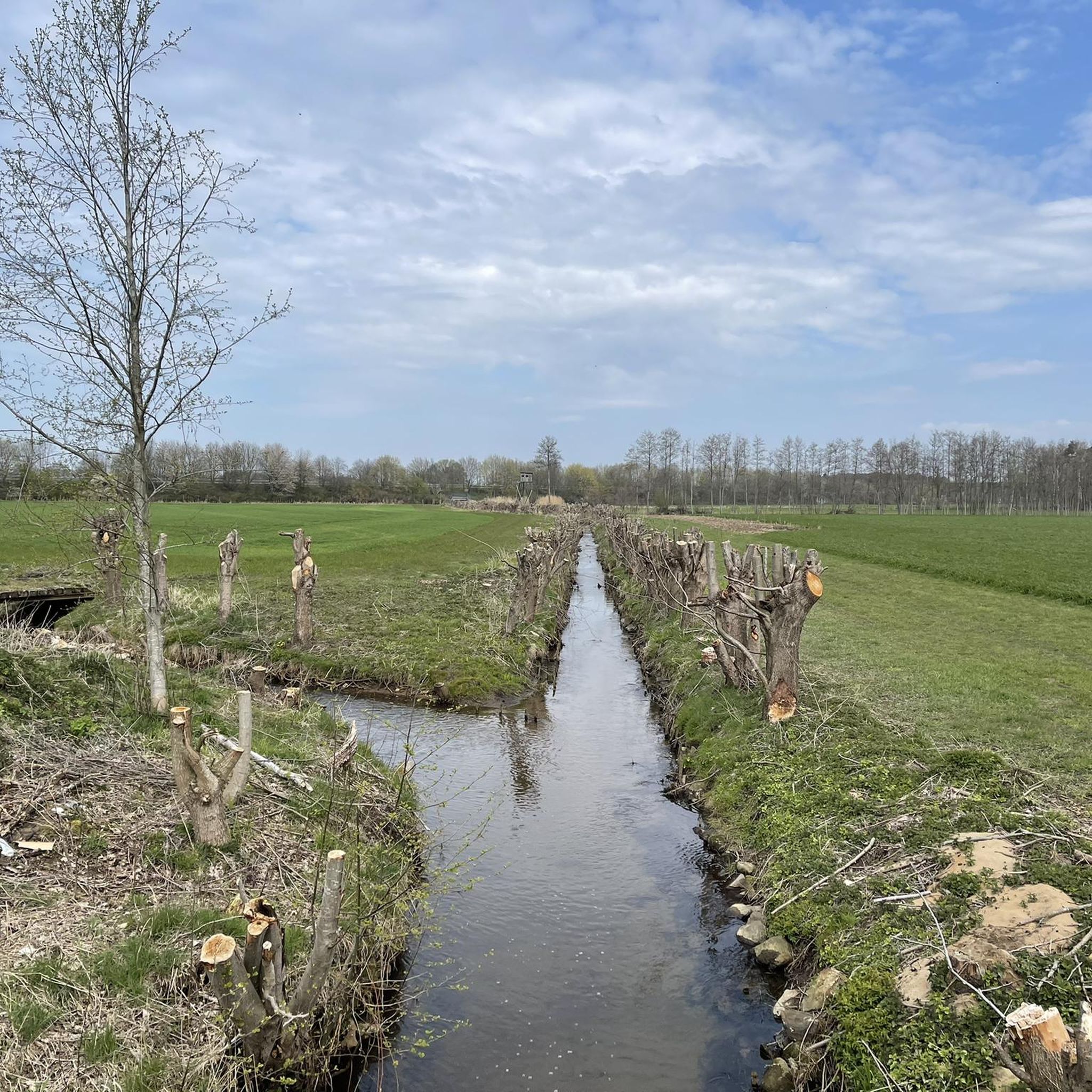
Road Cycling Routes in Bachsystem Des Wienbaches
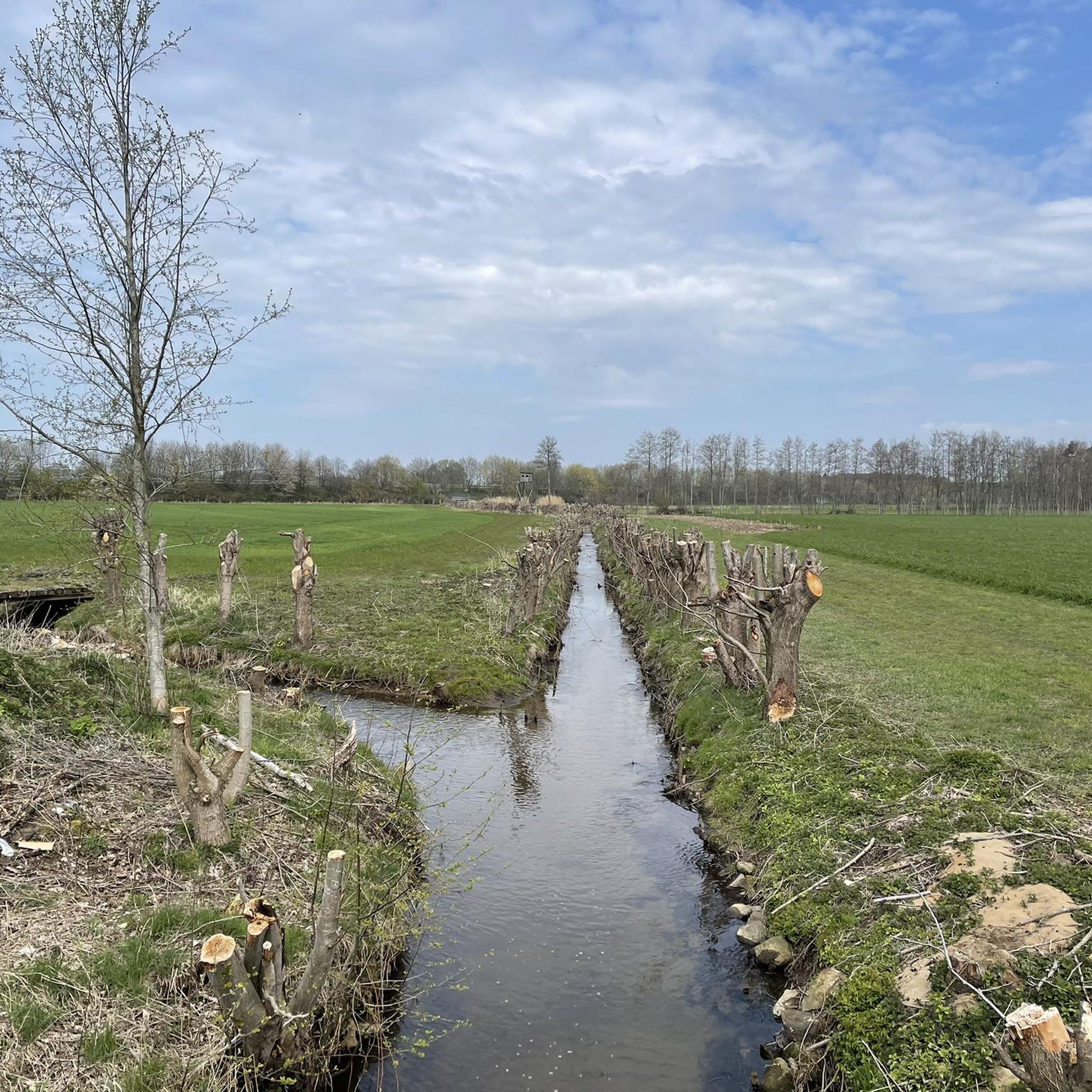
MTB Trails in Bachsystem Des Wienbaches
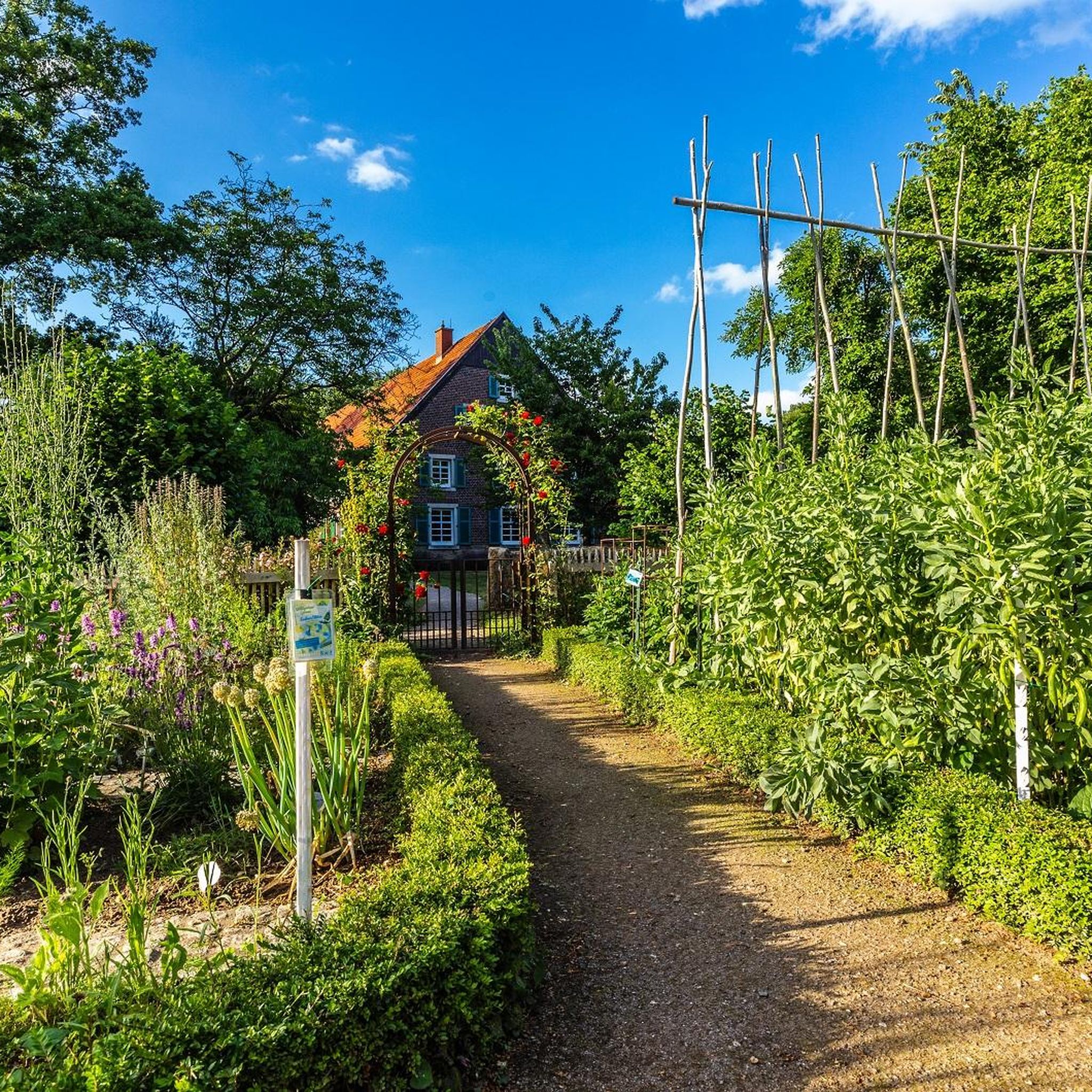
Gravel biking in Bachsystem Des Wienbaches
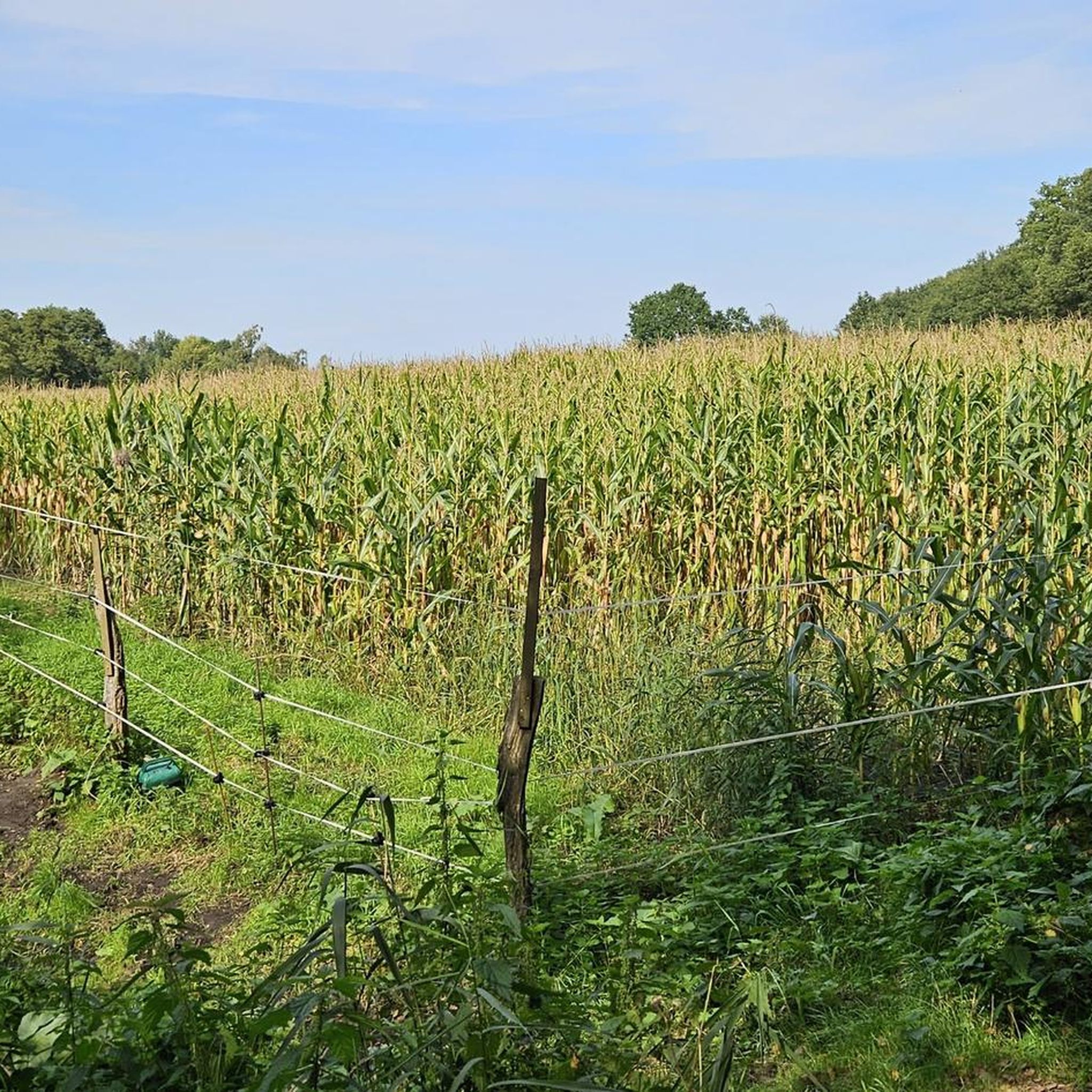
Running Trails in Bachsystem Des Wienbaches
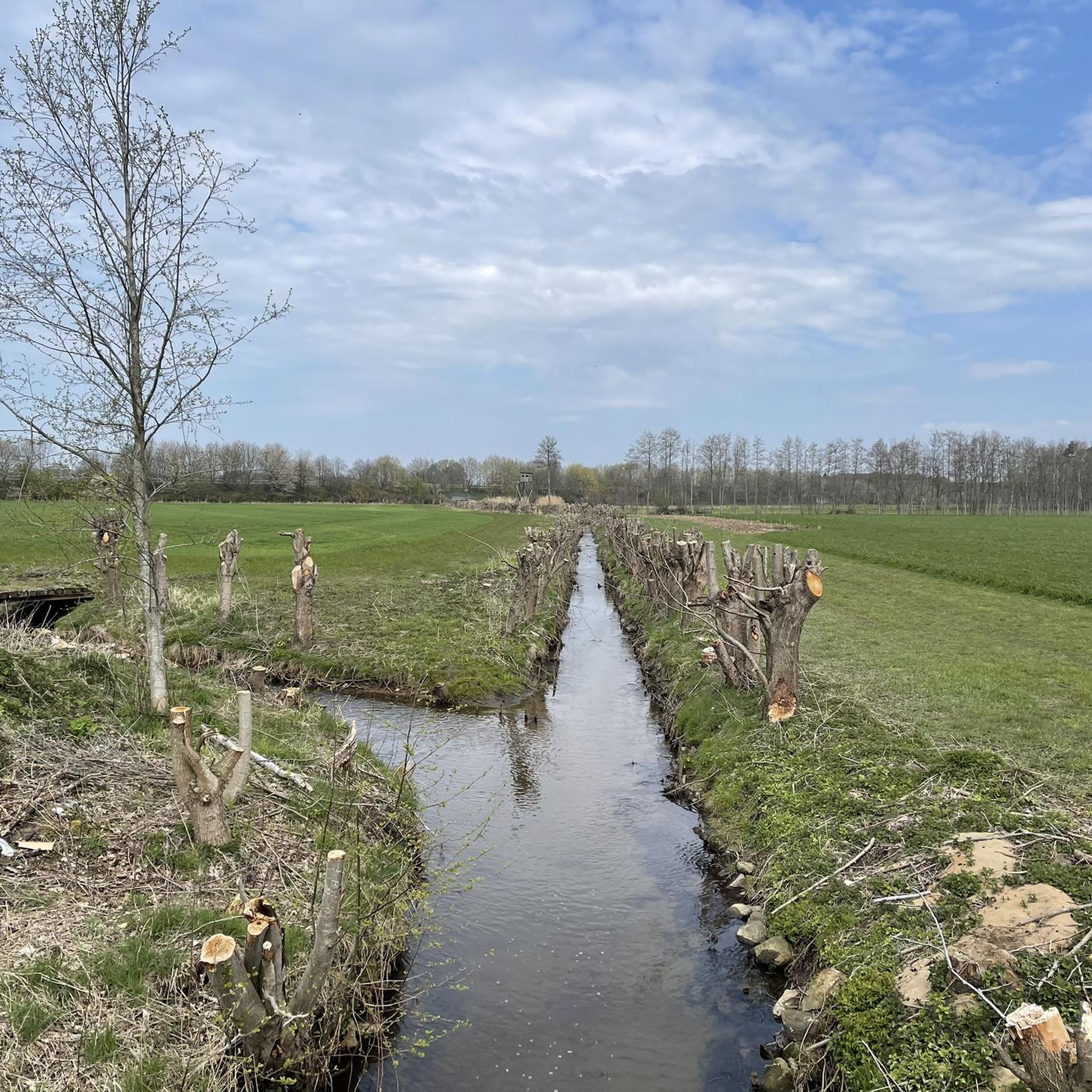
Cycling in Bachsystem Des Wienbaches
Other adventures in Bachsystem Des Wienbaches

Tips from the Community

A very interesting piece of history. The detour is worthwhile for anyone interested
0
0

Here lies the sand that was blown over from the Rhine long ago.
2
0

The place is beautifully designed and invites you to take a break.
0
0

Pure nature with wild animals left to their own devices. Since there is hardly any elevation to overcome, the tour is easy to manage
2
0


A slightly higher observation tower that is located next to a stork's nest. During the breeding season, you can observe the storks and their offspring in the nest relatively well. Since it is located a little way away, binoculars are recommended.
3
0
A trip on foot or by bike, always worth the trip. Many animals can be observed here.
4
0
If you need a little rest, sit on the high stand for a while and enjoy the impressions.
2
0
Frequently Asked Questions
What are some of the most popular natural monuments to visit in Bachsystem Des Wienbaches?
Visitors frequently enjoy the Water buffalo in Hervester Bruch, which is highly recommended for bird watching and observing Heck cattle. Other popular spots include the Observation deck with a view of the stork nest and wetlands and the Stork Observation Platform, both offering excellent vantage points for wildlife.
Where can I observe wildlife, especially birds and aquatic life, in Bachsystem Des Wienbaches?
The entire Bachsystem des Wienbaches is a Natura 2000 Flora-Fauna-Habitat site, making it excellent for wildlife observation. The Hervester Bruch is particularly noted for bird watching and observing Heck cattle (often referred to as water buffalo). The low-pollution stream system itself is home to diverse aquatic life, including brook lamprey and sculpin.
Are there any historical or cultural sites within the natural monuments area?
Yes, while primarily natural, the region also features historical elements. The Freistuhl of Deuten is a significant historical site, marking a medieval court meeting place. Additionally, the Tüshausmühle, a fully functional water mill, offers a glimpse into local heritage and traditional technology, though it's a man-made structure within the broader natural context.
What kind of natural features can I expect to see in Bachsystem Des Wienbaches?
You can expect to see a diverse range of natural features, including over 35 kilometers of stream landscapes, wet meadows, and natural forests. The area is characterized by running waters with underwater vegetation and various types of alluvial forests. The Hervester Bruch offers semi-open landscapes, and the Blauer See, a former sand pit, now serves as a scenic reservoir encircled by a walking trail.
Are there family-friendly activities or trails suitable for children in the area?
Many areas within Bachsystem Des Wienbaches are family-friendly. The observation platforms, such as the Observation deck with a view of the stork nest and wetlands and the Stork Observation Platform, are great for children to observe birds and Heck cattle. There are also easy walking trails, such as those around the Blauer See, that are suitable for families.
What is the best time of year to visit Bachsystem Des Wienbaches for nature observation?
While the Bachsystem des Wienbaches is beautiful year-round, spring and summer are particularly rewarding for observing wildlife, especially storks and their offspring at the nesting sites. The diverse aquatic life is also more active during warmer months. Autumn offers vibrant foliage in the alluvial forests.
Are there hiking trails near the natural monuments in Bachsystem Des Wienbaches?
Yes, there are numerous hiking opportunities. For easy walks, you can explore routes like the "Deutener Moors – RVR Ruhr Grün Resting Bench loop" or the "Stork Observation Platform – Stork Nest in Hervester Bruch loop." You can find more details and routes on the Easy hikes in Bachsystem Des Wienbaches guide.
Can I bring my dog to the natural monuments in Bachsystem Des Wienbaches?
Many trails and natural areas in Bachsystem Des Wienbaches are dog-friendly. However, as it is a nature reserve, it's important to keep dogs on a leash to protect wildlife and livestock, especially around areas like the Hervester Bruch where Heck cattle graze.
What other outdoor activities can I do near these natural monuments?
Beyond hiking, the region offers excellent cycling opportunities. You can find various road cycling routes, such as the "Lavesumer Bruch Nature Reserve – Flotte Henne Tree-Lined Road loop," and mountain biking trails, including the "Trail in Naturwildpark Granat." Explore more options in the Road Cycling Routes and MTB Trails in Bachsystem Des Wienbaches guides.
Are there any viewpoints offering panoramic views of the natural landscape?
Yes, several viewpoints provide excellent perspectives. The Observation deck with a view of the stork nest and wetlands offers an elevated view of the Hervester Bruch landscape and stork nests. The Stork Observation Platform also provides a great vantage point to observe birds and the surrounding natural environment.
What do visitors enjoy most about the natural monuments in Bachsystem Des Wienbaches?
Visitors particularly appreciate the unique opportunity to observe wildlife, such as Heck cattle and storks, in their natural habitat. The diverse ecosystems, including the pristine stream system and alluvial forests, are highly valued. Many also enjoy the well-maintained paths and the peaceful, semi-open landscapes that invite cycling and jogging.
Is the terrain difficult for hiking or cycling in Bachsystem Des Wienbaches?
The terrain in Bachsystem Des Wienbaches is generally considered easy to moderate. Many paths are wide and well-maintained, making them accessible for various fitness levels, including families and wheelchair users in certain areas. While some routes might have slight elevations, the overall difficulty is manageable for most outdoor enthusiasts.
Most popular routes in Bachsystem Des Wienbaches
Most popular attractions in Bachsystem Des Wienbaches

Get inspired with the komoot mobile app


Explore more
Extend your search for the best caves by checking out these guides of the top ones in Bachsystem Des Wienbaches:
