Top 10 Natural Monuments in Alte Leine
Best natural monuments in Alte Leine feature a well-preserved river landscape, forming part of the larger Leineaue zwischen Hannover und Ruthe nature reserve. The area is characterized by the naturally meandering Alte Leine river, extensive floodplains, and remnants of riparian forests like the Koldinger Holz. This region serves as a significant habitat for diverse flora and fauna, including numerous bird species and ancient pollard willows. It offers accessible paths for nature-friendly recreational activities.
Best natural monuments in Alte Leine
- The…
Last updated: July 5, 2026
Observation Tower Alte Leine Nature Reserve
Highlight • Viewpoint
Showing Translation
Tip by

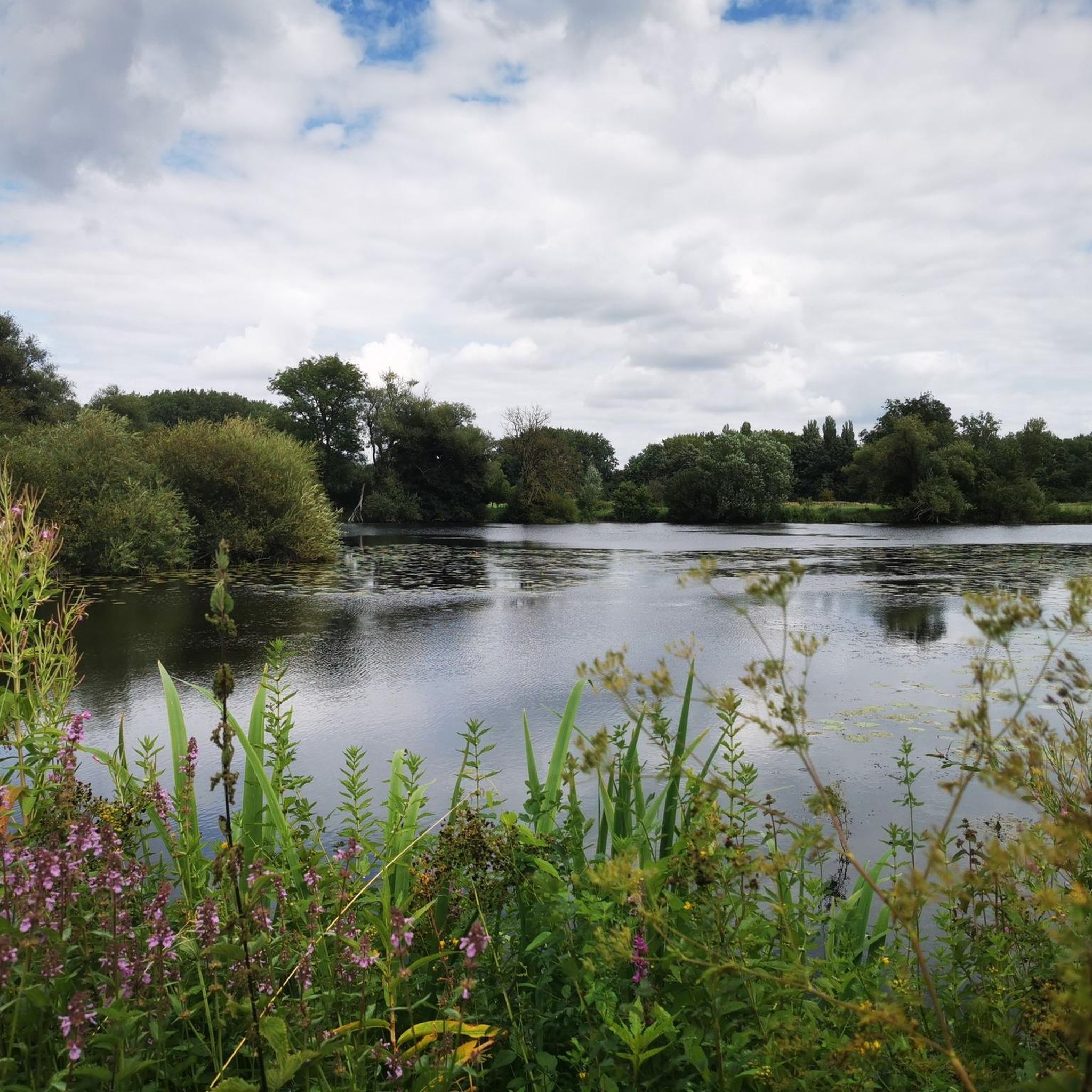
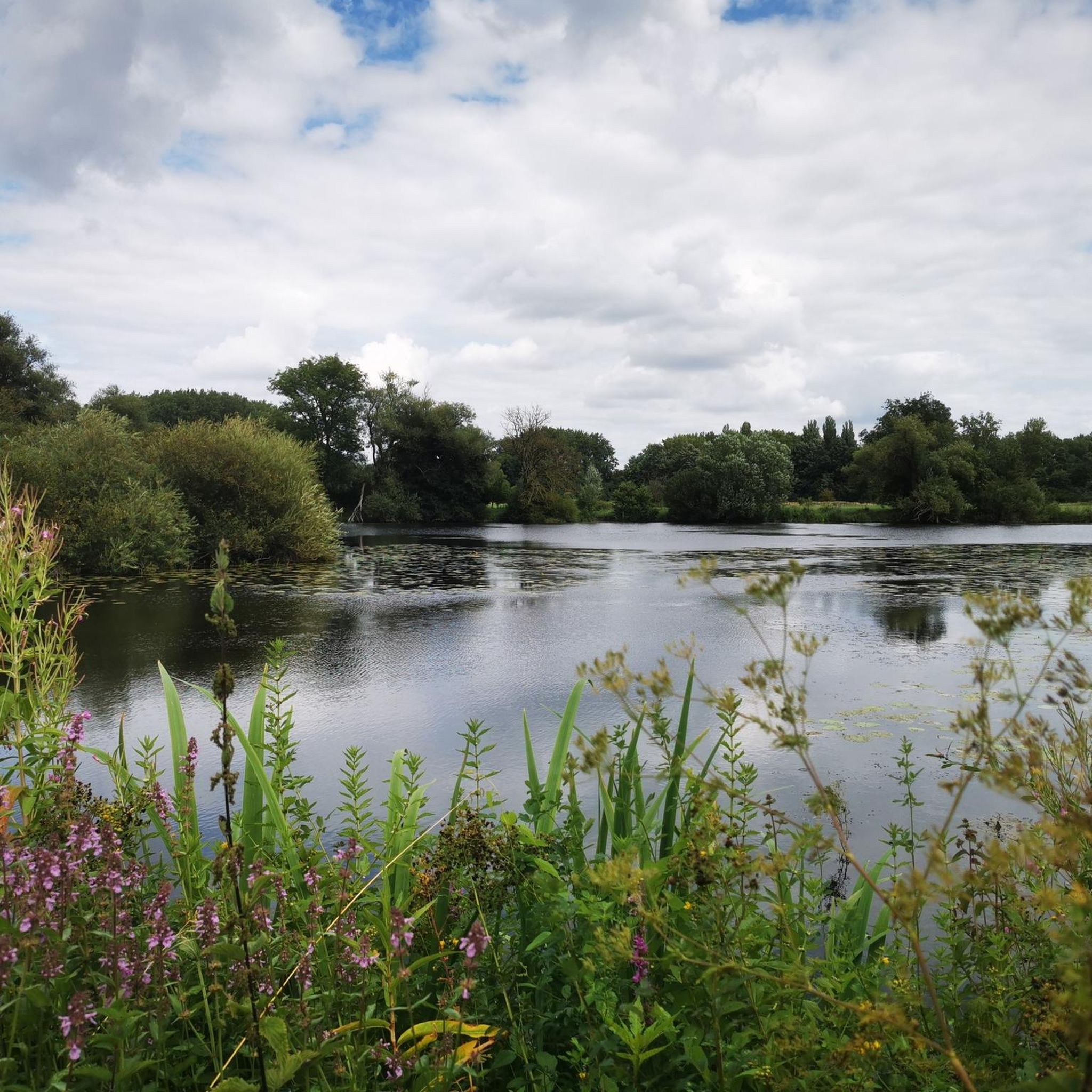
Long Pond
Highlight • Lake
Translated by Google •
Tip by

Sign up now to discover places like this
Get recommendations on the best single tracks, peaks, & plenty of other exciting outdoor places.
Sign up for free
Südliche Leineaue Nature Reserve
Highlight • Natural Monument
Translated by Google •
Tip by

Alte Leine Nature Reserve
Highlight (Segment) • Natural
Translated by Google •
Tip by

Grasdorf Drinking Water Discovery Trail
Highlight • Trail
Translated by Google •
Tip by

Sign up for free to discover even more natural monuments in Alte Leine.
Sign up for free
Already have an account?
Start today with a free account
Your next adventure awaits.
Login or Signup
Tips from the Community

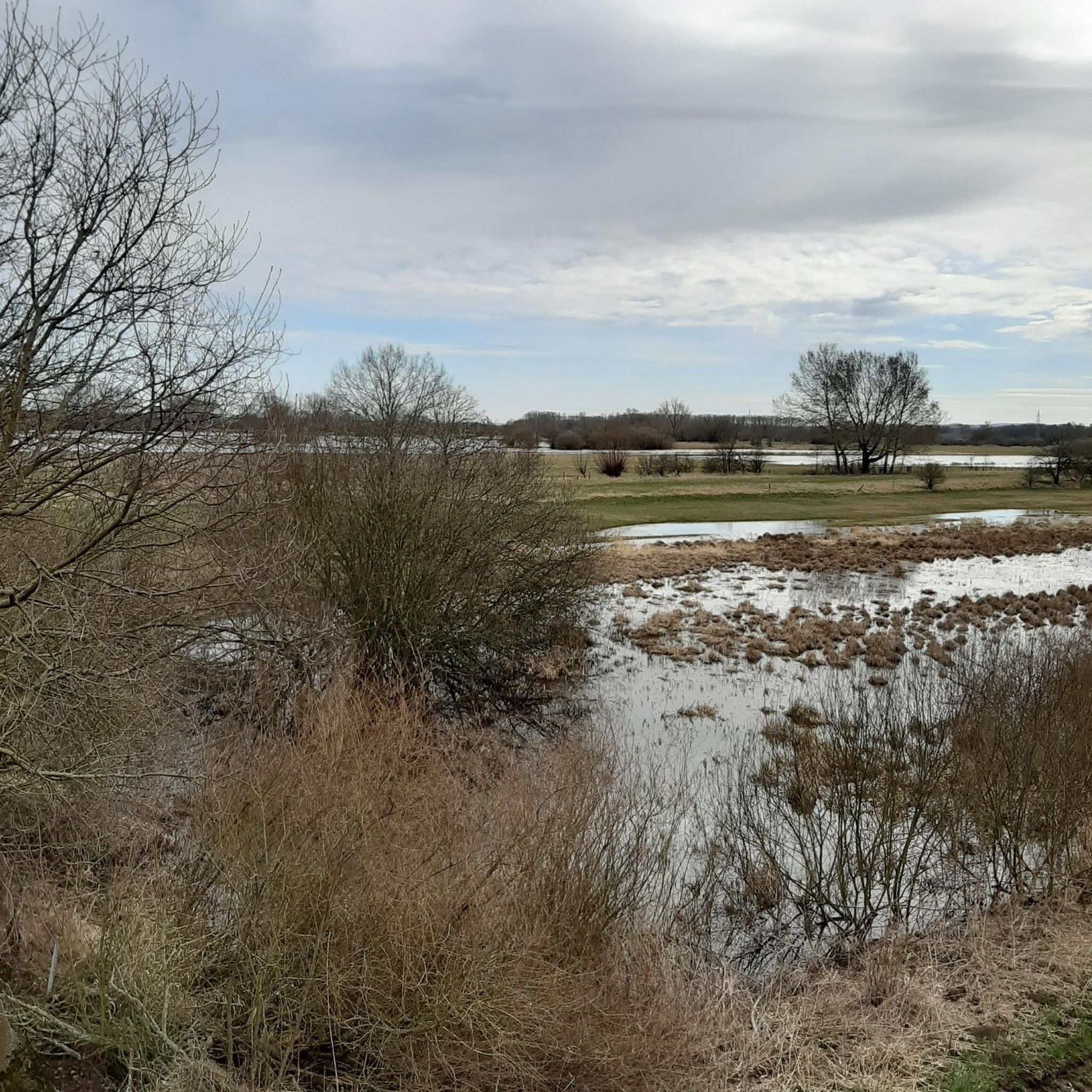
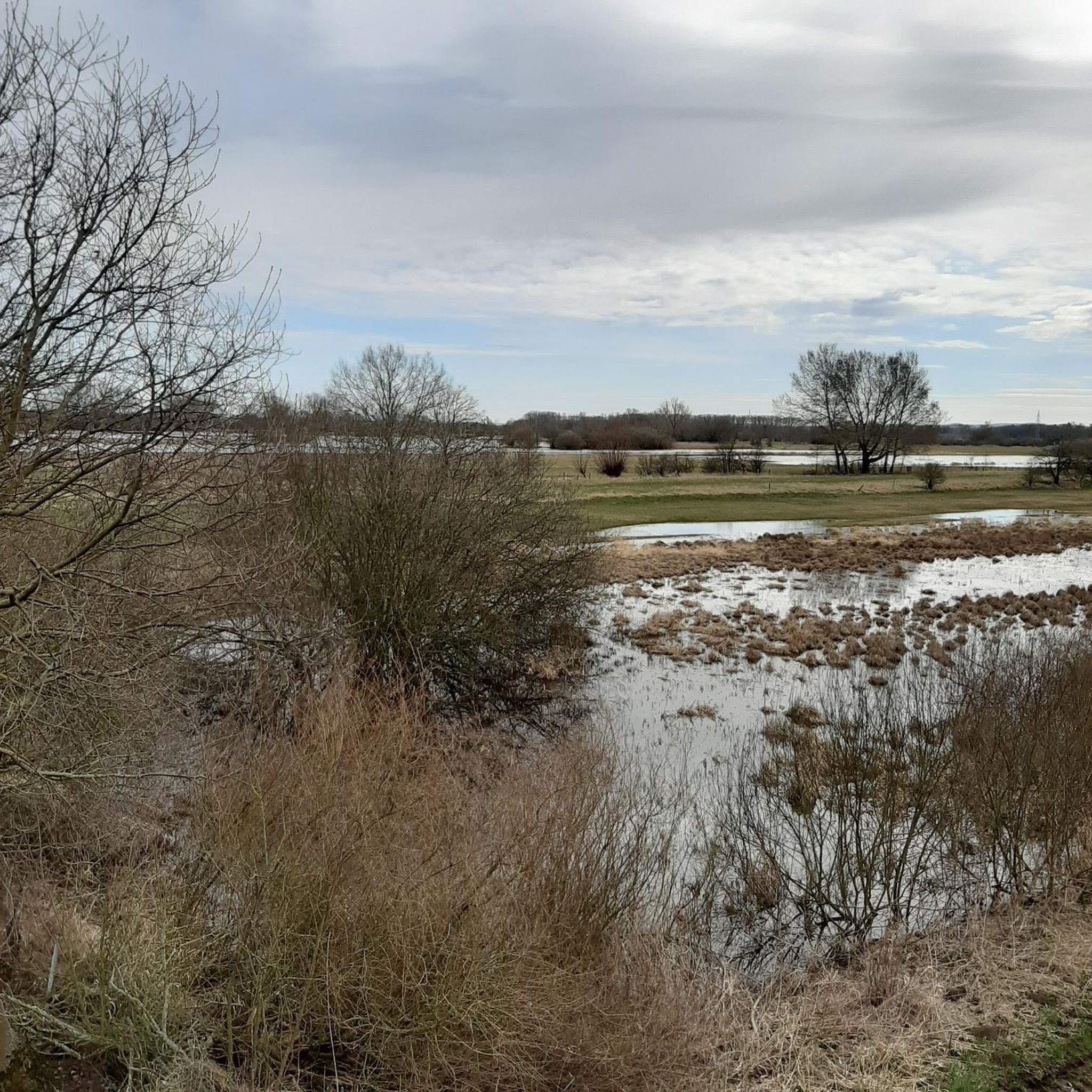
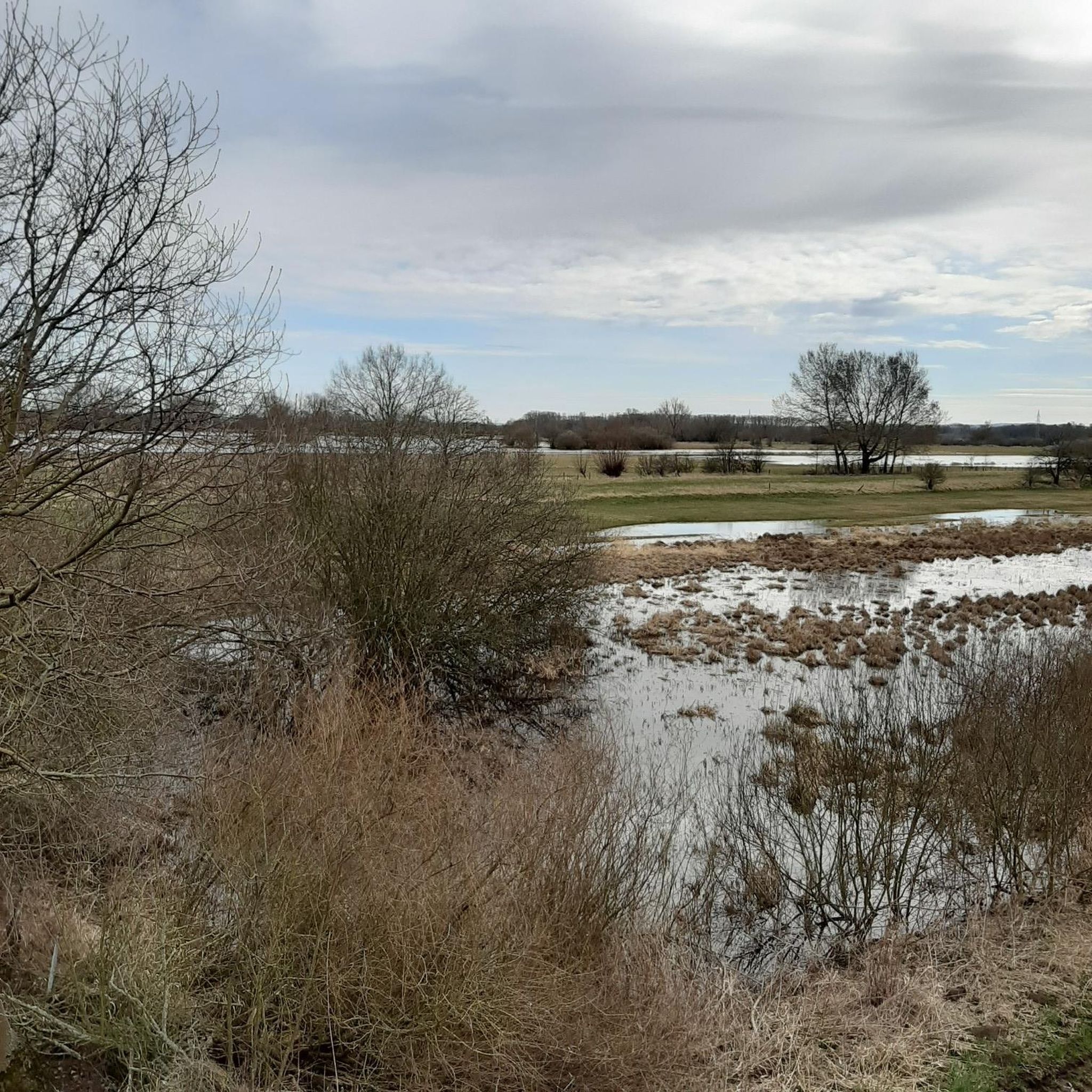
The area is primarily characterized by the Leine River, flanked by near-natural willow gallery forests and tall herbaceous meadows, as well as its partially near-natural and richly structured adjacent floodplains. In the north, there are extensive areas of agriculturally used grassland with varying levels of moisture and intensity of use. Smaller areas include scattered arable land, forest and shrub stands with varying soil moisture levels, and natural flood channels. The woody course of the meandering and heavily silted Old Leine River, with occurrences of, among others, the silt locust, is also characteristic. The southern part of the nature reserve, in contrast, is largely characterized by former marl and gravel mining waters. Riparian woody plants and small shrubs with varying levels of moisture and succession stages have developed along the banks. Agriculturally used grassland and arable land are only present in small areas here. Many landscape elements, such as oxbow lakes, remnants of floodplain forests, or even open gravel areas and steep cliffs, which occasionally form due to flooding, are valuable remnants of the former floodplain dynamics, which continue to naturally develop new habitats in the floodplain between the terrace edges on both sides of the lower terrace. The Leine River is of national importance as a supra-regional fish migration route and as a spawning and nursery water for migratory fish. Species such as brown trout, sea trout, and Atlantic salmon find habitat here. Otters and beavers also occur here. The area is also of great importance for bats, such as the greater mouse-eared bat and the pond bat. Also worth emphasizing is the national and state importance of the nature reserve as a resting area for numerous migratory bird species and as a breeding ground for various water and meadow bird species. These include, for example, the great egret, white-fronted goose, great crested grebe, gadwall, tufted duck, goldeneye, and smew. In addition to its significant importance for species and habitat conservation, the nature reserve also plays a significant role in providing environmentally friendly, peaceful recreational opportunities due to its proximity to the city, its unique diversity, uniqueness, and beauty. Source: NLWKN
0
0

Perhaps the most beautiful part of the floodplain landscape between Hanover and Sarstedt
0
0
Interesting information about drinking water production. Attention: The main path marked on komoot (Jakobusweg) leads across the company premises and is therefore closed. You have to use a small natural path along the Leine, which is sure to be very muddy after long periods of rain
0
0

From here you can observe everything very closely .🧐
4
0

Just nice to cycle along here and climb the lookout tower in between.
4
0


An ideal point to take a little break, on the pond we could watch the imposing swans.
2
0
Frequently Asked Questions
What unique natural features can I explore in the Alte Leine area?
The Alte Leine area is characterized by its naturally meandering river landscape, extensive floodplains with wetlands, and remnants of riparian forests. You can observe the former arm of the Leine river, which meanders for about 12 kilometers, and discover flood channels with distinct wetland vegetation. The area also features significant forest remnants like the Koldinger Holz, a former hardwood riparian forest.
What kind of wildlife can I expect to see in the Alte Leine natural monuments?
The Alte Leine area is a biodiversity hotspot, home to over 250 bird species, with 90 regularly breeding here. You might spot water and meadow birds such as the great crested grebe, common teal, tufted duck, common goldeneye, and smew. It's also a crucial resting area for migratory birds like the great egret and greater white-fronted goose. Beyond birds, the region supports numerous insect, amphibian, and bat species, and is known to have otters and beavers.
Are there any significant historical natural landmarks in the Alte Leine region?
Yes, the region features several historical natural landmarks. Within the Koldinger Holz, a remnant of a former hardwood riparian forest, stands an approximately 350-year-old sessile oak, serving as a prominent natural landmark. Additionally, along the Alte Leine, you can find around 400 ancient pollard willows (Kopfweiden), which were historically managed for various uses and are now preserved for their characteristic appearance and habitat value.
Where can I find the best panoramic views of the Leine floodplains?
For excellent panoramic views of the Leine floodplains, visit the Observation Tower Alte Leine Nature Reserve. This viewpoint in Laatzener Masch offers a great vantage point for birdwatching and enjoying the expansive landscape.
What is the best time of year to visit the natural monuments in Alte Leine?
The Alte Leine area offers unique experiences throughout the year. Spring and autumn are ideal for birdwatching due to migratory patterns. The lush greenery of summer provides beautiful scenery for hiking and cycling, while winter can offer peaceful, quiet walks, especially if you're interested in observing the landscape in a different light. The area is generally accessible year-round for nature-friendly recreational activities.
Are the natural monuments in Alte Leine suitable for families with children?
Yes, many natural monuments in the Alte Leine area are family-friendly. The region offers easily accessible paths suitable for all fitness levels, making it ideal for walks with children. Highlights like the Alte Leine Nature Reserve, Observation Tower Alte Leine Nature Reserve, and Long Pond are appreciated by families for their natural beauty and opportunities for wildlife observation.
Are there specific areas for quiet contemplation and relaxation?
Absolutely. The Long Pond is an ideal spot for quiet contemplation, where visitors can take a break and observe local wildlife like swans. The Koldinger Lakes Nature Reserve is also known for its pure nature, inviting visitors to relax and unwind.
What outdoor activities can I do near these natural monuments?
The Alte Leine area is highly valued for nature-friendly, quiet recreational activities. You can enjoy hiking and cycling on easily accessible paths. For more specific activities, you can find various running trails, gravel biking routes, and MTB trails throughout the region.
Are there any specific nature reserves to visit within the Alte Leine area?
Yes, the entire Alte Leine area is part of the larger "Leineaue zwischen Hannover und Ruthe" nature reserve. Key areas to visit include the Alte Leine Nature Reserve itself, the Koldinger Lakes Nature Reserve, and the Südliche Leineaue Nature Reserve, each offering unique natural features and wildlife viewing opportunities.
How accessible are the paths and trails in the Alte Leine natural monuments?
The Alte Leine area is known for its easily accessible paths, suitable for all fitness levels. This makes it an ideal destination for various visitors, including families and those seeking gentle walks or bike rides. While specific accessibility for wheelchairs may vary, the general network of paths is designed for broad usability.
What do visitors enjoy most about the natural monuments in Alte Leine?
Visitors frequently praise the Alte Leine area for its natural beauty and the opportunity to immerse themselves in nature. Many appreciate the peaceful atmosphere, the chance to observe diverse wildlife, and the well-preserved river landscape. The Alte Leine Nature Reserve is particularly popular for its natural charm, while the Long Pond is loved as a spot to relax and enjoy the surroundings.
Most popular routes in Alte Leine
Most popular attractions in Alte Leine

Get inspired with the komoot mobile app


Explore more
Extend your search for the best caves by checking out these guides of the top ones in Alte Leine:
