Top 7 Natural Monuments in Wildniskernzone Döberitzer Heide
Best natural monuments in Wildniskernzone Döberitzer Heide showcase a unique ecosystem near Berlin, shaped by its history as a military training ground and subsequent rewilding efforts. This area features diverse open landscapes, including heathlands, sandbanks, and dry grasslands. It is home to a pioneering rewilding project with large herbivores such as European bison and Przewalski's horses, which maintain the landscape and foster biodiversity. The Wildniskernzone functions as a significant natural monument, demonstrating ecological restoration and supporting a wide array of…
Last updated: July 5, 2026
Döberitzer Heide
Highlight (Segment) • Natural
Translated by Google •
Tip by

Döberitzer Heide Wilderness Core Zone West
Highlight (Segment) • Natural
Translated by Google •
Tip by

Sign up now to discover places like this
Get recommendations on the best single tracks, peaks, & plenty of other exciting outdoor places.
Sign up for free
European bison in the Döberitzer Heide wilderness core zone
Highlight • Natural
Translated by Google •
Tip by

Przewalski horses and bison in Döberitzer Heide
Highlight • Natural
European bison rub themselves against ancient oak trees, Przewalski's horses gallop across open heathland, and shy red deer hide behind tall broom bushes. In …
Translated by Google •
Tip by

Birch grove in Döberitzer Heide
Highlight • Forest
Translated by Google •
Tip by

Sign up for free to discover even more natural monuments in Wildniskernzone Döberitzer Heide.
Sign up for free
Already have an account?
Start today with a free account
Your next adventure awaits.
Login or Signup
Popular around Wildniskernzone Döberitzer Heide
Berlin's hottest trails
Cycling in Wildniskernzone Döberitzer Heide
Running Trails in Wildniskernzone Döberitzer Heide
Road Cycling Routes in Wildniskernzone Döberitzer Heide
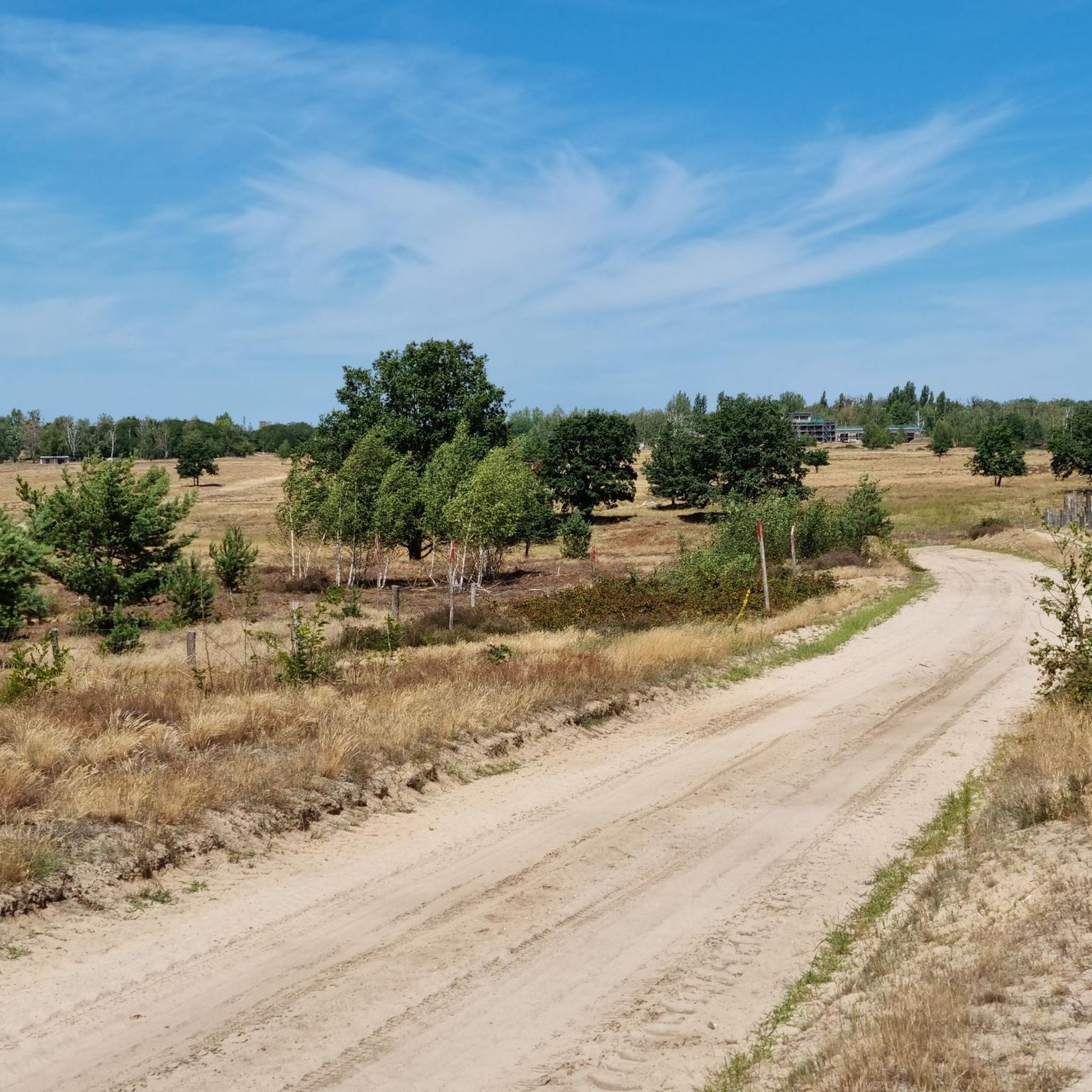
Gravel biking in Wildniskernzone Döberitzer Heide
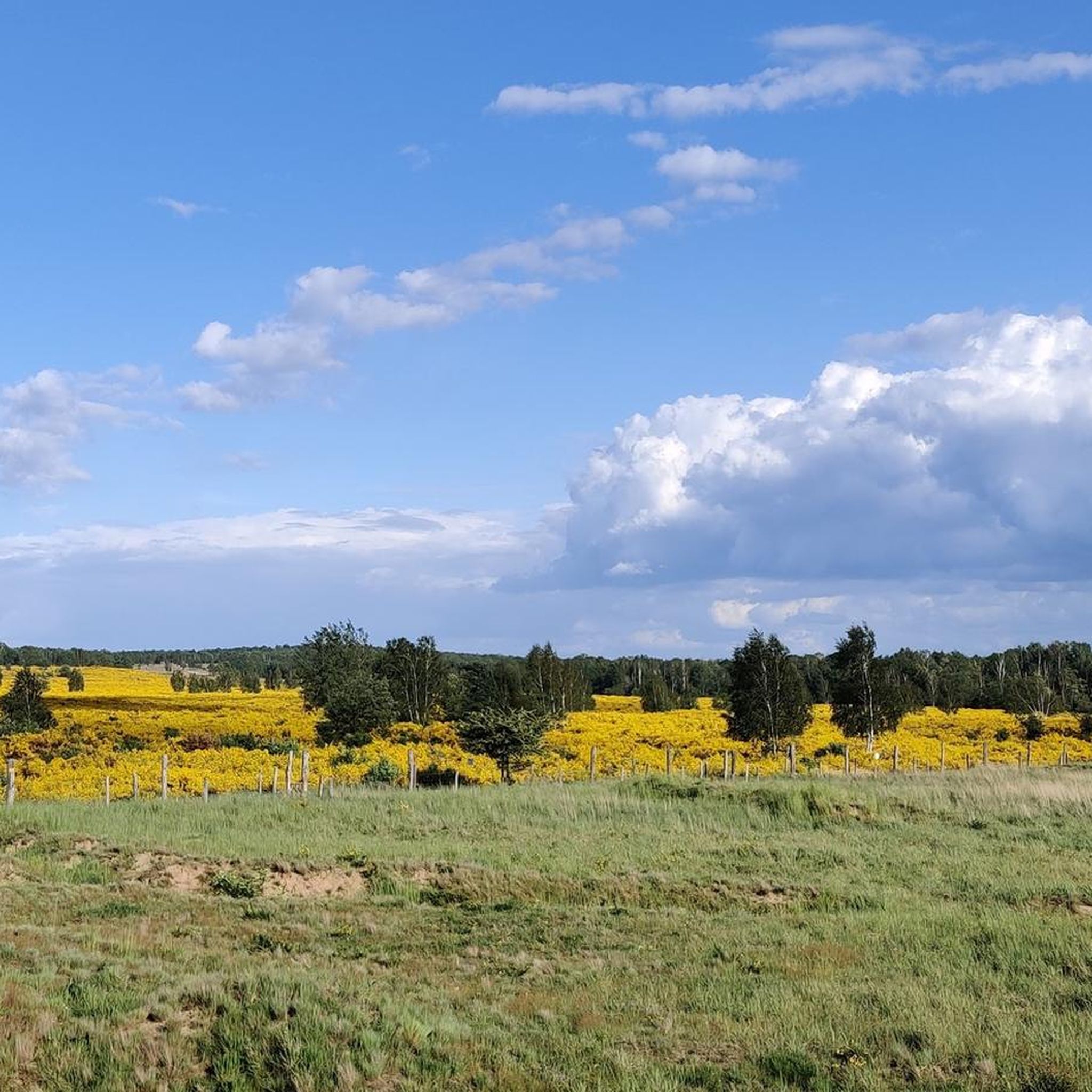
Hiking in Wildniskernzone Döberitzer Heide
MTB Trails in Wildniskernzone Döberitzer Heide
Other adventures in Wildniskernzone Döberitzer Heide

Tips from the Community

This tour is demanding for bicycles.
0
0

Seeing the bison was a great stroke of luck for us.
0
0

Strenuous but beautiful tour 👍
0
0

If you're lucky, bison are impressive, but very rarely seen.
0
0

Unfortunately I didn't see any horses here in January, but it's still a very nice corner here in the pristine forest!
0
0
Very beautiful, especially in the evening sun. Beautiful, wide view over the heath.
1
0

The Döberitzer Heide is an area of around 5000 hectares in Brandenburg, which belongs to the southeastern part of the Nauener Platte landscape unit.
6
1

The more than 3,500 hectare Döberitzer Heide is a unique natural paradise and an oasis of untouched wilderness on the outskirts of Berlin. The former military training area - owned by the Heinz Sielmann Foundation since 2004 - is home to over 5,000 animal and plant species that have been displaced elsewhere and is a nature reserve. The 25 km long circular path through the sandy dune area leads along extensive heathland areas, which are characterized by the characteristic heather, past the Ferbitzer Bruch wetland and through sparse forest areas with their populations of oak and birch trees. With a little luck, you can observe bison, Przewalski horses or red deer during the hike. The observation tower on the Finkenberg is located about halfway along the route. Built on the highest elevation of the Döberitzer Heide, the 13 m high tower offers a magnificent panoramic view as far as Berlin and over the Havelland. There are a dozen rest areas along the route, but there are no places to stop for food and drink along the entire hike. So you should bring enough water and food with you. https://www.reiseland-brandenburg.de/poi/havelland/wandertouren/rundwanderweg-doeberitzer-heide/
7
3
Frequently Asked Questions
What unique natural features can I explore in the Wildniskernzone Döberitzer Heide?
The Wildniskernzone Döberitzer Heide offers a diverse landscape of heathlands, sandbanks, and dry grasslands. It's particularly known for its pioneering rewilding project, where you can observe large herbivores like European bison and Przewalski's horses. These animals play a crucial role in maintaining the open landscapes. The entire area, once a military training ground, now functions as a significant natural monument showcasing ecological restoration.
What kind of wildlife can I expect to see in the Wildniskernzone Döberitzer Heide?
The area is home to a rich array of wildlife, most notably the large wild herbivores such as approximately 90 European bison, 30 Przewalski's horses, and 90 red deer. Beyond these, the diverse habitats support nearly 6,700 recorded species, including rare plants like the marsh orchid and marsh gentian, and animals such as the white-tailed eagle and European otter. You can often spot the bison and horses near the fence at viewpoints like European bison in the Döberitzer Heide wilderness core zone or Przewalski horses and bison in Döberitzer Heide.
Are there family-friendly natural monuments or activities in the Wildniskernzone Döberitzer Heide?
Yes, the Wildniskernzone Döberitzer Heide offers several family-friendly experiences. Observing the European bison and Przewalski's horses at designated viewing areas is a popular activity for all ages. The Birch grove in Döberitzer Heide also provides a beautiful, open space for families to enjoy. Many of the trails are suitable for leisurely walks, allowing families to explore the unique landscape and spot wildlife together.
What is the history behind the Wildniskernzone Döberitzer Heide's unique landscape?
The area's unique landscape is largely due to its history as a military training ground for over 300 years, which ended in 1991. This past prevented agricultural use and extensive development, allowing for the preservation and development of the open heathlands, sandbanks, and dry grasslands seen today. Since then, it has undergone a significant rewilding project by the Heinz Sielmann Foundation, transforming it into a thriving wilderness where nature has reclaimed the former military zone.
When is the best time to visit the Wildniskernzone Döberitzer Heide?
The Wildniskernzone Döberitzer Heide can be visited year-round, with each season offering a different experience. Spring brings new growth and active wildlife, while summer allows for longer days to explore the open landscapes. Autumn is particularly scenic when the gorse blooms, turning parts of the landscape yellow, and the changing foliage adds vibrant colors. Even in winter, the stark beauty of the heathland and the chance to see the large herbivores against a snowy backdrop can be quite impressive.
Are there any viewpoints or observation towers in the area?
Yes, the Finkenberg observation tower, located at the southern edge of the core wilderness zone, offers panoramic views over the expansive forest and heathland landscape of the Döberitzer Heide. On clear days, you might even catch a glimpse of the Berlin TV Tower in the distance. The tower itself is known for swaying slightly in the wind, providing a memorable experience.
What outdoor activities can I do near these natural monuments?
The Wildniskernzone Döberitzer Heide is excellent for various outdoor activities. You can enjoy extensive hiking on its numerous trails, with options ranging from easy to moderate. There are also opportunities for gravel biking. For detailed routes and guides, you can explore options like easy hikes, general hiking, and gravel biking routes in the region.
Are there any safety considerations when visiting the Wildniskernzone Döberitzer Heide?
Due to its past as a military training area, it is crucial to stay on designated paths. There is a historical presence of unexploded ordnance, so venturing off marked trails can be dangerous. Always adhere to signage and local guidelines to ensure your safety while enjoying the natural beauty of the area.
Can I bring my dog to the Wildniskernzone Döberitzer Heide?
Yes, the Wildniskernzone Döberitzer Heide is generally dog-friendly. Many trails and areas, including the broader Döberitzer Heide, are suitable for dogs. However, it's important to keep your dog on a leash, especially given the presence of large wild herbivores and other wildlife, and to always stay on marked paths for safety.
What is the significance of the rewilding project in Döberitzer Heide?
The rewilding project in Döberitzer Heide, managed by the Heinz Sielmann Foundation, is unique in Europe. It involves introducing large herbivores like European bison, Przewalski's horses, and red deer to the wilderness core zone. These animals are crucial for maintaining the open heathland and grassland landscapes by preventing overgrowth, thereby fostering biodiversity and allowing the ecosystem to develop naturally with minimal human intervention. It's a remarkable example of ecological restoration.
Are there any lesser-known natural spots or 'hidden gems' in the Wildniskernzone Döberitzer Heide?
While the large herbivores and the overall rewilded landscape are the main attractions, exploring the diverse habitats can reveal many hidden gems. The Birch grove in Döberitzer Heide offers a serene and picturesque spot, especially beautiful in the evening sun, providing wide views over the heath. The mosaic of heathlands, sandbanks, and dry grasslands themselves, with their rare plant species, can be considered hidden natural treasures for those who take the time to observe closely.
How can I best observe the European bison and Przewalski's horses?
The best way to observe the European bison and Przewalski's horses is from designated viewpoints and observation areas, such as European bison in the Döberitzer Heide wilderness core zone and Przewalski horses and bison in Döberitzer Heide. These animals are wild and roam a large area, so patience is key. They are often seen grazing near the fence lines. Remember to maintain a respectful distance and never attempt to feed or approach them.
Most popular routes in Wildniskernzone Döberitzer Heide
Most popular attractions in Wildniskernzone Döberitzer Heide

Get inspired with the komoot mobile app


Explore more
Extend your search for the best caves by checking out these guides of the top ones in Wildniskernzone Döberitzer Heide:
