The best cycling routes in Wildniskernzone Döberitzer Heide
4.5
(6736)
33,100
riders
584
rides
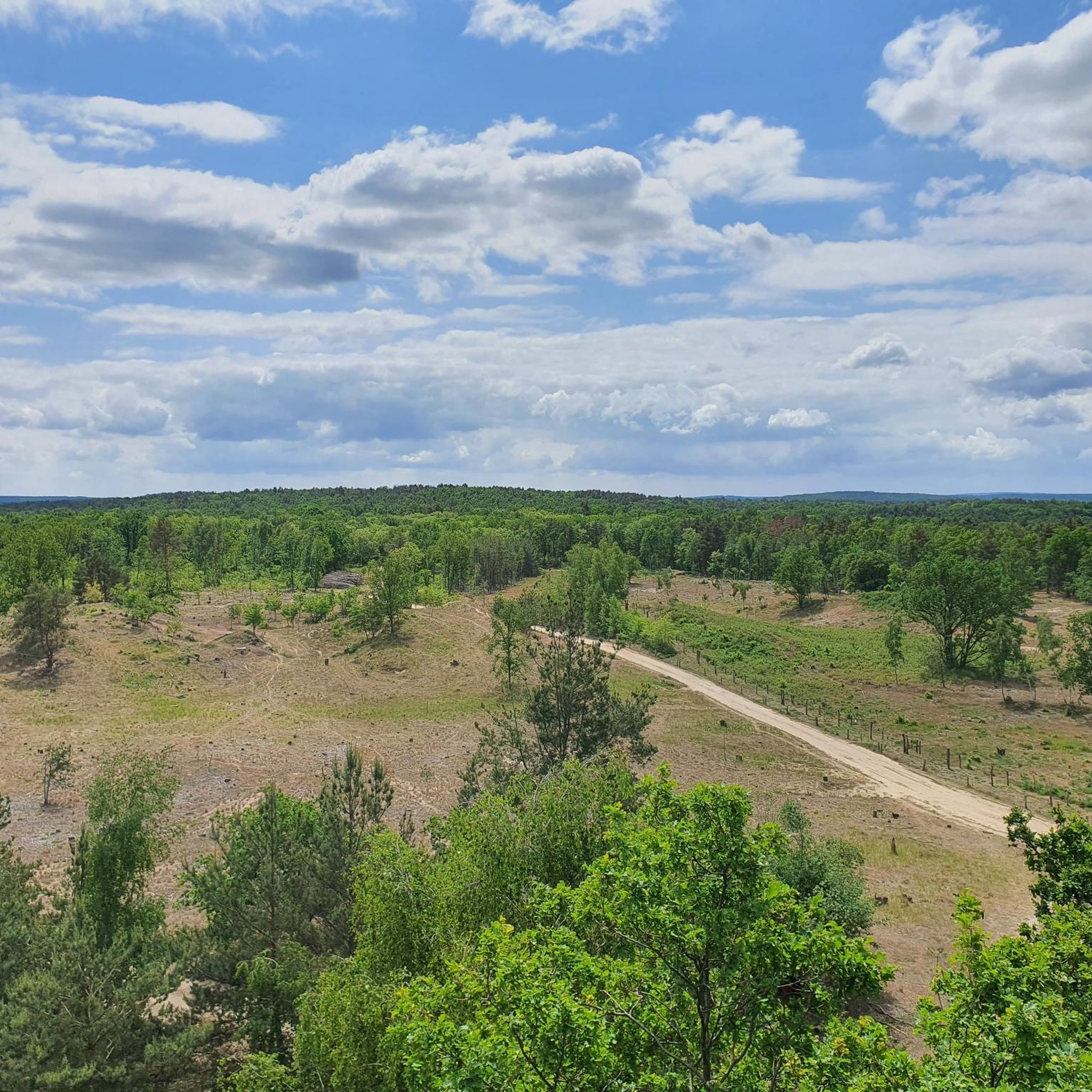
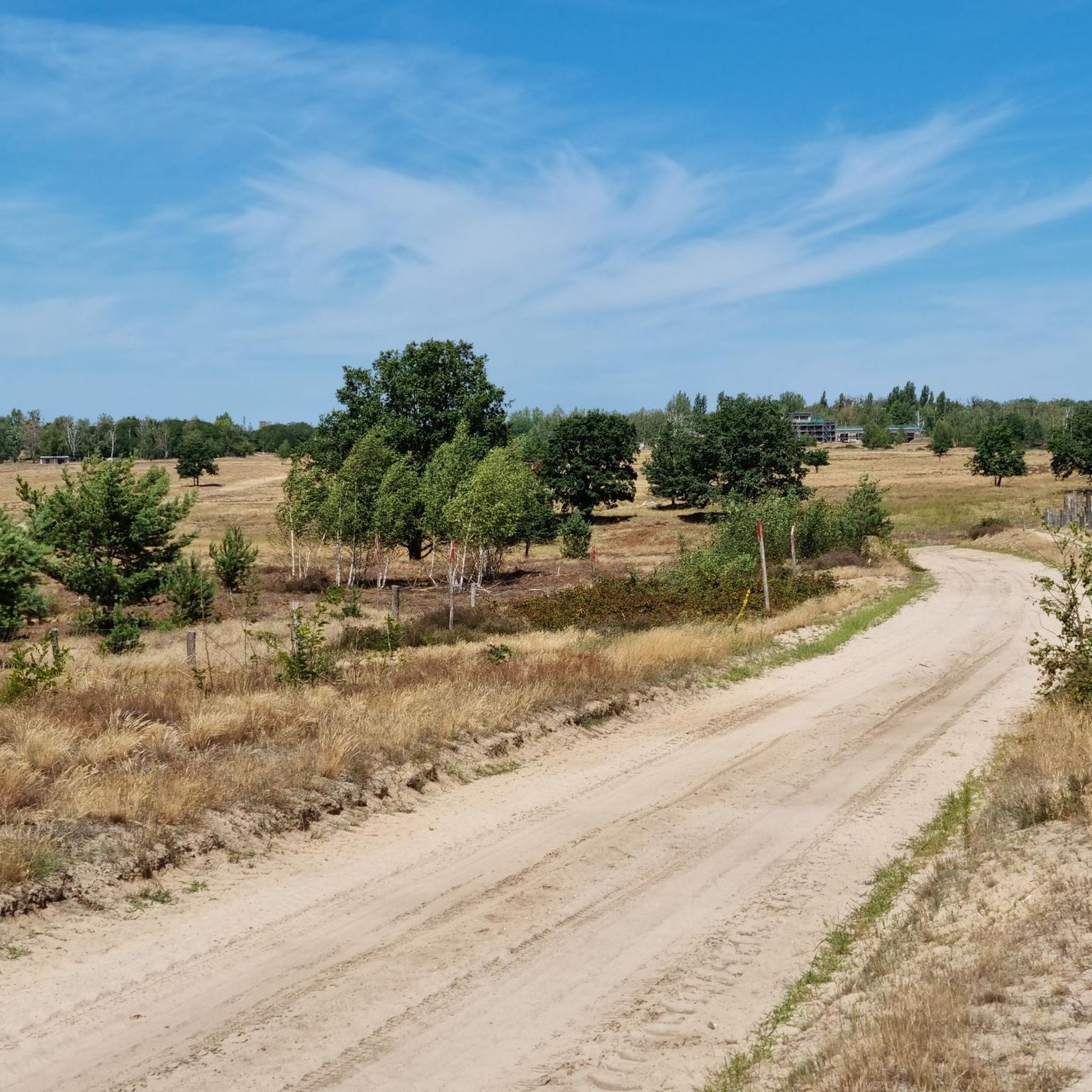
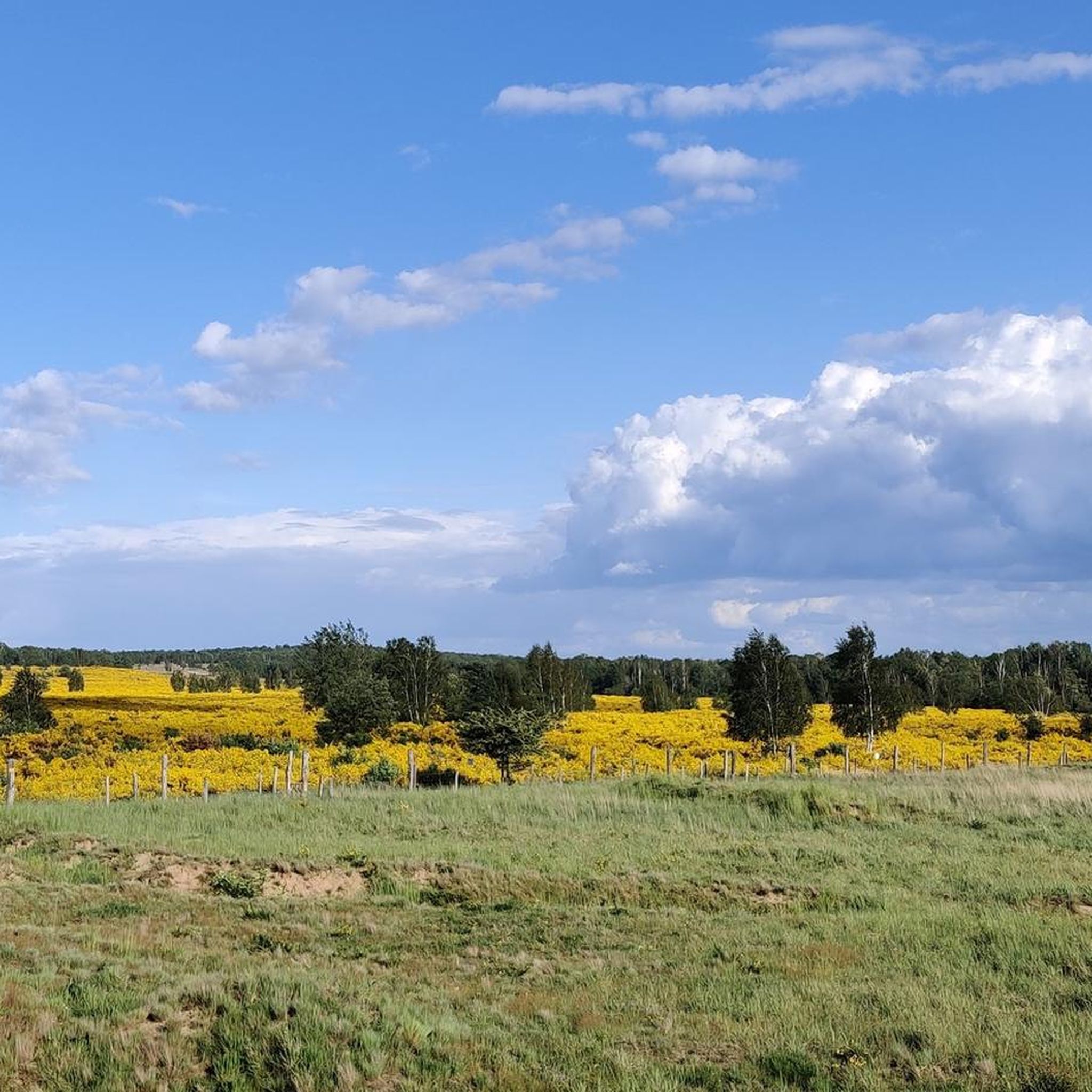
Touring cycling in Wildniskernzone Döberitzer Heide offers routes through a rewilded landscape characterized by expansive heathlands, light pine forests, and remnants of sand dunes. This former military ground has transformed into a natural reserve with diverse habitats. The terrain includes both firm paths and some sandy sections, providing varied conditions for touring cyclists. Elevations are generally low, with gentle ascents across the area.
Best touring cycling routes in Wildniskernzone Döberitzer Heide
- The most popular touring cycling route is Dallgow-Döberitz Station…
Last updated: July 4, 2026
5.0
(1)
36
riders
Easy bike ride. Great for any fitness level. Mostly paved surfaces. Suitable for all skill levels.
4.5
(4)
20
riders
Easy bike ride. Great for any fitness level. Mostly paved surfaces. Suitable for all skill levels.

Sign up for free
5.0
(1)
23
riders
Easy bike ride. Great for any fitness level. Mostly paved surfaces. Suitable for all skill levels.
3.0
(1)
18
riders
Easy bike ride. Great for any fitness level. Mostly paved surfaces. Suitable for all skill levels.
17
riders
Easy bike ride. Great for any fitness level. Mostly paved surfaces. Suitable for all skill levels.
Get access to more routes and recommendations from other explorers.
Sign up for free
Already have an account?
Our route recommendations are based on thousands of hikes, rides, and runs completed by other people on komoot.
Start today with a free account
Your next adventure awaits.
Login or Signup
Popular around Wildniskernzone Döberitzer Heide
Other adventures in Wildniskernzone Döberitzer Heide

Tips from the Community

The Ewige Döberitzer Heide foot and cycle bridge is an ideal starting point for exploring the impressive Döberitzer Heide on foot or by bike. From here, you can directly access quiet, nature-oriented paths with vast heathlands, sparse birch forests, and great views. With a bit of luck, you might even observe European bison, Przewalski's horses, or red deer from a safe distance. For cyclists, most paths are easily rideable, but there are sandy sections in places where pushing your bike might be more enjoyable. Take enough water and provisions with you – there are hardly any places to stop for refreshments in the heath.
0
0

You can often get here towards Berlin by train, there are also some bus connections.
0
0

The paths are quite strenuous to cycle.
0
0

"Falkensee Station" – a train station as a highlight. Bold. Trains stop there, people get on and off. It doesn't get much more of a train station than this. The map would probably have given it away.
0
0

The path on the southern side now has a lot of root damage.
0
0

Quiet and a great connection
0
0

next time not so hasty young man
2
0
Frequently Asked Questions
How many touring cycling routes are available in Wildniskernzone Döberitzer Heide?
Wildniskernzone Döberitzer Heide offers a wide network of over 570 touring cycling routes. These routes cater to various skill levels, with more than 390 classified as easy.
What kind of terrain can I expect when cycling in Wildniskernzone Döberitzer Heide?
The terrain in Wildniskernzone Döberitzer Heide is varied. You'll find sections with good asphalt, but also parts with challenging 'sugar sand' tracks, especially on routes that might overlap with mountain bike trails. Elevations are generally low, with gentle ascents across the area, making it suitable for touring cyclists. Some cyclists recommend touring counter-clockwise to tackle sandy ascents on firmer ground.
Are there any notable landmarks or viewpoints to see along the cycling routes?
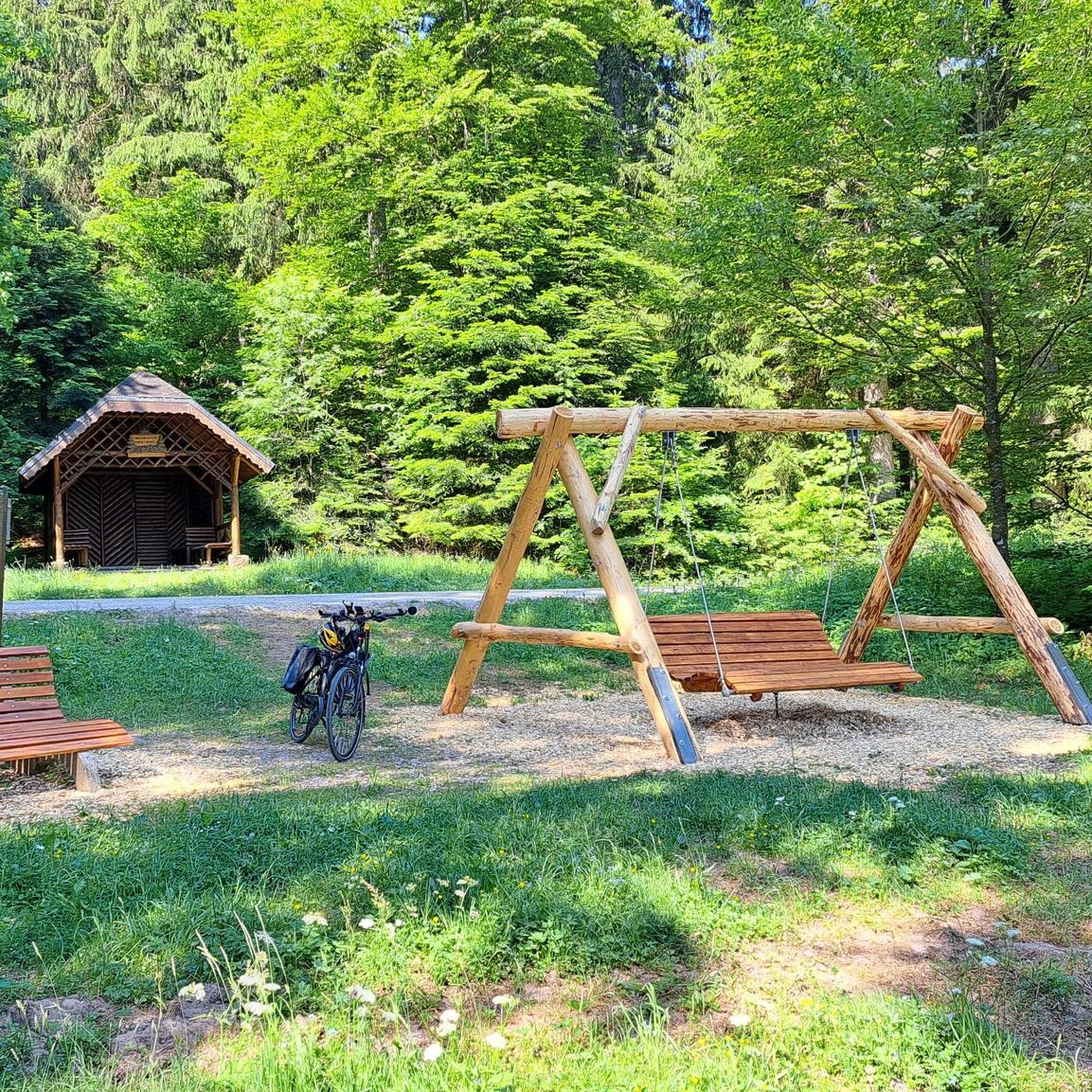
Yes, several interesting landmarks and viewpoints enhance the cycling experience. You can visit the Finkenberg Observation Tower for panoramic views, or find a peaceful break at the Rest stop "Wüste". The area also features unique natural elements like the Birch grove in Döberitzer Heide and remnants of its military past, such as bunkers.
Can I bring my dog on the cycling trails in Döberitzer Heide?
While the region is very natural, specific regulations for dogs on cycling trails within the wilderness core zone can vary. It's generally advisable to keep dogs on a leash to protect the wildlife, especially with the free-roaming wisents, Przewalski's horses, and red deer. Always check local signage for the most current rules regarding pets.
Are there family-friendly cycling routes suitable for children?
Yes, many of the routes in Wildniskernzone Döberitzer Heide are suitable for families. The area features numerous easy routes with minimal elevation gain, perfect for a relaxed family outing. For example, the Dallgow-Döberitz Station – Don Frá Ice Cream Parlor loop is an easy 12.7 km trail with minimal elevation, ideal for families. The Dallgow-Döberitz Water Tower – Dallgow-Döberitz Station loop is another easy option at 10.5 km.
Where can I park my car when visiting Wildniskernzone Döberitzer Heide for cycling?
Parking is available at various access points around the Wildniskernzone Döberitzer Heide. Many cyclists start their tours from Dallgow-Döberitz, where you can find parking options near the train station, providing convenient access to the trail network.
How can I reach Wildniskernzone Döberitzer Heide by public transport with my bike?
The Wildniskernzone Döberitzer Heide is well-connected by public transport, particularly via the train station in Dallgow-Döberitz. This station is a popular starting point for many cycling routes, making it easy to bring your bike on the train and begin your tour directly from there.
What is the best time of year to go touring cycling in this region?
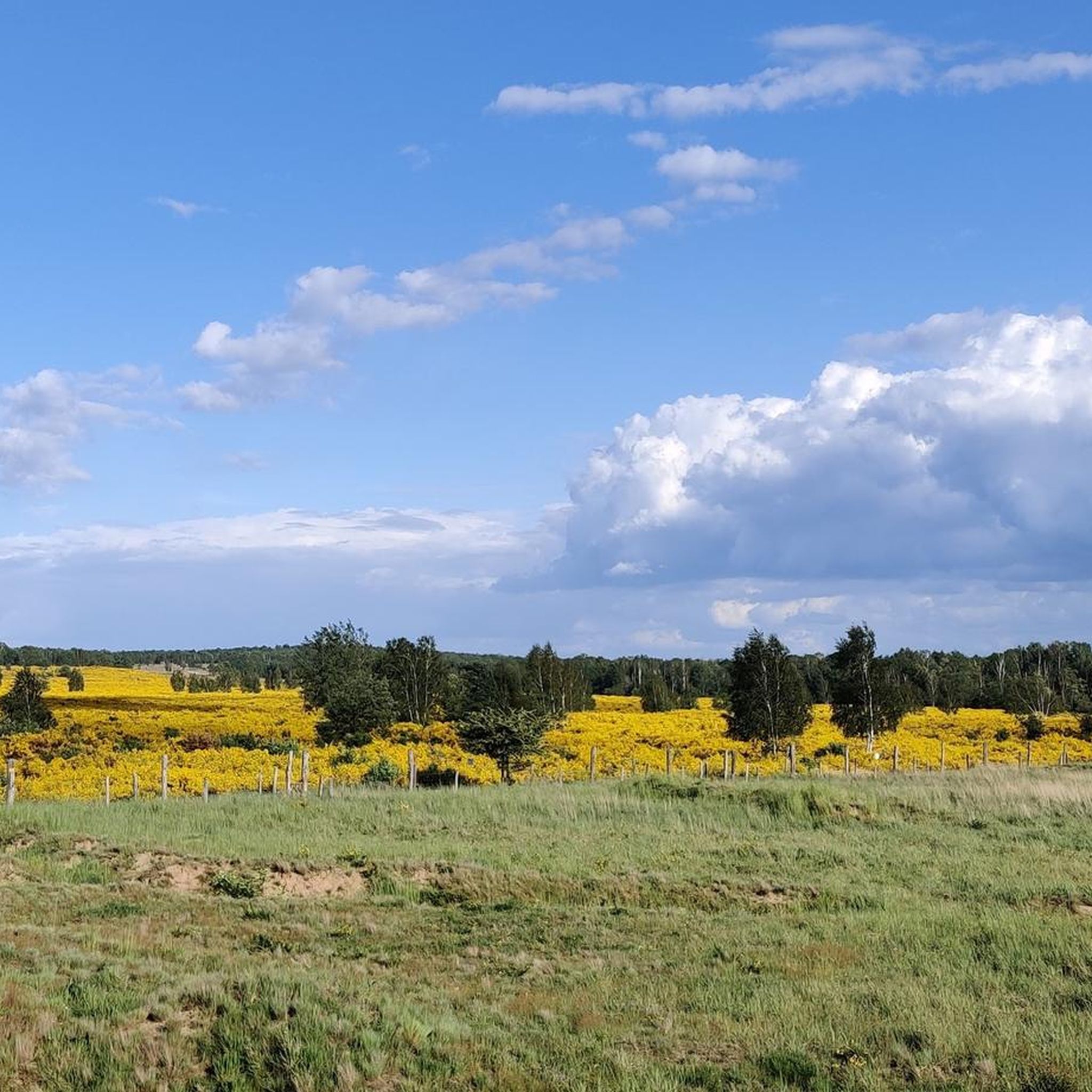
The Wildniskernzone Döberitzer Heide is beautiful throughout the year, but late summer is particularly special when the heathlands burst into vibrant purple bloom. Spring and early autumn also offer pleasant cycling conditions with mild temperatures and colorful landscapes. Winter cycling is possible, but be prepared for potentially sandy or muddy sections and colder weather.
What kind of wildlife might I encounter while cycling?
The Döberitzer Heide is a biodiversity hotspot. You have a good chance of spotting large herbivores like wisents, Przewalski's horses, and red deer, which roam freely within the wilderness core zone. The area is also home to numerous bird species, including the white-tailed eagle, and various rare insects and butterflies. Keep an eye out for European otters near wetlands.
Are there any circular cycling routes in Wildniskernzone Döberitzer Heide?
Yes, many of the touring cycling routes in Wildniskernzone Döberitzer Heide are designed as loops, allowing you to start and end at the same point. Examples include the Dyrotz Village Church – View of the Havel Canal loop and the Dallgow-Döberitz Water Tower – Döberitzer Heath loop, both offering engaging circular tours.
What do other cyclists say about their experience in Wildniskernzone Döberitzer Heide?
The touring cycling routes in Wildniskernzone Döberitzer Heide are highly rated by the komoot community, with an average score of 4.5 stars from over 5,800 reviews. Cyclists often praise the unique rewilded landscape, the opportunity to observe wildlife, and the peaceful atmosphere away from traffic. The varied terrain, from firm paths to sandy sections, is also frequently mentioned as part of the adventure.
Are there any places to eat or rest along the cycling routes?
While the wilderness core zone itself is largely undeveloped to preserve its natural state, designated rest areas like the Rest stop "Wüste" provide scenic spots for breaks. For cafes or more substantial meals, you'll find options in the surrounding towns and villages, such as Dallgow-Döberitz, which is a common starting point for tours.
What are the unique natural features of Wildniskernzone Döberitzer Heide that I can experience by bike?
By bike, you can explore the diverse natural features of the Döberitzer Heide, including expansive heathlands that bloom vibrantly in late summer, light pine forests, and remnants of ice-age sand dunes. You'll also encounter wetlands and small lakes, which are crucial habitats for rare birds and amphibians. The highlight for many is the opportunity to observe the free-roaming wisents, Przewalski's horses, and red deer in their natural environment.
Are there any specific regulations or permits needed for cycling in the wilderness core zone?
The Wildniskernzone Döberitzer Heide is managed by the Heinz Sielmann Foundation as a natural reserve. While cycling is generally permitted on designated trails, it's important to stay on marked paths to protect the sensitive ecosystem and wildlife. No specific permits are typically required for general cycling, but always respect signage and any temporary restrictions. For detailed information, you can consult the Heinz Sielmann Foundation or local visitor centers.
Most popular routes in Wildniskernzone Döberitzer Heide
Most popular attractions in Wildniskernzone Döberitzer Heide

Get inspired with the komoot mobile app


Explore more
Browse the best Cycling routes in other regions.
