Top 10 Natural Monuments in Isnos
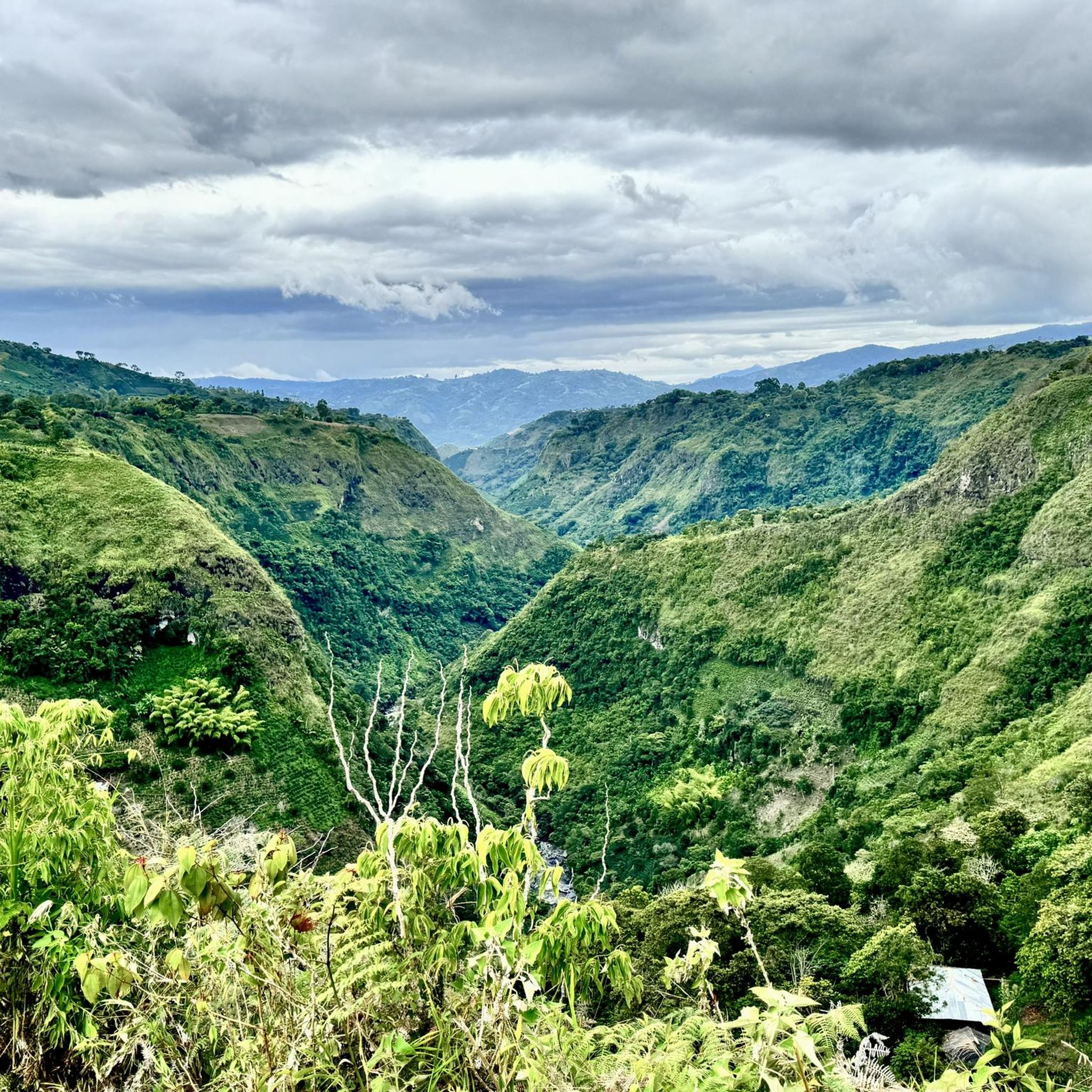
Natural monuments in Isnos, Colombia, are characterized by a blend of natural landscapes and archaeological heritage. The region's landscape offers lush green hills and Andean vistas, providing a setting for both significant natural features and ancient cultural history. These sites offer insights into the area's geological formations and pre-Columbian civilizations.
Best natural monuments in Isnos
- The most popular natural monuments is San Agustín Archaeological Park, a historical site that contains the largest collection of religious monuments and megalithic sculptures…
Last updated: July 17, 2026
San Agustín Archaeological Park
Highlight • Historical Site
Translated by Google •
Tip by

Anthropomorphic Tomb Guardian of El Purutal, San Agustín
Highlight • Historical Site
Translated by Google •
Tip by

Sign up now to discover places like this
Get recommendations on the best single tracks, peaks, & plenty of other exciting outdoor places.
Sign up for free
Lavaplatos Fountain
Highlight • Historical Site
Translated by Google •
Tip by
Magdalena River Gorge
Highlight • Gorge
Translated by Google •
Tip by

El Tablón Archaeological Site
Highlight • Historical Site
Translated by Google •
Tip by
Sign up for free to discover even more natural monuments in Isnos.
Sign up for free
Already have an account?
Start today with a free account
Your next adventure awaits.
Login or Signup
Popular around Isnos
Tips from the Community

The archaeological park of San Augustin contains the most stone sculptures. Enormous tombs, demons carved from volcanic rock, and an enigmatic cult spring bear witness to a centuries-old advanced civilization amidst lush green vegetation.
5
0
Much remains unexplored, but there are already many clues about the culture of that time.
5
0

It is located 2.5 kilometers from downtown San Agustín. His pieces include items that shaped the culture such as instruments, farming tools, tools for weaving, manufacturing and objects used decades ago; also pieces of ceramics, wood, statues and pieces found in the area.
1
0
The Magdalena Strait is the narrowest part of the river at 2.20 m, after 70 km on the way from the source to the mouth. The slopes consist of more than 70 million years old compacted lava from the volcanoes of "Pelota" and "Purutal". The reddish color of some rocks is due to the presence of iron sulphate in the area. In some rocks there are 120 million year old sea shells, so-called ammonites. It is considered a sacred place and most indigenous people built their villages along rivers such as the Magdalena.
1
0
The Magdalena Strait is the narrowest part of the river at 2.20 m, after 70 km on the way from the source to the mouth. The slopes consist of more than 70 million years old compacted lava from the volcanoes of "Pelota" and "Purutal". The reddish color of some of the rocks is due to the presence of iron sulphate in the area. In some rocks there are 120 million year old sea shells, so-called ammonites. It is considered a sacred place and most indigenous people built their villages along rivers such as the Magdalena. Also accessible by horseback riding.
0
0
It's hard to believe that a river more than 1500km long can fit through such a narrow gap (about 2m). But that's how he gets strong and vigorous for his long voyage into the Atlantic. The Cordillera in the San Agustín area is a special watershed. Within a few kilometers it is decided whether the water will flow into the Pacific (Rio Cauca), down the Amazon basin or over the Rio Magdalena into the Atlantic.
4
0
Just as mystical as the story of the stone figures and tombs in the Archaeological Park is the story of the Lavaplatta spring with its figures, ornaments and water basins.
2
0
The San Agustín Archaeological Park (Spanish: Parque Arqueológico de San Agustín) is a large archaeological area located near the town of San Agustín in Huila Department in Colombia. The park contains the largest collection of religious monuments and megalithic sculptures in Latin America and is considered the world's largest necropolis. Belonging to San Agustin culture, it was declared a UNESCO World Heritage Site in 1995. The dates of the statues are uncertain, but they are believed to have been carved between 5–400 AD. The origin of the carvers remains a mystery, as the site is largely unexcavated. Source: https://en.wikipedia.org/wiki/San_Agust%C3%ADn_Archaeological_Park Admission COP 65,000 (May 2023) - Locals COP 20,000 cheaper. Admission also allows you to visit the sites at Isnos and Obando. You should also visit the museum that explains about the history of the figures as well as about the excavations.
2
0
Frequently Asked Questions
What are some of the most impressive natural monuments to visit in Isnos?
Isnos is home to several remarkable natural monuments. You can witness the breathtaking Magdalena River Gorge, where the mighty Magdalena River narrows to just 2.20 meters. Additionally, the region boasts spectacular waterfalls like Salto de Bordones, one of South America's highest, and Salto el Mortiño, both offering stunning natural beauty amidst lush vegetation.
Are there natural monuments in Isnos that also have historical significance?
Yes, many natural monuments in Isnos are deeply intertwined with its rich archaeological heritage. For example, the San Agustín Archaeological Park, while primarily an archaeological site, is set within an unspoilt natural landscape of lush green hills and Andean vistas. Similarly, the Anthropomorphic Tomb Guardian of El Purutal is found within a beautiful cultural landscape of coffee and other crops.
Where can I see impressive waterfalls near Isnos?
Isnos is known for its stunning waterfalls. Salto de Bordones, located about 15 kilometers from the urban center, is considered one of the highest waterfalls in South America, with a 400-meter plunge. Another spectacular sight is Salto el Mortiño, situated about 9 kilometers south of Isnos, which plunges 200 meters into a ravine and is framed by picturesque coffee plantations.
What kind of landscapes can I expect to see when visiting natural monuments in Isnos?
Visitors to Isnos can expect a diverse and captivating landscape. The region features lush green hills, dramatic Andean vistas, and verdant environments surrounding its famous waterfalls. You'll also encounter significant rivers like the Magdalena, which carves impressive gorges, and cultural landscapes dotted with coffee and banana trees, especially around archaeological sites.
Are there opportunities for hiking near the natural monuments in Isnos?
Yes, there are several hiking opportunities. For instance, accessing Salto de Bordones involves a several-kilometer trail that allows you to enjoy the local flora and fauna. Additionally, the area around the Anthropomorphic Tomb Guardian of El Purutal offers small circular hikes through beautiful cultural landscapes.
What outdoor activities can I do near the natural monuments in Isnos?
Beyond exploring the natural monuments themselves, the region around Isnos offers various outdoor activities. You can find several mountain biking trails, such as the 'Viewpoint of the Virgin Mary – Mirador La Muralla loop' or the 'Magdalena River Gorge loop'. These routes provide a great way to experience the natural beauty of the area. You can find more details on these and other routes in the MTB Trails in Isnos guide.
What is the best time to visit the natural monuments in Isnos?
While specific seasonal recommendations are not provided, the lush green hills and waterfalls suggest that the region is beautiful year-round. However, for outdoor activities like hiking and mountain biking, it's generally best to visit during drier periods to ensure comfortable trail conditions. Always check the local weather forecast before your visit.
Are there family-friendly natural monuments in Isnos?
Yes, some sites are suitable for families. The El Tablón Archaeological Site is categorized as family-friendly, offering an accessible way to explore historical artifacts within a natural setting. The trails to the waterfalls can also be enjoyed by families, depending on the children's age and fitness levels.
What is the significance of the <a href="https://www.komoot.com/highlight/5695558" target="_blank" rel="noopener">Lavaplatos Fountain</a>?
The Lavaplatos Fountain is a historical site featuring figures, ornaments, and water basins. It is considered a mystical spring, deeply connected to the stories surrounding the ancient stone figures and tombs found in the region's archaeological parks. It offers a glimpse into the spiritual beliefs of the pre-Columbian civilizations.
What should I bring when visiting natural monuments in Isnos?
Given the blend of natural landscapes and archaeological sites, it's advisable to bring comfortable walking shoes, water, sun protection (hat, sunscreen), and insect repellent. If you plan to hike to waterfalls or explore trails, consider appropriate outdoor clothing. A camera is also recommended to capture the stunning scenery and historical artifacts.
Is there an entrance fee for the archaeological parks that are part of the natural monuments?
Yes, for sites like the San Agustín Archaeological Park, there is an admission fee. As of May 2023, the admission was COP 65,000, with a reduced rate for locals. This admission typically allows access to other related sites in Isnos and Obando, and often includes a museum explaining the history and excavations.
What makes the <a href="https://www.komoot.com/highlight/5699369" target="_blank" rel="noopener">Magdalena River Gorge</a> a unique natural monument?
The Magdalena River Gorge is unique because it marks the narrowest point of Colombia's largest river, the Magdalena, where it compresses into a gap of only about 2.20 meters. This dramatic constriction showcases the immense power of the river. The slopes of the gorge are composed of over 70-million-year-old compacted lava, and some rocks even contain 120-million-year-old sea shells, adding to its geological significance.
Most popular routes in Isnos
Most popular attractions in Isnos

Get inspired with the komoot mobile app


Explore more
Extend your search for the best caves by checking out these guides of the top ones in Isnos:
