Top 12 Natural Monuments around Thropton
Best natural monuments around Thropton are found within a landscape rich in natural beauty and historical significance. This hamlet, situated near Northumberland National Park, offers a variety of geological features and ancient sites. The area is characterized by prominent hills, ancient rock art, and unique rock formations. Visitors can explore a diverse range of natural attractions that showcase the region's rugged terrain and historical past.
Best natural monuments around Thropton
- The most popular natural monument is Simonside Summit, a…
Last updated: October 4, 2026
Simonside Summit
Highlight • Natural Monument
Tip by

Lordenshaw Cup and Ring Marked Rock
Highlight • Historical Site
Tip by

Sign up now to discover places like this
Get recommendations on the best single tracks, peaks, & plenty of other exciting outdoor places.
The Drake Stone
Highlight • Natural
Tip by
View from Dove Crag
Highlight • Natural Monument
Tip by
Little Church Rock
Highlight • Natural Monument
Tip by

Sign up for free to discover even more natural monuments around Thropton.
Already have an account?
Start today with a free account
Your next adventure awaits.
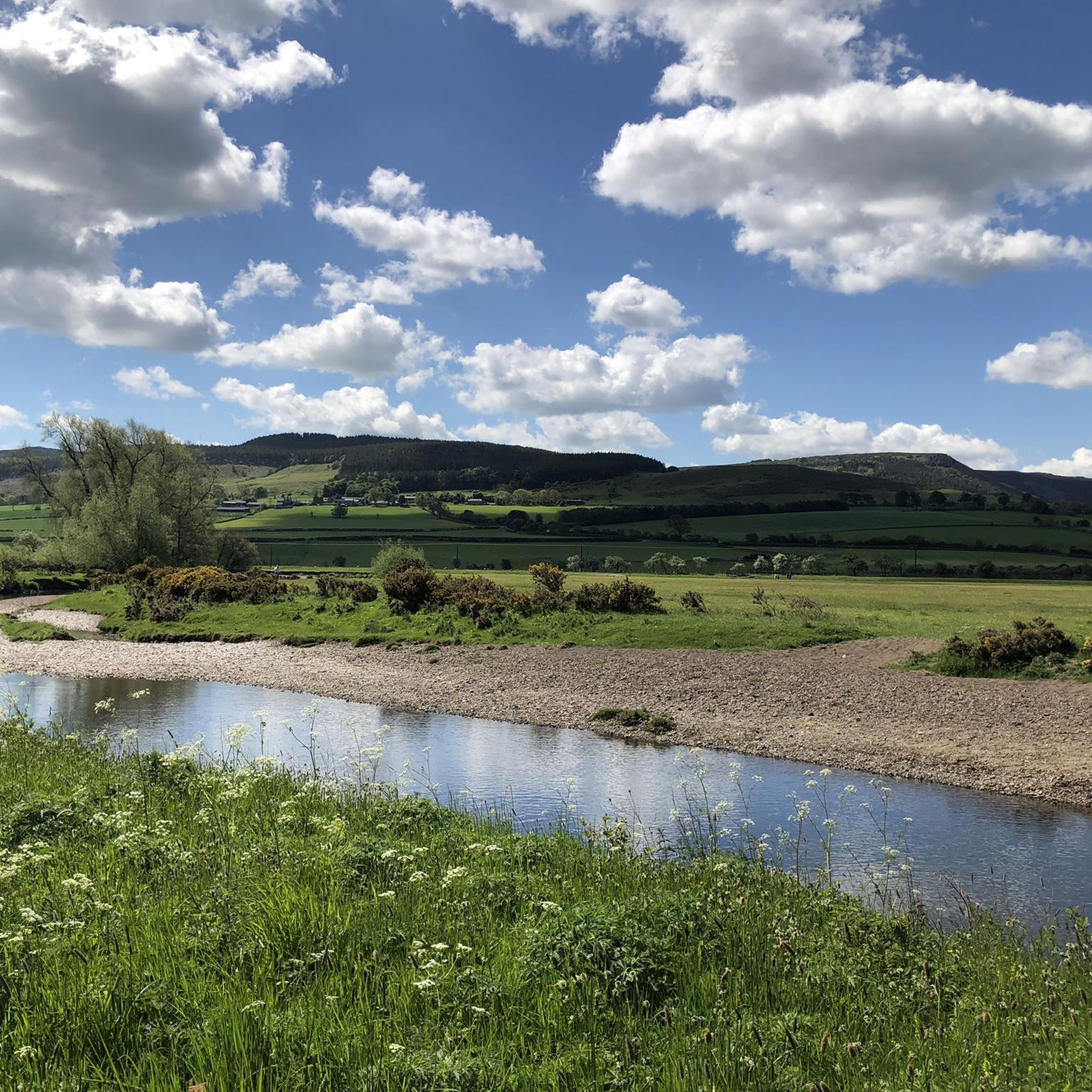
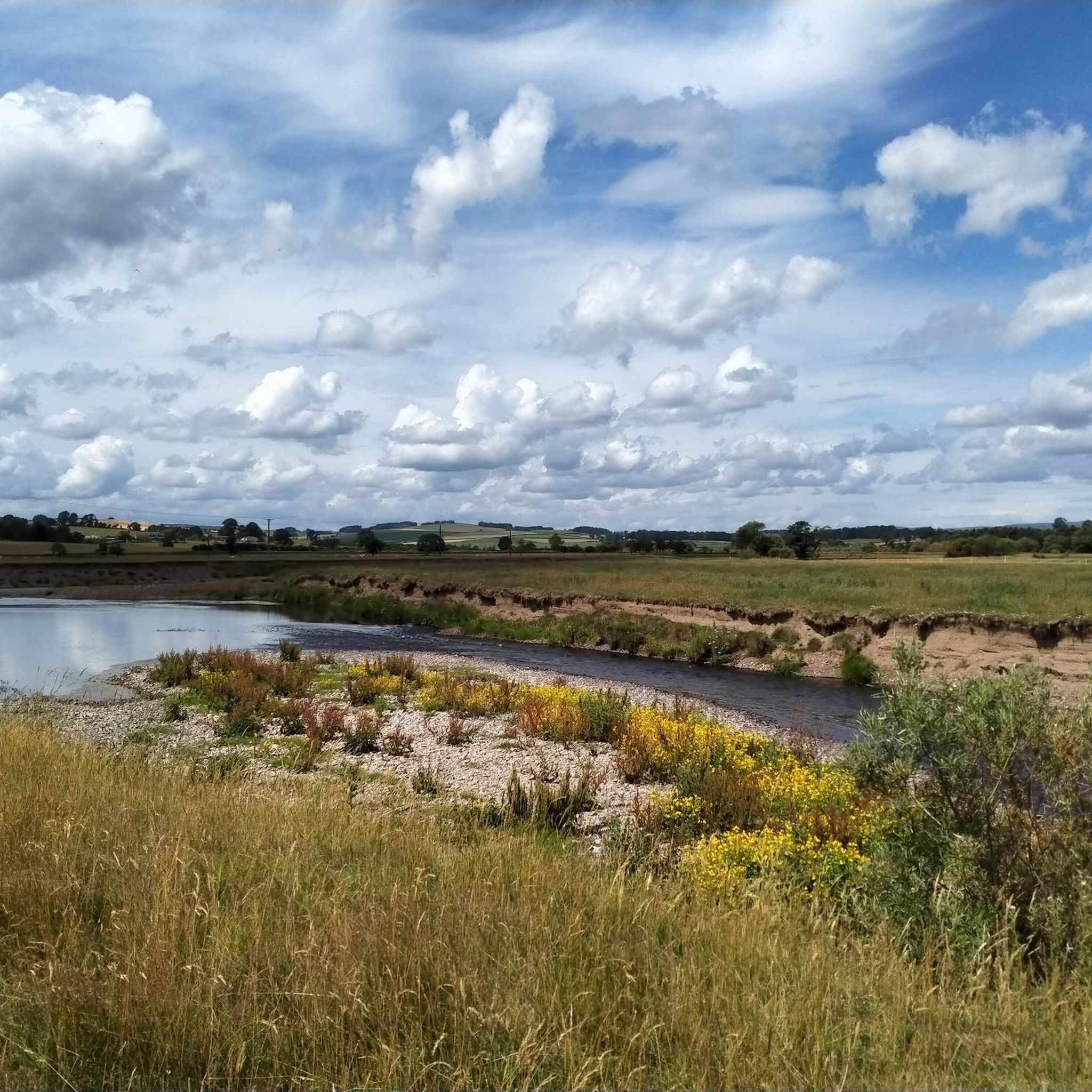
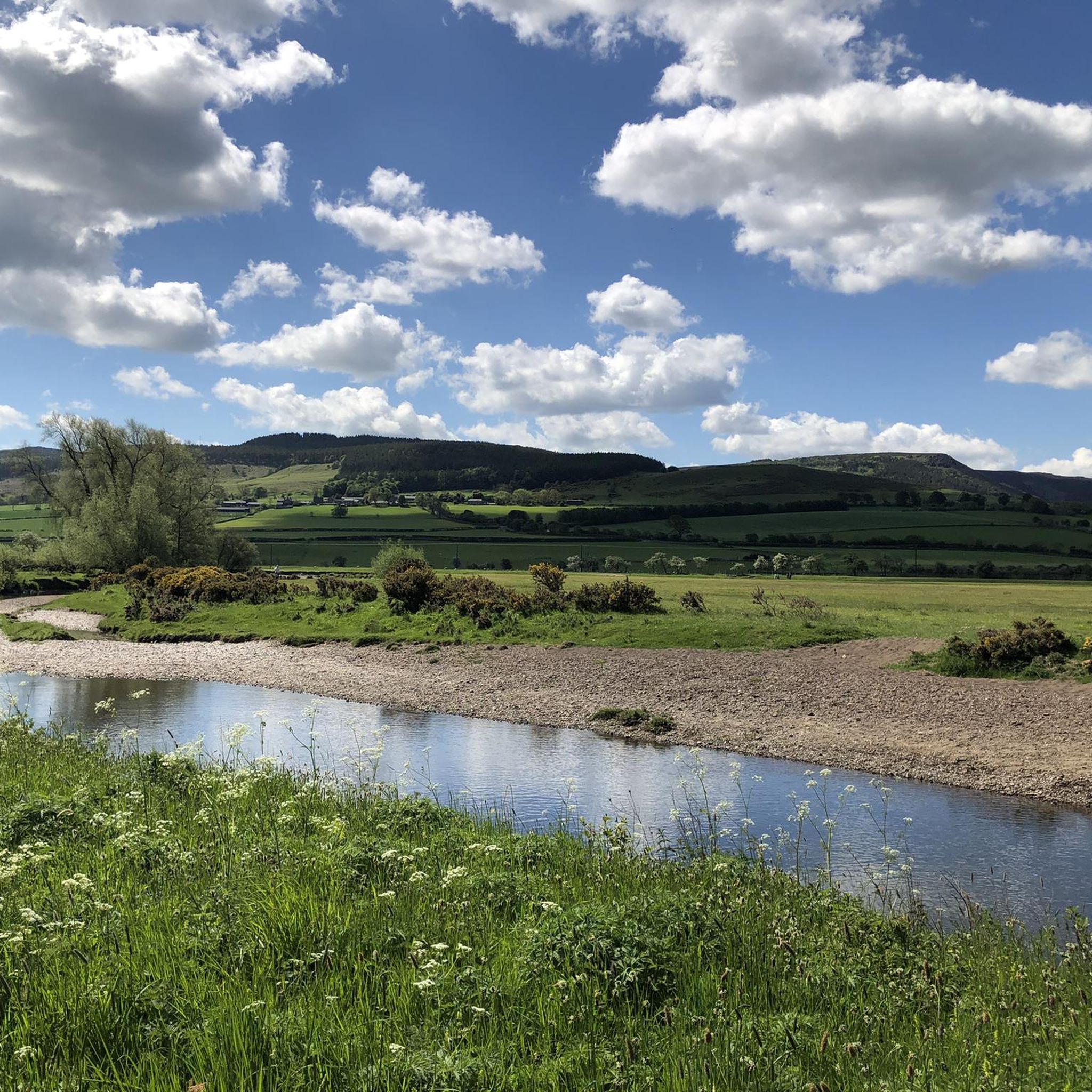
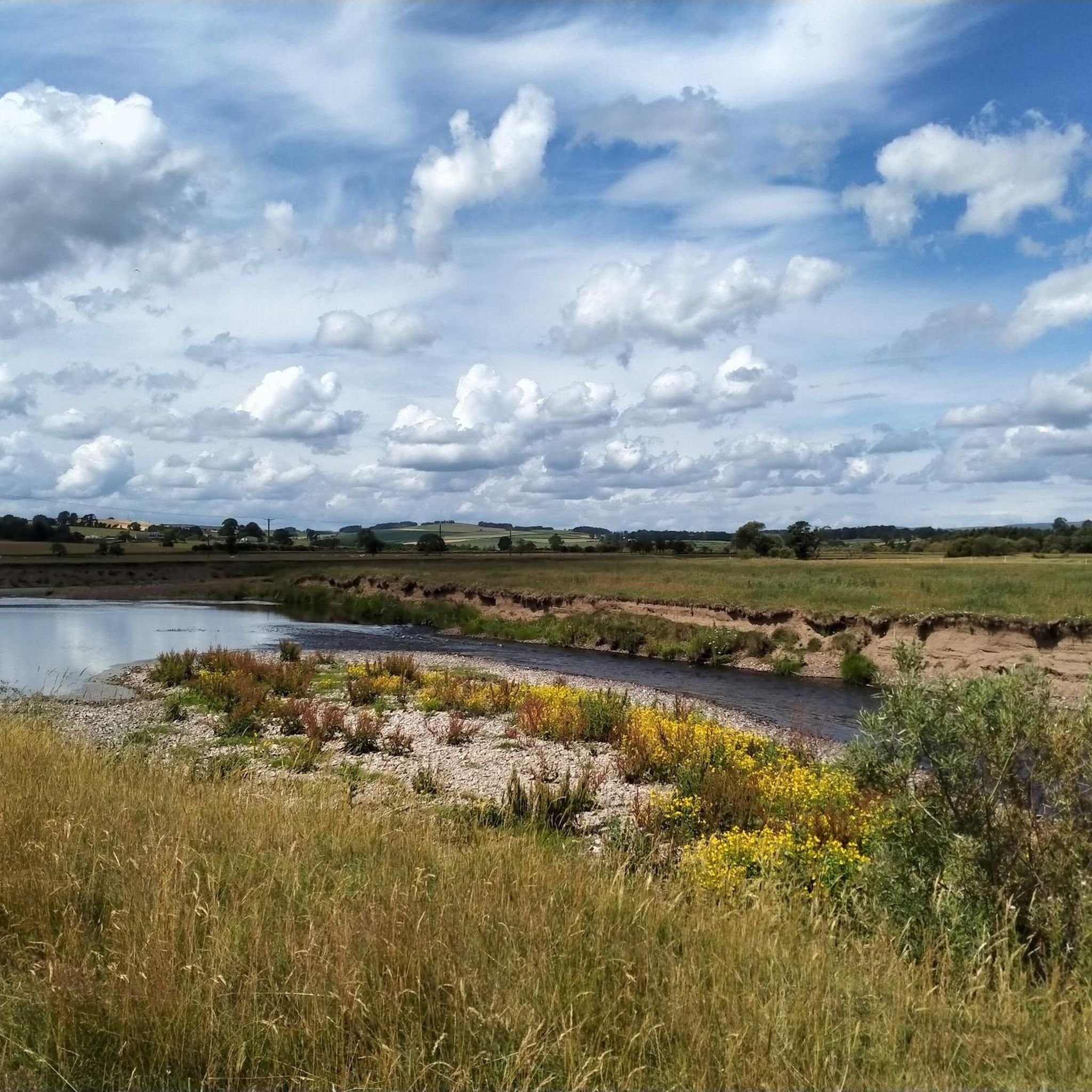

Tips from the Community

can be easy or difficult, depends which side you ascend from. so choose wisely
2
0

Simonside is a 429m (1400ft) summit perched atop the untamed wilderness of the Northumberland National Park. It boasts a rugged ridge that commands sensational views of the Cheviot Hills to the north and the whole Northumbrian coastline to the east. In close reach from Rothbury, Simonside is a top pick for epic views. Bring a flask of tea, settle in and relish the perfect scenery surround you.
4
0

A lovely lonely isolated outcrop of fell sandstone hidden in a dense forest. It may have been a gathering place in days past and hence its name. A very old and eerie gathering place at that. A lovely place full of character though.
2
0

The Drake Stone is a large sandstone boulder that is said to have healing powers and is believed to have been used by druids in their rituals. The stone is about 20 feet tall and weighs 2,000 tonnes. It is said that children who touch the stone are cured of their ailments. The Drake Stone is also said to be haunted. According to legend, a voice once boomed from the stone, warning workers who were attempting to drain the lake nearby that the village would be flooded if they continued. Additionally, those who spend the night near the stone are said to be unable to leave in the morning.
0
0


Lordenshaws is an ancient Iron Age hill fort built around 2000 years ago. There is also evidence of a Bronze Age burial mound. The cup and ring marks on this great stone are thought to be rock art etched into the stone by Neolithic and Bronze Age people between 6000 and 3500 years ago. It's well worth running up here from the car park before starting a loop of the Simonside Hills to have a look at this ancient monument and take in the views of the hills you're about to run. It's also on the St Oswald's Way long distance trail or on the way to the Simonside Hills from Rothbury.
0
0
Simonside is a sandstone outcrop at 429m with great views over the Cheviots and out east to the North Sea. The running is on good trails across moorland and up to the edges. It's generally good underfoot with a wild feeling, especially if you run outside of peak times. Look out for curlew, red grouse, mountain bumblebee, emperor moth, and even red squirrels in the forest areas.
1
0

The ancient Fort on the top of the hill is fascinating. I loved seeing the cup and ring markings on the large rocks.
0
0
Frequently Asked Questions
What are the most popular natural monuments to visit around Thropton?
The area around Thropton boasts several highly-regarded natural monuments. Among the most popular are Simonside Summit, offering panoramic views of the Cheviot Hills and the Northumbrian coastline. Another favorite is View from Dove Crag, which provides extensive views over Northumberland from a crag formed by glacial activity. Visitors also frequently seek out The Drake Stone, a large sandstone boulder steeped in local folklore.
Are there any natural monuments with historical significance near Thropton?
Yes, the region is rich in historical natural monuments. Lordenshaw Cup and Ring Marked Rock is a prime example. It features an Iron Age hillfort, Bronze Age burial mounds, and remarkable prehistoric rock art etched by Neolithic and Early Bronze Age ancestors between 6,000 and 3,800 years ago, offering a rare glimpse into ancient history.
What unique geological features can I explore around Thropton?
Thropton is home to several unique geological formations. The Simonside Hills themselves are a prominent range, with Simonside Summit and Tosson Hill being notable peaks. The Drake Stone is a massive sandstone boulder with a distinctive presence. Additionally, Dove Crag showcases formations carved by glacial activity 15,000 years ago.
Are there family-friendly natural monuments or activities in the Thropton area?
Many natural monuments around Thropton are suitable for families. Lordenshaw Cup and Ring Marked Rock is listed as family-friendly, offering an engaging historical experience. Thrunton Woods, with its hidden trails and diverse wildlife, provides excellent opportunities for family walks and nature observation. The less strenuous paths around the River Coquet also offer pleasant outings.
What outdoor activities can I do near these natural monuments?
The area around Thropton is excellent for various outdoor activities. You can enjoy gravel biking with routes like the 'Simonside Car Park – Viewpoint on Simonside Hills loop' or 'Whitefield Trail – Viewpoint on Simonside Hills loop' from the Gravel biking around Thropton guide. Cycling enthusiasts can explore routes such as 'Rothbury Bridge – View of Thropton loop' found in the Cycling around Thropton guide. For mountain biking, there are trails like 'Simonside & Whitefield Hill loop' in the MTB Trails around Thropton guide.
Are there hiking trails near the natural monuments around Thropton?
Yes, hiking is a popular activity. The Simonside Hills, including Simonside Summit and Tosson Hill, are a prime destination for hikers, offering challenging terrain and rewarding views. Thrunton Woods also features numerous trails winding through forests and open moorland, providing spectacular viewpoints across the Whittingham Vale. Many of the natural monuments are accessible via well-trodden paths.
What kind of wildlife can I expect to see near Thropton's natural monuments?
The natural monuments and surrounding areas are home to diverse wildlife. In the Simonside Hills, you might spot curlews, red grouse, and wild goats. The forests below Simonside are known for red squirrels. Thrunton Woods is particularly rich in wildlife, including deer, red squirrels, and various bird species, making it an excellent spot for nature observation.
What is the best time of year to visit the natural monuments around Thropton?
The natural monuments around Thropton offer beauty throughout the year, but summer is particularly striking when the heather-clad Simonside Hills are ablaze with purple. Spring and autumn also provide pleasant conditions for hiking and exploring, with vibrant foliage in the woodlands. Winter can offer dramatic, stark landscapes, though conditions may be more challenging.
Are there any natural monuments with local folklore or legends?
Absolutely. The Drake Stone is steeped in local folklore. It's believed to possess healing powers and was supposedly used in rituals by druids. Legends also tell of a voice booming from the stone, warning against draining a nearby lake, and that those who spend the night near it are unable to leave in the morning, adding a mystical element to its natural grandeur.
Where can I find serene natural settings or tranquil spots near Thropton?
For serene natural settings, Harbottle Lake offers tranquil views, though visitors should remain on footpaths due to surrounding boggy areas. The winding course of the River Coquet and its tributary, Wreigh Burn, also provide picturesque and peaceful scenery, especially along the haughs (flood meadows). Little Church Rock, hidden in a dense forest, is described as a lovely, secluded spot with character.
What do visitors enjoy most about the natural monuments around Thropton?
Visitors frequently praise the stunning panoramic views, especially from Simonside Summit and View from Dove Crag. The historical significance of sites like Lordenshaw Cup and Ring Marked Rock is also a major draw. Many appreciate the sense of tranquility and the opportunity for invigorating hikes through rugged landscapes and enchanting woodlands like Thrunton Woods.
Are there any less crowded natural monuments to visit near Thropton?
While popular spots can attract visitors, areas like Little Church Rock, an isolated outcrop hidden in a dense forest, offer a more secluded experience. Exploring the less-trafficked trails within Thrunton Woods or along the quieter stretches of the River Coquet can also provide a peaceful escape from the crowds.
Most popular attractions around Thropton

Get inspired with the komoot mobile app


Explore more
Extend your search for the best caves by checking out these guides of the top ones around Thropton:
