Top 11 Natural Monuments around Blyth
Best natural monuments around Blyth include diverse coastal features and inland green spaces. The area is characterized by its expansive sandy beaches, significant sand dune systems, and estuaries that support varied wildlife. Inland, visitors can find reclaimed landscapes transformed into nature reserves and unique landform sculptures. These locations offer opportunities for observing nature and exploring varied terrains.
Best natural monuments around Blyth
- The most popular natural monuments is Northumberlandia (Lady of the North), a human landform sculpture that is…
Last updated: October 17, 2026
Northumberlandia (Lady of the North)
Highlight • Structure
Tip by

Queen Elizabeth II Country Park Lake
Highlight • Forest
but a nice gentle stroll around a lake. easy going and just took it easy and rnjoyed the wildlife
Tip by

Sign up now to discover places like this
Get recommendations on the best single tracks, peaks, & plenty of other exciting outdoor places.
Holywell Dene and Seaton Burn
Highlight • Viewpoint
Tip by

Attlee Park
Highlight • Natural
Tip by

Table Rocks Tidal Pool
Highlight • Natural
Tip by
Sign up for free to discover even more natural monuments around Blyth.
Already have an account?
Start today with a free account
Your next adventure awaits.
Popular around Blyth
Train and Bike adventures on the Northumberland Line
From rail to trail – beautiful hikes along the Northumberland Line
A fantastic journey along Britain’s entire East Coast – NCN 1
Running Trails around Blyth
Hiking around Blyth
Cycling around Blyth
Road Cycling Routes around Blyth
MTB Trails around Blyth

Gravel biking around Blyth


Tips from the Community

Northumberlandia (Lady Of The North) 115.3m P55.3 (378ft) (DoBIH Hill ID: 16083) [JNSA 23759] County of Northumberland Definitive List summit.
0
0

Great place to walk, and cycle along the bridleway sections. Keep your eyes open for wildlife, deer, dippers and kingfishers can be sighted
0
0
Good spot if your dog needs a dip to cool down
0
0


The "Northumberlandia" project owes its origins to open-cast mining: The earth lying above the mineral resources to be mined (e.g., coal seams) – known in technical terms as "overburden" – is typically stored on a so-called "overburden dump." Europe's largest artificial mountain, "Sophienhöhe," was created this way in North Rhine-Westphalia, Germany. As a landscape project, the overburden was used to create a reclining female figure called "Northumberlandia." However, from a ground perspective, little will be visible on site. To experience the outline of the sculpture of the lady, also known as the "Lady of the North," there is a plan sketch on the official website, which I have imported into the komoot image gallery (source: https://www.northumberlandia.com/ ).
0
0
Free to park for 72 hours. theres a pub in the carpark that serves food. we didnt try it though but a nice gentle stroll around a lake. easy going and just took it easy and rnjoyed the wildlife
4
0

Holywell Dene is a tree-lined valley through which the Seaton Burn flows to Seaton Sluice. It’s a fantastic walk through the woods down to the coast, and the footbridges that criss-cross the river let you admire the wildlife from every angle.
1
0

Nestled in Whitley Bay, just north of Brown's Bay and close to Cullercoats, lie the Table Rocks. This spot rose to fame as a tourist destination around the turn of the 20th century. Interestingly, the rocks boasted a natural tidal pool that was transformed into a much larger, 70-foot outdoor swimming pool by blasting the surrounding rock in roughly 1909.
0
0
Frequently Asked Questions
Which natural monuments around Blyth are suitable for families?
Several natural monuments around Blyth are family-friendly. Queen Elizabeth II Country Park Lake is a popular choice, offering gentle strolls around a large artificial lake and opportunities for wildlife observation. Holywell Dene and Seaton Burn provides woodland walks with footbridges over the river, perfect for exploring. Blyth South Beach also offers easy access, amenities, and recreational activities suitable for all ages.
Where can I observe wildlife at the natural monuments in Blyth?
The River Blyth Estuary is a prime location for birdwatching, especially during migration, with sightings of waders and wildfowl like Common Shelduck and Eurasian Oystercatcher. Blyth South Beach and its sand dunes are a haven for diverse plant life, butterflies, moths, and birds, and you might even spot marine life such as dolphins or seals from the beach. Queen Elizabeth II Country Park Lake, a former spoil tip now a nature reserve, also attracts various wildlife.
Are there dog-friendly trails among the natural monuments in Blyth?
Yes, many natural monuments around Blyth are dog-friendly. The paths through the sand dunes at Blyth South Beach are popular for dog walkers. Queen Elizabeth II Country Park Lake is also a favored spot for dog walkers, offering gentle routes around the lake. Always ensure dogs are kept under control, especially in areas with wildlife.
What is the best time of year to visit the natural monuments around Blyth?
The natural monuments around Blyth can be enjoyed year-round. Spring and autumn are excellent for birdwatching at the River Blyth Estuary due to migration. Summer is ideal for beach activities and coastal walks at Blyth South Beach. Winter offers a different charm, with opportunities for anglers at the beach and peaceful walks through areas like Holywell Dene and Seaton Burn.
Can I enjoy coastal walks among the natural monuments in Blyth?
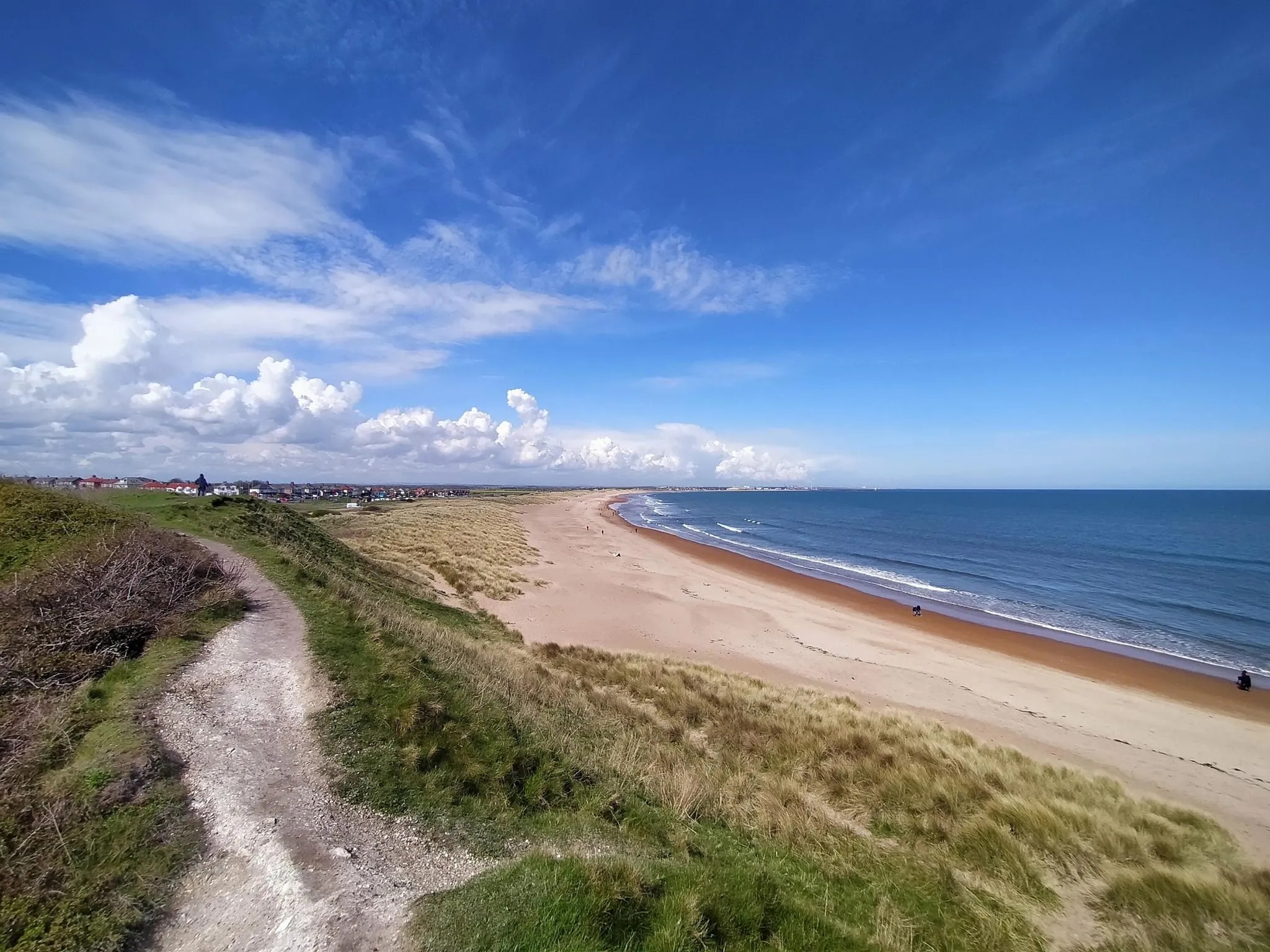
Absolutely. Blyth South Beach offers a long expanse of sand perfect for leisurely strolls and beachcombing, with paths through the sand dunes. The Northumberland Coast Path also passes through the Blyth area, providing scenic coastal walking opportunities. You can find more details on coastal routes in the Cycling around Blyth guide, which includes routes like 'Blyth South Beach – River Blyth loop from Blyth'.
What unique natural features can I expect to see around Blyth?
Blyth offers a mix of unique natural and transformed landscapes. You can explore the extensive sand dune system at Blyth South Beach, which is a designated area of Special Nature Conservation. The River Blyth Estuary features intertidal mudflats. Inland, you'll find Northumberlandia (Lady of the North), a massive human landform sculpture, and Queen Elizabeth II Country Park Lake, a nature reserve on a reclaimed spoil tip.
Are there any viewpoints offering panoramic scenery near Blyth's natural monuments?
Yes, Northumberlandia (Lady of the North), a 34m high landform sculpture, provides magnificent expansive views across the Northumberland countryside. Additionally, Past, Present and Future Monument on Weetslade Hill also offers great views from its summit.
What outdoor activities can I do near these natural monuments?
Beyond walking and wildlife observation, the area around Blyth offers various outdoor activities. Blyth South Beach is popular for bathing, surfing, jet-skiing, and winter angling. For cycling, you can explore routes like 'Blyth South Beach – River Blyth loop from Blyth' found in the Cycling around Blyth guide. Mountain biking enthusiasts can check out routes in the MTB Trails around Blyth guide, and road cyclists have options in the Road Cycling Routes around Blyth guide.
Are there cafes or pubs near the natural monuments in Blyth?
Yes, Blyth South Beach is well-equipped with cafes nearby, making it convenient for visitors. Queen Elizabeth II Country Park Lake also has a pub located in its car park that serves food. For other locations, it's advisable to check local listings or plan your visit accordingly.
What do visitors enjoy most about the natural monuments around Blyth?
Visitors frequently praise the diverse natural beauty and the opportunities for outdoor activities. The unique landform sculpture of Northumberlandia (Lady of the North) is appreciated for its expansive views. The peaceful walks and wildlife spotting at places like Holywell Dene and Seaton Burn and Queen Elizabeth II Country Park Lake are also highly rated. The accessibility and amenities of Blyth South Beach make it a popular choice for many.
Is there parking available at the natural monuments near Blyth?
Yes, parking is generally available. Blyth South Beach offers easily accessible parking. Queen Elizabeth II Country Park Lake provides free parking for up to 72 hours. For other specific locations like Northumberlandia, dedicated parking facilities are also provided.
Are there any historical or cultural landmarks near Blyth's natural monuments?
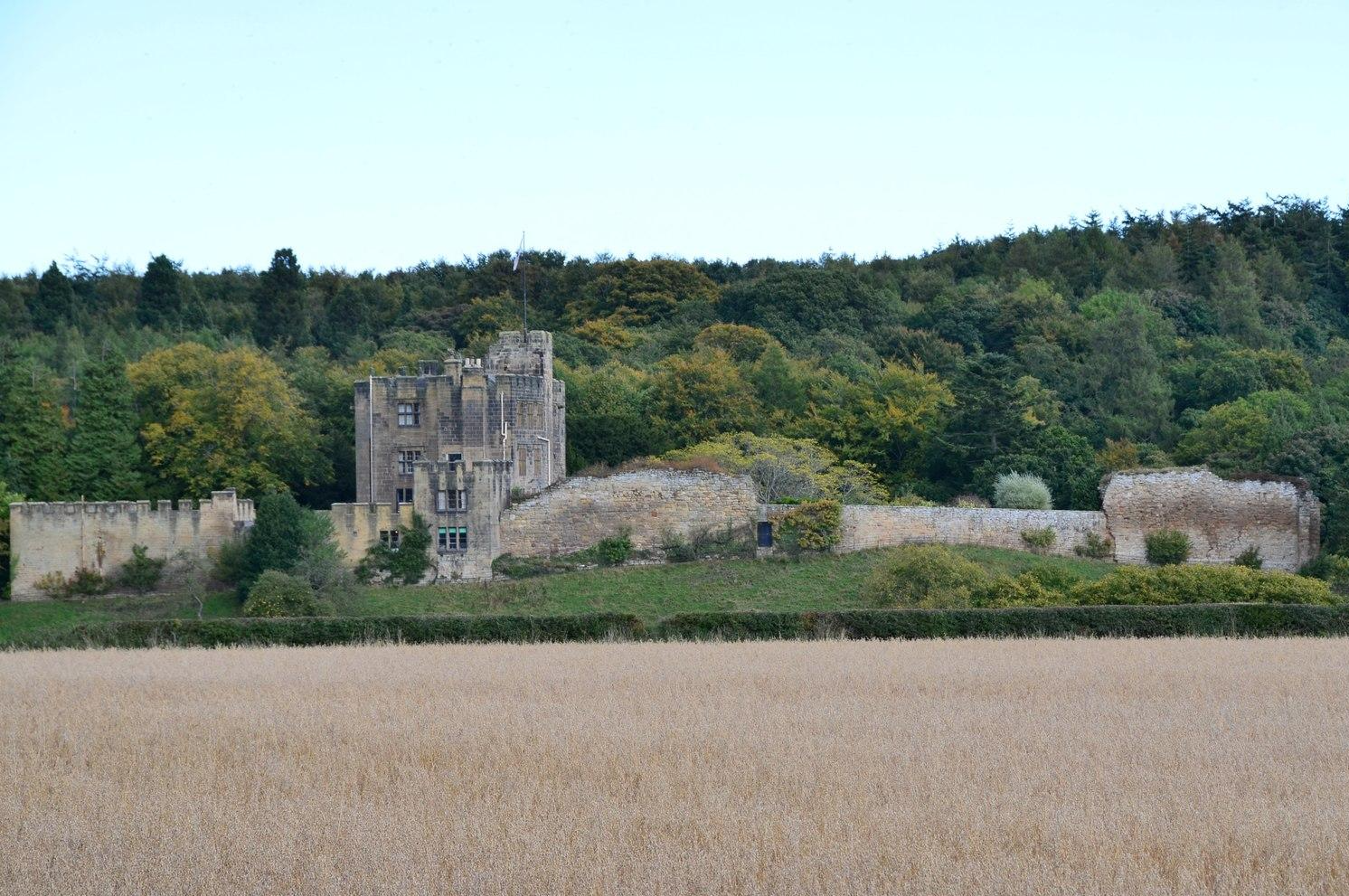
While the focus is on natural monuments, the region has a rich history. The River Blyth Estuary includes reclaimed land from the old Bates Colliery works, hinting at the area's industrial past. Holywell Dene and Seaton Burn is also a brilliant backdrop to Seaton Delaval Hall, a significant historical building nearby. Table Rocks Tidal Pool in Whitley Bay gained fame as a tourist destination around the turn of the 20th century, with a natural pool transformed into a larger outdoor swimming pool.
Most popular attractions around Blyth

Get inspired with the komoot mobile app


Explore more
Extend your search for the best caves by checking out these guides of the top ones around Blyth:
