Top 20 Natural Monuments around Kirkby Ireleth
Best natural monuments around Kirkby Ireleth are found in a region characterized by rolling fells, coastal paths, and nature reserves, nestled between the Lake District National Park and the Cumbrian coast. This area offers a variety of natural attractions, including prominent fells and unique peatland habitats. The landscape provides diverse experiences, from coastal walks to fell hiking, showcasing significant geological features and ecological sites.
Best natural monuments around Kirkby Ireleth
- The most popular natural monuments is Old Man of Coniston…
Last updated: July 1, 2026
Old Man of Coniston summit
Highlight • Summit
Tip by

Swirl How
Highlight • Viewpoint
Tip by

Sign up now to discover places like this
Get recommendations on the best single tracks, peaks, & plenty of other exciting outdoor places.
Sign up for free
Dow Crag
Highlight • Viewpoint
Tip by
Black Combe Summit
Highlight • Natural Monument
Tip by
Harter Fell Summit (Eskdale)
Highlight • Viewpoint
Tip by
Sign up for free to discover even more natural monuments around Kirkby Ireleth.
Sign up for free
Already have an account?
Start today with a free account
Your next adventure awaits.
Login or Signup

Tips from the Community

To describe this mountain, here is a quote: "Although cruelly scarred and disfigured by the quarries, the Old Man has retained a dignified bearing and still lifts his proud and venerable head to the sky. His tears flow quietly into Low Water and Goats Water, two beautiful mountain tarns, whence they eventually... find their way to Coniston Water, bathing his ancient feet." Alfred Wainwright, "A Pictorial Guide to the Lakeland Fells, Book Four: The Southern Fells"
5
0

Coming to Swirl How from Great Carr is an easy affair; getting to it from Wetherlam is a different matter. If you come in from that direction, you are in for a good scramble on the 'Prison Band' section of the approach. To be honest, I would rather come up it than down it, as it looked like a fun scramble. There is a decent cairn on the top of Swirl How, and the views across to Wetherlam are great.
0
0
Dow Crag is a pretty impressive hunk of rock. At 778 metres it has impressive cliffs plunging down towards Goat's Water. You will have a short scramble to the summit, but the views are truly great on a sky-blue day towards the Old Man of Coniston and back towards Buck Pike.
0
0

There has been much debate over which is the higher: Swirl How or Coniston Old Man? They have both been comprehensively measured and are both currently 802.4m (2633ft in old money). Both measurements are accepted by the OS but the current maps show Swirl How as 802m and the Old Man as 803m. Why does it matter? Only one can be a Marilyn while the other must be classed as a Hump though they could be twin peaks. Currently the view is Coniston Old Man remains as the Marilyn and Swirl How is only a Hump. So the Historic County Top of the County Palatine of Lancashire, Coniston Old Man remains the higher. Swirl How is a very fine hill with a much more interesting ridge structure than the Old Man. Approaches from all directions are rewarding and exciting and there is a good chance you can enjoy solitude by the summit cairn which doesn’t suffer the crowds the Old Man does. Enjoy!
1
0

While the Old Man of Coniston gets most of the attention, possibly in part due to its location above Coniston village, it could be argued that Swirl How is the main summit in the range. It's pretty much the Old Man's equal in height (a 2018 survey showed they were virtually the same) and is more like the central hub from which the range's ridges splay out. However, it perhaps lacks the edge-of-mountain-country drama that the Old Man enjoys.
0
0


Bit of a craggy top with a couple scramble bits if you continue over to the next mountain tops.
0
0
Frequently Asked Questions
What are some prominent fells and summits to explore around Kirkby Ireleth?
The region offers several impressive fells and summits. You can challenge yourself with a hike to the Old Man of Coniston summit, known for its high tarns, lofty ridges, and historical quarrying remnants. Another rewarding option is Swirl How, offering rewarding approaches and a chance for solitude at its summit cairn. For panoramic views of both land and sea, consider Black Combe Summit, an outlying fell in the Lake District.
Are there any nature reserves with unique natural features near Kirkby Ireleth?
Yes, the area is rich in nature reserves. Sandscale Haws National Nature Reserve features extensive beaches and dunes with views of the Lake District mountains. Hodbarrow Nature Reserve, a former iron ore mine, now encompasses a lake and estuary, perfect for circular walks. Further inland, Duddon Mosses National Nature Reserve is a rare peatland habitat, home to specialized bog flora and various bird species.
What kind of hiking trails can I find near Kirkby Ireleth's natural monuments?
You'll find a variety of hiking trails. For an easy ascent with panoramic views, try the Blawith Knott Summit Cairn – Tottlebank Height Summit Cairn loop. A moderate trail leads to Wool Knott Summit and encircles Beacon Tarn. For more options, explore the Hiking around Kirkby Ireleth guide.
Are there any natural monuments with historical significance in the area?
Beyond the natural beauty, you can find sites with historical context. The Old Man of Coniston summit bears remnants of centuries of slate quarrying and copper mining. Additionally, the Conscientious Objectors' Stone, a natural rock outcrop, holds inscriptions from First World War Conscientious Objectors, blending natural features with human history.
What are some challenging natural monuments for experienced hikers?
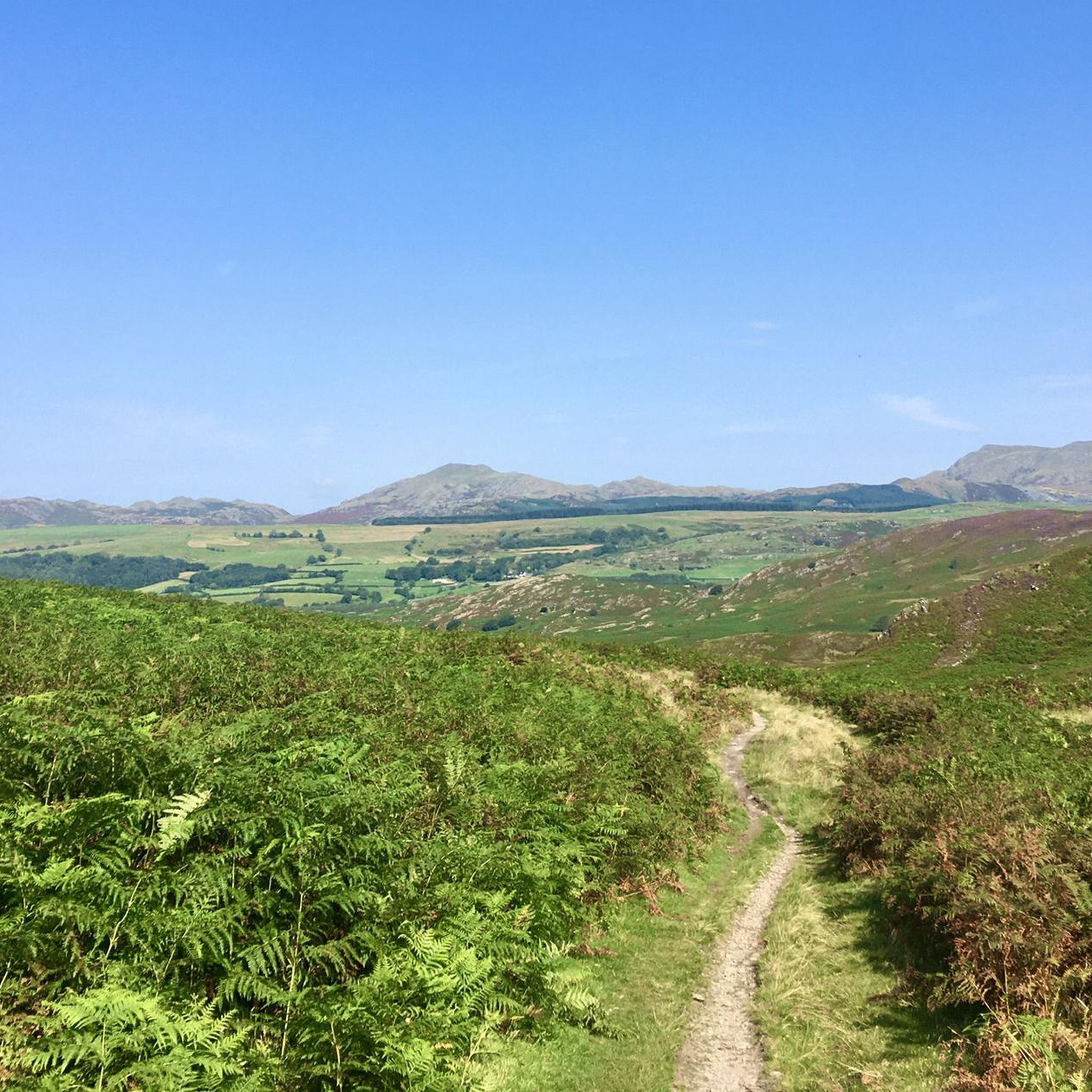
For experienced hikers, Dow Crag offers an impressive jumble of rocky tors requiring a short scramble to the top, with commanding views over Coniston Water. Harter Fell Summit (Eskdale) also presents a fantastic Wainwright with a scramble to its true summit, offering outstanding views across Eskdale.
Are there any circular walks available at the natural monuments?
Yes, several natural monuments offer circular walking routes. Both Sandscale Haws National Nature Reserve and Hodbarrow Nature Reserve are excellent locations for circular walks, allowing you to fully experience their unique landscapes and views.
What geological features are prominent in the Kirkby Ireleth area?
The region's geology is characterized by rolling fells and coastal formations. Black Combe is known for its dark grey slate geology, and the wider area, including Kirkby Moor and Ireleth, also features slate. The Duddon Mosses National Nature Reserve showcases rare peatland habitats, highlighting unique ecological geology.
Can I find other outdoor activities like running or cycling near these natural monuments?
Absolutely. The area around Kirkby Ireleth is great for various outdoor pursuits. You can find running trails like the Duck Pond loop or the Old Water Mill loop. For cyclists, there are challenging road cycling routes such as the Birker Fell and Ulpha loop. Discover more options in the Running Trails around Kirkby Ireleth and Road Cycling Routes around Kirkby Ireleth guides.
What do visitors enjoy most about the natural monuments around Kirkby Ireleth?
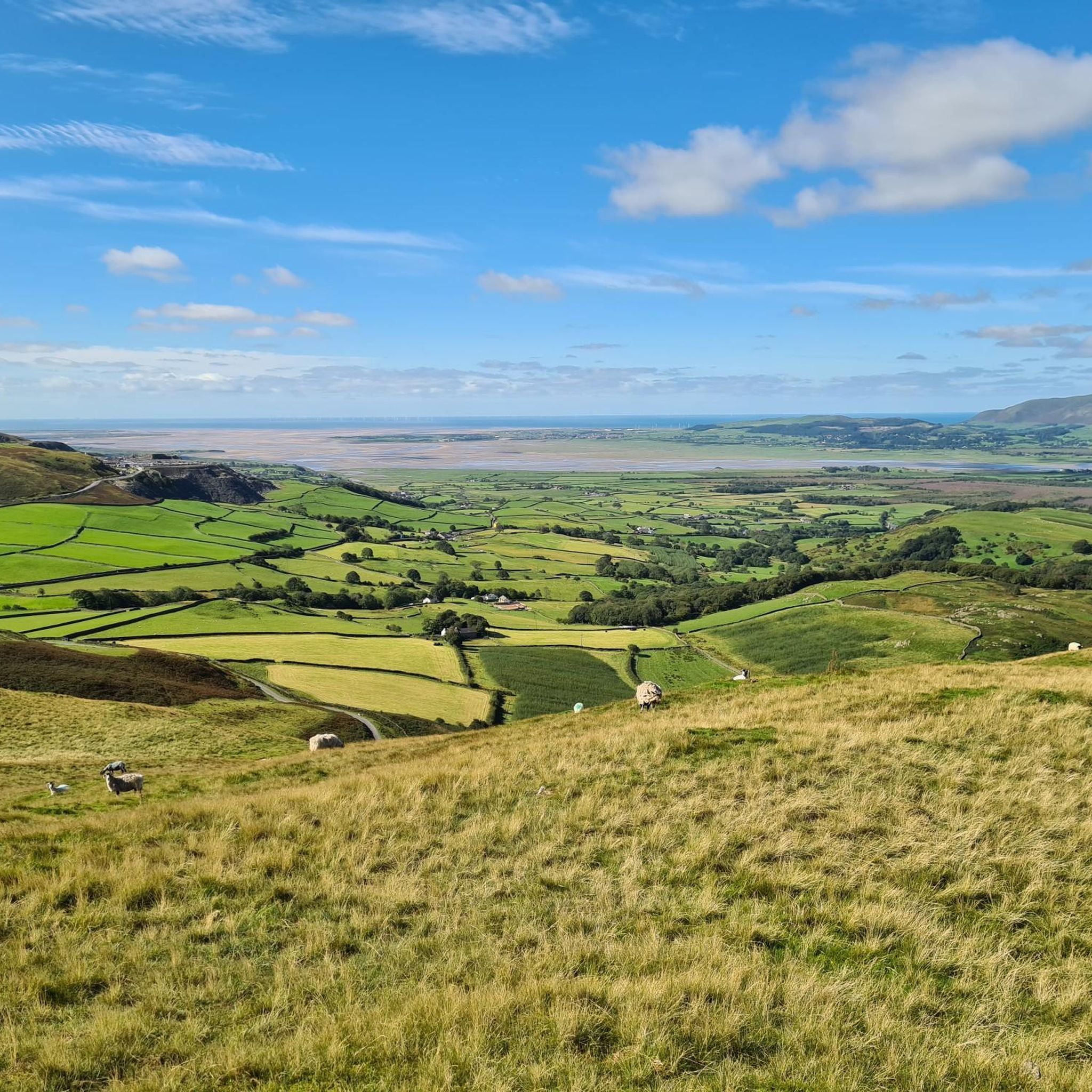
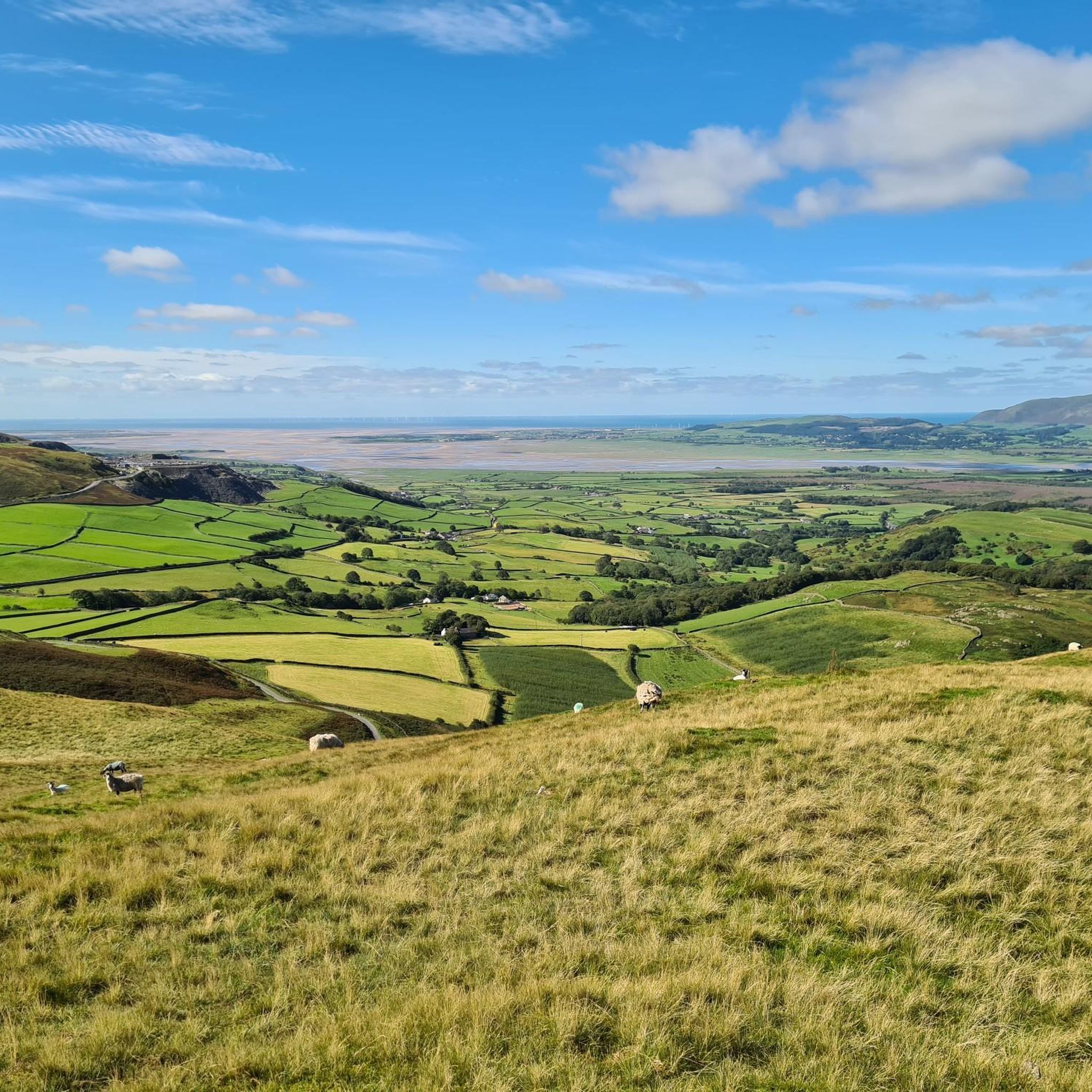
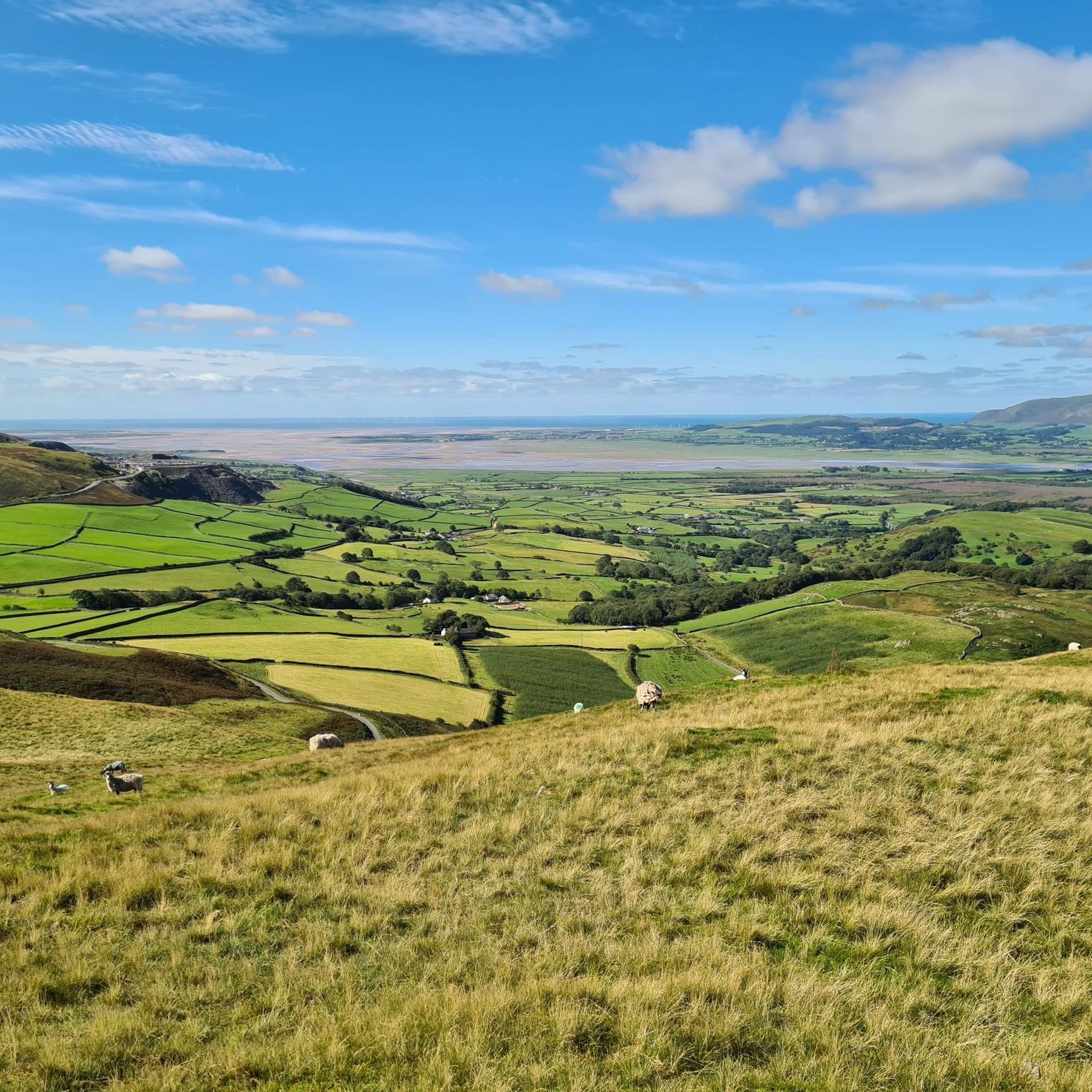
Visitors frequently praise the stunning panoramic views from summits like Black Combe Summit, which offers soul-satisfying vistas of the Irish Sea, Cumbrian coast, and the Lake District fells. The diverse landscapes, from coastal dunes to high tarns and historical sites, also contribute to a rich and rewarding experience.
What is the best time to visit the natural monuments in Kirkby Ireleth?
The best time to visit largely depends on your preferred activity. Spring and summer offer pleasant weather for hiking and exploring the nature reserves, with flora in bloom. Autumn provides beautiful colours across the fells. Winter can be dramatic, especially on higher fells, but requires appropriate gear and caution due to weather conditions.
Are there any natural monuments that are particularly good for wildlife spotting?
Yes, the nature reserves are excellent for wildlife. Duddon Mosses National Nature Reserve is a sanctuary for specialized bog flora and various birds, including birds of prey like buzzards and barn owls, and water-loving birds such as waders and pink-footed geese in winter. Sandscale Haws National Nature Reserve also offers a diverse range of flora and fauna within its dunes.
What kind of views can I expect from the natural monuments?
The views are incredibly diverse and often spectacular. From Old Man of Coniston, you can see high tarns and ridges. Black Combe Summit provides panoramic views of the Irish Sea, Cumbrian coast, and inland to the Lakes. From Dow Crag, you'll get commanding views over Coniston Water and South Lakeland. Even the accessible Blawith Knott Summit Cairn offers panoramic views of the surrounding fells.
Most popular routes around Kirkby Ireleth
Most popular attractions around Kirkby Ireleth

Get inspired with the komoot mobile app


Explore more
Extend your search for the best caves by checking out these guides of the top ones around Kirkby Ireleth:
