Top 5 Natural Monuments around Wester Loch Ewe
Natural monuments around Wester Loch Ewe are found within a rugged and captivating landscape in the Northwest Highlands of Scotland. This region features significant geographical elements and geological formations, including a deep-water sea loch and several impressive mountain peaks. The area is renowned for its ancient and diverse geology, with formations like Lewisian Gneiss and Torridonian Sandstone. Visitors can explore a variety of natural features, from coastal points to remote mountain summits.
Best natural monuments around Wester Loch Ewe
- The…
Last updated: July 1, 2026
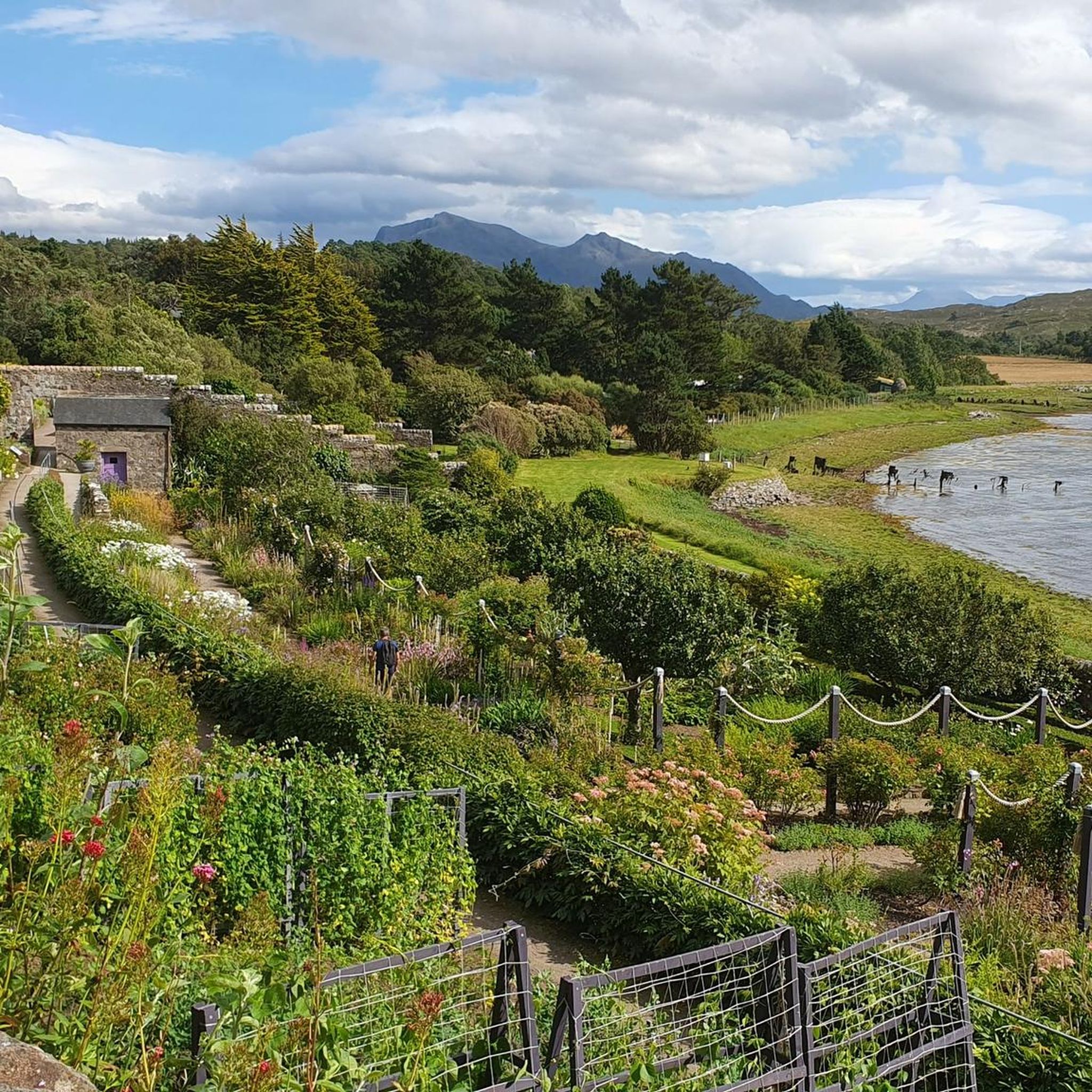
Inverewe Garden
Highlight • Natural Monument
Translated by Google •
Tip by

Flowerdale Waterfalls
Highlight • Forest
Tip by

Sign up now to discover places like this
Get recommendations on the best single tracks, peaks, & plenty of other exciting outdoor places.
Sign up for free
Mullach Coire Mhic Fhearchair
Highlight • Climb
Tip by

View from Meall na Creige Moire Cairn
Highlight • Viewpoint
Tip by
Greenstone Point
Highlight • Natural
Tip by
Sign up for free to discover even more natural monuments around Wester Loch Ewe.
Sign up for free
Already have an account?
Start today with a free account
Your next adventure awaits.
Login or Signup
Other adventures around Wester Loch Ewe

Tips from the Community

Big mountain at the end of Gleann na Muice, with a quartzite coating over the sandstone.
0
0

Mullach Coire Mhic Fhearchair at 1019m is the highest mountain in the Fisherfield Six round and being situated in the Fisherfield Forest it is extremely remote and difficult to access. It is a Munro and a very good vantage point. By comparison with some of the other mountains in the round it is comparatively easy to ascend. The southeast ridge over the Mullach Coire Mhic Fhearchair South East Top (a Munro Top) leads to an impressive scramble with exciting shattered pinnacles on to Sgùrr Dubh.
1
0
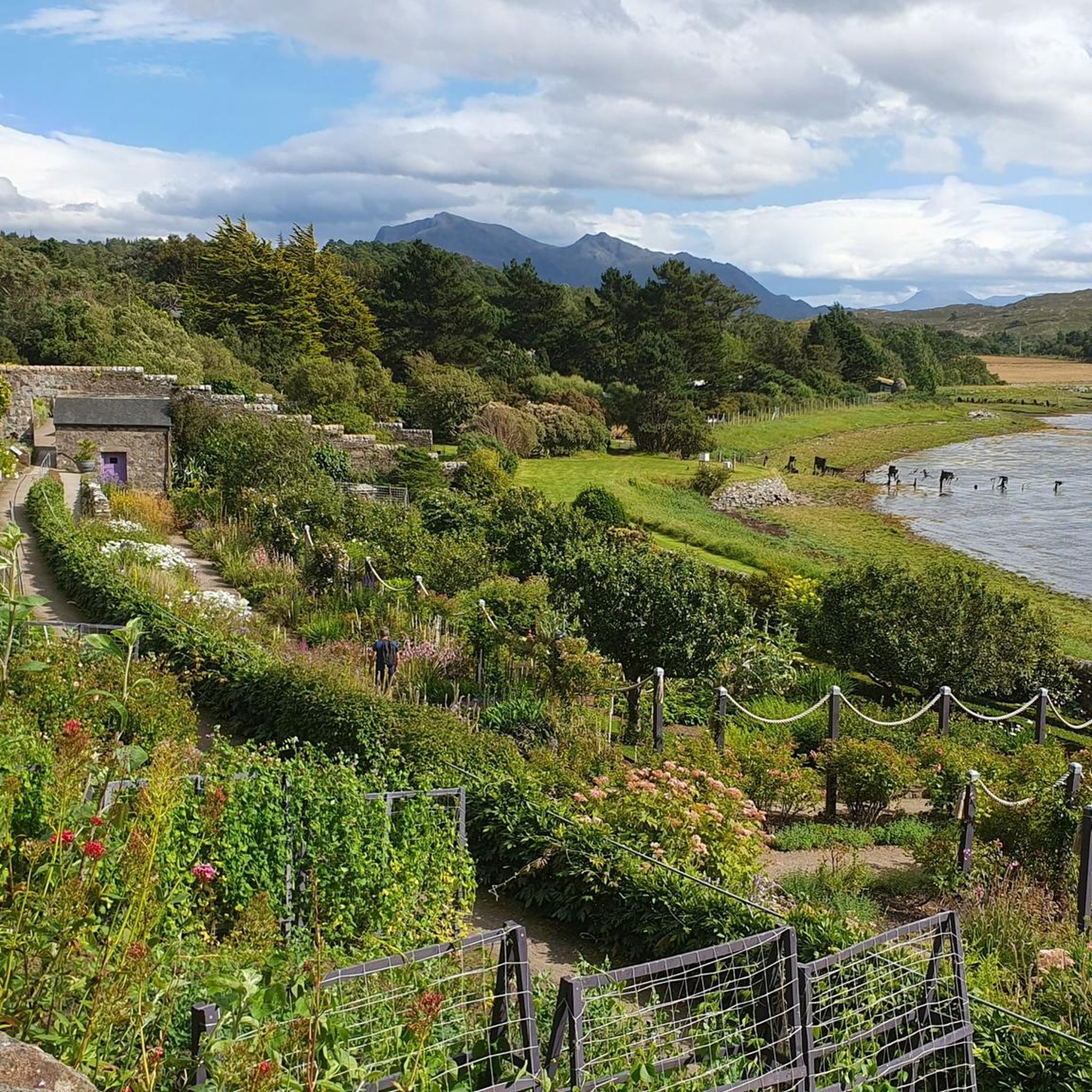
Beautiful gardens created by the visionary Osgood Mackenzie in the mid nineteenth century, these gardens have a woodland shelter belt to protect the main gardens from the worst of the wind and weather. Always worth a visit, they are now well maintained by the National Trust for Scotland.
2
0

Standing at Greenstone Point feels like being at the very edge of the world, suspended between rugged land and swelling sea. Set at the tip of the Greenstone peninsula, on a clear day the views take in a 360-degree exhilarating skyline, including the Summer Isles and the north-west Highlands.
1
0
Flowerdale Glen was given its English name by the estate's owners, the MacKenzies of Gairloch, in honour of the abundance of wildflowers that fill the valley over the spring and summer months. Flowerdale Waterfalls are actually two falls: Eas Dubh and Easan Bana.
2
0
At 57 metres above sea level, Meall na Creige Moire isn't high, but rising above the surrounding low-lying, lochan-speckled landscape, the views from the cairn at the top are truly spectacular. On a clear day you can see for many miles along the coastline, inland towards the Highlands, and across the North Minch to the Western Isles.
1
0

One path is currently still closed after the storm in January. Really big trees were uprooted!
3
0

Frequently Asked Questions
What unique natural features can I explore in Wester Loch Ewe?
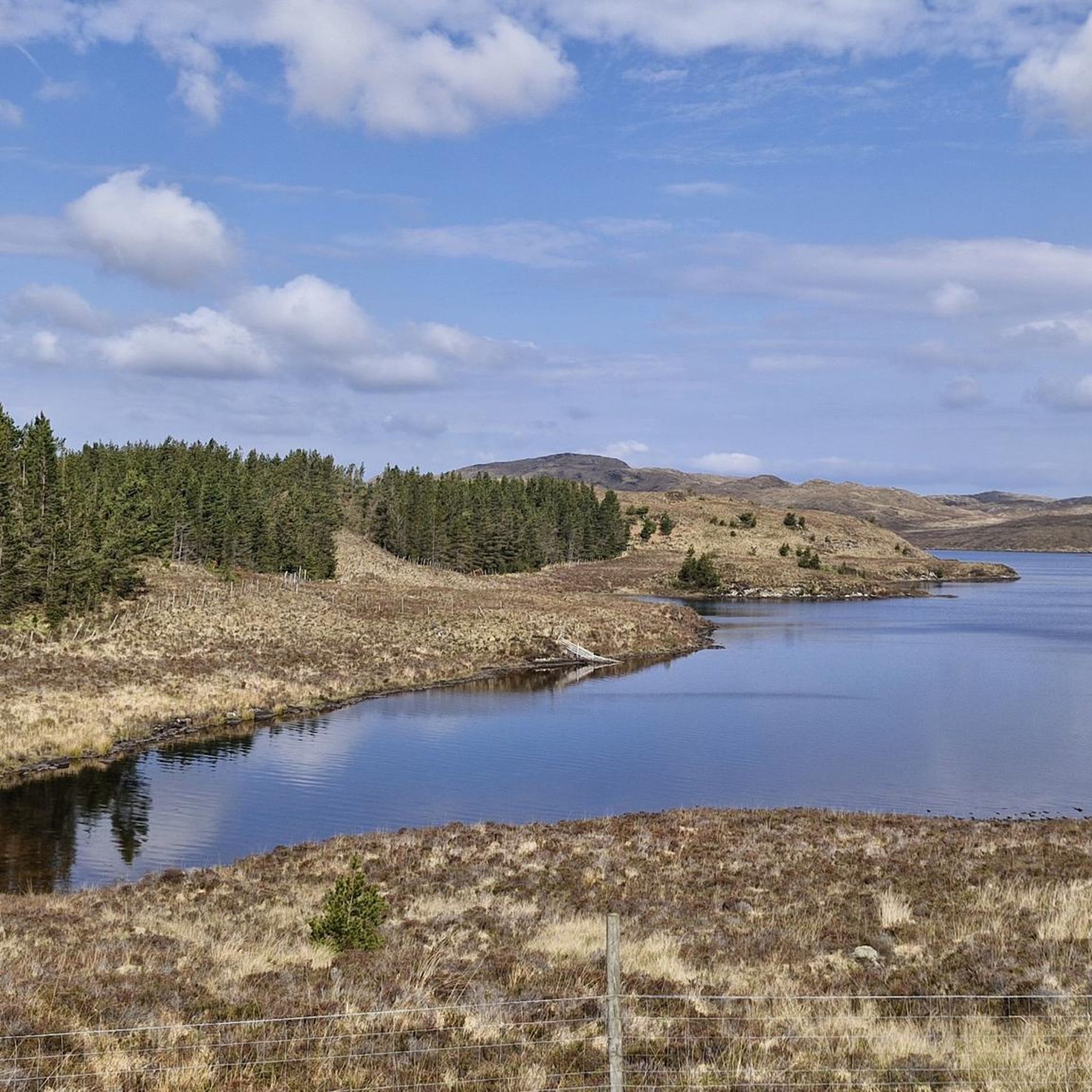
Wester Loch Ewe offers a diverse range of natural features. You can explore the deep-water sea loch itself, which holds historical significance. The region is also home to impressive mountain peaks like Slioch and A'Mhaighdean, offering challenging hikes and spectacular vistas. Additionally, the area is renowned for its ancient and diverse geology, featuring formations such as Lewisian Gneiss and Torridonian Sandstone.
Are there family-friendly natural monuments around Wester Loch Ewe?
Yes, there are family-friendly options. Inverewe Garden is a cultivated garden on a peninsula by the sea, showcasing diverse plant collections in a stunning natural setting, and is listed as family-friendly. The Flowerdale Waterfalls are also generally accessible and enjoyable for families, with the glen named for its abundance of wildflowers.
What kind of views can I expect from the natural monuments in Wester Loch Ewe?
The region offers breathtaking views. From View from Meall na Creige Moire Cairn, you can see for many miles along the coastline, inland towards the Highlands, and across the North Minch to the Western Isles on a clear day. Mountain summits like Mullach Coire Mhic Fhearchair provide extensive panoramas of the surrounding wilderness, including the Fisherfield Forest and other peaks. Coastal points like Rubha Reidh Lighthouse also offer dramatic vistas across the Minch towards the Isle of Skye and the Outer Hebrides.
Are there any natural monuments with historical significance in Wester Loch Ewe?
Yes, several natural features have historical connections. Loch Ewe itself was a significant convoy collecting point during World War II. Rubha nan Sasan, while a natural point, features ruins of a coastal battery from the same period, blending natural beauty with historical remnants. Isle Ewe also has historical settlements, some dating back to the Bronze/Iron Age, alongside its geological interest.
What geological features are prominent in the Wester Loch Ewe area?
The Wester Loch Ewe area is a geological marvel. Key formations include the Lewisian Gneiss Complex, which contains some of the oldest rock in Western Europe, and the distinctive red-brown Torridonian Sandstone. Cambrian Quartzite is also present. The Loch Maree Fault is a significant geological feature that shaped Loch Ewe, Loch Maree, and Glen Docherty, telling a story of immense geological time and continental shifts.
What outdoor activities can I do near the natural monuments in Wester Loch Ewe?
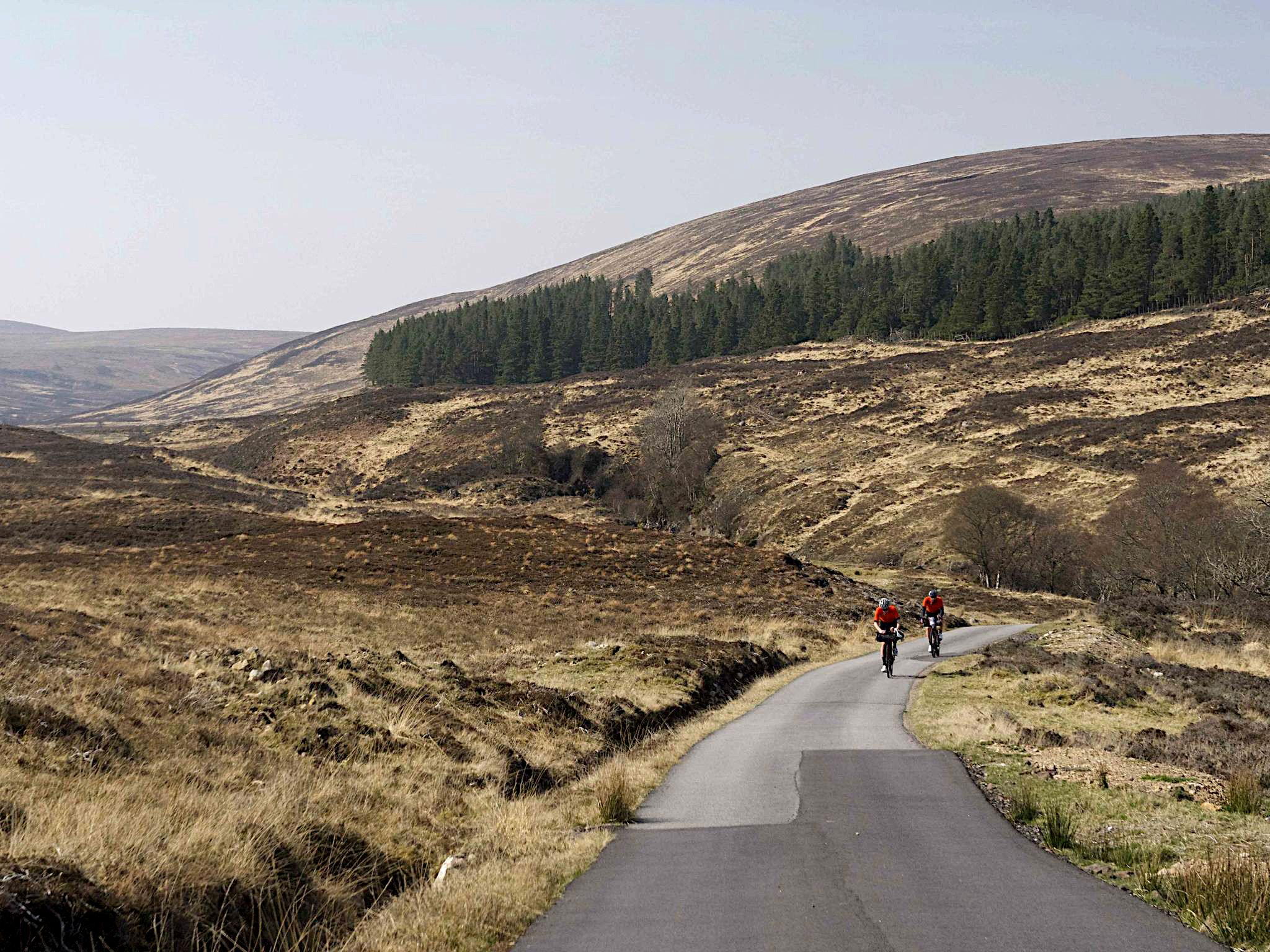
The area offers a variety of outdoor activities. You can find easy hikes like the "Inverewe Gardens loop from Poolewe" or the "Rubha nan Sasan War Memorial loop." For more challenging adventures, there are MTB trails such as the "Highland Trail 550" or running trails like the "Flowerdale Glen Trail." You can explore more options on the easy hikes, MTB trails, and running trails guides for Wester Loch Ewe.
Are there challenging mountain climbs or remote areas to explore?
Absolutely. The region is home to several impressive mountains, or Munros, offering challenging hikes. Mullach Coire Mhic Fhearchair is part of the infamous Fisherfield round, known as one of the most remote areas in the UK. Other peaks like Slioch and A'Mhaighdean also offer demanding ascents and spectacular, isolated views, particularly in the 'Fisherfield Forest' which is often called 'the great wilderness'.
What is the best time to visit Wester Loch Ewe's natural monuments?
The spring and summer months (May to September) are generally considered the best time to visit, as the weather is milder and wildflowers fill glens like Flowerdale. However, be aware that midges can be prevalent during warmer, still periods in summer. Autumn offers stunning colours, while winter can provide dramatic, rugged landscapes for those prepared for colder conditions.
What do visitors enjoy most about the natural monuments in Wester Loch Ewe?
Visitors frequently praise the spectacular views, the sense of being at the 'edge of the world' at places like Greenstone Point, and the unique blend of natural beauty with historical elements. The botanical diversity of Inverewe Garden and the dramatic scenery of the mountain peaks are also highly appreciated. Many enjoy the tranquility and the opportunity for remote exploration.
Can I find waterfalls in the Wester Loch Ewe area?
Yes, the Flowerdale Waterfalls are a notable natural monument in the area. They consist of two distinct falls, Eas Dubh and Easan Bana, located within the beautiful Flowerdale Glen, which is known for its abundance of wildflowers during spring and summer.
Are there any specific lochs or nature reserves worth visiting besides Loch Ewe?
Beyond Loch Ewe, Loch Maree is a beautiful freshwater loch, often overlooked by the impressive Slioch mountain. Nearby, the Beinn Eighe National Nature Reserve offers spectacular scenery, opportunities for birdwatching, and various nature trails, making it an excellent spot for exploring the region's biodiversity.
What are the options for parking near natural monuments in Wester Loch Ewe?
Parking availability varies by location. Many popular natural monuments and trailheads will have designated parking areas, though these can be limited in remote spots. For specific highlights like Inverewe Garden, there is usually dedicated visitor parking. For more remote mountain access points, parking might be roadside or in small lay-bys. Always check local signage and be considerate of local residents.
Most popular routes around Wester Loch Ewe
Most popular attractions around Wester Loch Ewe

Get inspired with the komoot mobile app


Explore more
Extend your search for the best caves by checking out these guides of the top ones around Wester Loch Ewe:
