Top 7 Natural Monuments in Töpferwald
Natural monuments in Töpferwald offer diverse natural features and historical sites. The region is characterized by its varied landscape, including significant geological formations and unique flora. These sites provide insights into natural processes and local heritage. Visitors can explore these areas to connect with the region's history and observe distinctive natural environments.
Best natural monuments in Töpferwald
- The most popular natural monuments is Gimmlitztal Nature Reserve, an other natural area with protected meadows. It is known for its beautiful…
Last updated: October 17, 2026
Gimmlitz Spring
Highlight • River
Translated by Google •
Tip by

Drachenkopf Summit
Highlight • Summit
"The Royal Saxon triangulation (here with the historical …
Translated by Google •
Tip by

Sign up now to discover places like this
Get recommendations on the best single tracks, peaks, & plenty of other exciting outdoor places.
Orchid Meadows in the Gimmlitz Valley
Highlight (Segment) • Natural
Translated by Google •
Tip by
Felseneck Rest Area
Highlight • Rest Area
Translated by Google •
Tip by

Gimmlitztal Nature Reserve
Highlight (Segment) • Natural
Translated by Google •
Tip by

Sign up for free to discover even more natural monuments in Töpferwald.
Already have an account?
Start today with a free account
Your next adventure awaits.

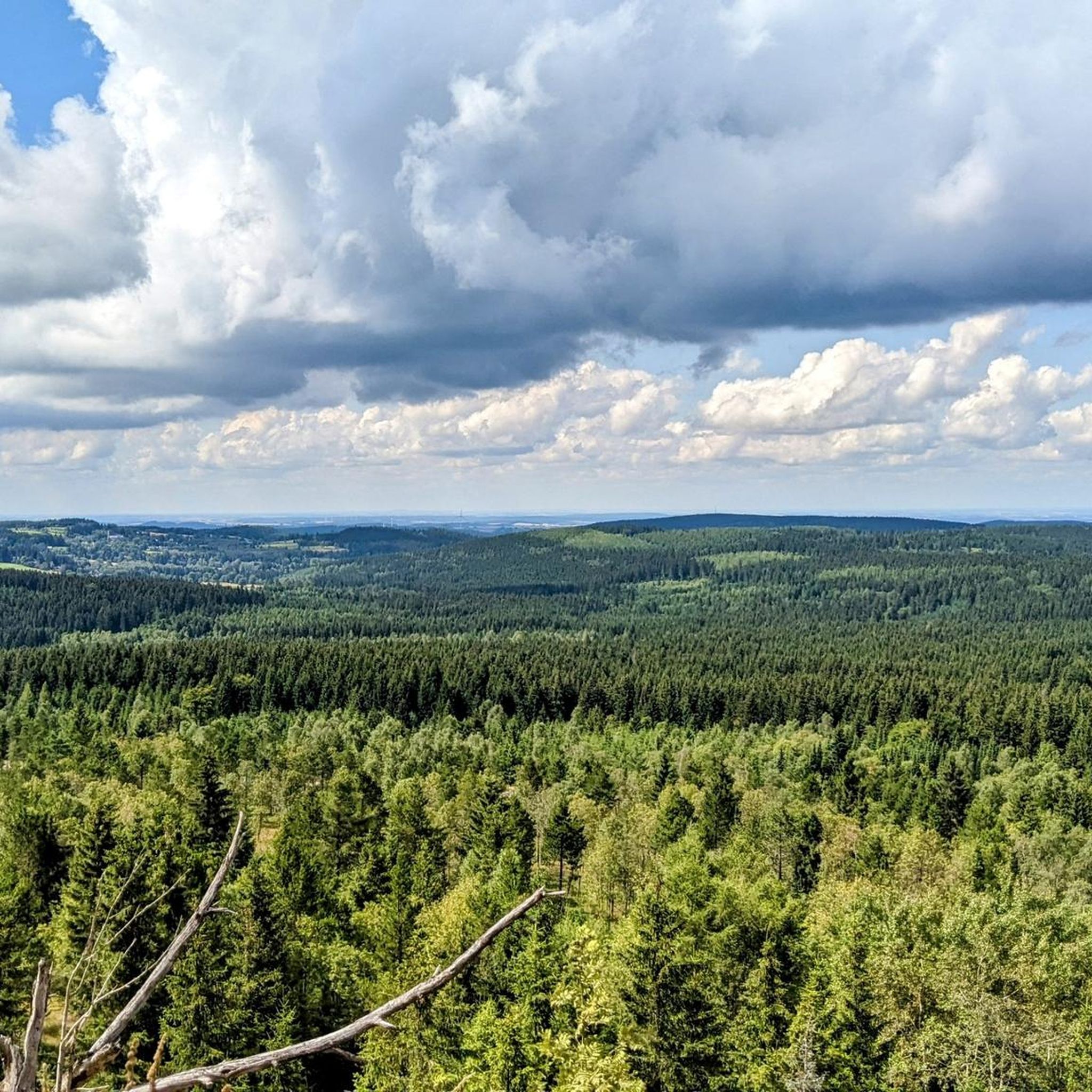
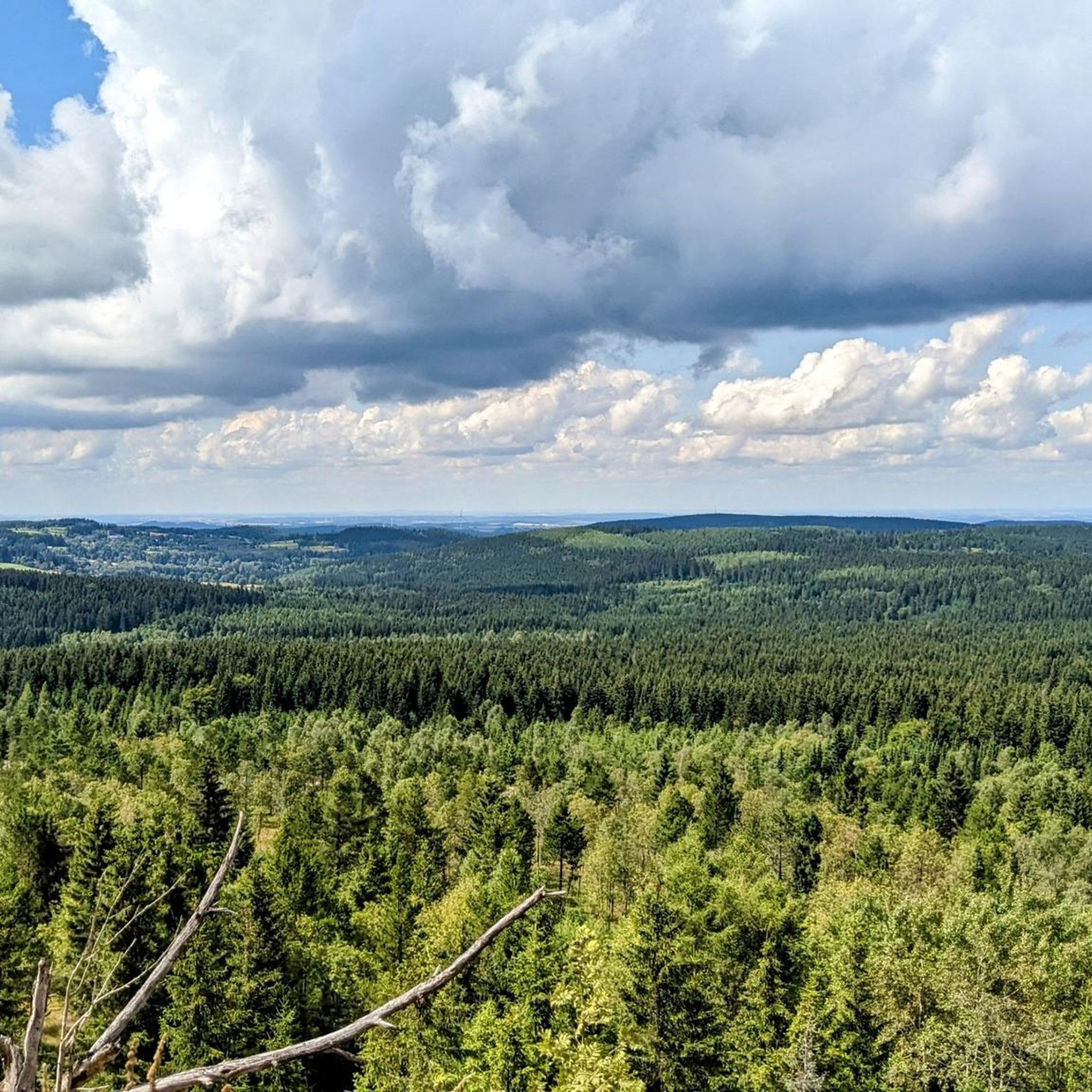
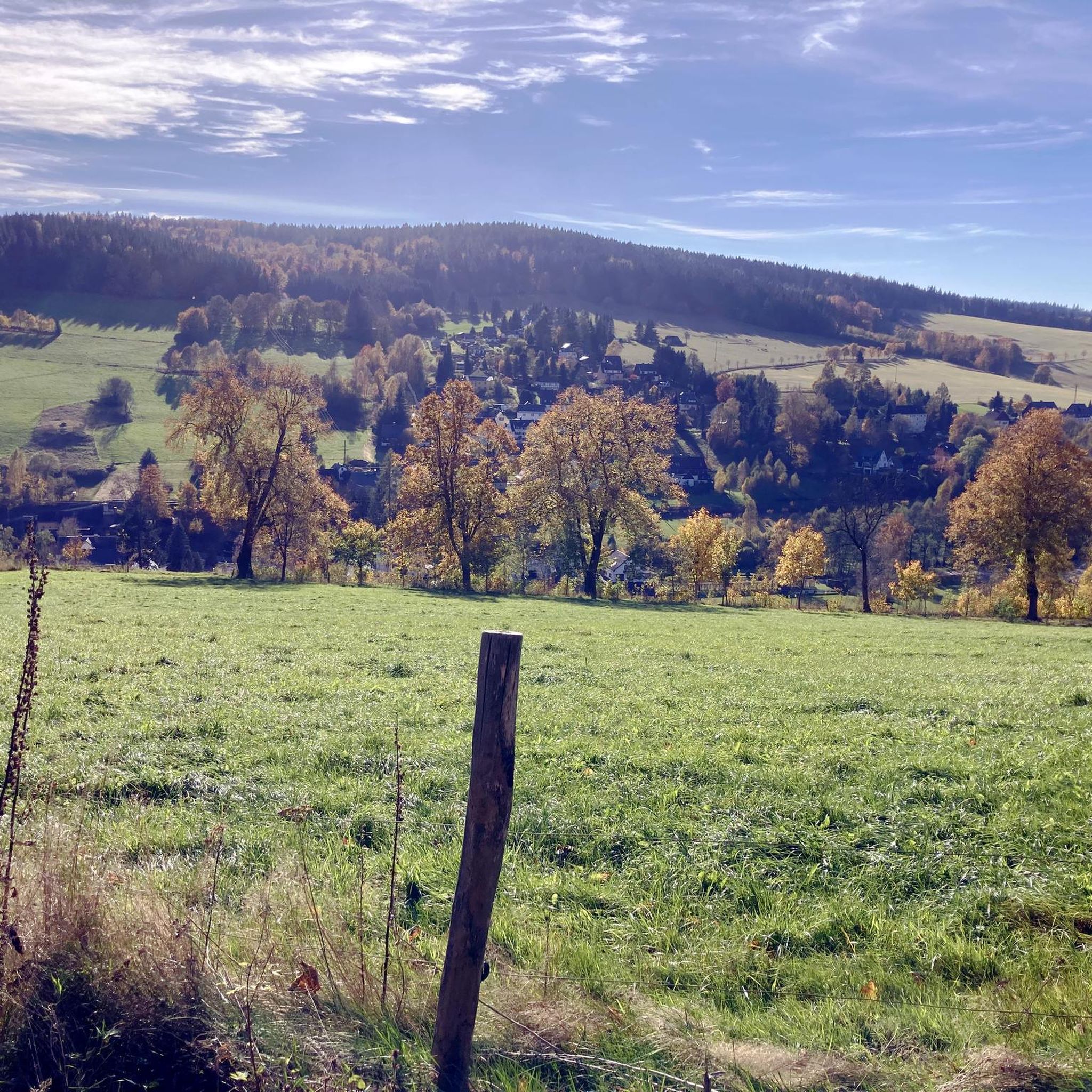
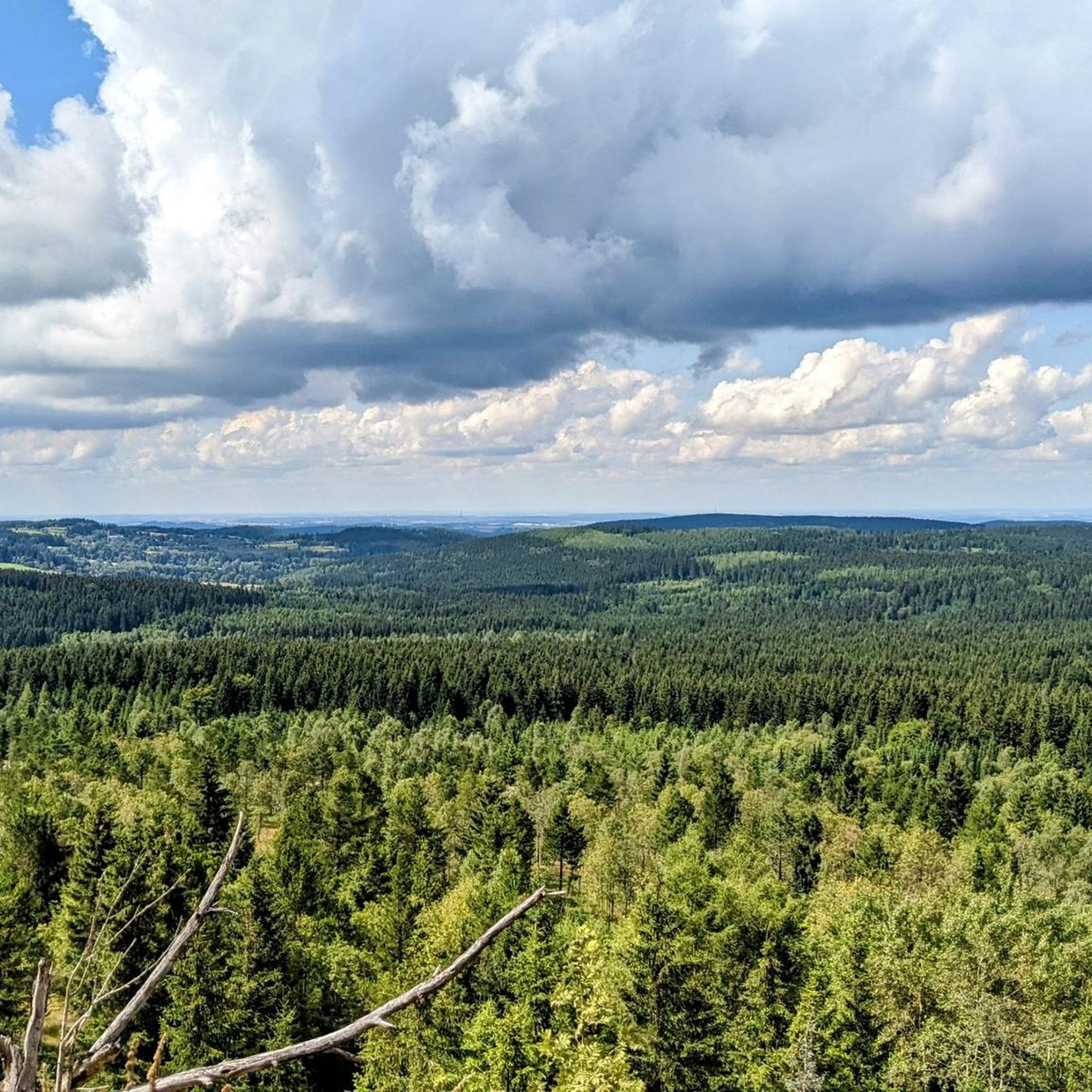
Other adventures in Töpferwald

Tips from the Community

The Gimmlitz rises here and flows into the Freiberger Mulde near Lichtenberg.
1
0

There is an opportunity to take a break at the small Gimmlitz spring. A table and benches invite you to do so. A small water wheel is powered by the Gimmlitz. Nice idea.
4
0

Nice rest area at the Gimmlitzquelle
1
0

What a beautiful valley - for hiking and cycling
2
0

beautiful forest and meadow trail
0
2

A bit unexpected, but in the end somehow cool again.
0
0

also dragon head one of the 8000s
1
0

There are millions of tons of lime in the ground around the local Gimmlitztal, which leads to a unique flora. The lime deposits in the upper reaches of the Gimmlitz cause the flowing water to be alkaline enriched. Thousands of orchids bloom in the moor in the north-east of the limestone building, which is unique in the country. - Blockline adventure book.
1
0
Frequently Asked Questions
What types of natural monuments can I explore in Töpferwald?
Töpferwald offers a diverse range of natural monuments. You can discover protected natural areas like the Gimmlitztal Nature Reserve, known for its unique flora including cotton grass and orchids. The region also features significant geological formations, such as those characterized by quartzite, and historical sites like the Drachenkopf Summit with its historic surveying column. You'll also find tranquil spots like the Gimmlitz Spring, a river source with a small water wheel.
Are there any unique geological features among Töpferwald's natural monuments?
Yes, the region is characterized by significant quartzite formations. Quartzite is a very hard, weather-resistant rock formed millions of years ago, creating distinctive landscapes. These geological formations are a testament to natural processes and offer impressive rock structures for those interested in geology. Pure quartzite is typically white to grey, but can also exhibit various colors due to mineral inclusions. For more information on quartzite, you can visit Wikipedia.
What historical or cultural sites are considered natural monuments in Töpferwald?
The Drachenkopf Summit is a notable example, featuring a historic surveying column from the Royal Saxon Triangulation, dating back to the 19th century. This site offers a glimpse into geodetic history and provides views from an 805.2 m high mountain. Additionally, while not explicitly in Töpferwald, the broader region has historical sites like the Siebenbürgen Burial Mounds, which are early medieval burial sites, offering a connection to ancient cultures.
What is the best time of year to visit the natural monuments in Töpferwald?
The natural monuments in Töpferwald can be enjoyed throughout the year, each season offering a different experience. Spring brings blooming orchids and other unique flora to areas like the Orchid Meadows in the Gimmlitz Valley. Summer is ideal for hiking and exploring the diverse landscapes. Autumn showcases vibrant fall colors, while winter offers a peaceful, snow-covered landscape, with some rest areas like Felseneck Rest Area even covered for comfort during colder months.
Are there family-friendly natural monuments or trails in Töpferwald?
Yes, several natural monuments in Töpferwald are suitable for families. The Gimmlitz Spring, with its small water wheel and available seating, is a pleasant spot for a family break. The Gimmlitztal Nature Reserve also offers family-friendly trails through beautiful meadows and forests. Additionally, the Felseneck Rest Area provides a comfortable spot for families to relax during their explorations.
What outdoor activities can I do near the natural monuments in Töpferwald?
The Töpferwald region is excellent for various outdoor activities. You can find numerous MTB trails, with routes like the 'Rauschenbach Reservoir – Fláje Dam loop from Holzhau'. There are also options for cycling, including challenging routes such as the 'View from Kahleberg – Altenberg Summer Toboggan Run loop'. For those who enjoy running, trails like the 'Holzhau station – Steinbach Stream loop' offer moderate distances.
Are there specific hiking trails that lead to or connect Töpferwald's natural monuments?
While specific named trails directly linking all natural monuments aren't detailed, the region offers a network of paths suitable for hiking. You can explore the Gimmlitztal Nature Reserve on its trails, or hike to the Drachenkopf Summit. Many routes in the area, including those for running, will take you through the diverse landscapes where these monuments are located.
What do visitors enjoy most about the natural monuments in Töpferwald?
Visitors frequently appreciate the pure nature and tranquility of the region. The Gimmlitztal Nature Reserve is often highlighted for its beautiful, protected meadows with unique flora like cotton grass and orchids, offering great hiking and biking trails. The peaceful atmosphere and the opportunity to connect with nature are consistently praised by the komoot community, who have shared over 143 photos and given 225 upvotes for these sites.
Is there parking available near the natural monuments in Töpferwald?
Information on specific parking areas for each natural monument is not detailed, but generally, popular hiking and outdoor activity areas in regions like Töpferwald have designated parking facilities. It is advisable to check local signage or use navigation apps when planning your visit to find the most convenient parking spots near your chosen natural monument.
Can I reach the natural monuments in Töpferwald using public transport?
While direct public transport links to every single natural monument might be limited, the Töpferwald region is generally accessible. Depending on the specific monument, you may find bus stops or train stations in nearby towns or villages, requiring a subsequent walk or a short taxi ride to reach your destination. It's recommended to check local public transport schedules for the specific area you plan to visit.
Are there any hidden or less-known natural monuments worth discovering in Töpferwald?
While the guide highlights popular spots, the Töpferwald region, with its extensive forests and varied terrain, likely holds many smaller, less-known natural gems. Exploring the numerous running, MTB, and cycling routes can lead you to secluded spots and unique natural features not widely publicized, such as the tranquil Gimmlitz Spring, which offers a peaceful break away from larger crowds.
What should I wear when visiting the natural monuments in Töpferwald?
When visiting the natural monuments in Töpferwald, it's best to dress in layers suitable for outdoor activities. Comfortable hiking shoes with good grip are essential, especially if you plan to explore trails or ascend to summits like Drachenkopf Summit. Depending on the season, bring waterproof outerwear, sun protection, and plenty of water. Even in winter, covered rest areas like Felseneck Rest Area can provide shelter, but appropriate warm clothing is crucial.
Most popular routes in Töpferwald
Most popular attractions in Töpferwald

Get inspired with the komoot mobile app


Explore more
Extend your search for the best caves by checking out these guides of the top ones in Töpferwald:
