Top 12 Natural Monuments in Lohmarer Wald
Best natural monuments in Lohmarer Wald are situated between the Wahner Heide and the Siegtal, forming a significant natural area within the Bergische Heideterrasse. This region features diverse ecosystems, including ancient pond systems, stream valleys, and rare moorland habitats. These sites offer unique ecological importance and opportunities for nature observation. The Lohmarer Wald is a valuable area for nature conservation, showcasing varied landscapes.
Best natural monuments in Lohmarer Wald
- The most popular natural monuments is Stallberg Fish Ponds in the…
Last updated: June 30, 2026
Stallberg Fish Ponds in the Gagel Stand
Highlight • Lake
Translated by Google •
Tip by

Twelve Apostles Beech Memorial
Highlight • Monument
Translated by Google •
Tip by

Sign up now to discover places like this
Get recommendations on the best single tracks, peaks, & plenty of other exciting outdoor places.
Sign up for free
Twelve Apostles Beeches and Pond
Highlight • Lake
Translated by Google •
Tip by
Stallberger Ponds in the Gagelbestand Nature Reserve
Highlight • Lake
Translated by Google •
Tip by
Gagelmoor Ponds in Naturpark Bergisches Land
Highlight • Lake
Translated by Google •
Tip by

Sign up for free to discover even more natural monuments in Lohmarer Wald.
Sign up for free
Already have an account?
Start today with a free account
Your next adventure awaits.
Login or Signup

Tips from the Community

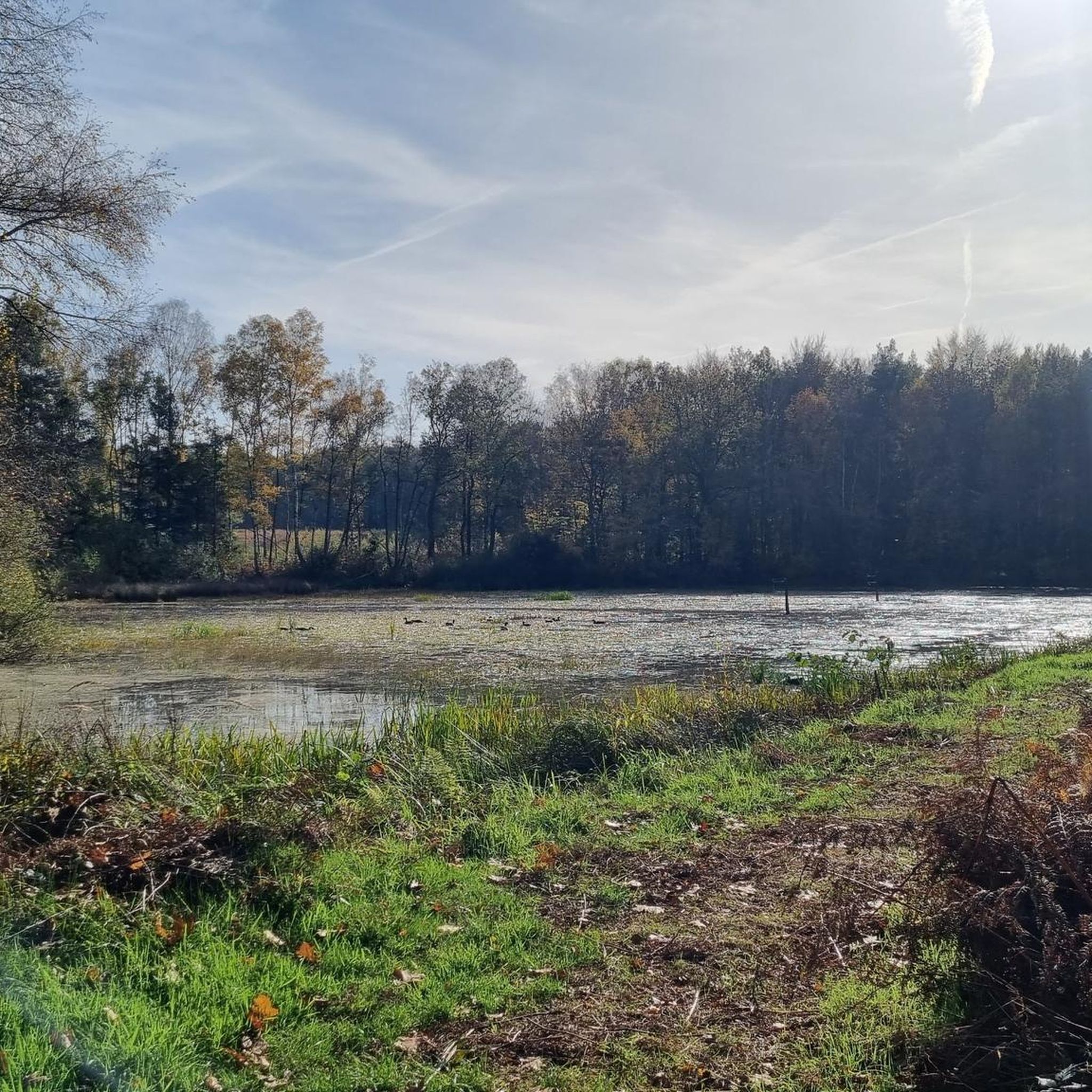
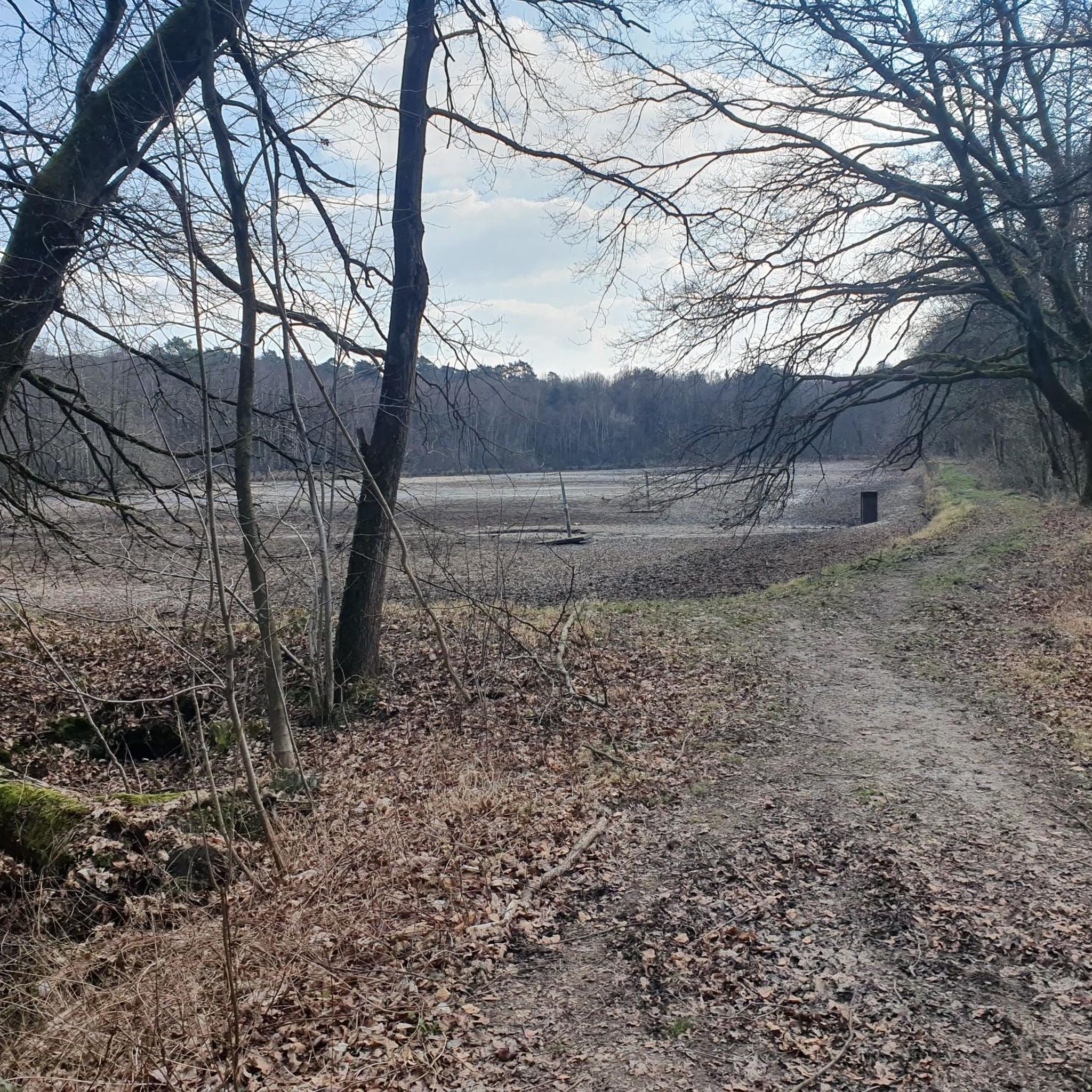
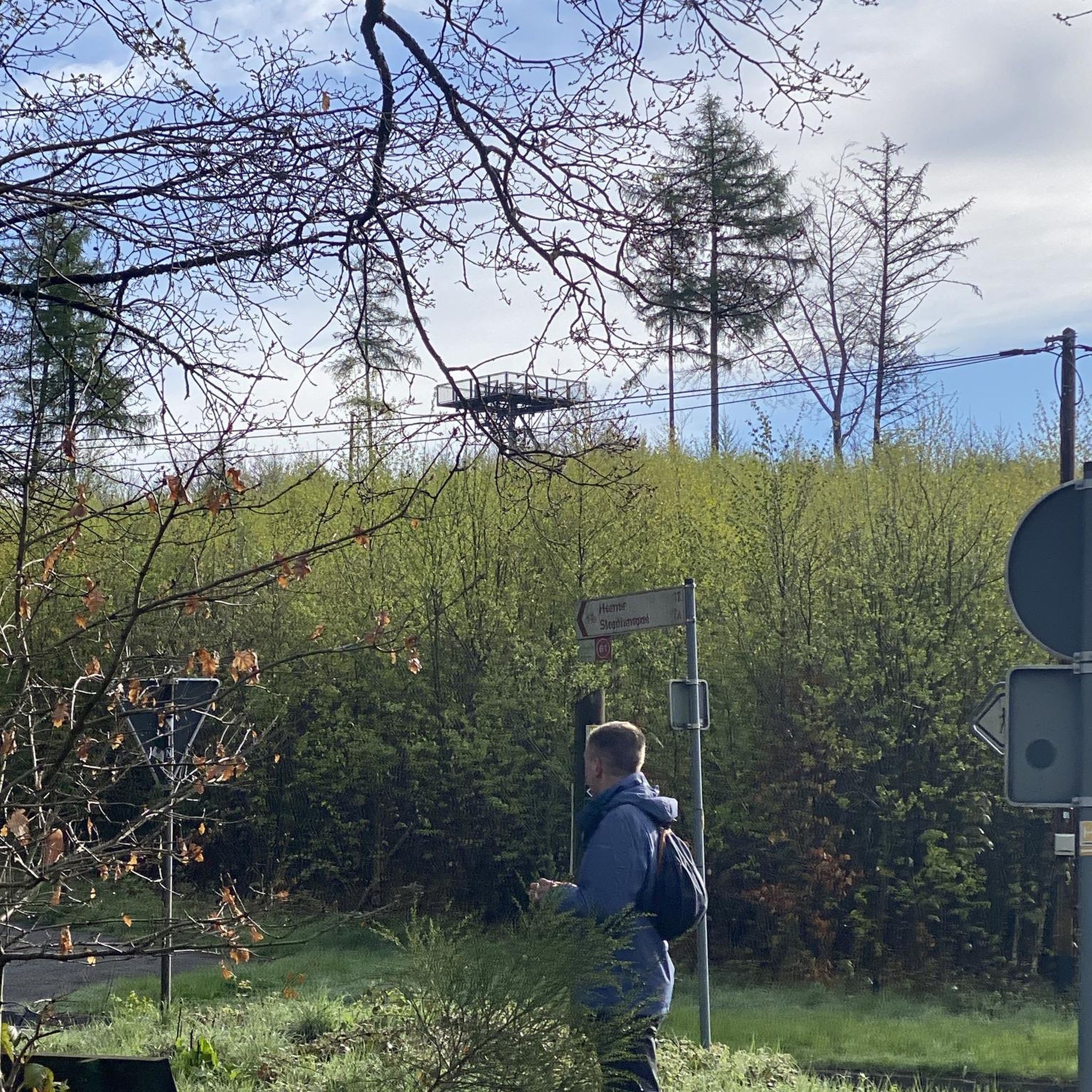
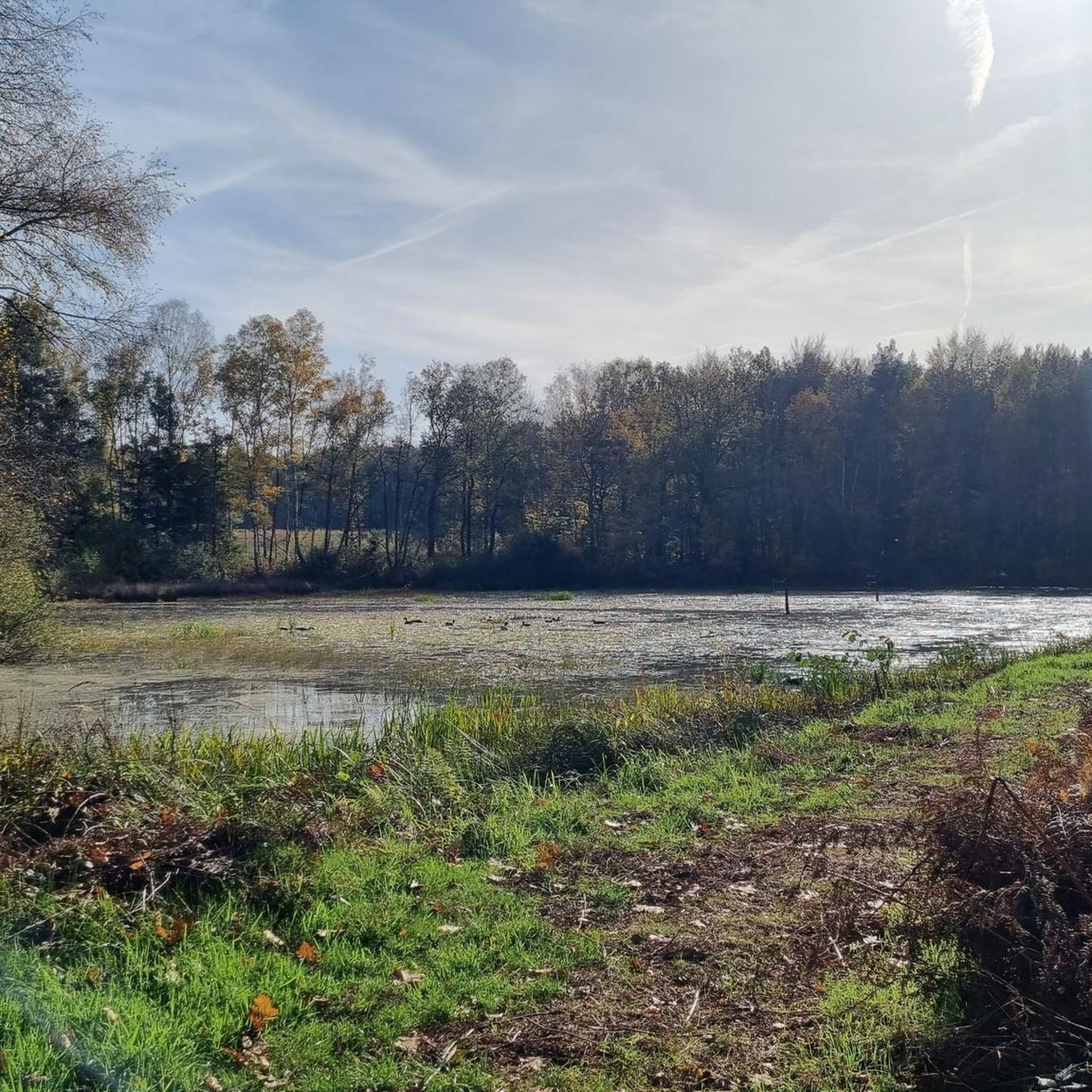
The route leads through the Lohmar Forest, the southernmost part of the Bergische Heideterrasse natural region. Of particular note, and ecologically significant, are the Stallberg Ponds with the Gagelbestand Nature Reserve. For 114 years, these bodies of water, originally created for a monastery, were maintained by a fish farm with respect for nature; however, the lease has now expired, as pond management was no longer economically viable. Furthermore, heathland bogs, swamp forests, marshes, dry sandy grasslands, and stream valleys with willows make the forest a valuable refuge. Targeted development by several project partners, including the cities of Siegburg and Lohmar, aims to optimize the area's potential for environmentally sound use and the preservation of its natural heritage. Sources: https://siegburg.de/stadtleben-aktuelles/aktuelles/nachrichten/2025/mai/natur-im-planungsausschuss/ https://www.regionale2025.de/projekte/48/
1
0

The whole forest area between Siegburg and Lohmar is worth a hiking trip! There is a lot of nature, beautiful, dry paths in an otherwise wet landscape (former moor). Inclines are age appropriate.
0
0

Where are the gale bushes? After all, the NSG on the lower chain of lakes is named after them. Attach hints!
3
0

Since the ponds are managed, they always look different. https://www.lohmarer-wald.net/video/2020-10-25-ip-life/lohmarer-wald-moore-2020-10-25-v3.mp4
1
0

“Each of these crosses can tell its own story and what prompted people to erect “their” cross at this point. (...) These wayside crosses were erected as visible signs and attract the attention of many people. The cross is a symbol of life. It stands as a sign of our Christian hope and wants to direct our gaze to Jesus Christ, who has overcome death (...). The cross is part of our life as it was in the life of Jesus. So I wish that many people … visit the crosses, whether as places of stillness and breathing space before God, whether as places for community gatherings, prayer and praise to God.” (Text source: Dean Rainald M. Ollig in: "Crossroads... small sacred monuments as a sign of popular piety")
6
1

The fish ponds, which have been left to their own devices, are now a retreat for animals and plants such as Myrica gale.
2
0

Beautiful trees, it is worth hiking there, to see a lot of pure nature
6
0

Very idyllic, small pond with a bench. More is not possible.
1
0
Frequently Asked Questions
What are the most popular natural monuments in Lohmarer Wald?
Among the most popular natural monuments are the Stallberg Fish Ponds in the Gagel Stand, known for their varied nature and waterfowl observation. Another significant site is the Twelve Apostles Beech Memorial, a historical location along an old pilgrim path. The Gagelbestand Nature Reserve is also highly regarded for its unique bog myrtle population and moorland habitat.
What unique natural features can I explore in Lohmarer Wald?
Lohmarer Wald offers diverse natural features, including ancient pond systems like the Stallberger Teiche, which are miniature representations of historic pond farming. You can also find deeply incised stream valleys such as the Naturschutzgebiet Gierssiefen, ancient beech forests like the Altbuchenwald auf dem Ingerberg, and rare moor and swamp ecosystems that are crucial habitats for endangered plant species like bog myrtle and intermediate sundew.
Are there family-friendly natural monuments in Lohmarer Wald?
Yes, several natural monuments are suitable for families. The Stallberg Fish Ponds in the Gagel Stand offer pleasant walks between the ponds, where you can observe different waterfowl. The Twelve Apostles Beech Memorial is also considered family-friendly, providing a historical and scenic spot for a break.
What historical or cultural significance do these natural monuments hold?
The Twelve Apostles Beech Memorial is a site of historical significance, replacing original trees that stood along an old pilgrim path to the Rochus Chapel in Seligenthal. The Stallberger Teiche, part of the Stallberg Fish Ponds in the Gagel Stand, continue a centuries-old tradition of pond farming, originally established by Siegburg monks.
What outdoor activities can I do near the natural monuments in Lohmarer Wald?
The Lohmarer Wald provides excellent opportunities for various outdoor activities. You can find numerous routes for hiking, including trails that pass by the Stallberger Ponds and the Twelve Apostles Beech Memorial. There are also options for gravel biking and road cycling, allowing you to explore the diverse landscapes of the region.
Are there specific hiking trails that lead to the natural monuments?
Yes, there are several hiking trails that incorporate the natural monuments. For instance, the 'Stallberger Ponds – Twelve Apostles Beech Memorial loop from Lohmar' is a moderate 9.2 km hike. Another option is the 'Stallberger Ponds – Gagelbestand Nature Reserve loop from Lohmar', covering 9.5 km. You can find more hiking routes in the Hiking in Lohmarer Wald guide.
What is the best time to visit the natural monuments in Lohmarer Wald?
The natural monuments in Lohmarer Wald offer varied nature throughout the year. Spring and summer are ideal for observing diverse flora, including rare plants like bog myrtle and white water lilies, and for enjoying the lush forest. Autumn provides beautiful foliage, while winter can offer serene, quiet walks, though some areas might be muddy after rain.
What kind of wildlife can I observe in the natural monuments area?
The diverse ecosystems of Lohmarer Wald support a variety of wildlife. Around the Stallberg Fish Ponds, you can observe different waterfowl. The moor and swamp ecosystems are particularly important for rare species, including the keilfleck mosaic dragonfly, and provide habitats for various amphibians and insects.
Are there any natural forest areas left untouched by human intervention?
Yes, the Altbuchenwald auf dem Ingerberg (Old Beech Forest on Ingerberg) is a designated 'natural forest cell' or biotop. This approximately 66,000 square meter area is intentionally left to natural development, allowing the forest to evolve without human intervention. It serves as a valuable site for observing natural ecological processes and provides a sanctuary for numerous rare plants and animals.
What makes the Gagelbestand Nature Reserve special?
The Gagelbestand Nature Reserve is particularly special for its abundance of bog myrtle (Myrica gale), a plant listed on the Red List of endangered species in Germany. The area around its ponds is also home to various rare plants like adder's tongue fern and marsh cinquefoil, making it a valuable botanical site. Access to certain areas is restricted to protect its unique moorland habitat.
Can I bring my dog to the natural monuments in Lohmarer Wald?
While specific rules for each monument may vary, generally, dogs are welcome on trails in natural areas like Lohmarer Wald, often on a leash. When visiting sensitive nature reserves like the Gagelbestand Nature Reserve, it's important to stay on marked paths to protect the delicate ecosystems and wildlife.
What do visitors enjoy most about the natural monuments in Lohmarer Wald?
Visitors frequently appreciate the varied nature and opportunities for observing waterfowl around the Stallberg Fish Ponds. Many find the Twelve Apostles Beech Memorial a nice place to take a break and reflect on its history. The overall appeal lies in the peaceful, natural environment and the chance to experience unique ecosystems.
Most popular routes in Lohmarer Wald
Most popular attractions in Lohmarer Wald

Get inspired with the komoot mobile app


Explore more
Extend your search for the best caves by checking out these guides of the top ones in Lohmarer Wald:
