Top 5 Natural Monuments in Heinzenberg
Best natural monuments in Heinzenberg offer a diverse landscape featuring serene lakes, protected nature reserves, and historical sites. The region provides opportunities to explore natural habitats and tranquil spots. Visitors can discover areas rich in flora and fauna, alongside remnants of historical water management.
Best natural monuments in Heinzenberg
- The most popular natural monument is Römerweiher, a lake that features a rest area with a terrace and platform. It is known as an idyllic pond.
- Another must-see spot is…
Last updated: June 30, 2026
Römerweiher
Highlight • Lake
Translated by Google •
Tip by

Breakfast Beech
Highlight • Natural Monument
Translated by Google •
Tip by

Sign up now to discover places like this
Get recommendations on the best single tracks, peaks, & plenty of other exciting outdoor places.
Sign up for free
Pond Stahlbuschseifen
Highlight • Lake
Translated by Google •
Tip by

Deichelweiher In der Rhenn
Highlight • Historical Site
Translated by Google •
Tip by

Haubachtal Nature Reserve
Highlight (Segment) • Natural Monument
The important nature reserve is not only because of the rich occurrence of rare species, i.a. Orchid species, such as …
Translated by Google •
Tip by
Sign up for free to discover even more natural monuments in Heinzenberg.
Sign up for free
Already have an account?
Start today with a free account
Your next adventure awaits.
Login or Signup

Tips from the Community

The Breakfast Beech was originally a striking group of three beech trees near Nettersheim in the Eifel region, which sadly no longer exists in its original form. This group of beech trees probably got its name from hikers or forestry workers who traditionally rested there and ate their breakfast. The group of trees became known nationwide because it withstood the severe hurricane Wiebke in 1990, even though large areas of forest were destroyed in the surrounding area. However, the three mighty beech trees fell in 2017. A new tree, often described as a copper beech, was planted in its place to preserve the memory of this special place. The Breakfast Beech is now best known as the namesake of the popular Eifel Loop, the Breakfast Beech, a moderately difficult circular hiking trail with a length of approximately 13 to 14 kilometers. The hike usually starts at the Eifel Nature Center in Nettersheim and leads hikers through a region steeped in history and scenic beauty. Along the route, hikers pass relics of a 19th-century lime kiln, including lime kilns and a limestone quarry. A significant highlight of the hike is the Nettersheim Archaeological Landscape Park, where visitors can discover traces of the Romans. This is where the temple complex of the so-called Görresburg is located, where protective and matronly deities were once worshipped. The hiking route also leads through the Schleifbachtal nature reserve, touches the Roman pond on the Urft River, and repeatedly offers expansive panoramas of the Eifel. The entire tour combines nature experiences, forest trails, and the discovery of Roman history in the Eifel.
0
0

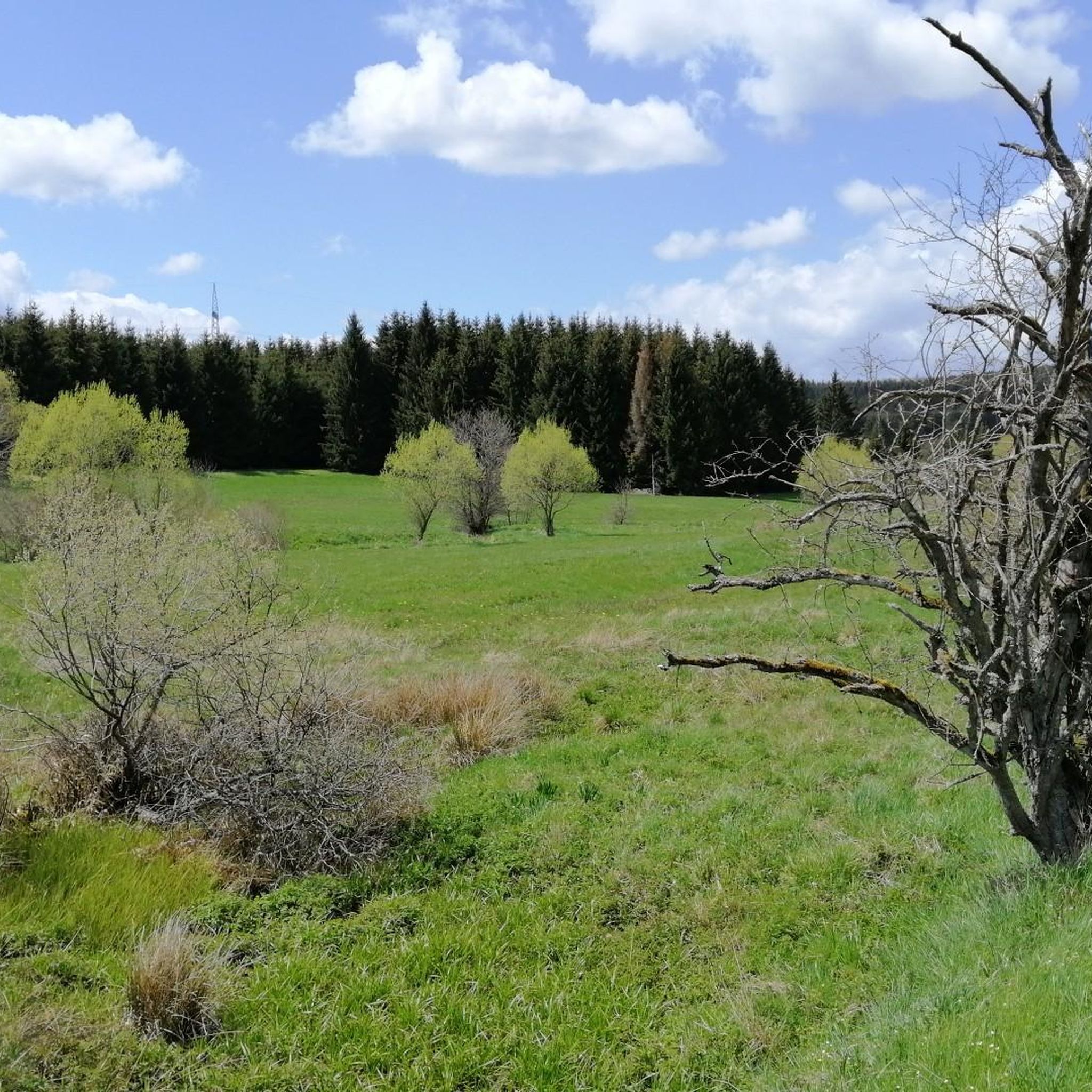
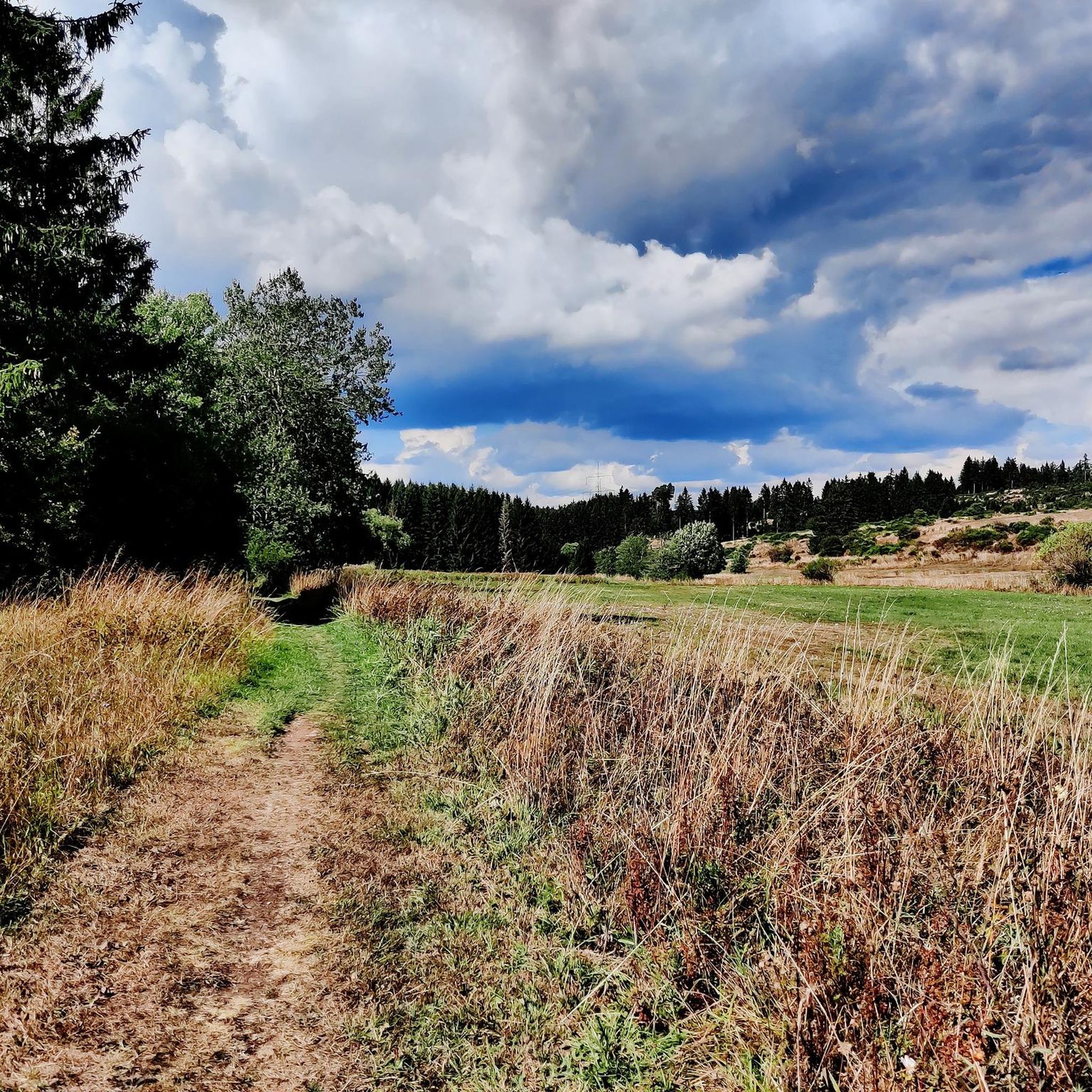
A quiet pond with a lovely resting area. According to my maps (Outdooravtive AND Garmin Topo), the water is part of the Stahlbuschsiefen stream, which flows into the Haubach stream just beyond the pond. https://entdecke.nrw/project/naturschutzgebiet-haubachtal/ (THE link is current).
0
0

The Breakfast Beech was a mighty group of beech trees that defied Hurricane Wiebke in 1990. The storm destroyed a large portion of the surrounding forest. By 1993, a total of 23 hectares of mixed forest consisting of common beech, sessile oak, ash, alder, hornbeam, and Douglas fir had been reforested. Unfortunately, in 2017, the beech group had to be felled for safety reasons. A young copper beech was planted in its place as a replacement. Source: https://www.outdooractive.com/mobile/de/route/wanderung/eifelschleife-fruehstuecksbuche-gemeinde-nettersheim-/41641196/
0
0

Nice rest area even with a terrace on the lake.
8
0

Part of the Eifelsteig, stage 6 https://youtu.be/jHUprXl805k
0
0

There has also been a small refuge here for some time. The Eifel loop is named after the “Breakfast Beech”. There you can also find the explanation of the name: "The breakfast beech was a mighty group of beech trees that defied Hurricane Wiebke in 1990. The hurricane destroyed a large part of the surrounding forest areas. By 1993, a total of 23 hectares of mixed forest, consisting of copper beeches, Sessile oaks, ash trees, red alders, hornbeams and Douglas firs were reforested. Unfortunately, the group of beech trees had to be felled in 2017 for safety reasons. As a replacement, a young copper beech tree was planted at this point."
2
0

The dam is 30 m long and 2.5 m high in the central part; it has a sole width of 5 - 6 m and a crown of 2 m width. The dam has broken through in the middle today, so that the former pond area is largely dry. An entry in the so-called "Tranchot map", the map of the Rhineland from the French era, shows that this is a historical site. In the Blankenheim sheet of this topographical map series made in 1808/09, the pond behind the dam is shown as a body of water. https://www.tiergartentunnel.de/3.-staudamm.html
3
0
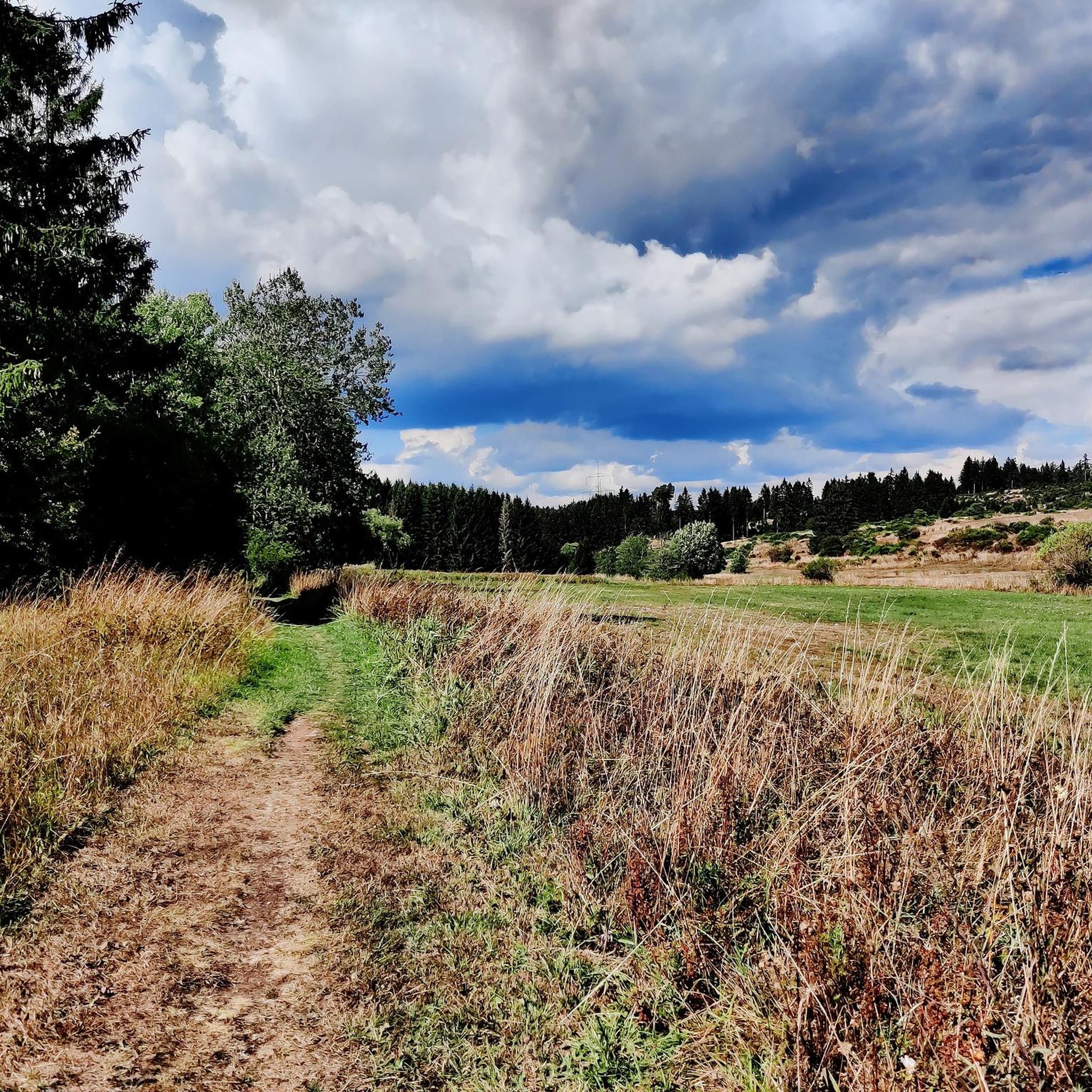
The NSG Haubachtal is a worthwhile hiking destination, especially when the orchids are in bloom.
3
0
Frequently Asked Questions
What are the most notable natural monuments to visit in Heinzenberg?
Heinzenberg offers a variety of natural monuments. Among the most popular are Römerweiher, an idyllic pond with a rest area, and Pond Stahlbuschseifen, known for its diverse habitat and picnic spots. The Haubachtal Nature Reserve is also a must-see, celebrated for its rare species like orchids and butterflies.
Are there family-friendly natural monuments in Heinzenberg?
Yes, several natural monuments in Heinzenberg are suitable for families. Römerweiher and Pond Stahlbuschseifen are both great for a relaxed outing or a picnic. The Haubachtal Nature Reserve also offers engaging experiences for all ages with its rich flora and fauna.
What kind of natural features can I expect to see in Heinzenberg?
Heinzenberg's natural monuments primarily feature serene lakes and ponds, such as Römerweiher and Pond Stahlbuschseifen. You'll also find protected nature reserves like the Haubachtal Nature Reserve, which boasts diverse ecosystems, including rare orchids, butterflies, amphibians, and birds. Forested areas are also common, providing habitat and scenic beauty.
Are there any historical sites among the natural monuments in Heinzenberg?
Yes, the region combines natural beauty with historical significance. The Deichelweiher In der Rhenn is a historical site featuring remnants of a dike pond that once supplied water to Blankenheim Castle. Additionally, the Breakfast Beech, while a natural monument, has a story rooted in the area's history, commemorating a resilient group of beech trees and subsequent reforestation efforts.
What outdoor activities can I do near the natural monuments in Heinzenberg?
The Heinzenberg region is excellent for various outdoor activities. You can explore numerous hiking trails, including easy routes like the 'Woodland Music Picnic Shelter – Römerweiher loop'. For more active pursuits, there are options for gravel biking and running. Find detailed routes and guides for hiking, gravel biking, and running in Heinzenberg.
What is the best time of year to visit the natural monuments in Heinzenberg?
The natural monuments in Heinzenberg offer a different picture in every season. Spring and summer are ideal for seeing the diverse flora, especially the orchids in bloom at the Haubachtal Nature Reserve and enjoying picnics by the ponds. Autumn brings vibrant colors to the forested areas, while winter can offer a tranquil, snow-covered landscape, though some trails might require appropriate gear.
Are there hiking trails that include these natural monuments?
Yes, many hiking routes in Heinzenberg incorporate these natural highlights. For instance, an easy loop trail called 'Woodland Music Picnic Shelter – Römerweiher loop' takes you past Römerweiher. The Haubachtal Nature Reserve is also a popular destination for hikers, especially when orchids are in bloom. You can find more hiking options in the Heinzenberg hiking guide.
What do visitors enjoy most about the natural monuments in Heinzenberg?
Visitors frequently praise the serene and idyllic atmosphere of places like Römerweiher and Pond Stahlbuschseifen, highlighting them as perfect spots for relaxation and picnics. The rich biodiversity and seasonal beauty of the Haubachtal Nature Reserve are also highly appreciated, offering a unique natural experience throughout the year.
Are the natural monuments in Heinzenberg accessible by public transport?
While specific public transport details for each monument vary, the Heinzenberg region generally has connections to nearby towns. It's advisable to check local bus schedules or regional transport options to plan your visit, especially if you intend to reach trailheads or specific sites without a car.
Are there any less crowded natural monuments in Heinzenberg for a quieter experience?
While popular spots like Römerweiher can attract visitors, the broader Haubachtal Nature Reserve offers extensive areas where you can find solitude amidst nature. Exploring some of the less-trafficked trails within the nature reserve or visiting during off-peak hours can provide a more peaceful experience.
What should I bring when visiting the natural monuments, especially for hiking?
When exploring Heinzenberg's natural monuments and trails, it's recommended to bring appropriate hiking footwear, water, snacks, and weather-appropriate clothing. Depending on the season, insect repellent can be useful, especially near ponds and forested areas. Don't forget your camera to capture the scenic views and diverse wildlife.
Can I find places to eat or stay near the natural monuments in Heinzenberg?
The Heinzenberg region, being close to towns like Nettersheim and Blankenheim, offers various options for dining and accommodation. While there might not be facilities directly at every natural monument, you can find cafes, restaurants, and guesthouses in the surrounding villages, making it convenient to combine your nature visit with local hospitality.
Most popular routes in Heinzenberg
Most popular attractions in Heinzenberg

Get inspired with the komoot mobile app


Explore more
Extend your search for the best caves by checking out these guides of the top ones in Heinzenberg:
