Top 9 Natural Monuments around Neiva
Natural monuments around Neiva, the capital of Colombia's Huila Department, showcase diverse landscapes and ecological significance. The region features unique semi-desert environments, vital river systems, and protected natural parks. These areas offer opportunities to experience varied terrain, from arid formations to lush forests. Neiva's surroundings are characterized by significant natural features, including a major river and mountainous areas.
Best natural monuments around Neiva
- The most popular natural monuments is 25th of April Monument 🇵🇹 Liberty Square, a man-made monument…
Last updated: August 9, 2026
25th of April Monument 🇵🇹 Liberty Square
Highlight • Monument
Translated by Google •
Tip by

Neiva Estuary
Highlight • River
Translated by Google •
Tip by

Sign up now to discover places like this
Get recommendations on the best single tracks, peaks, & plenty of other exciting outdoor places.
Sign up for free
Belinho Beach
Highlight • Beach
Translated by Google •
Tip by

Rio Neiva Estuary
Highlight • River
Translated by Google •
Tip by
Parque Natural do Litoral Norte Beach
Highlight • Beach
Translated by Google •
Tip by

Sign up for free to discover even more natural monuments around Neiva.
Sign up for free
Already have an account?
Start today with a free account
Your next adventure awaits.
Login or Signup
Tips from the Community

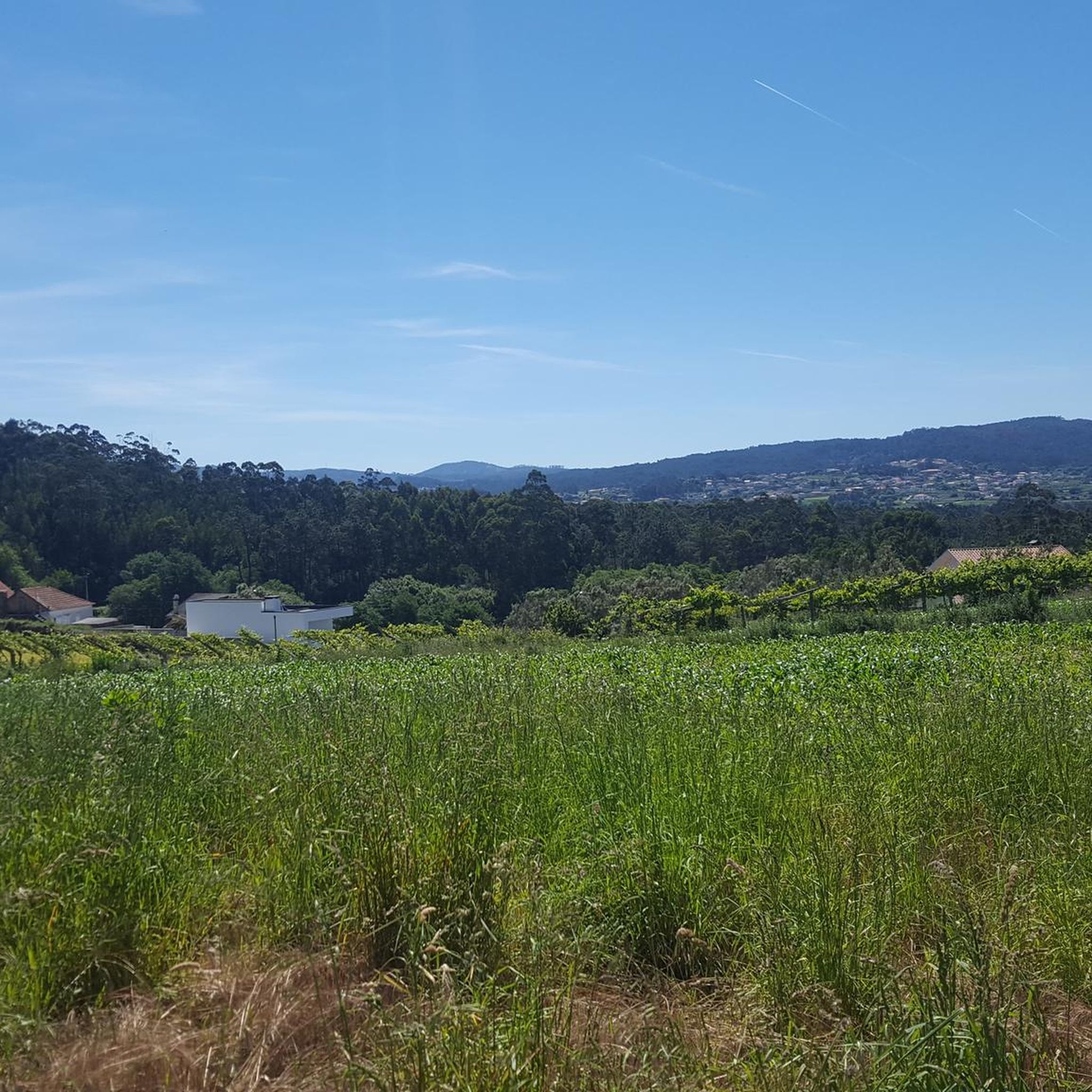
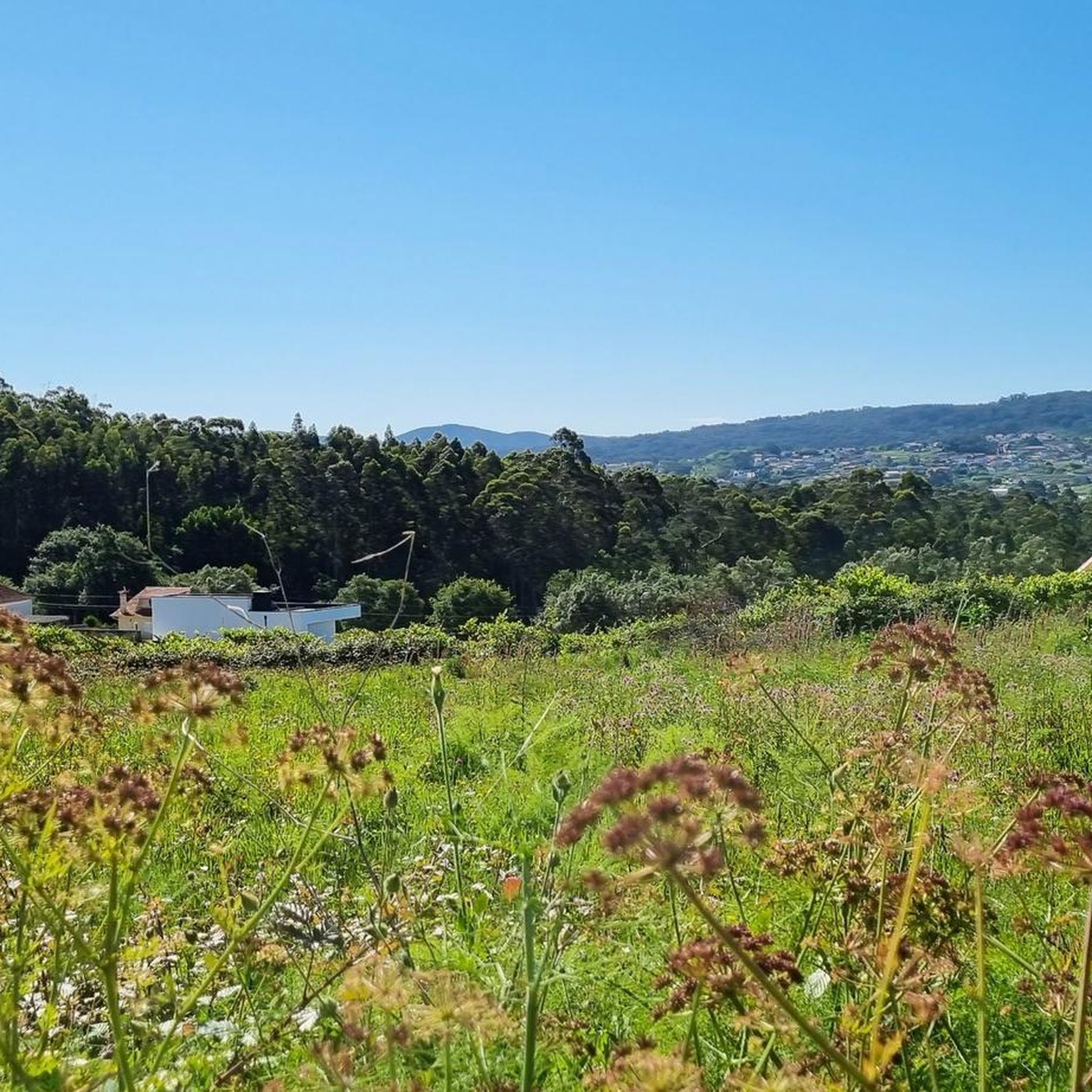
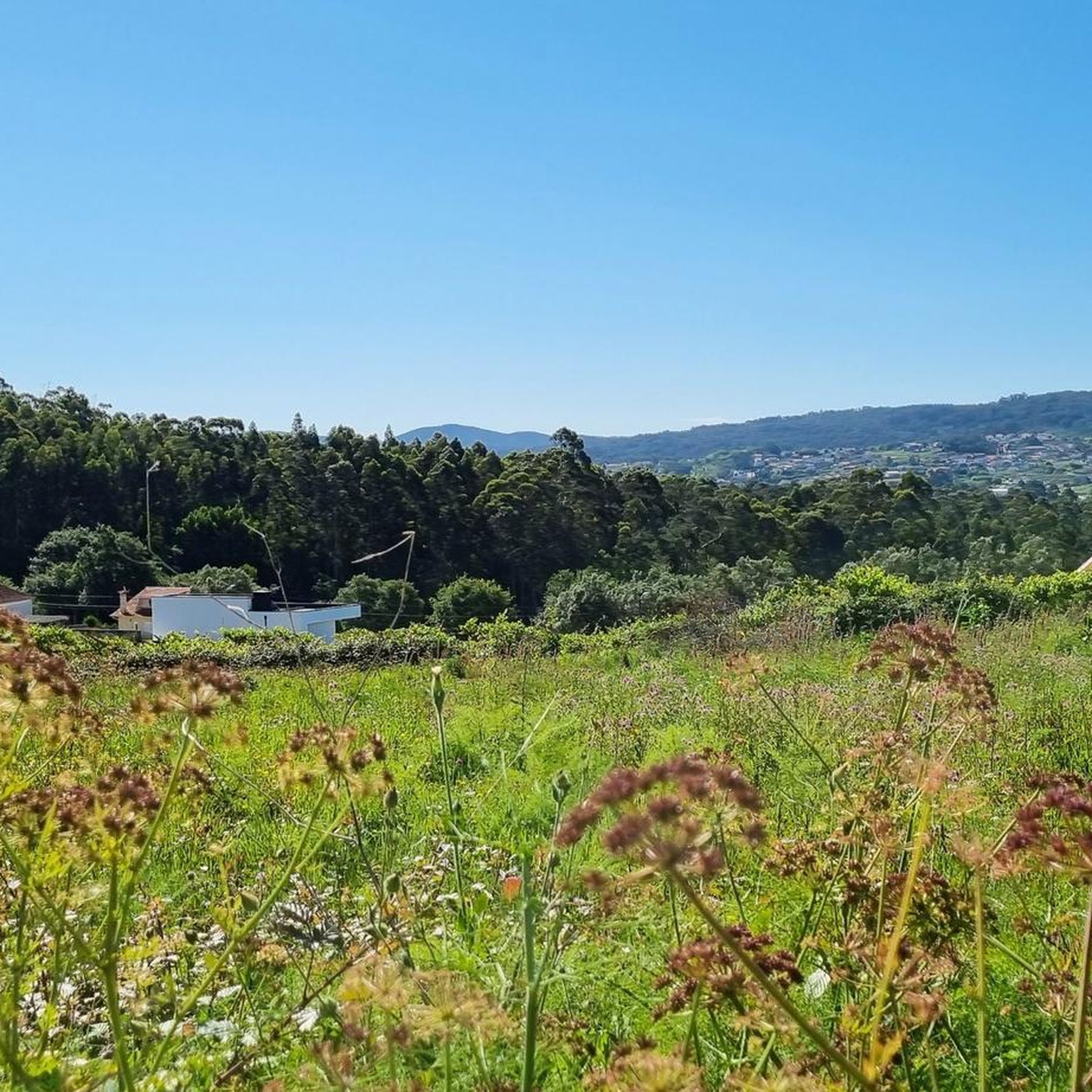
What to do and Nearby Points of Interest North Coast Ecovia: The estuary is a key point on the North Coast Ecovia, a pedestrian and cycle path that follows the coast and riverbanks. Bridge over the Neiva River: A pedestrian and cycle bridge with remarkable architecture was inaugurated in 2019 over the river, allowing crossing and continuity of the ecovia route. Hiking and Cycling: The area is ideal for leisurely walks, allowing visitors to enjoy the natural and bucolic landscape of the banks. Antas Hunting and Fishing Club: The local club manages fishing activity in the area and organizes initiatives for the protection of wildlife. The Neiva Estuary is a place of great serenity and beauty, ideal for those seeking direct contact with nature and outdoor activities.
1
0
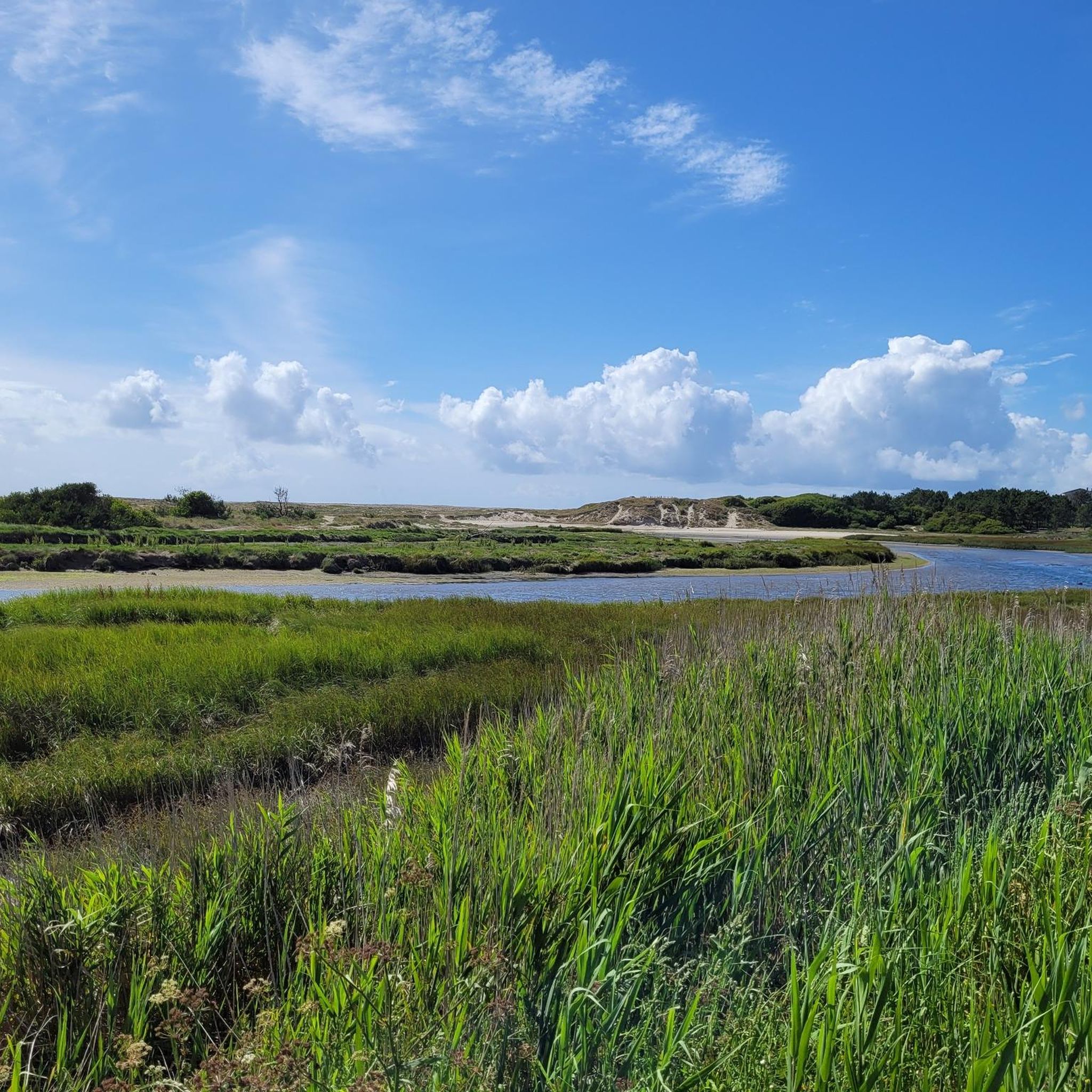
Characteristics and Ecological Importance Biodiversity: The estuary is a crucial habitat for local fauna and flora. The presence of fresh and salt water creates a unique ecosystem that attracts a variety of aquatic birds and fish species, making it a place of interest for birdwatching. Protected Area: The area is part of the Esposende Coastal Protected Landscape, which attests to its relevance in terms of nature conservation.
1
0
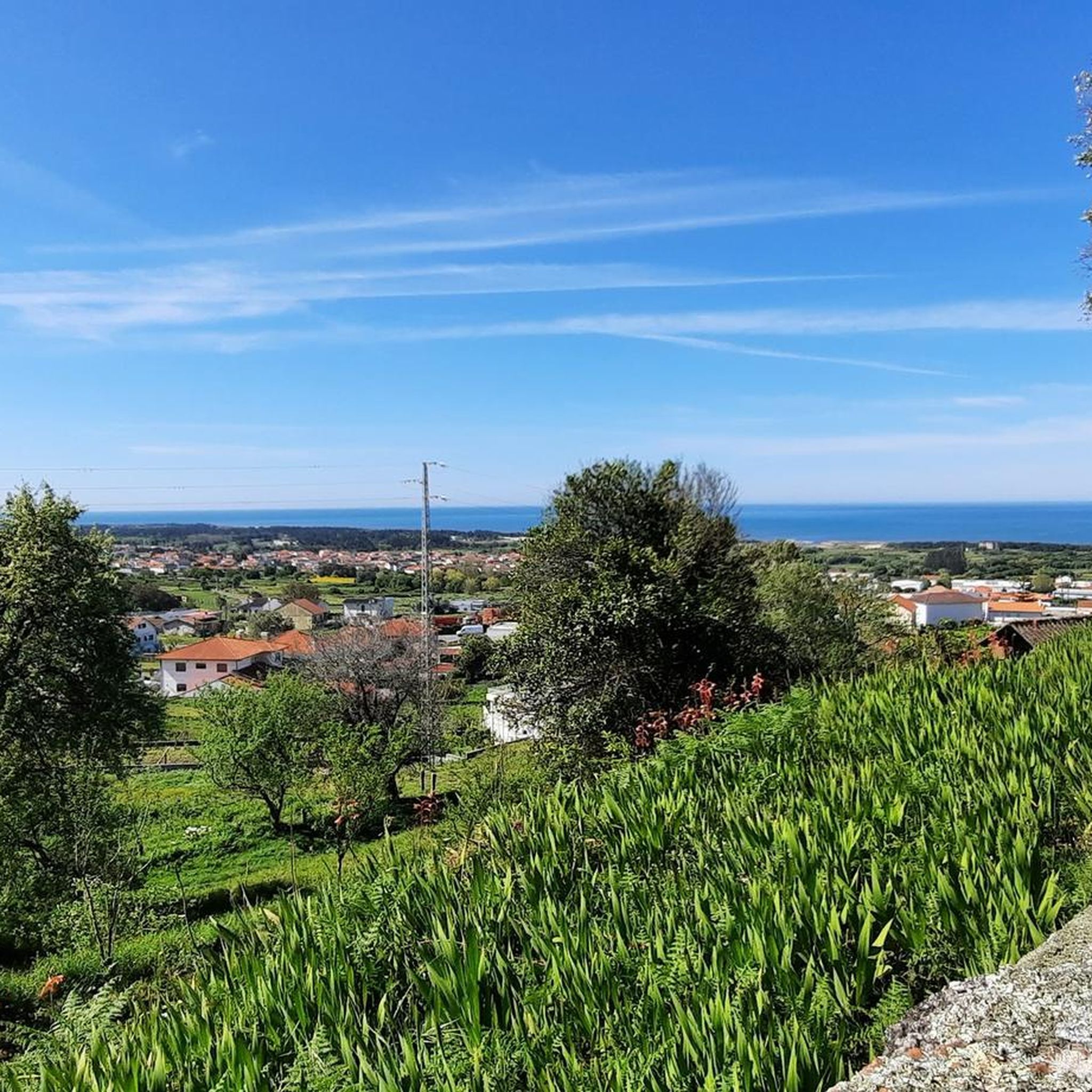
The Neiva River Estuary is located in northern Portugal, in the municipality of Esposende, in the parish of Antas. This estuary is a place of great ecological and scenic importance, marked by the meeting of the Neiva River with the Atlantic Ocean.
1
0

The height of this sculpture is imposing.
2
1

At the end of Praia da Liberdade, near the river, stands the monument dedicated to April 25, 1974 (Estátua do 25 de abril or Estátua da Liberdade), a tribute to the people of Viana who fought for freedom. This sculpture by José Rodrigues was inaugurated on April 25, 1999. Beautiful for photos; the fountains create a small water feature show.
2
0

A beautiful view of the ocean with the mouth of the Rio Neiva. Very invigorating.
0
1

On the banks of the Neiva River, traces of ancient human activities such as mills, sawmills and flax mills that once gave life to the region still remain. Today, this natural setting is home to a rich biodiversity: trout and bream glide through the waters, otters peek out curiously, and in the sky, birds fill the estuary with movement. Among the winged inhabitants, the grey heron, the mallard, the yellow-legged gull and the agile kingfisher stand out.
2
2
Belinho Beach stretches for about three kilometres, flanked by a long line of dunes where small wetlands are hidden. The sand is unique, made up of quartzite pebbles of various sizes, which shine in the sun. You can explore the dune landscape on the boardwalk that stretches for several kilometres, crossing a strip of sand that is about 300 metres wide.
2
0
Frequently Asked Questions
What are the most prominent natural monuments to visit around Neiva?
The region around Neiva, Colombia, offers several remarkable natural monuments. Key attractions include the unique Tatacoa Desert with its distinctive red and gray rock formations, the lush Río Las Ceibas Natural Area, and the historically significant Cueva de los Guácharos National Natural Park, known for its caves and oilbirds.
What kind of unique landscapes can I expect to see in the Tatacoa Desert?
The Tatacoa Desert is a semi-desert characterized by its dramatic red and gray rock formations, dry valleys, and arid terrain. It covers approximately 330 square kilometers and features two main areas: one with reddish dunes and another with gray dunes, offering a truly otherworldly landscape.
Are there opportunities for stargazing near Neiva?
Yes, the Tatacoa Desert is particularly famous for its exceptional stargazing conditions. Its clear atmosphere and lack of light pollution provide incredible views of the night sky, including the Milky Way, making it a prime location for astronomy enthusiasts.
What activities can I do at the Río Las Ceibas Natural Area?
The Río Las Ceibas Natural Area, close to Neiva, is characterized by lush greenery and rolling hills. It offers excellent opportunities for outdoor activities such as hiking and enjoying fresh air, providing a verdant contrast to the nearby desert landscapes.
What makes Cueva de los Guácharos National Natural Park special?
Cueva de los Guácharos National Natural Park holds the distinction of being Colombia's first national natural park, established in 1960. It is renowned for its unique cave systems, rich vegetation, and waterfalls, and is named after the Guácharo bird (oilbird) that inhabits its caves. It's an important site for exploring diverse wildlife and conservation history.
Can I find waterfalls or thermal springs near Neiva?
Yes, the Huila department features the impressive Salto de Bordones, recognized as one of Colombia's highest waterfalls, offering a striking natural spectacle. Additionally, the Hot Springs of Rivera provide a relaxing natural thermal experience.
Are there any natural areas suitable for water activities or scenic views?
The Embalse de Betania (Betania Dam) is a popular spot near Neiva that offers breathtaking views and is ideal for fishing and various water activities. The Magdalena River, which flows through Neiva, also provides opportunities for boat tours and scenic strolls along its banks.
What is the 'Mano del Gigante' and what does it offer?
The Mano del Gigante (Giant's Hand) is an artistic viewpoint situated in a natural setting, offering panoramic views of the coffee landscape and surrounding nature. It features an 11-meter high handcrafted sculpture of a giant hand, providing a unique photo opportunity and a memorable vista.
Are there any historical or paleontological sites among the natural monuments?
The Tatacoa Desert holds paleontological significance, with a museum in the nearby town of Villavieja showcasing fossils found in the region. This adds a historical and scientific dimension to its natural beauty.
What outdoor activities can I do near Neiva's natural monuments?
While the specific routes listed are for a different region, conceptually, areas like the Río Las Ceibas Natural Area offer hiking. The Magdalena River provides opportunities for boat tours. For general outdoor activities, you can explore options like gravel biking, cycling, and running. For example, you can find routes for gravel biking, cycling, and running in the broader Neiva area.
Are there family-friendly natural attractions around Neiva?
Many natural monuments around Neiva can be enjoyed by families. The Río Las Ceibas Natural Area is great for easy hikes, and the Malecón del Río Magdalena offers pleasant strolls. The Embalse de Betania is also suitable for family outings with water activities and scenic views.
What is the best time to visit the natural monuments around Neiva?
Generally, the dry season is often preferred for visiting outdoor natural attractions like the Tatacoa Desert, as it ensures clearer skies for stargazing and more comfortable hiking conditions. However, the lush areas like Río Las Ceibas are beautiful year-round. Always check local weather forecasts before your visit.
Most popular attractions around Neiva

Get inspired with the komoot mobile app


Explore more
Extend your search for the best caves by checking out these guides of the top ones around Neiva:
