Top 15 Natural Monuments around Serra De Santo António
Best natural monuments around Serra De Santo António are primarily found within the Serras de Aire e Candeeiros Nature Park, a region characterized by its limestone geology. This area is known for impressive geological formations, including extensive cave systems and unique karst landscapes. The natural monuments here offer insights into millions of years of Earth's history. Serra De Santo António provides a diverse range of natural features for exploration.
Best natural monuments around Serra De Santo António
- The most popular…
Last updated: June 30, 2026
Fórnea Waterfall
Highlight • Waterfall
Tip by

PR3 Hiking Trail – Serras de Aire e Candeeiros Natural Park
Highlight • Trail
Translated by Google •
Tip by

Sign up now to discover places like this
Get recommendations on the best single tracks, peaks, & plenty of other exciting outdoor places.
Sign up for free
Peão Fountain - Monsanto
Highlight • Natural Monument
Translated by Google •
Tip by

Cova da Velha
Highlight • Cave
Translated by Google •
Tip by

Grutas de Mira de Aire
Highlight • Cave
The first gallery of this system of caves was discovered by locals in 1947. Of …
Tip by

Sign up for free to discover even more natural monuments around Serra De Santo António.
Sign up for free
Already have an account?
Start today with a free account
Your next adventure awaits.
Login or Signup
Tips from the Community

The Fórnea stream originates here, in the Cova da Velha cave, where a natural spring flows almost all year round. However, due to the limestone soil, the water easily infiltrates, traveling through underground galleries instead of flowing freely on the surface. As a result, the stunning Fórnea waterfall only reveals its full grandeur after days of heavy rain.
2
1

The Fórnea Waterfall is located right in the heart of the Serras de Aire e Candeeiros Natural Park, and is fed by the Fórnea Stream, which in turn flows from the Cova da Velha cave.
2
0

While this was my second visit, I've enjoyed it as much as the first one! The first gallery of this system of caves was discovered by locals in 1947. Of course people were curious and had to investigate further. What is known today is that the cave reaches 11 Kilometers in length which makes it the biggest and most important in Portugal. The formation of the cave goes back 150 million years to the middle Jurassic age when dinosaurs inhabited this region. They found traces of species who inhabited these caves, some of it on display. A part of the cave-system was opened to the public in 1974 with many improvements in safety for the visitors in later years. At one point colored lights found their way in with some spectacular and dramatic effects. My photos inside the cave are in the wrong order, not sure how to interchange them or what I've done wrong when uploading, sorry!
1
0

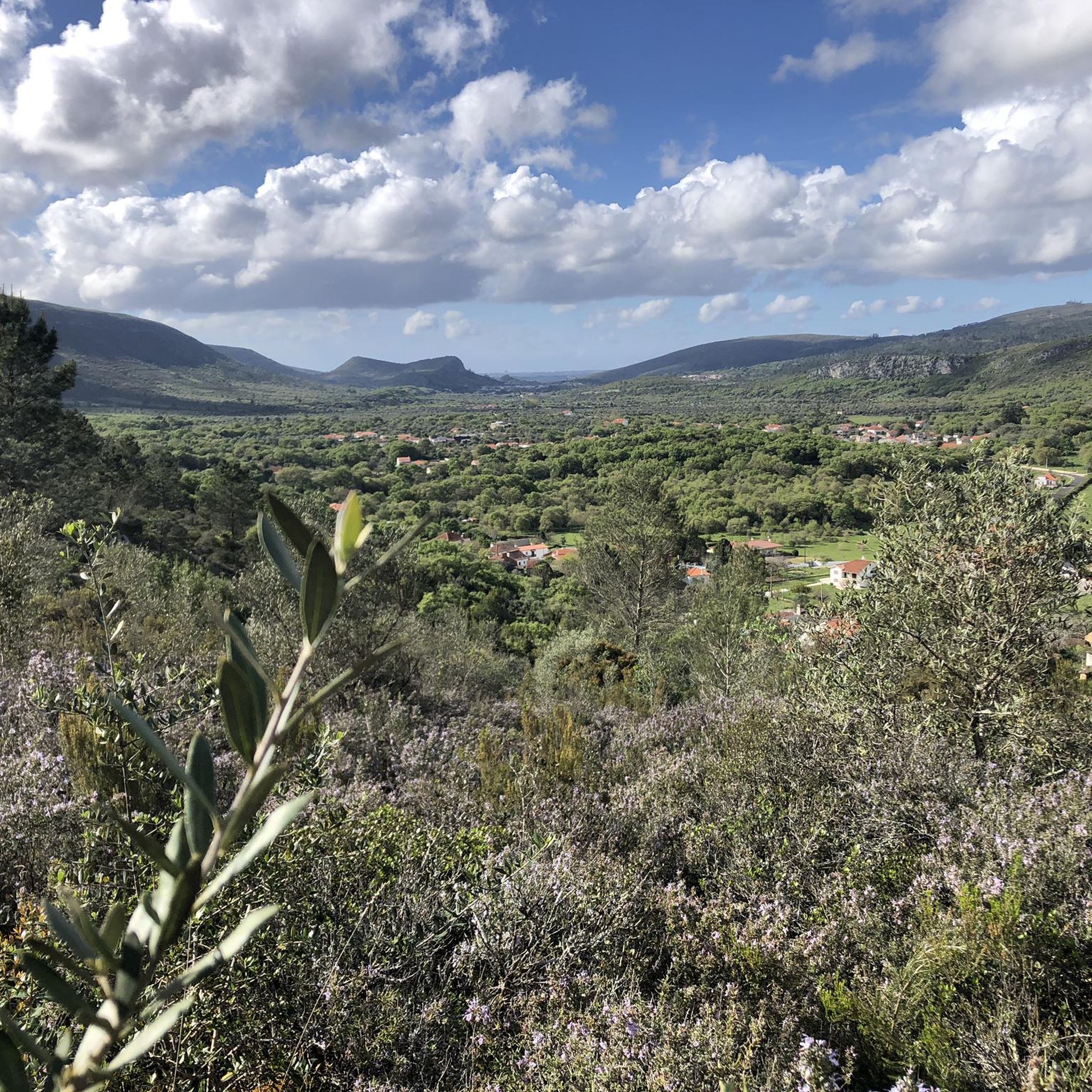
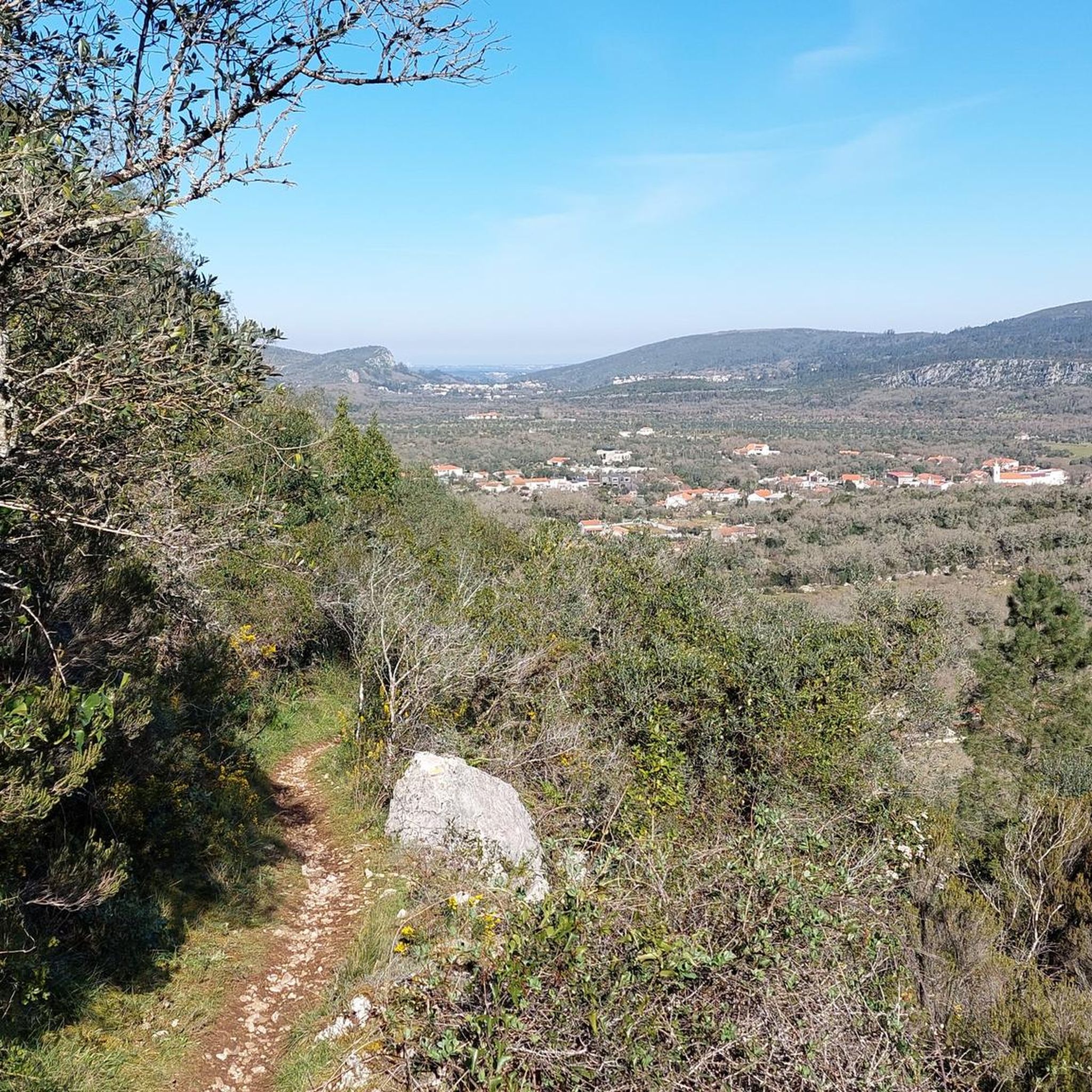
Nice quiet route. No water at the waterfall, unfortunately. Because that would give a different experience, certainly worth it for the beautiful views
0
0

The waterfall only appears after heavy rain! Fórnea waterfall just appear after intense rain!
1
0

Actually, there is supposed to be a waterfall here. Unfortunately dried out due to the drought in July.
1
1
The Fonte do Peão, built in 1884, is one of the symbols of the parish of Monsanto. It is covered in tiles that depict rural life. The water in the Fonte do Peão comes from a spring and flows regularly throughout the year. According to information obtained from local residents, the water is good for human consumption and is used as a source of water for the many travellers who pass through there.
2
0

Fornea Waterfall. In the lower part of Fórnea, after a few days of rain, you can enjoy a beautiful waterfall.
1
0
Frequently Asked Questions
What are the primary natural monuments to explore in Serra de Santo António?
The Serra de Santo António region, nestled within the Serras de Aire e Candeeiros Nature Park, is renowned for its impressive cave systems. Key natural monuments include the monumental Grutas de Santo António, known for its vast main chamber and unique speleothems, and the intricate Grutas de Alvados, featuring delicate columns and fossilized remains. Beyond the caves, you can also visit the beautiful Fórnea Waterfall, especially after rainfall, and the historic Peão Fountain - Monsanto.
Are there family-friendly natural monuments in the area?
Yes, several natural monuments are suitable for families. The Fórnea Waterfall is considered family-friendly, offering a beautiful spot for a visit. The Peão Fountain - Monsanto is also a family-friendly site with historical significance. Additionally, the Grutas de Mira de Aire are specifically categorized as family-friendly, providing an accessible cave exploration experience.
What kind of geological features can I expect to see in Serra de Santo António?
The region is characterized by its limestone geology, forming a significant karst landscape. You can expect to see extensive cave systems with remarkable speleothems like stalactites and stalagmites, as found in the Grutas de Santo António and Grutas de Alvados. Features such as underground rivers, sinkholes, and natural springs, like the one feeding the Cova da Velha cave, are also prominent.
Are there hiking trails near the natural monuments?
Yes, the area offers various hiking opportunities. The PR3 Hiking Trail – Serras de Aire e Candeeiros Natural Park is a popular route offering many natural spectacles and fantastic views. For easier options, you can find trails like the "Fórnea Waterfall – Fornea Waterfall loop from Alcaria" or the "Fórnea Waterfall – Cova da Velha loop from Alcaria." You can find more details on these and other easy hikes on the Easy hikes around Serra De Santo António guide.
What do visitors enjoy most about the natural monuments in Serra de Santo António?
Visitors frequently praise the natural beauty and geological wonders. For instance, the Fórnea Waterfall is loved for its scenic beauty, especially after rain. The PR3 Hiking Trail is appreciated for its natural spectacles and fantastic views. The Grutas de Mira de Aire are highlighted for their impressive scale, historical significance, and the dramatic effects created by lighting within the caves.
Can I explore caves in the Serra de Santo António region?
Absolutely. The region is famous for its caves. The Grutas de Santo António and Grutas de Alvados are major subterranean attractions, offering guided tours through their vast chambers and intricate formations. Additionally, the Grutas de Mira de Aire, discovered in 1947, are open to the public and are known as the biggest and most important cave system in Portugal, reaching 11 kilometers in length.
What is the significance of the Peão Fountain - Monsanto?
The Peão Fountain - Monsanto is a significant historical and cultural monument built in 1884. It is adorned with tiles depicting rural life and is fed by a spring that flows consistently throughout the year. Locals consider its water safe for consumption, making it a vital water source for travelers and a symbol of the Monsanto parish.
What is the Cova da Velha?
The Cova da Velha is a cave where the Fórnea stream originates from a natural spring. Due to the limestone soil, the water often infiltrates underground, meaning the impressive Fórnea Waterfall, which it feeds, only reaches its full grandeur after periods of heavy rain.
Are there opportunities for road cycling or running near the natural monuments?
Yes, the area around Serra de Santo António offers various routes for road cycling and running. For road cycling, you can find routes like the "Grutas de Santo António loop from Moitas Venda." Running enthusiasts can explore trails such as the "Lagoa Velha – Lagoa Larga loop from Mira de Aire." More options are available in the Road Cycling Routes around Serra De Santo António and Running Trails around Serra De Santo António guides.
What is the best time to visit the natural monuments in Serra de Santo António?
The natural monuments, especially the caves, can be visited year-round. However, to see the Fórnea Waterfall at its most impressive, it's best to visit after periods of significant rainfall. For hiking and outdoor activities, spring and autumn generally offer milder temperatures, making exploration more comfortable.
What is the Serras de Aire e Candeeiros Nature Park?
The Serras de Aire e Candeeiros Nature Park (PNSAC) is a protected area in Portugal, and Serra de Santo António is an integral part of it. The park is primarily known for its extensive limestone formations, including numerous caves, sinkholes, and other karst landscapes. It's a significant area for geological and ecological preservation, offering unique insights into Earth's history.
Are there any circular walks around the natural monuments?
Yes, there are circular walking options available. For example, within the easy hikes category, you can find routes like the "Fórnea Waterfall – Fornea Waterfall loop from Alcaria" and the "Fórnea Viewpoint – Fórnea Summit loop from Serro Ventoso." These provide opportunities to experience the natural beauty of the area in a loop format.
Most popular attractions around Serra De Santo António

Get inspired with the komoot mobile app


Explore more
Extend your search for the best caves by checking out these guides of the top ones around Serra De Santo António:
