Top 7 Natural Monuments around Sapataria
Natural monuments around Sapataria feature a diverse landscape, including royal parks, historical gardens, and unique geological formations. The region offers opportunities to explore extensive forests, observe wildlife, and discover historical sites. These natural areas provide varied terrain for outdoor activities, ranging from leisurely walks to more challenging trails.
Best natural monuments around Sapataria
- The most popular natural monuments is Tapada Nacional de Mafra, a forest and royal park measuring more than 8 km². It is home to several animal…
Last updated: June 29, 2026
Tapada Nacional de Mafra
Highlight • Forest
Translated by Google •
Tip by

Cerco Garden
Highlight • Natural
Translated by Google •
Tip by
Sign up now to discover places like this
Get recommendations on the best single tracks, peaks, & plenty of other exciting outdoor places.
Sign up for free
Shaded Trail with Waterfalls
Highlight • Trail
Tip by

Forte da Archeira
Highlight • Historical Site
Translated by Google •
Tip by
Campo de Lapiás de Negrais
Highlight • Natural Monument
Translated by Google •
Tip by

Sign up for free to discover even more natural monuments around Sapataria.
Sign up for free
Already have an account?
Start today with a free account
Your next adventure awaits.
Login or Signup

Tips from the Community

You can hike, drive through the park in an electric car or take a carriage ride. Advance reservation is advisable.
4
3

The Jardim do Cerco, in Mafra, is a baroque example, famous for its water mirrors, paths and leafy trees (including a century-old daughter-in-law) and the Horta dos Frades. With 8 hectares, it has everything from waterfalls to medicinal plants. It is adjacent to the Mafra National Palace; right behind, more precisely. In 2019, the park became a UNESCO World Heritage Site.
4
0
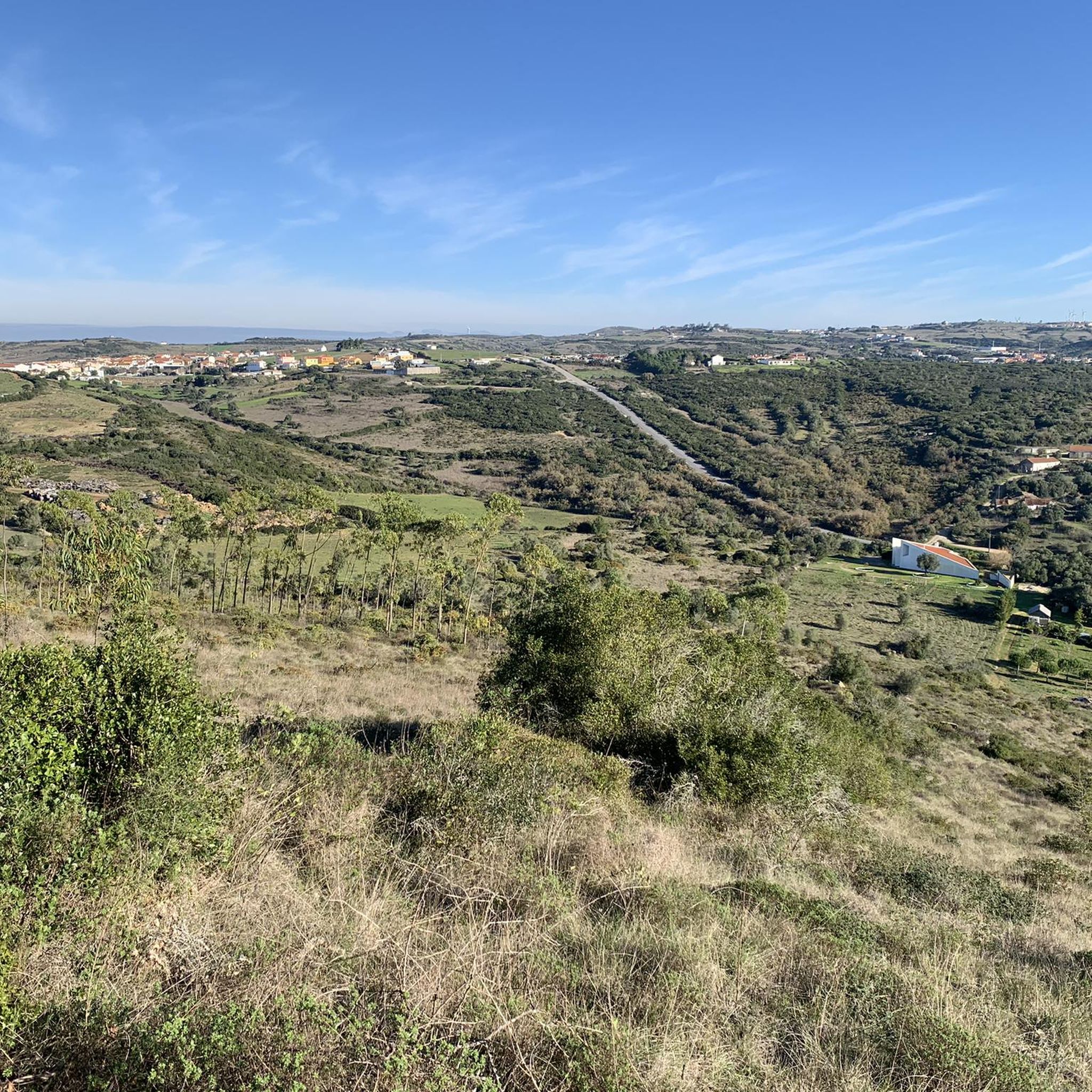
The Tapada Nacional de Mafra, created during the reign of João V in Portugal, is a royal park measuring more than 8 km², home to several species of animals and a diverse natural habitat. Used for hunting and leisure by the Portuguese monarchy, today it offers activities such as hiking, cycling, horse riding and archery. In 2019, it was classified as a UNESCO World Heritage Site.
3
1
Forte da Archeira, part of the Lines of Towers defensive north of Lisbon during the Peninsular War, is a military fortification located at an altitude of 345 m. It was part of the 1st Defensive Line with the forts of Catefica and Feiteira. Despite not having gunboats, it has traces of a magazine. It forms part of the Lines of Torres, a system of 152 fortifications stretching over 80 km, built between 1809 and 1812 to prevent the advance of Napoleonic troops.
2
0

This waterfall is normally dry after 1 month of rain season, so by late march or early april it is normally dry. Then it should have water by november.
0
0

Lapiás ou lapiaz [1] (word derived from lapiaz, from the Jura dialect) is a typical karst relief formation, produced by the superficial dissolution of calcareous or dolomitic rocks. It can also be caused by freezing and thawing cycles in cold weather regions. Lapiás, together with dolines, cenotes, cones and karst valleys, form the outer portion of the karst relief, also known as exocarste, while caves, crevices and speleothems make up the underground part of karst, or endocarste. Lapiás consist of fractures in the superficial rocks that expand through the dissolution of the rock, resulting in large channels that groove the rocks horizontally or vertically, as well as fields of large rocks, isolated from each other and with different types of flutes, fringes and surface holes. In some cases, only depressions occur along the surface of the rock, which is not fragmented. Lapiás are formed initially by dissolving the rock at the interface with the soil and cracks are opened. After erosion of the topsoil, the rocks are exposed and the dissolution of the rock continues to expand the cracks. Eventually the rocks are completely separated and form fields of level rocks or groove and crevice patterns. Soil and vegetation can fill the spaces between rocks.
2
0
Frequently Asked Questions
What are some notable natural monuments around Sapataria?
The region around Sapataria offers a diverse range of natural monuments. You can explore the extensive Tapada Nacional de Mafra, a royal park and UNESCO World Heritage Site known for its diverse habitats and wildlife. Another unique spot is Campo de Lapiás de Negrais, which showcases fascinating karst relief formations.
Are there family-friendly natural monuments in the Sapataria area?
Yes, several natural monuments are suitable for families. The Tapada Nacional de Mafra is a great option, offering activities like hiking, cycling, and carriage rides within its vast royal park. Additionally, the Cerco Garden, a beautiful baroque garden adjacent to the Mafra National Palace, is also considered family-friendly with its water mirrors and paths.
What kind of wildlife can I expect to see?
The Tapada Nacional de Mafra is particularly rich in wildlife, being home to several animal species within its diverse natural habitats. It was historically a royal hunting ground, and today it remains a significant area for observing local fauna.
Are there historical sites among the natural monuments?
Yes, the region blends natural beauty with historical significance. The Tapada Nacional de Mafra and Cerco Garden are both classified as UNESCO World Heritage Sites, reflecting their historical importance. You can also visit Forte da Archeira, a military fortification that was part of the Lines of Torres defensive system during the Peninsular War, offering historical context alongside natural views.
What types of trails are available for hiking?
You'll find a variety of trails. For an intermediate hiking experience through natural surroundings, consider the Shaded Trail with Waterfalls. The Tapada Nacional de Mafra also offers extensive trails for hiking, ranging in difficulty. For more challenging routes, the area around Forte da Archeira includes challenging sections.
Are there any natural monuments with waterfalls?
Yes, the Shaded Trail with Waterfalls is a notable spot featuring a waterfall within a forest setting. Keep in mind that the waterfall is typically dry after about a month without rain, so it's best visited during or shortly after the rainy season, usually around November.
What are the geological features I can explore?
The Campo de Lapiás de Negrais is an excellent example of karst relief formations. Here, you can observe lapiás, which are unique patterns of grooves, channels, and isolated rock fields formed by the dissolution of calcareous or dolomitic rocks. It's a fascinating insight into geological processes.
What outdoor activities can I do near these natural monuments?
Beyond exploring the natural monuments themselves, the Sapataria region offers various outdoor activities. You can find numerous cycling routes, including touring bicycle, mountain biking, and road cycling options. For detailed routes and guides, check out the Cycling around Sapataria, MTB Trails around Sapataria, and Road Cycling Routes around Sapataria guides.
Are there cycling routes available near Sapataria's natural monuments?
Absolutely. The area provides many cycling opportunities. For example, you can find road cycling routes like the 'Mafra National Palace – Cerco Garden loop from Jerumelo,' which takes you past significant sites. For more options, explore the Cycling around Sapataria and Road Cycling Routes around Sapataria guides.
What is the best time of year to visit the natural monuments around Sapataria?
While specific seasonal advice isn't provided for all monuments, generally, spring and autumn offer pleasant temperatures for outdoor activities like hiking and cycling. If you wish to see the waterfall at the Shaded Trail with Waterfalls, visiting during or shortly after the rainy season (typically around November) is recommended.
Are there any accessible options for visitors with mobility challenges?
The provided information does not specifically detail wheelchair accessibility for the natural monuments. It is advisable to check directly with the individual sites for the most up-to-date information on accessibility features and suitable paths.
What do visitors enjoy most about the natural monuments in Sapataria?
Visitors appreciate the diverse landscapes, from the extensive forests and royal parks like Tapada Nacional de Mafra to the unique geological formations at Campo de Lapiás de Negrais. The blend of nature, history, and opportunities for outdoor activities, including observing wildlife and exploring historical gardens such as Cerco Garden, makes the region appealing.
Most popular attractions around Sapataria

Get inspired with the komoot mobile app


Explore more
Extend your search for the best caves by checking out these guides of the top ones around Sapataria:
