Top 9 Natural Monuments around Milharado
Best natural monuments around Milharado are situated in a region offering access to diverse natural landscapes. The area is located near the Tapada Nacional de Mafra, a large nature reserve, and the Sintra-Cascais Natural Park, known for its varied ecosystems. This geographical setting provides opportunities to explore forests, waterfalls, and historical natural sites. The natural features around Milharado offer a range of outdoor activities for visitors.
Best natural monuments around Milharado
- The most popular natural monuments is Anços Waterfall and…
Last updated: June 29, 2026
Tapada Nacional de Mafra
Highlight • Forest
Translated by Google •
Tip by

Anços Waterfall and Old Mill Ruins
Highlight • Waterfall
Tip by

Sign up now to discover places like this
Get recommendations on the best single tracks, peaks, & plenty of other exciting outdoor places.
Sign up for free
Anços Waterfall
Highlight • Waterfall
Translated by Google •
Tip by

Cerco Garden
Highlight • Natural
Translated by Google •
Tip by
Shaded Trail with Waterfalls
Highlight • Trail
Tip by

Sign up for free to discover even more natural monuments around Milharado.
Sign up for free
Already have an account?
Start today with a free account
Your next adventure awaits.
Login or Signup
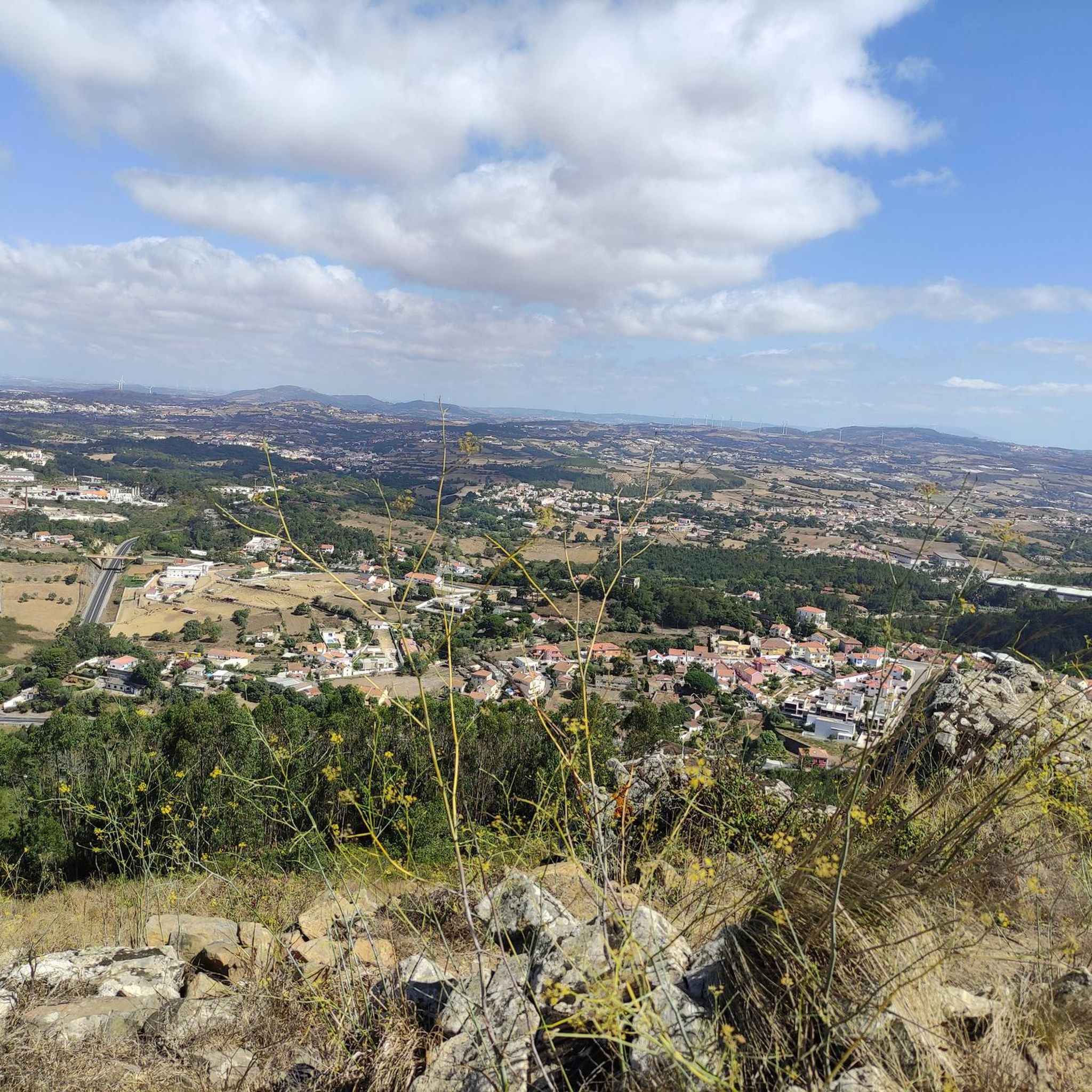
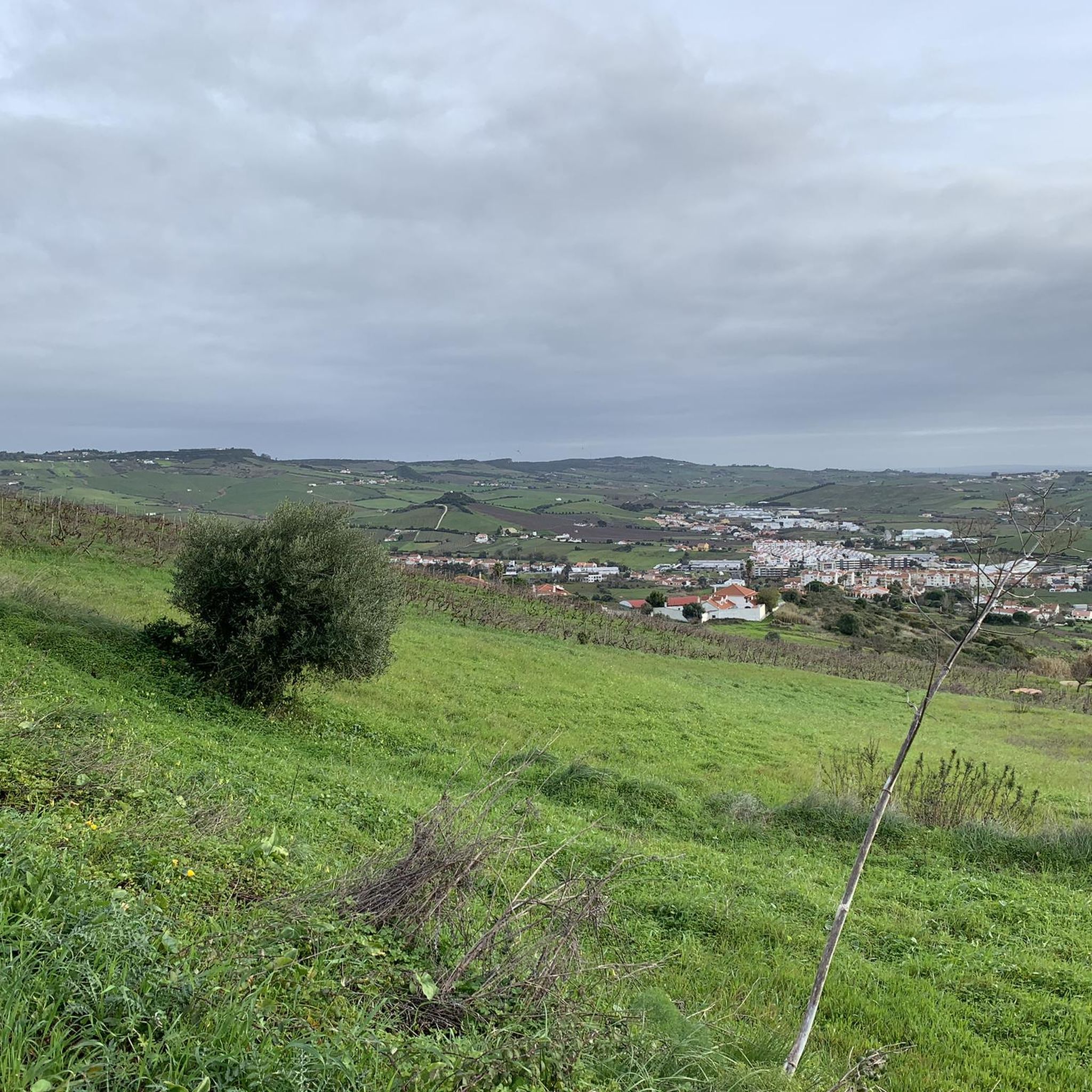
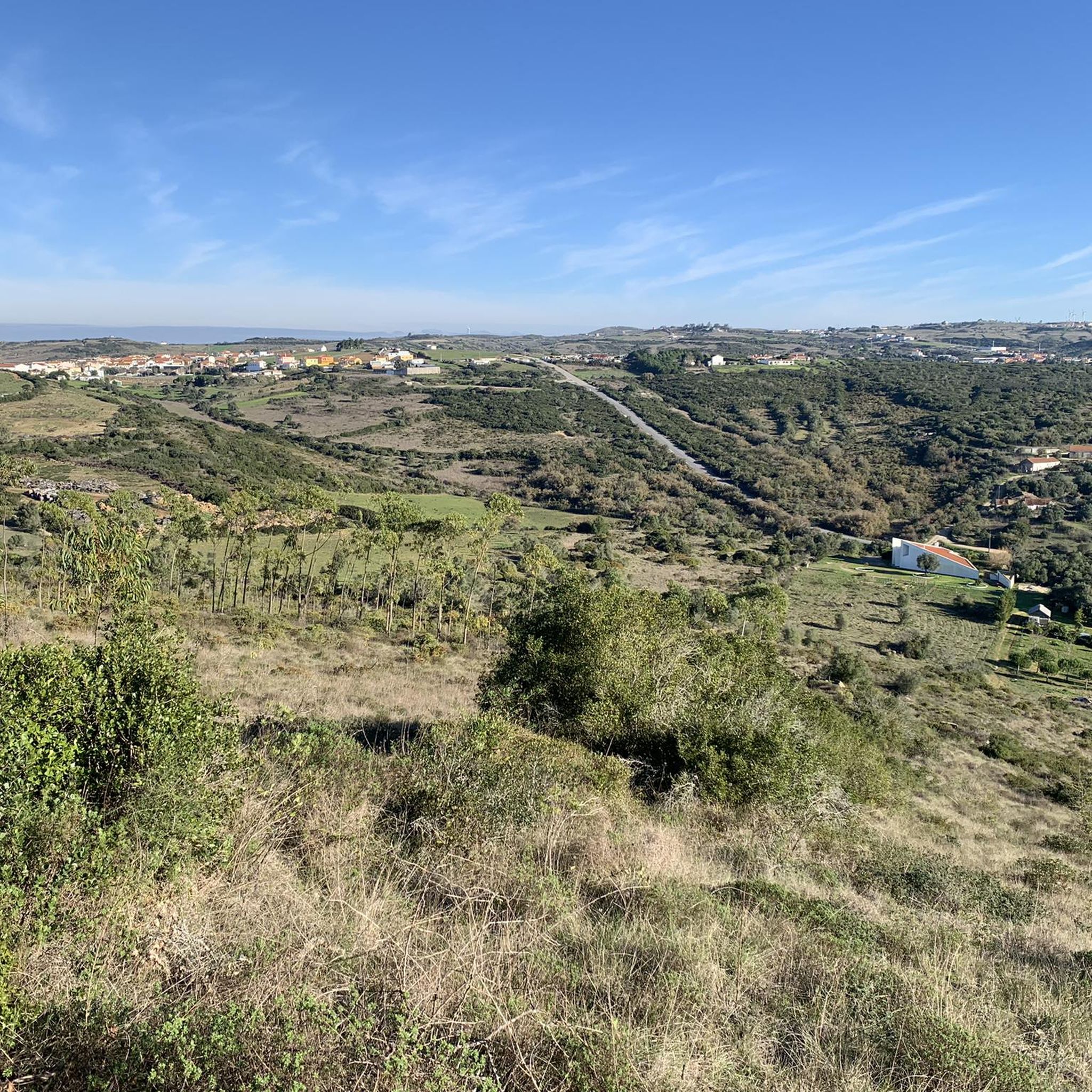

Tips from the Community

You can hike, drive through the park in an electric car or take a carriage ride. Advance reservation is advisable.
4
3

The Jardim do Cerco, in Mafra, is a baroque example, famous for its water mirrors, paths and leafy trees (including a century-old daughter-in-law) and the Horta dos Frades. With 8 hectares, it has everything from waterfalls to medicinal plants. It is adjacent to the Mafra National Palace; right behind, more precisely. In 2019, the park became a UNESCO World Heritage Site.
4
0
The Tapada Nacional de Mafra, created during the reign of João V in Portugal, is a royal park measuring more than 8 km², home to several species of animals and a diverse natural habitat. Used for hunting and leisure by the Portuguese monarchy, today it offers activities such as hiking, cycling, horse riding and archery. In 2019, it was classified as a UNESCO World Heritage Site.
3
1

Very beautiful place that deserves a visit, especially after the rainy season. The waterfalls are fed by Ribeira de Mourão, which once ran water all year round. Currently in the summer months the waterfalls have little or no water. According to what I heard from a local elder, the causes for the little water that runs in the area in the summer months may not be just natural, but the diversion made for industrial uses further upstream, next to the springs.
3
0

This waterfall is normally dry after 1 month of rain season, so by late march or early april it is normally dry. Then it should have water by november.
0
0

Beautiful waterfalls hidden outside Lisbon
5
0

From the small village of Anços a path leads down to the waterfall. Here is a large rock for a rest right on the water. Even in midsummer a cool place. A little below you can still find the ruins of the old mill. Unfortunately, the paths are pretty overgrown.
4
0

Avoid it in the summer (there’s no water). The trail could be a little better if someone maintained it, but it’s well marked and very doable!
4
1
Frequently Asked Questions
What kind of natural features can I expect to see around Milharado?
The region around Milharado is rich in diverse natural features. You can explore dense forests, discover beautiful waterfalls, and visit historical natural sites. Notable areas include the vast forested expanse of Tapada Nacional de Mafra, known for its diverse habitat and wildlife, and the scenic trails featuring waterfalls like the Anços Waterfall and Old Mill Ruins.
Are there family-friendly natural monuments or activities near Milharado?
Yes, the Tapada Nacional de Mafra is an excellent family-friendly option. It offers activities such as hiking, cycling, and horse riding. For families, there are also electric cart tours, a climbing forest for children, and stroller-friendly trails. Additionally, the Cerco Garden in Mafra, with its waterfalls and leafy trees, is another pleasant spot for families.
What outdoor activities can I do near these natural monuments?
Near the natural monuments around Milharado, you can enjoy a variety of outdoor activities. The Tapada Nacional de Mafra is ideal for hiking, mountain biking, horse riding, and even archery. For more specific hiking routes, you can explore options like the 'Tojeira (Green) Trail' or the 'Taipas Trail (Red) in the National Tapada of Mafra', which are detailed in the Hiking around Milharado guide. There are also road cycling routes available, such as the 'Mafra National Palace – Cerco Garden loop from Jerumelo' found in the Road Cycling Routes around Milharado guide.
When is the best time to visit the waterfalls near Milharado?
For the best experience with waterfalls like the Shaded Trail with Waterfalls or Anços Waterfall, it is best to visit during or shortly after the rainy season. These waterfalls are often dry after a month without rain, so late autumn through early spring (November to March/April) typically offers the most impressive flows.
Are there any historical natural sites or cultural attractions combined with nature near Milharado?
Absolutely. The Tapada Nacional de Mafra is a UNESCO World Heritage Site, originally a royal hunting ground, offering a blend of natural beauty and historical significance. Similarly, the Anços Waterfall and Old Mill Ruins combines a natural waterfall with the remnants of an old mill, providing a glimpse into the region's past. The nearby Sintra-Cascais Natural Park also features UNESCO-listed elements, blending natural landscapes with historical palaces and castles.
What kind of wildlife can be observed in the natural monuments around Milharado?
The Tapada Nacional de Mafra is particularly known for its diverse wildlife. It is home to various animals, including deer (fallow and red), wild boar, foxes, and numerous bird species, including birds of prey. The park provides excellent opportunities for wildlife viewing, with hides available for observation.
What are some easy hiking trails near Milharado's natural monuments?
For easier hikes, consider the 'Ribeirinho (Azul) trail in Tapada de Mafra' which is an easy route within the Tapada Nacional de Mafra. Another accessible option is the 'Cerco Garden Loop' in Mafra. You can find more easy routes in the Easy hikes around Milharado guide.
Is public transport available to reach natural monuments near Milharado?
While specific public transport routes directly to all natural monuments from Milharado might require local inquiry, the region is generally accessible. The Tapada Nacional de Mafra is located just 5 minutes outside Mafra, which is a more central hub. It's advisable to check local bus schedules from Milharado to Mafra, and then consider local transport or a short taxi ride to the park entrance.
Are there any viewpoints offering scenic vistas of the natural landscapes?
Yes, several natural areas offer scenic viewpoints. The Anços Waterfall itself provides a beautiful natural vista. Further afield, the Sintra-Cascais Natural Park, located relatively close to Milharado, includes Cabo da Roca, the westernmost point of continental Europe, which offers stunning panoramic views of the Atlantic Ocean crashing against dramatic cliffs.
What is the significance of the Tapada Nacional de Mafra?
The Tapada Nacional de Mafra holds significant historical and environmental importance. Created during the reign of King João V as a royal hunting ground, it is now a vast nature reserve spanning over 800 hectares. In 2019, it was classified as a UNESCO World Heritage Site as part of the larger Royal Building of Mafra complex, recognized for its rich biodiversity, diverse wildlife, and historic walled surroundings. You can learn more about its history and features on Wikipedia.
Can I find trails with varying difficulty levels around Milharado?
Yes, the natural areas around Milharado offer trails for various skill levels. For example, within the Tapada Nacional de Mafra, you can find easy trails like the 'Ribeirinho (Azul) trail' as well as moderate options such as the 'Tojeira (Green) Trail' and 'Boavista Trail (Yellow)'. The Anços Waterfall and Old Mill Ruins trail is generally considered intermediate. Always check the specific trail details for difficulty before heading out.
Are there any natural parks or protected areas nearby that are worth visiting?
Beyond the immediate vicinity of Milharado, the **Sintra-Cascais Natural Park** is a significant protected area worth visiting. Located about 25 km from Lisbon, it offers a magical blend of diverse landscapes, including rugged cliffs, sandy beaches, dense forests, and rolling hills. It's a haven for outdoor enthusiasts and boasts rich biodiversity, including rare flora and various bird species. The Sintra area within the park is also a UNESCO-listed site. You can find more information about it on Wikipedia.
Most popular attractions around Milharado

Get inspired with the komoot mobile app


Explore more
Extend your search for the best caves by checking out these guides of the top ones around Milharado:
