Top 7 Natural Monuments around Gemeses
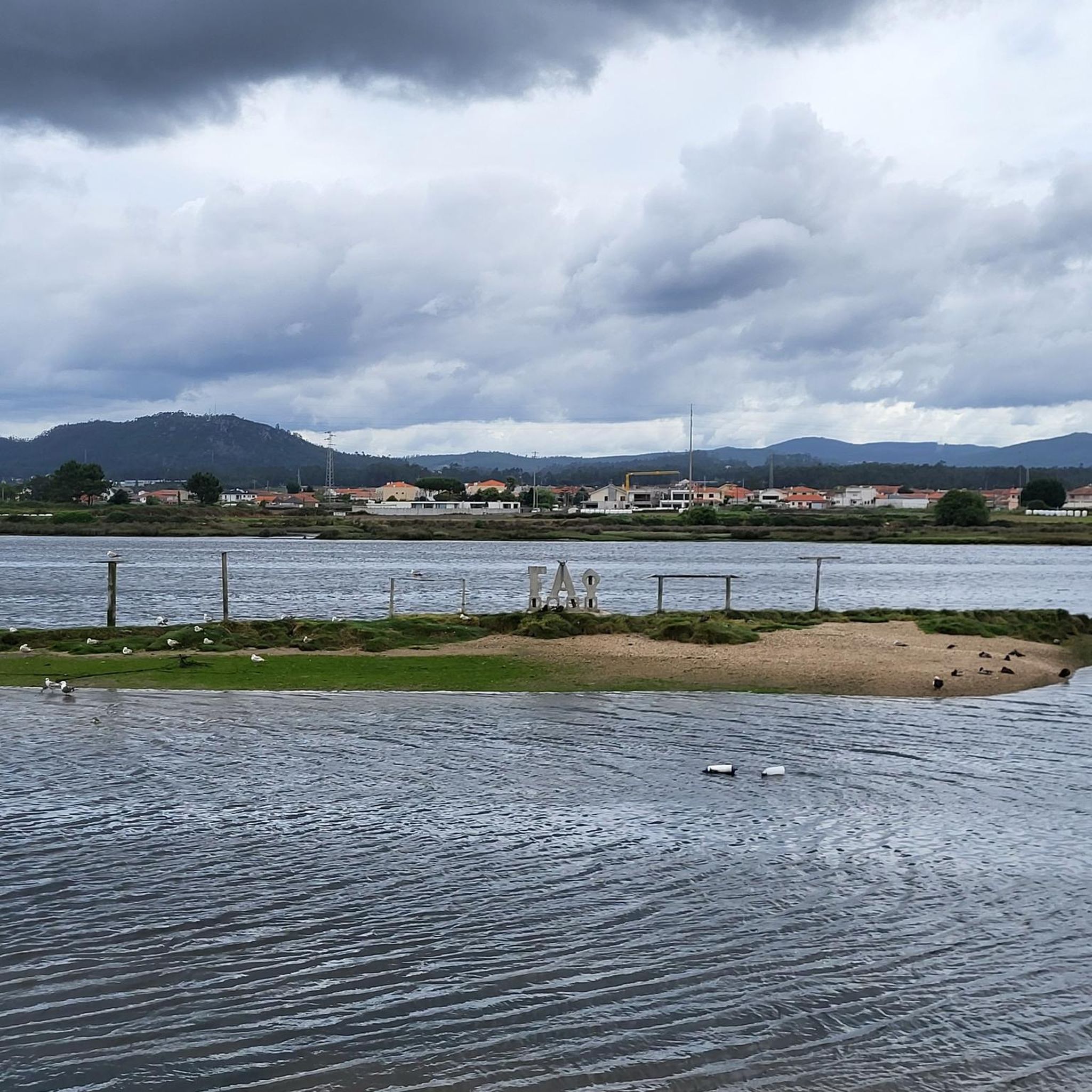
Natural monuments around Gemeses are characterized by the Cávado River, which flows through the parish of Gemeses in Esposende, Portugal. This section of the river is notable for its wide, tranquil waters, which create a lake-like appearance. Historically, the Cávado River in Gemeses served as a significant crossing point for centuries, including for pilgrims on the Camino de Santiago. The area offers a blend of natural landscapes and historical relevance.
Best natural monuments around Gemeses
- The most popular natural monuments is Belinho Beach, a beach that stretches for about three kilometres, flanked by a long line of dunes where small wetlands are hidden. Its sand is composed of quartzite pebbles of various sizes.
- Another must-see spot is Pilgrims' Drinking Fountain, a man-made monument. It provides a reliable water source for visitors and is considered a notable point in the region.
- Visitors also love Parque Natural do Litoral Norte Beach, a white sandy beach. This location is recognized for its natural setting within the North Coast Natural Park.
- Gemeses is known for its beaches and river landscapes. The area offers a variety of natural monuments to see and explore, including coastal areas and river features.
- The natural monuments around Gemeses are appreciated by the komoot community, with more than 19 upvotes and 7 photos contributed by visitors.
Last updated: August 23, 2026
Neiva Estuary
Highlight • River
Translated by Google •
Tip by

Belinho Beach
Highlight • Beach
Translated by Google •
Tip by

Sign up now to discover places like this
Get recommendations on the best single tracks, peaks, & plenty of other exciting outdoor places.
Sign up for free
Parque Natural do Litoral Norte Beach
Highlight • Beach
Translated by Google •
Tip by

Rapids of the Covado River
Highlight • River
Translated by Google •
Tip by

Pilgrims' Drinking Fountain
Highlight • Monument
Translated by Google •
Tip by

Sign up for free to discover even more natural monuments around Gemeses.
Sign up for free
Already have an account?
Start today with a free account
Your next adventure awaits.
Login or Signup

Tips from the Community

Thanks for sharing the photos and route.👍🥾🚲
1
0

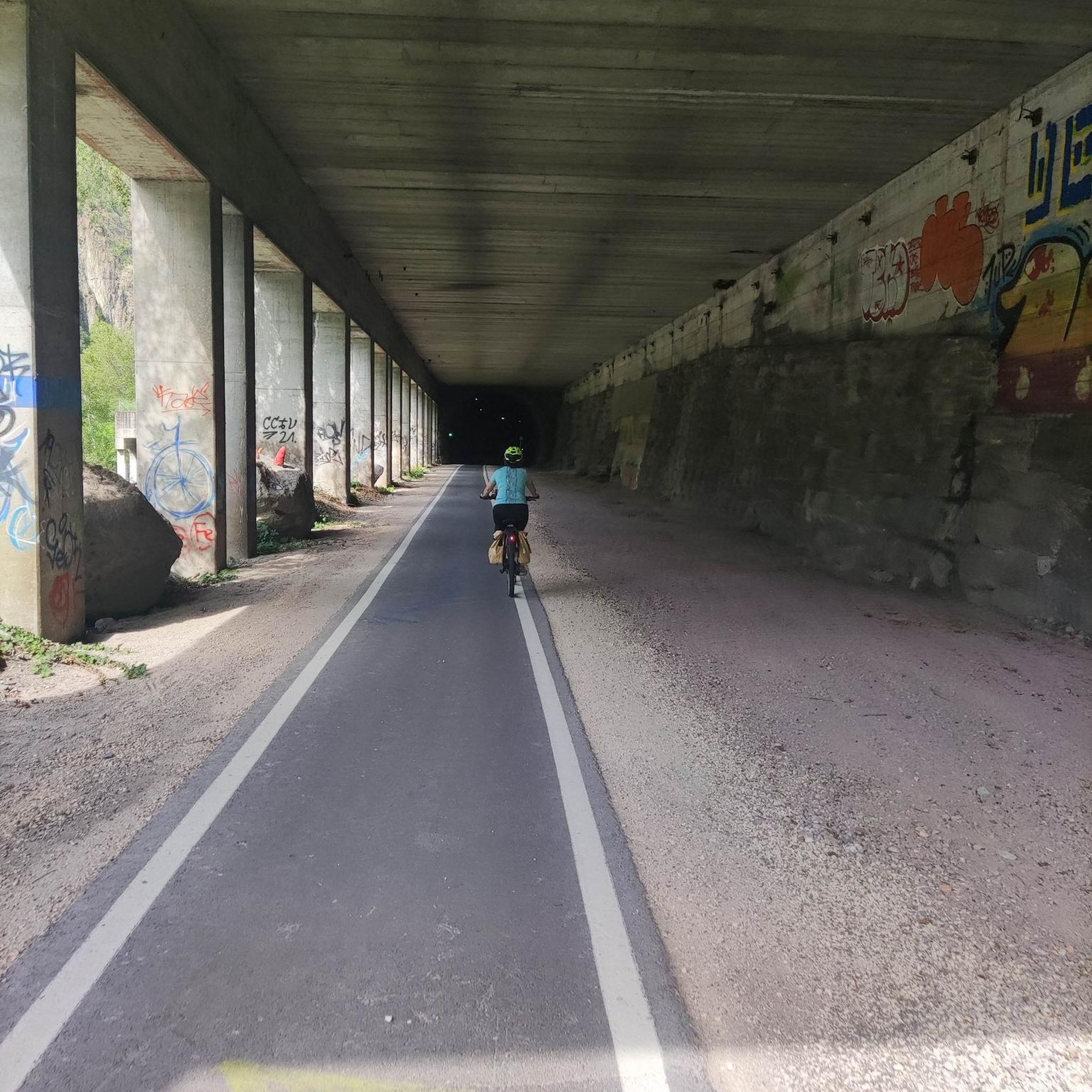
What to do and Nearby Points of Interest North Coast Ecovia: The estuary is a key point on the North Coast Ecovia, a pedestrian and cycle path that follows the coast and riverbanks. Bridge over the Neiva River: A pedestrian and cycle bridge with remarkable architecture was inaugurated in 2019 over the river, allowing crossing and continuity of the ecovia route. Hiking and Cycling: The area is ideal for leisurely walks, allowing visitors to enjoy the natural and bucolic landscape of the banks. Antas Hunting and Fishing Club: The local club manages fishing activity in the area and organizes initiatives for the protection of wildlife. The Neiva Estuary is a place of great serenity and beauty, ideal for those seeking direct contact with nature and outdoor activities.
1
0
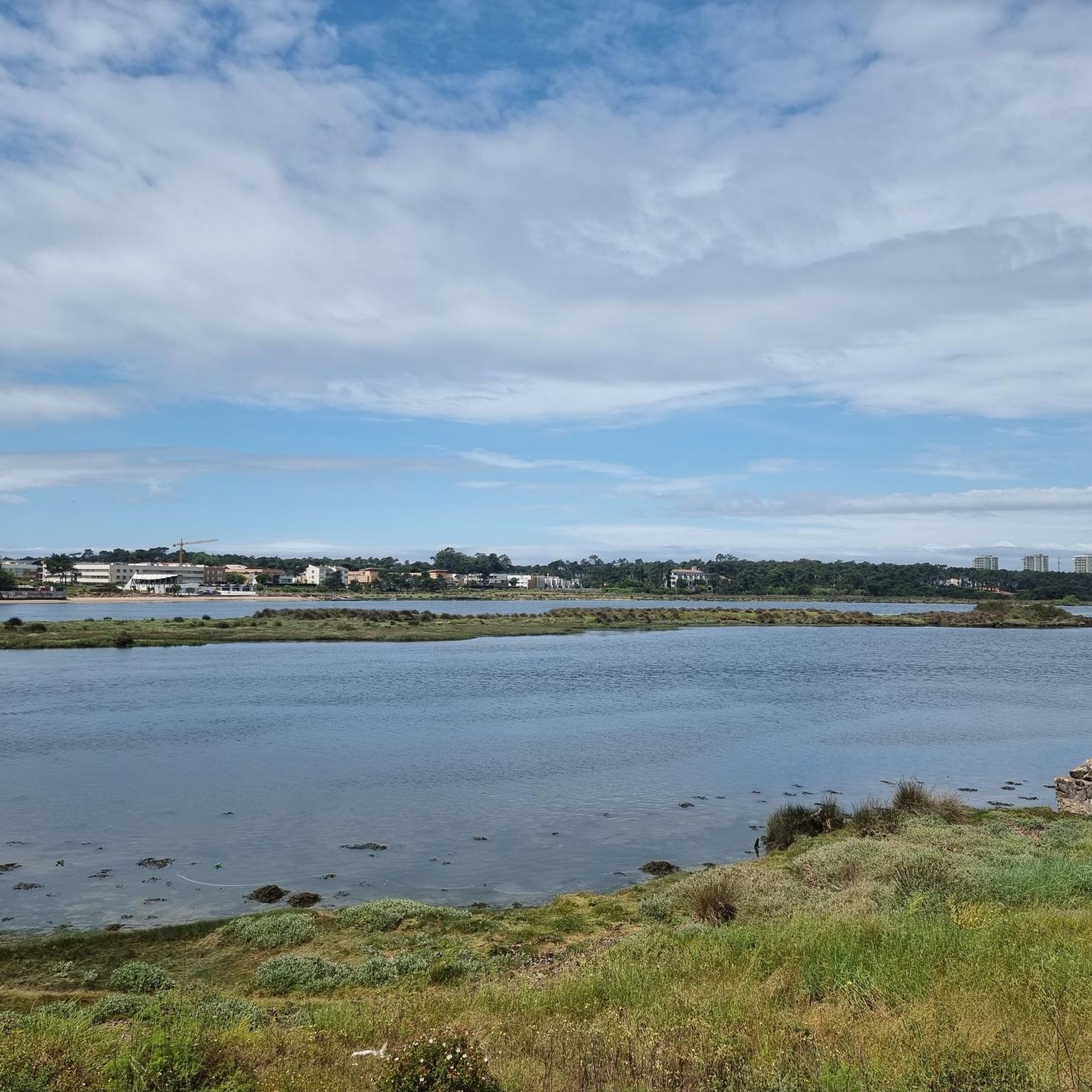
Characteristics and Ecological Importance Biodiversity: The estuary is a crucial habitat for local fauna and flora. The presence of fresh and salt water creates a unique ecosystem that attracts a variety of aquatic birds and fish species, making it a place of interest for birdwatching. Protected Area: The area is part of the Esposende Coastal Protected Landscape, which attests to its relevance in terms of nature conservation.
1
0
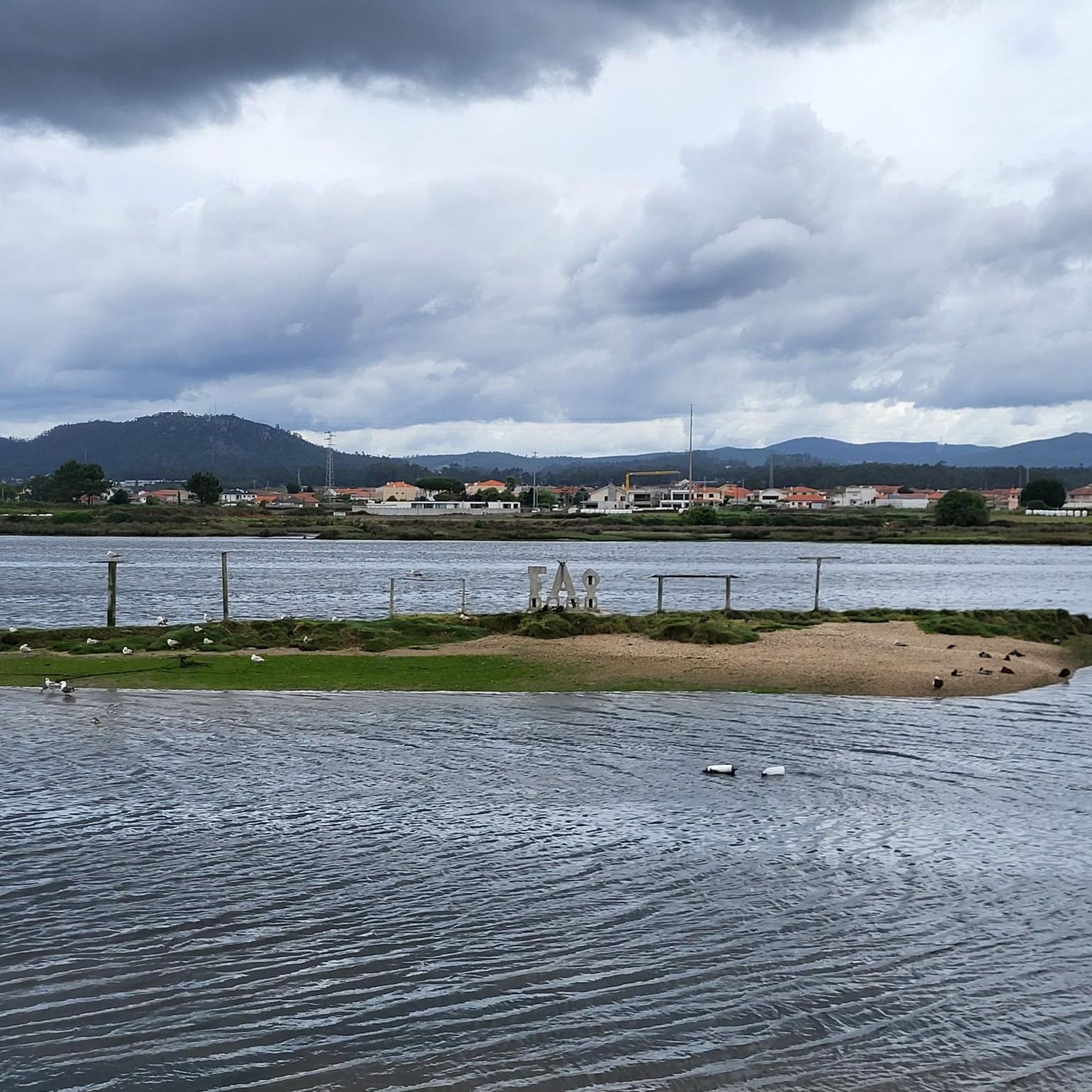
The Neiva River Estuary is located in northern Portugal, in the municipality of Esposende, in the parish of Antas. This estuary is a place of great ecological and scenic importance, marked by the meeting of the Neiva River with the Atlantic Ocean.
1
0

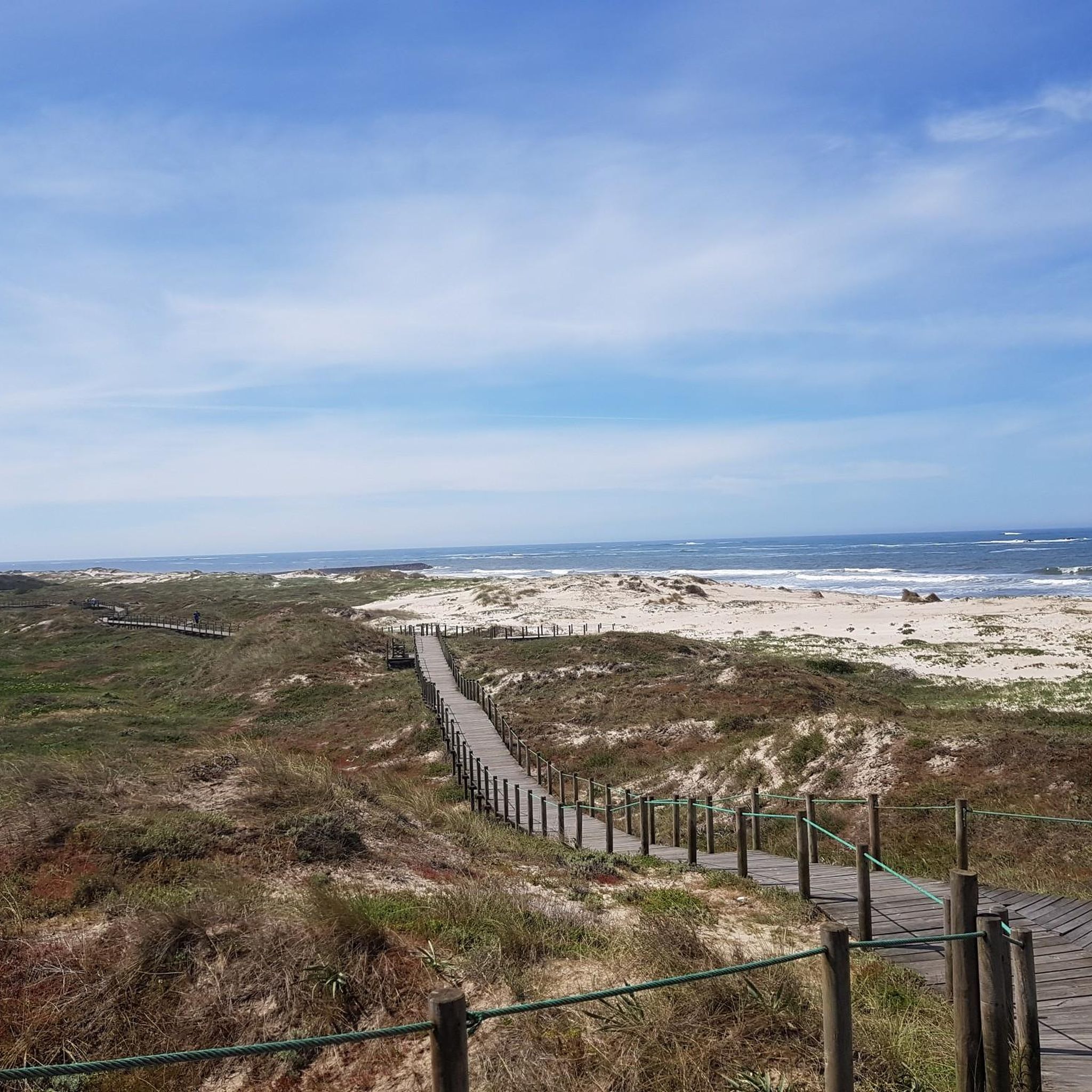
Belinho Beach stretches for about three kilometres, flanked by a long line of dunes where small wetlands are hidden. The sand is unique, made up of quartzite pebbles of various sizes, which shine in the sun. You can explore the dune landscape on the boardwalk that stretches for several kilometres, crossing a strip of sand that is about 300 metres wide.
2
0

A highlight that should not be missed on any visit to the region!
0
1
A highlight that should not be missed on any visit to the region!
0
0

Super water dispenser with drinking water.
0
0
Frequently Asked Questions
What are the main natural attractions in Gemeses?
The primary natural attraction in Gemeses is the Cávado River, which flows through the parish. In this section, the river is notably wide and tranquil, creating a serene, lake-like appearance. Beyond its scenic beauty, the river holds historical significance as an ancient crossing point, including for pilgrims on the Camino de Santiago. The area also boasts several beautiful coastal beaches.
Which beaches are considered natural monuments near Gemeses?
Several beaches are recognized as natural monuments in the vicinity. These include Belinho Beach, known for its three-kilometer stretch of sand, dunes, and unique quartzite pebbles. Another is Parque Natural do Litoral Norte Beach, a beautiful white sandy beach located within the North Coast Natural Park. You can also visit Ofir Beach, which has historical and legendary connections.
Are there any historical or cultural sites among the natural monuments?
Yes, while primarily natural, the Cávado River itself has significant historical relevance, serving as a crucial crossing point since Roman times and for Camino de Santiago pilgrims. Additionally, the Pilgrims' Drinking Fountain is a notable man-made monument that provides a reliable water source and is considered an important point in the region, connecting to the historical pilgrim routes.
What kind of outdoor activities can I do near the natural monuments in Gemeses?
The area around Gemeses offers various outdoor activities, particularly hiking and cycling. You can explore routes like the 'Pequeno Porto – Mouth of the Cávado River loop' or 'Fão Bridge – Beach walk from Ofir to Apulia loop'. For cycling, options include the 'Apúlia Beach – Apúlia Windmills loop'. You can find more details on these and other routes in the Hiking around Gemeses and Cycling around Gemeses guides.
Are there family-friendly natural monuments or trails in Gemeses?
Yes, several natural monuments are considered family-friendly. Ofir Beach and Parque Natural do Litoral Norte Beach are both categorized as family-friendly, offering pleasant environments for all ages. Many of the easy hiking and cycling routes along the river and coast are also suitable for families.
Can I bring my dog to the natural areas and beaches near Gemeses?
While specific regulations can vary, many natural areas in Portugal are generally dog-friendly, especially on trails. For beaches, it's advisable to check local signage as rules can differ seasonally or by specific beach. The North Coast Natural Park often allows dogs on trails, but always ensure they are leashed and you clean up after them.
What is the best time of year to visit the natural monuments in Gemeses?
The best time to visit Gemeses for its natural monuments is typically during the spring (April to June) and early autumn (September to October). During these periods, the weather is pleasantly mild, ideal for hiking and exploring the coastal and river landscapes, without the intense heat of summer or the heavier rains of winter. Summer (July-August) is also popular, especially for beach activities, but can be crowded.
Are there any hidden natural gems or unique features to discover?
Beyond the well-known beaches, the Rapids of the Covado River offer a more adventurous and somewhat hidden experience. Located on the cycle path along the southern bank of the Cávado, these dizzying and impressive rapids provide a unique natural spectacle, accessible via an adventurous path towards a medieval bridge.
What do visitors enjoy most about the natural monuments around Gemeses?
Visitors frequently appreciate the tranquil and expansive nature of the Cávado River, often described as lake-like, which offers a peaceful setting. The unique sand composition of Belinho Beach, with its shining quartzite pebbles, is also a highlight. The Pilgrims' Drinking Fountain is noted for providing a reliable water source and being a significant regional point. Overall, the blend of scenic beauty, historical context, and diverse landscapes is highly valued.
Is it possible to find cafes or restaurants near the natural monuments?
Yes, especially near the more popular beaches and towns. For instance, near Parque Natural do Litoral Norte Beach, you can find establishments like Peppermint Brunch & Cocktails. The towns and villages along the coast and river, such as Esposende and Apúlia, offer various dining options and cafes where you can relax after exploring the natural monuments.
How accessible are the natural monuments for people with mobility challenges?
The Pilgrims' Drinking Fountain is noted as wheelchair accessible, providing easy access for all visitors. For other natural monuments like beaches and riverbanks, accessibility can vary. Some beaches may have boardwalks, but terrain can become sandy or uneven. It's recommended to check specific conditions for each location if mobility is a concern.
Are there any long-distance hiking trails or circular walks available?
Yes, the region offers various hiking opportunities, including circular walks. For example, you can find routes like the 'Apúlia Windmills – Apúlia Beach loop' which is a moderate 10.12 km hike. Many trails along the Cávado River and the coastline are designed as loops, providing diverse scenic experiences. More options are detailed in the Hiking around Gemeses guide.
Most popular attractions around Gemeses

Get inspired with the komoot mobile app


Explore more
Extend your search for the best caves by checking out these guides of the top ones around Gemeses:
