Top 8 Natural Monuments around Fão
Natural monuments around Fão are primarily situated within the Parque Natural do Litoral Norte, a protected area along the northern Portuguese coast. This region features diverse natural elements, including river estuaries, extensive dune systems, and pine forests. Fão's landscape is characterized by its coastal environment, offering a blend of marine and terrestrial habitats. The area provides opportunities to explore unique geological formations and significant ecological zones.
Best natural monuments around Fão
- The most popular natural monuments is Belinho Beach,…
Last updated: June 29, 2026
Neiva Estuary
Highlight • River
Translated by Google •
Tip by

Ofir Beach
Highlight • Beach
Translated by Google •
Tip by

Sign up now to discover places like this
Get recommendations on the best single tracks, peaks, & plenty of other exciting outdoor places.
Sign up for free
Belinho Beach
Highlight • Beach
Translated by Google •
Tip by

Rio Neiva Estuary
Highlight • River
Translated by Google •
Tip by
Parque Natural do Litoral Norte Beach
Highlight • Beach
Translated by Google •
Tip by

Sign up for free to discover even more natural monuments around Fão.
Sign up for free
Already have an account?
Start today with a free account
Your next adventure awaits.
Login or Signup
Tips from the Community

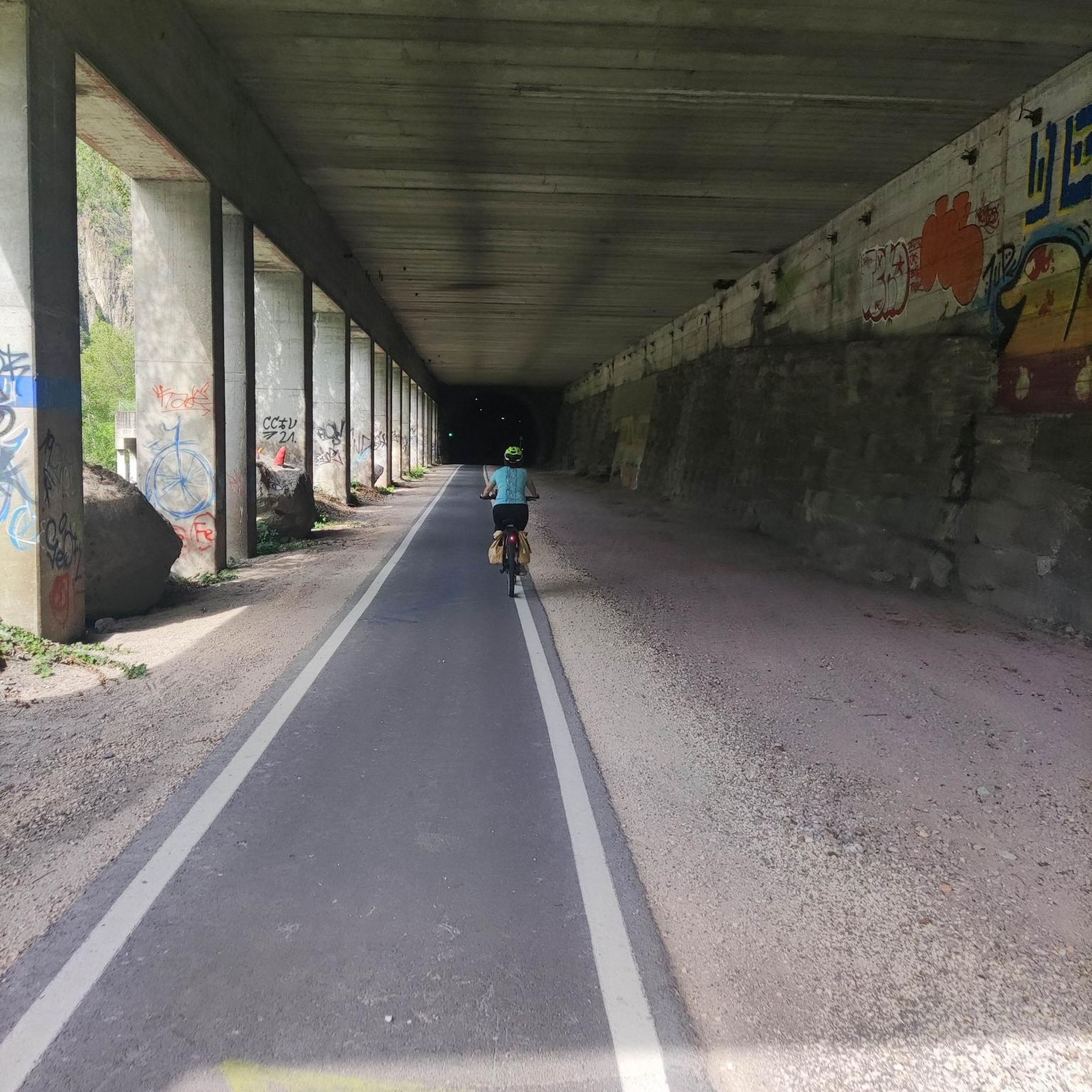
What to do and Nearby Points of Interest North Coast Ecovia: The estuary is a key point on the North Coast Ecovia, a pedestrian and cycle path that follows the coast and riverbanks. Bridge over the Neiva River: A pedestrian and cycle bridge with remarkable architecture was inaugurated in 2019 over the river, allowing crossing and continuity of the ecovia route. Hiking and Cycling: The area is ideal for leisurely walks, allowing visitors to enjoy the natural and bucolic landscape of the banks. Antas Hunting and Fishing Club: The local club manages fishing activity in the area and organizes initiatives for the protection of wildlife. The Neiva Estuary is a place of great serenity and beauty, ideal for those seeking direct contact with nature and outdoor activities.
1
0
Characteristics and Ecological Importance Biodiversity: The estuary is a crucial habitat for local fauna and flora. The presence of fresh and salt water creates a unique ecosystem that attracts a variety of aquatic birds and fish species, making it a place of interest for birdwatching. Protected Area: The area is part of the Esposende Coastal Protected Landscape, which attests to its relevance in terms of nature conservation.
1
0
The Neiva River Estuary is located in northern Portugal, in the municipality of Esposende, in the parish of Antas. This estuary is a place of great ecological and scenic importance, marked by the meeting of the Neiva River with the Atlantic Ocean.
1
0

The name Ophir appears several times in the Old Testament, including to designate a land distant from Israel where gold was collected. The gold of Ophir is often referred to as a separate gold, which may be due to the joint expedition of King Solomon and King Hiram (Tyre, Phoenicia) that set sail from the Red Sea and brought back 14 or 15 tons of gold from Ophir (1 Kings 9:26-28; 2 Chronicles 8:17-18). Thus, the Portuguese beach may be related to a new Ophir discovered by the Phoenicians. A famous local legend, the "legend of the horses of Phanus," even claims that "the biblical Ophir" was located in the place of modern Ophir. Source: Wikipedia
0
0

A beautiful view of the ocean with the mouth of the Rio Neiva. Very invigorating.
0
1

On the banks of the Neiva River, traces of ancient human activities such as mills, sawmills and flax mills that once gave life to the region still remain. Today, this natural setting is home to a rich biodiversity: trout and bream glide through the waters, otters peek out curiously, and in the sky, birds fill the estuary with movement. Among the winged inhabitants, the grey heron, the mallard, the yellow-legged gull and the agile kingfisher stand out.
2
1
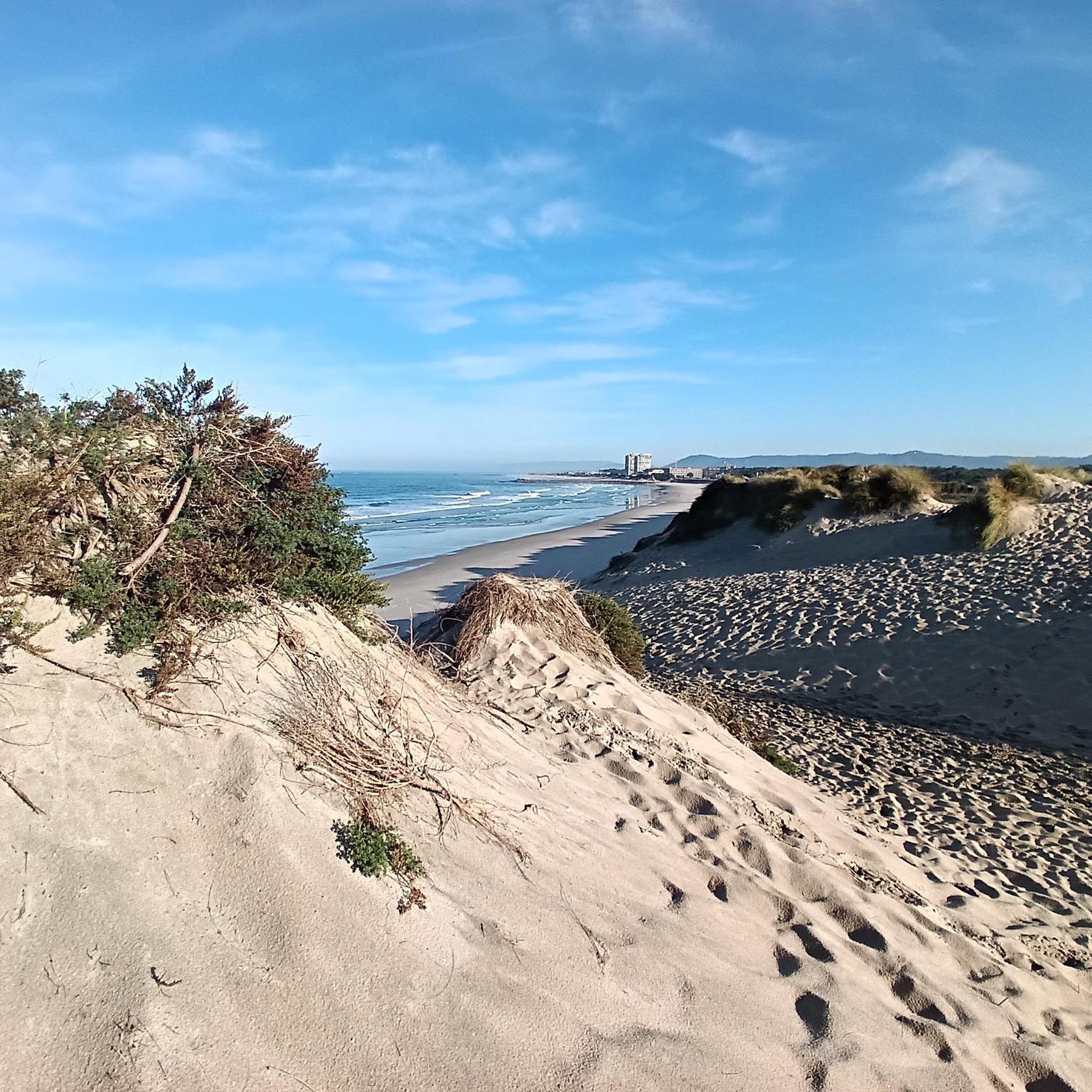
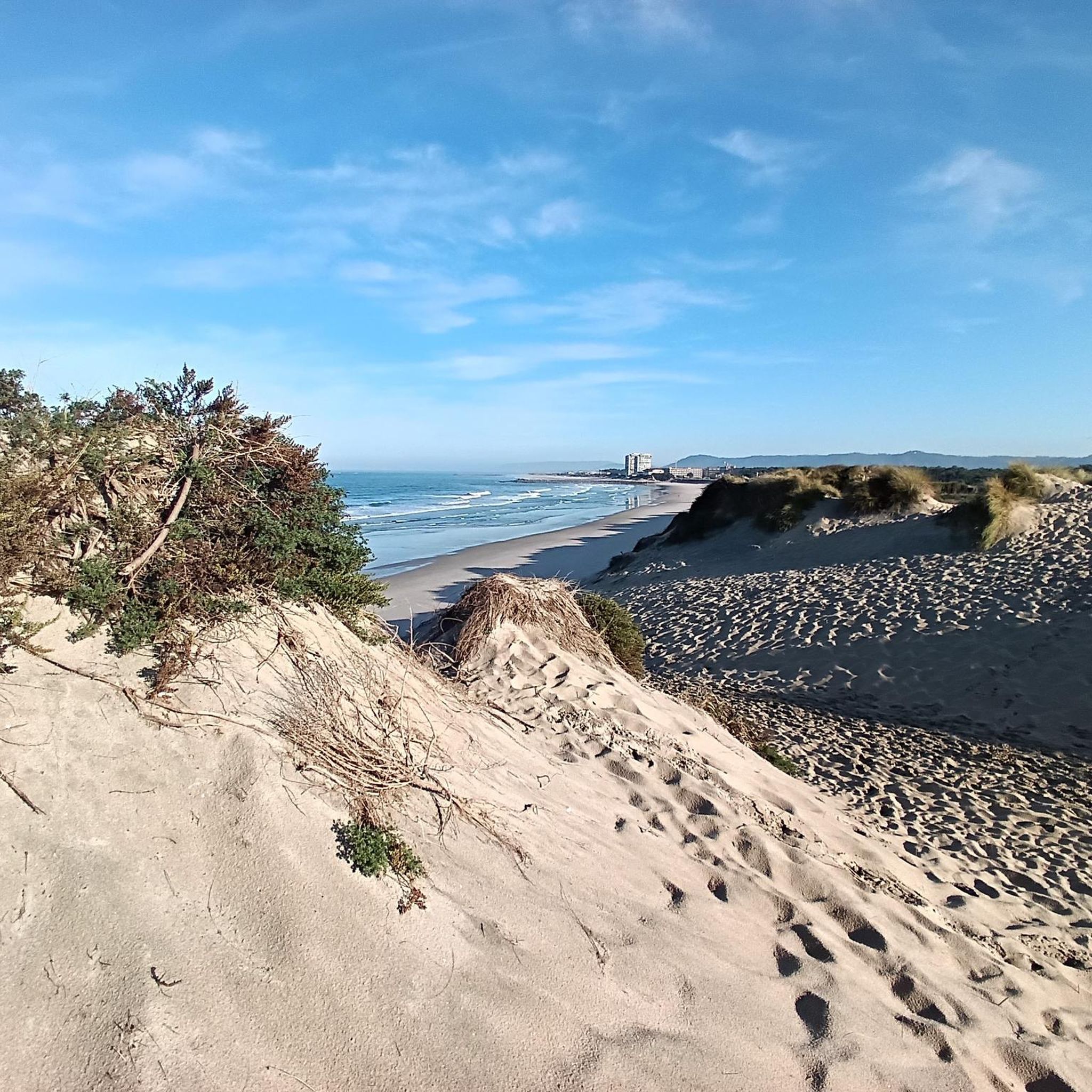
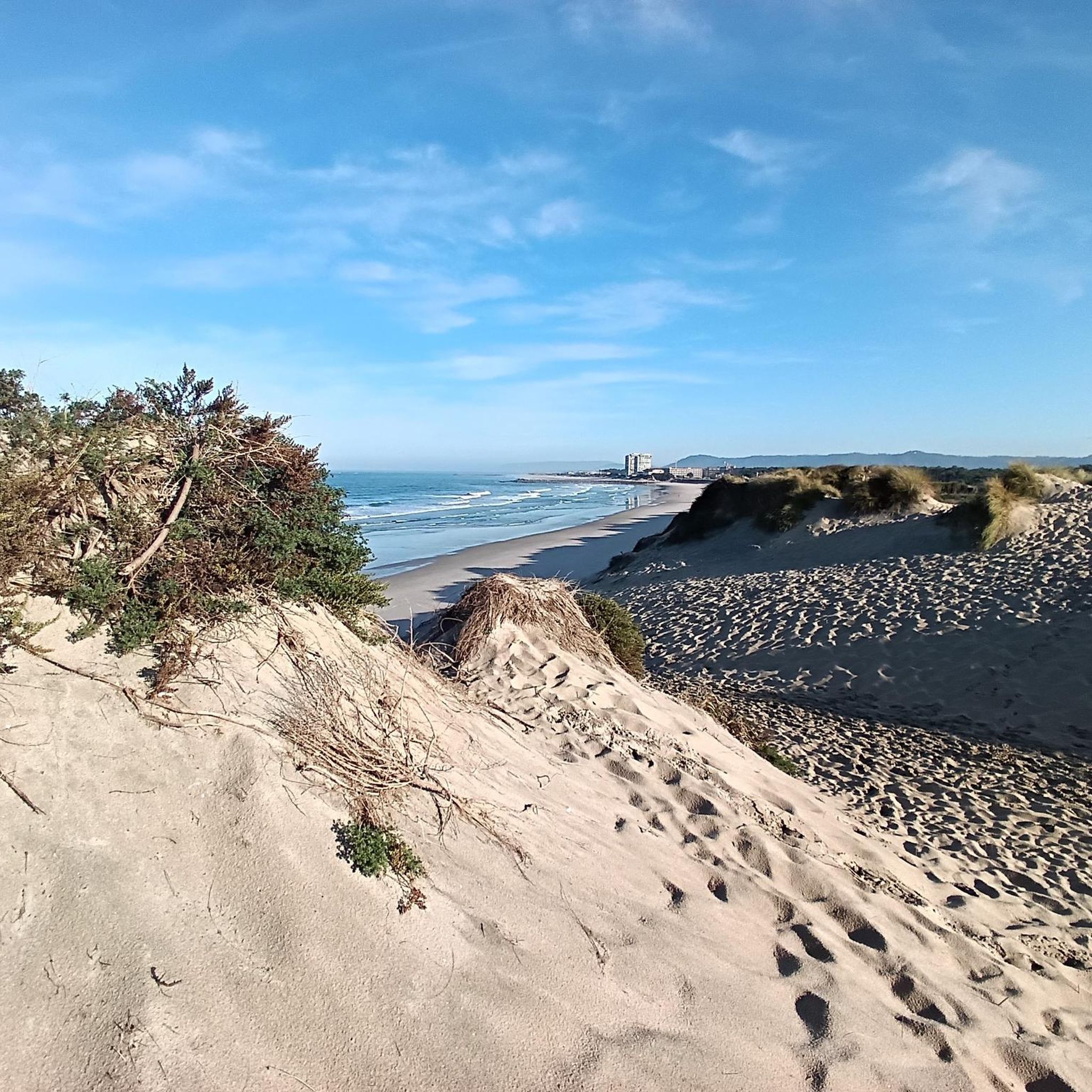
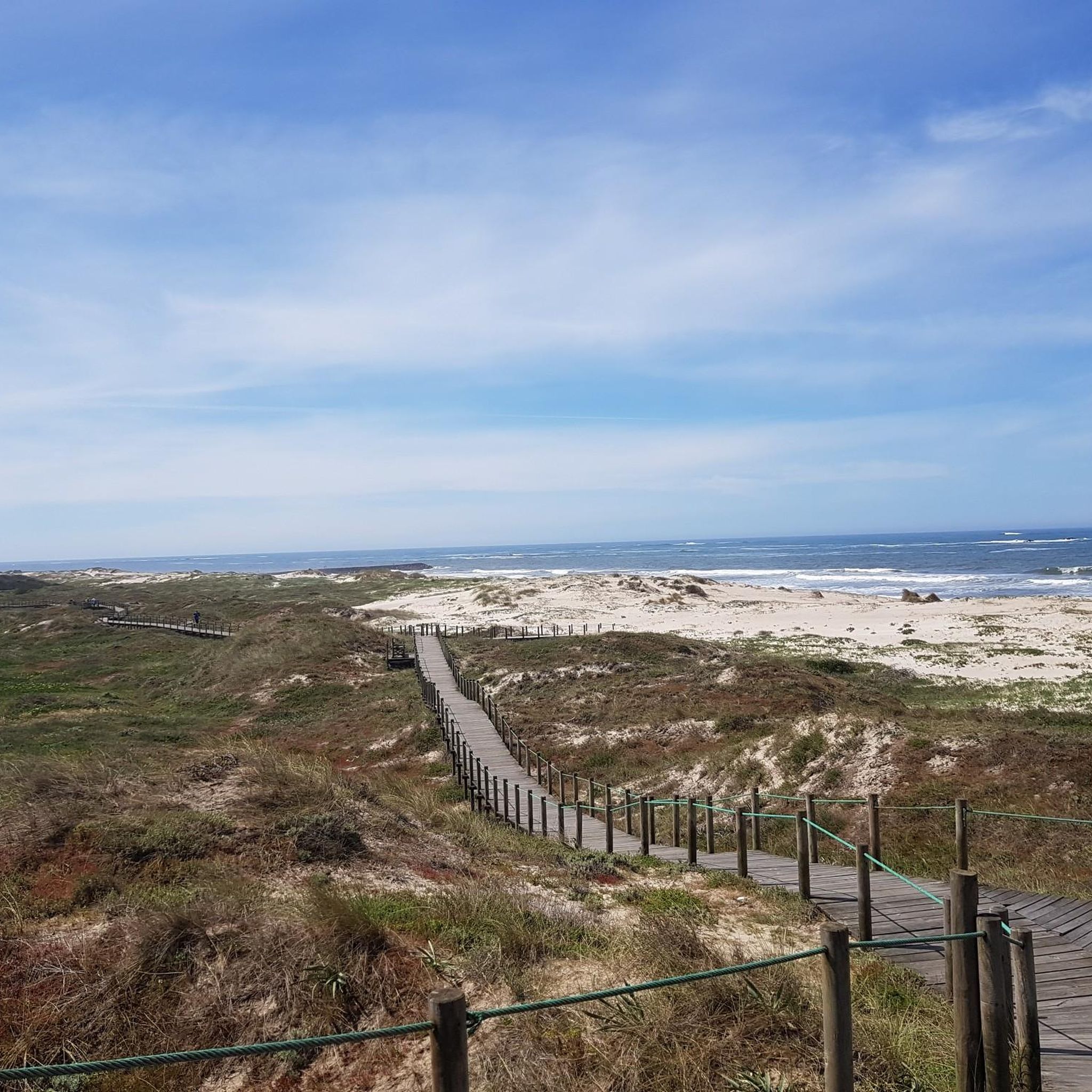
Belinho Beach stretches for about three kilometres, flanked by a long line of dunes where small wetlands are hidden. The sand is unique, made up of quartzite pebbles of various sizes, which shine in the sun. You can explore the dune landscape on the boardwalk that stretches for several kilometres, crossing a strip of sand that is about 300 metres wide.
2
0

A highlight that should not be missed on any visit to the region!
0
1
Frequently Asked Questions
What kind of natural features can I expect to see around Fão?
The natural monuments around Fão are primarily integrated within the Parque Natural do Litoral Norte, a protected coastal area. You can expect to see diverse landscapes including river estuaries, extensive dune systems, and pine forests. The region offers a rich blend of marine and terrestrial habitats.
Are there unique geological formations to explore near Fão?
Yes, Ofir Beach is known for its distinctive rock formations, locally called "Cavalos de Fão" (Horses of Fão), which emerge at low tide. These Ordovician quartzite rocks are not only geologically interesting but also create an important habitat for marine life. Additionally, Belinho Beach features unique sand composed of shining quartzite pebbles.
What wildlife can be observed at the natural monuments in Fão?
The Rio Neiva Estuary is a prime spot for wildlife observation. It's home to a rich biodiversity, including fish like trout and bream, otters, and various bird species such as the grey heron, mallard, yellow-legged gull, and kingfisher.
Are there hiking trails near the natural monuments around Fão?
Yes, there are several hiking opportunities. You can find easy hikes around Fão, including routes like the 'Pequeno Porto – Mouth of the Cávado River loop from Esposende' or the 'Fão Bridge – Beach walk from Ofir to Apulia loop from Ofir'. For more options, explore the Easy hikes around Fão guide.
What other outdoor activities are available near these natural monuments?
Beyond hiking, the area offers excellent opportunities for cycling and running. You can find various routes, such as the 'Fão Bridge – Esposende Maritime Museum loop' for cycling or running loops from Esposende. Check the Cycling around Fão guide and the Running Trails around Fão guide for detailed routes.
Are the natural monuments around Fão family-friendly?
Many natural monuments in Fão are suitable for families. For example, Ofir Beach, Rio Neiva Estuary, and Parque Natural do Litoral Norte Beach are all considered family-friendly, offering safe environments for enjoyment.
When is the best time of year to visit the natural monuments in Fão?
The coastal natural monuments in Fão, being part of the Parque Natural do Litoral Norte, are generally pleasant to visit during spring, summer, and early autumn. These seasons offer milder weather, ideal for exploring beaches, dunes, and estuaries. Summer provides the warmest temperatures for beach activities, while spring and autumn are excellent for hiking and birdwatching.
What makes Belinho Beach a unique natural monument?
Belinho Beach stands out for its approximately three-kilometer stretch of sand, flanked by a long line of dunes that conceal small wetlands. Its sand is unique, composed of quartzite pebbles of various sizes that shimmer in the sun. A boardwalk allows visitors to explore the extensive dune landscape.
Is there an accessible natural monument for wheelchair users?
Yes, the Pilgrims' Drinking Fountain is noted as being wheelchair accessible, providing facilities for all visitors.
Can I find places to eat or drink near the natural monuments?
Yes, especially around popular spots like Ofir Beach, you'll find a lively atmosphere with restaurants and bars. The general area of Fão and Esposende also offers various dining options to complement your visit to the natural monuments.
What is the significance of the Parque Natural do Litoral Norte for Fão?
The Parque Natural do Litoral Norte is a crucial protected area that encompasses much of Fão's coastline. It safeguards a diverse range of natural features, including the Cávado River estuary, extensive dune systems, and pine forests. The park is vital for biodiversity, protecting unique plant species and providing habitats for various wildlife, making it a significant ecological and recreational asset for the region.
Most popular attractions around Fão

Get inspired with the komoot mobile app


Explore more
Extend your search for the best caves by checking out these guides of the top ones around Fão:
