Top 6 Natural Monuments around Manowo
Best natural monuments around Manowo offer a range of natural attractions within this rural gmina in Poland. The region features notable natural points of interest along its Manowo hiking trails, showcasing the local environment. Visitors can explore a diverse landscape that includes ancient trees, unique geological formations, and historical sites integrated into the natural setting. The area provides opportunities to connect with the local environment and experience the tranquil beauty of the Polish countryside.
Best natural monuments around Manowo
- The…
Last updated: October 16, 2026
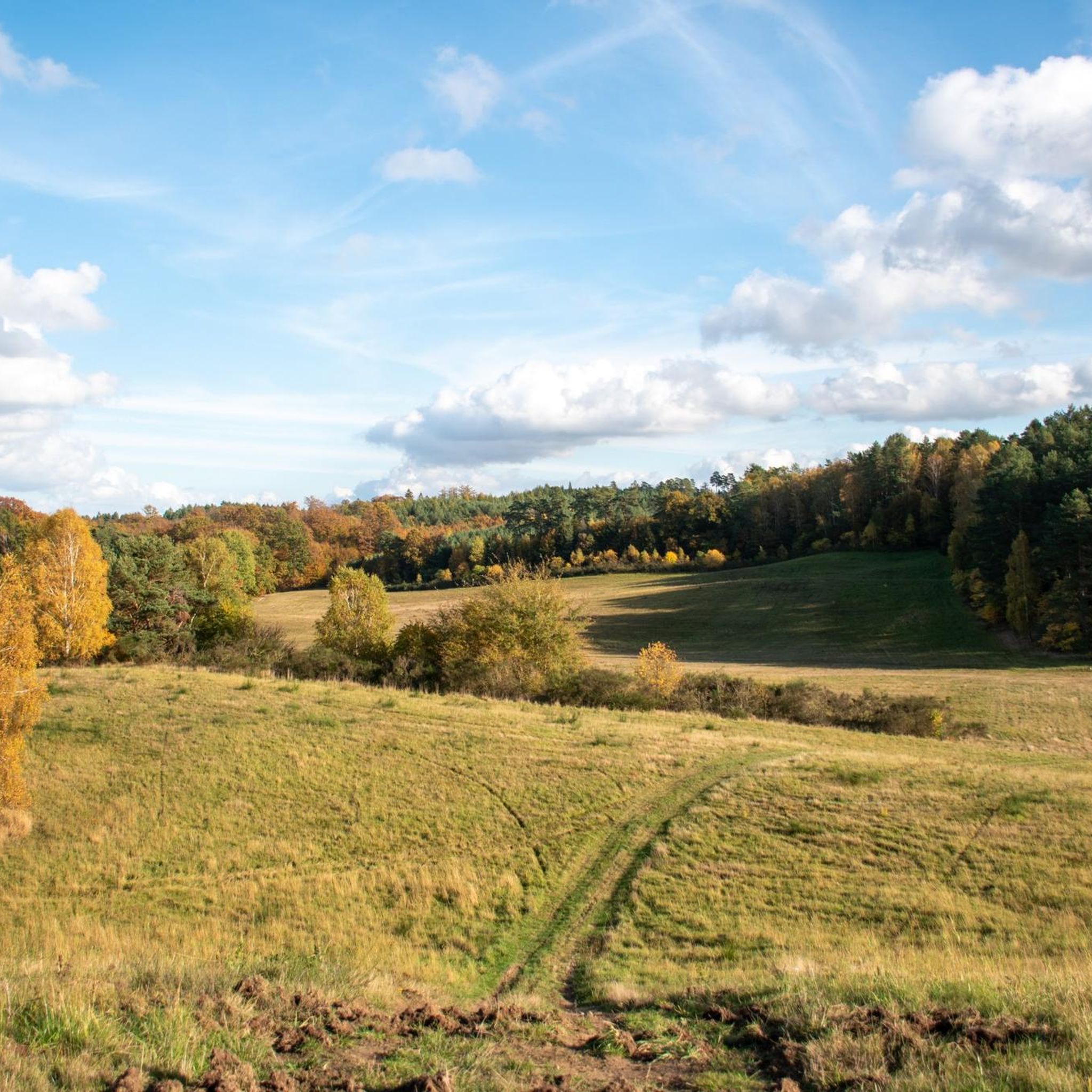
Karnieszewice Arboretum
Highlight • Forest
Translated by Google •
Tip by

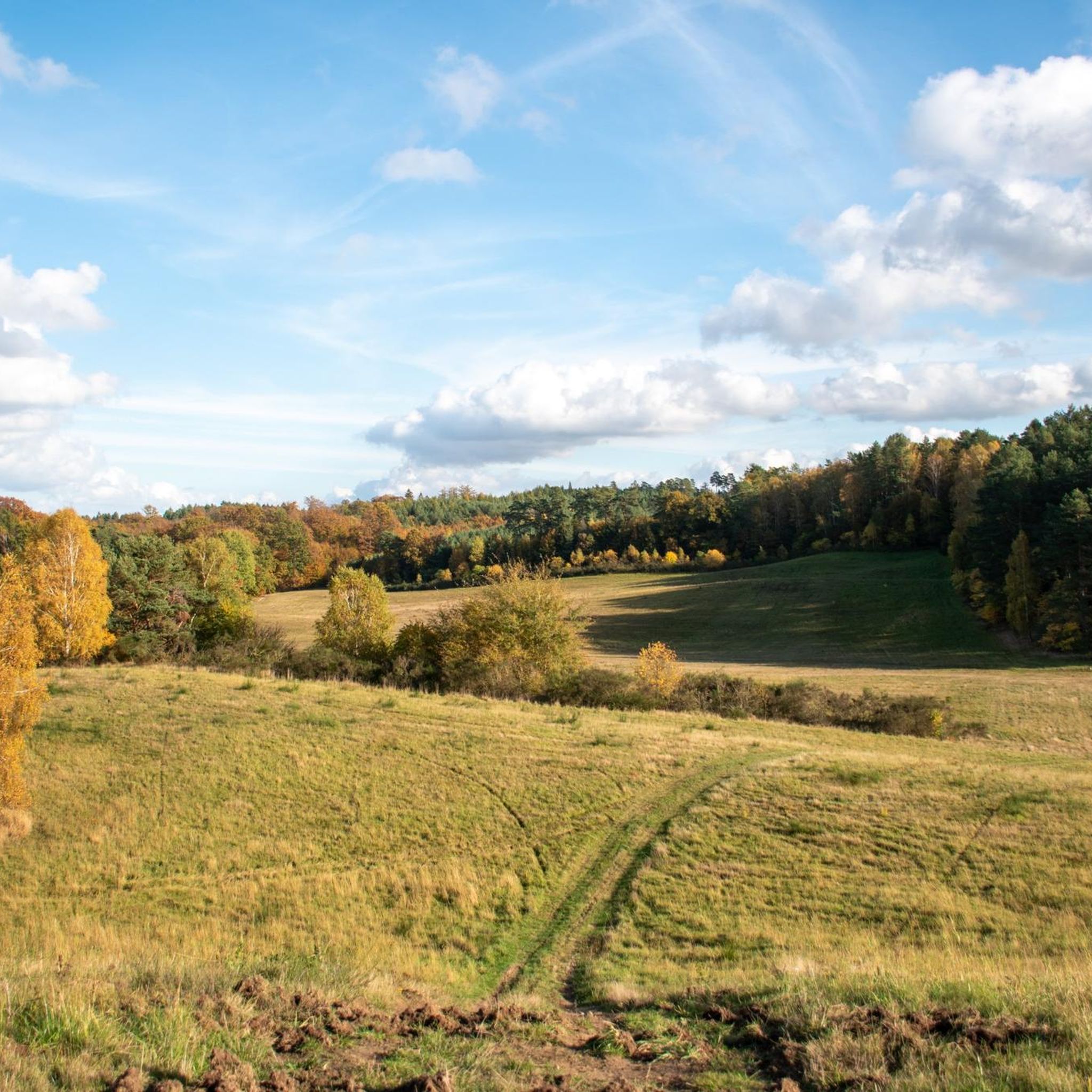
Gollenberg Holy Mountain and Marian Sanctuary
Highlight (Segment) • Religious Site
Sign up now to discover places like this
Get recommendations on the best single tracks, peaks, & plenty of other exciting outdoor places.
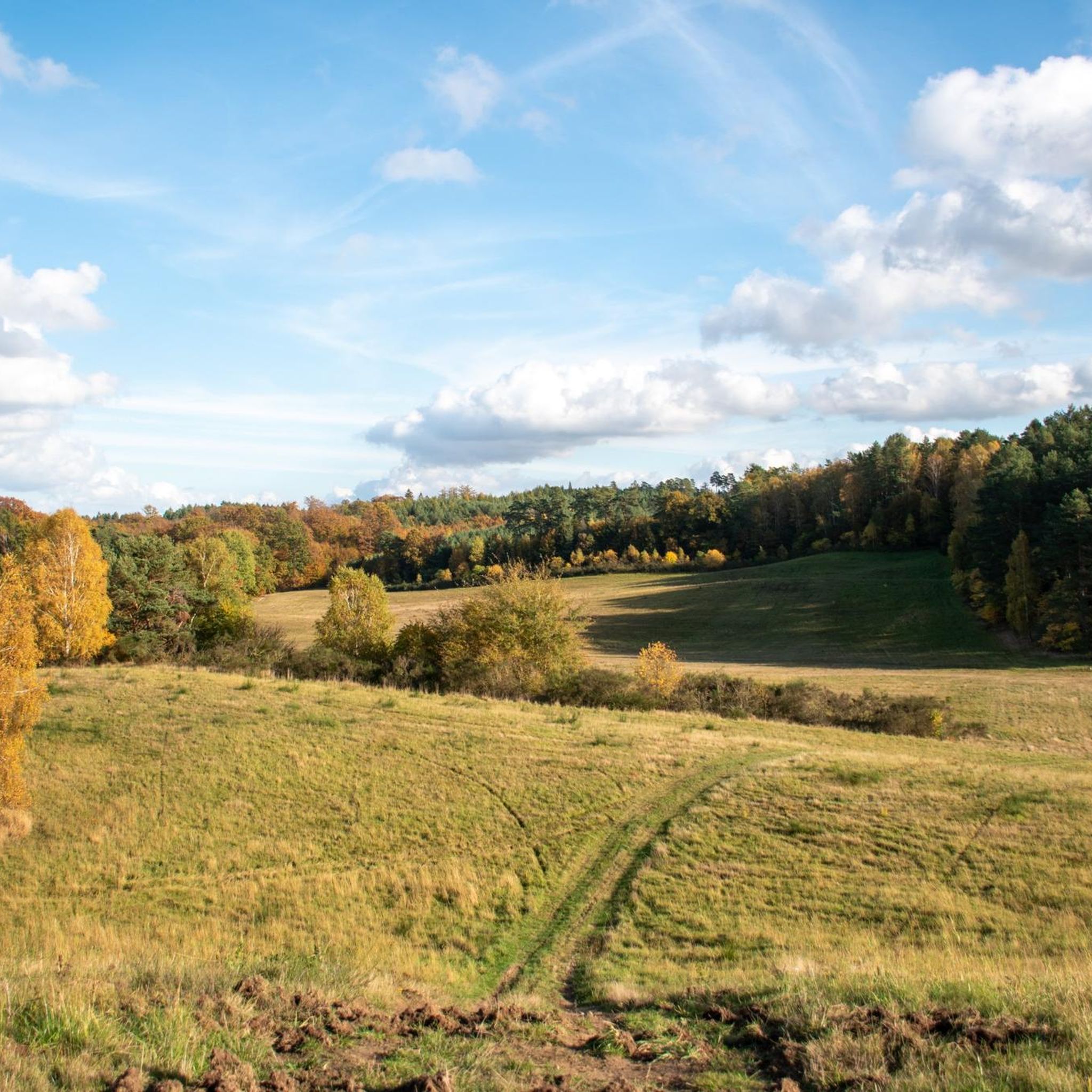
Stone Circles of Grzybnica
Highlight • Historical Site
Parking facilities …
Translated by Google •
Tip by

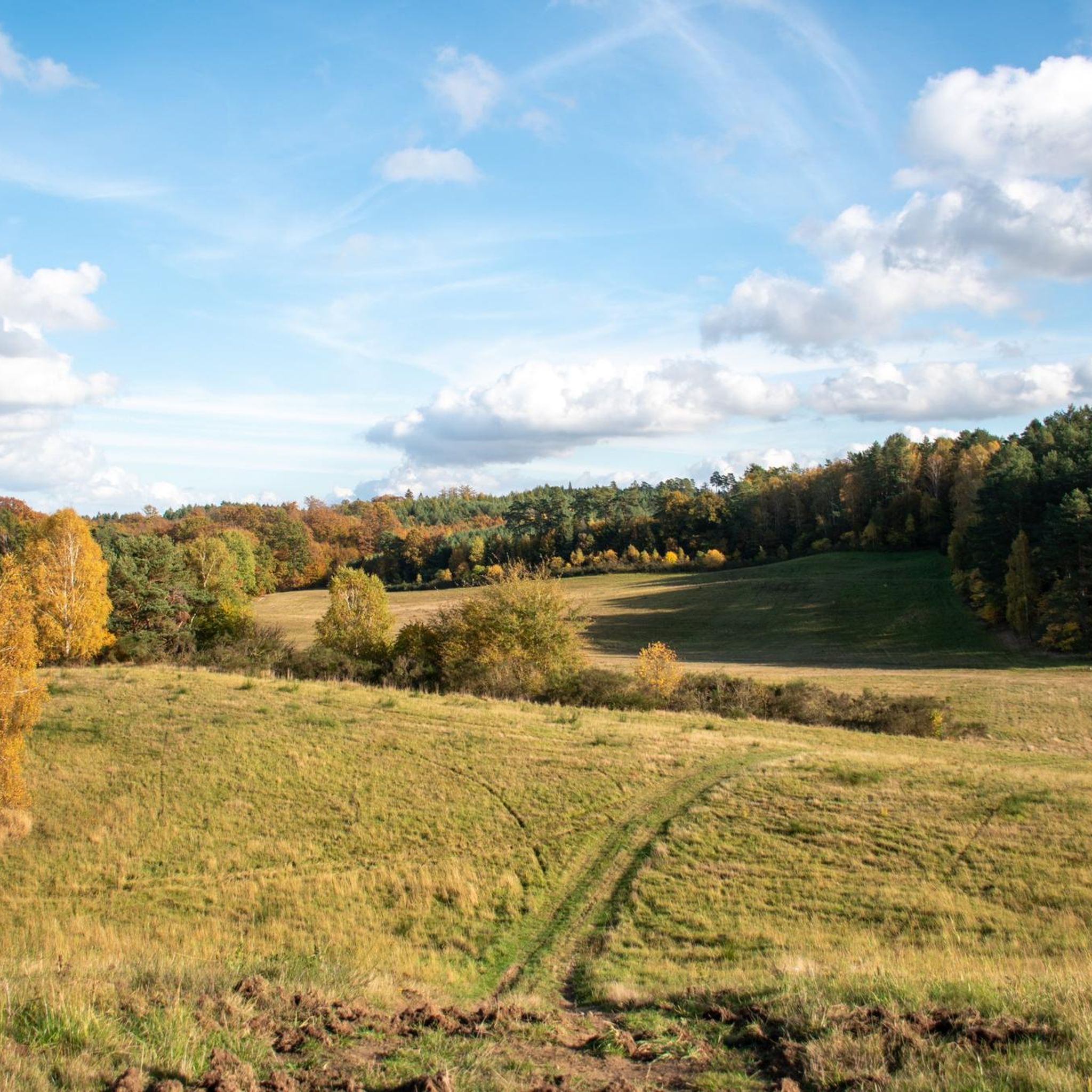
Beech Avenue
Highlight (Segment) • Natural Monument
Translated by Google •
Tip by

Ant Alley and Tadeusz Podkówka Memorial
Highlight • Natural Monument
Tip by

Sign up for free to discover even more natural monuments around Manowo.
Already have an account?
Start today with a free account
Your next adventure awaits.

Tips from the Community

The path to the arboretum on cobblestones is difficult. It is best to leave the bike at the entrance and take a walk
3
0

It is said to have been laid out in Napoleon's time, locals told me. The fact that the beeches are really old is shown by their impressive trunk circumference.
0
0

Stone circles from the 1st - 3rd centuries AD. Graves were discovered under the circles. Reconstructed, rediscovered and funded by the community and a museum in the 1970s. Parking facilities as well as benches and information boards are available in German, English and Polish.
0
0

The arboretum was established in 1881 on the occasion of the Congress of the Pomeranian Forest Society at a time when foresters of the second half of the nineteenth century formed the economic foundations of the functioning of the forest farm. At that time, attempts were made to introduce into forestry experiment and then into forestry practice, species of foreign origin whose growth parameters and achieved final quantities gave hope for intensification of wood production per unit area. The Karnieszewic Arboretum was founded to research the acclimatization, development and production capacity of foreign species. Particularly high hopes were then associated with Douglas fir discovered in North America by the Scottish botanist David Douglas, who in 1827 brought it and popularized it in English parks. Douglas fir in its homeland grows up to 100 m in height, is characterized by rapid growth and hence was the object of great interest of German foresters. In addition to Douglas fir, a number of other species were planted in the arboretum for research, such as: Canadian Christmas tree, Arborvitae, pea cypress, Lawsonia cypress, Caucasian fir, mud oak, red oak, and species whose purpose was rather aesthetic and decorative considerations, such as: chestnut, beech, American tulip tree, five-leaf peanut and many others. Today it is an excellent educational facility. In addition to many species of plants such as Żywotnik Olbrzymi, Caucasian Fir or Canadian Christmas Tree is equipped with an educational shelter, a bonfire place and numerous places to rest.
1
0
Il looks ants love this place. You can see ant mounds everywhere around. There is also a memorial stone for Tadeusza Podkówka, forester and ant researcher.
0
0
Frequently Asked Questions
What types of natural monuments can I explore around Manowo?
Around Manowo, you can explore a diverse range of natural monuments. These include educational forests like the Karnieszewice Arboretum, which features various plant species and research on foreign trees. You'll also find historical sites integrated into nature, such as the Stone Circles of Grzybnica, and scenic viewpoints like Gollenberg Holy Mountain and Marian Sanctuary, offering elevated views within a forest setting. The region also boasts ancient trees like the monumental oaks "Bogusław" and "Józef," and unique natural formations such as the Beech Avenue.
Are there family-friendly natural monuments in the Manowo area?
Yes, several natural monuments around Manowo are suitable for families. The Karnieszewice Arboretum is categorized as family-friendly, offering an educational facility with resting places. The Stone Circles of Grzybnica also welcomes families, providing an interesting blend of history and nature with available parking and information boards. Additionally, the Beech Avenue and Ant Alley and Tadeusz Podkówka Memorial are considered family-friendly, offering pleasant natural settings for exploration.
What historical or archaeological sites are integrated with nature around Manowo?
The most prominent historical site integrated with nature is the Stone Circles of Grzybnica. This archaeological reserve features ancient stone circles dating from the 1st to 3rd centuries AD, where graves were discovered. These reconstructed circles are set within the natural landscape of the Radew Valley, offering a unique blend of historical intrigue and natural beauty. Another site with historical significance is the Gollenberg Holy Mountain and Marian Sanctuary, a religious building and viewpoint nestled within a forest.
What kind of natural features can I expect to see on a visit?
You can expect to see a variety of natural features. The region is known for its forests, including the Karnieszewice Arboretum with its diverse tree species. You'll also encounter ancient and monumental trees, such as the impressive oaks "Bogusław" and "Józef" along the Józef Chrząszczyński red trail, and the old trees forming the Beech Avenue. Elevated viewpoints like Gollenberg Holy Mountain offer scenic panoramas of the surrounding landscape. Additionally, you might observe local flora and fauna along nature education paths, such as the one leading to Czapla Mountain.
Are there hiking or cycling routes near the natural monuments in Manowo?
Yes, Manowo offers various outdoor activities, including hiking and cycling, with routes often passing by or near natural monuments. For cycling enthusiasts, there are several options, including cycling routes around Manowo. If you prefer mountain biking, you can explore the MTB trails around Manowo, or try gravel biking routes. Many of these routes allow you to experience the tranquil beauty of the Polish countryside and its natural attractions.
What is the best time of year to visit the natural monuments around Manowo?
The natural monuments around Manowo are ideal for hiking and nature observation, making spring, summer, and early autumn generally the best times to visit. During these seasons, the weather is typically pleasant for outdoor activities, and the flora is in full bloom or displaying vibrant autumn colors. The Karnieszewice Arboretum, with its diverse plant species, would be particularly beautiful in spring and summer. While winter offers a different, serene landscape, some paths might be more challenging due to snow or ice.
Where can I find ancient trees in the Manowo region?
The Manowo region is home to several ancient and monumental trees. Along the Józef Chrząszczyński red trail, you can find the impressive monumental oaks known as "Bogusław" and "Józef," which are significant for their age and size. Another notable location is the Beech Avenue, where locals suggest the beeches are very old, possibly dating back to Napoleon's time, evident by their impressive trunk circumference.
Are there any viewpoints offering scenic panoramas?
Yes, the Gollenberg Holy Mountain and Marian Sanctuary is a notable viewpoint. Set within a forest, this site combines historical significance with natural beauty and offers elevated views of the surrounding scenery. Additionally, Czapla Mountain, part of the Nature Education Path along the Józef Chrząszczyński red trail, likely contributes to the scenic landscape and offers elevated perspectives of the local environment.
What facilities are available at the Stone Circles of Grzybnica?
At the Stone Circles of Grzybnica, visitors will find convenient facilities. These include parking, benches for resting, and information boards available in German, English, and Polish, providing context about the archaeological reserve and its history.
What makes the Karnieszewice Arboretum special?
The Karnieszewice Arboretum is special because it was established in 1881 for researching the acclimatization and growth of foreign tree species, such as Douglas fir, Canadian Christmas tree, and various cypresses. It serves as an excellent educational facility today, featuring a wide array of plant species. Visitors can also find an educational shelter, a bonfire place, and numerous spots to rest, making it a great place for learning and relaxation in nature.
Can I find information about local flora and fauna?
Yes, you can find information about local flora and fauna, particularly along the Nature Education Path with Czapla Mountain. This path, which is part of the Józef Chrząszczyński red trail, is designed to highlight the ecological importance of the area and offers insights into the local ecosystem. The Karnieszewice Arboretum also showcases various plant species, providing an opportunity to learn about different trees and plants.
What do visitors enjoy most about the natural monuments around Manowo?
Visitors particularly enjoy the blend of natural beauty and historical intrigue. The Karnieszewice Arboretum is appreciated for its educational value and peaceful resting spots. The Stone Circles of Grzybnica captivate visitors with their ancient history set within a natural landscape. The serene environment, opportunities for hiking and nature observation, and the chance to connect with the local environment are frequently highlighted by those exploring the region.
Most popular routes around Manowo
Most popular attractions around Manowo

Get inspired with the komoot mobile app


Explore more
Extend your search for the best caves by checking out these guides of the top ones around Manowo:
