Top 9 Natural Monuments around Ostróda
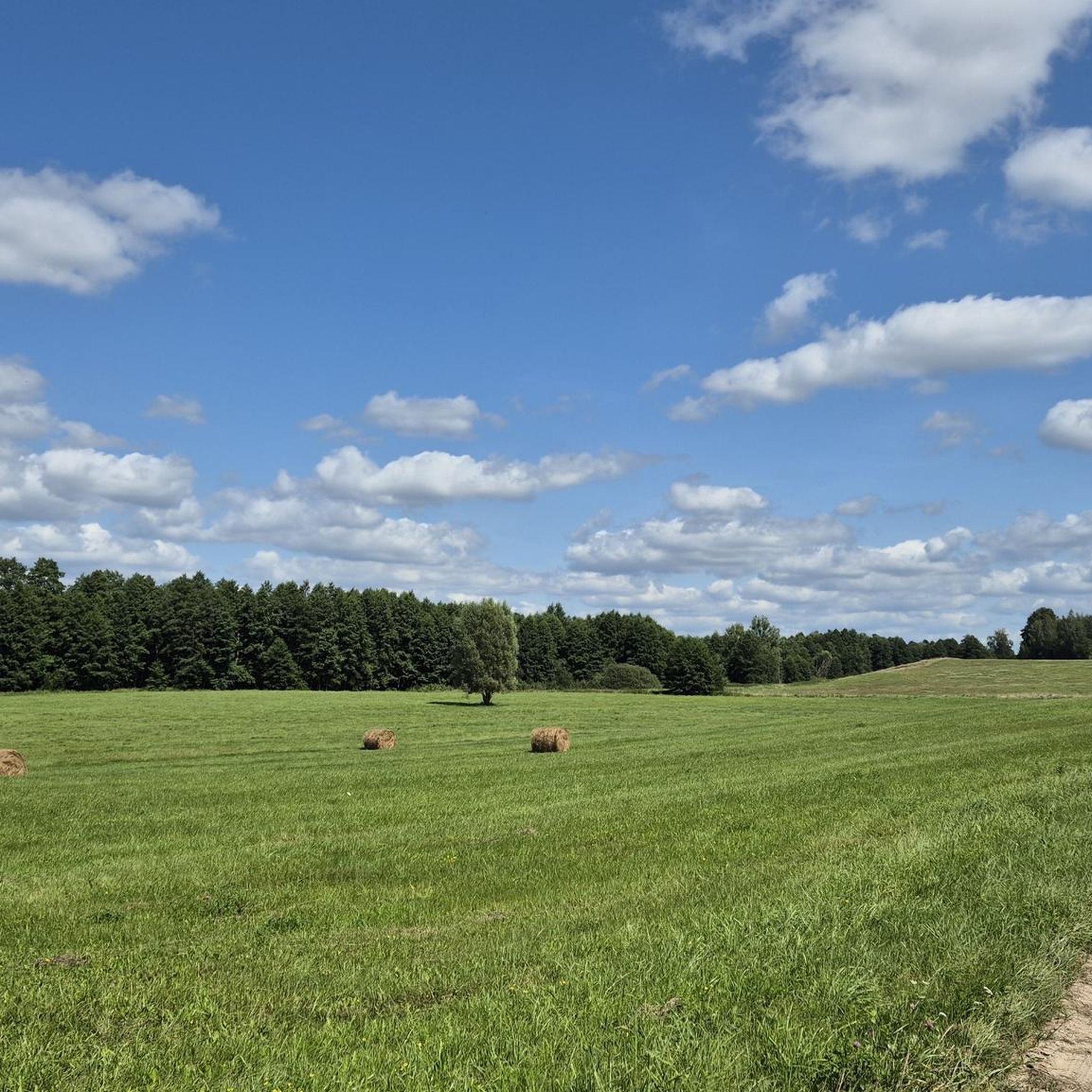
Best natural monuments around Ostróda are situated in Poland's Warmian-Masurian Voivodeship, a region defined by numerous lakes and extensive forested areas. The area's natural landscape includes expansive lakes, such as Lake Drwęca, and several other picturesque bodies of water, alongside rolling hills and forests. These features provide diverse settings for outdoor activities and offer scenic beauty. Ostróda serves as a gateway to Masuria's lake district, presenting a blend of natural beauty and historical significance.
Best natural monuments around Ostróda
- The…
Last updated: June 29, 2026
Observation Tower in Park Krajobrazowy Wzgórz Dylewskich
Highlight • Viewpoint
Translated by Google •
Tip by

Grunwald Monument
Highlight • Monument
Translated by Google •
Tip by

Sign up now to discover places like this
Get recommendations on the best single tracks, peaks, & plenty of other exciting outdoor places.
Sign up for free
Jezioro Francuskie
Highlight • Lake
The name of the lake comes from Napoleonic …
Translated by Google •
Tip by

Stone Obelisk 1913
Highlight • Monument
Translated by Google •
Tip by

Ludwik's Stone in Dylewo
Highlight • Monument
The von Rose family made Dylewo …
Translated by Google •
Tip by
Diabelski Głaz (Devil's Boulder)
Highlight • Natural Monument
Translated by Google •
Tip by
Jezioro Długie Nature Reserve
Highlight • Lake
Translated by Google •
Tip by

Evangelical Church and Glacial Erratic Gallery in Marienfelde (Glaznoty)
Highlight • Religious Site
Translated by Google •
Tip by

Taborskie Sosny and Taborski Zegar Czasu
Highlight • Forest
Translated by Google •
Tip by

View from the Góra Dylewska Lookout Tower
Highlight • Viewpoint
Translated by Google •
Tip by

Sign up for free to discover even more natural monuments around Ostróda.
Sign up for free
Already have an account?
Start today with a free account
Your next adventure awaits.
Login or Signup

Tips from the Community

A nice place for a short break from pedaling at a crossroads. 300 meters below there is a lovely campsite 🏕️ Zakątek. Perfect for camping.
0
0

It is not only the highest elevation in this region, but also in the whole of north-eastern Poland - 312 m above sea level. From the observation tower here there is a wonderful panorama, so it is not to be missed.
0
0

The Grunwald Monument stands imposingly on the vast site, a memorial whose striking shapes and clean lines are a striking reminder of the Battle of Grunwald in 1410. There is something majestic, almost solemn, about the atmosphere here. Strolling around the square, you can feel the importance of this place in Polish history. It is not just a monument, but a place where history comes alive. The massive stone and metal structures add a certain drama to the scene. From here, the view sweeps far over the surrounding landscape, which was once the scene of this decisive moment in medieval history. The monument is not just a memorial, but also a place of reflection and commemoration, offering visitors a special connection to history.
1
0
There is something mystical about the Devil's Rock. The name alone arouses curiosity, and when you stand at the foot of the enormous boulder, you understand why. In the middle of the forest, it sits majestically on a hill, covered in moss and covered in old inscriptions and graffiti - a silent witness to times gone by. You can almost feel how nature and history mix here, as your gaze wanders into the valley below. The river that flows quietly beneath the rock reinforces the impression of a hidden, wild landscape that is reluctant to reveal its secrets. Tradition tells of former border markers that are said to have run here, and the signs carved into the rock suggest that it has long served as a landmark. Despite some modern "artworks" on its surface, the rock has retained its rough, original charm. It is worth staying here for a while and taking in the atmosphere, maybe even climbing to the top to enjoy the view of the surroundings.
0
0
The observation tower here offers a beautiful panoramic view of the hilly landscape. The wooden stairs creak a little, which gives the tower a certain charm. Once you reach the top, you will be rewarded with a view that offers you a wide view over fields and forests - in good weather, all the way to the horizon. The information board on site will help you identify the surrounding villages and landscape features. In combination with the neighboring boulder gallery, which consists of interesting stone sculptures, this makes a worthwhile destination. The details in the stonemasonry are particularly exciting and give the place a certain mystique. Ideally, you should combine the visit with a hike through the surrounding forests to enjoy nature in all its diversity. The climb is definitely worth it. You should just be a little careful on the steps - they are sturdy, but one or two of the steps have seen better days.
0
0
A piece of history awaits you in Marienfelde (Glaznoty) - the Protestant church from the 14th century. At first glance it seems simple and modest, and yet each of its weathered walls tells of times long past. The mighty tower rises above the fields as if it were keeping silent watch. A detour to the neighboring boulder gallery is particularly worthwhile. Here lie carefully arranged stones that are reminiscent of works of art - some smooth and round, others rough and angular. Each of these boulders has its own character and forms a fascinating contrast to the rolling hills in the background. The combination of nature and culture gives the place a peculiar calm that invites you to pause for a moment. A little more care would not hurt the church and the boulder gallery to fully show off their charm, but perhaps that is precisely what makes this place so special - a mixture of transience and permanence.
0
0
In the heart of the forest near Tabór you will find the famous Taborskie Sosny - mighty pines that have survived here for centuries. The path through this rustic forest is like a walk through time. A highlight is the "Taborski Zegar Czasu", a cross-section of a huge tree trunk on which the annual rings mark important historical events. It makes you think about how much time has passed here while nature continued its course undeterred. Along the way you will see the remains of mighty felled trees. Sometimes a stump remains, the structure of which shimmers in the sunlight and tells the story of a long life. They are silent witnesses that indicate how old and enduring this forest is. The path remains pleasant to walk and the quiet, almost magical atmosphere allows you to relax. Even on a hot summer day it is pleasantly cool here, the pine needles ensure a soft forest floor and the rustling in the wind reinforces the feeling of immersing yourself in another world. This hike lets you experience nature – in a special, almost nostalgic way.
0
0

Pine trees that everyone wanted for ships and ships and masts 🤘🏼
2
0
Frequently Asked Questions
What unique natural features can I explore around Ostróda?
Ostróda is known for its diverse natural landscape. You can visit Jezioro Francuskie, the highest located lake in north-eastern Poland, which is part of a flora reserve. Another notable site is the Jezioro Długie Nature Reserve, a water and forest reserve offering a tranquil natural setting. For a unique geological feature, consider the Diabelski Głaz (Devil's Boulder).
Beyond specific monuments, what natural landscapes define the Ostróda region?
The Ostróda region is characterized by its numerous lakes and extensive forested areas. Lake Drwęca is central to the town's charm, offering scenic views and recreational opportunities. The area also boasts other picturesque lakes like Sajmino, Jakub, Pauzeńskie, Kajkowskie, and Perskie. Additionally, you'll find rolling hills and forests, such as those around Taborskie Sosny, providing ideal settings for immersing yourself in nature.
Are there family-friendly natural monuments to visit in Ostróda?
Yes, several natural monuments around Ostróda are suitable for families. The Observation Tower in Park Krajobrazowy Wzgórz Dylewskich offers impressive panoramic views and is considered family-friendly. The Grunwald Monument, while historical, also provides an open space for families to explore. The Stone Obelisk 1913 and Taborskie Sosny are also noted as family-friendly spots.
What outdoor activities can I do near the natural monuments around Ostróda?
The Ostróda area, with its lakes and forests, is excellent for various outdoor activities. You can enjoy water sports like swimming, fishing, boating, kayaking, and water skiing on Lake Drwęca and other surrounding lakes. For land-based activities, there are numerous trails for hiking and cycling. You can find more details on specific routes in the MTB Trails around Ostróda, Road Cycling Routes around Ostróda, and Gravel biking around Ostróda guides.
Are there good hiking trails around Ostróda's natural monuments?
Yes, the forested areas and rolling hills around Ostróda offer many opportunities for hiking. The region's trails lead through natural landscapes, often to panoramic viewpoints. For example, the area around the Observation Tower in Park Krajobrazowy Wzgórz Dylewskich provides trails with rewarding views after a climb. You can explore various hiking options in the broader Natural Monuments around Ostróda guide.
What is the best time of year to visit the natural monuments around Ostróda?
Ostróda's natural monuments are particularly appealing during the warmer months, from late spring to early autumn. This period offers the best conditions for water sports on the lakes, hiking through forests, and enjoying the scenic views. The town is often referred to as the 'summer capital of Masuria' due to its vibrant atmosphere and recreational opportunities during this time.
Are there any natural monuments around Ostróda with historical significance?
Yes, some natural monuments in the area are intertwined with history. The Grunwald Monument, while man-made, commemorates the historic Battle of Grunwald and offers views over the landscape where it took place. Another example is Ludwik's Stone in Dylewo, a monument commemorating the purchase of Dylewo estates in 1858, set within a historically significant park.
What do visitors particularly enjoy about the natural monuments in the Ostróda area?
Visitors frequently praise the impressive panoramic views, especially from elevated points like the Observation Tower in Park Krajobrazowy Wzgórz Dylewskich. The blend of serene natural beauty with active recreational options, such as the extensive lakes and forests, is also highly appreciated. The historical significance of sites like the Grunwald Monument also adds a unique dimension to the experience.
Is wild swimming possible in the lakes around Ostróda?
Yes, wild swimming is a popular activity in the Ostróda region, especially during the warmer months. Lake Drwęca, with its city beach, is a prime spot for swimming. The numerous other lakes surrounding Ostróda also offer opportunities for refreshing dips in natural settings, allowing visitors to enjoy the region's abundant water bodies.
What should I wear when visiting natural monuments in Ostróda, especially for hiking?
When visiting natural monuments and hiking around Ostróda, it's advisable to wear comfortable, layered clothing suitable for outdoor activities. Sturdy walking shoes or hiking boots are recommended, especially if you plan to explore forested areas or climb to viewpoints. During summer, bring swimwear for the lakes, and in cooler seasons, waterproof outerwear is beneficial.
Are there any unique historical-natural monuments like the Elbląg Canal near Ostróda?
While not strictly a 'natural monument' in the traditional sense, the Elbląg Canal is a unique waterway partially running along the picturesque shores of Lake Drwęckie, connecting Ostróda with Elbląg. It's famous for its system of ramps that allow boats to traverse land, making it a fascinating and historic natural-technical monument. Cruises on the Elbląg Canal offer a distinctive perspective of the landscape and its engineering marvels.
Most popular routes around Ostróda
Most popular attractions around Ostróda

Get inspired with the komoot mobile app


Didn’t find what you were looking for?
Find even more amazing natural monuments around Ostróda by checking out the top Highlights region by region:
Explore more
Extend your search for the best caves by checking out these guides of the top ones around Ostróda:
