Top 6 Mountain Passes around Castleisland-Corca Dhuibhne
Best mountain passes around Castleisland-Corca Dhuibhne are located in County Kerry, Ireland, featuring dramatic and scenic routes. The region is characterized by glaciated landscapes, high mountain passes, and sweeping valleys. These passes historically connect communities and offer routes through the Dingle Peninsula and MacGillycuddy's Reeks. The area provides diverse terrain for exploration, from challenging climbs to quieter, remote crossings.
Best mountain passes around Castleisland-Corca Dhuibhne
- The most popular mountain passes is View from Connor Pass Summit, a viewpoint that…
Last updated: August 22, 2026
Conor Pass
Highlight • Mountain Pass
Showing Translation
Tip by

Connor Pass Viewpoint
Highlight (Segment) • Viewpoint
Showing Translation
Tip by
Sign up now to discover places like this
Get recommendations on the best single tracks, peaks, & plenty of other exciting outdoor places.
Sign up for free
View from Connor Pass Summit
Highlight • Viewpoint
Translated by Google •
Tip by

View of Mount Eagle, Cruach Mharthain, Smerwick Harbour, and Brandon Range
Highlight • Viewpoint
Translated by Google •
Tip by

Brandon Valley Saddle
Highlight • Mountain Pass
You have to carry your bikes over fences and walk few hundres metres
Tip by

Start today with a free account
Your next adventure awaits.
Login or Signup
Popular around Castleisland-Corca Dhuibhne
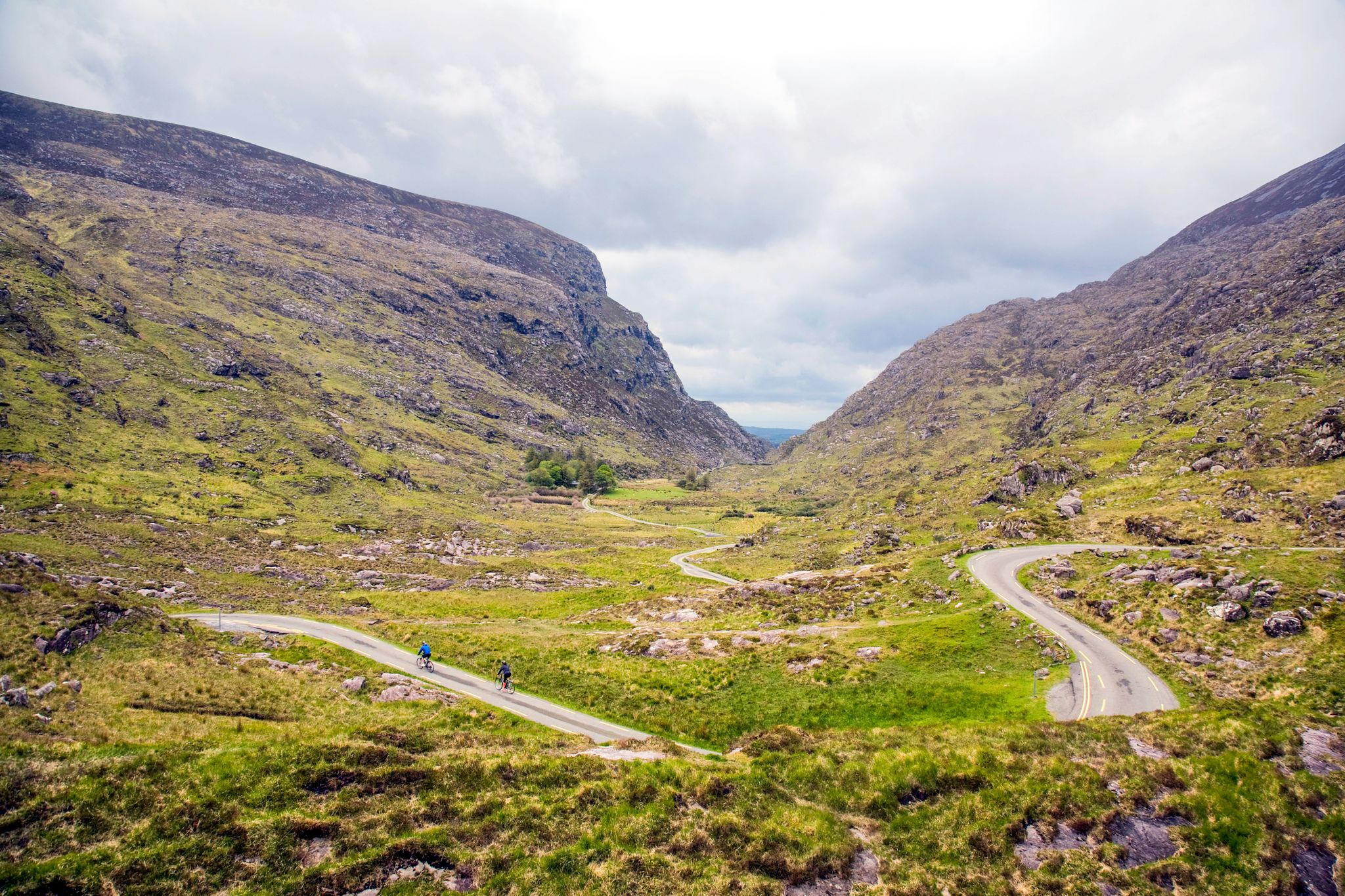
Incomparable Ireland Challenge: Reeks District Big Five
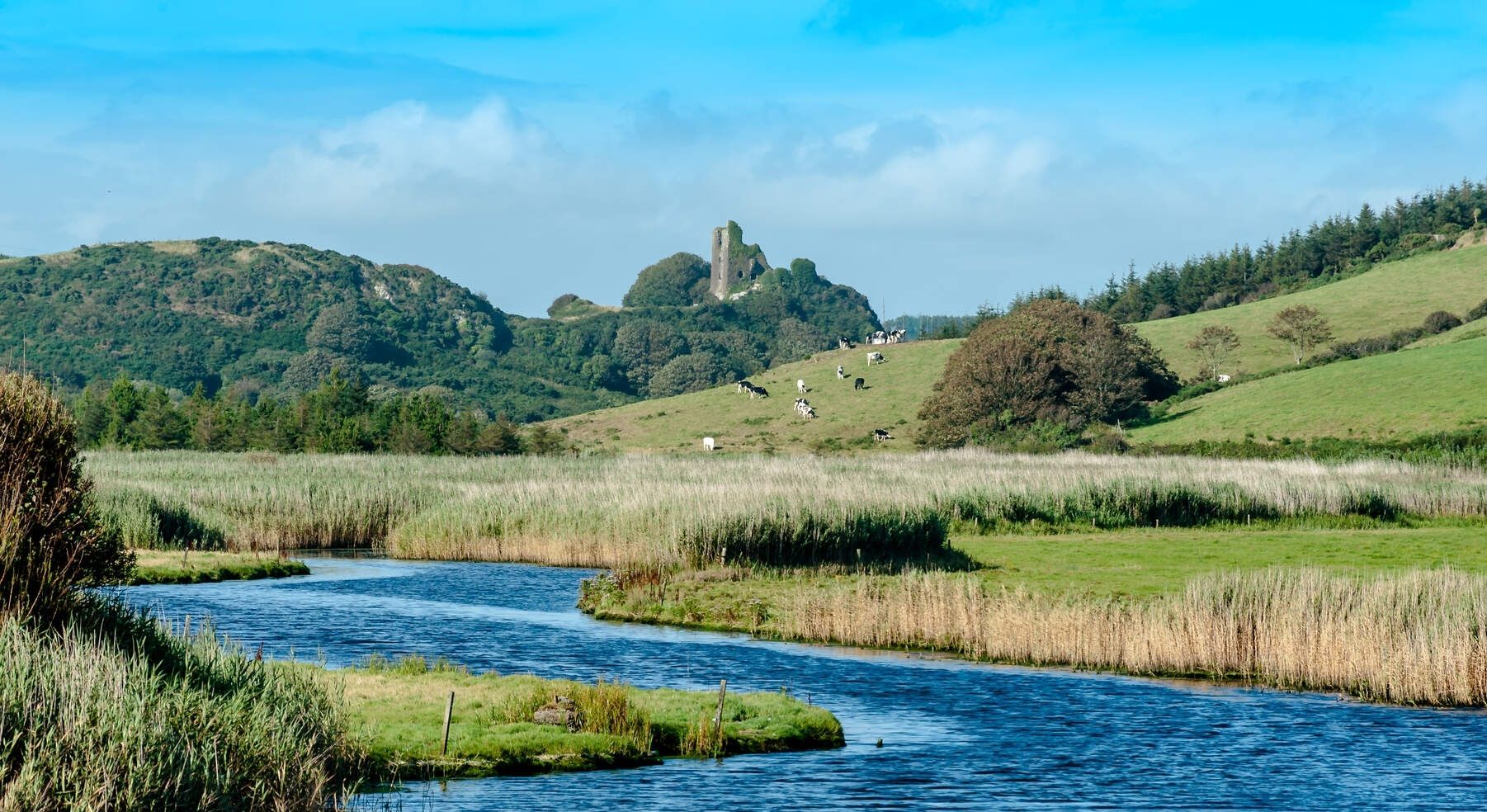
Ireland's blue rivers and lakes – walks along the water
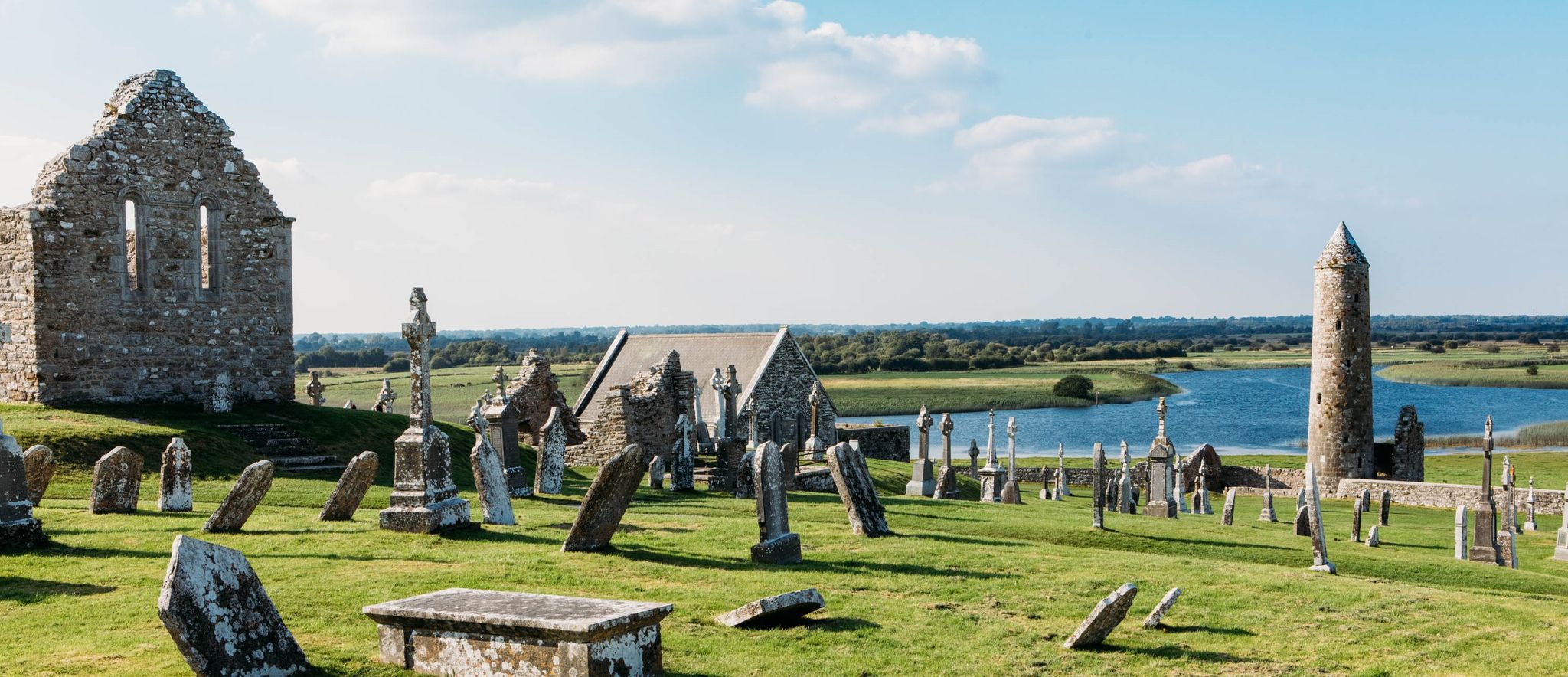
Discover Ireland's past – historical walks on the Emerald Isle
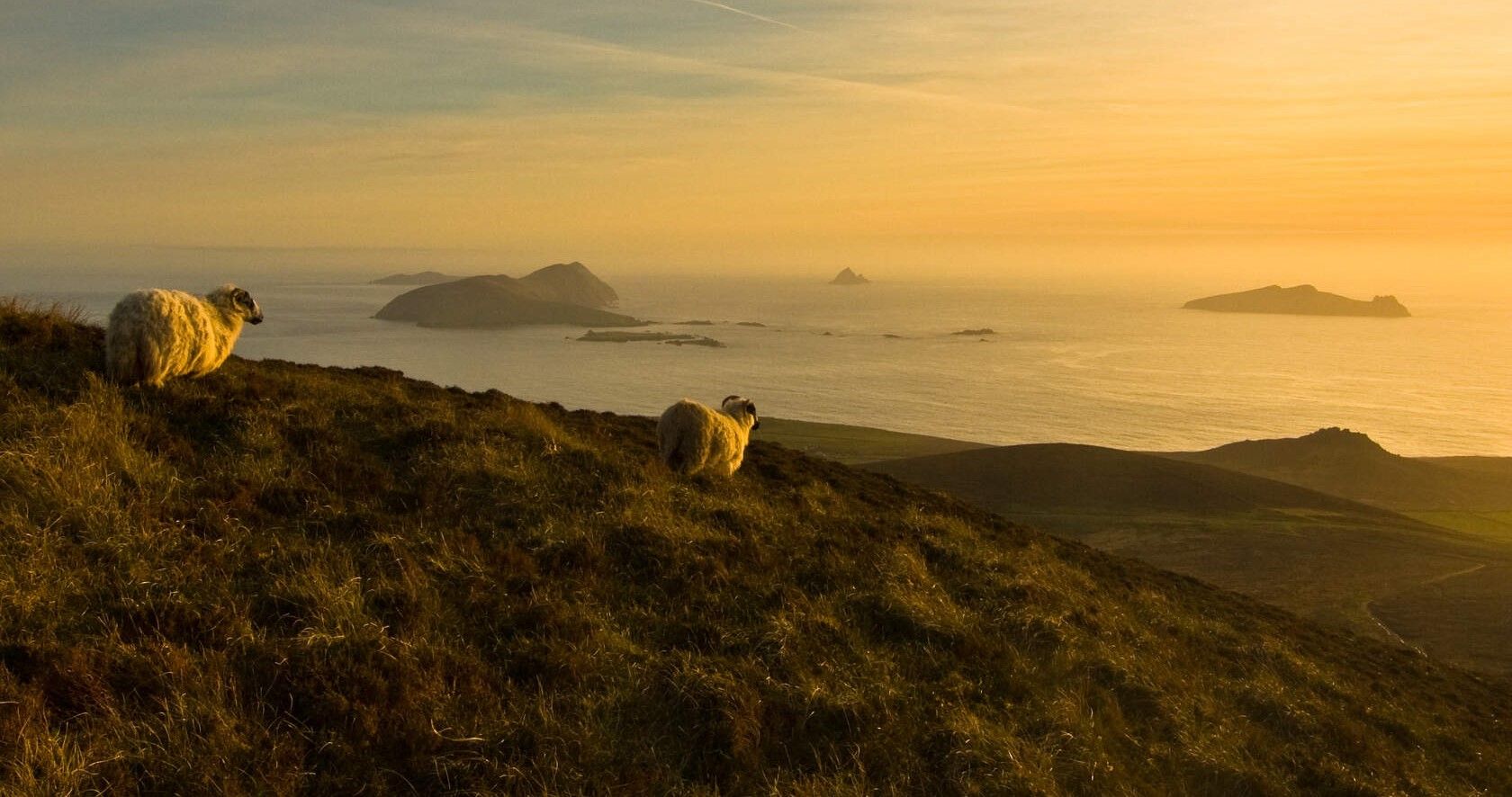
Original Ireland – 8 stages on the Dingle Way
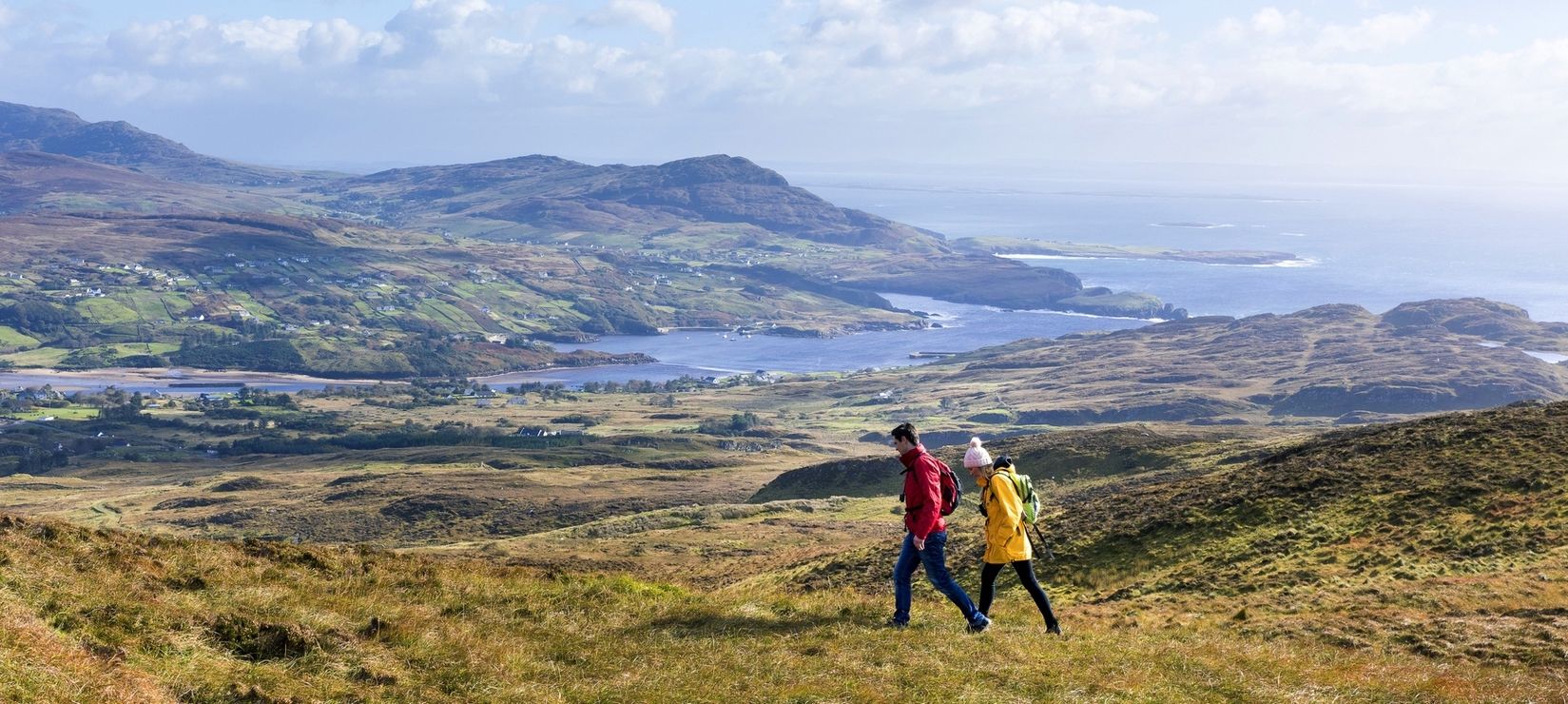
Wild Atlantic Way — day hikes for your road trip along Ireland's coastline
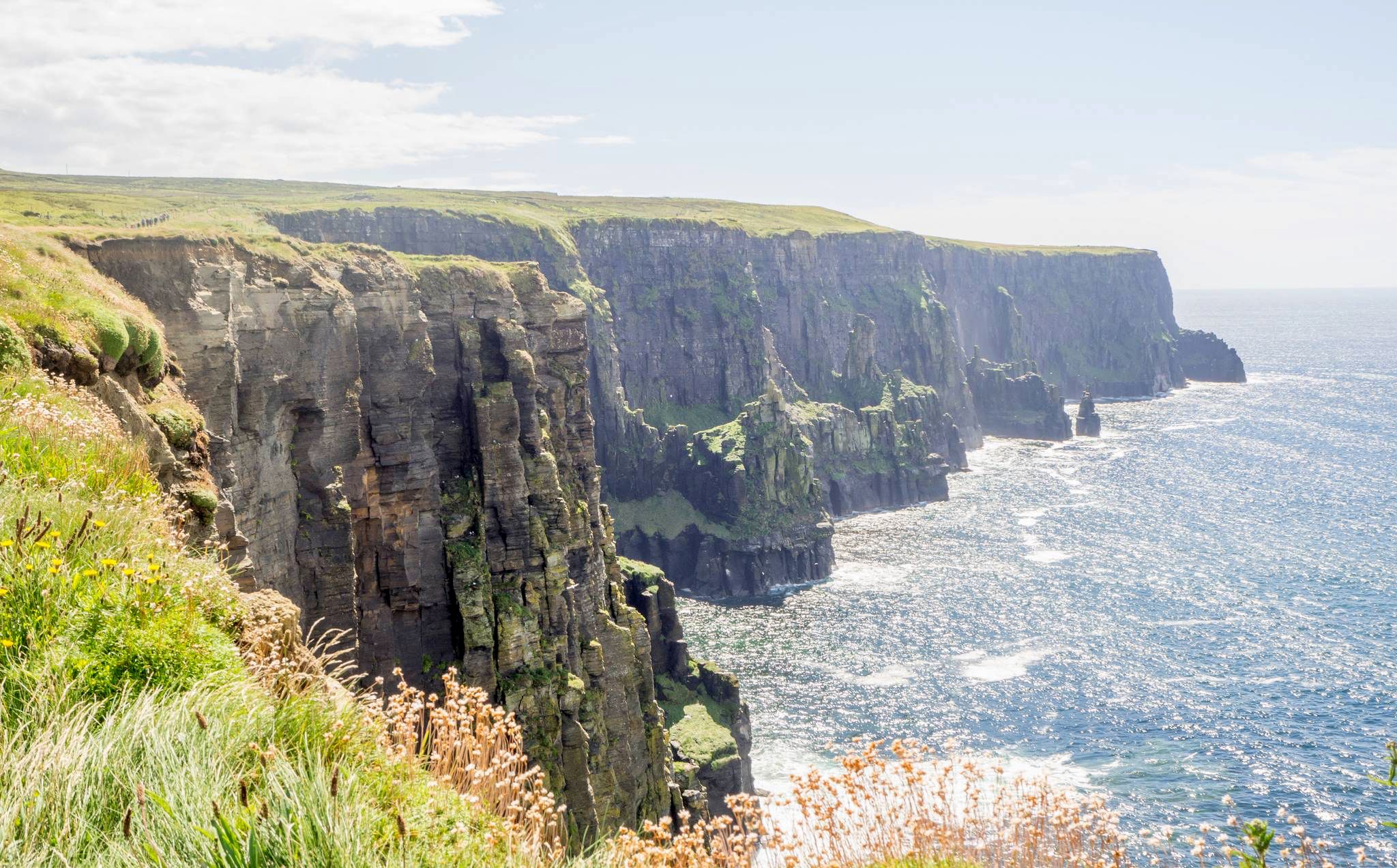
Ireland's wild west
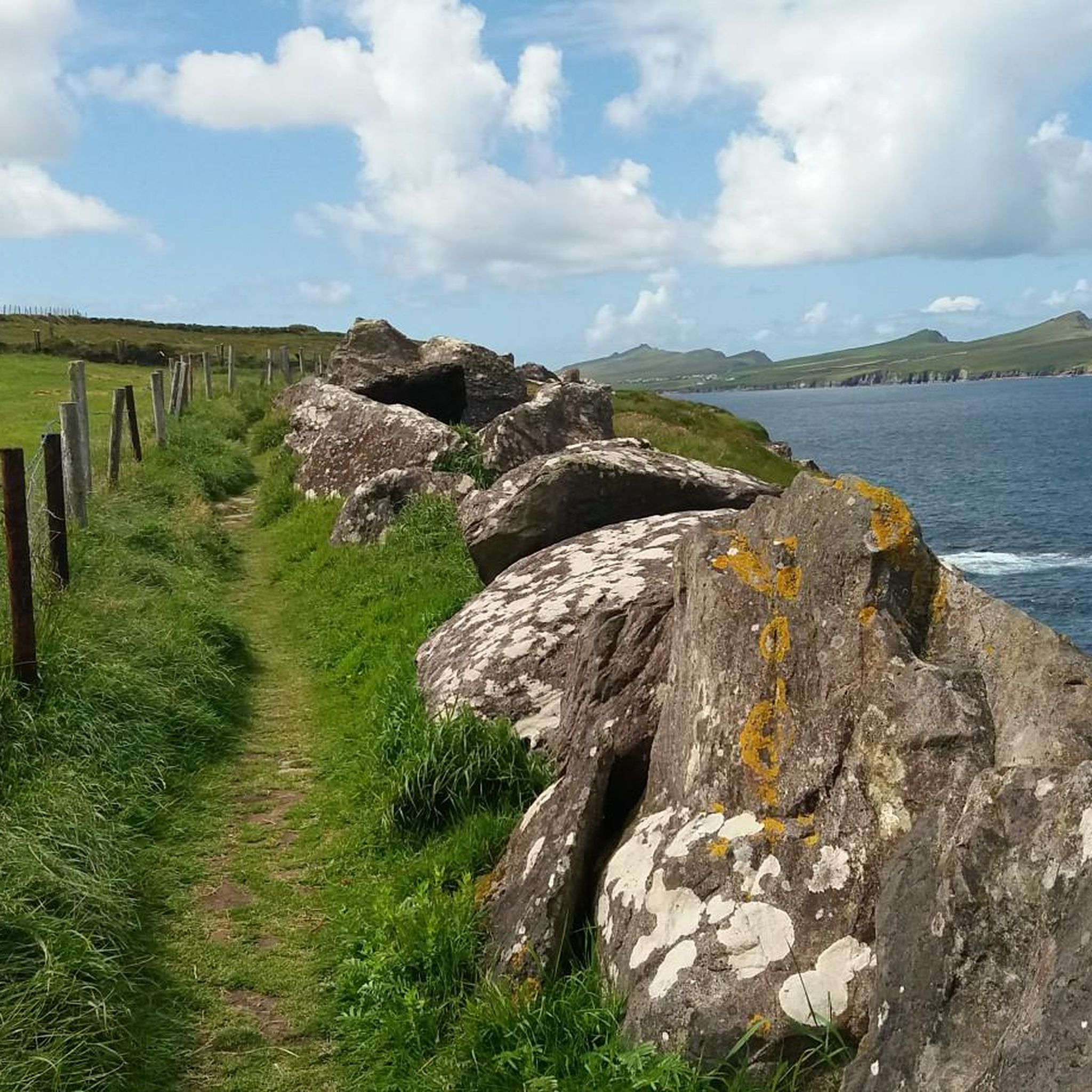
Hiking around Castleisland-Corca Dhuibhne
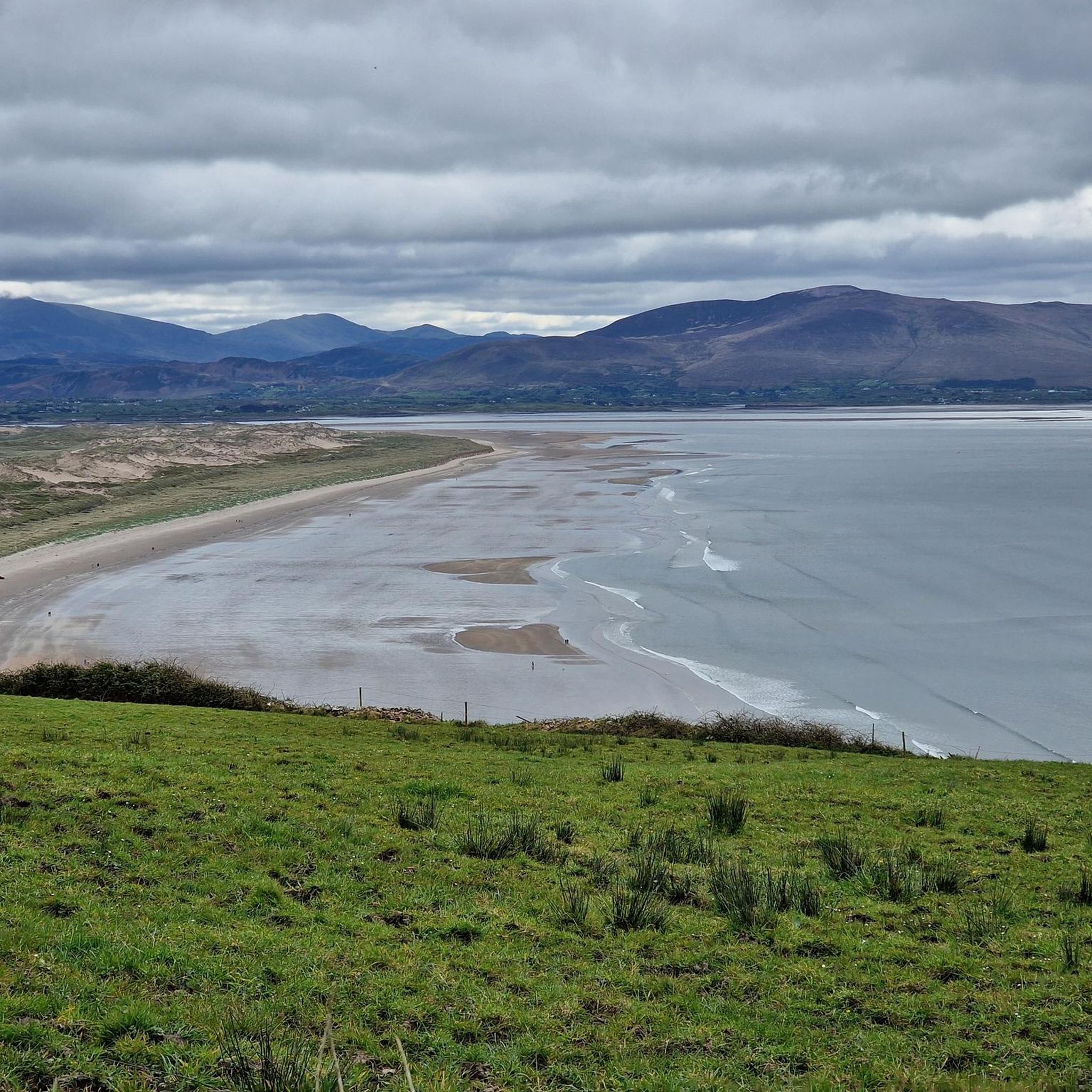
Cycling around Castleisland-Corca Dhuibhne
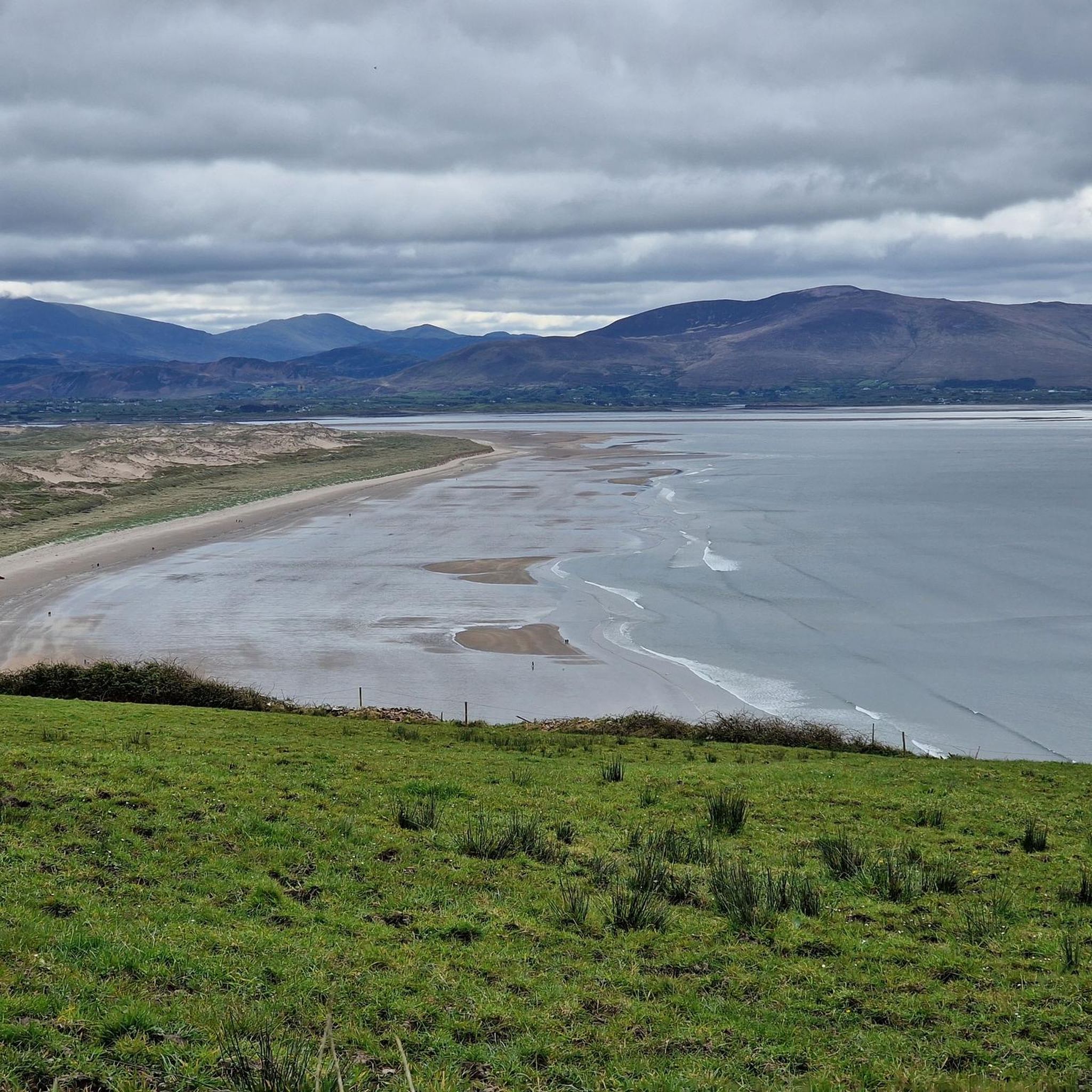
Running Trails around Castleisland-Corca Dhuibhne
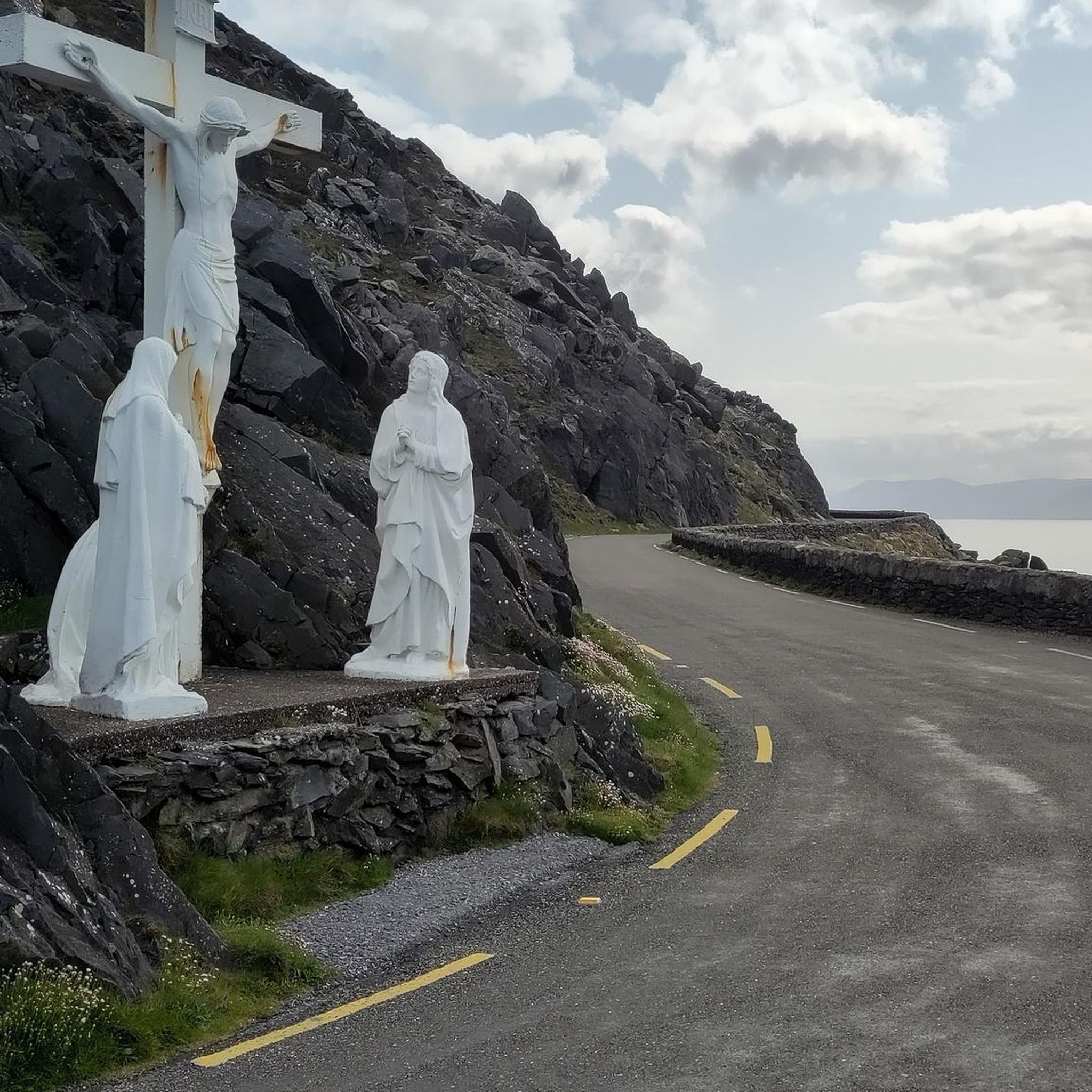
Road Cycling Routes around Castleisland-Corca Dhuibhne
Other adventures around Castleisland-Corca Dhuibhne


Tips from the Community

Conor Pass (An Chonair) is a narrow, rugged mountain pass where the climb from Dingle immediately settles into a steady rhythm: long stretches of 6–8% with a few shorter outliers towards 10%, as the road winds its way up along rock faces. The tarmac is good but narrow, with limited space to deviate and sometimes strong crosswinds that hit the flank from the valleys. As you gain height, the landscape opens up, and you see the lakes and peat slopes recede below you. The summit is windy and bare, but offers a wide panorama towards Brandon Bay — and a fast, technical descent on the north side where you ride through tight bends and open sections with variable wind pressure.
7
0
Conor Pass (An Chonair) is a narrow, rugged mountain pass where the climb from Dingle immediately falls into a steady rhythm: long stretches of 6–8% with some shorter bursts towards 10%, while the road winds its way up along rock faces. The asphalt is good but narrow, with limited space to pull over and sometimes strong crosswinds that hit the flank from the valleys. As you get higher, the landscape opens up and you see the lakes and peat slopes sinking away below you. The summit is windy and bare, but offers a wide panorama towards Brandon Bay — and a fast, technical descent on the north side where you ride through narrow bends and open sections with varying wind pressure.
5
0

The most famous climb on Isola Verde. Not too steep, nor too long (about 430 meters of elevation gain over 6-7 km). Besides the magnificent scenery, you have to be careful of the wind, which almost pushed me into the various ravines on the descent, and of the traffic, which often had to stop to let oncoming traffic pass. My WAW's first climb.
0
1

This is NOT a mtb route but a walkway You have to carry your bikes over fences and walk few hundres metres
0
0
One of the few climbs of any difficulty. Watch out for the winds on the way down!
1
0

The Conor Pass is one of the highest mountain passes in Ireland, and provides the most dramatic and scenic way of crossing from the north to south coast of the Dingle Peninsula. This narrow, twisting road runs for 12kms between the town of Dingle on the south and Kilmore Cross on the north of the peninsula, where roads fork to Cloghane/Brandon or Castlegregory. The views from the road are breathtaking, with a glaciated landscape of mountains, corrie lakes and a broad sweeping valley spread out below
2
0

The Saints Road pass between Kilmalkedar and Currauly offers wonderful views of Mount Eagle, Cruach Mharthain, Smerwick Harbor and the Brandon range.
0
0

At the top of the pass you can see the heavily indented coast on both sides - fantastic views!
4
0
Frequently Asked Questions
What are the most scenic mountain passes in the Castleisland-Corca Dhuibhne region?
The region boasts several dramatic and scenic mountain passes. The Conor Pass is renowned for its breathtaking views and challenging winding road. The Gap of Dunloe offers a stunning glacial valley experience, while the Ballaghbeama Gap provides a more secluded and wild mountain crossing.
What makes the Conor Pass a notable destination?
The Conor Pass is one of Ireland's highest mountain passes with an asphalted road, offering dramatic scenery, glaciated landscapes, and panoramic views stretching to Mount Brandon, Tralee Bay, and even the Aran Islands on clear days. Visitors can also see Pedlar's Lake and the Conor Pass Waterfall after heavy rain. The View from Connor Pass Summit is an iconic viewpoint on the Wild Atlantic Way.
What can I expect when visiting the Gap of Dunloe?
The Gap of Dunloe is a classic U-shaped glacial valley, separating the MacGillycuddy's Reeks from the Purple Mountain Group. It features a narrow road winding past five beautiful lakes. While you can drive through, many visitors prefer to experience its serene beauty by bike, on foot, or via traditional horse-drawn 'jaunting cars'. Dramatic views of Ireland's highest mountain range, including Carrauntoohil, are a highlight.
Is there a quieter alternative to the more famous mountain passes in Kerry?
Yes, the Ballaghbeama Gap, located in County Kerry, is often described as a lesser-known, quieter alternative. It offers a more secluded and intimate experience of the Kerry mountains, with wild, heather-covered slopes, dramatic ridgelines, and ancient rock art, perfect for those seeking to avoid crowds.
What natural features can I see at Conor Pass?
At Conor Pass, you can observe a glaciated landscape featuring mountains, corrie lakes like Pedlar's Lake (Lough Doon), and a broad, sweeping valley. After heavy rain, several streams and waterfalls cascade down the mountains, with one particularly accessible waterfall near the road on the north side of the pass.
Are there any unique geological features in the Gap of Dunloe?
The Gap of Dunloe is a prime example of a U-shaped glacial valley, carved out by glaciers thousands of years ago. This geological formation is evident in the valley's characteristic shape, with steep sides and a flat bottom, and the presence of five beautiful lakes along its course.
What outdoor activities are available near these mountain passes?
The region offers a variety of outdoor activities. You can find challenging hiking trails around Conor Pass and the MacGillycuddy's Reeks. Cycling is also popular, with routes like the bicycle ascent to Conor Pass being renowned. For more specific routes, explore the MTB Trails around Castleisland-Corca Dhuibhne, Waterfall hikes around Castleisland-Corca Dhuibhne, and Cycling around Castleisland-Corca Dhuibhne guides.
Are there good cycling opportunities around the mountain passes?
Yes, the area is popular with cyclists. The bicycle ascent to the Conor Pass is considered one of Ireland's most difficult and iconic climbs. The Gap of Dunloe is also frequently explored by bike. You can find various routes, including challenging ones like the 'Minard Beach, Inch Strand & Connor Pass loop from Dingle', in the Cycling around Castleisland-Corca Dhuibhne guide.
Can I hike near the mountain passes in Castleisland-Corca Dhuibhne?
Absolutely. The region offers numerous hiking opportunities. The area around Conor Pass provides challenging hiking trails, and the Gap of Dunloe is ideal for walking to fully appreciate its rugged beauty. For specific hiking routes, consider exploring the Waterfall hikes around Castleisland-Corca Dhuibhne guide, which includes trails like 'Torc Waterfall – Muckross House loop'.
How challenging are the drives through these mountain passes?
The drives can be challenging. The Conor Pass, for instance, is known for its narrow, twisting sections and sheer drops, especially in poor visibility. Vehicles over two tonnes are prohibited. The Gap of Dunloe also has a narrow road, and while drivable, it's often recommended to explore by other means for a more immersive experience. The Ballaghbeama Gap offers a more secluded, but still mountainous, drive.
Are there family-friendly options for exploring the mountain passes?
While some passes like Conor Pass can be challenging for drivers, families can enjoy the stunning views from designated viewpoints. The Gap of Dunloe offers a unique family experience with traditional horse-drawn 'jaunting cars' or gentle walks. Combining a walk through the Gap with a boat trip to Ross Castle in Killarney National Park is also a popular family activity.
What is the best time to visit the mountain passes in Castleisland-Corca Dhuibhne?
The best time to visit is generally during the warmer, drier months from late spring to early autumn (May to September). During this period, the weather is more favorable for driving, hiking, and cycling, and visibility for enjoying the panoramic views is typically better. However, the dramatic scenery is beautiful year-round, with waterfalls being particularly impressive after heavy rain.
Most popular routes around Castleisland-Corca Dhuibhne
Most popular attractions around Castleisland-Corca Dhuibhne

Get inspired with the komoot mobile app


Explore more
See even more epic mountain passes by checking out these guides around Castleisland-Corca Dhuibhne:
