Top 4 Natural Monuments around Sandia Heights
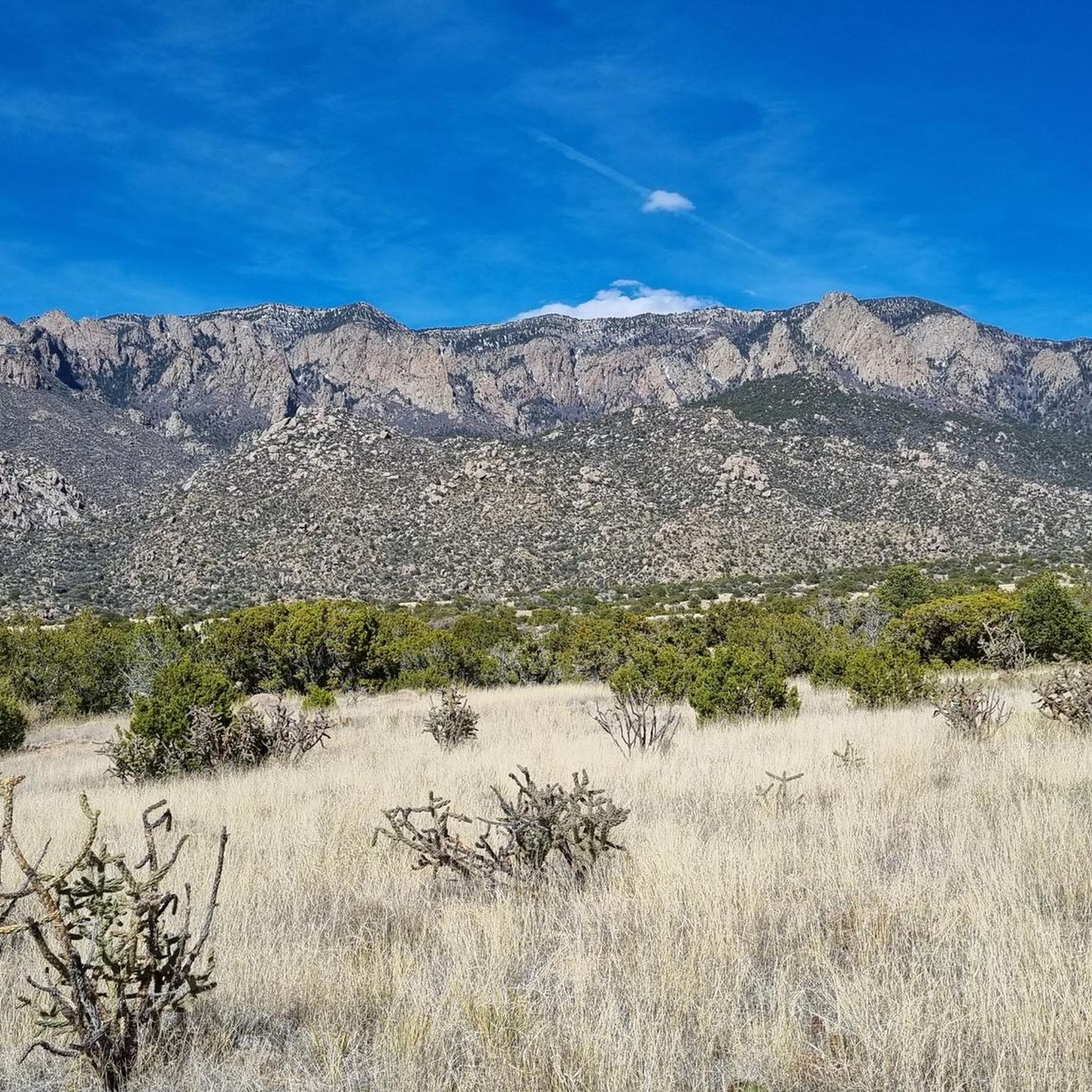
Best natural monuments around Sandia Heights are found within the Sandia Mountains, a prominent natural feature at the western base of the range. This region offers direct access to a diverse landscape, characterized by high-altitude environments and geological formations. The mountains are largely protected within the Cibola National Forest, preserving their natural beauty and ecological significance. Visitors can explore various ecosystems, from desert scrub to alpine forests, offering a range of outdoor activities.
Best natural monuments around Sandia Heights
- The…
Last updated: June 27, 2026
Kiwanis Cabin
Highlight • Mountain Hut
The Corps are known to have built countless infrastructures around …
Tip by

Sandia Crest Overlook
Highlight • Viewpoint
Tip by

Sign up now to discover places like this
Get recommendations on the best single tracks, peaks, & plenty of other exciting outdoor places.
Sign up for free
View of the Sandia Mountains
Highlight (Segment) • Viewpoint
Tip by
North Sandia Peak
Highlight • Summit
Tip by
U-Mound Rock Formation
Highlight (Segment) • Natural Monument
Tip by

Sign up for free to discover even more natural monuments around Sandia Heights.
Sign up for free
Already have an account?
Start today with a free account
Your next adventure awaits.
Login or Signup

Tips from the Community

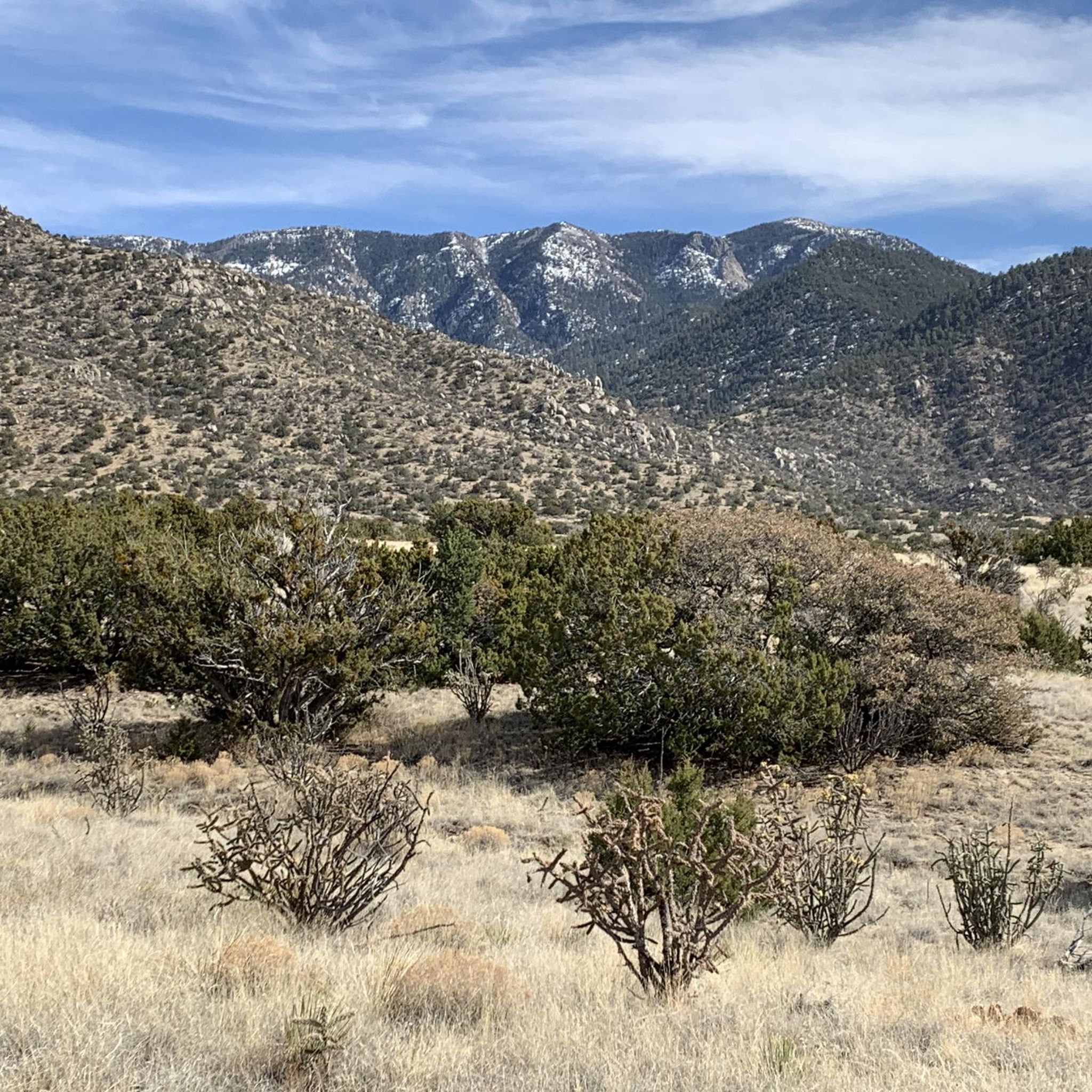
The Civilian Conservatives Corps built this cabin around 1930 and named it after the group that planned it: the Kiwanis. The Corps are known to have built countless infrastructures around New Mexico, but this is one of the only remaining sites that can be seen and accessed.
0
0

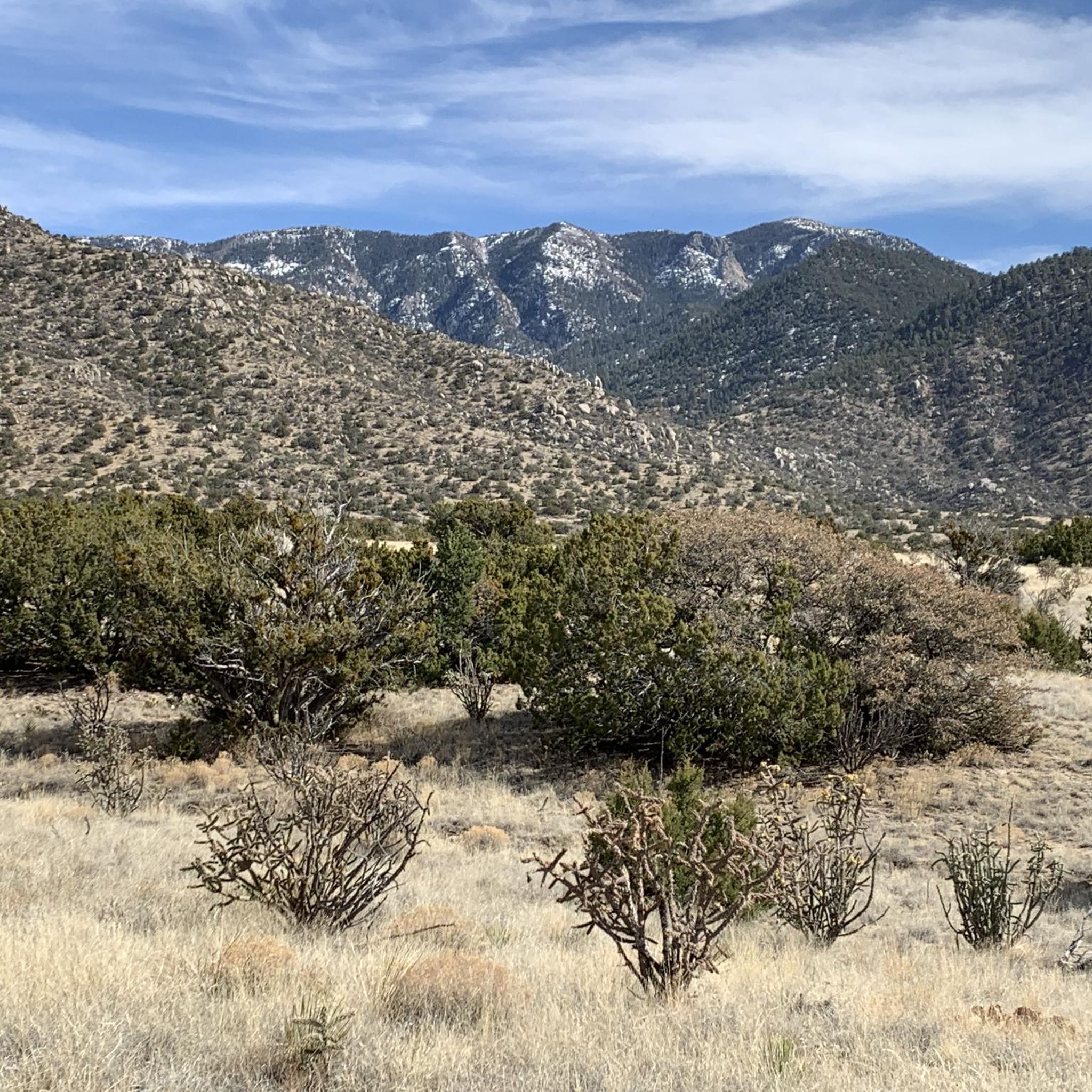
At an elevation of 10,446 feet, this peak marks the northernmost summit in the Sandia Mountain wilderness over 10,000 feet. The views from this vantage point are truly breathtaking, offering a panoramic vista of the Albuquerque area.
1
0
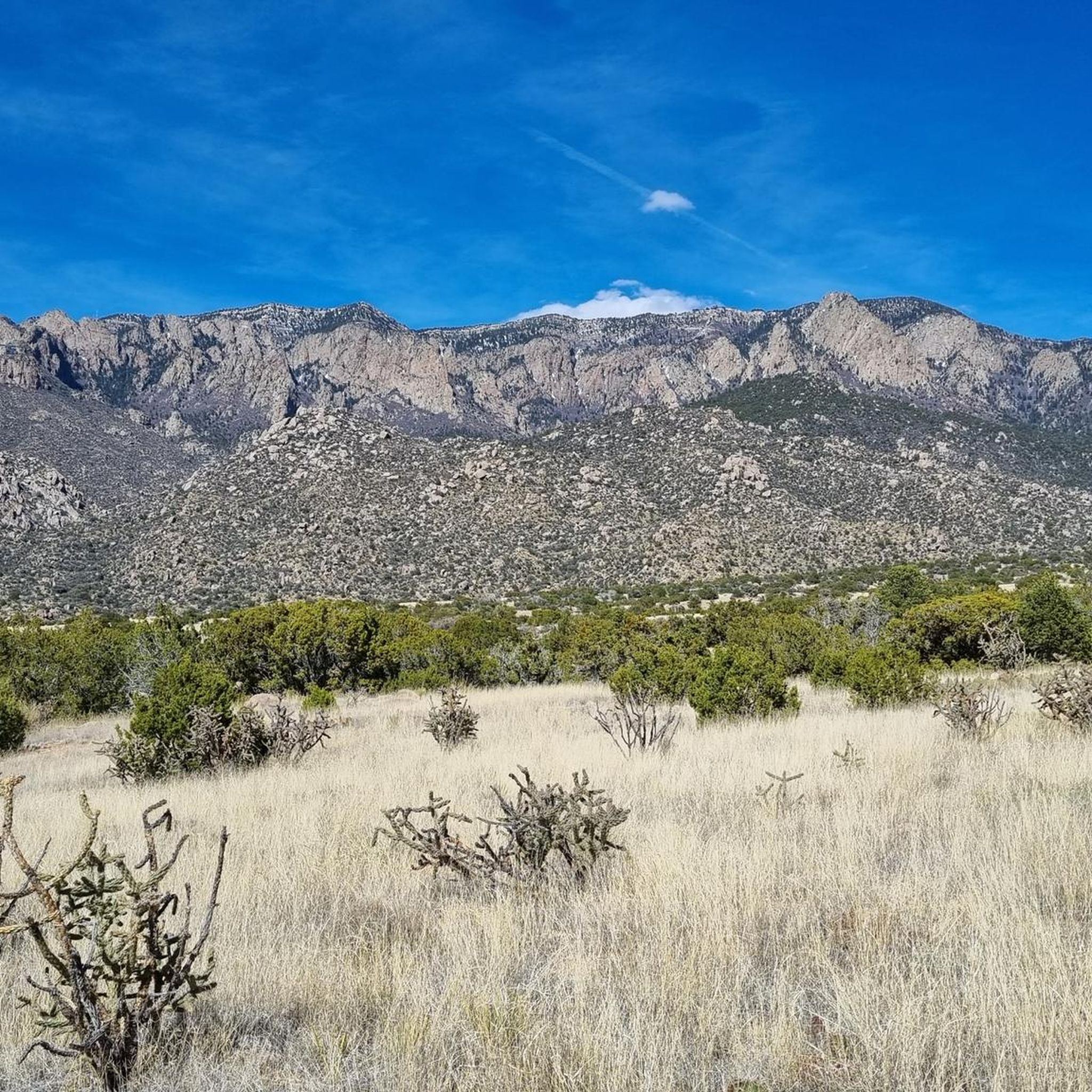
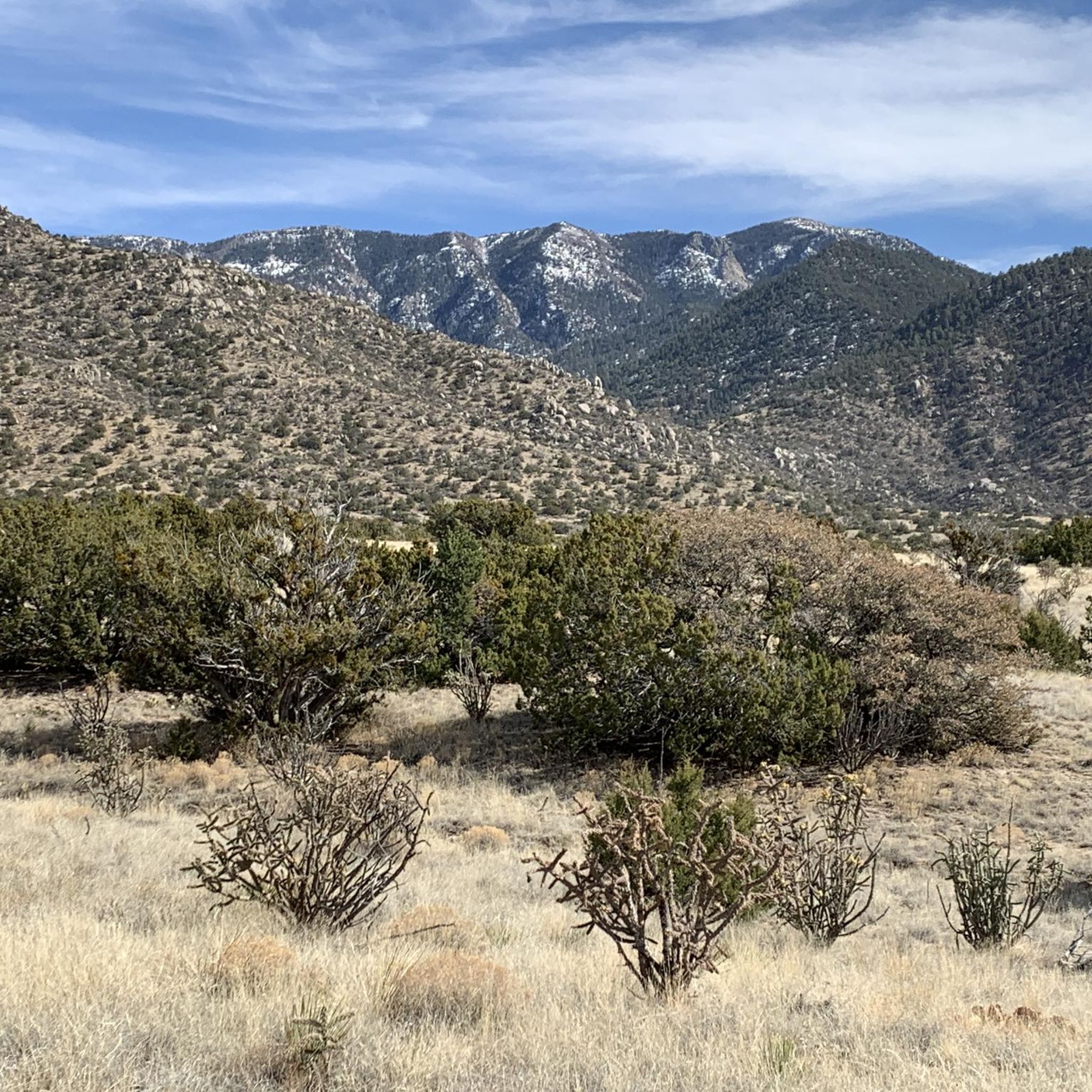
This trail spans 12.7 miles from Sandia Peak Tramway to Camino de la Sierra, offering views of the city and the unique U-Mound, a mound of boulders popular for rock climbing.
0
0
The Civilian Conservatives Corps built this cabin around 1930 and named it after the group that planned it: the Kiwanis. The Corps are known to have built countless infrastructures around New Mexico, but this is one of the only remaining site that can be seen and accessed.
0
0


The North Sandia Peak is a 3184-meter high peak in the Sandia Mountains. The North Sandia Peak Trail, as it name suggests, takes you right to this beautiful mountain.
1
0
The North Sandia Peak Trail offers great views of the canyons, pine tree forests, and the impressive rock formations of the Sandia Mountains.
0
1
La Luz Trail offers breathtaking views of the Sandia Mountains, famous for the pink shade their granite rock formations take at sunset.
0
0
Frequently Asked Questions
What are some unique natural monuments to explore near Sandia Heights?
Beyond the well-known peaks, you can visit the historical Kiwanis Cabin, a site built by the Civilian Conservatives Corps around 1930 and one of the few remaining accessible structures from that era. Another unique feature is the U-Mound Rock Formation, popular for rock climbing and offering city views.
Where can I find the best panoramic views of the Sandia Mountains and surrounding areas?
For breathtaking panoramic views, head to Sunset View from Sandia Crest. At an elevation of over 3200 meters, it's the highest point in the Sandia Mountains and offers vistas extending over 4,000 square miles on clear days. The views from North Sandia Peak are also truly stunning.
Are there family-friendly natural monuments or activities in the Sandia Heights area?
Yes, the Sandia Foothills Open Space Park, including areas like Elena Gallegos, offers accessible trails suitable for families looking for less strenuous outdoor experiences. While specific natural monuments might require some hiking, the general area around Sandia Crest is considered family-friendly, especially if accessed via the Sandia Peak Tramway or scenic byway, offering easy access to views and cooler temperatures.
What are the best times to visit the natural monuments for scenic beauty?
The Sandia Mountains offer beauty year-round. For vibrant colors, consider visiting Sunset View from Sandia Crest during sunset, when the granite mountains glow pink, giving the range its 'watermelon' name. Spring and fall offer pleasant hiking temperatures and potential for wildflowers or changing foliage, while winter provides snowy landscapes and opportunities for bird watching, especially for rosy-finches.
What kind of wildlife can I expect to see around the natural monuments?
The diverse ecosystems of the Sandia Mountains support a variety of wildlife. In the higher elevations around Sandia Crest, you might spot various bird species, including rosy-finches in winter. The lower foothills are home to desert wildlife. Always observe from a distance and respect their natural habitat.
Are there challenging hiking trails to reach any of the natural monuments?
Yes, for experienced hikers, the La Luz Trail is a challenging and rewarding option. This 8.6-mile trek takes you from the base to the top of the Sandias, involving a significant elevation gain of over 3,000 feet and traversing diverse ecosystems. Reaching North Sandia Peak also involves a challenging trail.
What geological features make the Sandia Mountains unique?
The Sandia Mountains are a fault block range with a core of 1.45 billion-year-old Precambrian granite, topped by Pennsylvanian-age sedimentary rocks. The distinctive pinkish hue of the granite, especially at sunset, is a prominent geological feature and the origin of the name 'Sandia' (Spanish for watermelon).
What outdoor activities can I do near the natural monuments around Sandia Heights?
The area offers a wide range of outdoor activities. You can find numerous running trails, such as the Michael M. Emery and Trail 305 Loop, or the Jaral and Granite Loop Trail. For cyclists, there are road cycling routes like the Paseo del Bosque Trail loop, and general cycling routes including the Sandia Foothills Trail 365. You can explore more options on the Running Trails around Sandia Heights, Road Cycling Routes around Sandia Heights, and Cycling around Sandia Heights guide pages.
Is it possible to access the natural monuments using public transportation?
While direct public transportation to all trailheads might be limited, the Sandia Peak Tramway offers a scenic way to reach the summit of Sandia Crest, which is a major natural monument. For other areas, personal vehicles or ride-sharing services are generally recommended to access trailheads and open spaces.
What should I wear when visiting the natural monuments, especially at higher elevations?
Due to the significant elevation changes, temperatures can vary greatly. At higher elevations like Sandia Crest, it can be significantly colder and windier than in Albuquerque. Layered clothing is highly recommended, even in summer, to adapt to changing conditions. Sturdy hiking shoes are essential for trails.
Are there any natural monuments that offer a unique historical perspective?
Yes, the Kiwanis Cabin is a natural monument with significant historical value. It was built around 1930 by the Civilian Conservatives Corps, and it stands as one of the few remaining sites constructed by the Corps that is still accessible to visitors today.
What is the significance of the 'Sandia' name for the mountains?
The name 'Sandia' means 'watermelon' in Spanish. This name is believed to originate from the vibrant pinkish hue the mountains take on, especially the granite core, during sunset, resembling the color of a watermelon.
Most popular attractions around Sandia Heights

Get inspired with the komoot mobile app


Explore more
Extend your search for the best caves by checking out these guides of the top ones around Sandia Heights:
