Top 11 Natural Monuments around Albuquerque
Best natural monuments around Albuquerque include a diverse range of geological formations and historical sites. The region is characterized by its high desert landscape, volcanic escarpments, and the prominent Sandia Mountains. These natural features offer insights into ancient cultures and geological processes. The Rio Grande Valley also contributes to the area's varied ecosystems.
Best natural monuments around Albuquerque
- The most popular natural monuments is Kiwanis Cabin, a hut and historical site built around 1930 by the Civilian Conservatives Corps.…
Last updated: October 13, 2026
Petroglyphs at Rinconada Canyon Trail
Highlight • Historical Site
Tip by

Kiwanis Cabin
Highlight • Mountain Hut
The Corps are known to have built countless infrastructures around …
Tip by

Sign up now to discover places like this
Get recommendations on the best single tracks, peaks, & plenty of other exciting outdoor places.
Sandia Crest Overlook
Highlight • Viewpoint
Tip by

Black Volcano
Highlight • Volcano
Tip by

Travertine Falls
Highlight • Waterfall
Tip by
Sign up for free to discover even more natural monuments around Albuquerque.
Already have an account?
Start today with a free account
Your next adventure awaits.
Popular around Albuquerque
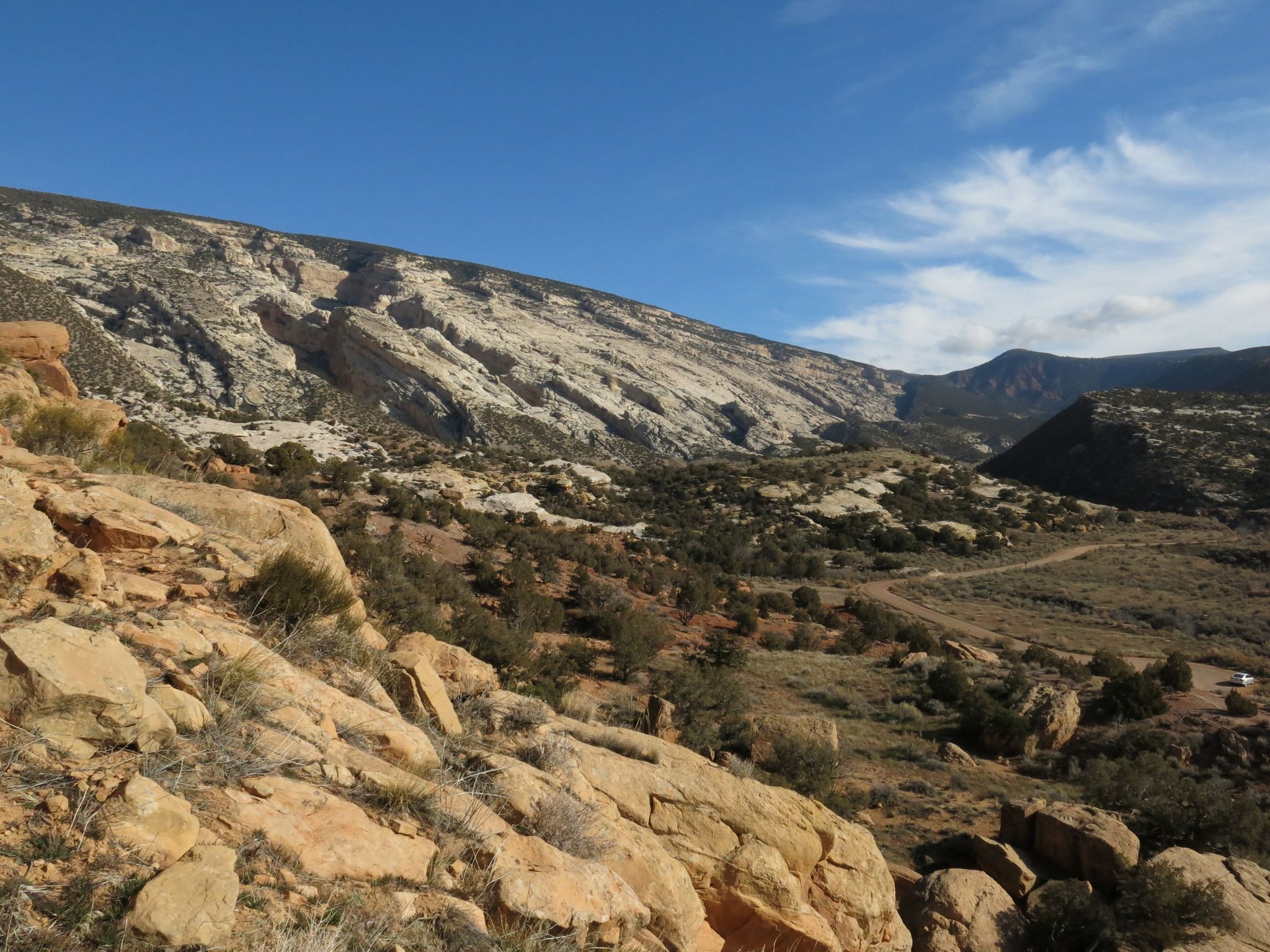
Bikepack in America's southwest – deserts, cacti and Anasazi culture
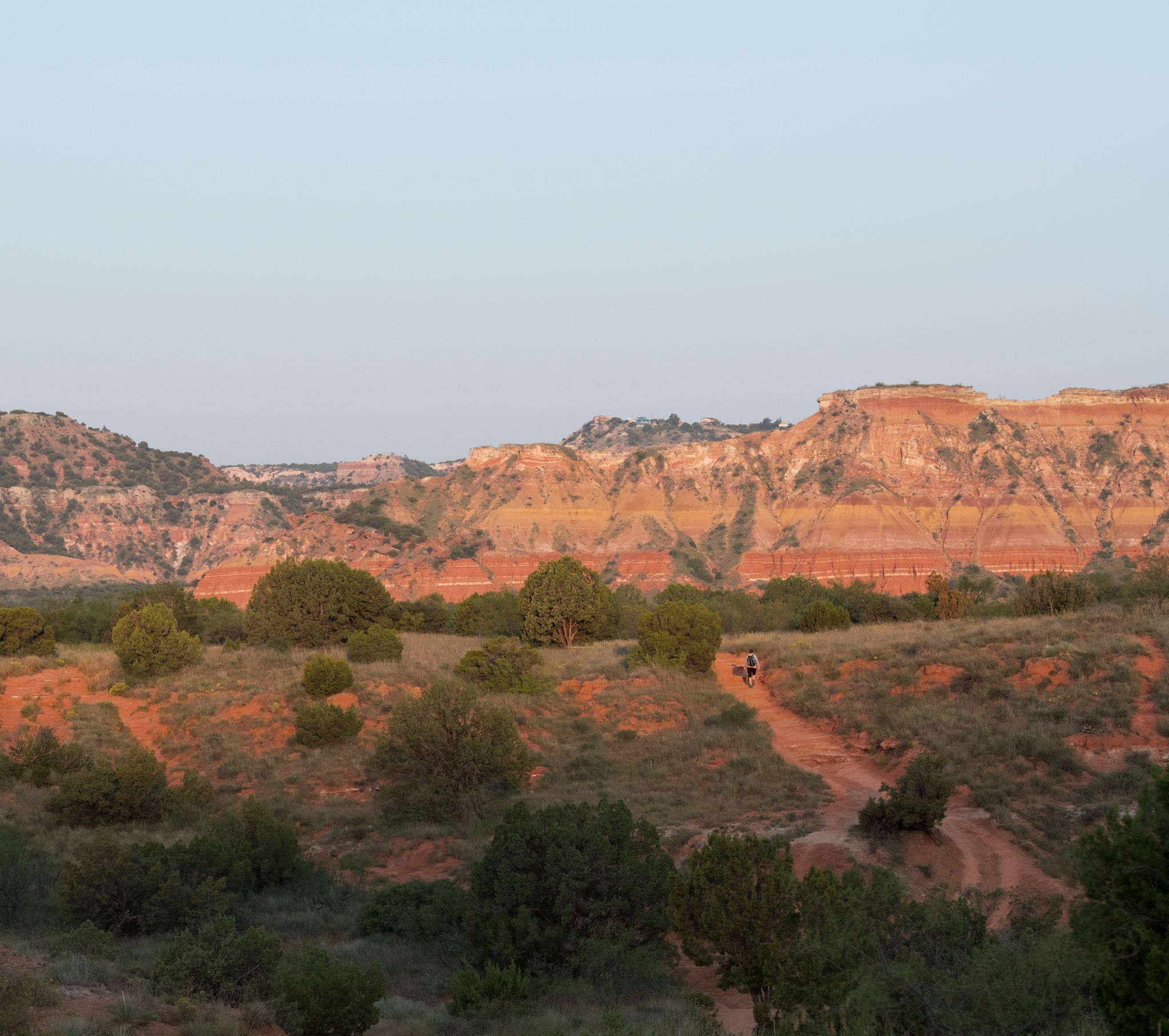
Historic Route 66 – curiosities, selfie spots and diners
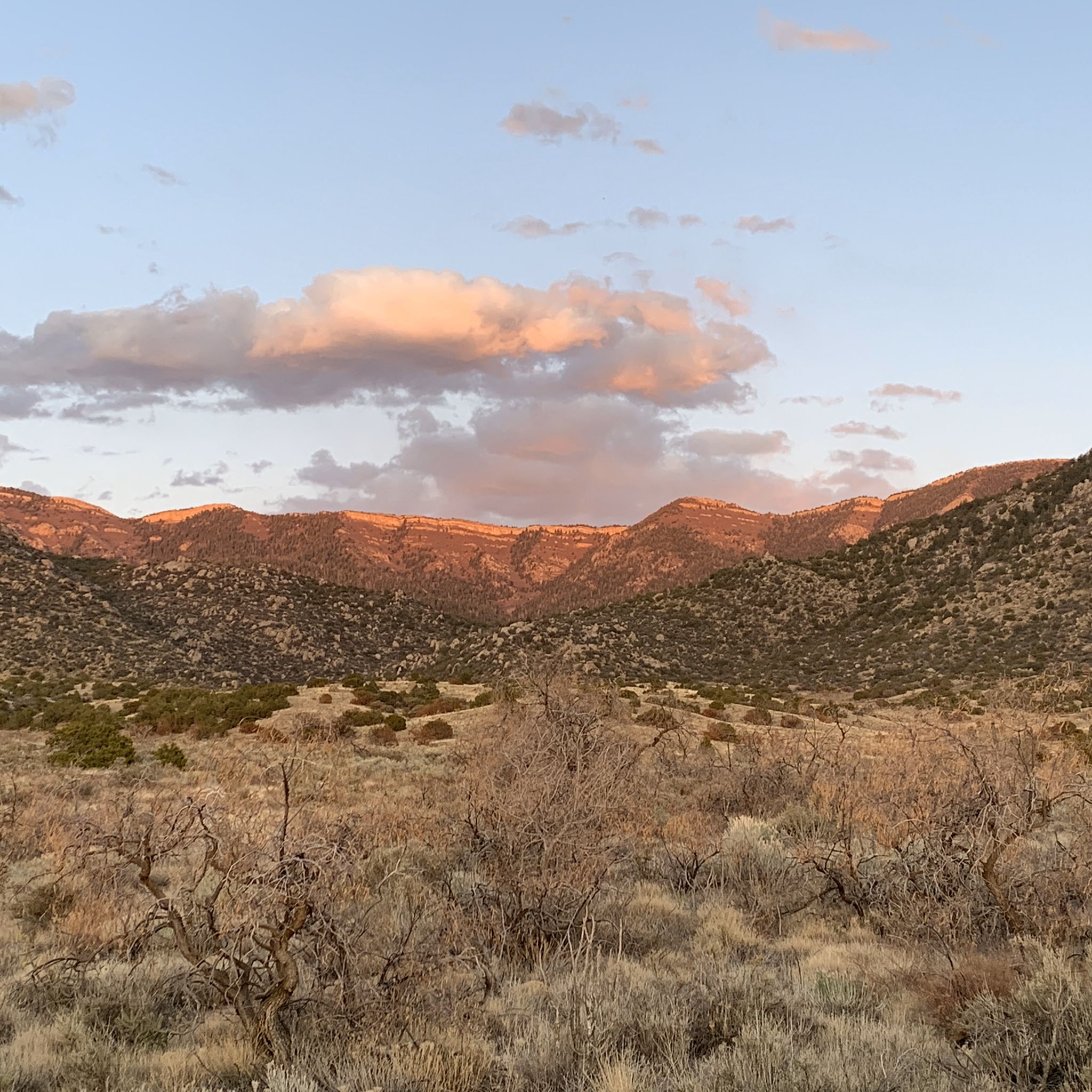
Hiking around Albuquerque
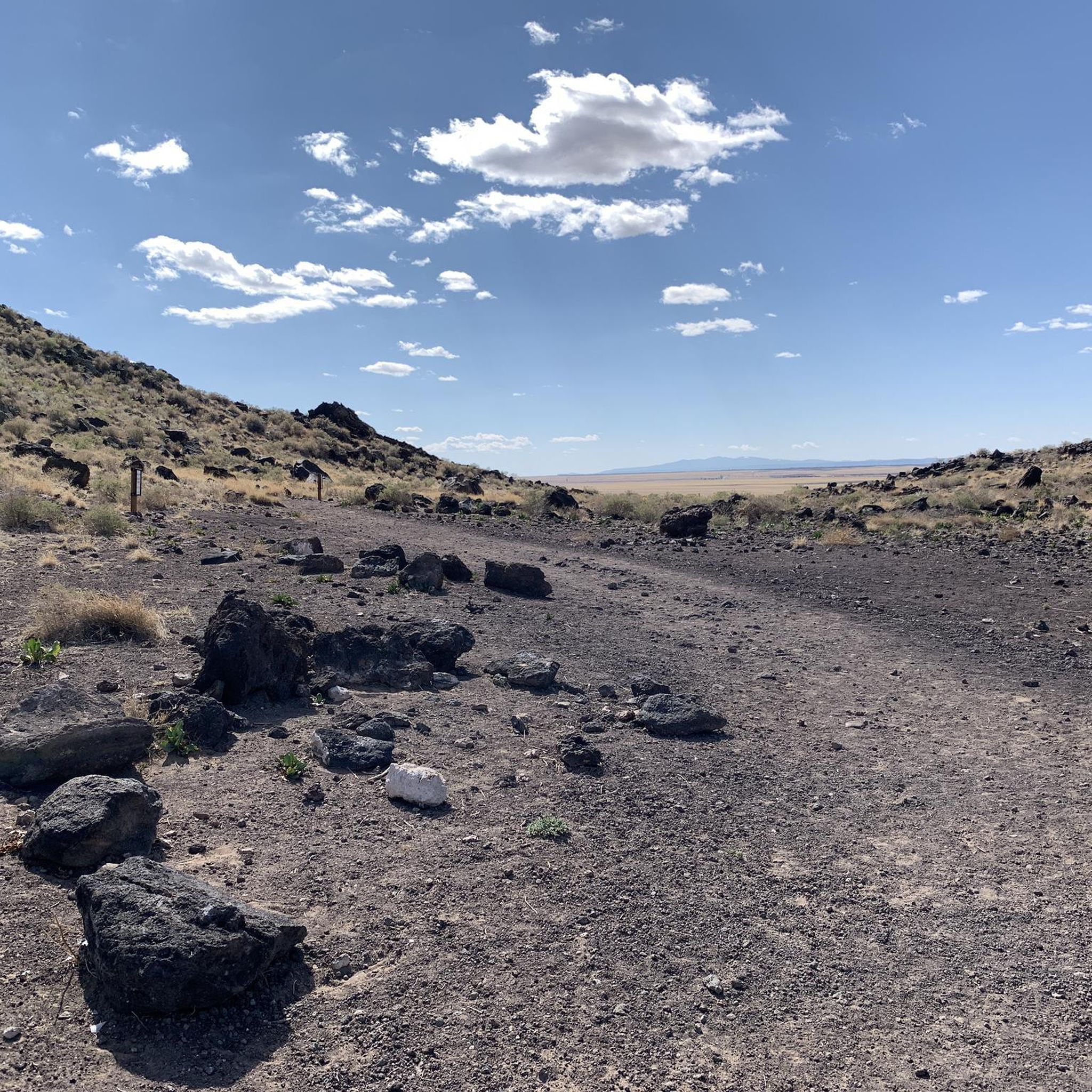
Running Trails around Albuquerque
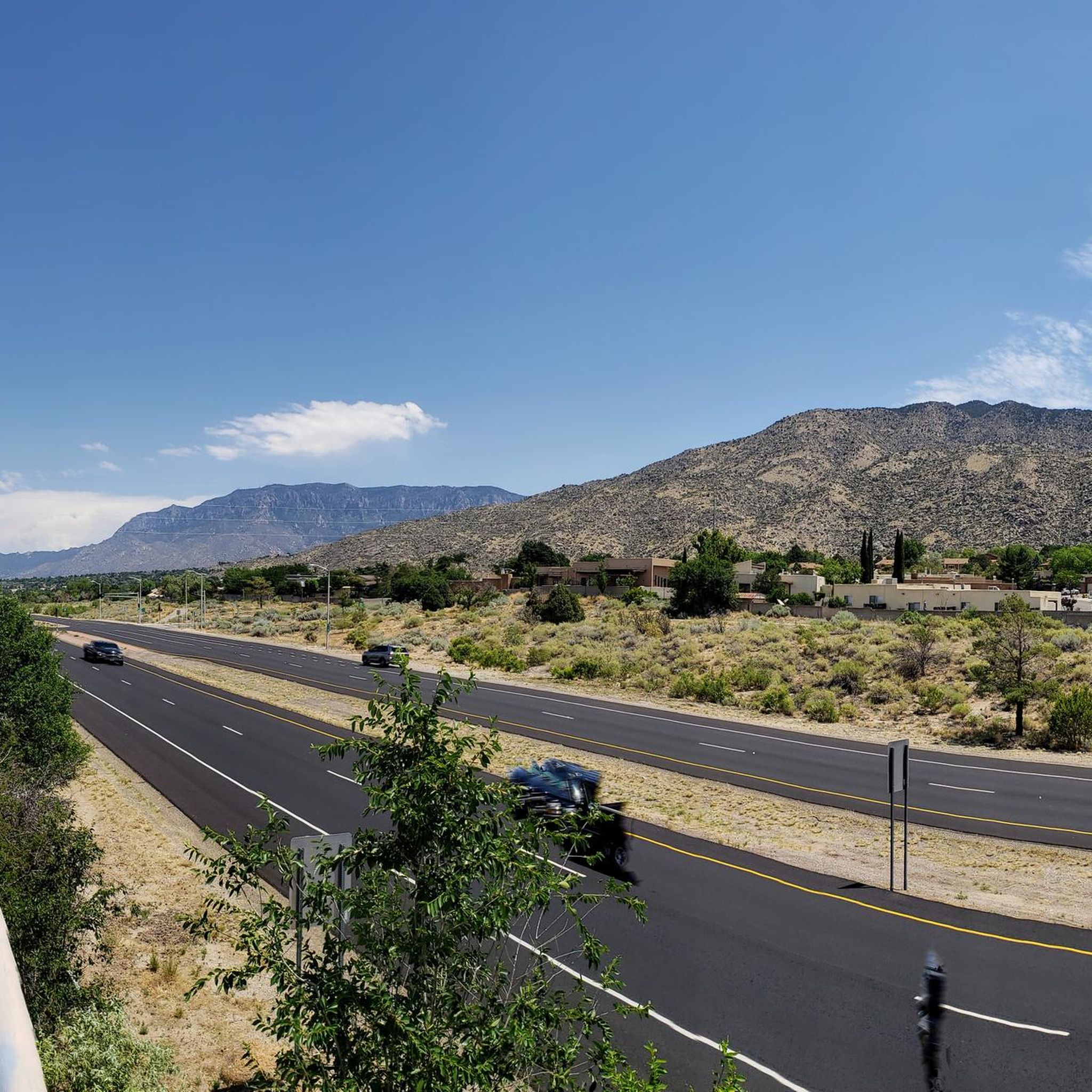
MTB Trails around Albuquerque
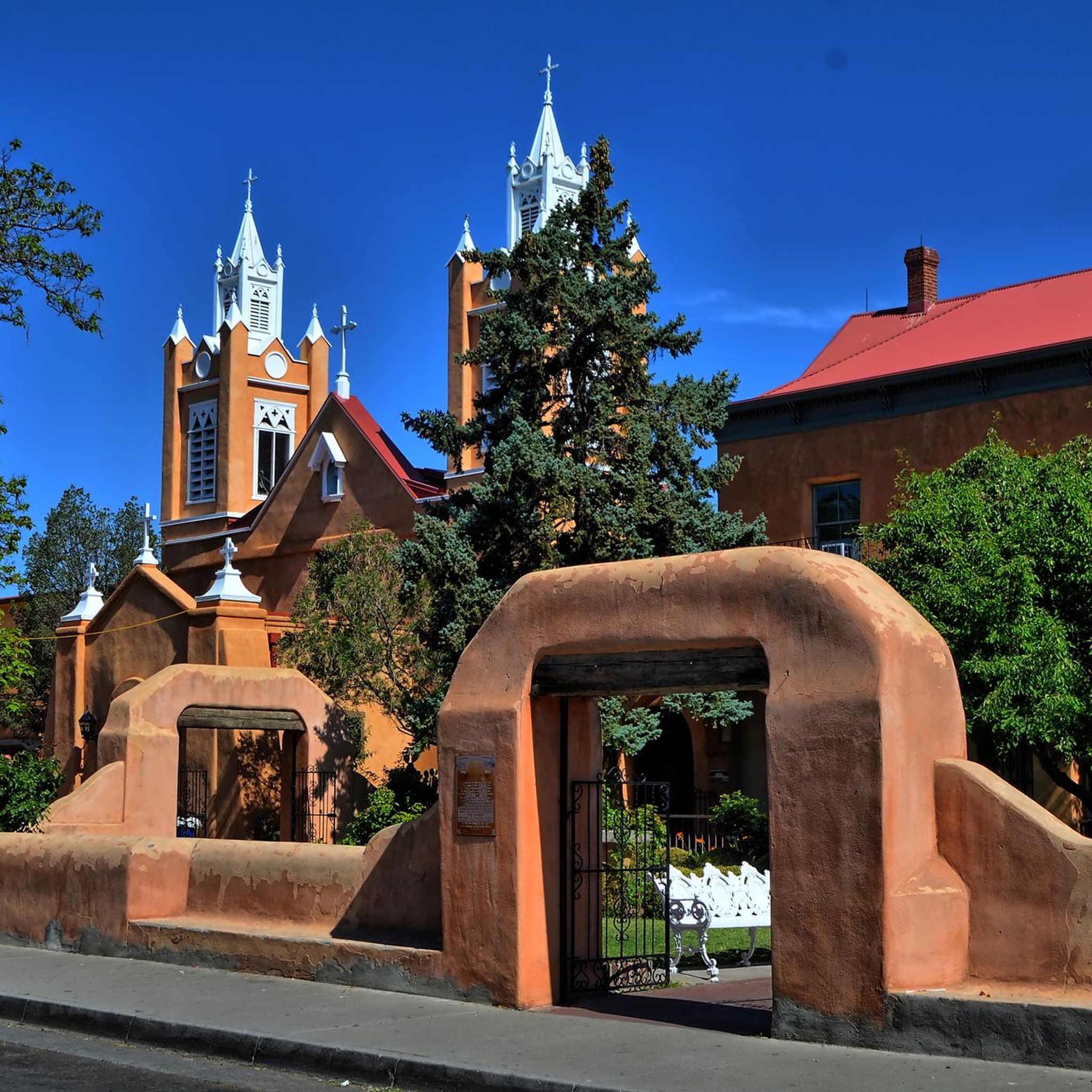
Road Cycling Routes around Albuquerque

Gravel biking around Albuquerque
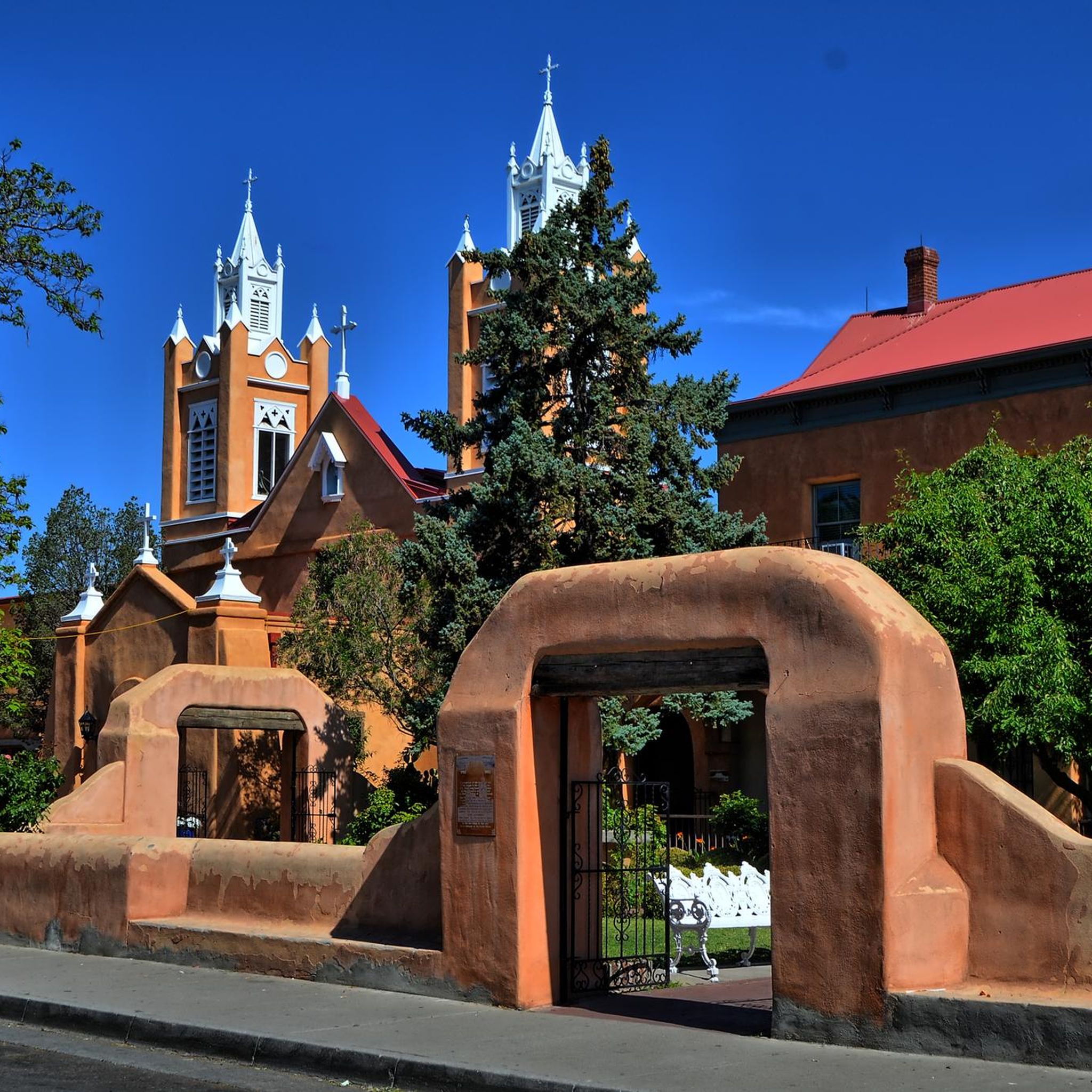
Cycling around Albuquerque


Tips from the Community

The Petroglyphs are all over the 1st part of the loop. We came upon multiple snakes and some lizards along the trail.
0
0

Two small caves with a waterfall that is more or less visible depending on the season and that you can also climb.
0
0

You can see up to 300 petroglyphs in this area of the Petroglyph National Monument, which is one of the largest petroglyph sites in the US. The designs range from different periods, with some of them etched on the volcanic rocks over 700 years ago.
0
0

The Civilian Conservatives Corps built this cabin around 1930 and named it after the group that planned it: the Kiwanis. The Corps are known to have built countless infrastructures around New Mexico, but this is one of the only remaining sites that can be seen and accessed.
0
0

This seasonal waterfall is at its best during spring, when the water flows most abundantly; otherwise, you might catch just a trickle. Nevertheless, it's a splendid sight, and the fact that it's less frequented makes it a tranquil spot to enjoy.
0
0
This is one of the inactive volcanoes within Albuquerque's volcanic field. From this location, you can see Vulcan to the north and JA volcano to the south.
0
0
The Civilian Conservatives Corps built this cabin around 1930 and named it after the group that planned it: the Kiwanis. The Corps are known to have built countless infrastructures around New Mexico, but this is one of the only remaining site that can be seen and accessed.
0
0
Looking south, you will see JA Volcano. Spin 180 degrees, and you will see the tallest volcano around, Vulcan.
0
1
Frequently Asked Questions
What diverse natural features can I explore around Albuquerque?
The Albuquerque area offers a rich variety of natural features. You can discover volcanic landscapes, such as the inactive Black Volcano, which provides views of other volcanic formations like Vulcan and JA volcano. The majestic Sandia Mountains feature prominent summits like North Sandia Peak, offering breathtaking panoramic views. You can also find seasonal waterfalls like Travertine Falls, best visited in spring, and the diverse ecosystems of the Rio Grande Nature Center State Park, a peaceful oasis for birdwatching.
Are there historical natural monuments to visit near Albuquerque?
Yes, the region is rich in historical natural monuments. The Petroglyphs at Rinconada Canyon Trail within Petroglyph National Monument showcase over 300 ancient rock carvings, some etched more than 700 years ago by Ancestral Puebloans and early Spanish settlers. Another significant site is Kiwanis Cabin, a historical structure built around 1930 by the Civilian Conservation Corps, and one of the few remaining accessible sites from their work in New Mexico.
Which natural monuments are suitable for families with children?
Several natural monuments around Albuquerque are great for families. The Petroglyphs at Rinconada Canyon Trail offer an easy, short walk where children can enjoy spotting ancient rock carvings. Travertine Falls, especially when water is flowing, provides a unique natural sight and small caves to explore. The Rio Grande Nature Center State Park is also family-friendly, with easy walking paths, indoor and outdoor viewing areas, and opportunities to observe local wildlife.
What kind of hiking trails can I find near Albuquerque's natural monuments?
The area offers a variety of hiking experiences. You can take an easy, short walk along the Rinconada Canyon Trail to view petroglyphs. For more challenging hikes, the North Sandia Peak Trail leads to a summit at 10,446 feet in the Sandia Mountains. Elena Gallegos Open Space also provides rugged trails for hiking with direct access to the Sandia Mountains. For more options, explore the running trails around Albuquerque, which include routes like the Rinconada Canyon Trail and Volcanoes Trail loop.
What outdoor activities can I do near these natural monuments besides hiking?
Beyond hiking, the natural monuments around Albuquerque offer opportunities for various outdoor activities. Elena Gallegos Open Space is popular for mountain biking and horseback riding. The Rio Grande Nature Center State Park features paths suitable for walking and biking. For cycling enthusiasts, you can find numerous road cycling routes and gravel biking routes, including the extensive Paseo del Bosque Trail, which runs along the Rio Grande.
What is the best time of year to visit the natural monuments around Albuquerque?
The best time to visit depends on the specific monument and your preferred activity. Spring is ideal for seeing Travertine Falls at its fullest flow. Generally, spring and fall offer pleasant temperatures for hiking and exploring the high desert landscapes of Petroglyph National Monument and Elena Gallegos Open Space. Summer can be hot, especially in the desert areas, while winter can bring snow to higher elevations like the Sandia Mountains, offering different scenic experiences.
Can I see wildlife at the natural monuments in the Albuquerque area?
Yes, several natural monuments provide excellent opportunities for wildlife observation. The Rio Grande Nature Center State Park is a prime location for birdwatching, home to approximately 250 species, including roadrunners and wood ducks. While hiking at sites like the Petroglyphs at Rinconada Canyon Trail, you might encounter lizards and various desert wildlife. The diverse habitats across the region support a range of native species.
What makes Petroglyph National Monument a unique natural monument?
Petroglyph National Monument is unique for its blend of natural beauty and ancient history. It protects one of North America's largest petroglyph sites, with over 24,000 images carved into volcanic rock by Ancestral Puebloans and early Spanish settlers. The monument also features a chain of dormant fissure volcanoes. Exploring areas like Rinconada Canyon Trail offers a direct connection to this rich cultural heritage amidst a high desert landscape with panoramic views of Albuquerque and the Sandia Mountains.
What are the views like from the Sandia Mountains, and how can I access them?
The views from the Sandia Mountains are truly breathtaking, offering panoramic vistas of Albuquerque, the Rio Grande Valley, and the surrounding landscape. You can reach the summit of the Sandia Mountains, including North Sandia Peak, via hiking trails like the North Sandia Peak Trail. Alternatively, the Sandia Peak Tramway, North America's longest aerial tram, provides an exhilarating ride to the peak, especially stunning at sunset, with a restaurant and shops at the top.
Are there less crowded natural monuments or trails to explore near Albuquerque?
While popular sites can attract visitors, some areas offer a more tranquil experience. Travertine Falls is noted for being less frequented, making it a peaceful spot, especially outside of peak spring flow. Exploring different sections of Petroglyph National Monument beyond the most popular trails, or venturing into parts of Elena Gallegos Open Space, might also offer more solitude.
What do visitors enjoy most about the natural monuments around Albuquerque?
Visitors frequently highlight the unique combination of natural beauty and historical significance. The opportunity to witness ancient petroglyphs up close, experience the dramatic volcanic landscapes, and enjoy the stunning panoramic views from the Sandia Mountains are often mentioned. The peaceful atmosphere of places like the Rio Grande Nature Center and the chance to observe wildlife also contribute to a memorable experience.
Most popular routes around Albuquerque
Most popular attractions around Albuquerque

Get inspired with the komoot mobile app


Explore more
Extend your search for the best caves by checking out these guides of the top ones around Albuquerque:
