Top 9 Natural Monuments around West St. Paul
Natural monuments around West St. Paul, Minnesota, feature diverse natural areas that provide opportunities to connect with nature. The region encompasses a variety of ecosystems, including wetlands, woodlands, and prairies. These locations are valued for their ecological diversity and recreational features, offering unique experiences for exploration.
Best natural monuments around West St. Paul
- The most popular natural monuments is Minnehaha Falls, a waterfall that is 53 feet tall. This waterfall is best visited after rainfall when its flow is more powerful.
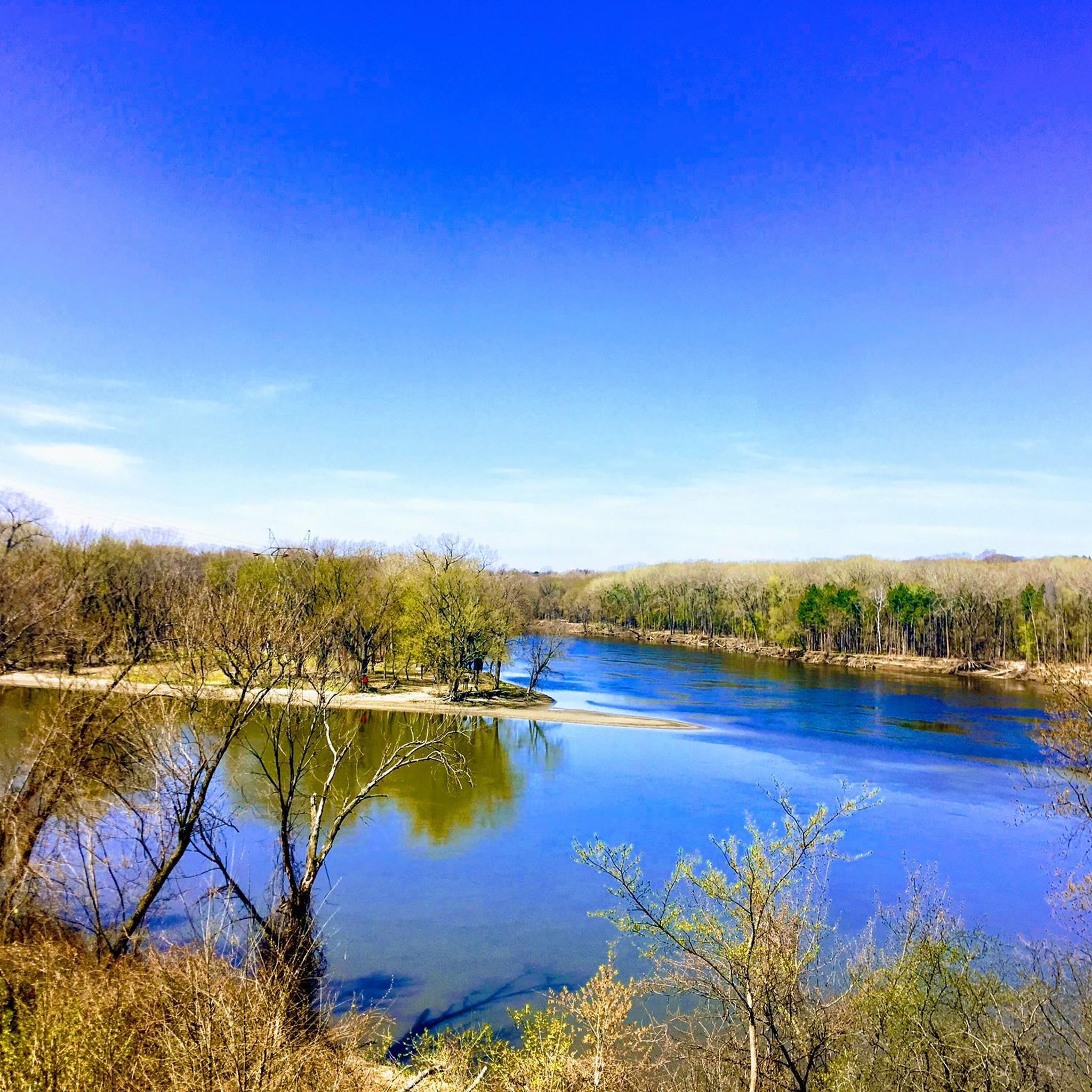
- Another must-see spot is Confluence of the Mississippi and Minnesota Rivers, a river confluence at the tip of Pike Island. Visitors can observe the Mississippi River and the Minnesota River joining forces.
- Visitors also love Minnehaha Creek Flows into the Mississippi Rive, a river entry point. This location marks where Minnehaha Creek meets the Mississippi River.
- West St. Paul is known for its waterfalls, rivers, and historical sites. The area offers a variety of natural monuments to see and explore.
- The natural monuments around West St. Paul are appreciated by the komoot community, with more than 50 upvotes and 22 photos shared.
Last updated: October 13, 2026
Confluence of the Mississippi and Minnesota Rivers
Highlight • River
Tip by

Minnehaha Falls
Highlight • Waterfall
Tip by

Sign up now to discover places like this
Get recommendations on the best single tracks, peaks, & plenty of other exciting outdoor places.
Indian Mounds Park
Highlight • Historical Site
Tip by
Minnehaha Creek Flows into the Mississippi Rive
Highlight • River
Tip by
Summit Overlook Park
Highlight • Viewpoint
Tip by

Sign up for free to discover even more natural monuments around West St. Paul.
Already have an account?
Start today with a free account
Your next adventure awaits.


Tips from the Community

It was getting late on my ride, I want to come back here and check it out one of these days.
1
0
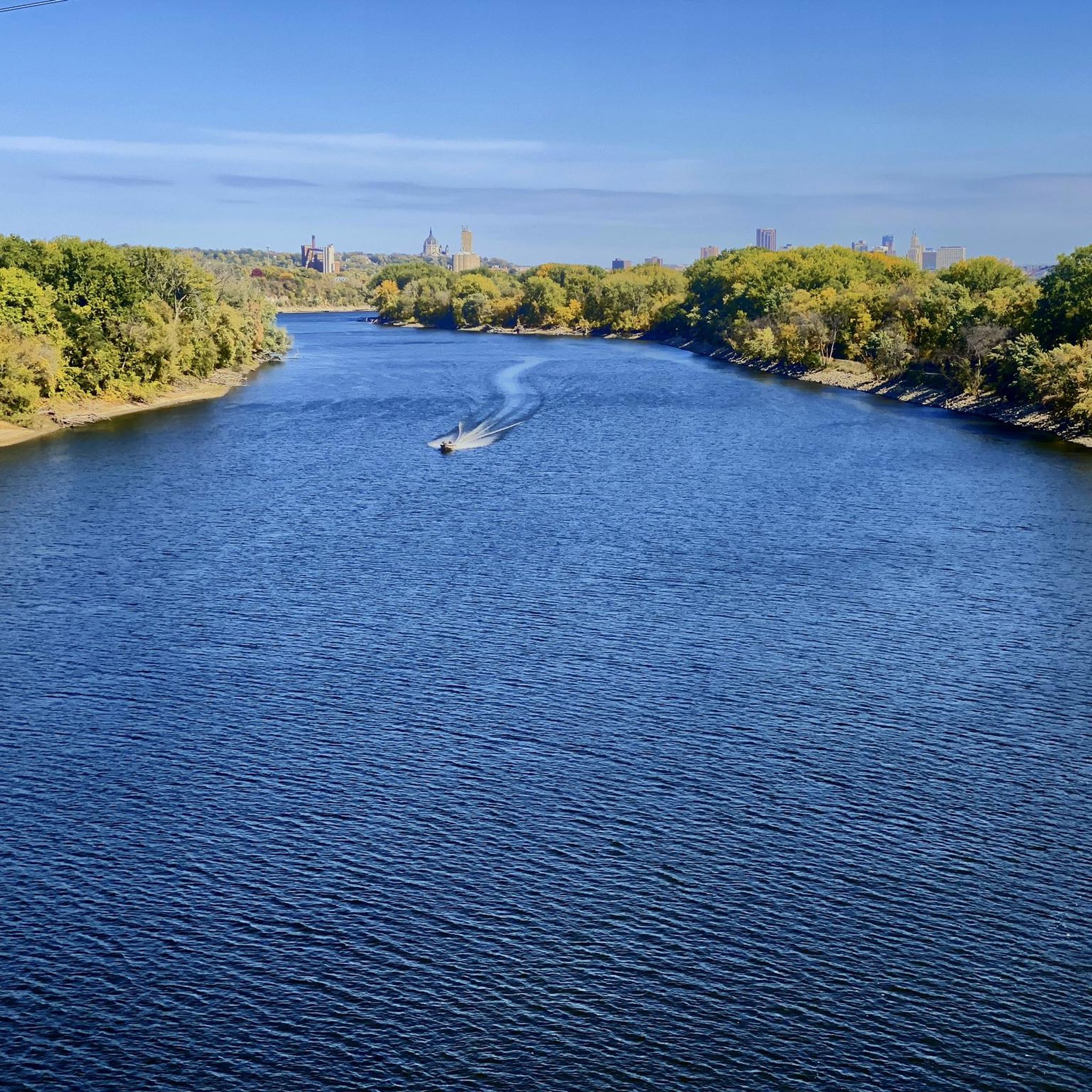
Nice river views from the bike path.
0
0

Here is a link to a Minnesota Department of Natural Resources map of summer trails at Fort Snelling State Park (https://files.dnr.state.mn.us/maps/state_parks/spk00154_summer.pdf). Although bicycles are allowed on many of the park trials, the legend on the map shows, sadly, that the circumferential trail on Pike Island is for hiking only.
0
0

at the tip of Pike Islands a very nice packed Earth bike route around this little Island
0
0

When waters run high, this 53-foot-tall waterfall turns into a thundering cataract. There are picnic tables up top, and a trail that takes you down to nice views of the falls from below. It's well worth parking your bike to spend some time here.
1
0

This small park sits on .43 acres at the junction of Ramsey Street and Summit Avenue. The views, of course, are excellent, but perhaps the best known feature is the historic New York Life Eagle. The statue was commissioned in 1890 by the New York Life Insurance Company.
0
0
At the tip of Pike Island in St. Paul Minnesota, the Mississippi and Minnesota Rivers join forces on their way to the Gulf of Mexico. If you look carefully, you can notice that the Mississippi River (on the north side of Pike Island) runs relatively clear, and the Minnesota River (on the south side of Pike Island) runs stained brown with runoff from agricultural fields to the west.
0
0

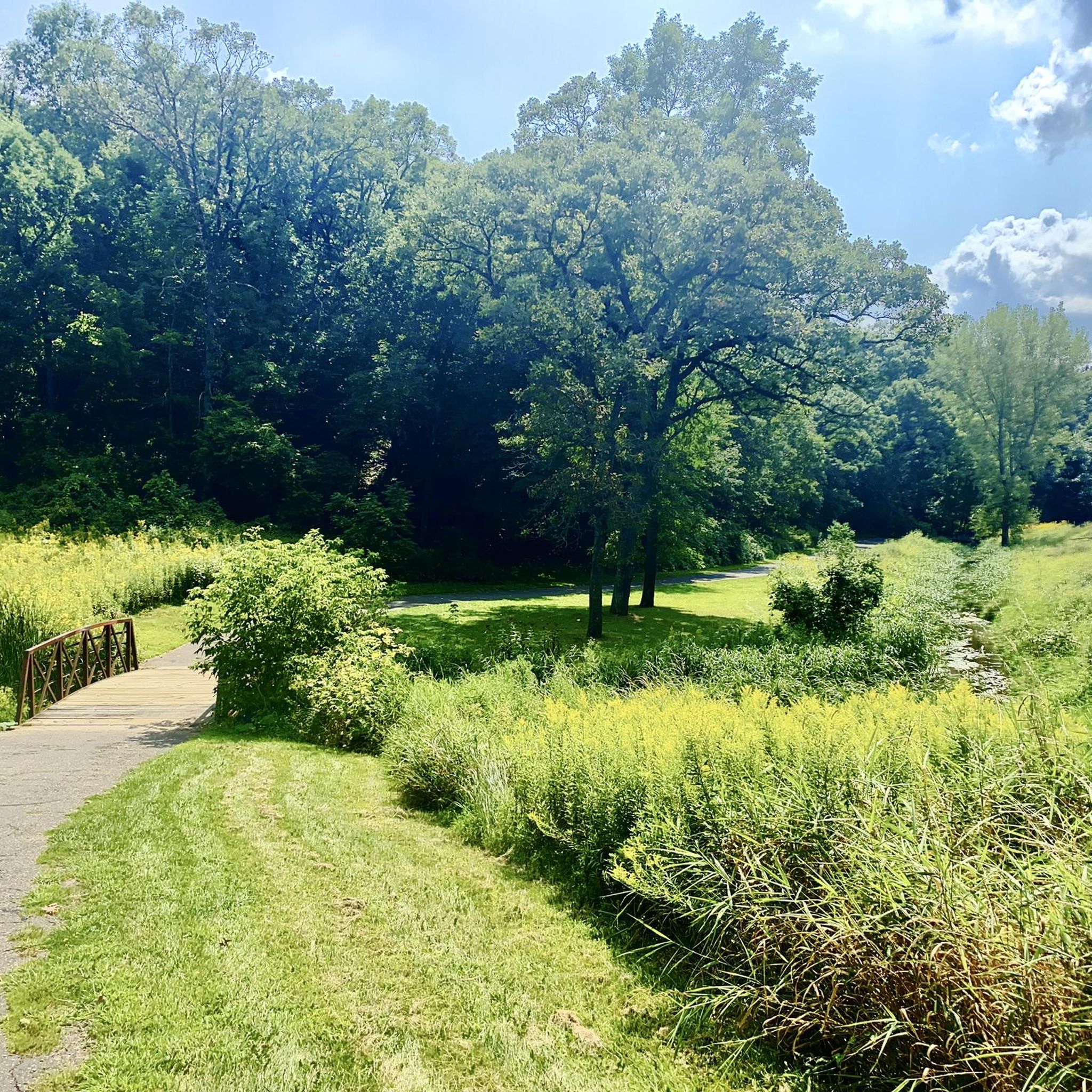
This small wooden bridge crosses the Minnehaha Creek, offering a unique viewing opportunity as it marks the point where the Minnehaha Creek meets the Mississippi River.
0
0
Frequently Asked Questions
What unique natural features can I explore around West St. Paul?
West St. Paul offers a variety of natural features. You can witness the impressive Minnehaha Falls, a 53-foot waterfall that is particularly powerful after rainfall. Another significant spot is the Confluence of the Mississippi and Minnesota Rivers, where these two major rivers meet at the tip of Pike Island.
Are there historical or cultural natural monuments in the area?
Yes, Indian Mounds Park, located nearby in St. Paul, is a significant natural and historical site. It features sacred burial mounds of Indigenous peoples and offers impressive views of the St. Paul skyline and the Mississippi River. Efforts are underway to restore native plantings and acknowledge its importance to Indigenous communities.
Where can I see where Minnehaha Creek meets the Mississippi River?
You can visit Minnehaha Creek Flows into the Mississippi Rive. This location marks the final resting place of Minnehaha Creek as it enters the mighty Mississippi River, offering a unique viewing opportunity from a small wooden bridge.
What are some family-friendly natural areas in West St. Paul?
Several natural areas are great for families. The Dodge Nature Center preserves 110 acres with wetlands, woodlands, and prairies, featuring a wetland walkway, a working farm, and raptor mews. Thompson County Park also offers a large picnic area overlooking Thompson Lake and wooded trails suitable for family outings.
Are there good places for wildlife viewing near West St. Paul?
Absolutely. The Dodge Nature Center is home to diverse wildlife such as deer, turkey, turtles, ducks, and muskrats. Southwood Nature Preserve is particularly noted for warblers during migration and also hosts various other wildlife within its diverse ecosystems, including emergent shorelines, wet meadows, prairies, and oak forests.
What kind of trails and outdoor activities are available near these natural monuments?
You'll find a range of outdoor activities. For hiking, popular routes include the Dodge Nature Center Trails and the Thompson County Park Loop. If you're into running, consider the Salem Hills Trail or the River to River Greenway. Mountain biking enthusiasts can explore trails like the Wall ride/curved bridge feature loop. You can find more details on these and other routes in the hiking guide, running guide, and MTB guide for West St. Paul.
Are there easy hiking trails suitable for all skill levels?
Yes, many natural areas offer easy trails. The Dodge Nature Center has trails open during daylight hours, and Thompson County Park features miles of wooded trails, including connections to the River-to-River Greenway. Southwood Nature Preserve has an easy half-mile trail around its pond, with additional short trails for further exploration.
Where can I find scenic viewpoints around West St. Paul?
For scenic views, Indian Mounds Park offers impressive vistas of the St. Paul skyline and the Mississippi River. Additionally, Summit Overlook Park provides excellent views from its location at the junction of Ramsey Street and Summit Avenue.
What are Garlough & Marthaler Parks known for?
Garlough & Marthaler Parks are among West St. Paul's largest and most natural city parks. They are known for their tall, mature trees and secluded paths that offer a quiet, immersive nature experience away from traffic noise. They are connected by a paved bike path that is part of the River-to-River Greenway Trail.
What is the best time to visit the natural monuments around West St. Paul?
The best time to visit depends on your interests. For viewing waterfalls like Minnehaha Falls, visiting after rainfall ensures a more powerful flow. Spring and fall offer pleasant temperatures for hiking and wildlife observation, especially for migratory birds at places like Southwood Nature Preserve. Summer is ideal for enjoying the parks and trails, while winter can offer unique snowy landscapes for those prepared for colder conditions.
Is there parking available at these natural areas?
Yes, most natural areas in and around West St. Paul offer parking. For instance, the Dodge Nature Center has access points from Charlton or Marie avenues. Thompson County Park is free to enter and provides parking for visitors. Specific parking details for each location can often be found on their respective websites or local park information.
Most popular attractions around West St. Paul

Get inspired with the komoot mobile app


Explore more
Extend your search for the best caves by checking out these guides of the top ones around West St. Paul:
