Top 11 Natural Monuments in Cibola National Forest
Best natural monuments in Cibola National Forest span over 1.6 million acres across New Mexico, featuring diverse natural wonders. The forest is characterized by prominent mountain ranges that serve as significant natural landmarks. These areas offer varied ecosystems and opportunities to experience the region's geography.
Best natural monuments in Cibola National Forest
- The most popular natural monuments is Kiwanis Cabin, a hut that was built around 1930 by the Civilian Conservatives Corps. This site is one of the remaining…
Last updated: July 8, 2026
Kiwanis Cabin
Highlight • Mountain Hut
The Corps are known to have built countless infrastructures around …
Tip by

Sandia Crest Overlook
Highlight • Viewpoint
Tip by

Sign up now to discover places like this
Get recommendations on the best single tracks, peaks, & plenty of other exciting outdoor places.
Sign up for free
Travertine Falls
Highlight • Waterfall
Tip by

View of the Sandia Mountains
Highlight (Segment) • Viewpoint
Tip by
North Sandia Peak
Highlight • Summit
Tip by
Sign up for free to discover even more natural monuments in Cibola National Forest.
Sign up for free
Already have an account?
Start today with a free account
Your next adventure awaits.
Login or Signup
Popular around Cibola National Forest
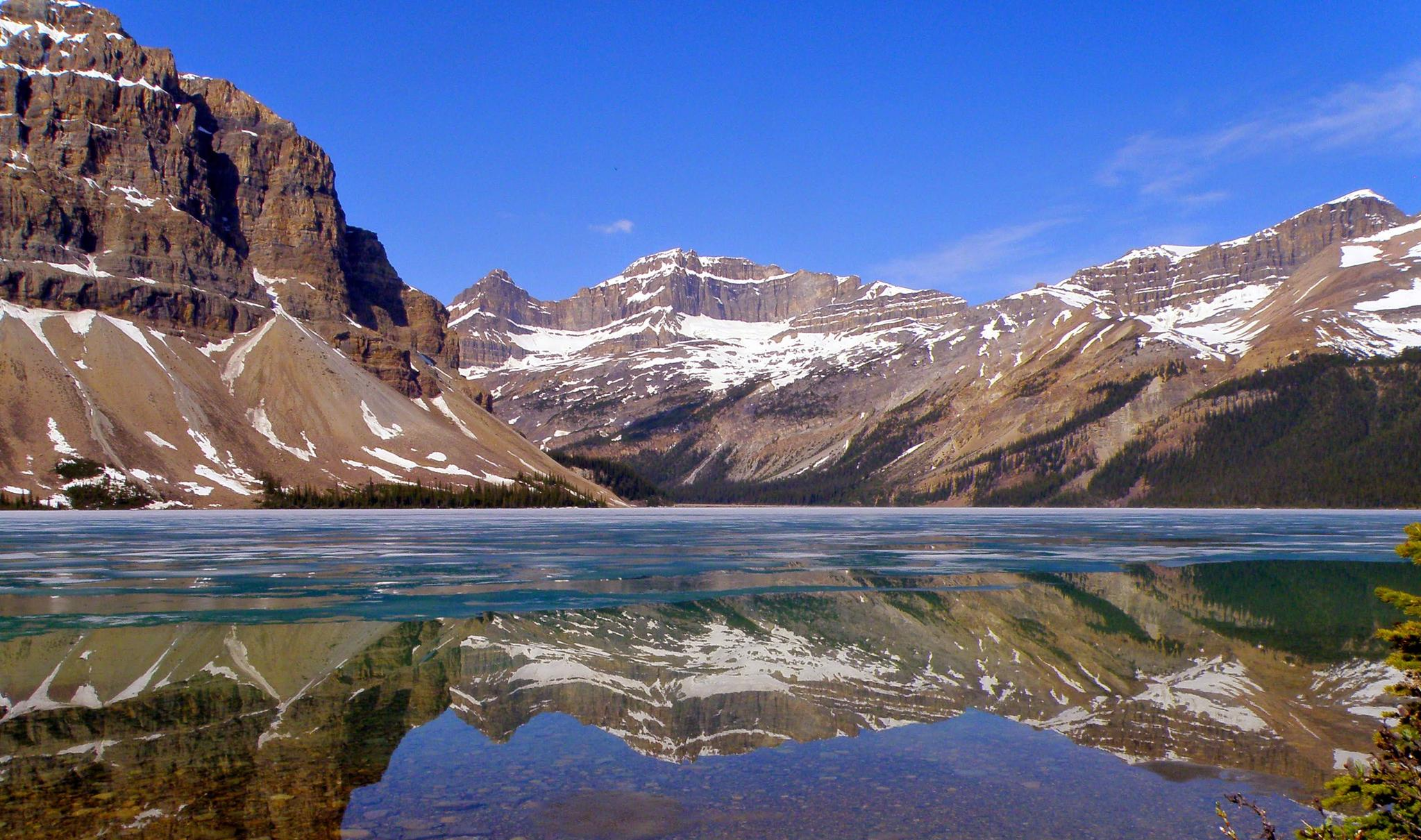
Great Divide Mountain Bike Route — Cycling the spine of a continent
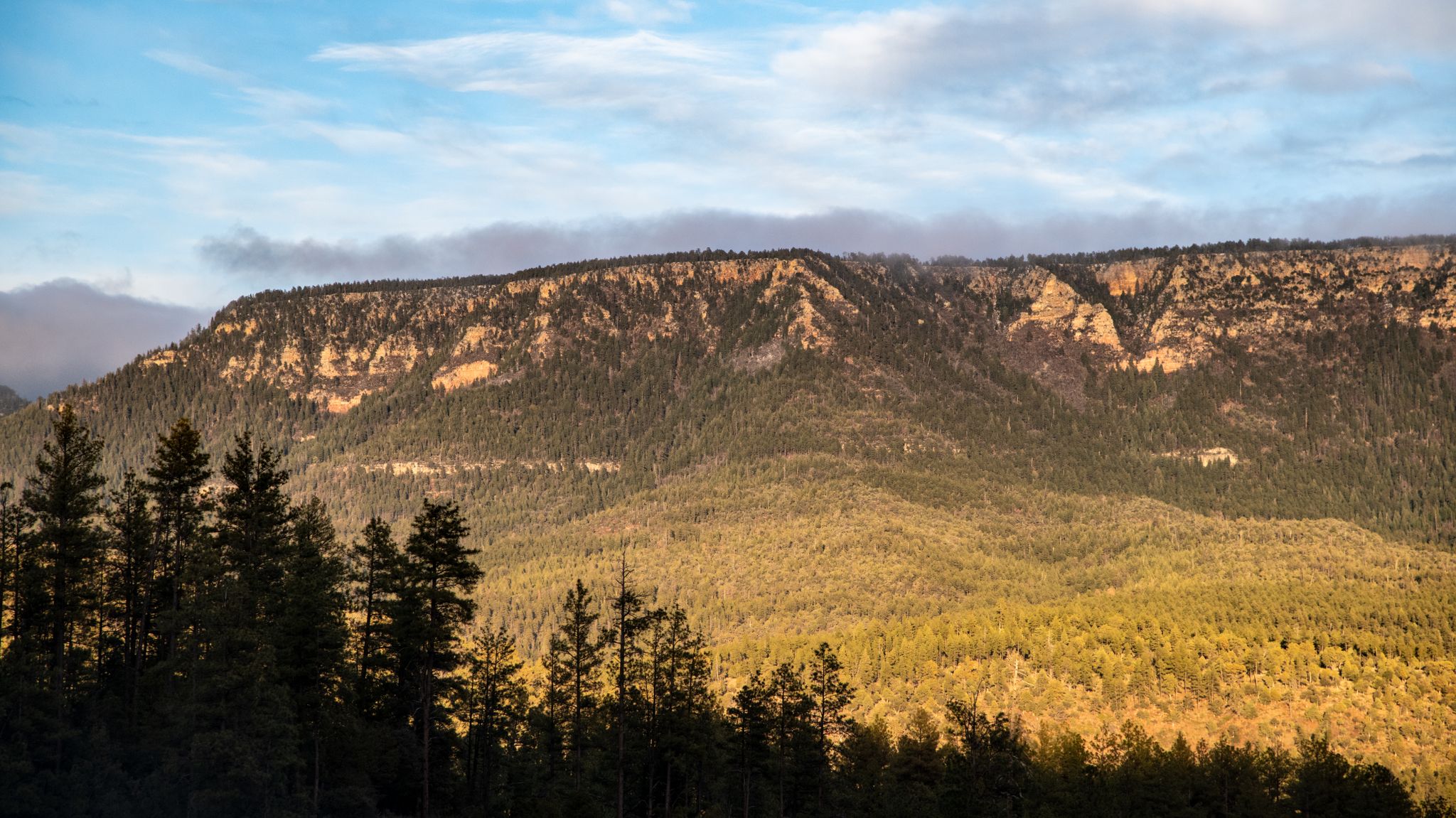
Grand Enchantment Trail — Slot canyons, spruce peaks & desert solitude
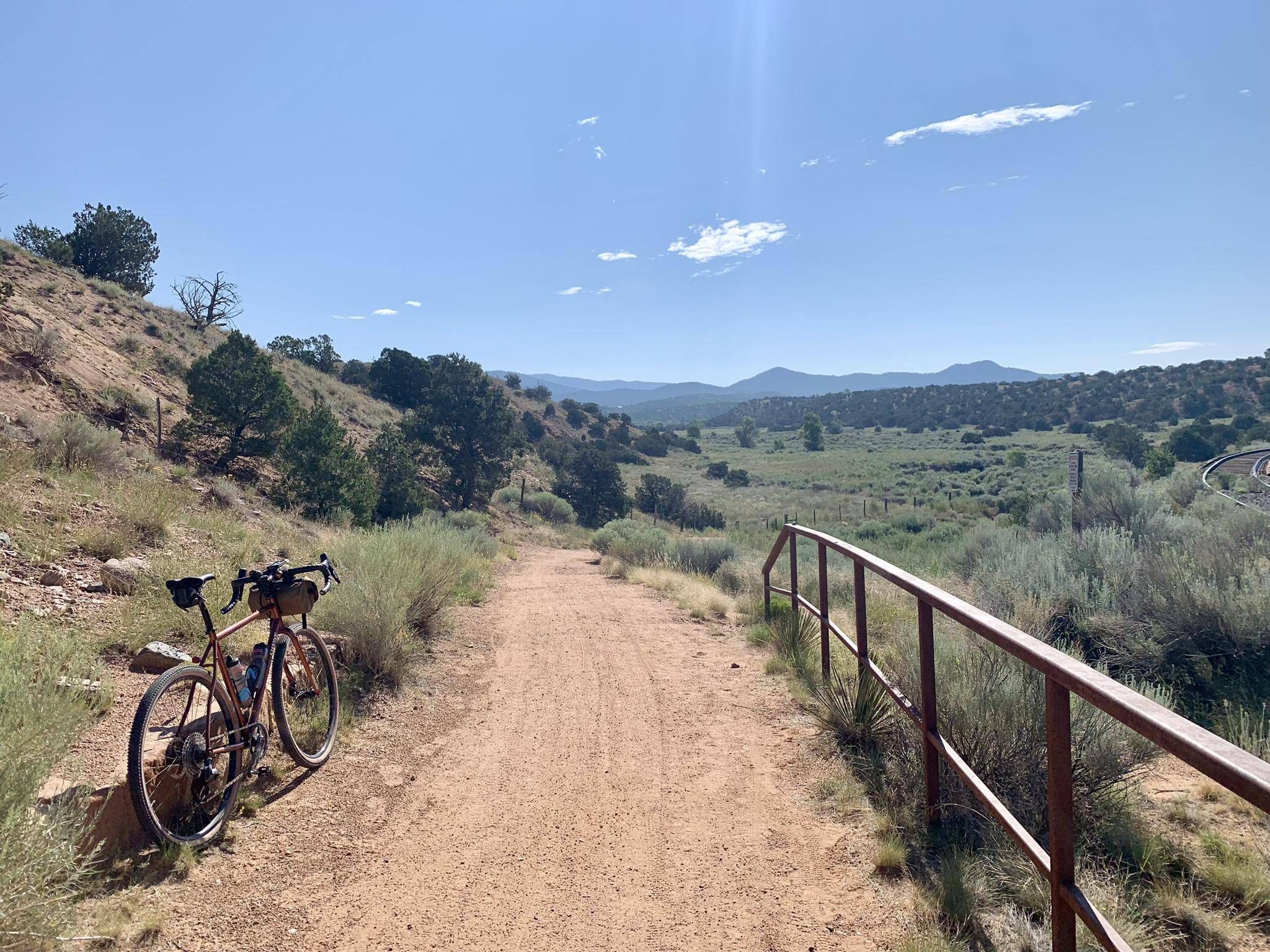
New Mexico Off-Road Runner
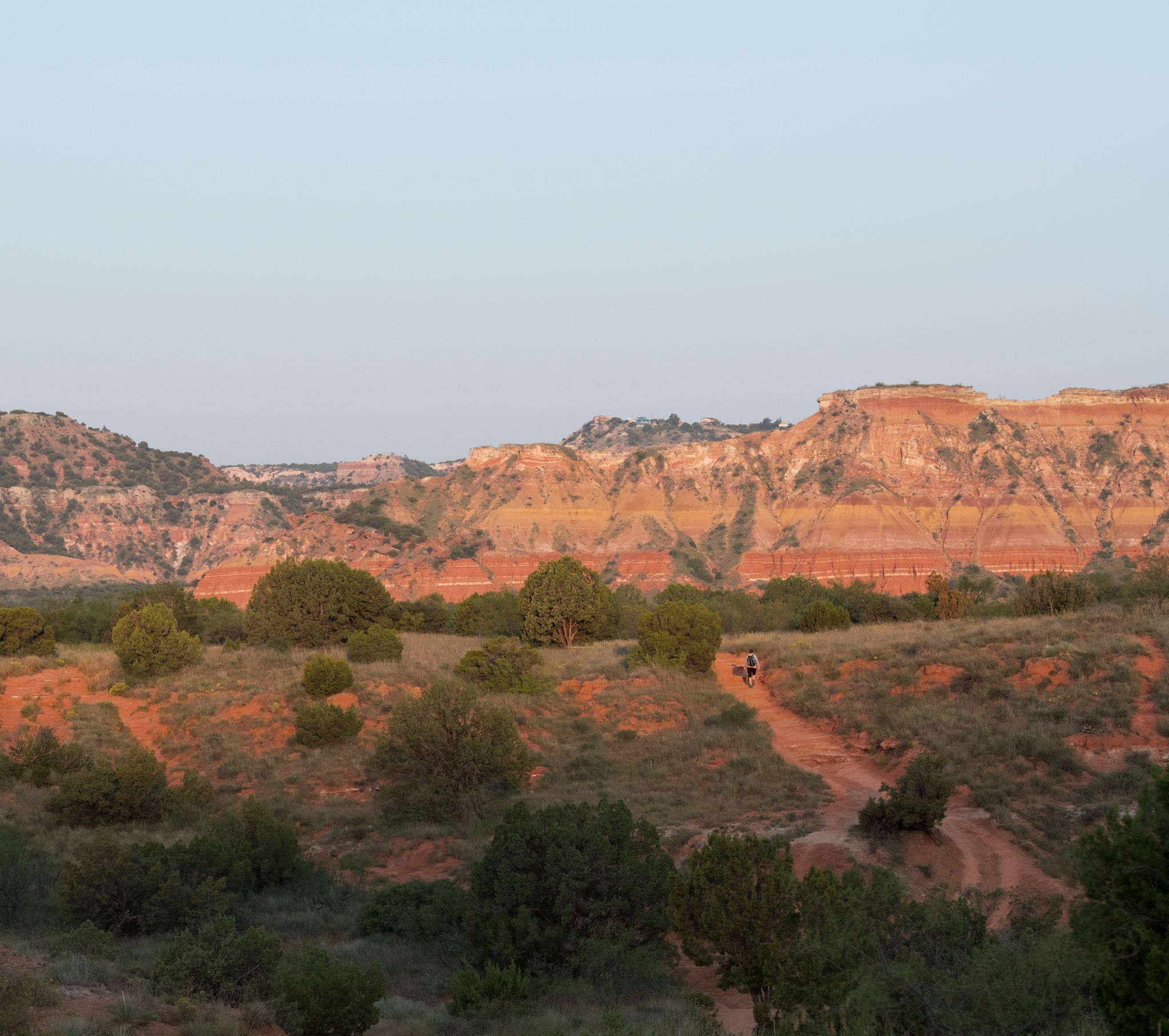
Historic Route 66 – curiosities, selfie spots and diners
Hiking in Cibola National Forest
Running Trails in Cibola National Forest
MTB Trails in Cibola National Forest
Road Cycling Routes in Cibola National Forest
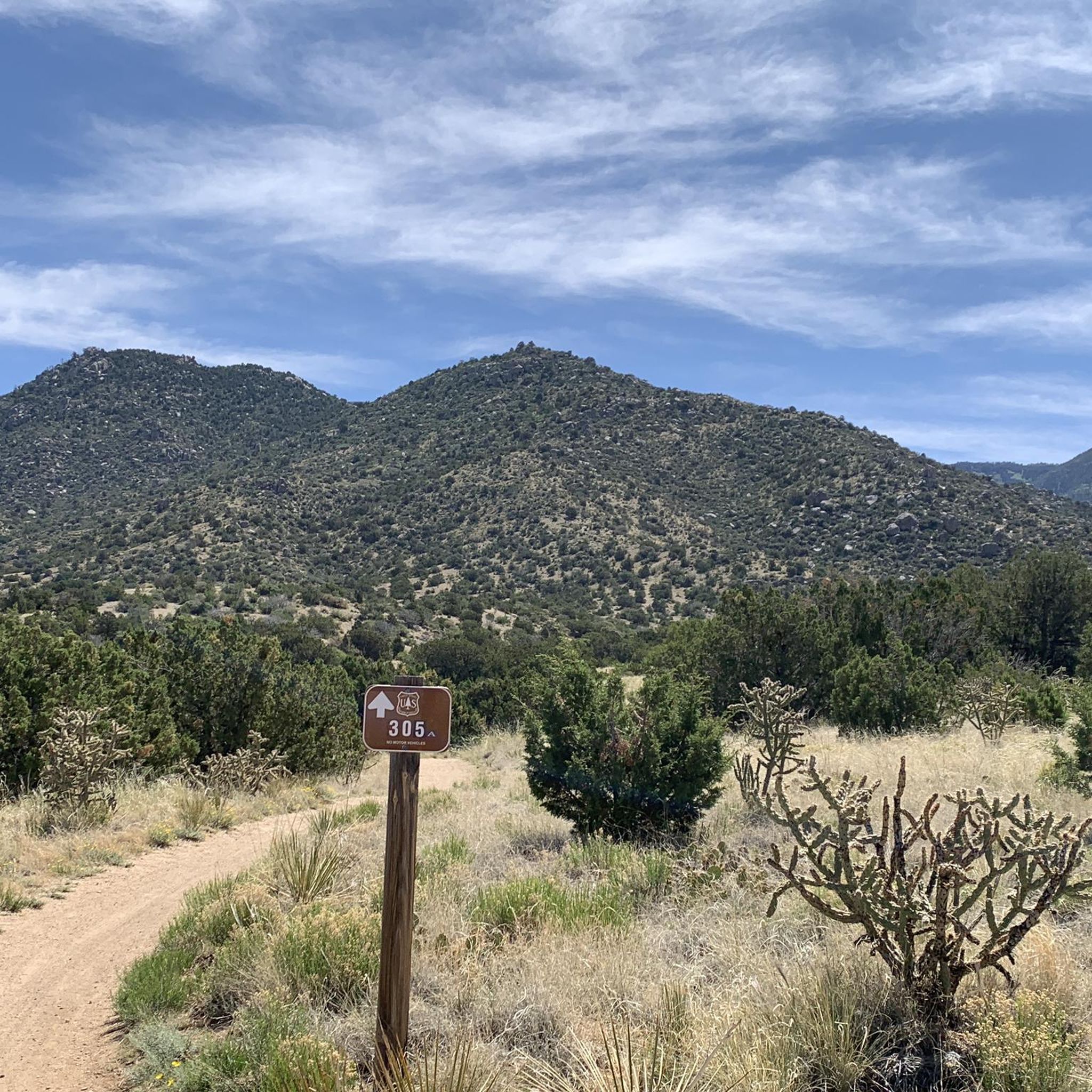
Cycling in Cibola National Forest

Gravel biking in Cibola National Forest
Other adventures in Cibola National Forest


Tips from the Community

Two small caves with a waterfall that is more or less visible depending on the season and that you can also climb.
0
0

The Civilian Conservatives Corps built this cabin around 1930 and named it after the group that planned it: the Kiwanis. The Corps are known to have built countless infrastructures around New Mexico, but this is one of the only remaining sites that can be seen and accessed.
0
0

At an elevation of 10,446 feet, this peak marks the northernmost summit in the Sandia Mountain wilderness over 10,000 feet. The views from this vantage point are truly breathtaking, offering a panoramic vista of the Albuquerque area.
1
0
This seasonal waterfall is at its best during spring, when the water flows most abundantly; otherwise, you might catch just a trickle. Nevertheless, it's a splendid sight, and the fact that it's less frequented makes it a tranquil spot to enjoy.
0
0
The Civilian Conservatives Corps built this cabin around 1930 and named it after the group that planned it: the Kiwanis. The Corps are known to have built countless infrastructures around New Mexico, but this is one of the only remaining site that can be seen and accessed.
0
0


The North Sandia Peak is a 3184-meter high peak in the Sandia Mountains. The North Sandia Peak Trail, as it name suggests, takes you right to this beautiful mountain.
1
0
The North Sandia Peak Trail offers great views of the canyons, pine tree forests, and the impressive rock formations of the Sandia Mountains.
0
1
Frequently Asked Questions
What are some popular natural monuments to visit in Cibola National Forest?
Cibola National Forest offers a variety of natural monuments. Visitors often enjoy the historic Kiwanis Cabin, built by the Civilian Conservation Corps, which is one of the few remaining accessible structures of its kind. Another favorite is Travertine Falls, a seasonal waterfall with two small caves, best visited in spring. For panoramic views, North Sandia Peak in the Sandia Mountains is a prominent summit offering breathtaking vistas of the Albuquerque area.
What natural features can I expect to see in Cibola National Forest?
The forest is characterized by its majestic mountain ranges, including the Sandia, Manzano, Mount Taylor, and Magdalena Mountains. You'll encounter diverse ecosystems ranging from piñon-juniper woodlands to ponderosa pine and mixed conifer forests. Notable features include high-altitude summits like Mount Taylor Summit, an extinct stratovolcano, and seasonal waterfalls such as Travertine Falls.
Are there any historical or cultural sites among the natural monuments?
Yes, beyond natural beauty, the region holds cultural significance. Mount Taylor, for instance, is a prominent landmark and a significant cultural site for several Native American tribes. While not within the forest itself, the nearby El Malpais National Monument is renowned for its dramatic volcanic landscape and cultural importance. The Washita Battlefield - National Historic Site is another historical monument in the broader region, preserving the site of a significant event in Native American history.
What is the best time of year to visit the natural monuments in Cibola National Forest?
The best time to visit depends on your interests. Spring is ideal for seeing seasonal waterfalls like Travertine Falls at their fullest. Summer and fall offer pleasant hiking conditions in the mountains, though afternoon storms can occur in spring and summer. Winter provides opportunities for snow activities at higher elevations, but access to some areas might be limited due to snow and ice. Always check local weather conditions before your visit.
Are there family-friendly natural monuments or trails in Cibola National Forest?
Yes, there are options suitable for families. Travertine Falls is considered family-friendly, offering a relatively tranquil spot to explore. The Washita Battlefield - National Historic Site is also categorized as family-friendly, providing an educational experience.
Can I bring my dog to the natural monuments in Cibola National Forest?
Many areas within Cibola National Forest are dog-friendly, provided dogs are kept on a leash. For example, Travertine Falls is listed as dog-friendly. Always check specific trail regulations and wilderness area rules before heading out, and ensure you clean up after your pet.
What are the difficulty levels of hikes to natural monuments in the forest?
Hiking difficulties vary significantly across the forest's natural monuments. You can find intermediate trails leading to sites like Kiwanis Cabin, Travertine Falls, and Mount Taylor Summit. More challenging ascents, such as those to North Sandia Peak, are also available for experienced hikers. Always choose a trail that matches your fitness level and preparation.
What outdoor activities can I do near the natural monuments in Cibola National Forest?
Beyond visiting the monuments themselves, the forest offers extensive opportunities for outdoor activities. You can find numerous hiking trails, including those leading to waterfalls or mountain peaks. Cycling is also popular, with various road cycling and touring bicycle routes available. For specific routes and guides, you can explore options like waterfall hikes, road cycling routes, and general cycling tours within Cibola National Forest.
Are there specific hiking trails to reach the natural monuments?
Yes, many natural monuments are accessible via designated trails. For instance, the North Sandia Peak Trail leads directly to North Sandia Peak. The Manzano Crest Trail offers a challenging experience in the Manzano Mountains. You can also find trails that lead to Travertine Falls. Always consult trail maps and conditions before starting your hike.
What kind of wildlife can I expect to see near the natural monuments?
Cibola National Forest is home to diverse wildlife. In the Sandia Mountains, you might spot mule deer, black bears, and various raptors like peregrine falcons and golden eagles. The Manzano Mountains and other wilderness areas also provide habitat for abundant wildlife, offering opportunities for observation in less-frequented settings.
Are there good viewpoints in Cibola National Forest?
Absolutely. The Sandia Mountains are renowned for their panoramic views, especially from Sandia Crest, which offers stunning vistas of Albuquerque's skyline and the surrounding landscape. North Sandia Peak and Mount Taylor Summit also provide breathtaking vantage points. Many trails throughout the mountain ranges lead to scenic overlooks.
Are permits required to visit natural monuments in Cibola National Forest?
Generally, permits are not required for day-use access to most natural monuments and trails within Cibola National Forest. However, specific activities like overnight camping in wilderness areas or certain commercial uses may require permits. It's always advisable to check with the local ranger district for the most current regulations regarding your planned activities.
Most popular routes in Cibola National Forest
Most popular attractions in Cibola National Forest

Get inspired with the komoot mobile app


Explore more
Extend your search for the best caves by checking out these guides of the top ones in Cibola National Forest:
