Death Valley National Park
Death Valley National Park
Top 9 Mountain Passes in Death Valley National Park
Best mountain passes in Death Valley National Park traverse a landscape characterized by extreme elevations, vast salt flats, and rugged mountain ranges. This arid region, part of the Mojave Desert, features geological formations shaped by ancient volcanic activity and erosion. The park encompasses diverse terrain, from below sea level basins to peaks over 11,000 feet, offering varied routes through its unique environment.
Best mountain passes in Death Valley National Park
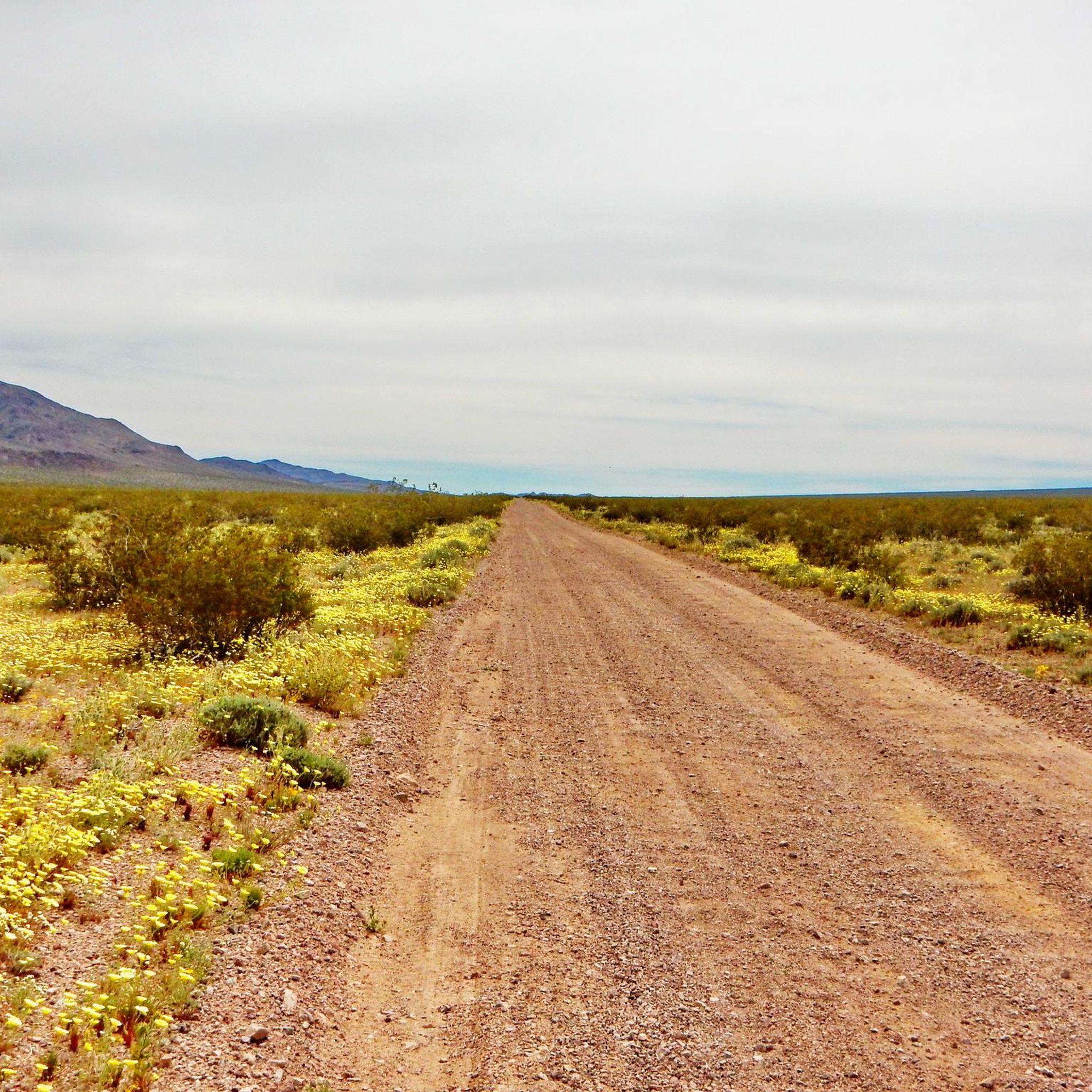
- The most popular mountain passes is Deadman's Pass 🌼, Death Valley, a mountain_pass that is a quiet dirt road across a gentle ridge. It is off the beaten tourist trail and can feature colorful wildflowers after a wet winter.
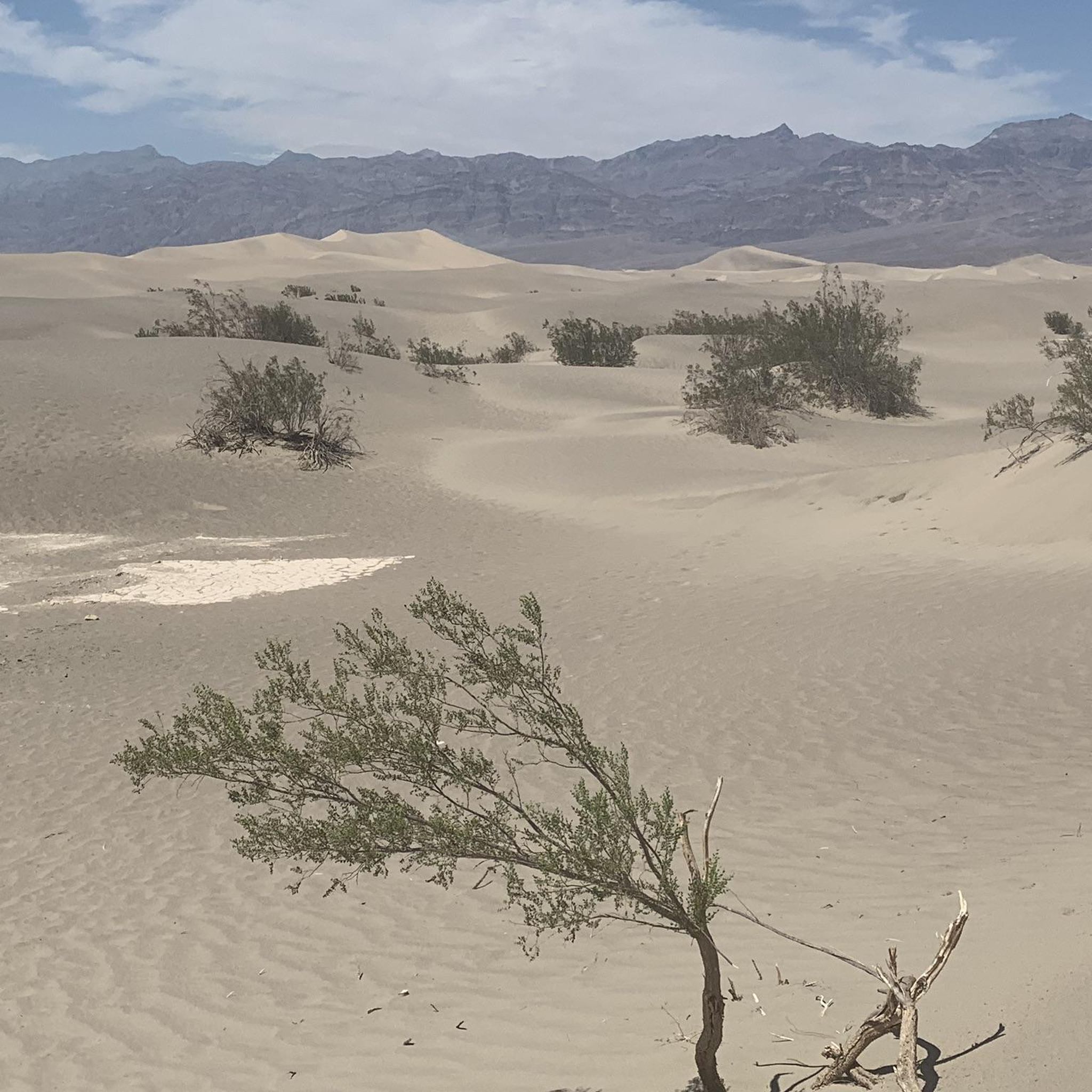
- Another must-see spot is South Pass 🌵 Saline Valley, a mountain_pass and viewpoint. This pass is the intersection of a rough road leading into the Saline Valley and Hot Springs, or toward Hunter Mountain Road.
- Visitors also love Towne Pass Climb West, a challenging climb and mountain_pass. This route offers a dramatic ascent with unfolding vistas across the vast desert basin towards distant mountain ranges.
- Death Valley National Park is known for its challenging climbs, scenic mountain passes, and elevated viewpoints. The park offers a variety of routes for exploration, from paved roads to remote dirt tracks.
- The mountain passes in Death Valley National Park are appreciated by the komoot community, with 1 upvote and 3 photos contributed by users.
Last updated: July 8, 2026
Towne Pass North Climb
Highlight (Segment) • Climb
The extreme desert environment means you will potentially encounter extreme heat and intense sun with absolutely no shade and no water sources for many miles. Therefore, approach this climb with meticulous preparation, carry plenty of water, check forecasts/park alerts beforehand, and ensure you're fully self-sufficient for this unforgettable but demanding climb to the 4956ft summit.
Tip by

Towne Pass Climb West
Highlight (Segment) • Climb
Tip by
Sign up now to discover places like this
Get recommendations on the best single tracks, peaks, & plenty of other exciting outdoor places.
Sign up for free
South Pass 🌵 Saline Valley
Highlight • Mountain Pass
Tip by

Deadman's Pass 🌼, Death Valley
Highlight • Mountain Pass
This tour can help to find it komoot.de/tour/8272086
Tip by
Emigrant Pass Climb East
Highlight (Segment) • Climb
Tip by
Sign up for free to discover even more mountain passes in Death Valley National Park.
Sign up for free
Already have an account?
Start today with a free account
Your next adventure awaits.
Login or Signup
Popular around Death Valley National Park
Tips from the Community

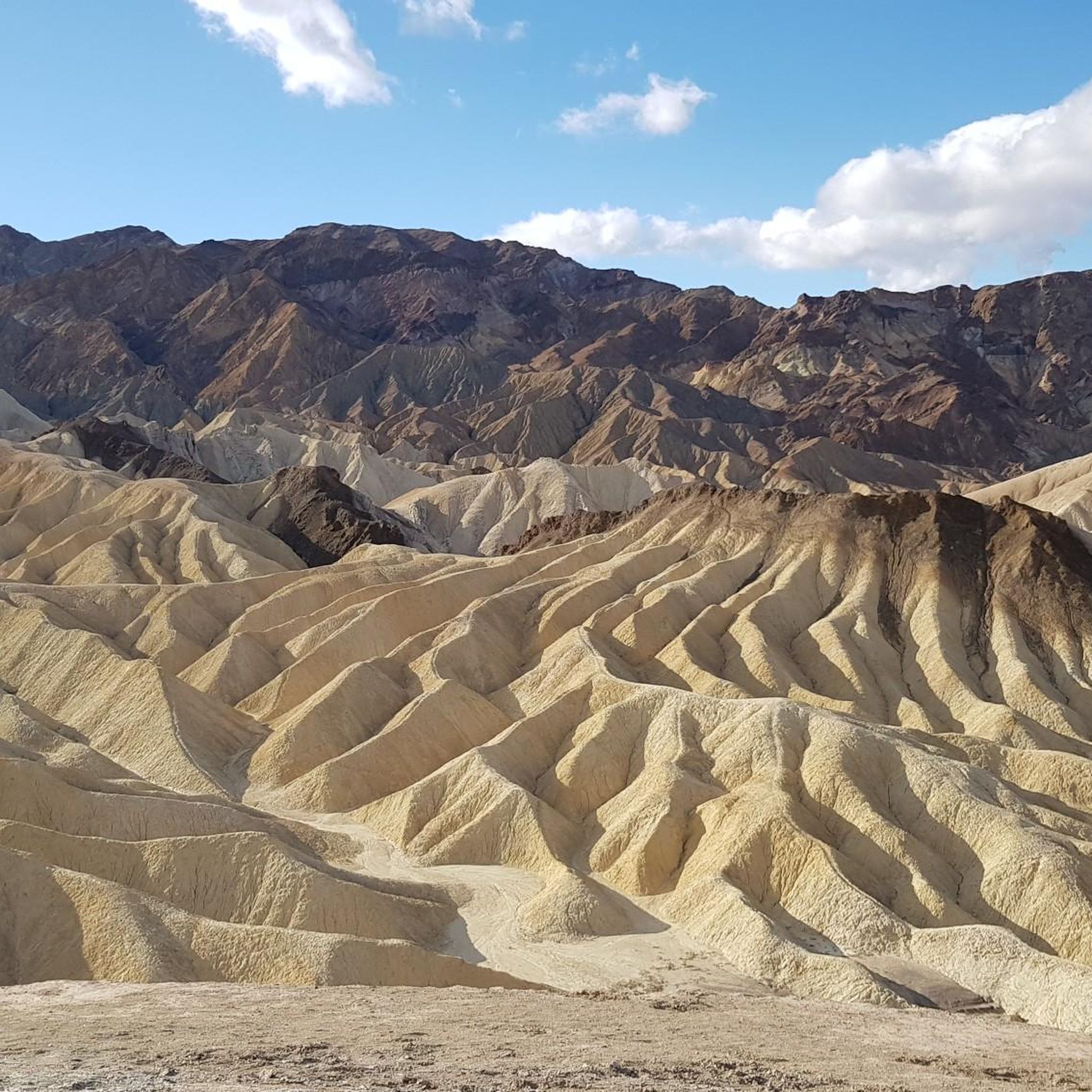
Climbing Towne Pass from the west offers a dramatic ascent with huge, unfolding vistas back across the vast desert basin towards distant mountain ranges. You'll tackle a challenging climb of approximately 9-10 miles, gaining around 3,400 ft to reach the 4,956 ft summit. Be prepared for a tough effort in the initial miles averaging a steep 6.5-7.0%. Along the route you'll experience the stark, colourful beauty of the Panamint Range.
0
0
The Emigrant Pass East climb in Death Valley ascends the quieter Emigrant Canyon Road, taking you into remote, starkly beautiful desert mountains. Prepare for a long 13-14 mile and very steady ascent gaining over 3000ft to the 5318ft pass, averaging a moderate and consistent 4.5% gradient. The primary challenge here is the extreme Death Valley environment: intense heat and relentless sun with virtually no shade.
0
0
The Towne Pass North climb from Stovepipe Wells in Death Valley is an epic desert ascent defined by its sheer scale and potentially brutal conditions. Prepare for an incredibly long 17 mile grind gaining approximately 5000ft from below sea level, averaging a steady 5.6% with long sections pushing around 8-9%. Experience the stark, vast beauty of the Death Valley landscape unfolding around you. The extreme desert environment means you will potentially encounter extreme heat and intense sun with absolutely no shade and no water sources for many miles. Therefore, approach this climb with meticulous preparation, carry plenty of water, check forecasts/park alerts beforehand, and ensure you're fully self-sufficient for this unforgettable but demanding climb to the 4956ft summit.
0
0

South Pass is the intersection of the very rough road, leading north-west into the Saline Valley and the Hot Springs, or branching North-East to Hunter Mountain Road toward the Devil's Racecourse and Ubehebe Crater area. This pass is often snow-covered in winter, mountain bikes or cars with 4x4 and high clearance recommended. For a track to the Hot Springs see: https://www.komoot.com/tour/15753454
1
0
Deadman's Pass is a beautiful, quiet dirt road across a gentle ridge between Furnace Creek Wash Road and Death Valley Junction. It is off the beaten tourist trail, and in spring after a wet winter it explodes in a superbloom of colorful wildflowers. https://www.nps.gov/deva/learn/nature/wildflowers.htm This tour can help to find it https://www.komoot.de/tour/8272086
1
1
Frequently Asked Questions
What are some easily accessible mountain passes or viewpoints in Death Valley National Park?
For easily accessible panoramic views, Dante's View is an iconic elevated point with a paved road, offering stunning vistas of Badwater Basin. Another scenic option is Artist's Drive, a nine-mile paved route through colorful badlands, though vehicles longer than 25 feet are restricted on both due to tight turns.
Which mountain passes offer the most challenging climbs in Death Valley National Park?
Death Valley offers several challenging climbs. Towne Pass Climb West presents a dramatic ascent with significant elevation gain, while Towne Pass North Climb from Stovepipe Wells is an epic 17-mile grind from below sea level. Another demanding route is the Emigrant Pass Climb East, a long and steady ascent into remote desert mountains.
Are there any mountain passes in Death Valley National Park that are off the beaten path?
Yes, Deadman's Pass 🌼, Death Valley is a beautiful, quiet dirt road across a gentle ridge, away from the main tourist routes. It's known for potential superblooms of colorful wildflowers after a wet winter.
What types of roads should I expect when driving to mountain passes in Death Valley?
Road conditions vary significantly. Main viewpoints like Dante's View and scenic routes like Artist's Drive are paved. However, other passes, such as the final 6.5 miles to Aguereberry Point, involve narrow, steep dirt roads, often requiring a high-clearance vehicle. For passes like South Pass 🌵 Saline Valley, a 4x4 vehicle is recommended, especially in winter when it can be snow-covered.
What unique natural features or views can I experience from Death Valley's mountain passes?
From Dante's View, you can see the vast expanse of Badwater Basin, the lowest point in North America, and on clear days, Mount Whitney. Aguereberry Point offers 360-degree views including Mount Charleston and the white salt flats. Artist's Drive showcases vibrant, multicolored hills at Artist's Palette, formed by mineral oxidation. Telescope Peak provides unsurpassed views over Death Valley's salt flats and the Sierra Nevada Mountains.
When is the best time to visit the mountain passes in Death Valley National Park?
The cooler months from late fall to early spring (October to April) are generally best for visiting Death Valley's mountain passes, as temperatures are more moderate. Dante's View is typically 15 to 25 degrees cooler than the valley floor, offering some relief from the heat. For wildflowers, visit Deadman's Pass in spring after a wet winter. Afternoon light is ideal for photography at Artist's Drive and Aguereberry Point.
Are there opportunities for hiking near the mountain passes in Death Valley National Park?
Yes, Death Valley offers various hiking opportunities. For instance, reaching Telescope Peak, the park's highest point, involves a challenging 13-mile round trip hike from Mahogany Flat Campground. You can find more hiking options, including easy to difficult trails, in the Easy hikes in Death Valley National Park guide or the Waterfall hikes in Death Valley National Park guide.
What should I know about vehicle restrictions for some of the scenic drives and passes?
Some scenic routes have vehicle length restrictions. For example, Dante's View and Artist's Drive restrict vehicles longer than 25 feet due to sharp turns and dips. Always check park alerts and road conditions, especially for unpaved roads, as some may require high-clearance or 4x4 vehicles.
Can I find running trails near the mountain passes in Death Valley National Park?
Absolutely! Death Valley National Park offers several running trails. Popular options include the Golden Canyon Trail to Red Cathedral, Mosaic Canyon Trail, and the challenging Telescope Peak Trail. For more details and routes, refer to the Running Trails in Death Valley National Park guide.
What is the elevation range of the prominent mountain passes and viewpoints in Death Valley?
The elevations vary significantly, showcasing the park's extreme landscape. Dante's View is at 5,476 feet (1,669 meters), while Aguereberry Point is higher at 6,433 feet (1,960 meters). The highest point in the park, Telescope Peak, reaches 11,049 feet (3,366 meters).
Are there any mountain passes that are particularly good for sunset photography?
Yes, both Dante's View and Aguereberry Point are highly recommended for sunset photography. Dante's View offers a serene atmosphere for both sunrise and sunset, while Aguereberry Point, with its westerly setting, is especially suited for capturing the afternoon and evening light.
Most popular routes in Death Valley National Park
Most popular attractions in Death Valley National Park

Get inspired with the komoot mobile app


Explore more
See even more epic mountain passes by checking out these guides in Death Valley National Park:
