The best walks and hikes in Death Valley National Park
4.7
(276)
4,005
hikers
77
hikes
Hiking in Death Valley National Park offers access to an extraordinary range of landscapes, from the lowest point in North America at Badwater Basin to towering peaks. The park features vast salt flats, expansive sand dunes, and numerous canyons. This diverse topography provides a variety of hiking experiences across different elevations and terrains.
Best hiking trails in Death Valley National Park
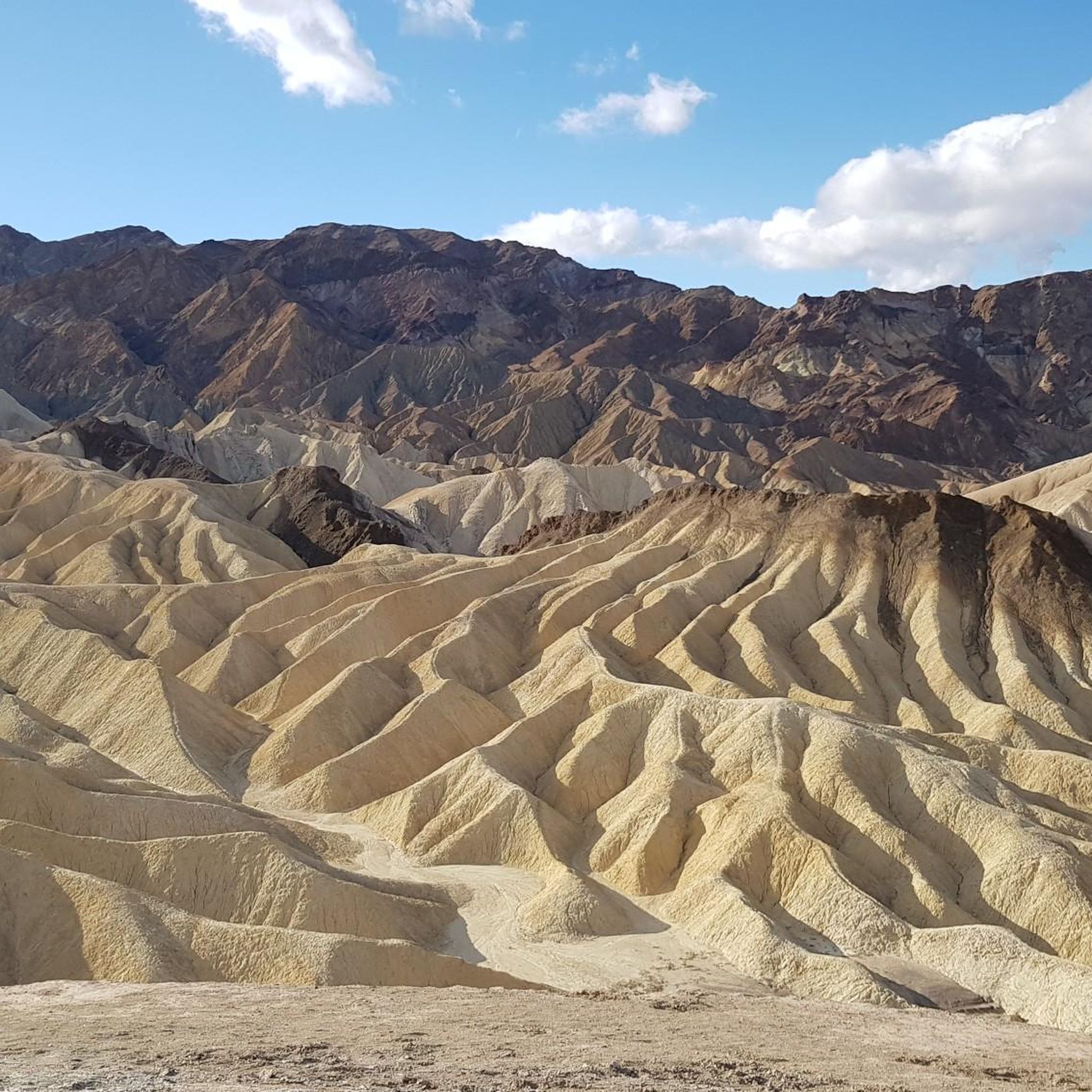
- The most popular hiking route is Golden Canyon & Gower Gulch loop from Zabriskie Point, a 6.0 miles (9.7 km) trail that takes 2 hours 51 minutes to complete. This route showcases colorful rock faces and connects through dramatic canyon formations.
- Another top favourite among local hikers is Mosaic Canyon Loop, a moderate 3.6 miles (5.7 km) path. This trail is known for its smooth, polished marble walls and intricate geological patterns.
- Local hikers also love the Badwater Basin Salt Flats, a 1.9 miles (3.1 km) trail leading through hexagonal salt crystals, often completed in about 46 minutes.
- Hiking in Death Valley National Park is defined by salt flats, sand dunes, and flood-carved canyons. The network offers options for easy, moderate, and difficult trails suitable for different ability levels.
- The routes in Death Valley National Park are highly rated by the komoot community with an average score of 4.7 stars from over 200 reviews. More than 3,300 hikers have used komoot to explore Death Valley National Park's varied terrain.
Last updated: July 7, 2026
4.9
(80)
646
hikers
9.69km
02:52
290m
290m
The Golden Canyon and Gower Gulch Loop Trail offers a captivating journey through Death Valley's unique badlands, showcasing a dramatic shift in scenery from wide, golden-walled canyons to rugged gulches. You'll start with a gradual climb through Golden Canyon, navigating minor rock scrambles and enjoying the vibrant geological layers, with the option to detour to the impressive Red Cathedral. The route then ascends towards Manly Beacon for panoramic views before descending through the gravel-filled Gower Gulch, which features narrow sections and rocky dry waterfalls.
This moderate 6.0-mile (9.7 km) hike, with 946 feet (288 metres) of elevation gain, typically takes around 2 hours and 51 minutes. For the best experience, plan your visit for just after sunrise or right before sunset, when cooler temperatures and optimal lighting enhance the colorful landscape. The trailhead is easily accessible, but always carry ample water, as conditions in Death Valley can be extreme.
What makes this loop truly stand out is its accessibility and the sheer diversity of terrain and color packed into a single outing. It's considered one of the best day hikes in Death Valley National Park, moving from the striking golden hues of the canyon to the more rugged, water-carved features of the gulch. While the Golden Canyon section can be busy, the full loop often provides a more secluded experience, making it a rewarding choice for those seeking iconic desert geology.
4.5
(11)
83
hikers
3.36km
00:59
110m
70m
The Badlands Loop offers a captivating journey through Death Valley's unique terrain, showcasing a lunar-like landscape of striated barren geology. You'll encounter fantastic views of classic rock formations, including jagged buttes and spires, particularly around the Viewpoint and Zabriskie Point. This easy 2.1-mile (3.4 km) hiking route, with 375 feet (114 metres) of elevation gain, is a perfect introduction to the park's dramatic scenery, taking just under an hour to complete.
Planning your visit is straightforward, as the trailhead is conveniently located near Zabriskie Point, a well-known spot with parking. Given the consistent lack of shade, it's crucial to bring plenty of water and wear sun protection, especially during warmer periods. For the most comfortable experience, aim to hike in the cooler mornings or late afternoons. No special permits are needed for this accessible trail.
This area is a geological time capsule, revealing millions of years of erosion through its colorful spires and pinnacles. The Badlands Loop is a great way to experience the park's diverse scenery, from these striking formations to distant views of the White River Valley. It's an excellent choice for families or anyone looking for a high-reward, low-effort hike in Badlands National Park.

Sign up for free
5.0
(43)
341
hikers
8.19km
02:26
240m
250m
Embark on the Golden Canyon and Gower Gulch Loop Trail for a moderate hike through Death Valley's striking desert scenery. This 5.1 miles (8.2 km) route takes about 2 hours and 25 minutes to complete, with an elevation gain of 775 feet (236 metres). You will experience a dramatic shift from the narrow, towering golden walls of Golden Canyon to the colorful, otherworldly badlands, revealing unique geological formations as you go.
When planning your visit, consider hiking this loop in a clockwise direction. This approach helps you tackle most of the climbing early on, making the ascent more manageable. Parking is conveniently available at the Golden Canyon trailhead, which serves as the starting point for this engaging desert adventure. Always check park conditions before you head out.
This trail is particularly notable for its diverse geology, showcasing how the landscape changes from deep canyons to expansive washes. You can also take a short spur trail to see the Red Cathedral, a vibrant, fire-colored formation that stands out against the desert backdrop. The return journey through Gower Gulch offers wider views and different rock textures, making the entire loop a comprehensive tour of the area's natural wonders.
4.7
(29)
395
hikers
5.73km
02:00
340m
340m
Embark on the Mosaic Canyon Trail for a moderate 3.6-mile (5.7 km) hike that takes you deep into Death Valley's unique geology. You will gain 1101 feet (336 metres) over an estimated 2 hours, navigating through stunning slot canyons. As you progress, you'll encounter smooth, polished marble walls, a testament to ancient flash floods, and the distinctive 'Mosaic Canyon Breccia' formations. The route offers a dynamic experience, with sections that narrow dramatically and others that open up, leading to challenging dryfalls and boulder jams that add to the adventure. This trail provides an intimate look at the desert's raw beauty and geological wonders.
To begin your journey, head to the trailhead located just south of Stovepipe Wells Village, accessible via a 2.3-mile unpaved road. While generally passable for most vehicles, it is not recommended for RVs, so plan accordingly. Given the desert environment, it is crucial to bring plenty of water, especially during warmer months, to stay hydrated throughout your hike. Always be aware of the potential for flash floods, which can occur during rain, and check weather conditions before you set out.
The Mosaic Canyon Trail is particularly notable for its geological features, especially the polished marble walls and the unique 'Mosaic Canyon Breccia.' These formations are a direct result of ancient flash floods, which have sculpted the canyon over millennia and cemented rock fragments together. This geological artistry is what gives the canyon its name and makes it a standout attraction within Death Valley National Park. It offers a fascinating glimpse into the powerful natural processes that have shaped this arid landscape, providing a memorable experience for any hiker.
2
hikers
7.08km
02:14
300m
240m
Embark on a moderate hiking adventure up Mount Perry via Dante's Ridge, a 4.4-mile (7.1 km) route that promises expansive panoramic views across Death Valley. You will gain 992 feet (302 metres) in elevation, with the entire journey typically taking around 2 hours and 13 minutes. From the summit, you can clearly see iconic landmarks like Badwater Basin, North America's lowest point, and the towering Telescope Peak, all set against a backdrop of striking rock colors.
This unofficial route begins at the north end of the Dante's View parking lot; be aware there is no official trail signage, so careful navigation is essential. For your safety and comfort, plan your hike during the cooler months, specifically from late Fall to early Spring. Summer temperatures after 10 AM are not recommended due to the extreme heat conditions in Death Valley National Park.
The trail offers a unique perspective of Death Valley's vast and dramatic landscape, allowing you to feel truly immersed in its grandeur. On exceptionally clear days, you might even catch a glimpse of Mount Whitney in the distance, adding another layer to the already impressive vistas. This hike provides a profound sense of scale and isolation, highlighting the raw beauty of this desert environment.
Get access to more routes and recommendations from other explorers.
Sign up for free
Already have an account?
Our route recommendations are based on thousands of hikes, rides, and runs completed by other people on komoot.
Start today with a free account
Your next adventure awaits.
Login or Signup
Popular around Death Valley National Park
Tips from the Community

The heat should not be underestimated… Despite the short distance
1
0

This is one of the famous viewpoints of the park. It is surrounded by wild, sandy, barren mountains.
4
1

Zabriskie Point is a lookout point in the Amargosa Range in Death Valley National Park, known for its bizarre erosion landscapes around the former Lake Manly. It was named at the beginning of the 20th century after Christian Brevoort Zabriskie from Wyoming, the vice president and general manager of the Pacific Coast Borax Company, which was commissioned to mine borax in the area.
3
0

A beautiful view of Death Valley can be enjoyed at the top
2
0

Dante’s View sits at 5476 feet along the Black Mountains crest, delivering a bird eye view over the Death Valley. From here you can see the valley colors and the Badwater salt flats, making the landscape look like a painting. The trail to the viewpoint is uphill and it is also traveled by hikers. You can choose to leave your bike in the parking lot or go with it, depending on what experience you want to have.
0
0

The Red Cathedral is a crimson cliff that stands out 183 meters above and behind the yellow and brown slopes and walls of the Golden Canyon. The origin of the name comes from the red rocks that have eroded into pillars in some places
0
0

One of the typical rock formations that gives the area its name. It is created by small fragments of rock that are then locked together with a natural cement.
0
0
Frequently Asked Questions
How many hiking trails are there in Death Valley National Park?
Death Valley National Park offers a wide array of hiking experiences, with over 60 routes available. These trails range from easy walks across salt flats to more challenging ascents into the mountains, catering to various skill levels.
What is the best time of year to hike in Death Valley National Park?
The ideal time for hiking in Death Valley National Park is from November through March. During these months, temperatures are significantly milder, making outdoor activities more comfortable and safer. Summer hiking is generally not recommended due to extreme heat.
Are there any family-friendly hiking trails in Death Valley National Park?
Yes, Death Valley offers several easy trails suitable for families. The Badwater Basin Salt Flats trail is a relatively flat and accessible option, allowing everyone to experience the lowest point in North America. The Mesquite Flat Sand Dunes also provide an easy to moderate walk, especially enjoyable during cooler parts of the day.
What kind of unique natural features can I expect to see while hiking?
Death Valley is renowned for its unique geological formations. You can explore vibrant, colorful badlands at Zabriskie Point, walk on hexagonal salt crystals at Badwater Basin, or marvel at the smooth, polished marble walls of Mosaic Canyon. The park also features expansive sand dunes and dramatic canyons like Golden Canyon, showcasing spectacular rock formations.
Are there any circular hiking routes in Death Valley National Park?
Yes, the park features several loop trails that allow you to experience diverse landscapes without retracing your steps. A popular option is the Golden Canyon & Gower Gulch loop from Zabriskie Point, which guides you through colorful rock faces and dramatic canyon formations.
Are dogs allowed on hiking trails in Death Valley National Park?
Generally, pets are permitted on paved roads, in developed areas, and on dirt roads open to vehicles. However, pets are not allowed on hiking trails, in wilderness areas, or in park buildings. Always keep your dog on a leash and ensure they have plenty of water, especially given the desert environment.
What do other hikers enjoy most about Death Valley National Park?
The area is highly rated by the komoot community, with an average score of 4.7 stars from over 200 reviews. Hikers frequently praise the park's extraordinary and diverse landscapes, from the vast salt flats to the towering peaks, and the unique geological features found along trails like the Mosaic Canyon Loop.
Are there any waterfalls in Death Valley National Park?
Surprisingly for a desert environment, Death Valley is home to Darwin Falls, a rare permanent waterfall that provides a lush contrast to the arid surroundings. It's accessible via a moderate hike and offers a unique natural spectacle.
What are some less crowded hiking options in Death Valley?
For those seeking a deeper wilderness experience away from the main crowds, Desolation Canyon offers a more rugged, unmarked route with opportunities for rock scrambling. Additionally, exploring areas like the Ubehebe Crater provides a unique 'Mars-like' hiking experience that can be less frequented than the more popular canyon trails.
Are there any notable viewpoints or landmarks along the trails?
Yes, Death Valley is rich with stunning viewpoints and landmarks. Beyond the trails, you can visit Dante's View for panoramic vistas of the park. On trails, you might encounter the vibrant Red Cathedral in Golden Canyon or the colorful badlands visible from Zabriskie Point. The Artist's Palette area also offers short hikes into hills displaying a spectrum of colors.
What should I know about parking at trailheads in Death Valley National Park?
Most popular trailheads in Death Valley National Park, such as those for Badwater Basin, Mesquite Flat Sand Dunes, and Golden Canyon, have designated parking areas. It's advisable to arrive early during peak season to secure a spot, especially for well-known routes. Always check park maps or information boards for specific parking details at your chosen trailhead.
What are the regulations for hiking permits in Death Valley National Park?
For most day hikes in Death Valley National Park, a permit is not required. However, if you plan an overnight backcountry trip, a free backcountry permit is necessary. It's always best to check the official National Park Service website for the most current regulations regarding permits and safety before your visit: nps.gov/deva/planyourvisit/hiking.htm.
Are there any trails that feature interesting geological formations?
Death Valley is a geological marvel. The Golden Canyon Trail to Red Cathedral is an excellent example, showcasing vibrant, colorful rock faces and unique badland formations. Another trail, Natural Bridge & Dry Falls, allows you to explore a natural rock bridge and dry waterfalls, highlighting the effects of erosion on the landscape.
Most popular attractions in Death Valley National Park

Get inspired with the komoot mobile app


Explore more
Browse the best Hikes in other regions.
