Top 13 Natural Monuments in Suffolk County
Best natural monuments in Suffolk County are found on the eastern two-thirds of Long Island, New York. This region features diverse natural beauty, including dramatic coastlines, preserved pine forests, and glacial landforms. The area offers unique ecological features and varied landscapes for exploration. These natural monuments showcase Suffolk County's rich geological history and diverse ecosystems.
Best natural monuments in Suffolk County
- The most popular natural monuments is Cold Spring Harbor State Park, a forest that offers serene nature trails,…
Last updated: October 10, 2026
Cold Spring Harbor State Park
Highlight • Forest
Tip by

Jaynes Hill
Highlight • Summit
Tip by
Sign up now to discover places like this
Get recommendations on the best single tracks, peaks, & plenty of other exciting outdoor places.
Main House at Connetquot River State Park Preserve
Highlight • Historical Site
Tip by

Walking Dunes
Highlight • Natural Monument
Tip by
Arthur Kunz County Park
Highlight • Forest
Tip by
Sailor's Haven
Highlight • Forest
Tip by
Sunken Forest
Highlight • Forest
Tip by
Cedar Point County Park
Highlight • Natural Monument
Tip by

Calverton Ponds Preserve
Highlight • Lake
Tip by

Lighthouse Beach
Highlight • Beach
Tip by
Sign up for free to discover even more natural monuments in Suffolk County.
Already have an account?
Start today with a free account
Your next adventure awaits.
Popular around Suffolk County


Tips from the Community

Cedar Point County Park, a 607-acre park, offers amazing views of Gardiners Bay and features the decommissioned Cedar Island Lighthouse. Owned by Suffolk County, the park has individual and organized group camping areas. It is dog-friendly, with pets required to be leashed.
0
0

The dunes at Hither Hills State Park are a breathtaking natural spectacle, with towering sandy formations sculpted by wind and water. Visitors can immerse themselves in the raw beauty of Long Island's coastal landscapes. However, an ample supply of bug spray is essential, as the surrounding areas can be teeming with mosquitoes, especially during certain seasons. Despite this potential nuisance, the dunes remain an awe-inspiring destination.
0
0
The Sunken Forest is an enchanting, must-see attraction in Sailor's Haven. Guided tours provide insights into its unique history and ever-shifting sandy landscape. A true natural wonder.
0
0
Sailor's Haven houses the renowned Sunken Forest in Fire Island National Seashore. Accessible only by ferry, boat or foot, it offers amenities like a snack concession and picnic/BBQ areas on the bay side.
0
0
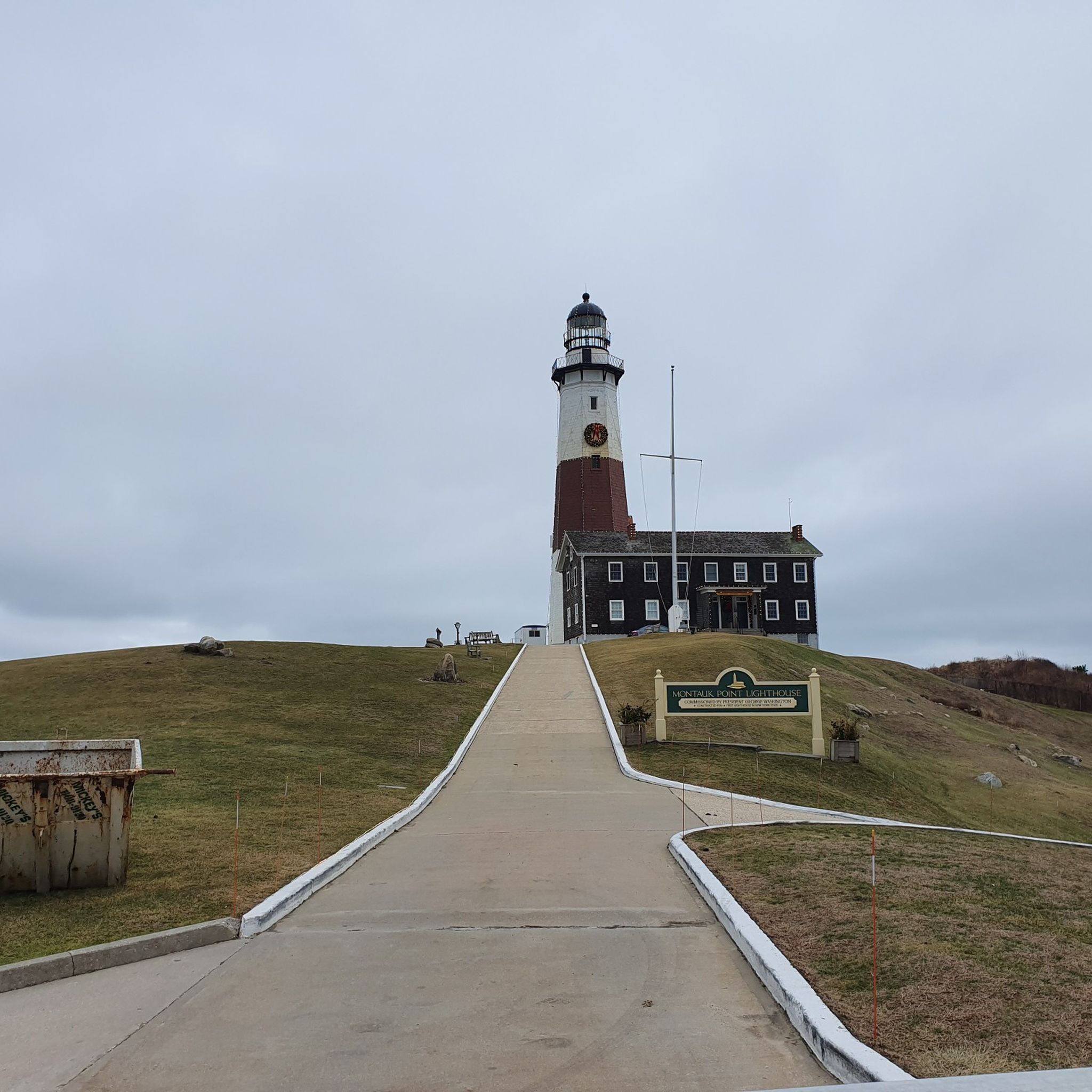
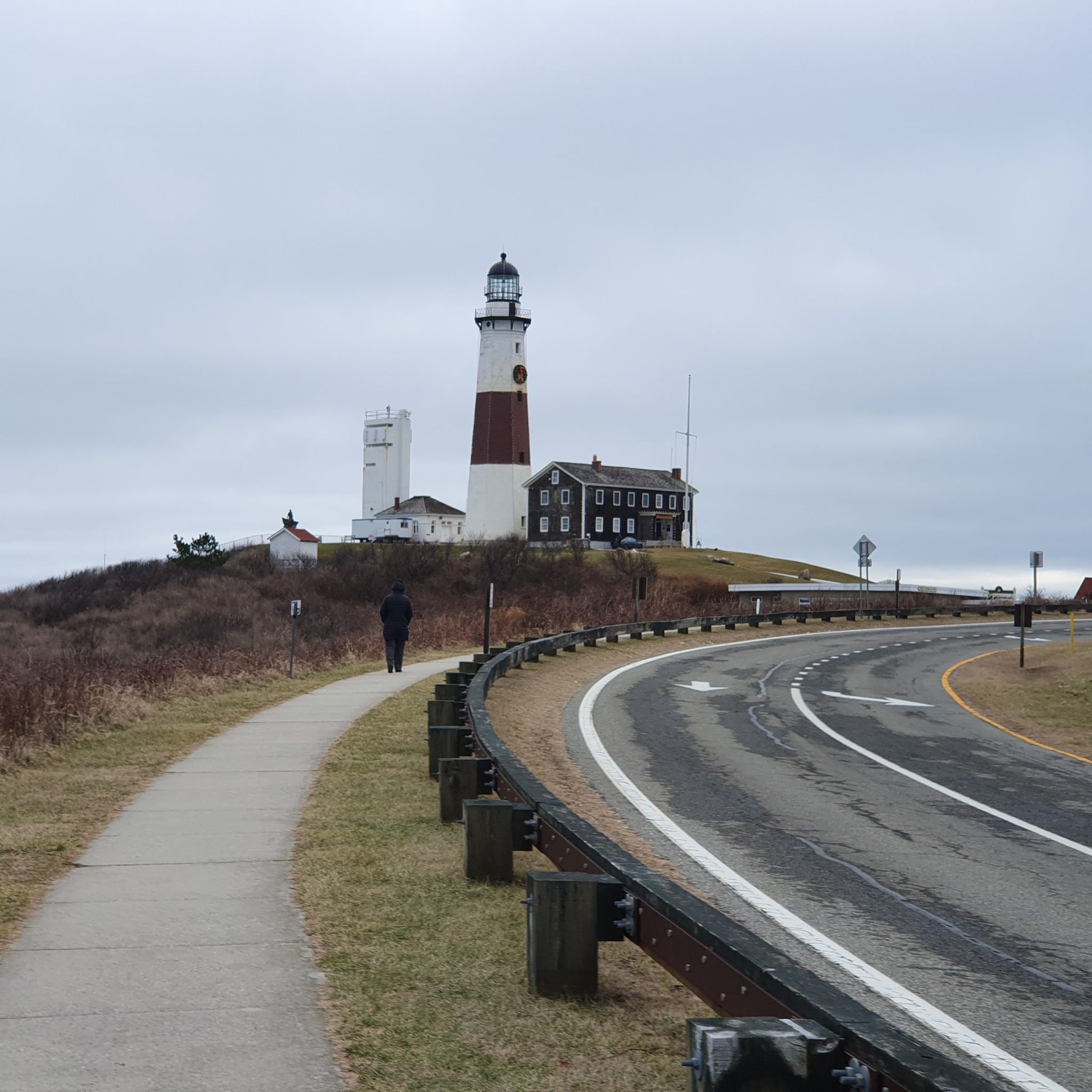
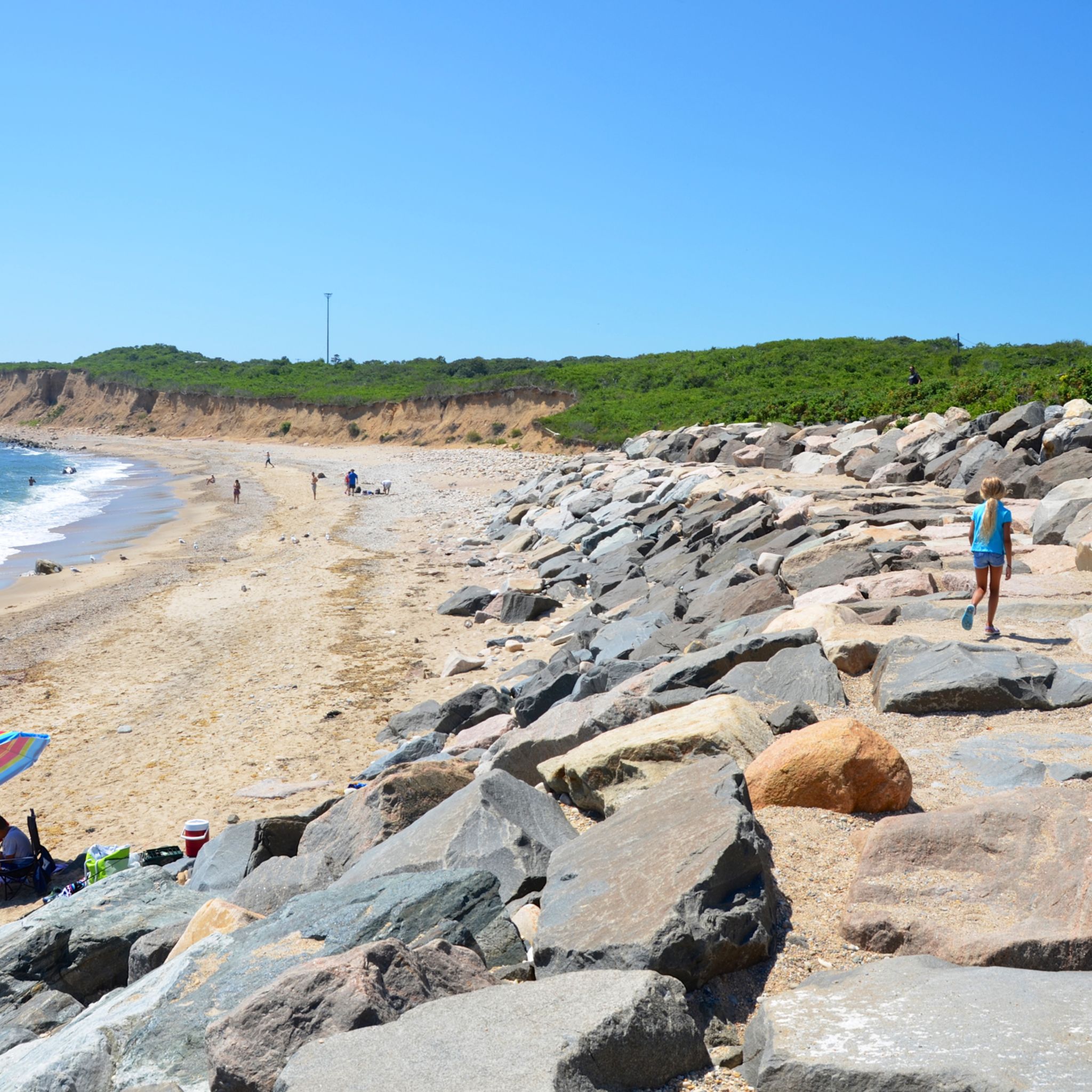
Lighthouse Beach offers a serene, picturesque setting with views of the lighthouse. It's a tranquil, scenic beach, especially quiet during the off-season months, perfect for enjoying peaceful walks along the shoreline.
0
0
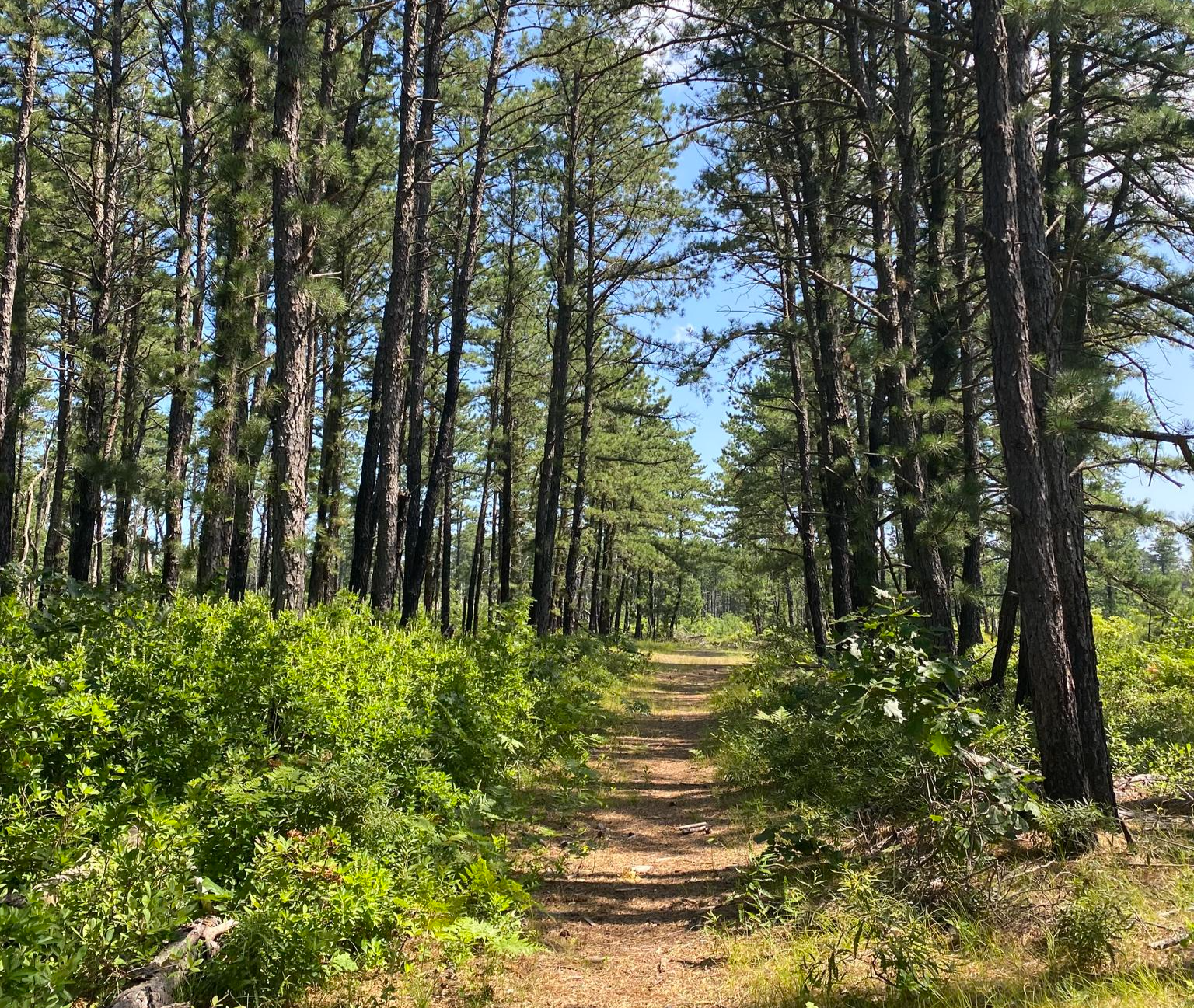
Connetquot River State Park Preserve is a 3,473-acre refuge of sandy pine barrens, wetlands, ponds, and woodlands. Visitors can find over 200 bird species and 300 plant species, along with other mammals, reptiles, amphibians, butterflies, and moths that once lived all over Long Island. This area was created as New York's first "State Park Preserve," and remains a protected area open to the public today.
0
0
Standing at 401 feet above sea level, Jaynes Hill is the highest point in Long Island. The trail to the hill offers pleasant views and leads to a unique landmark: a rock inscribed with a poem by the renowned Walt Whitman.
0
0

Calverton Ponds Preserve spans 350 acres of oak-pine forest and boasts unique coastal plain ponds, providing a habitat for diverse plants and wildlife. The trails offer waterfront views, allowing you to immerse yourself in the natural beauty of the area.
1
0
Frequently Asked Questions
What unique natural features can I explore in Suffolk County?
Suffolk County offers a diverse range of natural features. You can experience dramatic bluffs and rocky coastlines at Montauk Point, explore preserved pine forest ecosystems in the Pine Barrens, or visit unique glacial formations like Jaynes Hill, the highest point on Long Island. The region also features kettle lakes such as Lake Ronkonkoma and distinct North and South Shore beaches.
Are there any historical natural monuments in Suffolk County?
Yes, several natural monuments in Suffolk County have historical significance. Montauk Point is home to the historic Montauk Point Lighthouse, the oldest lighthouse in New York. Cold Spring Harbor State Park also holds historical importance, offering a peaceful retreat with serene nature trails. Additionally, the Cranberry Bog Nature Preserve is the remains of an abandoned cranberry-growing operation from 1889.
Where can I find good hiking trails among Suffolk County's natural monuments?
For hiking, you'll find excellent trails at various natural monuments. Cold Spring Harbor State Park offers serene nature trails, while Avalon Park and Preserve provides beautiful trails and a duck pond. The Pine Barrens also offer extensive opportunities for nature observation and hiking. You can explore more options and detailed routes in the Hiking in Suffolk County guide.
Are there opportunities for cycling near Suffolk County's natural monuments?
Absolutely. Suffolk County provides numerous cycling opportunities. You can find routes that take you through scenic areas and near natural monuments. For detailed cycling routes, including road cycling and touring bicycle options, check out the Road Cycling Routes in Suffolk County and Cycling in Suffolk County guides.
Which natural monuments in Suffolk County are suitable for easy walks?
For easy walks, consider places like Cold Spring Harbor State Park with its serene trails. The Cranberry Bog Nature Preserve features a peaceful one-mile loop trail around Sweezy Pond, perfect for a leisurely stroll. Avalon Park and Preserve also offers well-maintained trails suitable for easy walking.
Are there family-friendly natural monuments in Suffolk County?
Many natural monuments in Suffolk County are great for families. Montauk Point offers exploration of the lighthouse and ocean views. Cold Spring Harbor State Park and Avalon Park and Preserve are ideal for nature walks and wildlife spotting. Jaynes Hill provides a short hike to the highest point on Long Island, and Sunken Forest offers a unique natural experience.
What kind of wildlife can I expect to see at Suffolk County's natural monuments?
Suffolk County's diverse ecosystems support a variety of wildlife. At Connetquot River State Park Preserve, you can find over 200 bird species and 300 plant species, along with various mammals, reptiles, amphibians, and butterflies. Avalon Park and Preserve is known for its duck pond, home to various duck species, geese, and swans. The Pine Barrens also host a unique array of plant and animal life adapted to its specific environment.
Can I find dog-friendly natural monuments in Suffolk County?
Yes, Cedar Point County Park is noted as a dog-friendly natural monument, offering opportunities to enjoy the outdoors with your canine companion. Always check specific park regulations regarding leashes and designated areas before visiting.
What are some lesser-known natural monuments worth visiting in Suffolk County?
Beyond the most popular spots, consider exploring the Cranberry Bog Nature Preserve in Riverhead, a peaceful 165-acre wetland with a loop trail. Calverton Ponds Preserve offers another tranquil natural setting. These locations provide a quieter experience and a chance to connect with nature away from larger crowds.
What is the best time to visit Suffolk County's natural monuments?
The best time to visit Suffolk County's natural monuments largely depends on your preferred activities. Spring and fall offer pleasant temperatures for hiking and exploring, with vibrant foliage in autumn. Summer is ideal for enjoying the beaches and water activities at places like Lake Ronkonkoma or the North and South Shore Beaches. Winter can offer unique, serene landscapes for those who enjoy colder weather activities.
What are the differences between the North and South Shore beaches in Suffolk County?
Suffolk County's North and South Shore beaches offer distinct experiences. The North Shore beaches, bordering the Long Island Sound, are typically rocky due to glacial debris and provide scenic views across the Sound. In contrast, the South Shore beaches, facing the Atlantic Ocean, are known for their wide, sandy expanses, ideal for swimming, sunbathing, and surfing.
Are there any natural monuments that offer unique geological insights in Suffolk County?
Yes, Suffolk County's natural monuments provide fascinating geological insights. Jaynes Hill, the highest point on Long Island, is part of the Ronkonkoma moraine, a significant geological feature left by glaciers. Lake Ronkonkoma is also a deep kettle lake formed by glacial activity, making it a point of geological interest.
Most popular routes in Suffolk County
Most popular attractions in Suffolk County

Get inspired with the komoot mobile app


Explore more
Extend your search for the best caves by checking out these guides of the top ones in Suffolk County:
