Top 12 Mountain Passes around Cerdanya
Best mountain passes around Cerdanya are found in a high valley within the Pyrenees, straddling the border between Spain and France. This region is characterized by its high mountains and numerous valleys, dissected by the Segre River. Its east-west orientation provides abundant sunshine, making it an attractive destination for outdoor activities. The area offers diverse landscapes, from Mediterranean traits to high-altitude alpine meadows, ideal for exploration.
Best mountain passes around Cerdanya
- The most popular mountain passes is Collada de Toses…
Last updated: June 23, 2026
Collada de Toses Pass
Highlight • Mountain Pass
Translated by Google •
Tip by

Puigpedrós Summit (2,911 m)
Highlight • Summit
Translated by Google •
Tip by

Sign up now to discover places like this
Get recommendations on the best single tracks, peaks, & plenty of other exciting outdoor places.
Sign up for free
Coll d'Egat Ascent from Llívia via Estavar
Highlight (Segment) • Mountain Pass
Translated by Google •
Tip by

Coll de Jovell (1,521 m)
Highlight • Mountain Pass
Translated by Google •
Tip by

Coll de Jou (2010m)
Highlight • Mountain Pass
Translated by Google •
Tip by

Coll de la Creueta Ascent from Das (Cerdanya)
Highlight (Segment) • Mountain Pass
Translated by Google •
Tip by
Collado de Marcer
Highlight • Mountain Pass
Translated by Google •
Tip by

Toses Road
Highlight (Segment) • Trail
Translated by Google •
Tip by

Portella de Calm Colomer
Highlight • Mountain Pass
Translated by Google •
Tip by
Bony del Manyer (2,809 m)
Highlight • Summit
Translated by Google •
Tip by

Sign up for free to discover even more mountain passes around Cerdanya.
Sign up for free
Already have an account?
Start today with a free account
Your next adventure awaits.
Login or Signup
Popular around Cerdanya
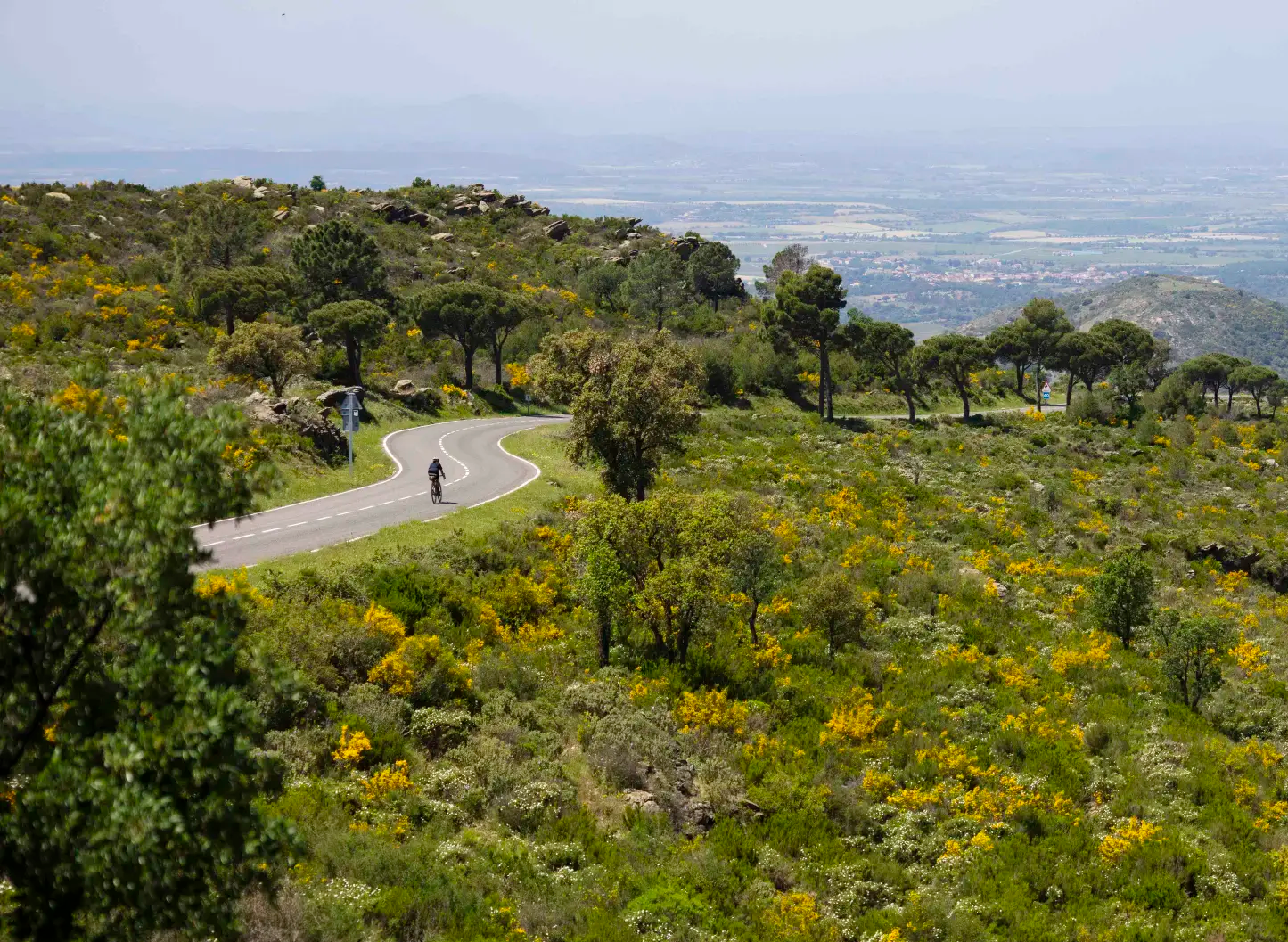
Ports and Roads — Catalonia on Wheels
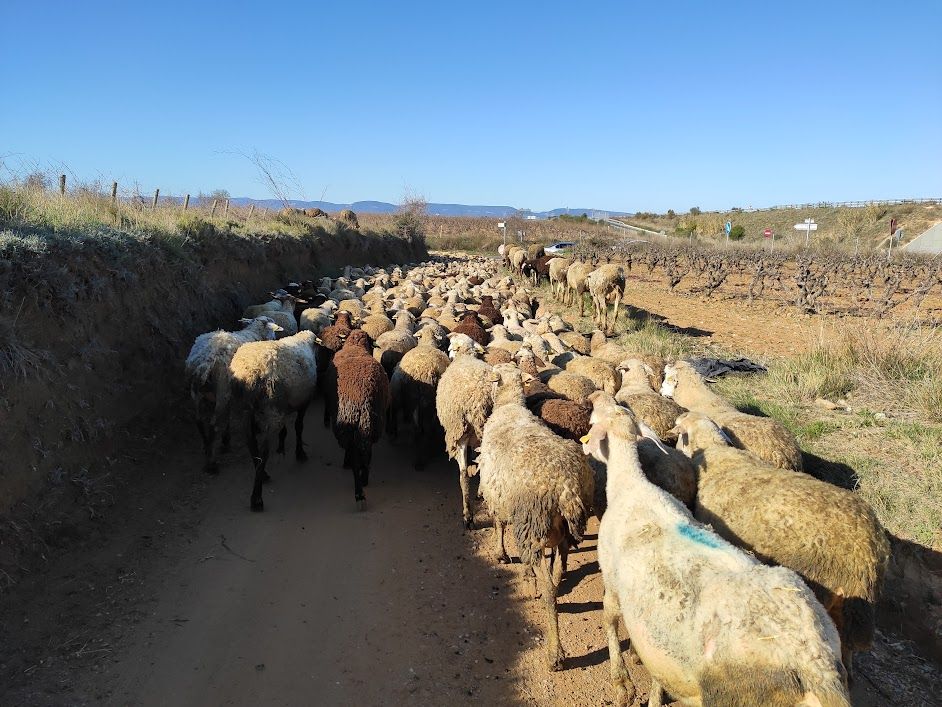
The shepherds' path – Camí Ramader de la Marina
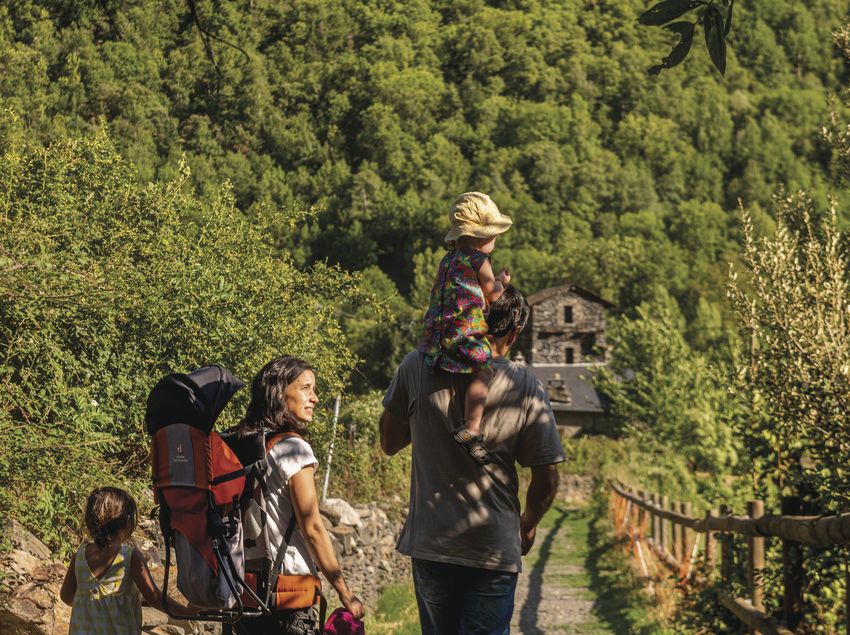
Hike with your family in Catalonia
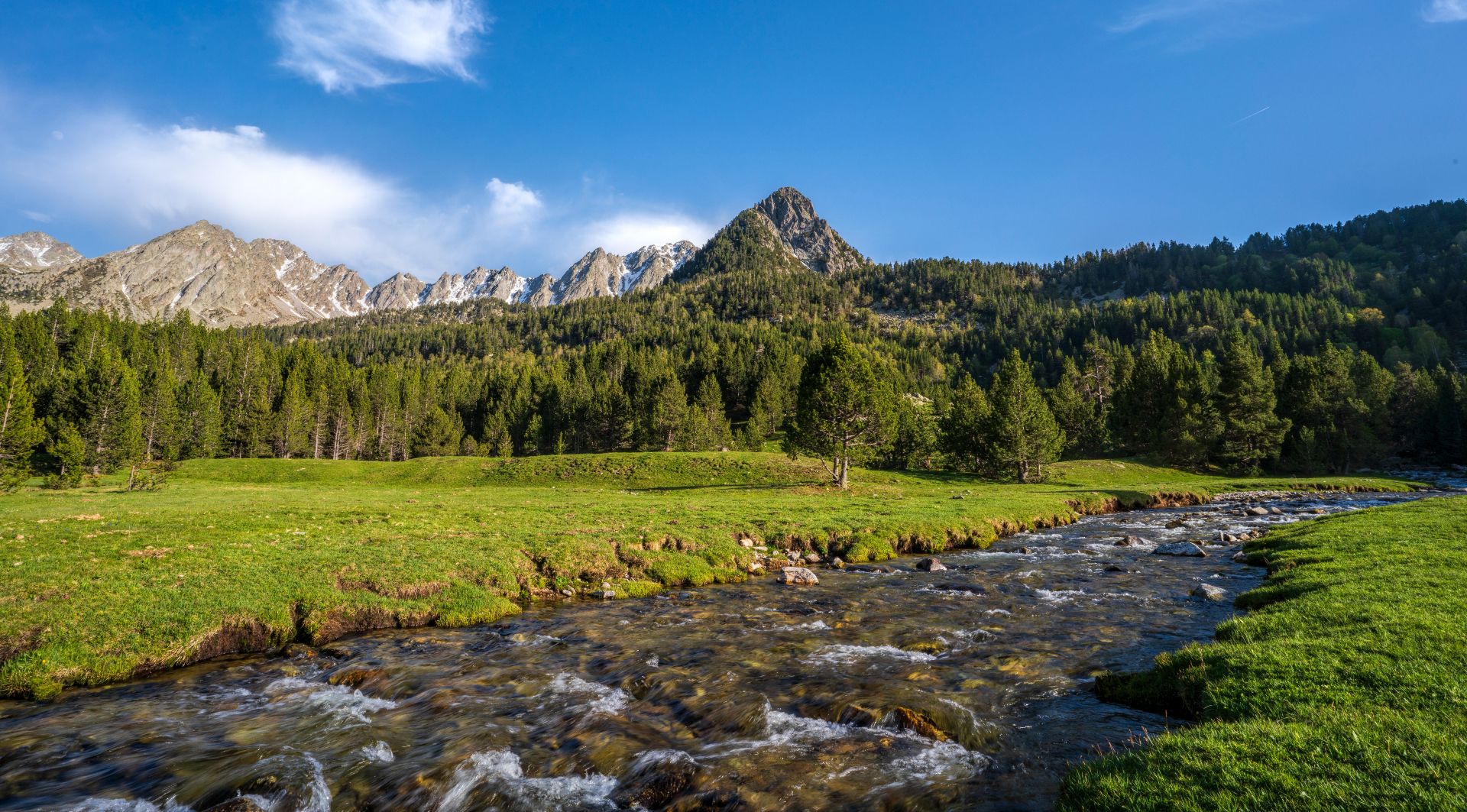
Catalonia and Andorra on the Pyrenean Trail – GR 11
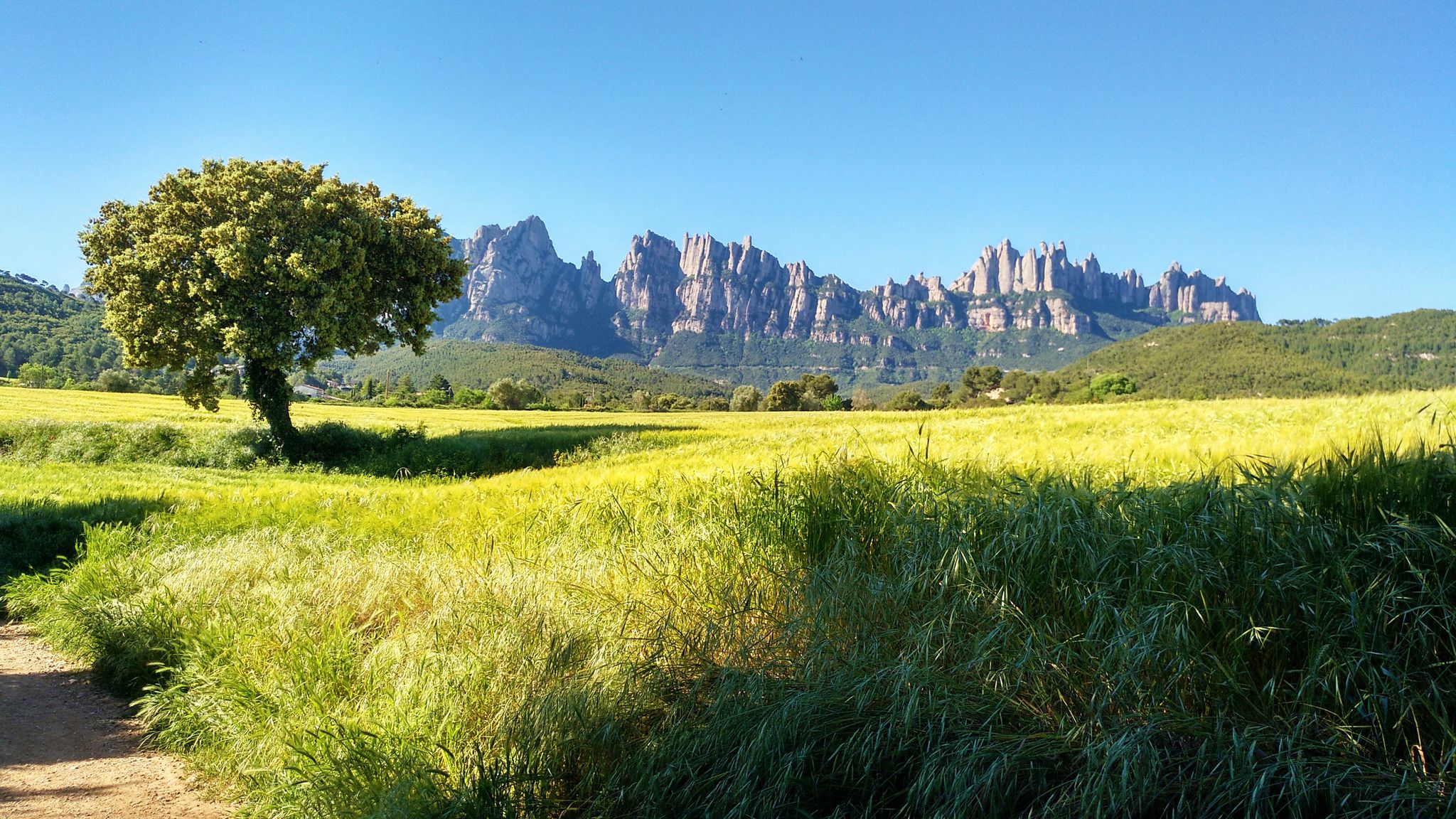
On foot from France to Montserrat – GR 4
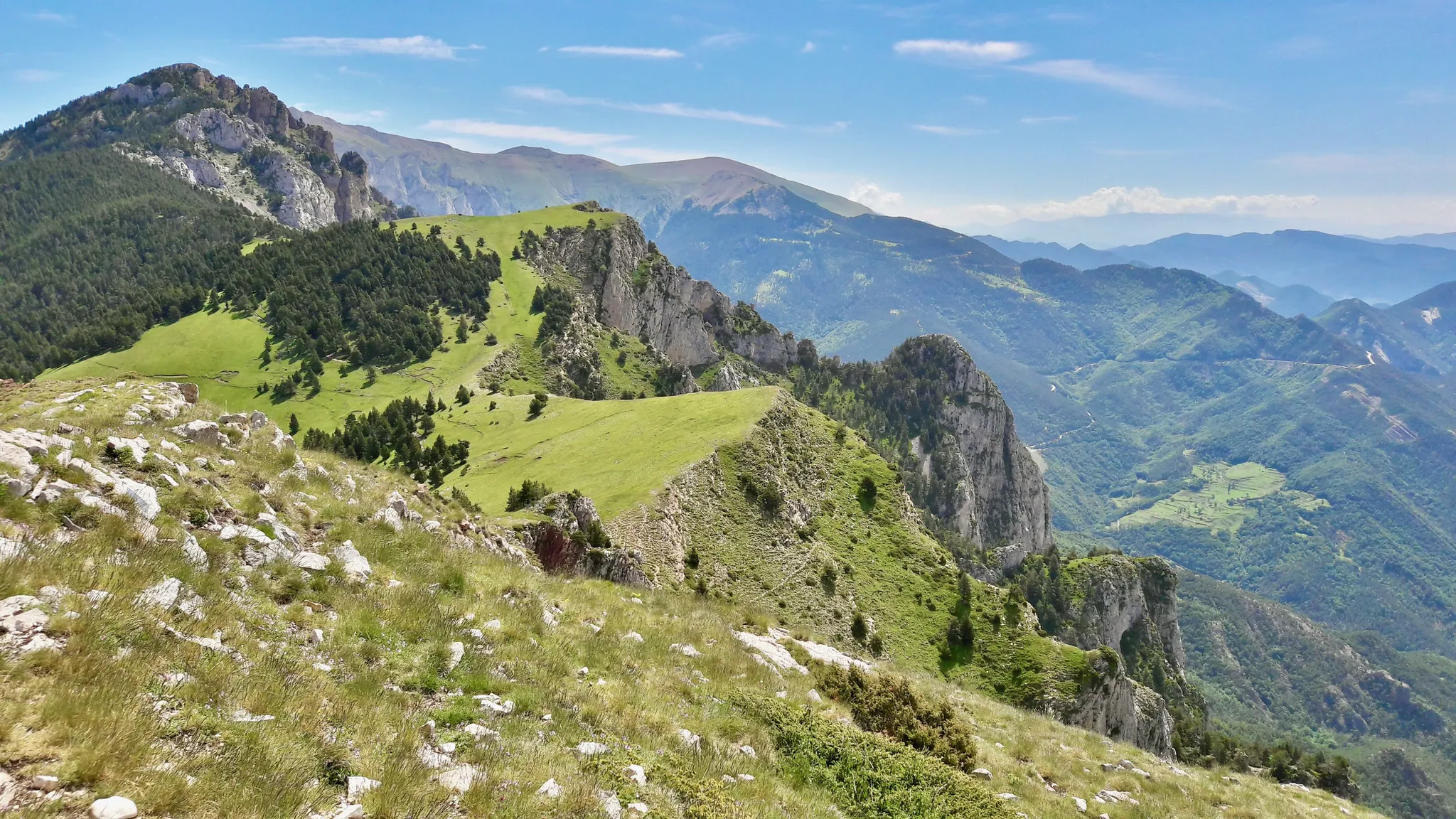
Hiking in Cavalls del Vent — Spain’s Parque Natural Cadí-Moixeró
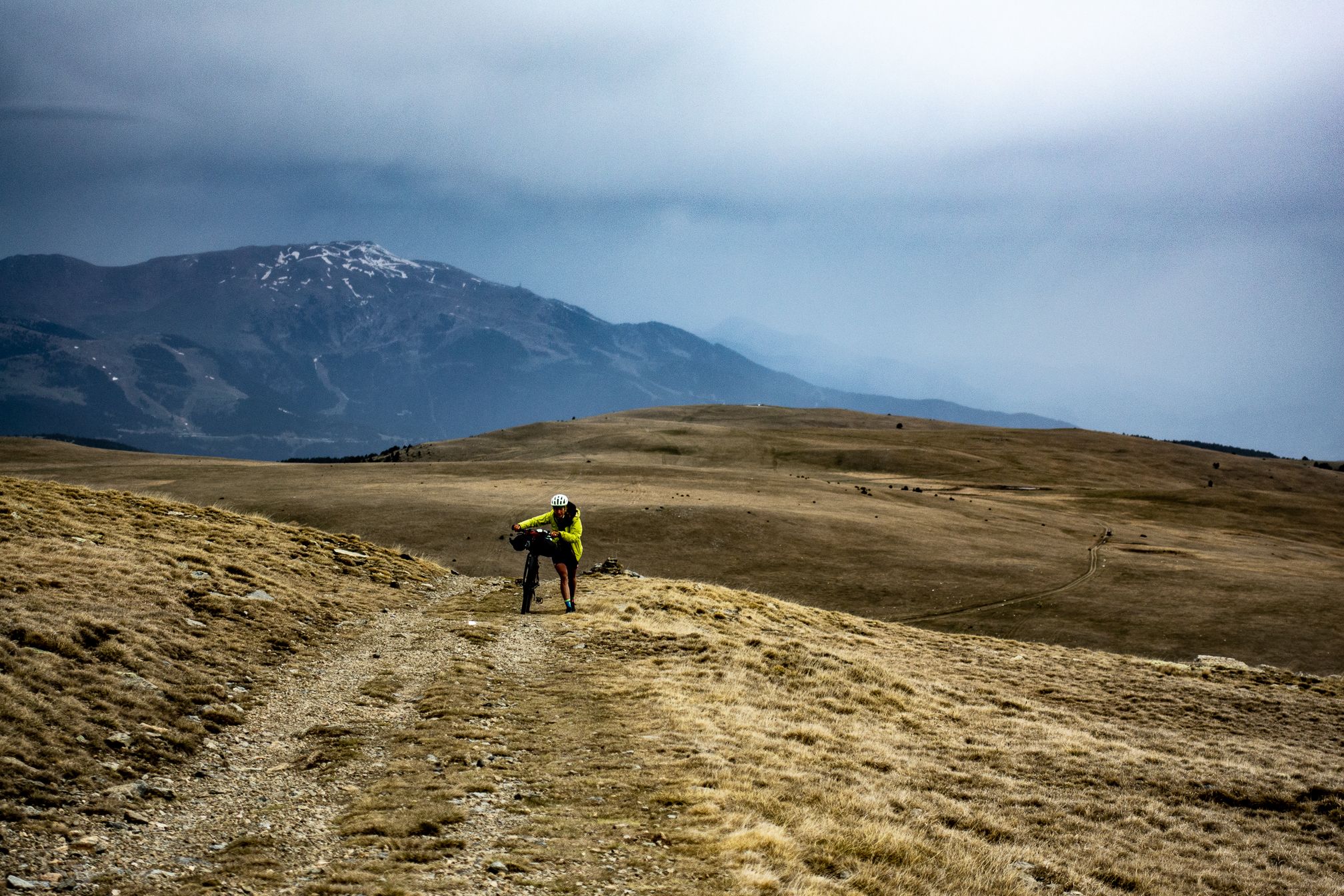
Traverses in the Pyrenees — Bikepacking from Zero Neuf Cycling
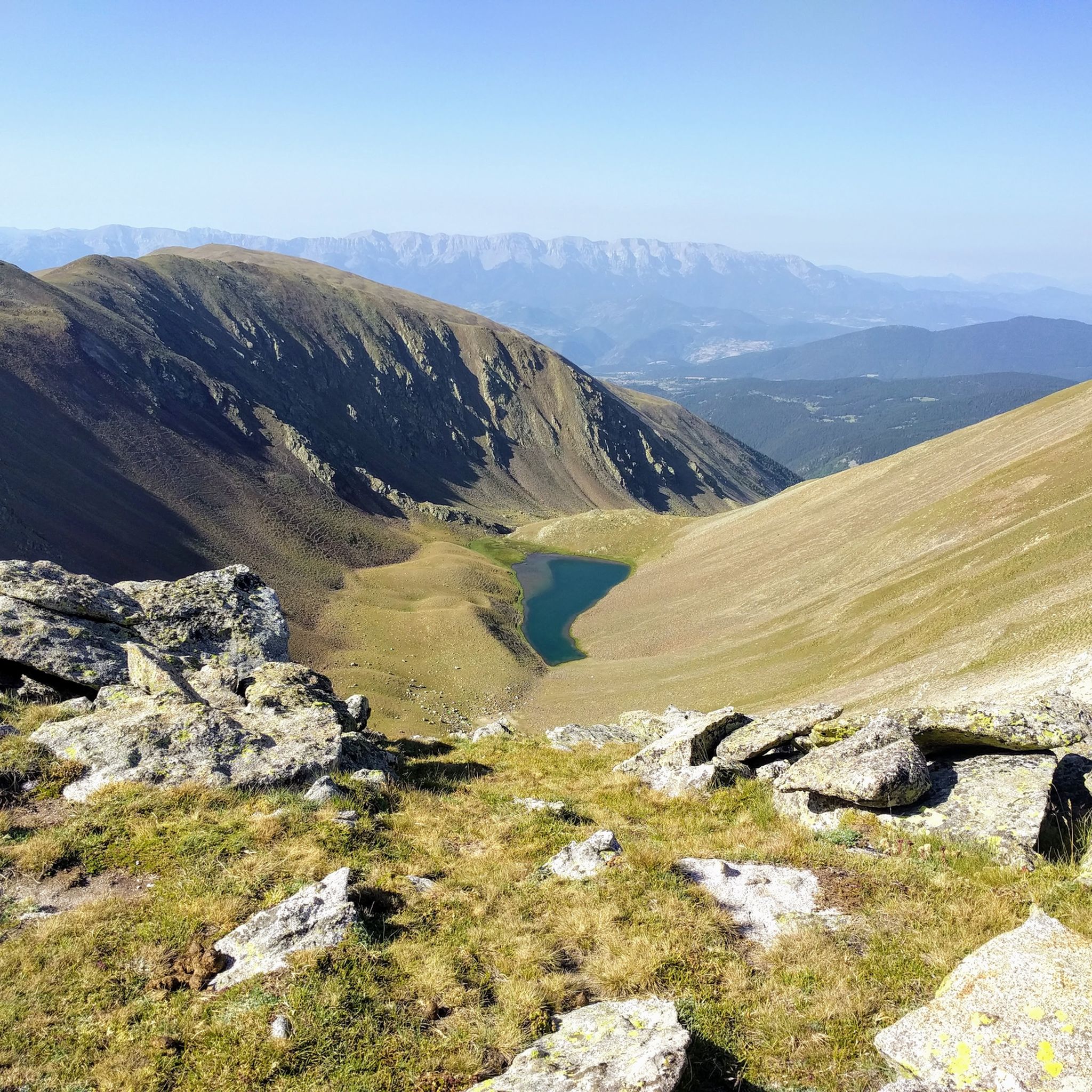
Hiking around Cerdanya
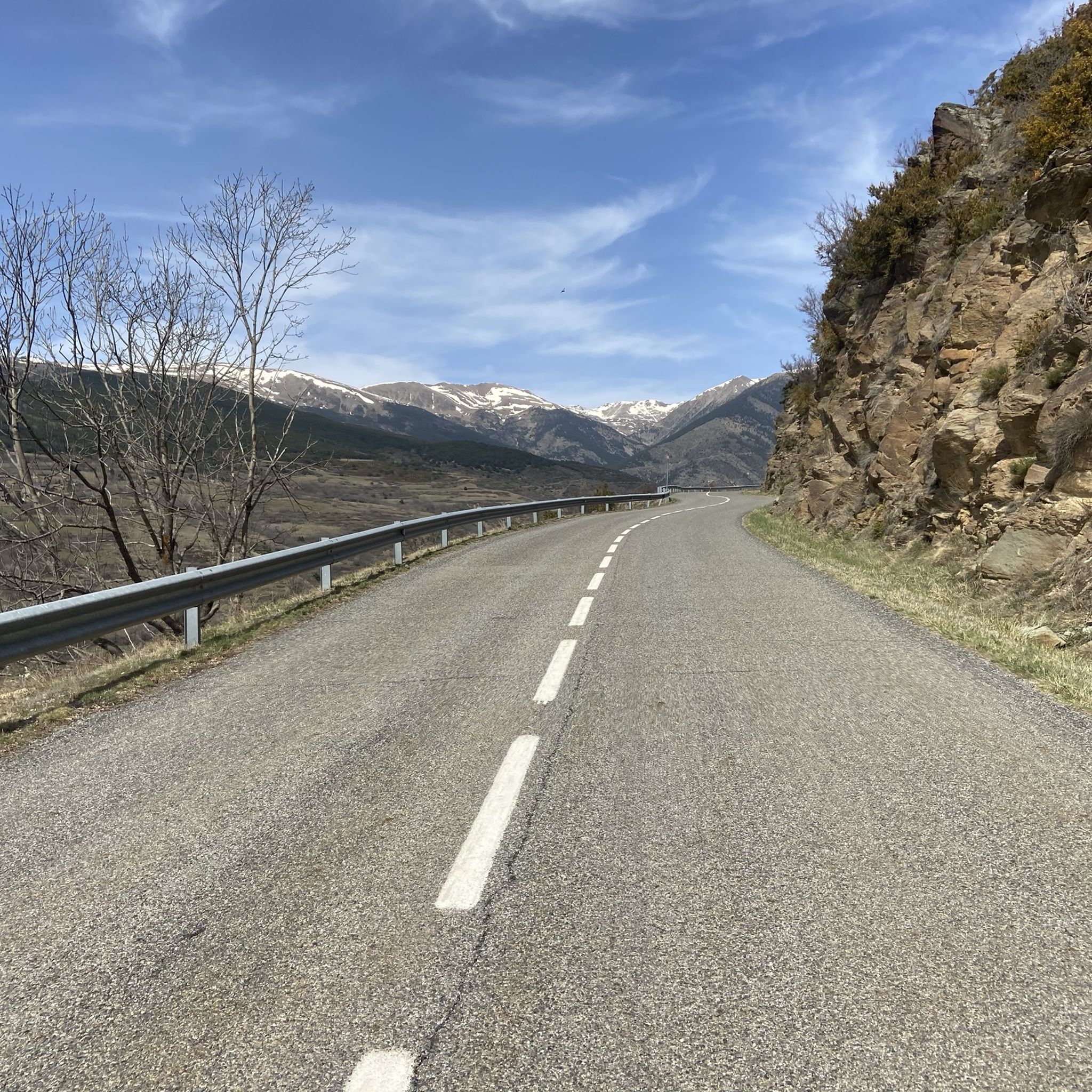
Road Cycling Routes around Cerdanya
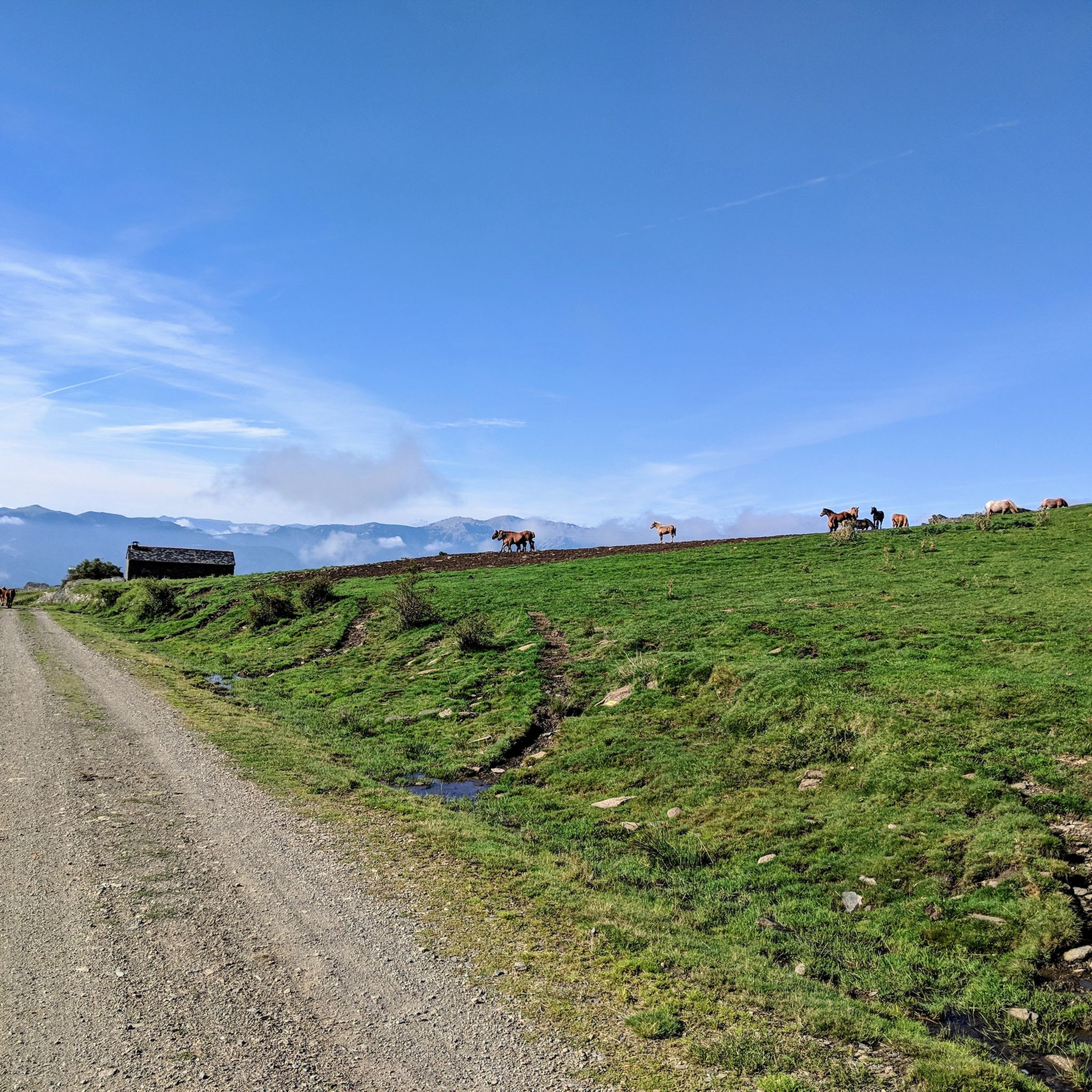
Cycling around Cerdanya
Other adventures around Cerdanya


Tips from the Community

A modest but characterful summit, nestled between high meadows and pine forests overlooking Tossa Plana and the Segre Valley. From the top, the views reward the effort with a sweeping panorama of Cerdanya and Alt Urgell. Ideal for a moment's rest, a bite to eat, and enjoying the peace and quiet. On a mountain bike, the climb is technical: an uneven track with sections of loose stones and some steep sections that require pushing if you're carrying a load. Tip: tackle the ascent with a low gear and avoid sudden movements; the final stretch is narrow and best done with balance and composure.
0
0


Regular asphalt if it's downhill Bones vistas
0
0

Summit without technical complexities beyond the accumulated difference in altitude and the long walk.
0
0

Second port of the 4cims. Long but very laid out. It is worth enjoying its views without putting down the big plate at many times. :)
0
0

Ascent to Coll de la Creueta, natural border between Cerdanya, in Das, and Berguedà, towards Castellar de N'Hug, passing through Massella and Molina.
0
0

It is one of the many variants that there are to climb the Coll de la Creueta from the Cerdaña valley. In this case, the climb starts from the town of Das, where there is a detour that indicates Masella. Here you will face the hardest 2 km of the entire climb, with ramps that reach 15%. Once you reach the junction with the road that comes from Alp, the slope softens and remains constant until shortly before reaching the base of the Masella station (Pla de Masella). When leaving here towards La Molina station, we face an uphill section, a downhill section and another uphill section again with some hard ramps. From the base of La Molina, we take the road that goes to the Collada de Toses and the Coll de la Creueta. We turn right after 3 km where the Coll de la Creueta is pointed out. The landscape, from this point to the top of the pass, is completely high mountain, without any trees, with abundant meadows. Be careful with the last 3 km of the climb because the wind usually hits you in the face on some straight lines.
0
0
Coll de Muntanya is a mandatory pass between Cerdanya, Ripollès and Berguedà. Its slopes offer long ports (15-20 kms) and with a good gradient (+700). The descent to Ribes de Freser is spectacular. Crossing point for routes such as the 4 Peaks or the RAG.
0
1
Frequently Asked Questions
Which mountain passes in Cerdanya offer the most spectacular panoramic views?
For breathtaking panoramic views, consider visiting Puigpedrós Summit (2,911 m), the highest peak in Catalan Cerdanya, which provides expansive vistas from Canigó to Aneto. Another excellent choice is the Tosa d'Alp / Niu de l'Àliga Refuge at 2,500 meters, offering spectacular views of the Cerdanya valley, Ripollès, and Berguedà, especially at sunset. Collado de Marcer also provides fantastic views towards the Tossa d'Alp and the surrounding valleys.
Are there challenging mountain passes for experienced cyclists in Cerdanya?
Yes, Cerdanya offers several challenging passes ideal for experienced cyclists. Coll de Pal (2,100 m) is renowned for its length, altitude, and difficulty, making it one of the 'great ports of Catalonia.' The Coll d'Egat Ascent from Llívia via Estavar is another demanding climb, featuring an authentic balcony of Cerdanya with beautiful views and several kilometers above an 8% gradient.
What hiking trails are available near the mountain passes in Cerdanya?
Cerdanya is a hiker's paradise. You can find numerous trails, including the ascent to Puigpedrós Summit (2,911 m), which, though long, has no technical difficulties. For more hiking options, explore routes like the Puigpedrós and Engorgs Cirque Loop from Malniu or the Tour of Tossal d'Isòvol. You can find more details on these and other trails in the Hiking around Cerdanya guide.
When is the best time to visit Cerdanya's mountain passes?
Due to its east-west orientation, Cerdanya enjoys an exceptional amount of sunshine throughout the year. While some passes like Collada de Toses Pass are frequented by skiers in winter, the warmer months from late spring to early autumn are generally best for hiking and cycling, offering pleasant temperatures and clear views.
Are there family-friendly mountain passes or activities in Cerdanya?
While many passes involve significant elevation, the region offers accessible experiences. The ascent to Puigpedrós Summit (2,911 m), for instance, is long but presents no technical difficulties, making it suitable for families with older children who are accustomed to hiking. The Tosa d'Alp / Niu de l'Àliga Refuge is also accessible via cable car, offering stunning views without a strenuous climb, and features a bar and restaurant.
Can I spot wildlife on the mountain passes in Cerdanya?
Yes, Cerdanya's diverse landscapes, ranging from Mediterranean traits to high-altitude alpine meadows and varied forests, support abundant wildlife. Keep an eye out for local fauna while exploring the passes and trails, especially in quieter areas and during dawn or dusk.
What are some less-known or 'hidden gem' mountain passes in Cerdanya?
While not entirely hidden, Coll de Jovell (1,521 m) is a smaller coll that offers very good views of Cerdanya and a demanding route through the forest. Coll de Josa (1,620 m) also provides a privileged vantage point over the beautiful Valls valley and the spectacular town of Gósol, with manageable slopes.
Are there options for mountain biking around Cerdanya's passes?
Absolutely. Cerdanya is a great destination for mountain biking. You can find challenging routes like the Engorgs Lakes via La Carbassa and Bony del Manyer Loop, or longer tours such as the Montmelús – Cabanella Refuge loop. For more detailed routes and information, refer to the MTB Trails around Cerdanya guide.
What running routes can I find near Cerdanya's mountain passes?
Cerdanya offers a variety of running trails, from moderate to difficult. Popular options include the Path of the Good Men, or loops around Torniquet Lake. For those seeking a challenge, the Tosa d'Alp (2,535 m) – Niu de l'Àliga Refuge loop is a demanding choice. Discover more routes in the Running Trails around Cerdanya guide.
What makes the Cerdanya region unique for mountain pass exploration?
Cerdanya's unique geography, a high valley running east to west within the Pyrenees, grants it an exceptional amount of sunshine year-round. This, combined with its diverse landscapes—from Mediterranean traits to high-altitude alpine meadows—and its position straddling the Spanish and French border, makes it a distinctive and attractive destination for exploring mountain passes, offering varied scenery and cultural heritage.
Which mountain pass connects the Ripollès with Cerdanya?
The Collada de Toses Pass is an important pass in Catalan geography that unites the Ripollès region with Cerdanya. It is well-known for its spectacular views, particularly from its north side, and is a popular spot for skiers in winter.
Most popular routes around Cerdanya
Most popular attractions around Cerdanya

Get inspired with the komoot mobile app


Didn’t find what you were looking for?
Find even more amazing mountain passes around Cerdanya organized by region:
Explore more
See even more epic mountain passes by checking out these guides around Cerdanya:
