Top 9 Natural Monuments around Campo De Montiel
Best natural monuments around Campo De Montiel are concentrated within a region known for its rich natural heritage. The area features the Lagunas de Ruidera Natural Park, a unique landscape of interconnected lagoons and waterfalls. This park, spanning Ciudad Real and Albacete, is one of only two places in Europe with such a chain of superimposed lakes. The broader Campo de Montiel also encompasses diverse Mediterranean habitats, supporting a wide array of wildlife and ecological importance.
Best natural monuments around…
Last updated: July 6, 2026
Section at the Laguna de la Colgada
Highlight (Segment) • Lake
Translated by Google •
Tip by

El Hundimiento Waterfall
Highlight • Waterfall
Translated by Google •
Tip by

Sign up now to discover places like this
Get recommendations on the best single tracks, peaks, & plenty of other exciting outdoor places.
Sign up for free
Ossero Ford
Highlight • Bridge
Translated by Google •
Tip by

Laguna Blanca
Highlight • Lake
Translated by Google •
Tip by

Cueva de los Toriles Archaeological Site
Highlight • Cave
Translated by Google •
Tip by

Start today with a free account
Your next adventure awaits.
Login or Signup
Popular around Campo De Montiel
Sigue la trashumancia — GR 164 Cañada Real Conquense o Los Serranos
Pedalea junto al gran río — Camino Natural del Guadiana
The magic of an endless river – Spain's Guadiana Natural Trail (GR 114)
Hiking around Campo De Montiel
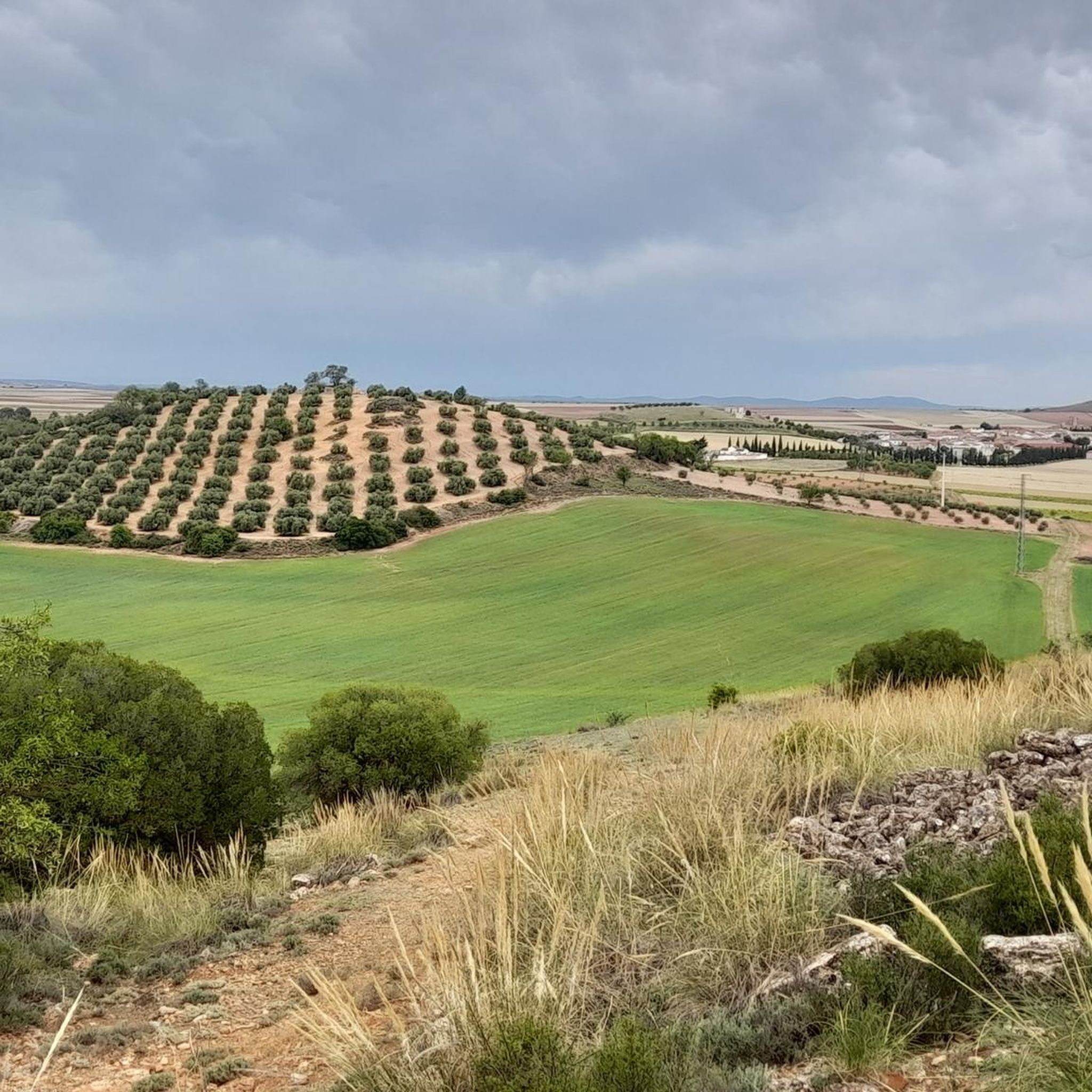
Road Cycling Routes around Campo De Montiel
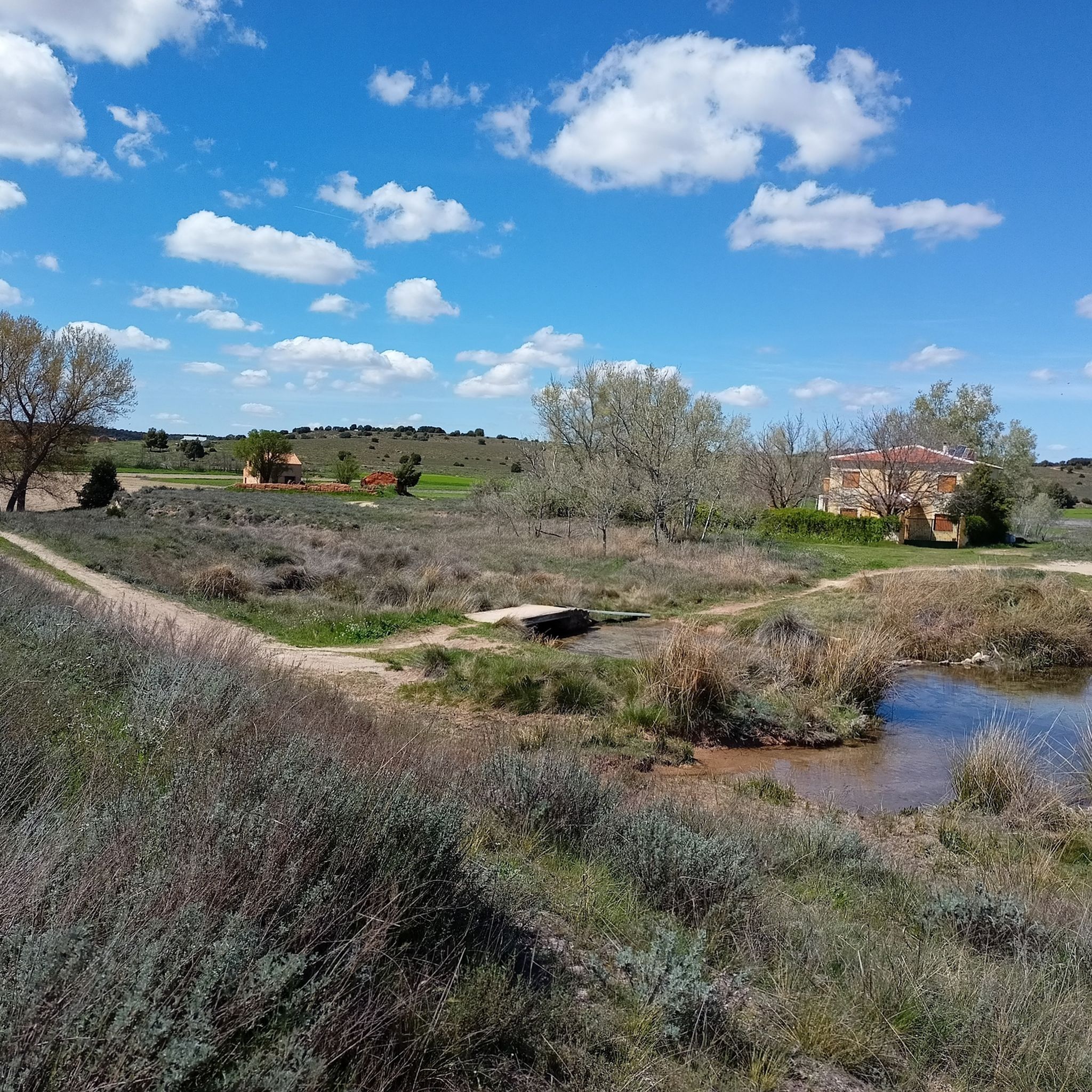
MTB Trails around Campo De Montiel
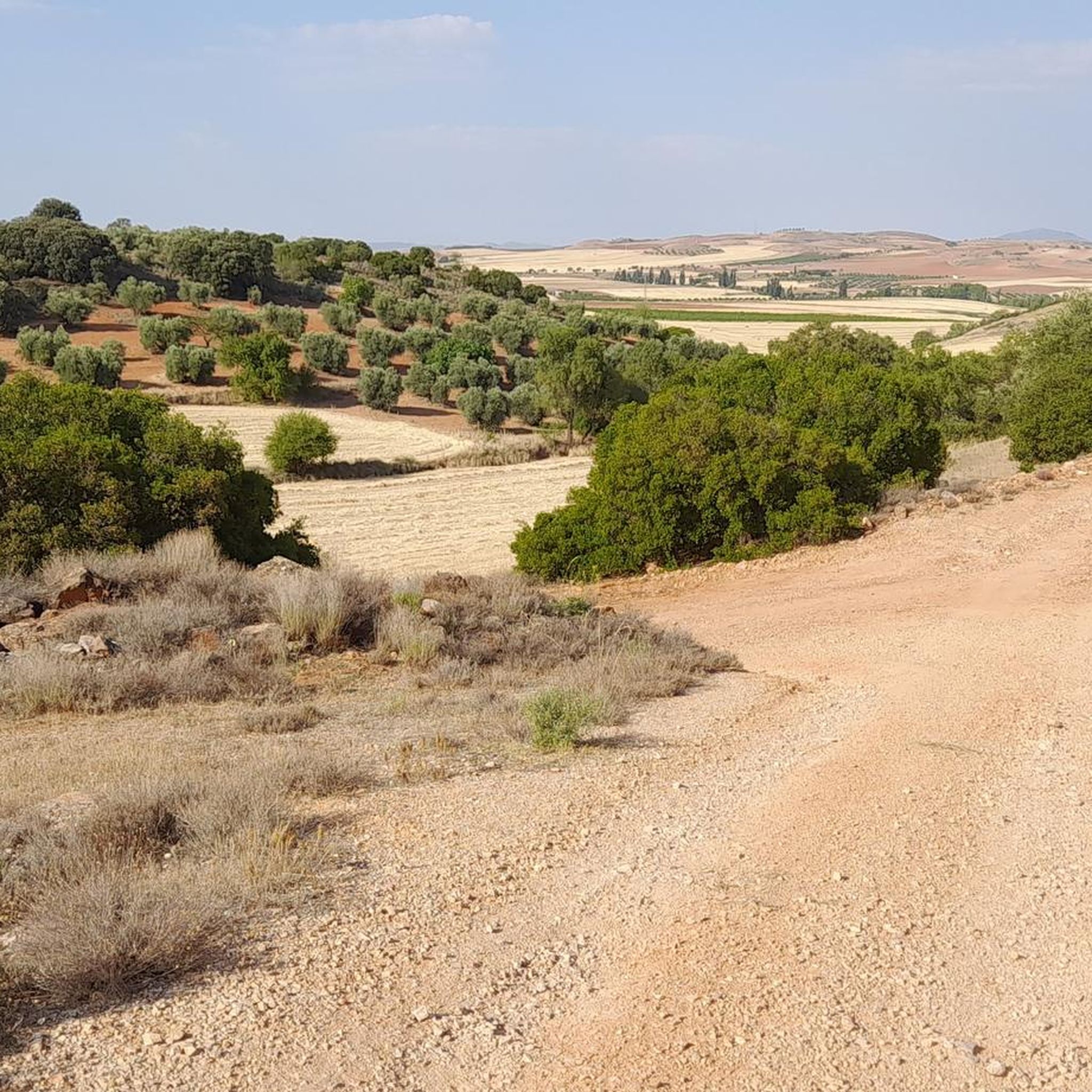
Cycling around Campo De Montiel
Running Trails around Campo De Montiel

Gravel biking around Campo De Montiel
Other adventures around Campo De Montiel


Tips from the Community

The Ossero Ford is located in the Ruidera Lakes Natural Park, within the municipality of Ossa de Montiel (Albacete), on the border with Villahermosa (Ciudad Real). It is a natural area that forms part of the Ossero Trail, an easy interpretive route (5.3 km one way) that skirts the Tomilla and Conceja lagoons, connecting with the Laguna Blanca.
8
0

In the municipality of Villahermosa, 16 km away, is the Laguna Blanca, the first of the lagoons that form the Lagunas de Ruidera Natural Park, known as the Oasis of La Mancha. During rainy years, the Laguna Blanca becomes a luxury for lovers of natural baths, since its gentle slope, shallow depth and peaceful environment make it an exceptional “natural pool.”
0
1
One of the most beautiful lagoons of all those that are part of the Lagunas de Ruidera area
2
0
The Hanging Lagoon, located in the Lagunas de Ruidera Natural Park, is a place of exceptional beauty. This lagoon is the largest of all those found in the park, with an area of 2,400 square meters and a depth of up to 40 meters in its central part. Its waters are crystal clear and clean, and it receives input from the streams of Las Hazadillas and Laguna Batana.
7
0

15 meter waterfall, very close to Laguna del Rey and the town of Ruidera. It has an access ramp.
0
0

If I had to decide which of the lagoons I like the most, I wouldn't know what to answer, but this is undoubtedly one of the most beautiful, and when you look towards the bottom and see the depth and transparency of the water, anyone will fall in love.
4
0

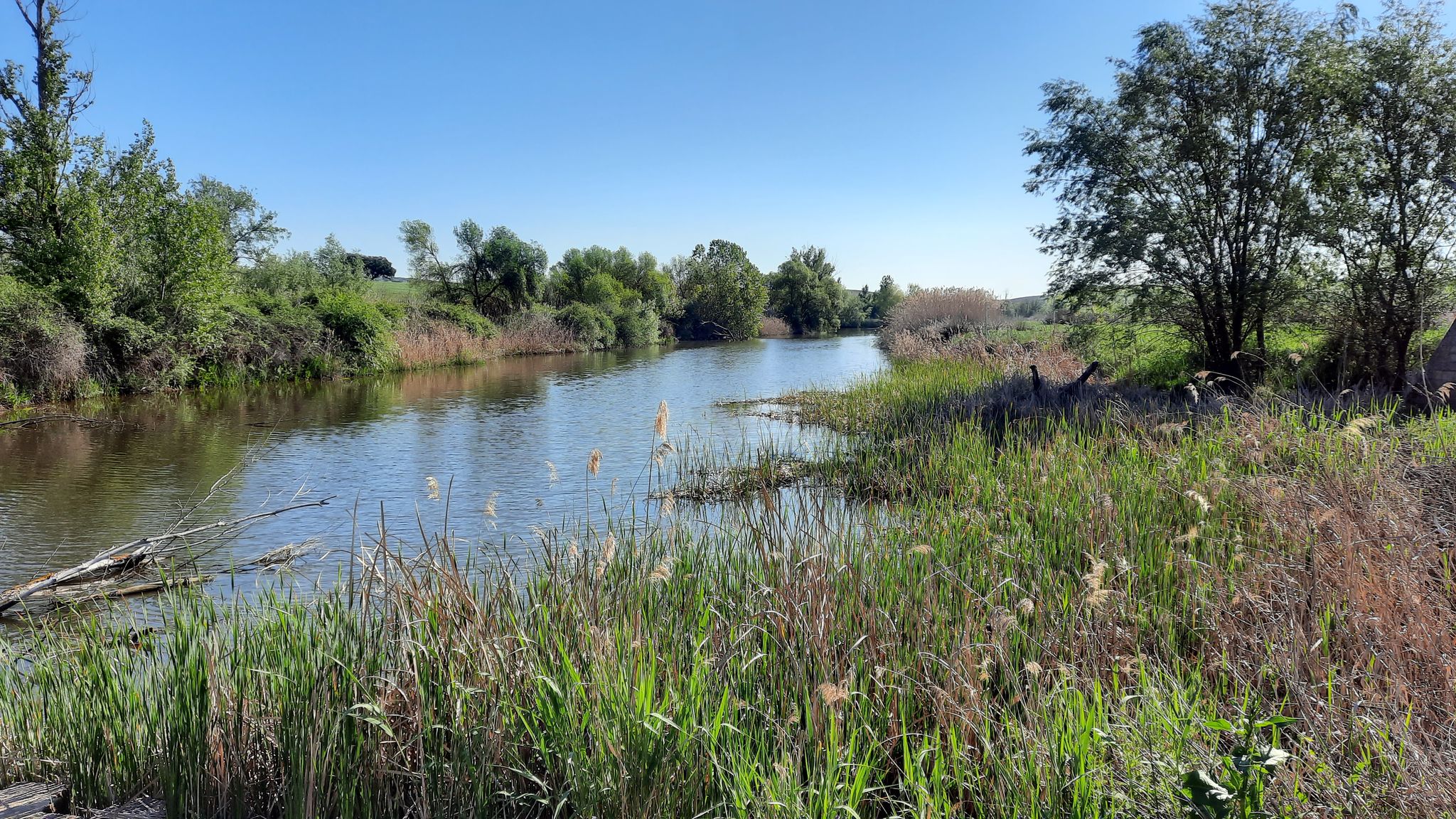
Pass that helps to create the Río Guadiana Viejo and that is surrounded by flat wetlands that, depending on the time of year, are more or less full of water.
2
0
Waterfall that is located at the foot of the town of Ruidera. It is characterized by the set of lagoons that are found around the Guadiana River Natural Park.
2
0
Frequently Asked Questions
What are some of the most notable natural monuments to visit in Campo de Montiel?
The Campo de Montiel region is rich in natural heritage, primarily centered around the Lagunas de Ruidera Natural Park. Key natural monuments include Laguna del Rey, known for its Caribbean-like turquoise waters, and the Section at the Laguna de la Colgada, the largest and deepest lagoon in the park. Don't miss the impressive El Hundimiento Waterfall, a 15-meter cascade near the town of Ruidera.
Are there family-friendly natural monuments in Campo de Montiel?
Yes, several natural monuments in the region are suitable for families. Laguna del Rey and Section at the Laguna de la Colgada are both marked as family-friendly, offering beautiful scenery and opportunities for relaxation. Laguna Blanca, the first lagoon in the chain, is particularly noted for its gentle slope and shallow depth, making it an exceptional spot for natural bathing during rainy years.
What kind of outdoor activities can I do near the natural monuments?
The area around Campo de Montiel's natural monuments, especially within the Lagunas de Ruidera Natural Park, offers a variety of outdoor activities. You can explore numerous trails for hiking, mountain biking, and cycling. For example, there are several routes like the 'Ruta del Camino Natural del Guadiana y Embalse de Peñarroya' for MTB, or the 'Lagunas de Ruidera Loop' for cycling. You can find more details on these activities and routes in the MTB Trails around Campo De Montiel and Cycling around Campo De Montiel guides.
Are there specific hiking trails within the Lagunas de Ruidera Natural Park?
Yes, the Lagunas de Ruidera Natural Park features several trails. The Ossero Ford, for instance, is part of an easy interpretive trail (5.3 km one way) that skirts the Tomilla and Conceja lagoons, connecting with Laguna Blanca. Many routes allow you to explore the park and enjoy its unique natural beauty. You can find more hiking options in the MTB Trails around Campo De Montiel guide, which also covers general trails.
What unique natural features can I expect to see in the Campo de Montiel region?
The Campo de Montiel region is renowned for its unique hydrological system, particularly the chain of fifteen interconnected lagoons and waterfalls within the Lagunas de Ruidera Natural Park. This phenomenon, where lagoons cascade into one another, is one of only two such systems in Europe. You'll witness crystalline, turquoise-blue waters, impressive waterfalls like El Hundimiento Waterfall, and diverse Mediterranean habitats.
What is the best time to visit the natural monuments in Campo de Montiel?
Spring is an excellent time to visit the natural monuments in Campo de Montiel, as the park's diverse flora and fauna, including numerous aquatic birds, are particularly vibrant. The waterfalls, such as El Hundimiento Waterfall, are also particularly forceful and spectacular during periods of heavy rainfall, which often occur in spring.
Can I swim in the lagoons of Ruidera Natural Park?
Yes, many of the lagoons in the Lagunas de Ruidera Natural Park are suitable for swimming. Lagoons like Laguna del Rey are known for their transparency and are ideal for relaxation and swimming. Laguna Blanca, with its gentle slope and shallow depth, is also highlighted as an exceptional natural pool, especially after good rainfall.
What kind of wildlife can be found in the natural monuments of Campo de Montiel?
The Campo de Montiel region, including the Lagunas de Ruidera Natural Park, supports an exceptional wealth of fauna due to its diverse Mediterranean habitats. This includes numerous aquatic birds, especially vibrant in spring. The broader region is also home to some of Spain and Europe's most threatened species, such as the Iberian lynx, Iberian imperial eagle, and Great bustard, and serves as an important migratory pass for birds.
Are there any historical or archaeological sites near the natural monuments?
Yes, the region offers historical and archaeological interest. The Cueva de los Toriles Archaeological Site is a notable example. Additionally, within the Ruidera Lakes Natural Park, you can find the Cave of Montesinos, a karst cave famously linked to Miguel de Cervantes' novel *Don Quixote*, which has also yielded archaeological remains from the Neolithic period.
How accessible are the natural monuments in Campo de Montiel?
Many of the natural monuments, particularly within the Lagunas de Ruidera Natural Park, are easily accessible. For instance, Laguna del Rey is easily accessible by car, though parking can be challenging during peak season. The El Hundimiento Waterfall even features an access ramp, making it more inclusive for visitors.
What makes the Lagunas de Ruidera Natural Park so unique?
The Lagunas de Ruidera Natural Park is often called the 'Oasis of La Mancha' due to its unique chain of fifteen interconnected lagoons that cascade into one another, forming spectacular waterfalls and natural pools. This hydrological system, fed by the Campo de Montiel aquifer, is one of only two places in Europe where such a phenomenon of superimposed, chained lakes can be observed, making it a truly remarkable natural wonder.
Most popular routes around Campo De Montiel
Most popular attractions around Campo De Montiel

Get inspired with the komoot mobile app


Didn’t find what you were looking for?
Find even more amazing natural monuments around Campo De Montiel by checking out the top Highlights region by region:
Explore more
Extend your search for the best caves by checking out these guides of the top ones around Campo De Montiel:
