The best hikes from bus stations around Campo De Montiel
4.6
(274)
1,441
hikers
4
hikes
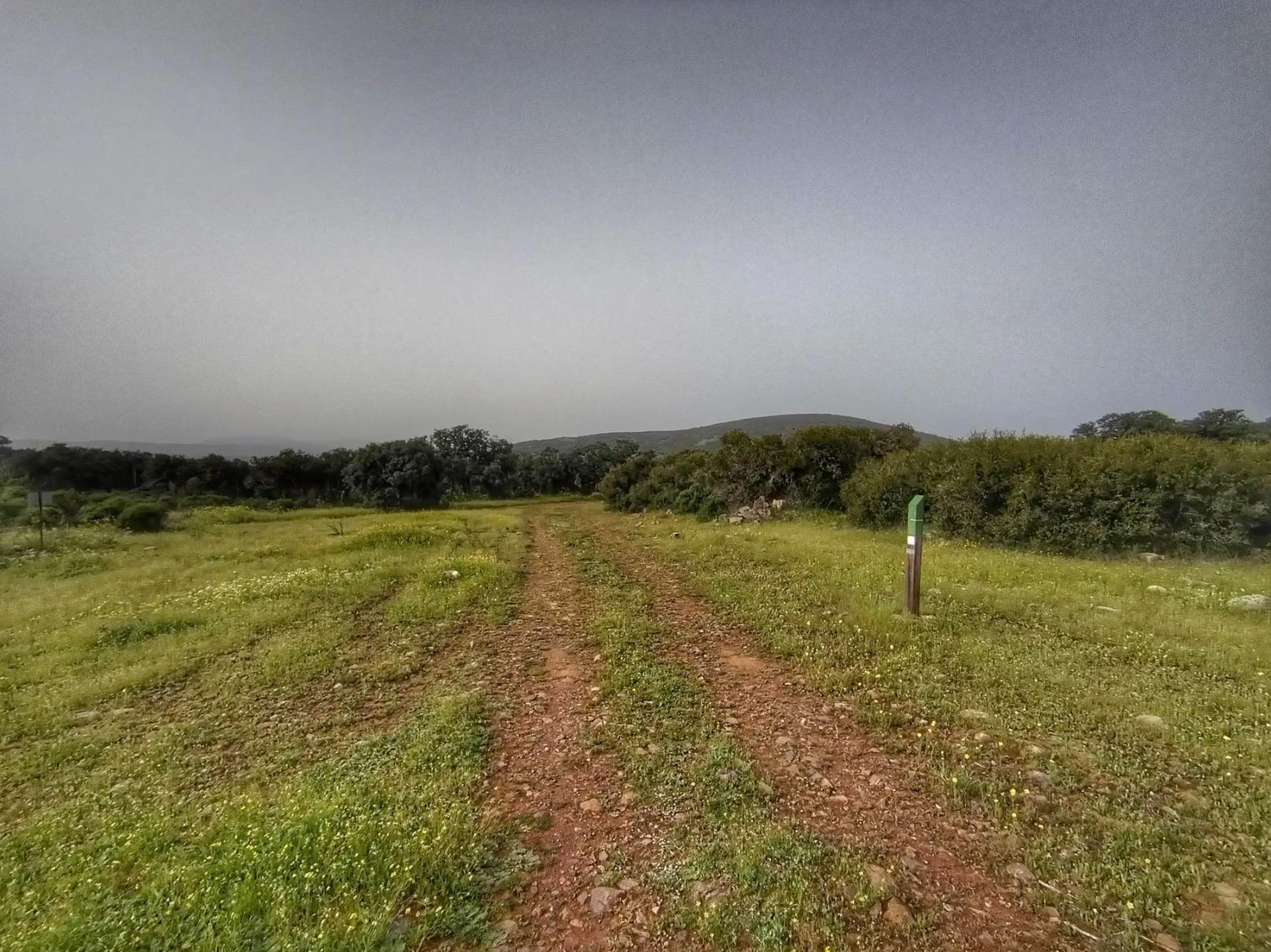
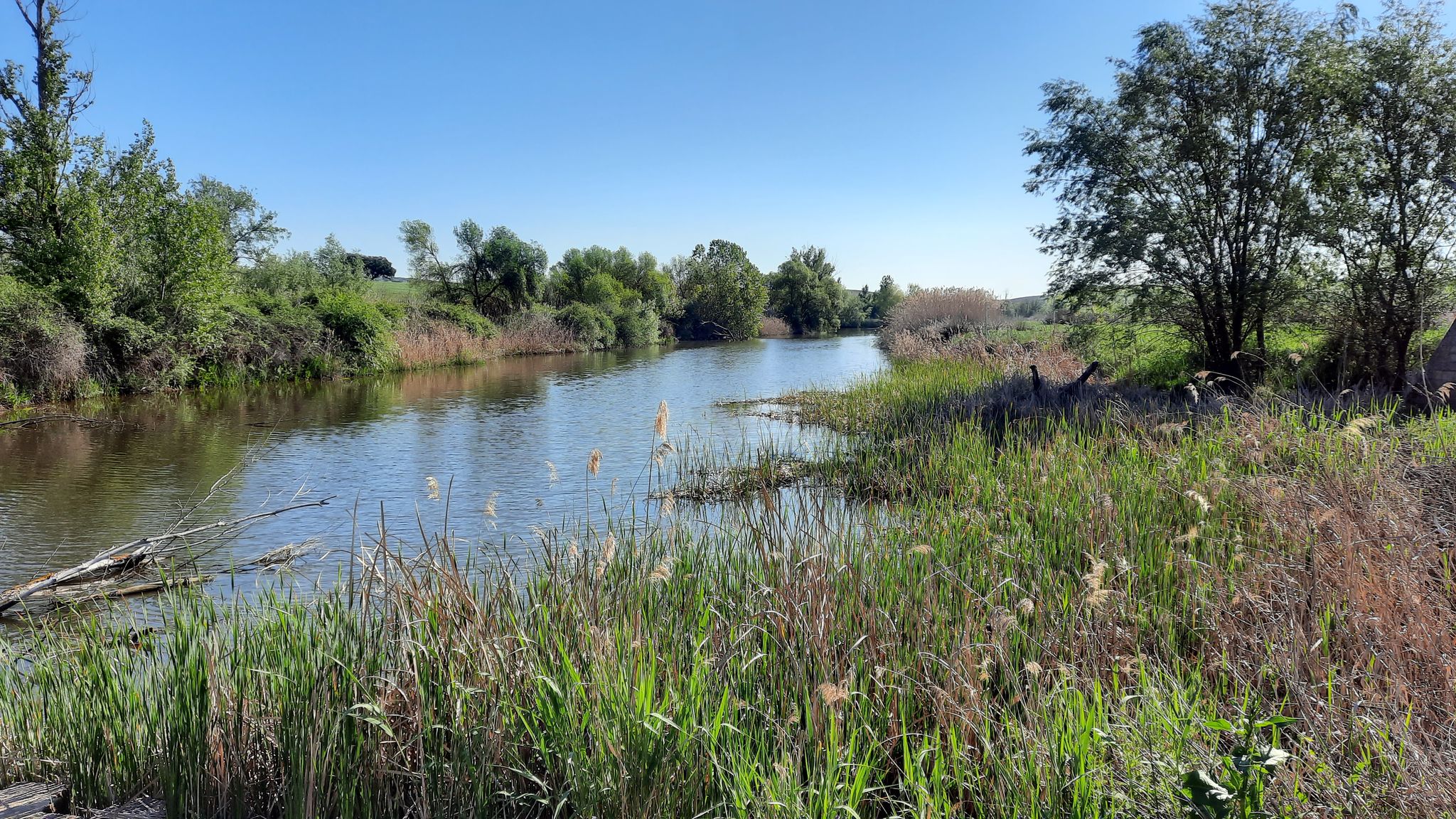
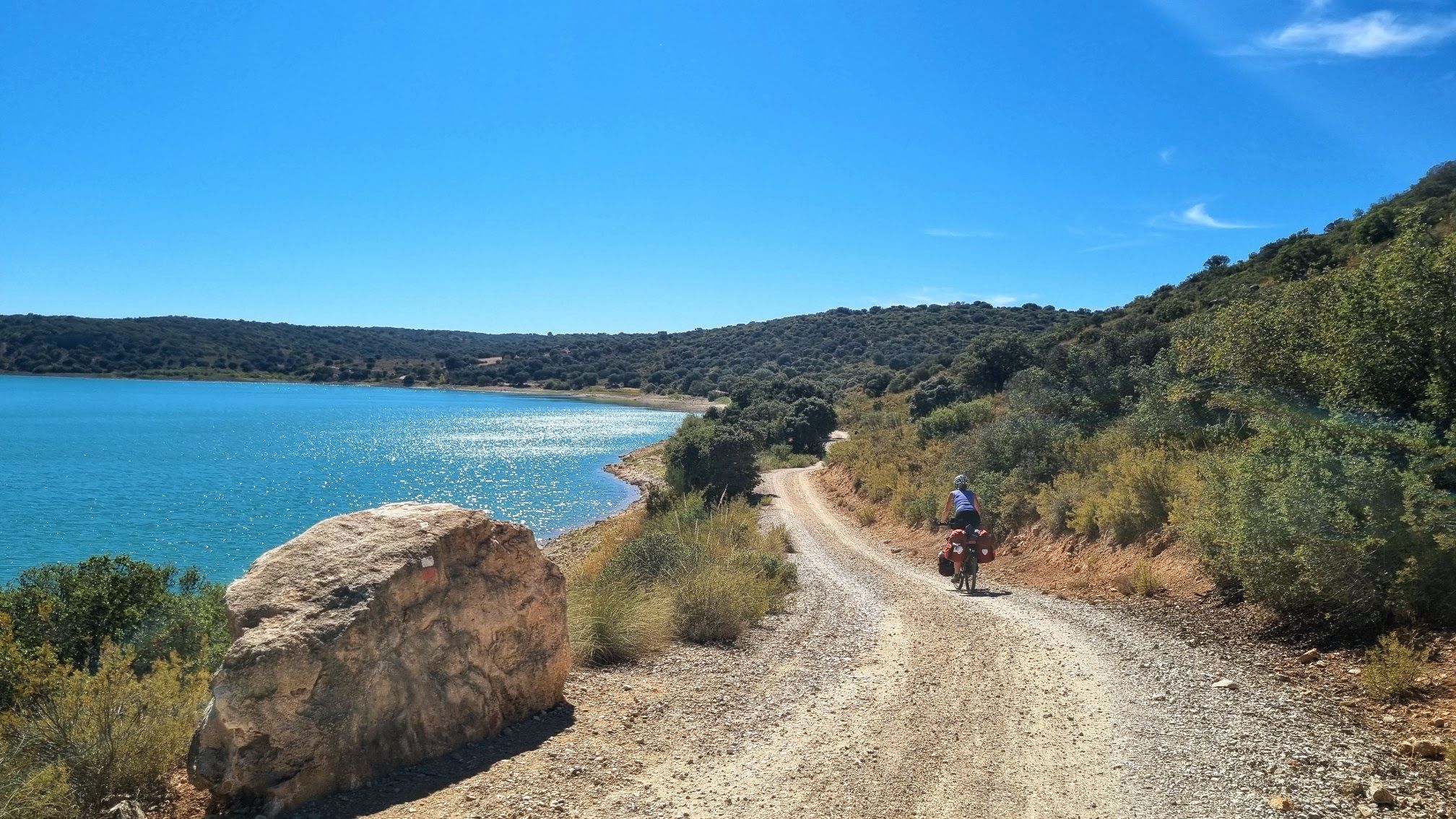
Bus station hiking trails around Campo De Montiel offer access to a diverse landscape in Castile-La Mancha, Spain. The region features varied topography, including dry plains, gently rolling hills, and small mountains. Important wetlands and lagoons, such as those within the Ruidera Lakes Natural Park, are prominent natural features. Mediterranean woodlands, meadows, and shrubland mosaics characterize the area's ecosystems.
Best bus station hiking trails around Campo De Montiel
- The most popular bus station hiking route is The Olive Fields of…
Last updated: July 7, 2026
10.1km
02:44
130m
130m
Moderate hike. Good fitness required. Easily-accessible paths. Suitable for all skill levels.
5.0
(1)
7
hikers
17.0km
04:20
60m
60m
Moderate hike. Good fitness required. Easily-accessible paths. Suitable for all skill levels.

Sign up for free
5.0
(2)
5
hikers
13.7km
03:35
100m
100m
Moderate hike. Good fitness required. Easily-accessible paths. Suitable for all skill levels.
5.0
(1)
2
hikers
Moderate hike. Good fitness required. Easily-accessible paths. Suitable for all skill levels.
Our route recommendations are based on thousands of hikes, rides, and runs completed by other people on komoot.
Start today with a free account
Your next adventure awaits.
Login or Signup
Other adventures around Campo De Montiel


Tips from the Community

The Gregorio Prieto mill is the largest windmill in the world. Located opposite the Museum of the Gregorio Prieto Mills, the Gregorio Prieto mill was the first museum in Valdepeñas, after a large number of mill builders and millwrights gifted it to the immortal draughtsman and painter from Valdepeñas, Gregorio Prieto.
0
0

The Arroyo del Peral is a stream that runs through the district of El Peral, belonging to Valdepeñas, in the province of Ciudad Real. This stream is known for its springs and for having given rise to the historic “baths” of ferruginous water. The area around the stream is very fertile, with orchard lands and dry crops. In addition, it is a popular area for second homes and recreational activities. There are hiking trails that run through this area, allowing you to enjoy nature and the landscapes it offers.
3
0
Sculpture donated by the sculptor Oscar Patón Piña in 2012, on the occasion of the VIII foundation of the Villa Santa Cruz de Mudela.
28
0
Located in the center of the town is this hermitage, this religious building was the first temple built in Santa Cruz de Mudela, being its primitive parish. Building with a single barrel nave, it preserves the primitive altarpiece. Annexed to said hermitage is the Chapel of Santísimo Cristo de la Misericordia, with a beautiful dome with plasterwork with Passionist motifs. You can still see the fresco painting of said Christ of Mercy. This chapel served as the chapel of the old Hospital.
32
0
Built in the 16th century in the late Gothic style, this church features transitional Renaissance elements. Its main façade has a semicircular arch on pilasters and is framed by two columns. The church has three naves, a polygonal head and a tower at the foot. ⛪
30
0
It is the heart of Santa Cruz de Mudela. Surrounded by beautiful facades and traditional architecture, this square is the perfect place to enjoy an outdoor coffee or simply stroll and enjoy the atmosphere. The Town Hall is located there.
32
0
The hermitage was built during the first third of the 16th century and belonged to the brotherhood of the carpenters' guild. Later, in 1703, it was expanded. The hermitage has Mudejar elements on its roof, which dates back to the 15th century. In addition, its decoration includes baroque details in the dressing room and the main chapel.😊
28
0
In the heart of the Sierra Morena region we find the very ancient municipality of Santa Cruz de Mudela, born from the medieval repopulations carried out by King Alfonso VIII after his victory against the Almohads in Las Navas de Tolosa. 76 km from its capital, it proudly shows its most beautiful buildings to locals and strangers, among which the church of the Assumption, the palace-house of Carlos Ortega and the hermitage of the Virtues, among others, stand out.
7
0
Frequently Asked Questions
How many bus-accessible hiking trails are available in Campo de Montiel?
Currently, there are 4 curated hiking routes in Campo de Montiel that are easily accessible from bus stations. These trails offer a convenient way to explore the region's diverse landscapes without needing a car.
What kind of terrain can I expect on bus-accessible trails in Campo de Montiel?
The bus-accessible trails in Campo de Montiel traverse a varied landscape, from the dry plains and gently rolling hills characteristic of La Mancha to areas with Mediterranean woodlands and shrubland mosaics. You'll find paths that offer both expansive views and more intimate natural settings, providing a range of hiking experiences.
Are there circular routes accessible from bus stations in Campo de Montiel?
Yes, several of the bus-accessible routes are circular, allowing you to start and end your hike at the same point, often near a bus station. For example, you can enjoy The Olive Fields of Almedina — circular, or the Valdepeñas – Arroyo del Peral loop from Valdepeñas.
What natural attractions or landmarks can I see along these bus station trails?
Many bus-accessible trails offer proximity to the region's natural beauty. While specific trails might vary, the broader Campo de Montiel area is known for its wetlands and lagoons, including parts of the Ruidera Lakes Natural Park. You might encounter highlights like Laguna del Rey, the El Hundimiento Waterfall, or Laguna Blanca. The Ossero Ford is another notable feature.
Can I find historical or cultural points of interest on these bus-accessible routes?
Yes, Campo de Montiel is rich in history and culture. While hiking, you might come across historical sites such as the Main Square in some towns or the Convent of Santo Domingo. The region's connection to Don Quixote also adds a unique cultural backdrop to your outdoor experience.
Are these bus-accessible trails suitable for families?
The trails accessible from bus stations in Campo de Montiel are generally of moderate difficulty, making them suitable for families with some hiking experience. The varied landscapes and points of interest can keep younger hikers engaged. Always check individual route details for specific distance and elevation to ensure it matches your family's capabilities.
Are the bus-accessible hiking trails in Campo de Montiel dog-friendly?
Many outdoor areas in Campo de Montiel are dog-friendly, but it's always best to check local regulations for specific trails or natural parks, especially within protected areas like the Ruidera Lakes. Generally, dogs on a leash are welcome on most public footpaths. Ensure you carry water for your dog and clean up after them.
What do other hikers enjoy most about hiking in Campo de Montiel?
The komoot community highly rates the hiking experiences in Campo de Montiel, with an average score of 4.65 stars from over 230 ratings. Hikers often praise the tranquil natural environments, the diverse landscapes ranging from plains to wetlands, and the opportunity to explore historical and cultural sites. The convenience of bus access is also a significant plus for many.
What is the best time of year to hike these bus-accessible trails?
Spring (March to May) and autumn (September to November) are generally the best times for hiking in Campo de Montiel. During these seasons, the weather is milder, and the natural scenery is at its most vibrant, with blooming wildflowers in spring and rich colors in autumn. Summers can be very hot, and winters can be chilly, though hiking is possible year-round with appropriate preparation.
Are there options for different difficulty levels among the bus-accessible routes?
The bus-accessible routes in this guide are all classified as 'moderate' difficulty. This means they are suitable for most hikers with a reasonable level of fitness, offering a good balance of challenge and enjoyment. While there are no 'easy' or 'difficult' routes listed specifically for bus access in this selection, the moderate trails provide an engaging experience for many.
Can I find places to eat or drink near the bus stations or along the trails?
Many of the bus-accessible trails start or end in towns like Valdepeñas, Almedina, or Santa Cruz de Mudela. These towns typically offer a selection of cafes, restaurants, and shops where you can find refreshments or a meal before or after your hike. It's always a good idea to carry sufficient water and snacks, especially on longer routes, as amenities might be sparse directly on the trails themselves.
Most popular routes around Campo De Montiel
Most popular attractions around Campo De Montiel

Get inspired with the komoot mobile app


Explore more
Browse the best Hikes in other regions.
