Top 18 Natural Monuments around Kapelle
Best natural monuments around Kapelle are found in a region characterized by its agricultural landscape and proximity to the Oosterschelde. This area, located in the southwestern Netherlands province of Zeeland, features extensive polders and cultivated fields. Visitors can explore unique natural areas that highlight the region's relationship with water and its rich environment. The nearby Oosterschelde National Park, a dynamic estuarine area, offers diverse marine life and serves as an important bird habitat.
Best natural monuments around Kapelle
- The most…
Last updated: October 10, 2026
Sint Jacobspolder Nature Reserve
Highlight • Natural
Translated by Google •
Tip by

Muiepolder Beach Sint-Maartensdijk
Highlight • Beach
Translated by Google •
Tip by

Sign up now to discover places like this
Get recommendations on the best single tracks, peaks, & plenty of other exciting outdoor places.
Westerschelde & Saeftinghe
Highlight • Natural
Translated by Google •
Tip by

Koude- en Kaarspolder Nature Reserve
Highlight • Natural
Showing Translation
Tip by

De Pluimpot Nature Reserve
Highlight • Natural Monument
Translated by Google •
Tip by
Sign up for free to discover even more natural monuments around Kapelle.
Already have an account?
Start today with a free account
Your next adventure awaits.
Tips from the Community

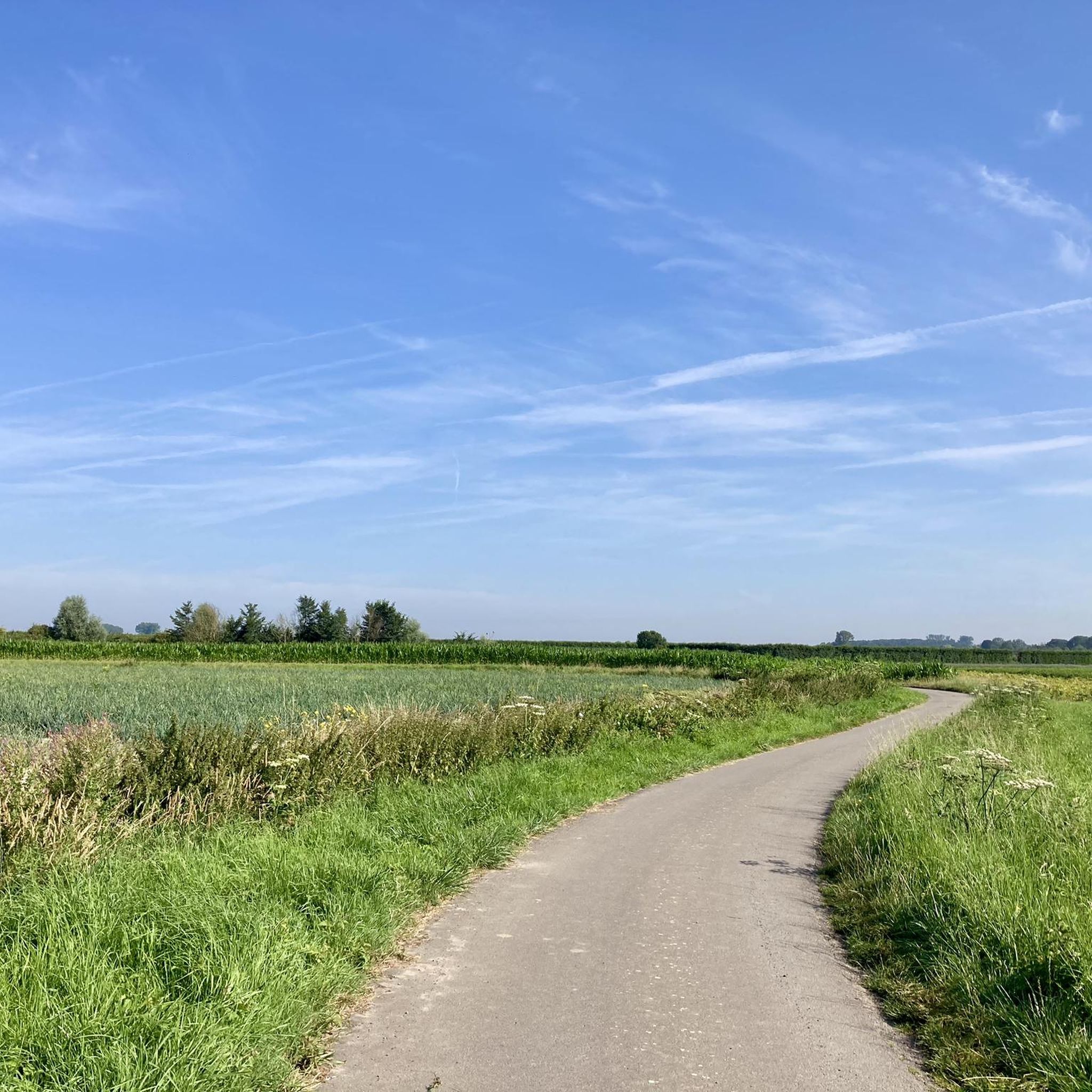
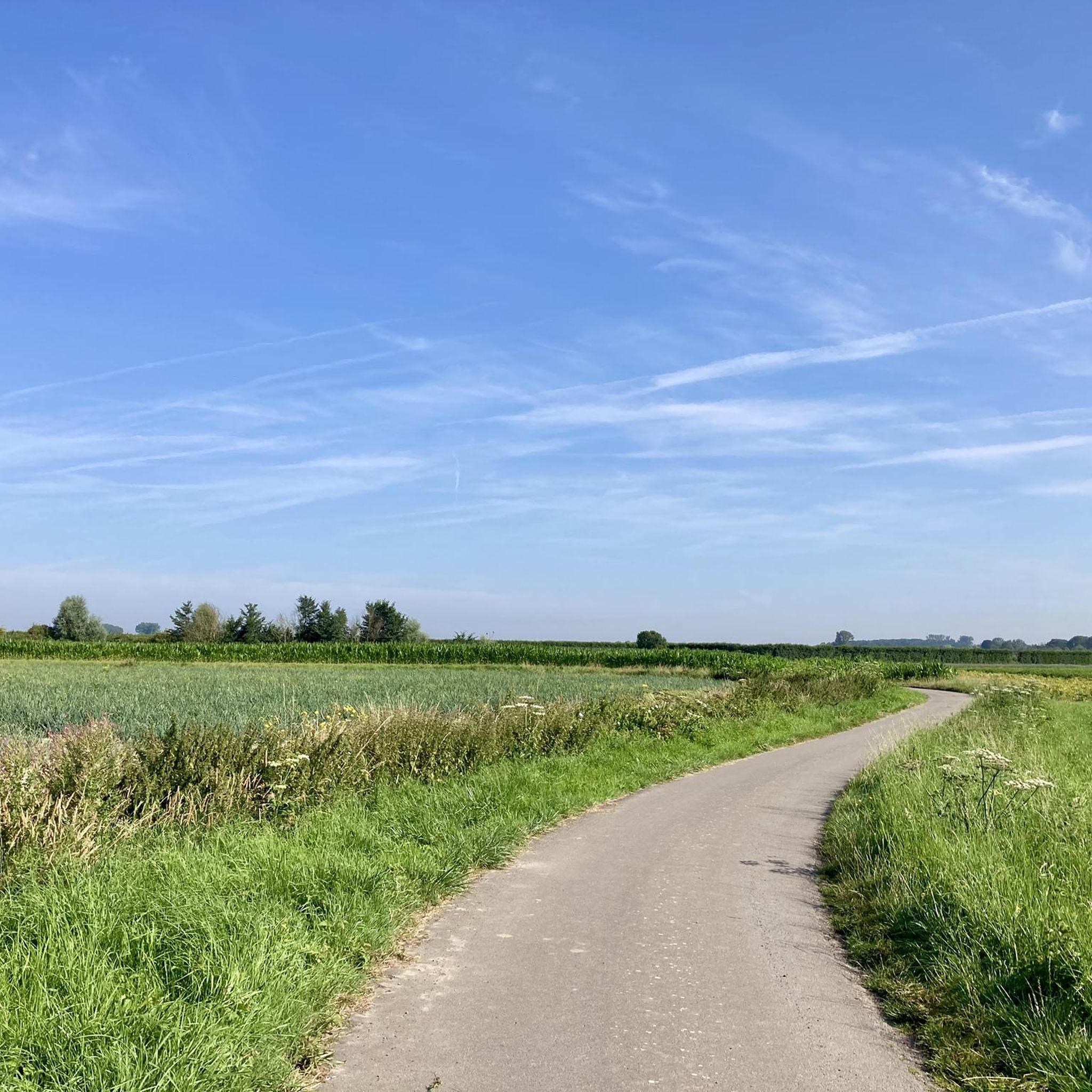
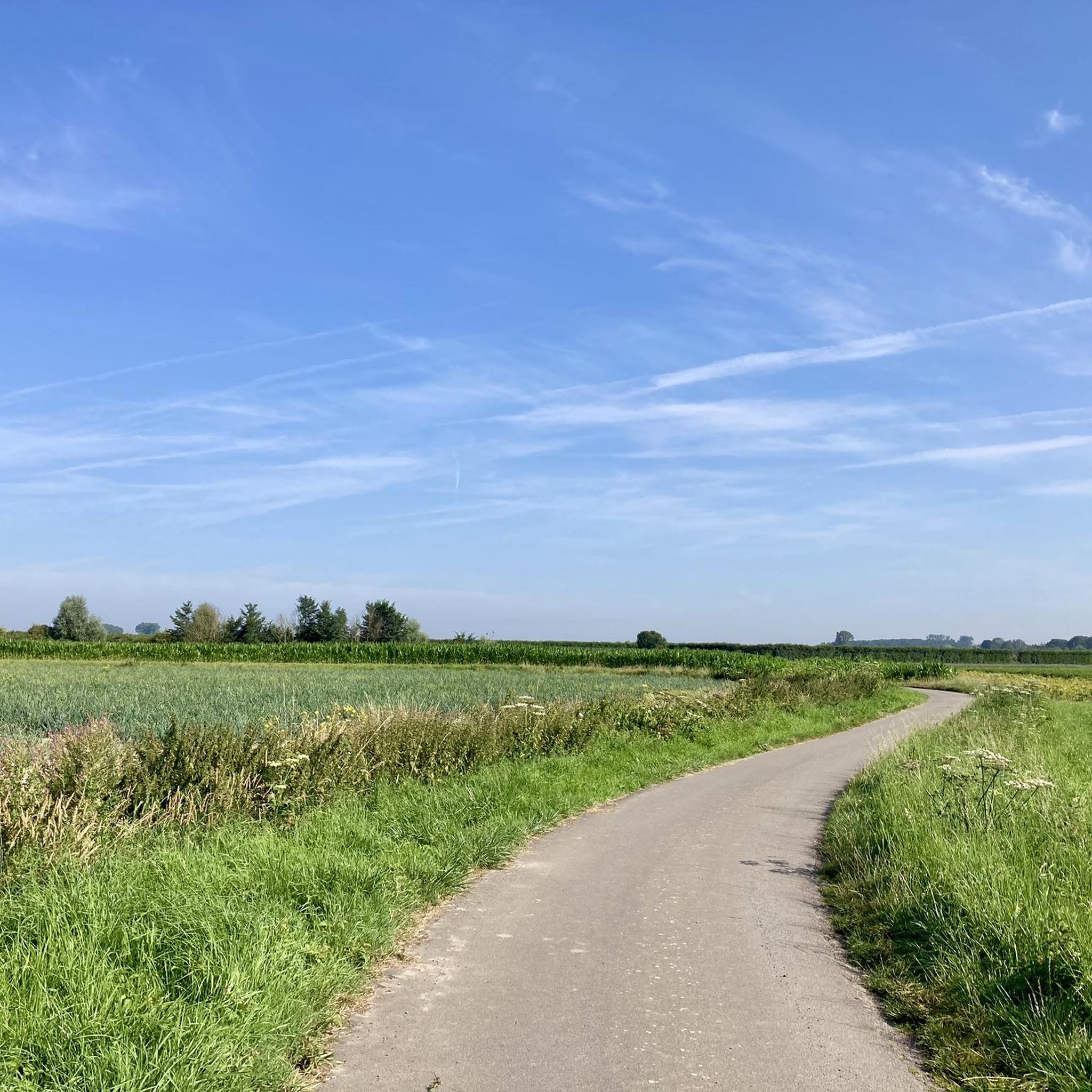
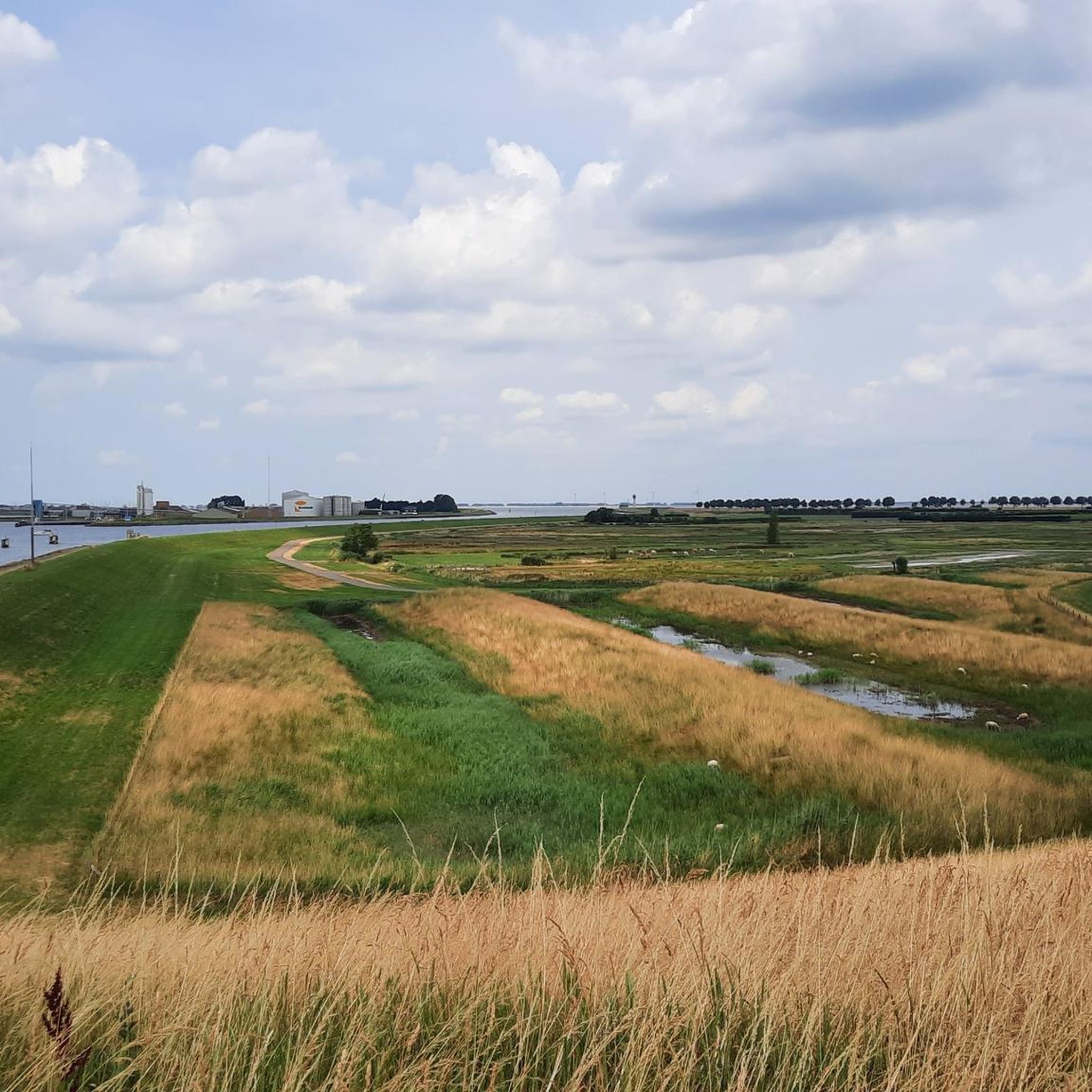
Im Jahr 2007 wurde hier ein neues Natur- und Brutgebiet geschaffen. Es dient als Ausgleich für den Naturverlust durch die Vertiefung der Westerschelde.
0
0
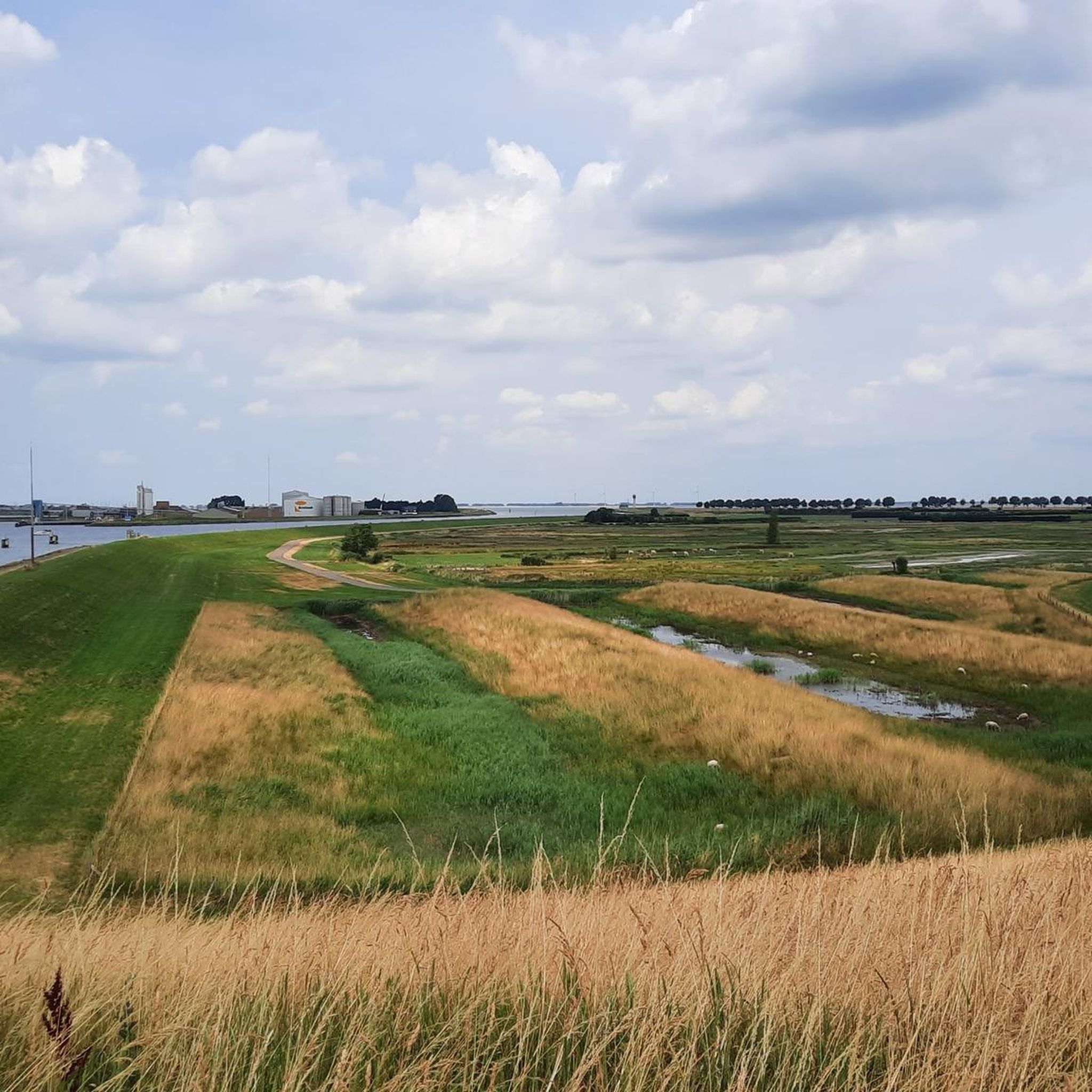
The Westerschelde is one of the busiest and most challenging seaways in the world.
0
0
The inner nature reserve is closed to visitors, but you can observe the birds from the surrounding dikes.
0
0

beautiful bird area. Many species of waterfowl and waders.
0
0

Great route directly on the Schelde on brand new smooth asphalt.
1
0

The Koude- and Kaarspolder is a quiet nature reserve with open grasslands, ditches, and wide views over the Zeeland landscape. Narrow dikes and unpaved paths lead you along water and reed beds, where you can often spot birds and truly experience the silence.
1
0

On the southern edge of Zuid-Beveland, near Baarland, a new nature reserve was created in 2007. This was done to compensate for the nature that is being lost due to the deepening of the Western Scheldt. The deepening increases the current and the nature outside the dike on the Western Scheldt is crumbling. The two most important goals in the creation of this area were to provide a high-water refuge for wading birds and a breeding area for coastal breeding birds. The area is used extensively by coastal breeding birds. Birds such as ringed plovers, ringed plovers and avocets are extensively searching for worms, crustaceans and cockles. In the spring of 2009, the nests were counted and it turned out that more than 110 pairs of avocets were breeding. The young are currently leaving the nest. Wherever you look, you can see this beautiful creature wading through the area. The ranger also counted a small colony of breeding black-headed gulls, a few Kentish plovers, a few little ringed plovers and three pairs of ringed plovers. You can take a look at this nursery. The area is right next to the Scheldeoord campsite in the south of Baarland. You can look out over the area from the Zeedijk. This area falls under Natura 2000
0
0

Muiepolder Badstrand is a very small piece of "beach". Near a campsite, with a small parking lot and somewhat closed for children. I prefer wide, deserted walking beaches by the sea, but it must also be nice to relax here. If you want to see the quality of the water before you go, you can always search the Internet for "Muiepolder Badstrand" as it is called. And then you might also find the description below: "Sint Maartensdijk Muiepolder Badstrand is located on the Oosterschelde in the province of Zeeland in the town of Sint Maartensdijk and is part of the municipality of Tholen. It is a saltwater location that is under the influence of the tide. In the There are several camping sites near the beach. There is a cycle path along the dike. North of the swimming location is the De Pluimpot nature reserve. That text comes from the bathing water profile of the beach of Rijkswaterstaat Sea and Delta at https://register.zwemwater.nl/zwr/api/files/6046348
5
0
Frequently Asked Questions
What are some of the most popular natural monuments around Kapelle?
Visitors frequently enjoy the Sint Jacobspolder Nature Reserve, known for its diverse birdlife and as a high-water refuge. Another favorite is Muiepolder Beach Sint-Maartensdijk, a small beach on the Oosterschelde with a cycle path nearby. The De Pluimpot Nature Reserve is also highly regarded for its water birds and unique flora.
What kind of natural features can I expect to see in the Kapelle region?
The Kapelle region is characterized by its extensive polders and agricultural landscapes, showcasing centuries of Dutch engineering. You'll also find significant natural areas like the Oosterschelde, with its dynamic estuarine environment, diverse marine life, and important bird habitats. Expect to see beaches, nature reserves, and cultivated fields.
Are there family-friendly natural monuments to visit near Kapelle?
Yes, several natural monuments are suitable for families. The Sint Jacobspolder Nature Reserve is great for birdwatching. Muiepolder Beach Sint-Maartensdijk and Roelshoek Beach offer opportunities for relaxing by the water. The De Pluimpot Nature Reserve also provides accessible paths for exploring nature.
Where can I observe wildlife, especially birds, around Kapelle?
The Kapelle area is excellent for birdwatching. The Sint Jacobspolder Nature Reserve is a significant breeding area for coastal birds like avocets, ringed plovers, and black-headed gulls. De Pluimpot Nature Reserve is home to many water birds and specific flora, making binoculars useful. The Westerschelde & Saeftinghe area, Europe's largest brackish water marsh, attracts tens of thousands of birds.
What outdoor activities can I do near these natural monuments?
The flat landscape around Kapelle is ideal for cycling. You can find numerous routes for road cycling, gravel biking, and touring. For example, explore routes like the 'Aeolus Mill – View of Wermeldinge Marina loop' or 'Fort Ellewoutsdijk – Path Along the Zwaaksche Weel loop'. You can find more details on cycling routes in the Cycling around Kapelle guide, Road Cycling Routes around Kapelle guide, and Gravel biking around Kapelle guide.
Are there opportunities for swimming or relaxing on a beach?
Yes, you can find small beaches along the Oosterschelde. Muiepolder Beach Sint-Maartensdijk is a small beach near a campsite. Roelshoek Beach near Krabbendijke is another option, known for its excellent water quality for a refreshing dip and less crowded atmosphere.
Can I go mudflat hiking near Kapelle?
Yes, Roelshoek Beach near Krabbendijke offers opportunities for mudflat hiking. At low tide, a vast mudflat area appears, which is ideal for exploring the unique intertidal zone.
When is the best time to visit the natural monuments around Kapelle?
The spring and summer months (April to September) are generally ideal for visiting, offering pleasant weather for cycling, walking, and enjoying the beaches. Spring is particularly good for birdwatching, as many species use the nature reserves for breeding. The Oosterschelde's dynamic landscape is influenced by tides, so checking tide tables can enhance your visit, especially for activities like mudflat hiking.
Are there any hidden gems among the natural monuments near Kapelle?
While not widely advertised, Roelshoek Beach is considered an undiscovered gem on the Oosterschelde. It's less crowded and perfect for bird spotting during a picnic, offering a peaceful experience away from larger tourist spots.
What is the significance of the polders in the Kapelle region?
The polders around Kapelle are a testament to Dutch engineering and their harmonious relationship with nature. These reclaimed lands, protected by dikes, form a picturesque agricultural landscape, particularly known for horticulture. They are not only vital for farming but also create unique ecosystems, such as the Sint Jacobspolder Nature Reserve, which provides crucial habitats for wildlife.
What should I wear for outdoor activities in the natural monuments around Kapelle?
Given the coastal and polder environment, it's advisable to wear layers as weather can change. Comfortable walking or cycling shoes are essential. If you plan on birdwatching, consider bringing binoculars. For beach visits or mudflat hiking, appropriate footwear that can get wet or muddy is recommended. Always be prepared for wind, especially near the Oosterschelde.
Most popular attractions around Kapelle

Get inspired with the komoot mobile app


Explore more
Extend your search for the best caves by checking out these guides of the top ones around Kapelle:
