Top 20 Natural Monuments around Millingen Aan De Rijn
Best natural monuments around Millingen Aan De Rijn are found in the Gelderland province of the Netherlands, offering diverse landscapes. The region features expansive floodplains along the Waal river, characterized by dynamic water and land interactions. Notable areas include the Millingerwaard Nature Reserve and Duivelsberg, which provide opportunities to experience ecological value and historical significance. These natural areas are known for their picturesque scenery and varied terrain.
Best natural monuments around Millingen Aan De Rijn
- The most popular natural monuments…
Last updated: July 6, 2026
Motte Mergelp on the Duivelsberg
Highlight • Historical Site
Translated by Google •
Tip by

Sunken Path in the Forest
Highlight • Trail
Translated by Google •
Tip by

Sign up now to discover places like this
Get recommendations on the best single tracks, peaks, & plenty of other exciting outdoor places.
Sign up for free
Duivelsberg (Devil's Hill)
Highlight • Natural Monument
Translated by Google •
Tip by

Oude Waal Nature Reserve
Highlight • Natural Monument
Translated by Google •
Tip by

Seven Springs
Highlight • Natural Monument
Translated by Google •
Tip by

Sign up for free to discover even more natural monuments around Millingen Aan De Rijn.
Sign up for free
Already have an account?
Start today with a free account
Your next adventure awaits.
Login or Signup
Popular around Millingen Aan De Rijn
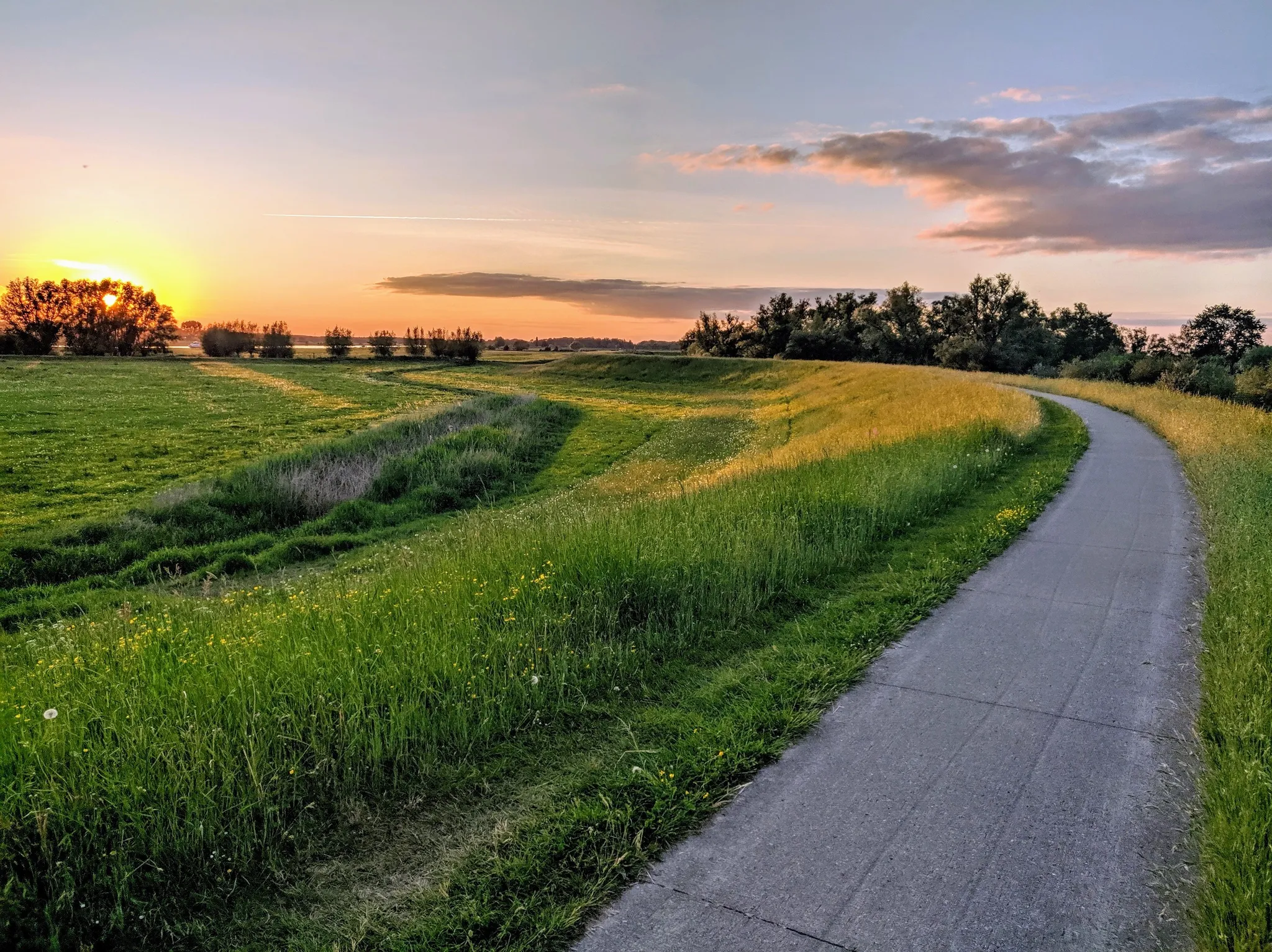
LF3 Hanzeroute - Bike in two days from Millingen to Kampen
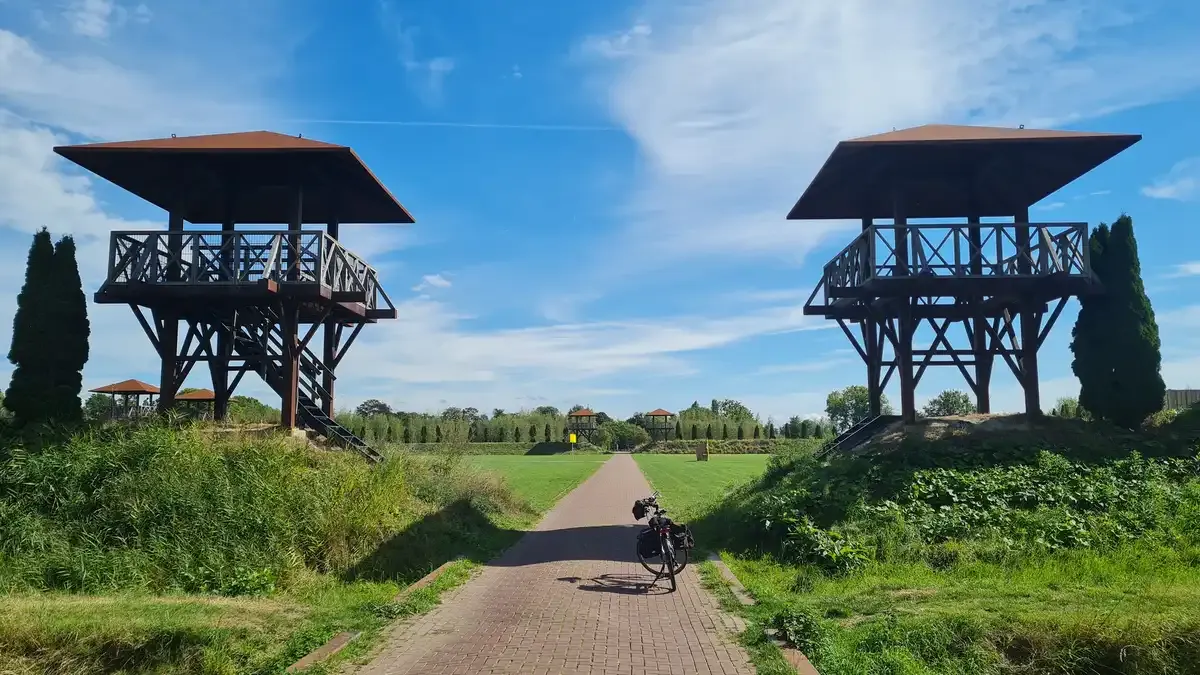
Roman Limes Route – ride the Roman frontier in 5 stages
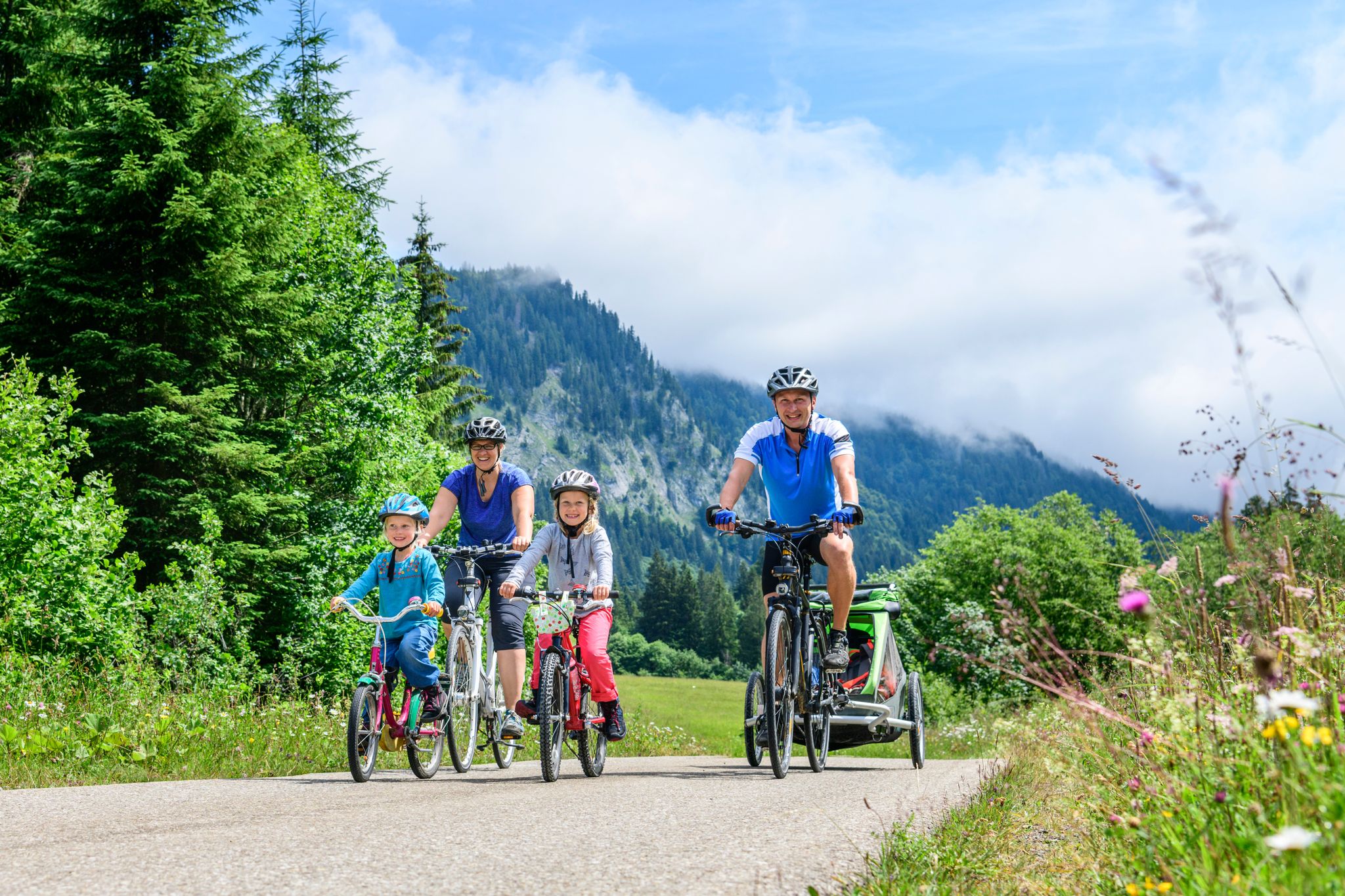
German Cycling Network – Cycling all over the country on the D-Routes
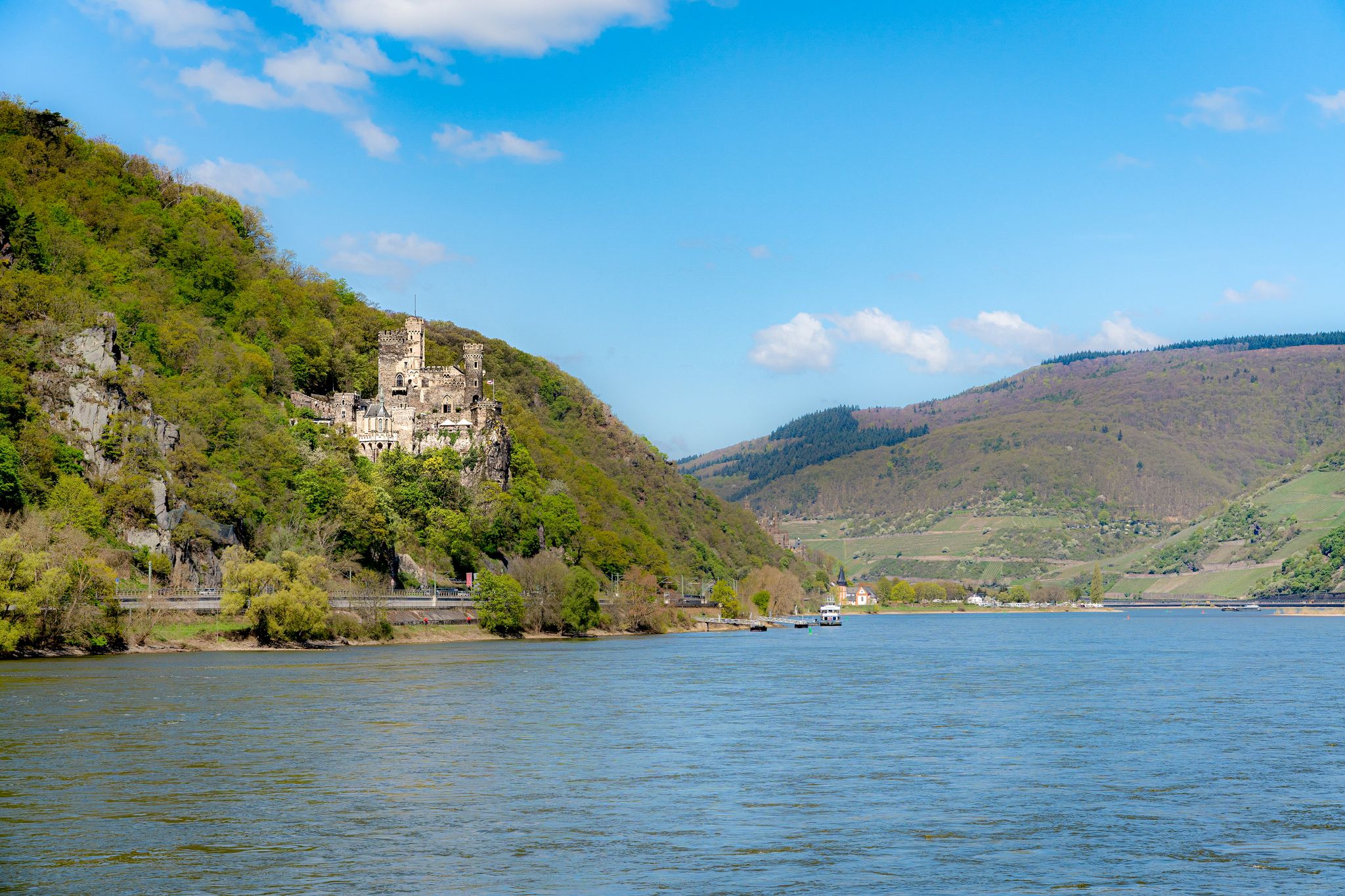
D-Route 8: Rhine Route
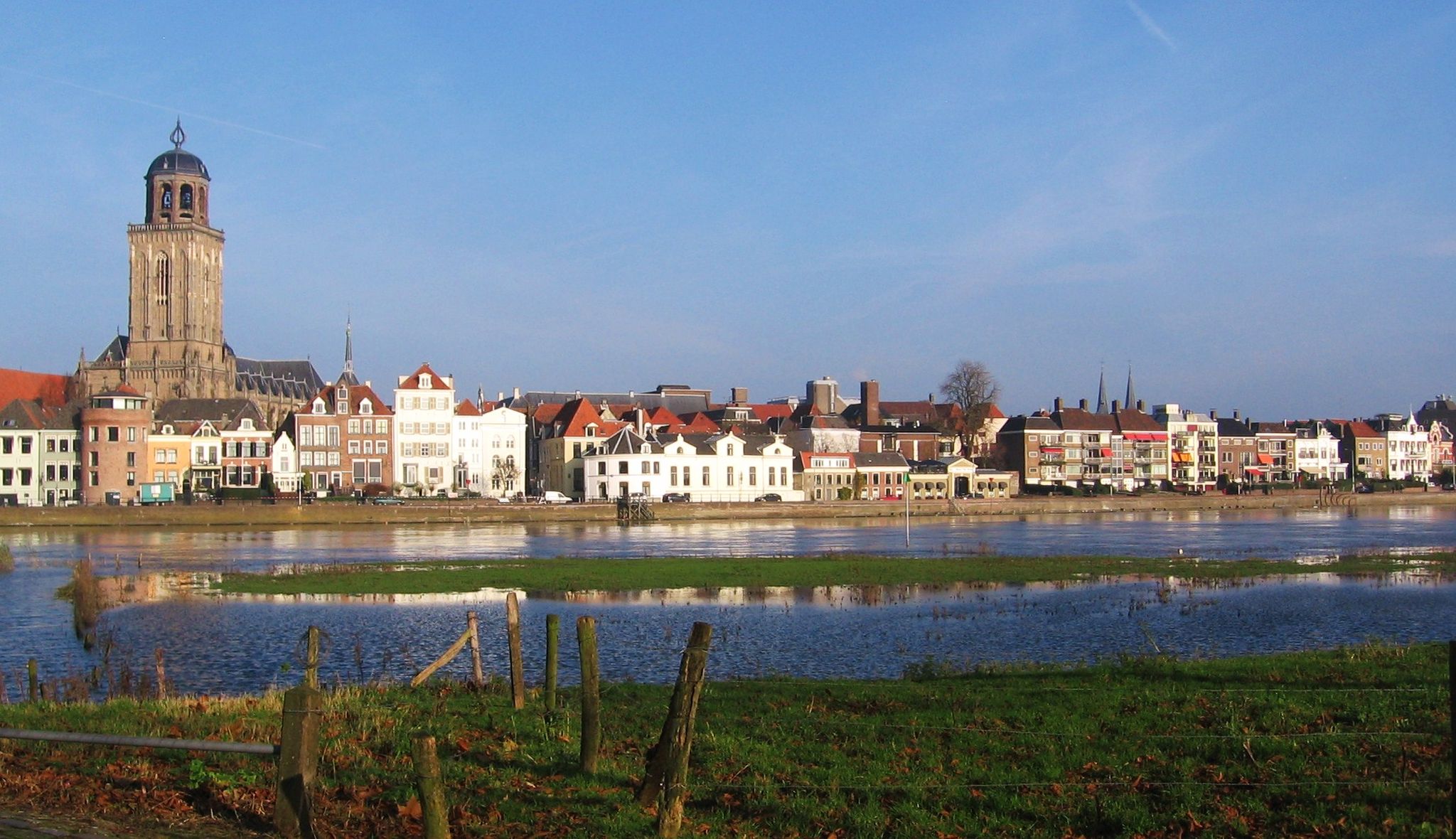
Cycling through Dutch medieval towns – LF3 Hanseatic Route
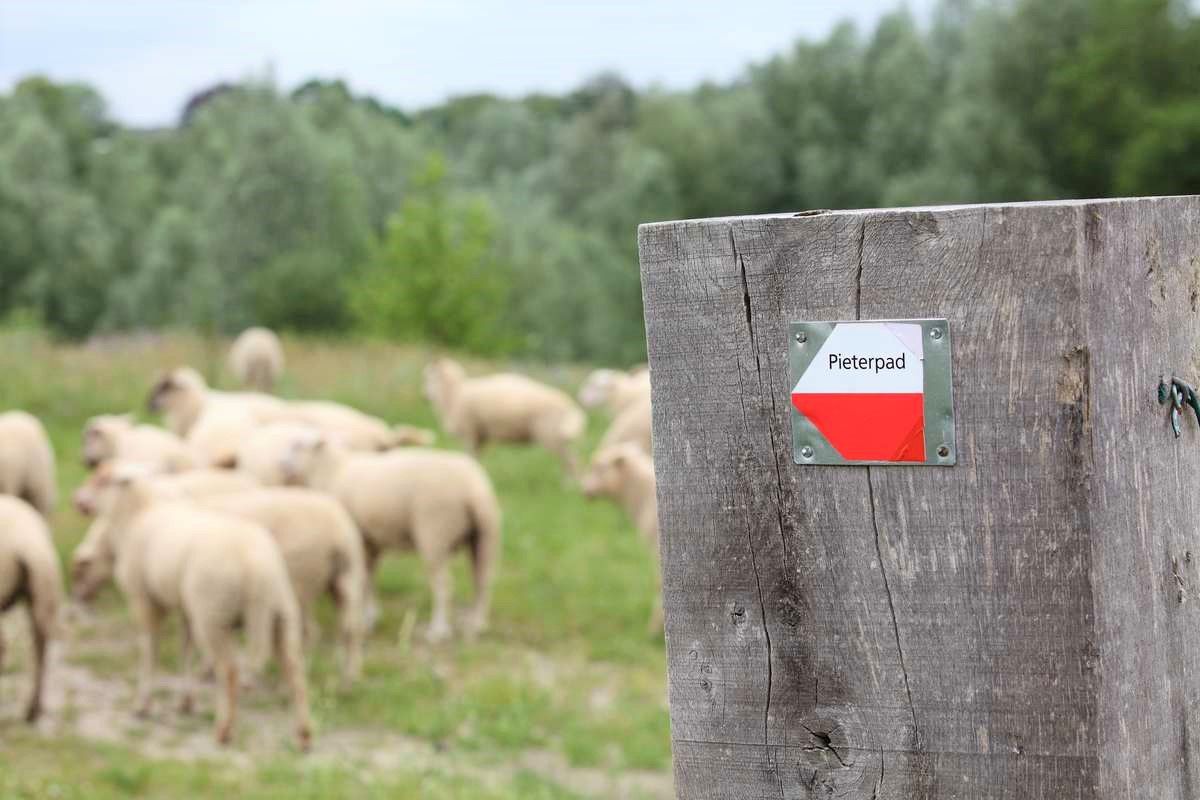
From Kasteel Vorden to the Sint-Pietersberg – Pieterpad long-distance hike part 2
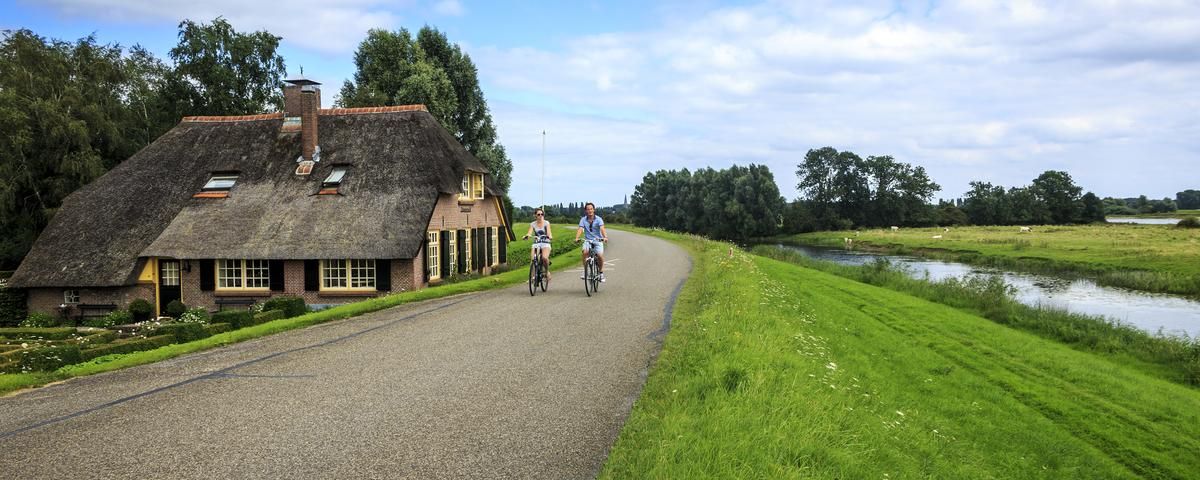
The other Holland — cycling in Gelderland and Overijssel
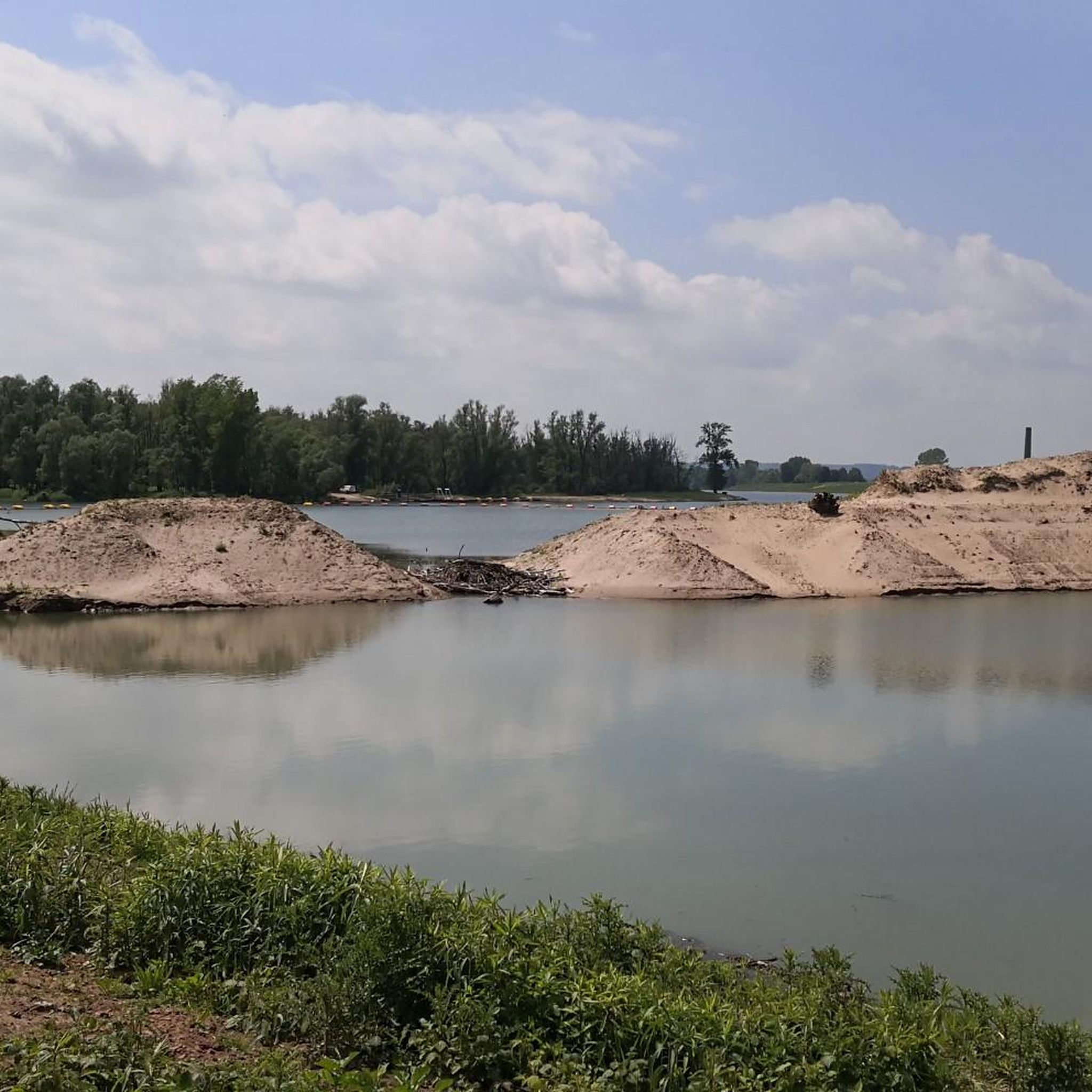
Cycling around Millingen Aan De Rijn
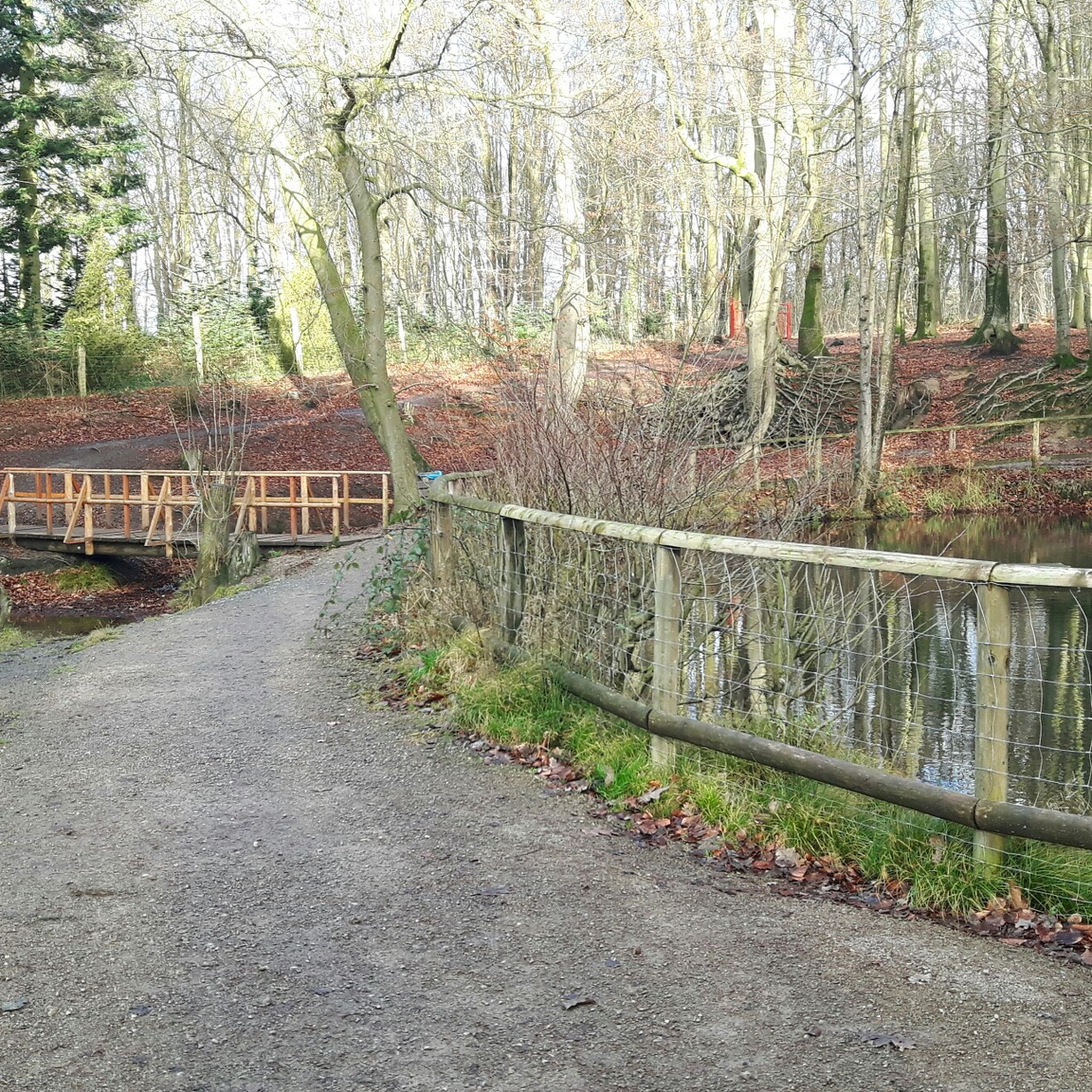
Hiking around Millingen Aan De Rijn
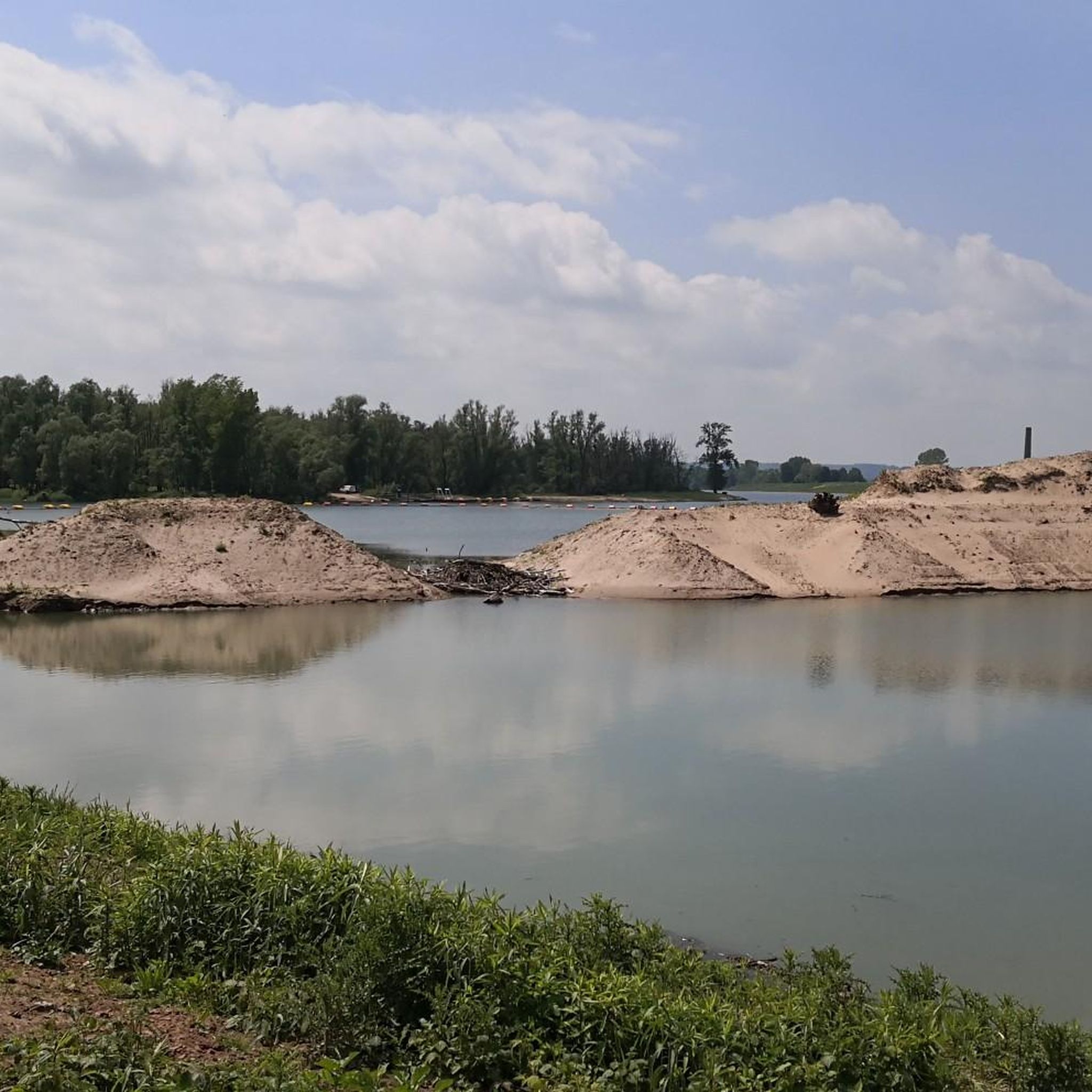
Road Cycling Routes around Millingen Aan De Rijn
Other adventures around Millingen Aan De Rijn


Tips from the Community

It can be busy on weekends. It is a popular hiking area.
1
0

Climb the 75.9 meter high Duivelsberg and you will be rewarded with a beautiful view of the wooded area and the meadows of the floodplains below the moraine. The Duivelsberg nature reserve of the same name is approximately 125 hectares in size and is covered with deciduous trees, including a large collection of sweet chestnuts. There are many stories about the history of De Duivelsberg. For example, in the 11th century it was the strategic location of a motte (wooden) castle called Mergelp. From the first motte on the edge of De Duivelsberg it was easy to keep an eye on the surroundings. In addition, the hill has a sacred meaning for many and is still used for ceremonies. There are also stories that women who were accused of being witches, were drowned and bandaged in this place. This area originally belonged to Germany and was called Wylerberg or Teufelsberg, but was annexed after the Second World War. Unlike the other areas, the Duivelsberg was not returned, but it is still Dutch land property.
1
1

The Wylerberg or Teufelsberg (Duivelsberg in Dutch) is a hill near Nijmegen that originally belonged to the German municipality of Wyler/North Rhine-Westphalia. In 1949, the British military administration placed the mountain under Dutch contract administration on a Dutch initiative and in 1963 it finally became Dutch territory. Source and link to the full article: https://de.wikipedia.org/wiki/Wylerberg
1
0
The entire area between Duivelsberg and Beek and Berg en Dal is beautiful and it's just a joy to walk here.
1
0

Beautiful route, but with some steep height differences.
2
1

THE ORIGINAL DEVIL MOUNTAIN After Christianization, this holy place was given the name Duivelsberg and much later this name was attributed to the larger of the two motte hills. Presumably the original Duivelsberg or Zonneberg is a hill located near the pancake restaurant the Witches' Dance in the forest of Berg en Dal. This hill is visibly artificially raised. Behind the hill, a flat, open area has been created. This clearing is easily accessible from the path and today there is a huge beech in the middle. It is a beautiful place whose power and holiness are still palpable. Various shamanic and pagan groups still use this ancient sacred site for their rituals and celebrations. Source: devilsberg.nl
5
0
SACRED FOREST Another special aspect of Devil's Mountain is that it was considered a sacred forest for our ancestors. In the villages of Beek-Ubbergen and Berg en Dal there are two hills named Maanberg and Sterrenberg; it is likely that one of the hills in the forest was once Mount Zonneberg. Wikipedia
5
0
Devil's Mountain After the Second World War, the Duivelsberg was one of the small German areas that the Netherlands annexed on April 23, 1949. Unlike the other areas, the Duivelsberg was not returned on August 1, 1963, but remained Dutch land property. The politician Marinus van der Goes van Naters – living in nearby Nijmegen – is said to have urged the politicians involved during negotiations with the Federal Republic to allow the nature reserve to remain Dutch. At the bottom of the hill is the Wijlermeer, which is partly part of the area reserved for the Netherlands. The Duivelsberg belonged, through inheritance, from 1906 to Marie Schuster-Hiby, who had an expressionist villa built on the hill between 1921 and 1924, designed by the German architect Otto Bartning. In 1965, the Schuster-Hiby family sold the villa to the State of the Netherlands. Since 1985, Huis Wylerberg has been a protected building as a national monument, where nature conservation organizations are located. There is a pancake restaurant of the same name located near the top of the Duivelsberg.
5
0
Frequently Asked Questions
What are the most popular natural monuments around Millingen Aan De Rijn?
Visitors frequently enjoy exploring Duivelsberg (Devil's Hill), known for its forest and rewarding viewpoints. Another highly appreciated spot is the Sunken Path in the Forest, which adds a unique charm to hikes. The historical site of Motte Mergelp on the Duivelsberg is also very popular, offering both natural beauty and historical significance.
What natural features can I expect to see in the region?
The natural monuments around Millingen Aan De Rijn offer diverse landscapes. You'll find expansive floodplains along the Waal river, particularly in the Millingerwaard Nature Reserve, characterized by dynamic water and land interactions. There are also forested hills, such as Duivelsberg, with deciduous trees including sweet chestnuts, and areas with lakes, ponds, and wetlands like the Oude Waal Nature Reserve and Seven Springs.
What makes Duivelsberg a significant natural monument?
Duivelsberg (Devil's Hill) is significant for its natural beauty, historical depth, and panoramic views. It's a nature reserve predominantly covered with deciduous trees, offering rewarding vistas from its 75.9-meter summit. Historically, it was the strategic location of the 11th-century motte castle, Motte Mergelp, and holds local folklore and sacred meanings.
Are there family-friendly natural monuments around Millingen Aan De Rijn?
Yes, several natural monuments are suitable for families. The Oude Waal Nature Reserve offers nice paths along the old arm of the river with views of meadows, which can be pleasant for a family stroll. The area around Seven Springs also features a beautiful pond and a nature adventure path, making it an engaging spot for families.
What kind of wildlife can be observed in the natural areas?
The Millingerwaard Nature Reserve, including the Millingerwaard Bird Sanctuary, is a haven for various bird species, making it an excellent destination for birdwatchers. The dynamic floodplain landscape along the Waal river supports a rich biodiversity, offering opportunities to observe different types of wildlife adapted to riverine environments.
What outdoor activities are available near these natural monuments?
The region around Millingen Aan De Rijn offers a variety of outdoor activities. You can find numerous routes for mountain biking, road cycling, and running. For example, there are several MTB Trails, Road Cycling Routes, and Running Trails that allow you to explore the diverse landscapes, including routes through the Millingerwaard area.
Are there specific hiking trails recommended in the Millingerwaard area?
Yes, the Millingerwaard Nature Reserve offers trails that provide opportunities for moderate hikes. The "Millingerwaard Bird Sanctuary – Millingerwaard Nature Reserve loop" is a notable trail that allows visitors to immerse themselves in the natural beauty and observe the rich biodiversity of this floodplain landscape. You can also find running trails like the "Millingerwaard Lakeside Trail loop" which are suitable for walking.
What is the best time to visit the natural monuments around Millingen Aan De Rijn?
The natural areas around Millingen Aan De Rijn offer a changing picture every season. While the Millingerwaard's dynamic environment is compelling year-round, autumn is particularly recommended for places like Duivelsberg, where you can search for sweet chestnuts and enjoy the vibrant fall foliage. Birdwatching is often best during migration seasons.
What do visitors enjoy most about the natural monuments in this region?
Visitors particularly enjoy the picturesque scenery and the sense of being immersed in nature. The diverse landscapes, from the riverine floodplains to the forested hills, are highly appreciated. Many find the trails charming, such as the Sunken Path in the Forest, and value the rewarding views from spots like Duivelsberg. The opportunity to connect with both nature and history also adds to the appeal.
Are there any historical sites integrated with the natural monuments?
Yes, the region beautifully combines natural beauty with historical significance. Motte Mergelp on the Duivelsberg is a prime example, being the site of an 11th-century motte castle. This historical landmark is situated on the 75.9-meter high Duivelsberg, offering views of the wooded area and floodplains, and providing a glimpse into the region's past.
Can I find viewpoints to enjoy the scenery?
Absolutely. Duivelsberg (Devil's Hill) is well-known for its rewarding views of the wooded area and the floodplains below the moraine. Additionally, the Oude Waal Nature Reserve offers beautiful views of the Oude Waal, an outer-dike branch of the Waal river, and the surrounding meadows.
Most popular routes around Millingen Aan De Rijn
Most popular attractions around Millingen Aan De Rijn

Get inspired with the komoot mobile app


Explore more
Extend your search for the best caves by checking out these guides of the top ones around Millingen Aan De Rijn:
