Top 7 Natural Monuments around Saint-Amour-Bellevue
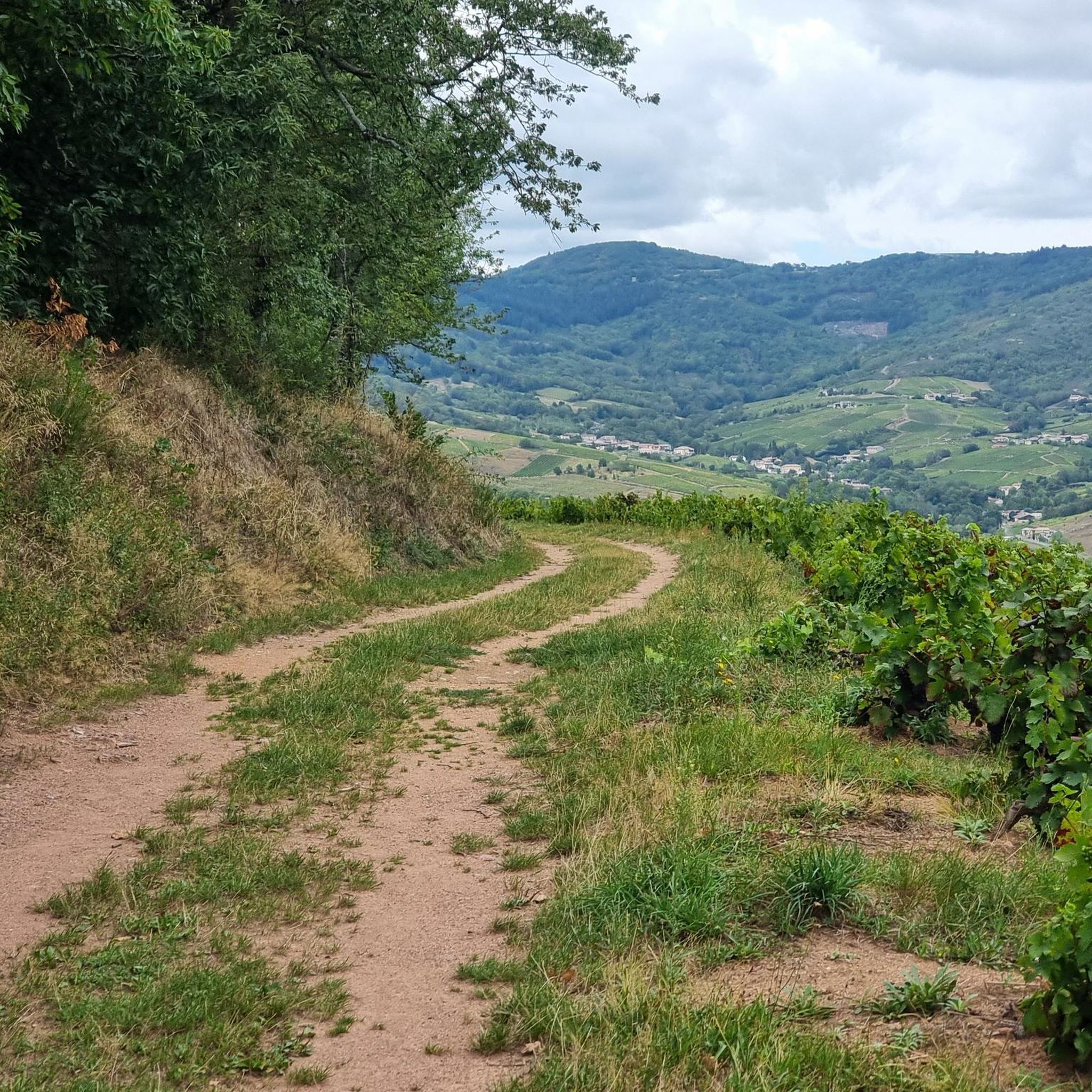
Best natural monuments around Saint-Amour-Bellevue are characterized by picturesque vineyard landscapes and rolling hillsides in the Beaujolais region. The area is known for its diverse geological makeup, including clays, limestone, and granite, which contribute to its unique terroir. From the village, visitors can enjoy outstanding views of the surrounding nature. These features define the natural experience of Saint-Amour-Bellevue.
Best natural monuments around Saint-Amour-Bellevue
- The most popular natural monuments is Roche de Solutré, a natural monument that culminates at 495…
Last updated: July 6, 2026
Roche de Solutré
Highlight • Natural Monument
Translated by Google •
Tip by

Vergisson Rock
Highlight • Natural Monument
Translated by Google •
Tip by

Sign up now to discover places like this
Get recommendations on the best single tracks, peaks, & plenty of other exciting outdoor places.
Sign up for free
Rémont Mountain
Highlight • Viewpoint
Translated by Google •
Tip by

View of the Roche de Solutré
Highlight • Viewpoint
Translated by Google •
Tip by

Mount Pouilly
Highlight • Summit
Translated by Google •
Tip by

Sign up for free to discover even more natural monuments around Saint-Amour-Bellevue.
Sign up for free
Already have an account?
Start today with a free account
Your next adventure awaits.
Login or Signup

Tips from the Community

The Solutré Rock is a world-famous, 493-meter-high limestone cliff in the south of the Burgundy region. It is situated amidst the picturesque vineyards of the municipality of Solutré-Pouilly. The region is officially designated as a Grand Site de France. The hike to the summit is easy to moderate and well-suited for families. It takes about 1 hour for the entire circular route (approx. 4 kilometers round trip). The elevation gain is around 100 to 140 meters from the official parking lot, on well-maintained paths with information panels, although there are many steps.
0
0
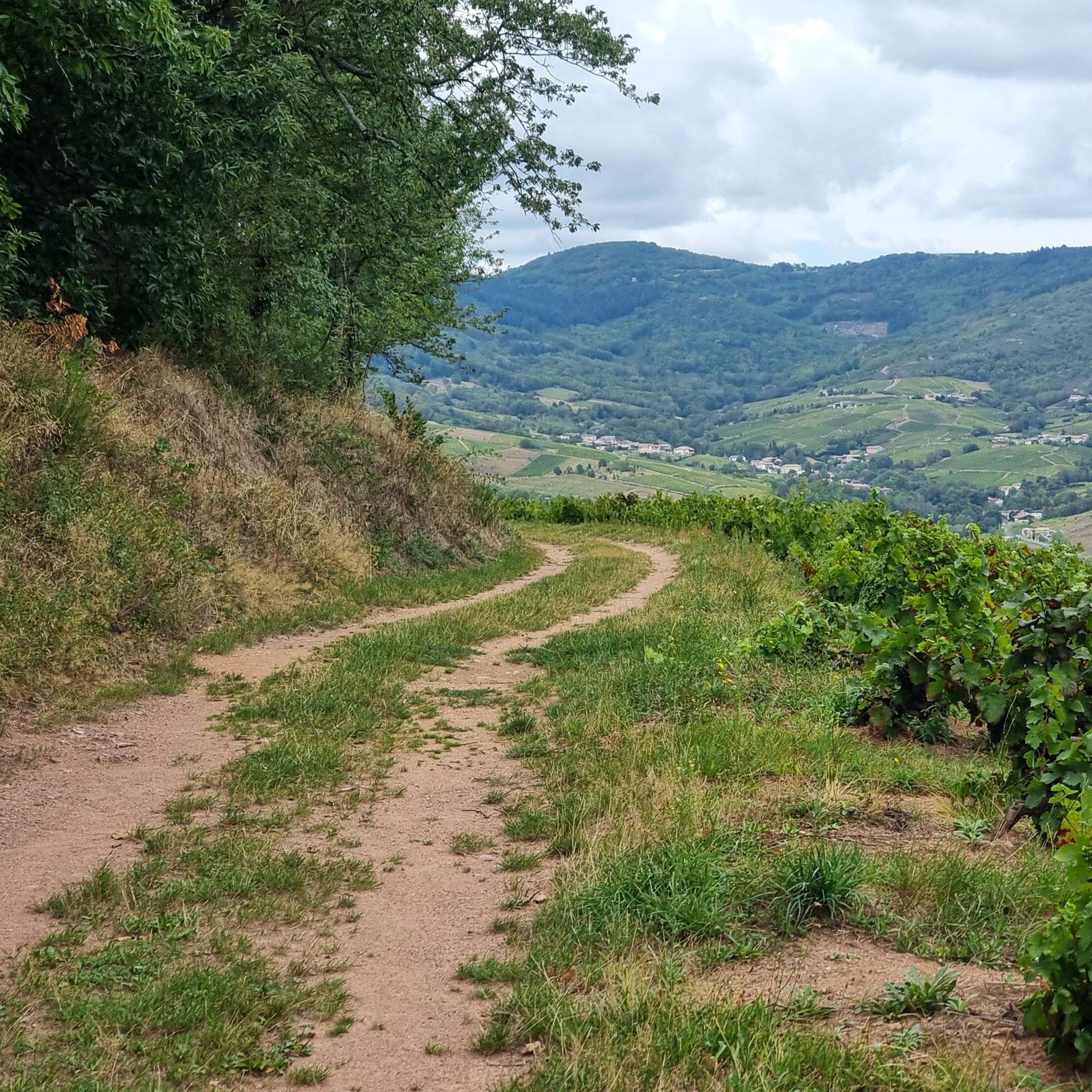
The viewpoint is located in the well-known Beaujolais wine region, in the municipality of Chénas. It is an old stone ruin (historically often referred to as Cabane des Chasseurs or hunter's hut), which has been equipped with a modern metal staircase and a viewing platform. The ruin is located at 515 meters above sea level and offers hikers a spectacular 360-degree panoramic view of the surrounding vineyards and valleys of the region.
2
0
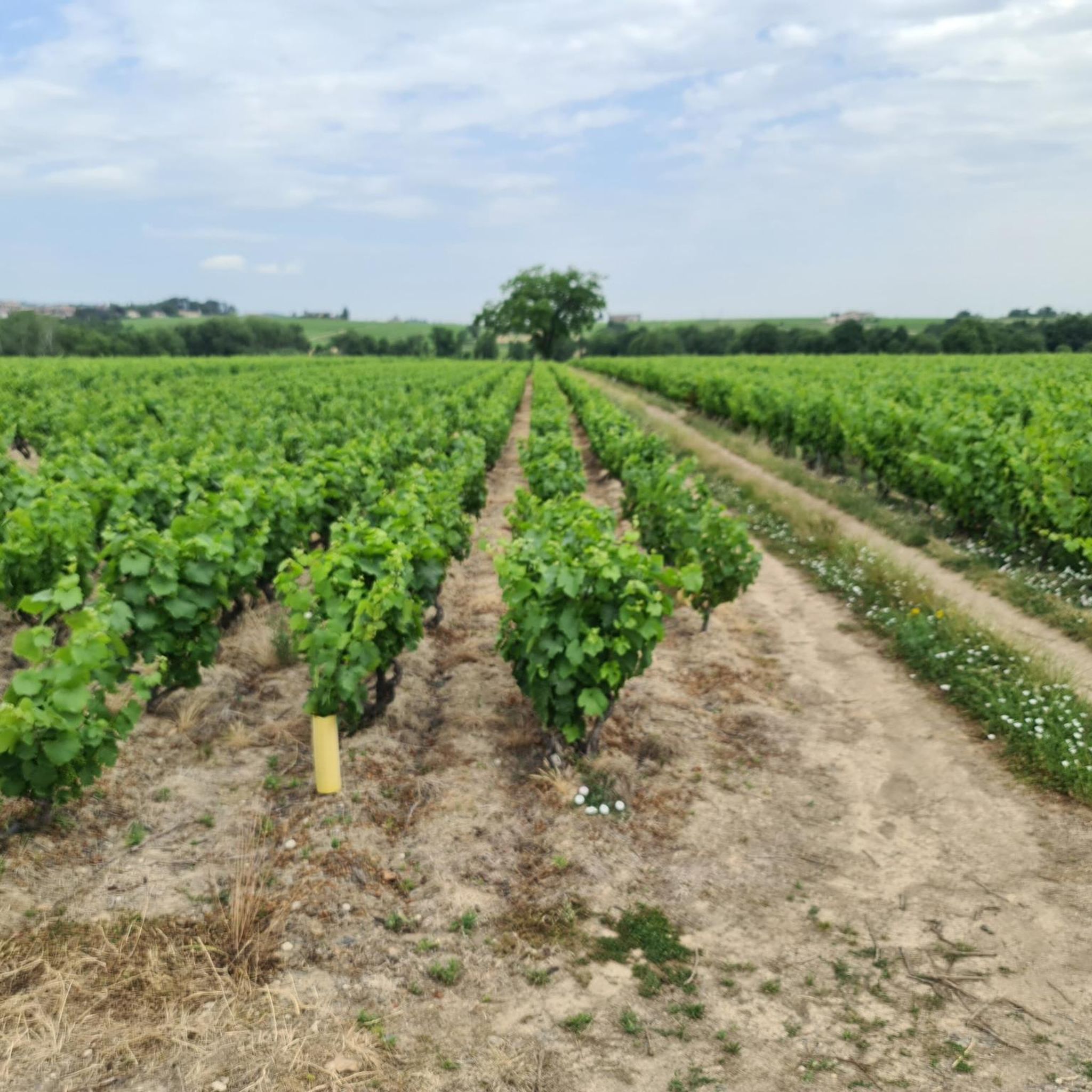
The rock is located in the south of the Burgundy region (Département Saône-et-Loire), not far from the town of Mâcon. Its distinctive profile rises out of a vast "sea of vines". The vineyards shown belong to the well-known Mâconnais wine region and produce renowned white wines such as Pouilly-Fuissé. The entire area is protected as a Grand Site de France and is also one of the most important prehistoric sites in Europe.
2
0

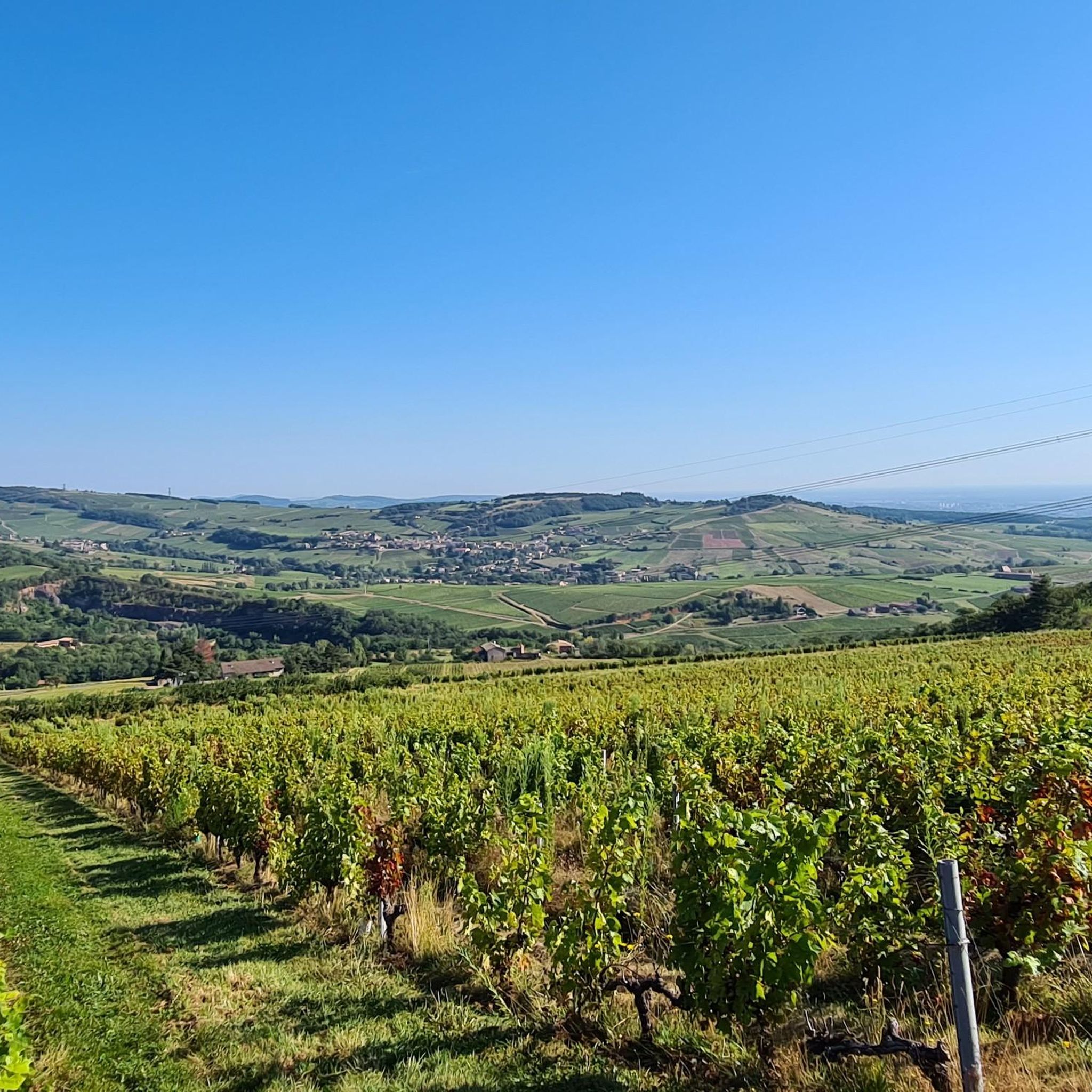
Magnificent view across the countryside all the way to Mâcon
2
0

A perfect complement to the Solutré rock and Mont de Pouilly.
1
0

Several paths lead to the summit. A very pretty hike, which can be extended by climbing its big sister, Solutré, for the more athletic.
1
0

Mont Pouilly 481m above sea level with a magnificent panoramic view
1
0

Frequently Asked Questions
What are the most prominent natural monuments near Saint-Amour-Bellevue?
The most prominent natural monument is the Roche de Solutré, a magnificent limestone escarpment offering spectacular panoramic views over the Mâconnais vineyards. Other notable natural monuments and viewpoints include Vergisson Rock and Rémont Mountain, both providing breathtaking vistas of the surrounding region.
What makes the Roche de Solutré a significant natural monument?
The Roche de Solutré is a designated "Grand Site de France" known for its unique geology, rich prehistoric significance, and spectacular panoramic views. It's a rare geological formation of fossilized coral reefs and one of Europe's most important prehistoric archaeological sites, with evidence of human occupation for over 55,000 years. From its summit, you can see the sprawling Mâconnais vineyards and, on clear days, even Mont Blanc.
Are there family-friendly natural monuments or trails around Saint-Amour-Bellevue?
Yes, the region offers accessible options. The summit of Roche de Solutré is easily accessible via a well-maintained 4 km footpath, suitable for walkers of varying abilities, including families. The general vineyard landscapes and rolling hills around Saint-Amour-Bellevue also feature numerous walking trails, such as the "Les Sentiers Belles Vues," which are great for family outings.
What kind of outdoor activities can I do near these natural monuments?
The area around Saint-Amour-Bellevue is ideal for various outdoor activities. You can enjoy hiking, mountain biking, and gravel biking. For hiking, explore routes like the 'Circuit de la Montagne de Remont' or 'Rémont Mountain – View of the Vineyards loop'. For mountain biking, consider routes such as 'View of Solutré-Pouilly – Les hauts de Jullié loop'. You can find more details on these activities in the hiking guide, MTB guide, and gravel biking guide for the region.
What historical or cultural significance do the natural monuments hold?
The Roche de Solutré is a site of immense historical and cultural importance. It is one of Europe's most significant prehistoric archaeological sites, having been continuously occupied by humans for over 55,000 years. Excavations have revealed vast quantities of animal bones and flint tools, leading to the naming of the "Solutrean" Paleolithic culture. A prehistory museum at its foot further details its archaeological value.
What are the best viewpoints in the Saint-Amour-Bellevue region?
The region is renowned for its panoramic views. The summit of Roche de Solutré offers breathtaking vistas of the Mâconnais vineyards. Similarly, Vergisson Rock provides a unique view of the Beaujolais valley. Rémont Mountain, at 515 meters, also offers stunning 360-degree views, enhanced by accessible ruins.
What geological features can be observed in the natural monuments around Saint-Amour-Bellevue?
The region boasts diverse geological features. The Roche de Solutré is a prime example, composed of fossilized coral reefs formed 160 million years ago. This resistant rock formation withstood erosion, creating its distinctive isolated profile. The wider Saint-Amour-Bellevue area itself has a varied geological makeup, including clays, limestone, sandstone, granite, shale, and "blue stones," which contribute to the unique terroir of its vineyards.
What do visitors enjoy most about the natural monuments in this area?
Visitors frequently praise the spectacular panoramic views from summits like Roche de Solutré, Vergisson Rock, and Rémont Mountain. Many appreciate the historical and archaeological significance of sites like Solutré, along with the well-maintained hiking paths that make these natural wonders accessible. The peaceful vineyard landscapes and opportunities for picnics are also highly valued.
Is there a prehistory museum near the natural monuments?
Yes, there is a prehistory museum located at the foot of the Roche de Solutré. This museum allows visitors to delve deeper into the archaeological importance of the site, showcasing findings from its long history of human occupation and the unique Solutrean Paleolithic culture.
What is the best time of year to visit the natural monuments around Saint-Amour-Bellevue?
The region is beautiful throughout the year, but spring and autumn are particularly recommended. In spring, the vineyards are vibrant green, and wildflowers bloom. Autumn offers stunning foliage colors across the hillsides and vineyards, making for picturesque hikes and clear views. Summer is also popular, though it can be warmer, while winter provides a quieter, often crisp experience.
Are there any less crowded natural monuments or viewpoints to visit?
While Roche de Solutré is very popular, Vergisson Rock is often noted by visitors as being just as beautiful but with significantly fewer people. It offers an unmissable viewpoint at 485 meters above sea level, providing a unique perspective of the Beaujolais valley and the village of Vergisson below.
Can I combine a visit to the natural monuments with wine tasting?
Absolutely. The natural monuments, especially Roche de Solutré, are situated in the heart of the Mâconnais vineyards, including the Pouilly-Fuissé wine appellation. The ascent to the rock offers unique perspectives on these vineyards. Saint-Amour-Bellevue itself is known for its Saint-Amour AOC wines, making it easy to combine scenic walks with visits to local wineries.
Most popular routes around Saint-Amour-Bellevue
Most popular attractions around Saint-Amour-Bellevue

Get inspired with the komoot mobile app


Explore more
Extend your search for the best caves by checking out these guides of the top ones around Saint-Amour-Bellevue:
