Top 4 Natural Monuments around Larcat
Best natural monuments around Larcat are found within the scenic Ariège department of the Midi-Pyrénées region in France. This area features diverse natural landscapes, including prominent summits, challenging ascents, and unique geological formations. The region is characterized by its mountainous terrain, offering numerous viewpoints and natural features for exploration. Larcat serves as a base for discovering these natural landmarks.
Best natural monuments around Larcat
- The most popular natural monuments is Mount Fourcat, a summit that offers panoramic views of…
Last updated: October 8, 2026
Plateau de Beille
Highlight • Mountain Pass
Translated by Google •
Tip by

Mount Fourcat
Highlight • Summit
Translated by Google •
Tip by

Sign up now to discover places like this
Get recommendations on the best single tracks, peaks, & plenty of other exciting outdoor places.
Devil's Pond
Highlight • Lake
Translated by Google •
Tip by
Pic de Risoul
Highlight • Summit
Translated by Google •
Tip by

Roc de Querquéou
Highlight • Viewpoint
Translated by Google •
Tip by
Start today with a free account
Your next adventure awaits.
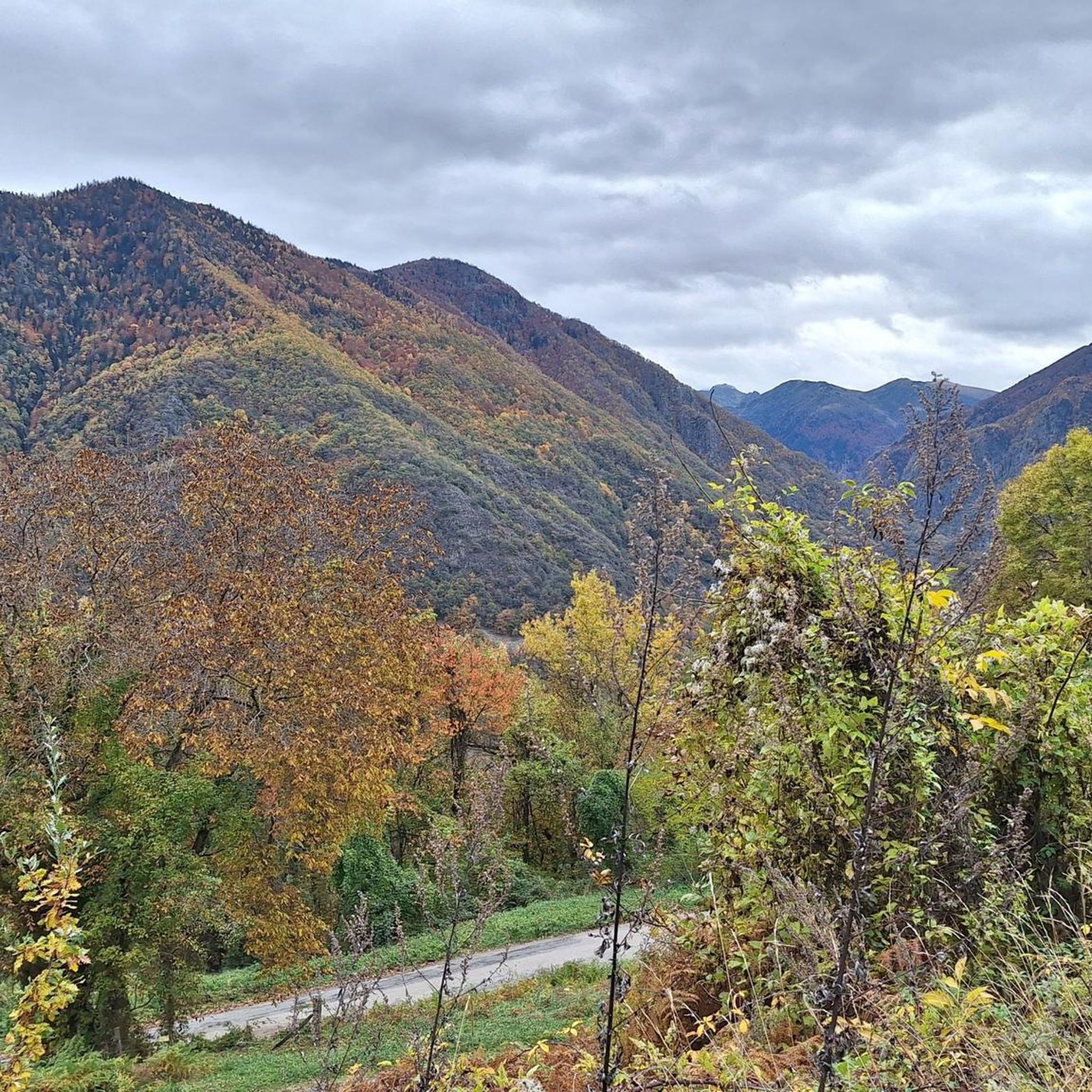
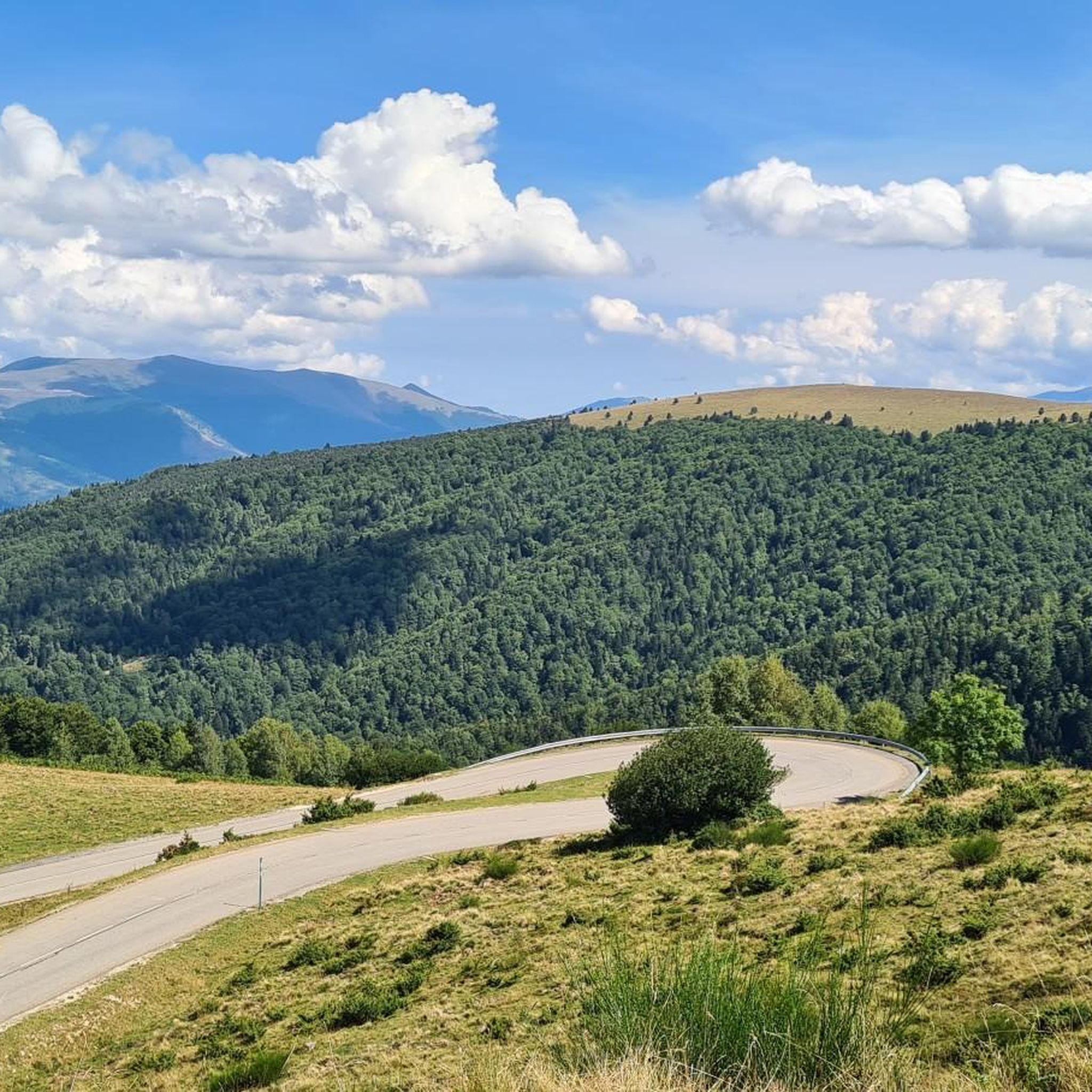
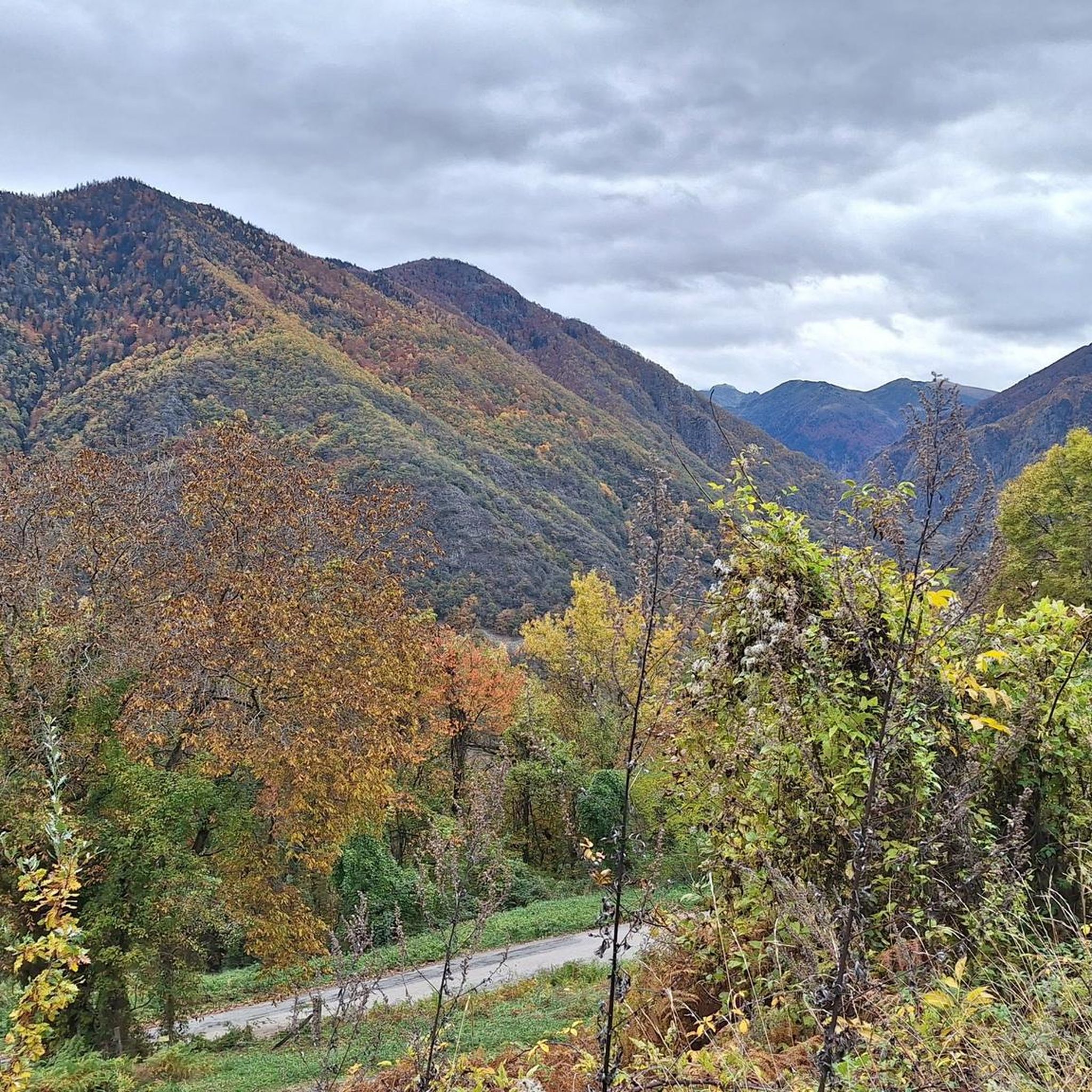
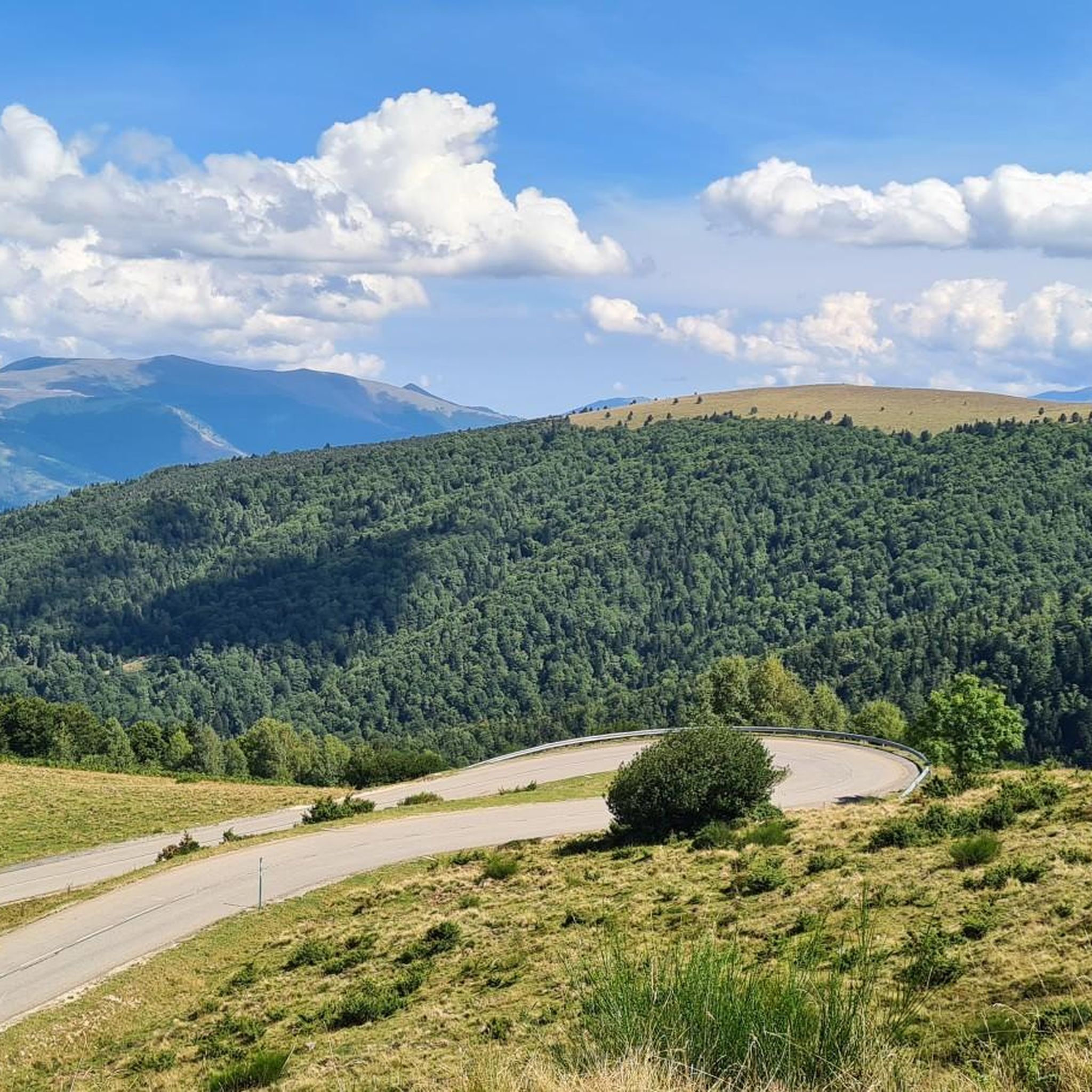


Tips from the Community

Superb high-altitude alpine meadows! It's worth the effort
0
0

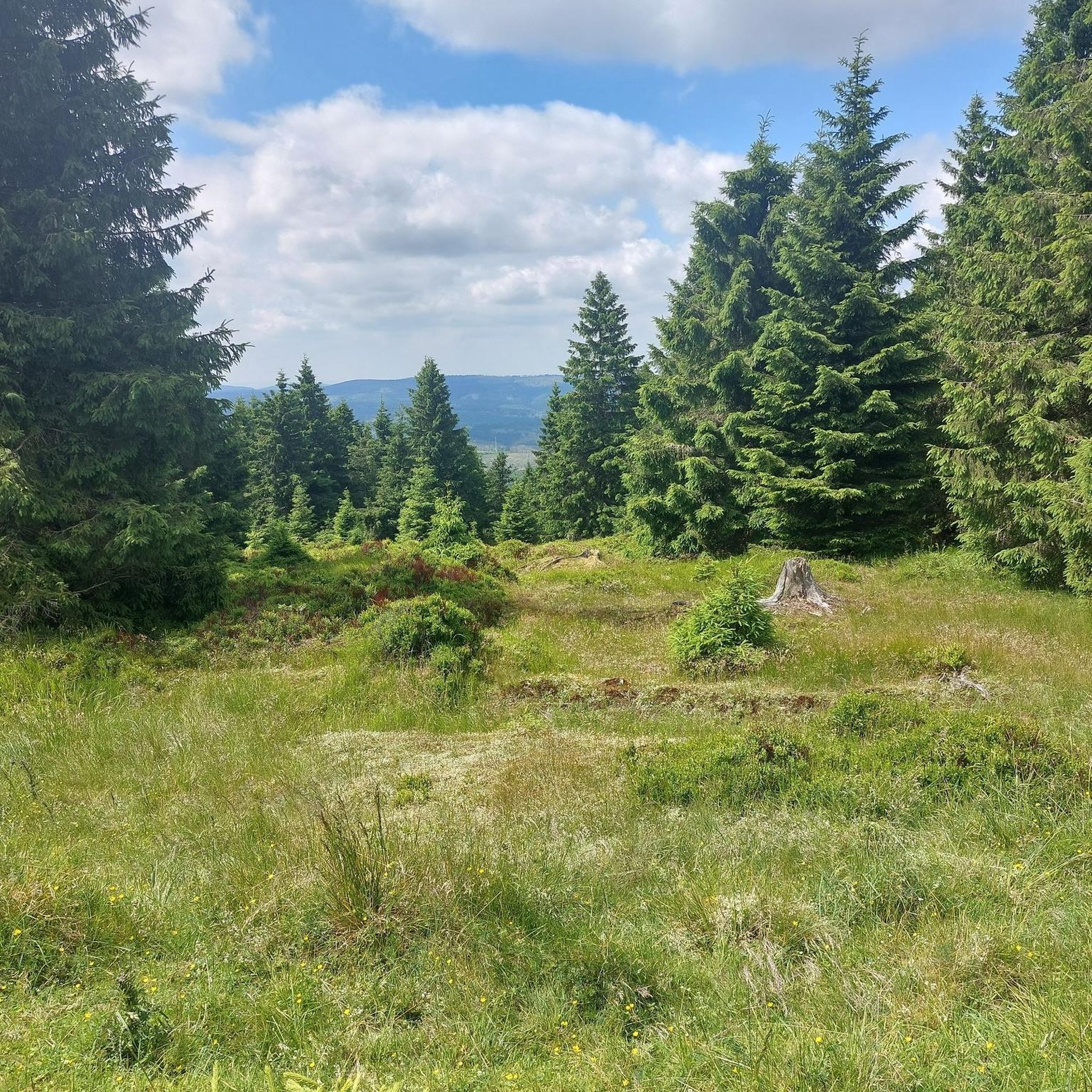
Le plateau de Beille is very beautiful in the summer. While in winter it's a ski resort that didn't seem exceptional to me, in summer the cross-country ski trails become gravel paths, and in fact, this plateau is top to explore!
0
0

Very good place to practice skating skiing in winter!
1
0
A magnificent location offering stunning views of the Ariège Pyrenees: the Montcalm Massif, the Bassiès Massif, the Beille Plateau, and more. Easily accessible from Croquié in both summer and winter, provided you're well-equipped and at least a little fit (800m+). Its only drawback: it's very crowded, especially in winter.
1
1

Possibility of bivouac and magnificent natural spectacle by numerous griffon vultures
2
2

Magnificent place with breathtaking view!
0
1

Nice open view and plenty of parking space
2
0
Frequently Asked Questions
What are some of the most popular natural monuments to visit around Larcat?
Among the highly-rated natural monuments, you'll find Mount Fourcat, known for its superb panoramic views and griffon vultures, and the Plateau de Beille, which offers stunning vistas of the Ariège valley. Another notable spot is the Roc de Querquéou, providing breathtaking views from its ridge.
Are there natural monuments around Larcat suitable for families?
While specific family-friendly ratings aren't always available, many natural monuments offer trails of varying difficulty. The Plateau de Beille, for example, is a popular destination that can be accessed by road, making it suitable for families looking for scenic views without strenuous hiking. The area around the Valley of Vicdessos also features accessible natural beauty like the Caraoucou waterfalls.
What kind of natural features can I expect to see at these monuments?
You can expect a diverse range of natural features. Mount Fourcat and Pic de Risoul offer spectacular summit views of the Pyrenees. The Devil's Pond is a beautiful high-altitude lake. The region also features impressive geological formations like the cliffs of Le Quié de Sinsat and glacial remnants such as the Palet de Samson erratic block in the Valley of Vicdessos.
What outdoor activities can I do near the natural monuments around Larcat?
The area around Larcat is excellent for various outdoor activities. You can find numerous cycling routes, including challenging climbs like the Plateau de Beille Climb, which is a favorite for road cyclists. Hiking is also very popular, with trails leading to summits like Mount Fourcat and Pic de Risoul, offering intermediate difficulty levels and rewarding views.
Are there specific hiking trails associated with these natural monuments?
Yes, many natural monuments are integral to hiking routes. For instance, the Mount Fourcat is a classic hiking destination in the Tabe massif. The Devil's Pond can be a stopover on longer treks or a destination itself. You can explore various hiking routes that incorporate these natural wonders.
What is the best time of year to visit the natural monuments near Larcat?
The best time to visit largely depends on your preferred activity. For hiking and cycling, late spring, summer, and early autumn (May to October) generally offer the most favorable weather conditions. During these months, the high-altitude areas like the Plateau de Beille are free of snow and ideal for exploration. Winter transforms some areas into ski resorts, offering a different kind of natural beauty.
Can I observe wildlife at the natural monuments around Larcat?
Yes, the natural monuments are home to diverse wildlife. Mount Fourcat is particularly known for offering opportunities to observe numerous griffon vultures. When climbing to the Pic de Risoul, you might also spot chamois, which are known to frequent the area.
Are there any unique geological formations or historical natural sites in the area?
Absolutely. The cliffs of Le Quié de Sinsat are a striking natural rock formation near Larcat. Further afield in the Valley of Vicdessos, you can find distinct glacial features like 'verrous' and 'ombilics', as well as the impressive Palet de Samson, a large erratic block left by ancient glaciers overlooking the village of Sem.
What are the typical difficulty levels for exploring these natural monuments?
Many of the natural monuments, especially those involving summits like Mount Fourcat, Pic de Risoul, and Roc de Querquéou, are categorized as intermediate difficulty for hiking. The Plateau de Beille climb is considered difficult for cycling due to its gradient. It's always recommended to check specific route details for elevation and terrain before heading out.
Where can I find parking or public transport options for visiting these natural monuments?
For popular sites like the Plateau de Beille, there is often ample parking available, especially at the ski resort in summer. For other natural monuments, parking might be available at trailheads or nearby villages. Public transport options to Larcat and surrounding areas are limited, so a car is generally recommended for accessing these natural sites. Specific details for each monument should be checked locally.
Are there any natural monuments that offer unique viewpoints of the region?
Yes, several natural monuments are renowned for their exceptional viewpoints. Mount Fourcat provides truly superb panoramic views of the Ariège Pyrenees, including the Montcalm and Bassiès Massifs. The Pic de Risoul offers magnificent views of the village of Vicdessos and its valley. Additionally, the Plateau de Beille offers expansive views of the Ariège valley and surrounding mountains.
Most popular attractions around Larcat

Get inspired with the komoot mobile app


Explore more
Extend your search for the best caves by checking out these guides of the top ones around Larcat:
