Top 4 Natural Monuments around L'Île-Rousse
Best natural monuments around L'Île-Rousse showcase the diverse natural heritage of this town on Corsica's northwest coast. The area is defined by distinctive red porphyry rocks, which gave the town its name, and offers a variety of landscapes from iconic rocky islands to wild coastlines. These natural features provide insights into the region's geology and history. Visitors can explore scenic viewpoints and geological formations.
Best natural monuments around L'Île-Rousse
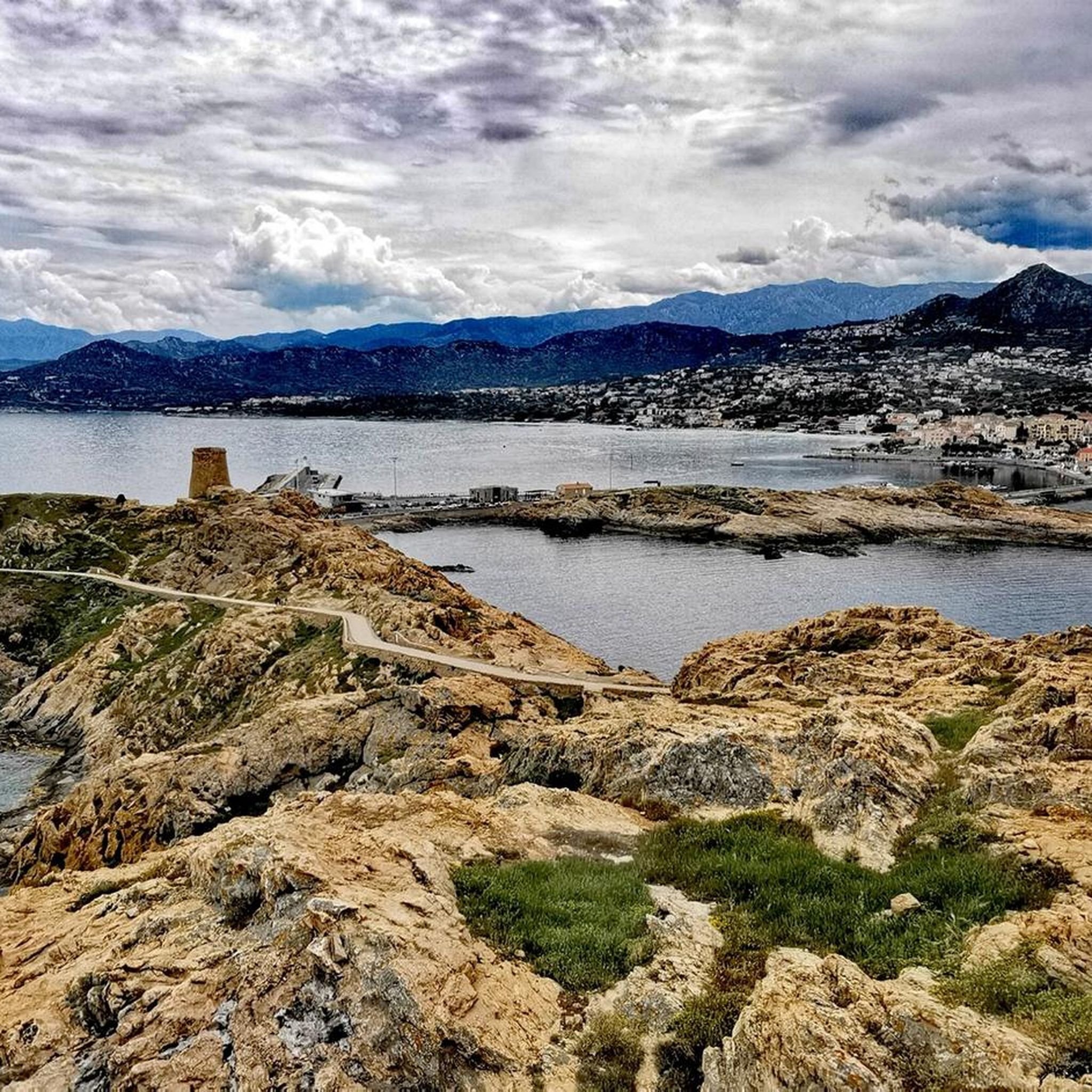
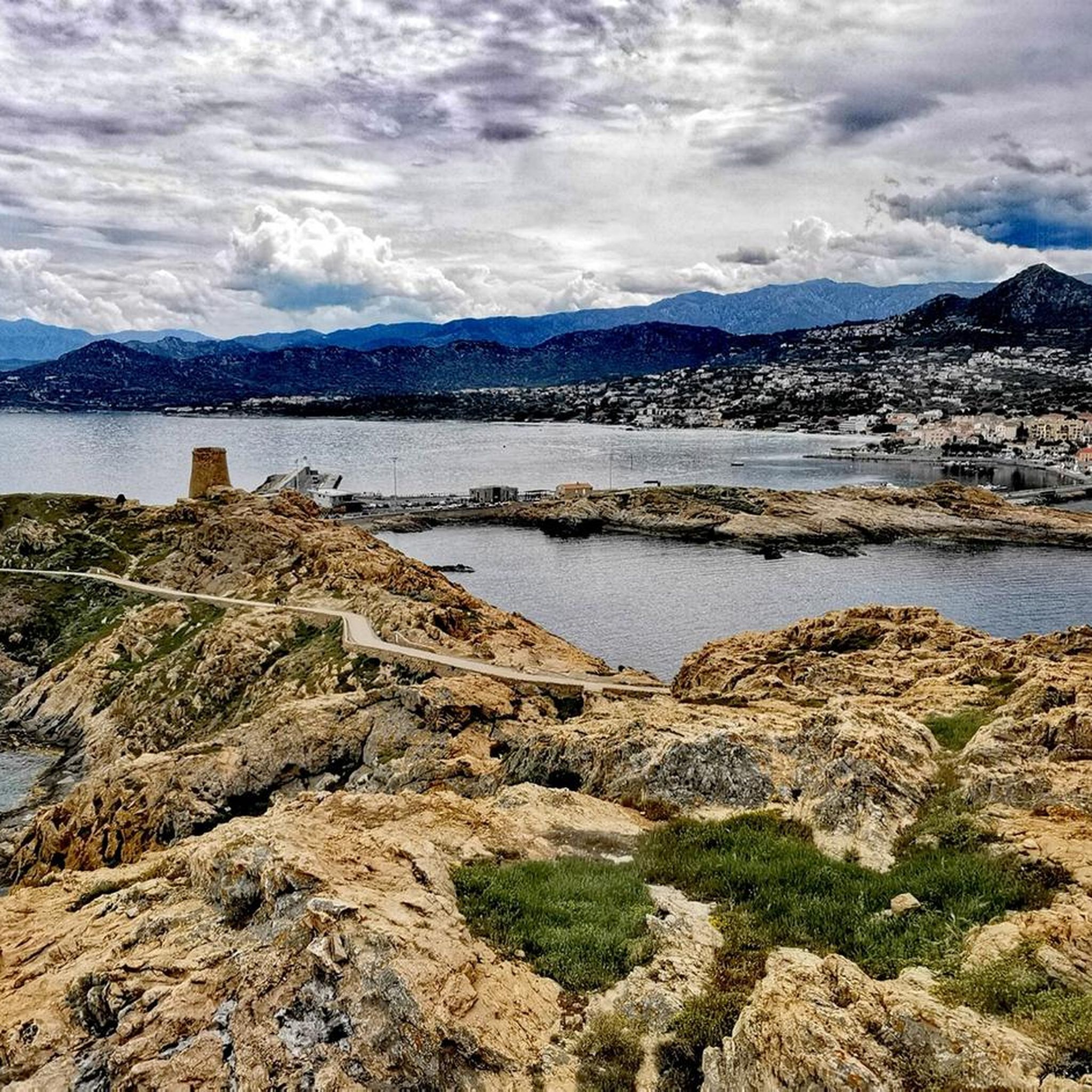
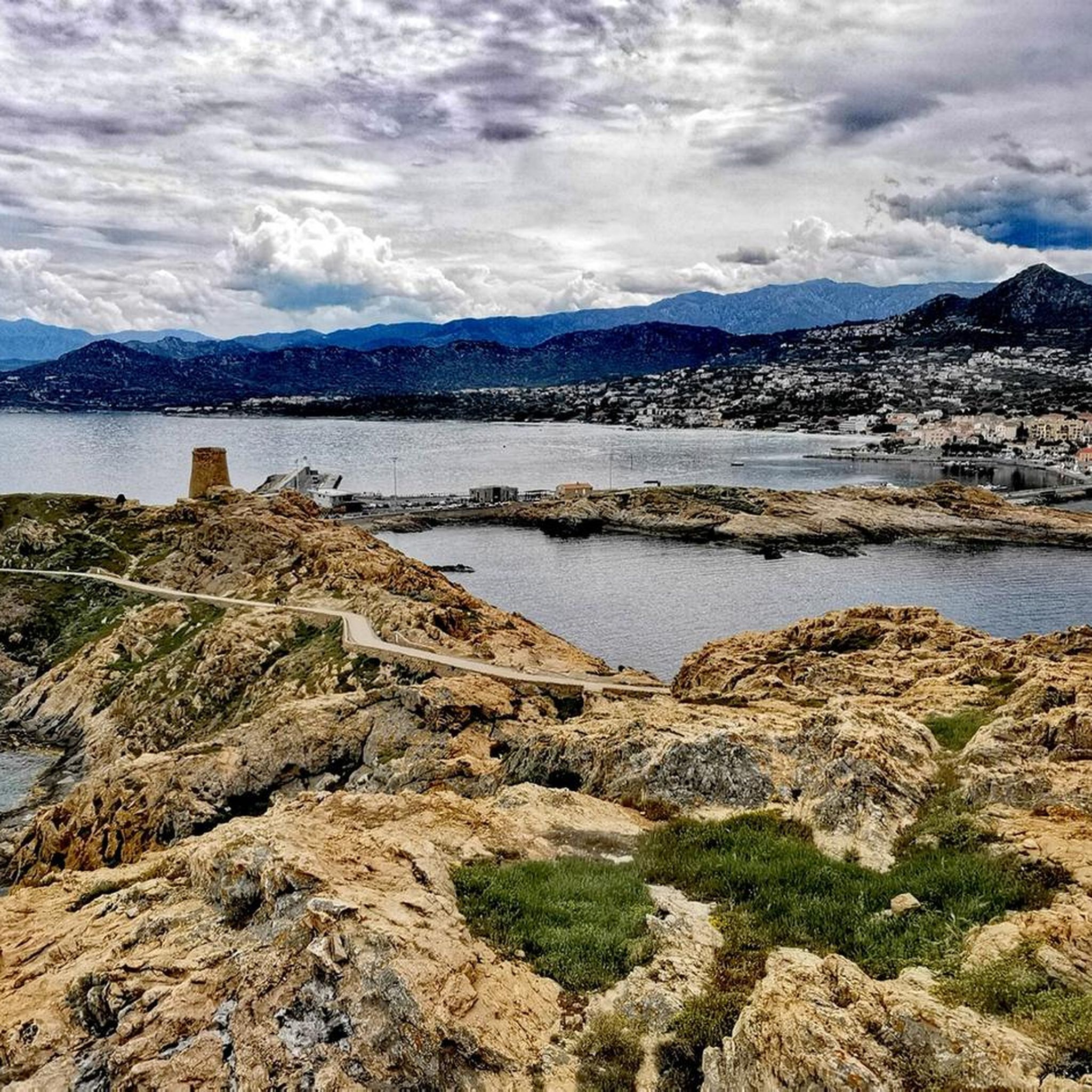
- The most popular natural monuments is View of La Pietra Island, a viewpoint that offers vistas of the red porphyry rocks at the harbor entrance. This island is connected to Corsica by a causeway and has been inhabited since ancient times.
- Another must-see spot is Peace Sculpture, a man-made monument and viewpoint located at an altitude of 1100 meters. It represents mutual aid and solidarity, offering panoramic views of the mountains, Balagne, and the sea.
- Visitors also love Viewpoint with Village Rock, a viewpoint that offers local insights. This spot is appreciated by residents.
- L'Île-Rousse is known for its rocky islands, scenic viewpoints, and wild coastlines. The region offers a variety of natural monuments to see and explore, from geological formations to historical sites integrated into the landscape.
- The natural monuments around L'Île-Rousse are appreciated by the komoot community, with more than 25 upvotes and 9 photos shared by visitors.
Last updated: July 5, 2026
Peace Sculpture
Highlight • Monument
Erected at an altitude of 1100 meters between the Col de Battaglia and the Col de Croce Dolu, the Peace Sculpture, inaugurated on August 14, 1999, represents mutual aid and solidarity, symbolized by five hands - the five continents - united for peace. Realized from the drawing by Arnaud CASANOVA of the Porticcio school, winner of the Corsican schools competition "1,2,3... it's up to you to play - to draw - to peace". It was made in the Brando Quarry by the sculptors Anne-Marie Moretti, Andros, Dom, Pierre Pardon and Mario Sabaty. From its location we discover the Ghjunsani, the mountains, the Balagne, the sea and the horizon, a symbol of interiority and openness.
Translated by Google •
Tip by

View of La Pietra Island
Highlight • Viewpoint
Translated by Google •
Tip by

Sign up now to discover places like this
Get recommendations on the best single tracks, peaks, & plenty of other exciting outdoor places.
Sign up for free
La Punta Spano (La Punta Spanu)
Highlight • Natural Monument
Translated by Google •
Tip by

Viewpoint with Village Rock
Highlight • Viewpoint
Translated by Google •
Tip by

Panoramic View from Praioli Rock
Highlight • Viewpoint
Translated by Google •
Tip by

Start today with a free account
Your next adventure awaits.
Login or Signup
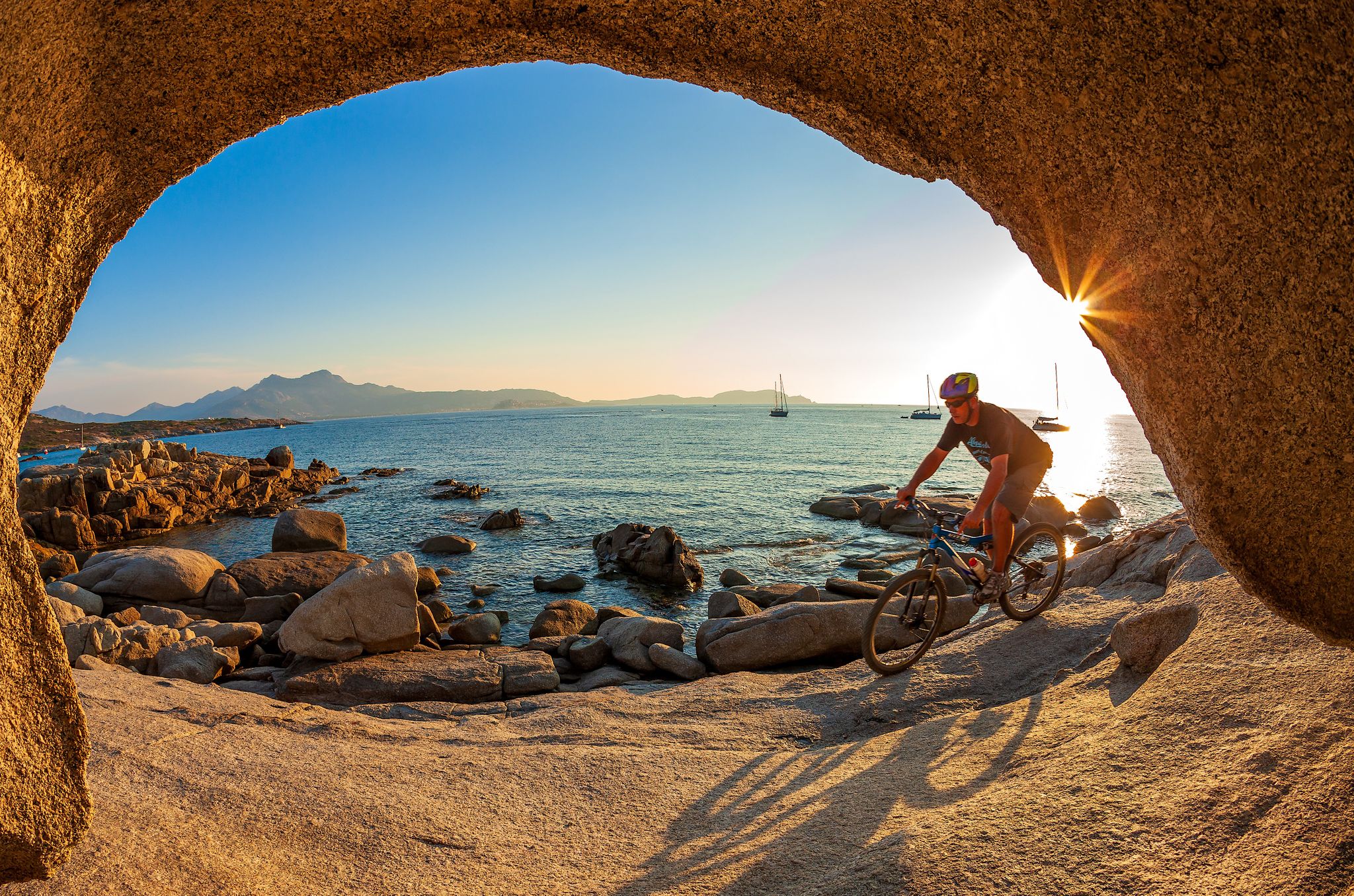
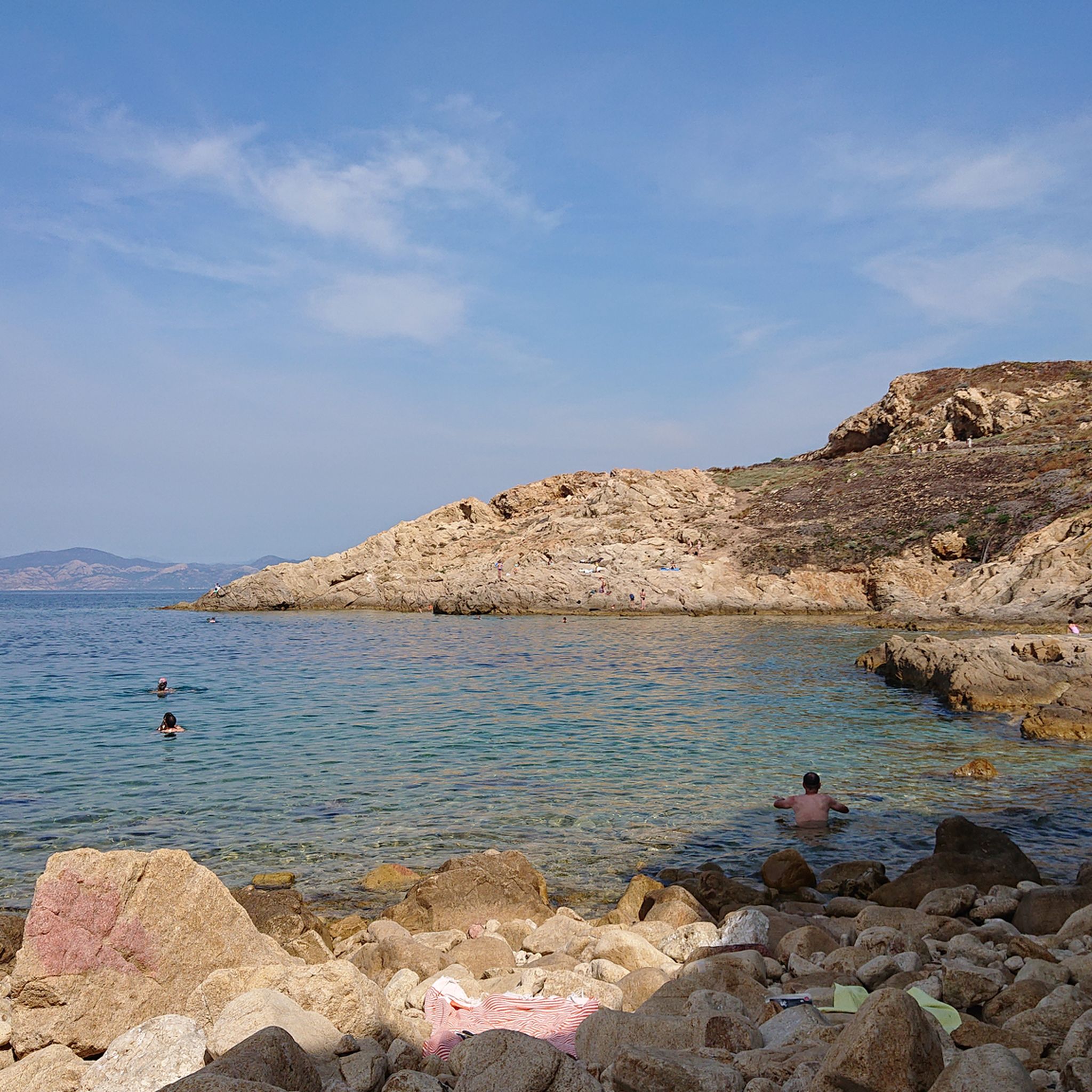
Other adventures around L'Île-Rousse

Tips from the Community

mega super beautiful here. is worth a visit.
0
0

The former fishing village was expanded into a trading port with city fortifications by Pascal Paoli in 1759 during the Corsican Republic in order to have a Corsican port opposite Calvi, which was still Genoese at the time. The late founding of the town is still clearly visible due to the division of the town area into regular street squares. The official language was Italian until 1848.
1
1
The region has been inhabited since the 5th to 3rd millennium BC. Around 1000 BC, the town of Agila existed there, which was dependent on the city of Tyros (Phoenicia). The Romans maintained a base called Rubico Rocega at this location during their rule over Corsica until the 4th century AD. After that, the current urban area was almost uninhabited except for a few fishermen and farmers due to its proximity to the coast and the resulting vulnerability to enemy attacks. It was not until the 16th century that residents of the nearby town of Santa-Reparata-di-Balagna opened the first shops near the coast for trade with neighboring communities by sea.
1
0
L’Île-Rousse got its name from the red porphyry rocks in front of the harbor entrance – the Île de la Pietra. This island is now connected to the island of Corsica by a causeway.
1
0
L’Île-Rousse is an attractive town with buildings full of charm, but above all because of the Pietra Islands. These colorful rocky islands seem to guide the boats to the coast. Here are all our tips on how to get to the La Pietra peninsula (now that there is a road) and climb up to the Genoese tower and the La Pietra lighthouse.
1
1

We were sent up here by a very friendly resident. A highlight for locals too.
0
0

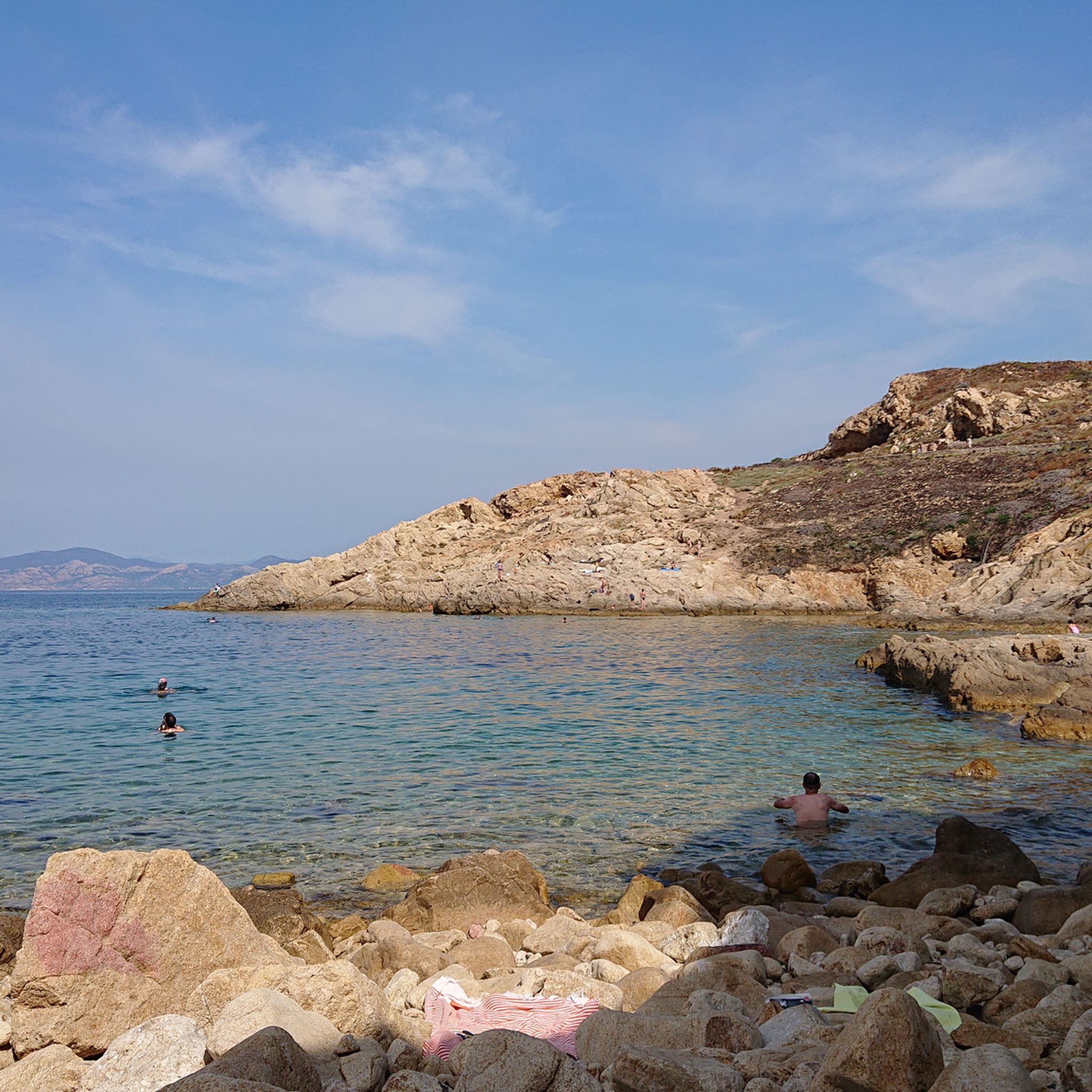
With its rocky coastline and its spectacular tangle of large crystalline rocks, this stretch of wild coast is a pleasure to explore. With its flora, fauna, beaches and a Genoese tower, it has a lot to offer.
3
0

Translation of the explanation board: Erected at an altitude of 1100 meters between the Col de Battaglia and the Col de Croce Dolu, the Peace Sculpture, inaugurated on August 14, 1999, represents mutual aid and solidarity, symbolized by five hands - the five continents - united for peace. Realized from the drawing by Arnaud CASANOVA of the Porticcio school, winner of the Corsican schools competition "1,2,3... it's up to you to play - to draw - to peace". It was made in the Brando Quarry by the sculptors Anne-Marie Moretti, Andros, Dom, Pierre Pardon and Mario Sabaty. From its location we discover the Ghjunsani, the mountains, the Balagne, the sea and the horizon, a symbol of interiority and openness.
1
1
Frequently Asked Questions
What are some of the most notable natural landmarks to visit around L'Île-Rousse?
L'Île-Rousse is known for its diverse natural heritage. Key natural monuments include the iconic View of La Pietra Island, famous for its red porphyry rocks and lighthouse, and La Punta Spano (La Punta Spanu) with its spectacular crystalline rocks and wild coastline. Beyond these, the region offers the botanical wonders of Parc de Saleccia and the rugged landscapes of the Désert des Agriates.
Are there family-friendly natural attractions in L'Île-Rousse?
Yes, several natural attractions are suitable for families. The View of La Pietra Island is considered family-friendly, offering scenic walks and a tourist train to the lighthouse. Parc de Saleccia, a botanical garden, also provides various activities and events for children, making it a great family outing. Additionally, many of the local beaches, like Plage du Napoléon, offer amenities and calm waters for families.
What kind of geological features can I expect to see in the natural monuments around L'Île-Rousse?
The region is particularly famous for its distinctive red porphyry rocks, which gave L'Île-Rousse its name. These are prominently visible at the View of La Pietra Island. At La Punta Spano (La Punta Spanu), you can explore a spectacular tangle of large crystalline rocks along its wild coastline. The overall landscape showcases a rugged and beautiful natural geology.
What historical elements are integrated into the natural monuments of L'Île-Rousse?
Many natural sites in L'Île-Rousse have a rich historical context. The View of La Pietra Island is home to a 19th-century lighthouse and a 16th-century Genoese tower, with traces of human life dating back over 6000 years BC. La Punta Spano (La Punta Spanu) also features a Genoese tower amidst its natural beauty, offering a blend of natural and historical exploration.
Are there opportunities for hiking or other outdoor activities near these natural monuments?
Absolutely. The area around L'Île-Rousse offers numerous outdoor activities. For running, you can find trails like the Genoese Tower of La Pietra loop. Road cycling enthusiasts can explore routes such as the Balagne Villages Loop. If you prefer gravel biking, options like the View of Giunchetu Bay – Speloncato loop are available. You can find more details on these and other routes in the Running Trails around L'Île-Rousse, Road Cycling Routes around L'Île-Rousse, and Gravel biking around L'Île-Rousse guides.
What are some less crowded natural places to visit for tranquility?
For those seeking peace and quiet, Ostriconi Beach is an untouched stretch of shoreline known for its seclusion, ideal for solitary walks. The Désert des Agriates, while easily accessible, offers a wild and remote landscape with pristine beaches like Saleccia and Lotu, perfect for adventurous souls looking to escape the crowds.
Where can I find panoramic views of the region?
Several spots offer breathtaking panoramic views. The path to the lighthouse on View of La Pietra Island provides vistas of the Balagne coastline and the hinterland. The Peace Sculpture, located at an altitude of 1100 meters, offers extensive views of the mountains, Balagne, and the sea. Additionally, the Panoramic View from Praioli Rock requires a small climb but rewards visitors with splendid views of the hamlet of Praioli, the sea, and the mountains.
Are there any natural monuments that are particularly good for swimming?
The coastline around L'Île-Rousse is dotted with beautiful beaches perfect for swimming. Plage de Bodri and Plage de Ghjunchitu are celebrated for their crystal-clear waters and fine sand. Ostriconi Beach also boasts turquoise waters, while Plage de Lozari offers a clean sea in a more undeveloped natural setting. These beaches provide excellent opportunities for a refreshing dip.
What is the best time of year to visit the natural monuments around L'Île-Rousse?
The best time to visit the natural monuments around L'Île-Rousse is generally during the spring (April-June) and early autumn (September-October). During these periods, the weather is pleasant for outdoor activities, hiking, and exploring the beaches, with fewer crowds than in the peak summer months. The vibrant colors of the landscape, especially the red rocks, are particularly striking during sunset.
What is the Désert des Agriates and how can I explore it?
The Désert des Agriates is a significant natural area accessible from L'Île-Rousse, characterized by its wild, scrubland landscape rather than a true desert. It offers spectacular views and pristine, often remote, beaches like Saleccia and Lotu. You can explore it through cycling, 4x4 tours, or by taking boat trips to access its paradisiacal shores, making it ideal for adventurous visitors.
Is Parc de Saleccia worth visiting for nature lovers?
Yes, Parc de Saleccia is a must-visit for nature lovers and botany enthusiasts. Located about 4 km from L'Île-Rousse, this 7-hectare botanical garden showcases the rich flora of Corsica and the Mediterranean basin. It features trails winding through vibrant Mediterranean plant life, offering a peaceful environment for leisurely walks and a deeper understanding of the local ecosystem.
How can I reach the Île de la Pietra lighthouse?
The Île de la Pietra, also known as the Red Islands, is connected to L'Île-Rousse by a causeway, making it easily accessible. You can enjoy a scenic walk along the causeway and up to the 19th-century Pietra Lighthouse. For those who prefer not to walk, a small tourist train also provides convenient access to the lighthouse, allowing everyone to enjoy the panoramic views.
Most popular attractions around L'Île-Rousse

Get inspired with the komoot mobile app


Explore more
Extend your search for the best caves by checking out these guides of the top ones around L'Île-Rousse:
