Top 6 Natural Monuments around Bazentin
Best natural monuments around Bazentin are primarily characterized by their historical significance, particularly relating to World War I. The landscape in this area of the Somme department in France features regrown woods and craters, which served as critical sites during the Battle of the Somme. These natural features offer a unique opportunity to connect with the past and understand the terrain over which historical events unfolded. Visitors can explore 6 natural monuments that blend natural resilience with indelible marks of…
Last updated: October 8, 2026
Lochnagar Crater
Highlight • Monument
Translated by Google •
Tip by

Dorsetshire Regiment Monument
Highlight • Monument
Translated by Google •
Tip by

Sign up now to discover places like this
Get recommendations on the best single tracks, peaks, & plenty of other exciting outdoor places.
Hawthorn Ridge Crater (Battle of the Somme, First World War)
Highlight • Natural Monument
Translated by Google •
Tip by
La Boisselle Mine Crater
Highlight • Historical Site
Translated by Google •
Tip by
Mametz Wood Welsh Division Memorial
Highlight • Monument
Translated by Google •
Tip by

Start today with a free account
Your next adventure awaits.




Tips from the Community

The Cratère de Lochnagar, an impressive war memorial, was created by a huge mine blown up by the British Royal Engineers on 1 July 1916, as part of the Battle of the Somme. The explosion marked the beginning of the battle and left a crater 90 metres in diameter and 25 metres deep. Interestingly, the crater was named after Lochnagar Street, the trench from which the tunnel was dug. The crater is now a preserved site of remembrance and a religious service is held there every year on 1 July in memory of those who died.
8
0

The 38th Welsh Division Memorial, unveiled in 1987, is dedicated to the soldiers of the 38th Welsh Division who fell at the Battle of Mametz Wood in July 1916, at the start of the Battle of the Somme, and "marks their sacrifice for Freedom" with a red dragon, the symbol of Wales. With its wings in motion, the dragon, facing Mametz Wood, tears through barbed wire with its claws. On July 10, 1916, during the Battle of the Somme, the 38th Welsh Division was forced to capture Mametz Wood, a stronghold of German resistance that was preventing any eastward advance of the British Army. The wood was taken after fierce bayonet fighting, at the cost of very heavy losses, on July 12, 1916. For most of the soldiers, it was their baptism of fire: 4,000 men were put out of action, including 600 killed and 600 missing. Having lost a quarter of its strength, the 38th Welsh Division was relieved after a week and did not participate in a major offensive again until July 31, 1917.
0
0

Just off the road to Bapaume, is the site of the grand mine. At 7am on the 1st July 1916 the biggest explosion in history cause this hole o e of several that marked the start of the Battle of the Somme. Well worth a visit.
0
0

Very moving place of memory. Never forget 💮.
1
0

Enormous crater! Should you take with you on the tour: few are so well preserved and accessible.
2
0
An impressive example of the power of destruction: 100 years later, you still stand at this crater and can't imagine what really happened here. Well documented and can also be visited by groups, the area has space for stay and exchange.
3
0

Lochnagar Crater is the largest man-made World War I mine crater on the Western Front, created by a massive explosion that marked the start of the Battle of the Somme in 1916. You can tour the crater on a walk , discover history through information panels and pay tribute to the men and women who suffered during the Great War. The Lochnagar Crater Foundation organizes annual commemoration ceremonies and maintains the site as a memorial.
5
0
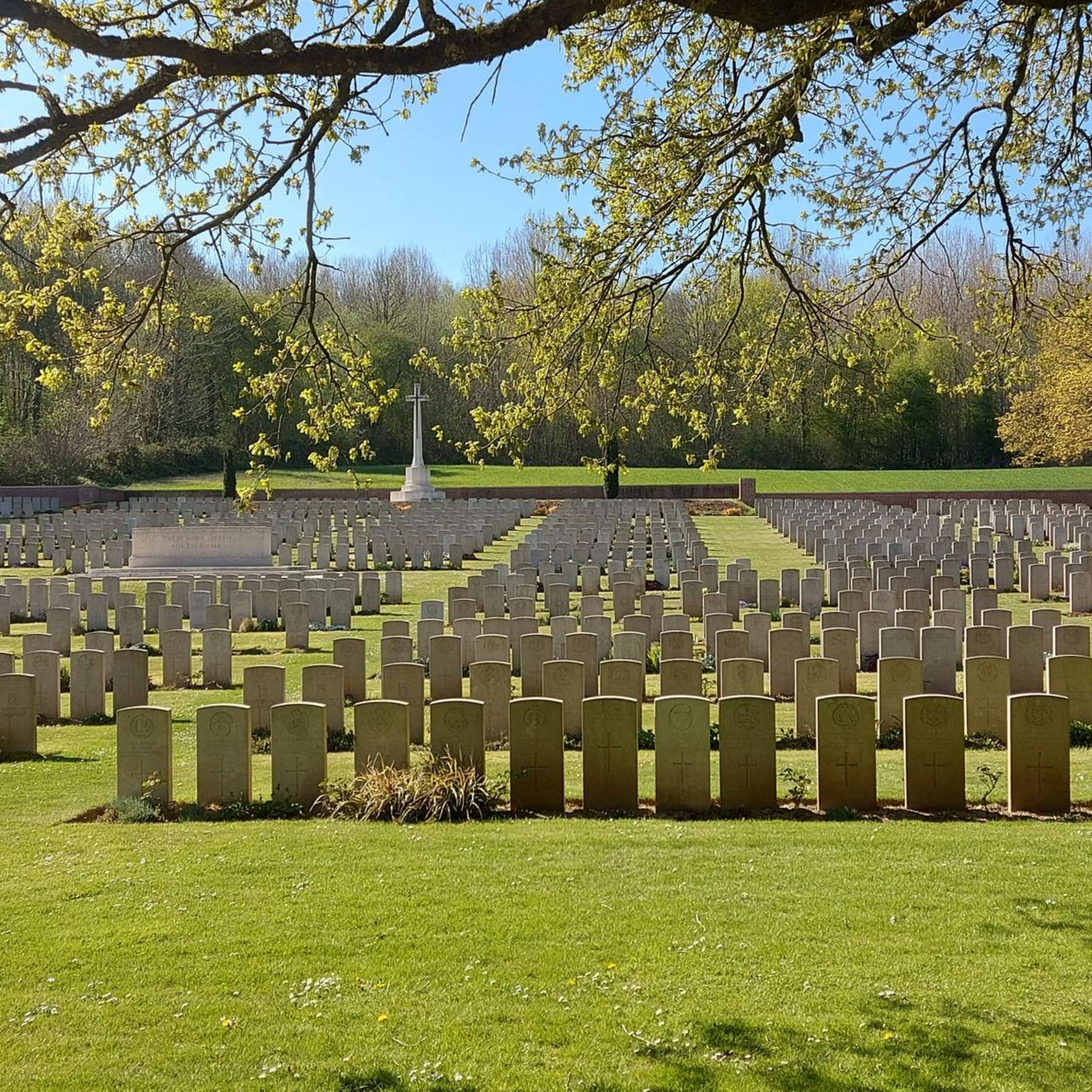
Lochnagar Crater is the largest artificial mine crater of the First World War on the Western Front. It was created by a massive explosion of 60,000 pounds of explosives under German lines on July 1, 1916, the first day of the Battle of the Somme. You can tour the crater and discover its history thanks to the information panels. You can also pay your respects to fallen soldiers by visiting the memorial cross and memorial plaques.
2
0
Frequently Asked Questions
What makes the natural monuments around Bazentin unique?
The natural monuments in the Bazentin area are unique because they are primarily historical sites from World War I, particularly the Battle of the Somme, that have been reclaimed and integrated into the natural landscape. These include immense mine craters and regrown woods, offering a poignant blend of historical reflection and natural resilience.
What is the most significant natural monument to visit for its historical impact?
The Lochnagar Crater is arguably the most significant. It was formed by a massive mine explosion on July 1, 1916, marking the start of the Battle of the Somme. This crater, 90 meters in diameter and 25 meters deep, is now a preserved site of remembrance and offers a powerful connection to the past.
Are there any family-friendly natural monuments in the Bazentin area?
Yes, several natural monuments are suitable for families. Both the Lochnagar Crater and La Boisselle Mine Crater are considered family-friendly. They offer accessible paths and information panels that help visitors of all ages understand their historical significance.
What kind of natural features can I expect to see at these sites?
You will primarily encounter large, dramatic mine craters that have been naturally reforested or covered with vegetation over the decades. These sites showcase how nature reclaims landscapes, creating unique geological features born from historical events. The surrounding areas also feature regrown woods and fields.
What outdoor activities can I do near these natural monuments?
The region offers various outdoor activities. You can find numerous cycling routes, such as those detailed in the Cycling around Bazentin guide, or explore mountain biking trails from the MTB Trails around Bazentin guide. There are also running trails, including routes like the 'Fricourt Salient and Lochnagar Crater Loop' found in the Running Trails around Bazentin guide, allowing you to combine historical exploration with physical activity.
Is there a natural monument that highlights the immediate aftermath of a WWI battle?
The Hawthorn Ridge Crater (Battle of the Somme, First World War) provides a stark reminder of the immediate aftermath. This mine crater, located near Beaumont-Hamel, bears witness to the tragic events of July 1, 1916, when a mine exploded prematurely, leading to heavy losses. Today, vegetation has reclaimed the site, offering a powerful visual of nature's recovery.
How long should I plan for a visit to the natural monuments?
Visiting individual crater sites like Lochnagar or La Boisselle can take anywhere from 1 to 2 hours, allowing time to walk around, read information panels, and reflect. If you plan to visit multiple sites and explore the surrounding areas or nearby trails, you could easily spend a full day or more.
What is the best time of year to visit the natural monuments around Bazentin?
Spring and autumn generally offer the most pleasant conditions for visiting, with milder temperatures and beautiful scenery as nature changes. Summer can also be good, but be prepared for potentially warmer weather. Winter visits are possible, but paths might be muddy, and some facilities may have reduced hours.
Are dogs allowed at the natural monument sites?
While specific regulations can vary by site, many outdoor historical sites in the Somme region, including the crater memorials, are generally dog-friendly, especially if dogs are kept on a leash. It's always advisable to check local signage upon arrival for any specific restrictions.
Are there any natural monuments that are also significant memorials?
Yes, the natural monuments in this region are inherently memorials. For example, the La Boisselle Mine Crater, also known as 'Lochnagar Crater' in some contexts, features memorial crosses and plaques dedicated to fallen soldiers, making it a site of both natural interest and profound historical reverence.
What do visitors enjoy most about the natural monuments in Bazentin?
Visitors often express deep appreciation for the profound historical context combined with the tranquility of nature. They value the opportunity to connect with the past, understand the scale of events like the Battle of the Somme, and witness how nature has healed and reclaimed these landscapes. The informative panels and preserved sites contribute to a moving and educational experience.
Most popular routes around Bazentin
Most popular attractions around Bazentin

Get inspired with the komoot mobile app


Explore more
Extend your search for the best caves by checking out these guides of the top ones around Bazentin:
