Top 20 Natural Monuments around Ötingen
Natural monuments around Ötingen are characterized by a diverse landscape, situated near the northern edge of the Nördlinger Ries, a significant meteorite crater. This geological feature has shaped the region, offering unique formations and varied terrain. The area provides numerous natural attractions, from elevated viewpoints to historical caves and tranquil ponds. These sites allow for exploration of the region's natural and geological heritage.
Best natural monuments around Ötingen
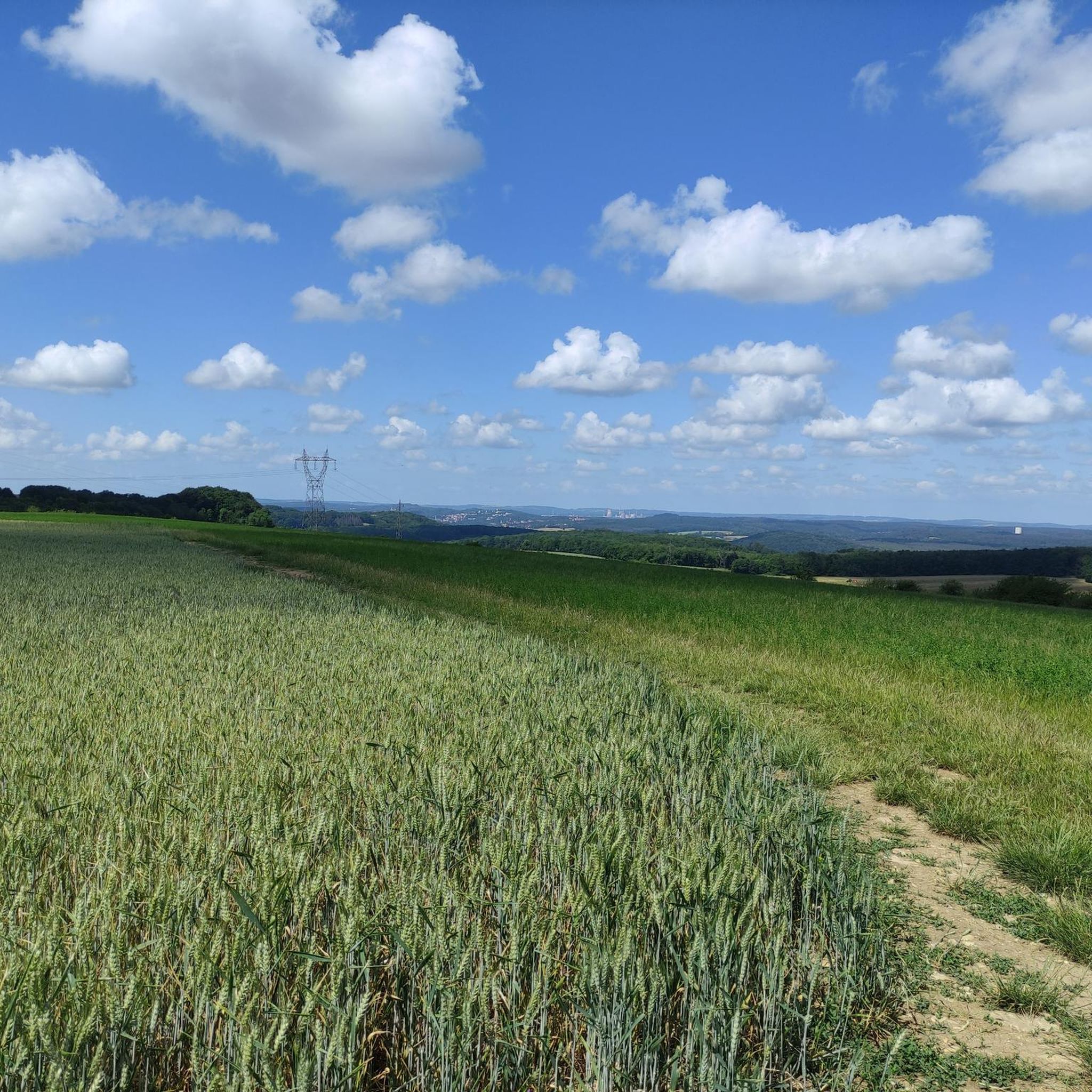
- The most popular natural monuments is Panoramic Platform at Barrois Quarry,…
Last updated: July 4, 2026
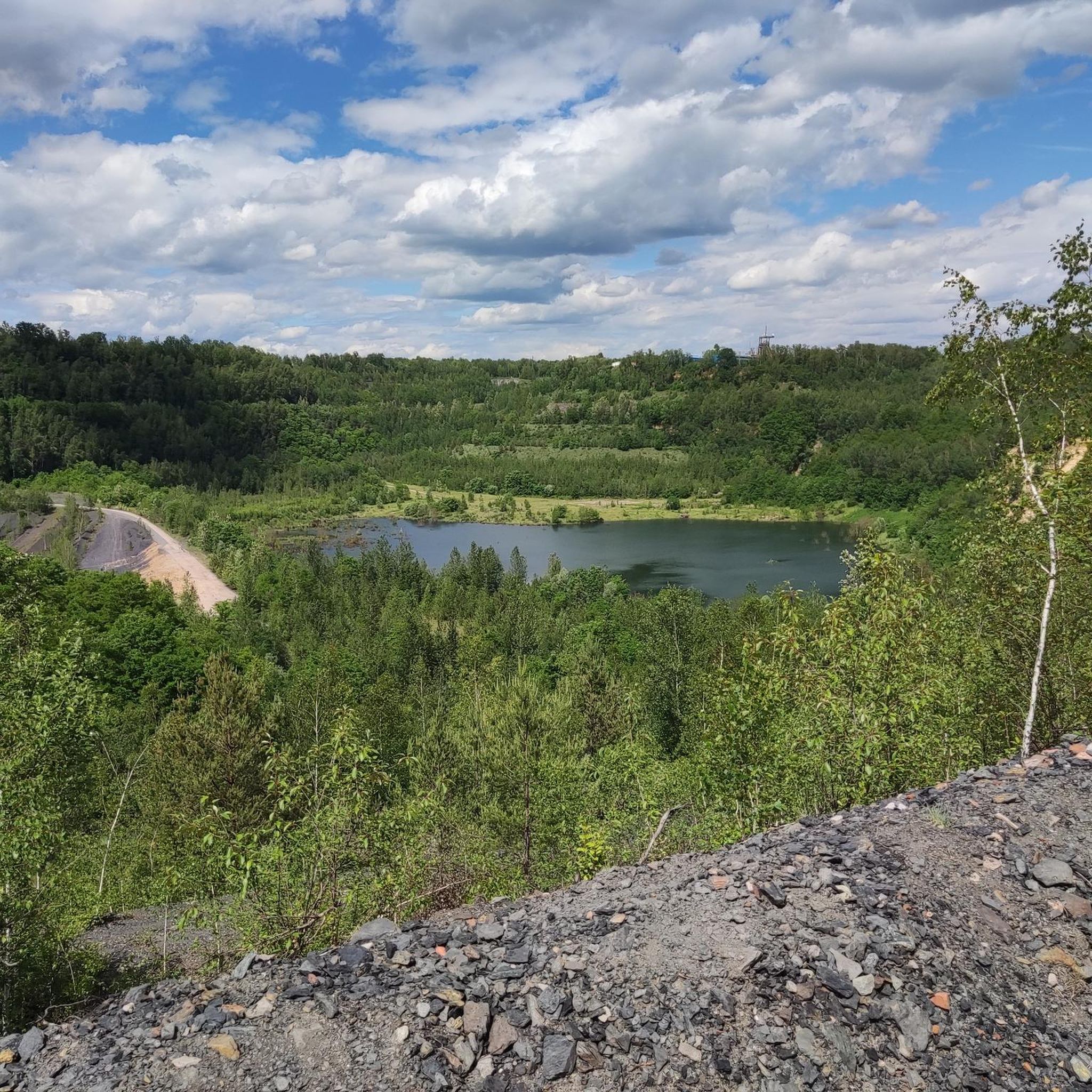
Panoramic Platform at Barrois Quarry
Highlight • Viewpoint
Translated by Google •
Tip by

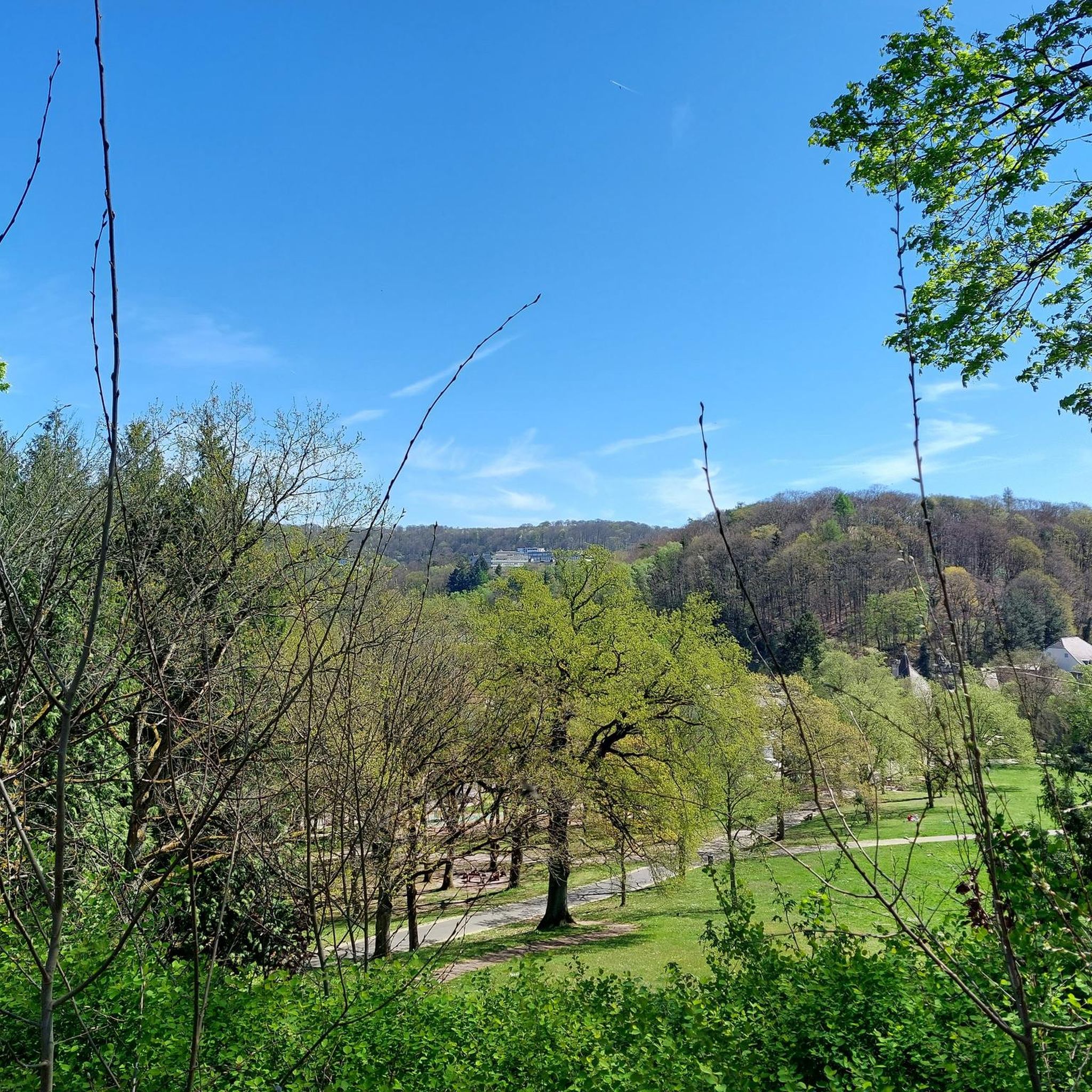
Spicheren Memorial and Europastein
Highlight • Monument
Translated by Google •
Tip by

Sign up now to discover places like this
Get recommendations on the best single tracks, peaks, & plenty of other exciting outdoor places.
Sign up for free
Mithras Cave (Heathen Chapel) on the Halberg
Highlight • Cave
Translated by Google •
Tip by

Schankenbrunnen Fountain
Highlight • Natural Monument
(whereby it corresponds to the art of poetry / if this 'source' is a 'well'): …
Translated by Google •
Tip by

Deutschmühlen Pond
Highlight • Lake
Translated by Google •
Tip by

Sign up for free to discover even more natural monuments around Ötingen.
Sign up for free
Already have an account?
Start today with a free account
Your next adventure awaits.
Login or Signup
Tips from the Community


Very nice for local recreation.
0
0

"The little water sprite is annoyed by the winter preparations, so he decides to go on a trip alone. The raft he's traveling on is difficult to steer in the storm without his friend, the beaver. He's lucky in his misfortune and only sprains his ankle when the raft crashes into a bridge pillar. Water sprite father and the Moor man finally find him, and afterward, despite the winter preparations, the family goes on a whole day's vacation. A wonderful book to brighten up dreary autumn days. The story doesn't shy away from the boring and unpleasant aspects of autumn and children's everyday life, nor does it omit the parents' distress in finding their child, nor does the little water sprite's feeling of not knowing what to do alone in the rain. All of this is brought to a happy and plausible ending and inspires trust in the parents. The atmospheric illustrations by Daniel Napp complement the text and make the already vivid language almost luminous, inviting you to explore the images." (Review by Antonia Mentel for the Borromäusverein)
1
0
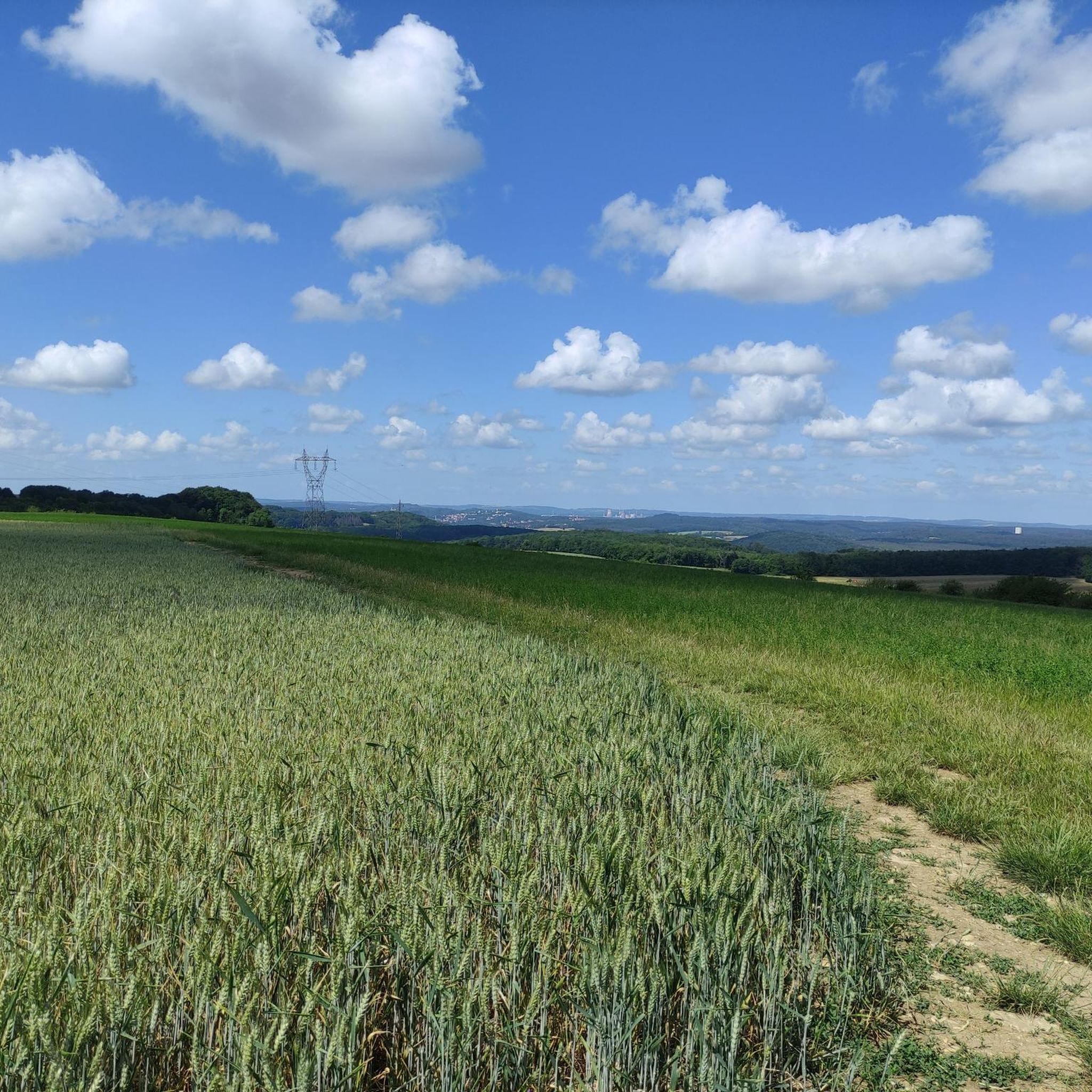
When we see a monument like this, which we also encounter here in Spicheren, we are accustomed to thinking first of the two world wars that shook Europe in the first half of the 20th century. However, the history of the memorial located on this site goes back several decades: It commemorates the victims of the 1870/71 war waged by France against Germany. France's military defeat at the hands of the forces of the North German Confederation (led by Prussia), with the participation of the southern German states, led directly to the founding of what was then the German Empire.
0
0

A place steeped in history! The Battle of Spichern (also known as the Battle of Speicher, Battle of Spicheren, in France also known as the Bataille de Forbach) on August 6, 1870 was a battle of the Franco-Prussian War. It was named after its location, the village of Spichern near Forbach, not far from the German-French border near Saarbrücken.
1
1
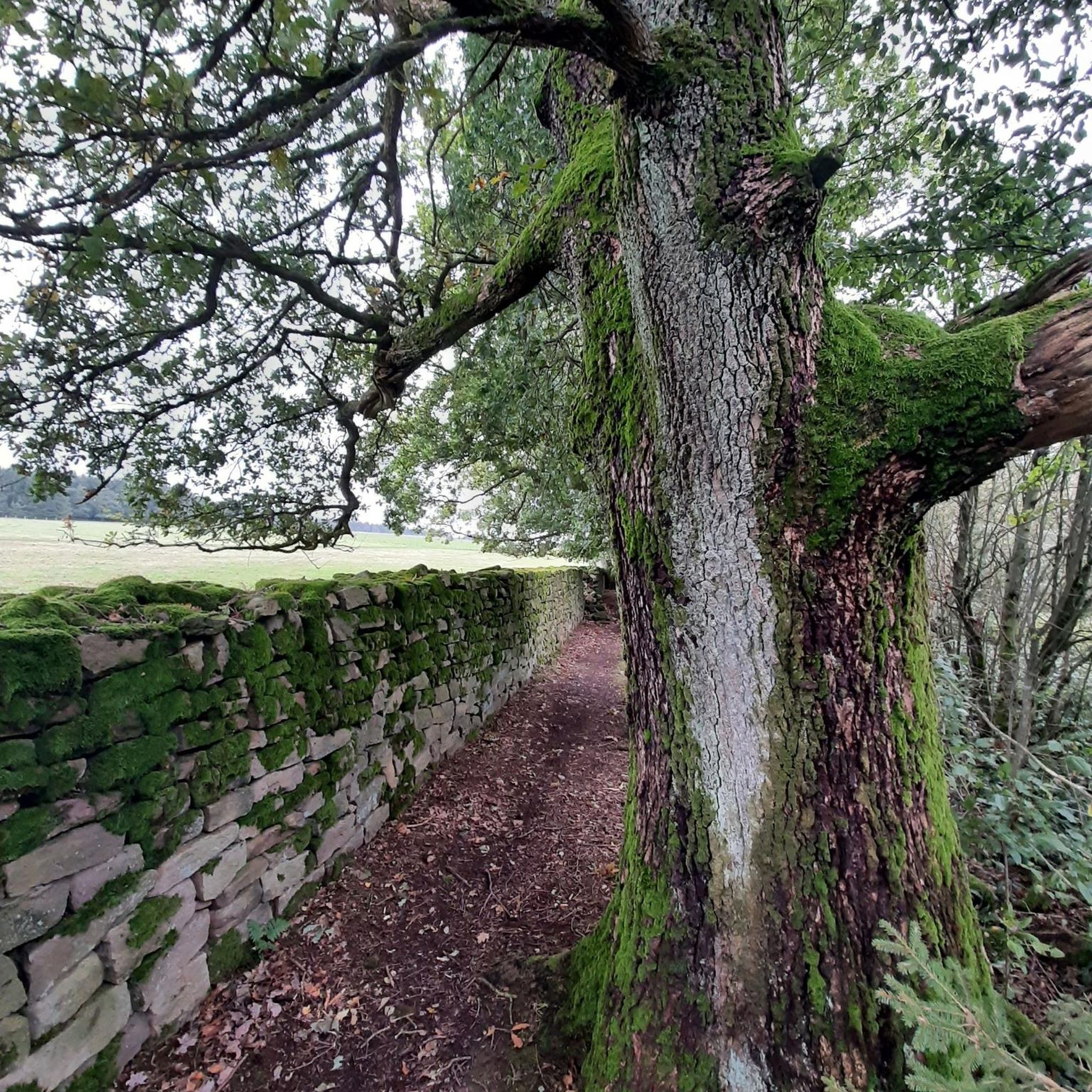
The three associated water cascades were probably created by Carl Ferdinand Stumm in the 19th century.
0
0
Mithraeum (Latin mithraeum, plural mithraeen) is the name given to the temples of the Mithras cult. Mithraeums were usually built underground or carved into rock. A relatively small cult room was sufficient for the Mithras communities, which had only one to two dozen members. The largest known mithraeum had space for 80 believers. In contrast to Christianity, where larger churches were built in larger communities, in Mithraism the number, not the volume, was increased. At the height of the Mithras cult in the 3rd century, there were supposedly 800 mithraeums in Rome alone. However, since the individual mithraeums were usually not in use for long, this high number says nothing about the number of followers. To date, the remains of over 1000 mithraeums have been archaeologically proven throughout the entire Roman Empire.
1
0

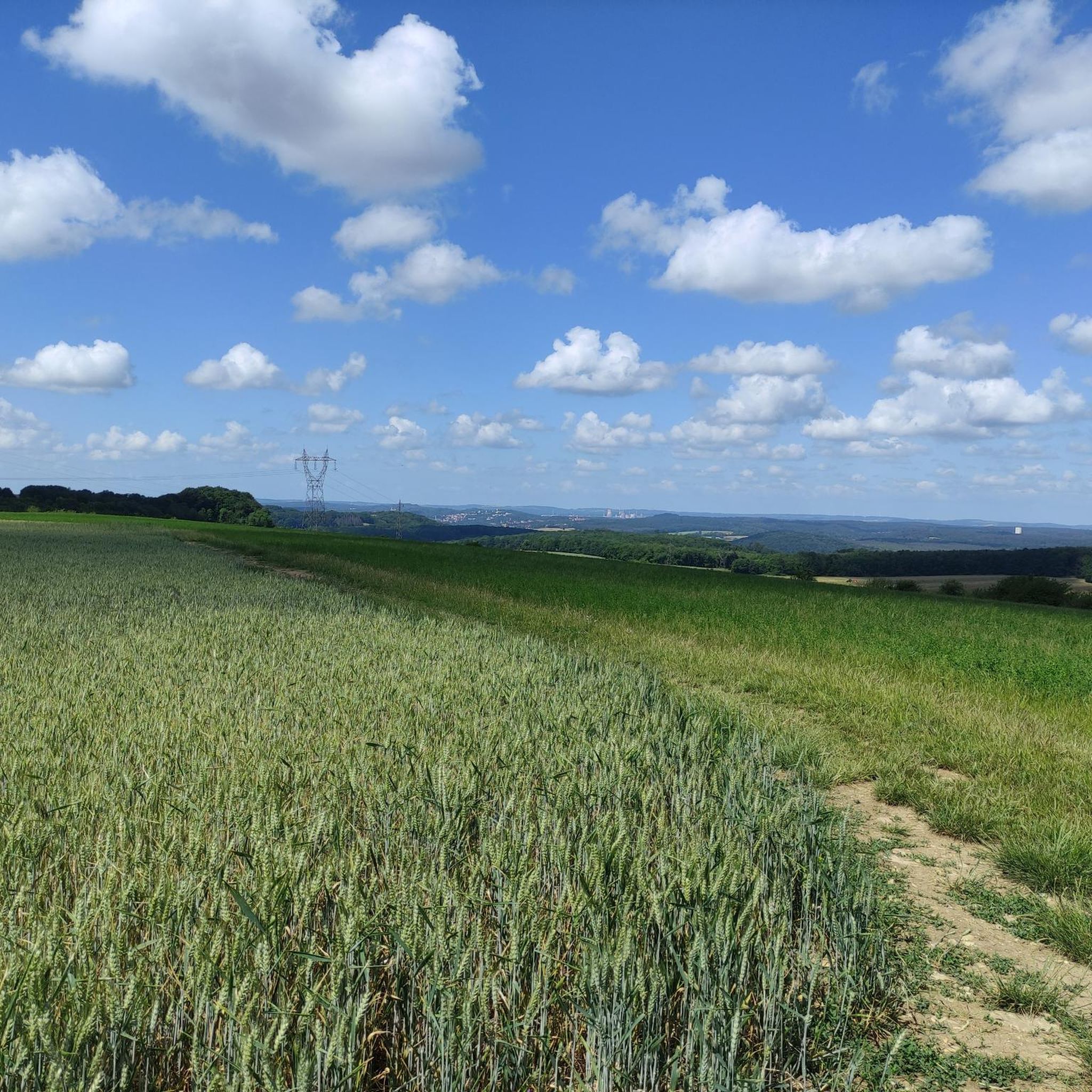
For me this is one of the sensations in Saarbrücken! The cave and the recesses created later are still in great condition. There is also a bench under a ledge. If only it weren't for the car noise (like it was 2,000 years ago). "In pre-Christian and Roman times, a Mithraic cult was practiced on the Halberg - by the Gallo-Romans who lived here or the Roman soldiers of the nearby garrison. For this purpose, they created a barrel-vaulted mithraeum in the sandstone on the western slope of the Halberg, which is known in older literature as the "Heidenkapelle " is called. After Christianization in the 6th century, the grotto was incorporated into Christian worship. This means that the Halberg is possibly the oldest Christian place of worship in the region. The remains of this site can still be admired here and are in a relatively well-preserved condition." https://de.wikipedia.org/wiki/Halberg_(Saarland)
3
0
Frequently Asked Questions
What types of natural monuments can I explore around Ötingen?
The Ötingen region offers a diverse range of natural monuments. You'll find significant groves and tree avenues, such as the Feldeichenhain mit begleitendem Gehölz (Field Oak Grove) and the Friedrichsruher Lindenallee mit Umgebung (Friedrichsruhe Lime Avenue). Additionally, there are individual protected trees, including ancient oaks, a copper beech, and perry pear trees. Beyond these, the area features unique geological formations like the Nördlinger Ries meteorite crater, along with viewpoints, historical caves, and tranquil ponds.
Are there any historical or cultural sites integrated with the natural monuments?
Yes, several natural monuments in Ötingen also hold historical significance. The Mithras Cave (Heathen Chapel) on the Halberg is a notable example, being one of the few preserved Mithras temples from Roman times in Germany. The Spicheren Memorial and Europastein combines a natural viewpoint with a site commemorating the Battle of Spichern. You can also visit the Schankenbrunnen Fountain, which is a natural spring with historical context.
What are some family-friendly natural monuments in the Ötingen area?
Many natural monuments around Ötingen are suitable for families. The Panoramic Platform at Barrois Quarry offers magnificent views and trails for exploration. The Spicheren Memorial and Europastein provides a large area with expansive views and a relaxing atmosphere. The Deutschmühlen Pond is a beautiful spot for a leisurely visit, and the Schankenbrunnen Fountain is also considered family-friendly.
Where can I find scenic viewpoints among the natural monuments?
For breathtaking vistas, visit the Panoramic Platform at Barrois Quarry, which offers great views and trails. Another excellent spot is the Spicheren Memorial and Europastein, known for its expansive views and serene environment.
What kind of natural features, beyond specific monuments, can be found in the Ötingen region?
Beyond the designated natural monuments, the broader Ötingen region is shaped by the Nördlinger Ries, a significant meteorite crater, which contributes to its unique geological formations and varied terrain. You can also explore picturesque natural attractions like the Pfarrklinge Trail, Hergstbach Valley, and Ohrntal Valley, which feature scenic gorges, forests, and waterways.
Are there opportunities for hiking or other outdoor activities near the natural monuments?
Yes, the area around Ötingen's natural monuments is excellent for outdoor activities. You can find numerous running trails, such as the 'Forbach Waterworks (1911) – Restaurant Le Schlossberg loop from Forbach' or the 'Red Sand Descent loop from Forbach'. For cycling, explore routes like the 'Saar River at Saargemünd (Sarreguemines) – The Saar loop from Forbach' or the 'Mine Wendel – La Mine, Carreau Wendel loop from Marienau'. For more options, check out the Running Trails around Ötingen, Cycling around Ötingen, and Road Cycling Routes around Ötingen guides.
What do visitors enjoy most about the natural monuments in Ötingen?
Visitors frequently praise the magnificent views, especially from spots like the Panoramic Platform at Barrois Quarry. The historical depth of sites like the Mithras Cave is also highly appreciated. Many enjoy the relaxing atmosphere and the opportunity to be in nature, often describing the areas as beautiful and inviting for exploration.
What is the best time of year to visit the natural monuments in Ötingen?
While the natural monuments can be enjoyed year-round, spring and autumn offer particularly pleasant conditions for exploring, with mild temperatures and beautiful foliage. Summer is ideal for longer days and outdoor activities, while winter can provide a serene, snow-covered landscape, though some paths might be less accessible.
Are there any less crowded natural monuments or hidden gems to discover?
Beyond the more popular spots, Ötingen's natural monuments include several individual protected trees, such as groups of oak trees, a single copper beech, and perry pear trees. These offer quieter spots for reflection and a deeper connection to the region's natural history. The broader region's gorges and valleys, like the Hergstbach Valley, also provide opportunities for peaceful exploration away from larger crowds.
How long should I plan for a visit to the natural monuments around Ötingen?
The duration of your visit depends on how many sites you wish to see. For a quick stop at a viewpoint like the Panoramic Platform at Barrois Quarry or the Schankenbrunnen Fountain, 30 minutes to an hour might suffice. To explore a larger area like the Friedrichsruher Lindenallee or combine multiple sites with a hike, plan for a half-day or even a full day.
Are the natural monuments accessible by public transport, or is a car recommended?
While some natural monuments might be reachable via local bus routes, having a car generally offers more flexibility to explore the diverse and sometimes more remote locations of Ötingen's natural monuments and surrounding natural areas. Parking information is often available locally for specific sites.
Can I bring my dog to the natural monuments?
Generally, dogs are welcome on trails and in natural areas around Ötingen, including many natural monuments. However, it's always best to keep them on a leash, especially in protected areas, and to check for specific regulations at individual sites to ensure a pleasant visit for everyone.
Most popular routes around Ötingen
Most popular attractions around Ötingen

Get inspired with the komoot mobile app


Explore more
Extend your search for the best caves by checking out these guides of the top ones around Ötingen:
