Top 13 Natural Monuments around Coignières
Best natural monuments around Coignières showcase a rich natural heritage, offering diverse landscapes and recreational opportunities. The area features interconnected woodlands, wetlands, ponds, and historic canals like the Rigoles Royales, originally built to supply water to the Palace of Versailles. These spaces provide accessible natural environments, valued for their ecological importance and historical significance. Coignières' terrain includes forest massifs, agricultural lands, and river sources, contributing to its biodiversity.
Best natural monuments around Coignières
- The most popular natural monuments is Vaux‑en‑Cernay…
Last updated: June 20, 2026
Rompu Pond
Highlight • Lake
Translated by Google •
Tip by

Vaux‑en‑Cernay Lake
Highlight • Lake
ideal for a picnic
Translated by Google •
Tip by

Sign up now to discover places like this
Get recommendations on the best single tracks, peaks, & plenty of other exciting outdoor places.
Sign up for free
Étang de Saint-Hubert
Highlight • Lake
Translated by Google •
Tip by

Rock Formations Near Maincourt-sur-Yvette
Highlight • Natural Monument
Translated by Google •
Tip by

Étang des Noës
Highlight • Lake
Translated by Google •
Tip by

Sign up for free to discover even more natural monuments around Coignières.
Sign up for free
Already have an account?
Start today with a free account
Your next adventure awaits.
Login or Signup
Tips from the Community

The turtle head welcomes you at the end of the hike with its two big, friendly eyes!
0
0

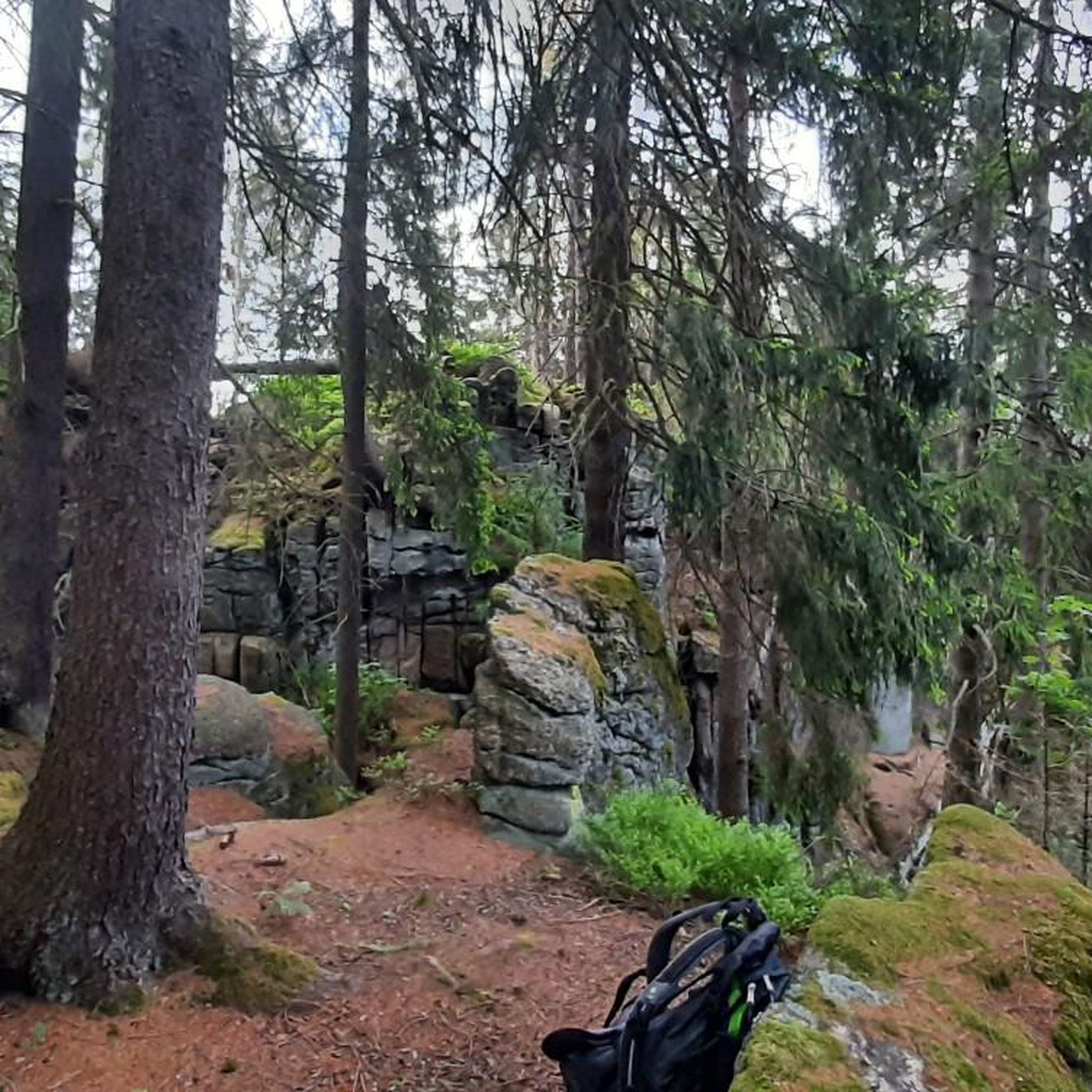
Near Maincourt-sur-Yvette, this wood has beautiful rock formations climbing up the first slopes of the Chevreuse valley, just a few meters from the river.
0
0
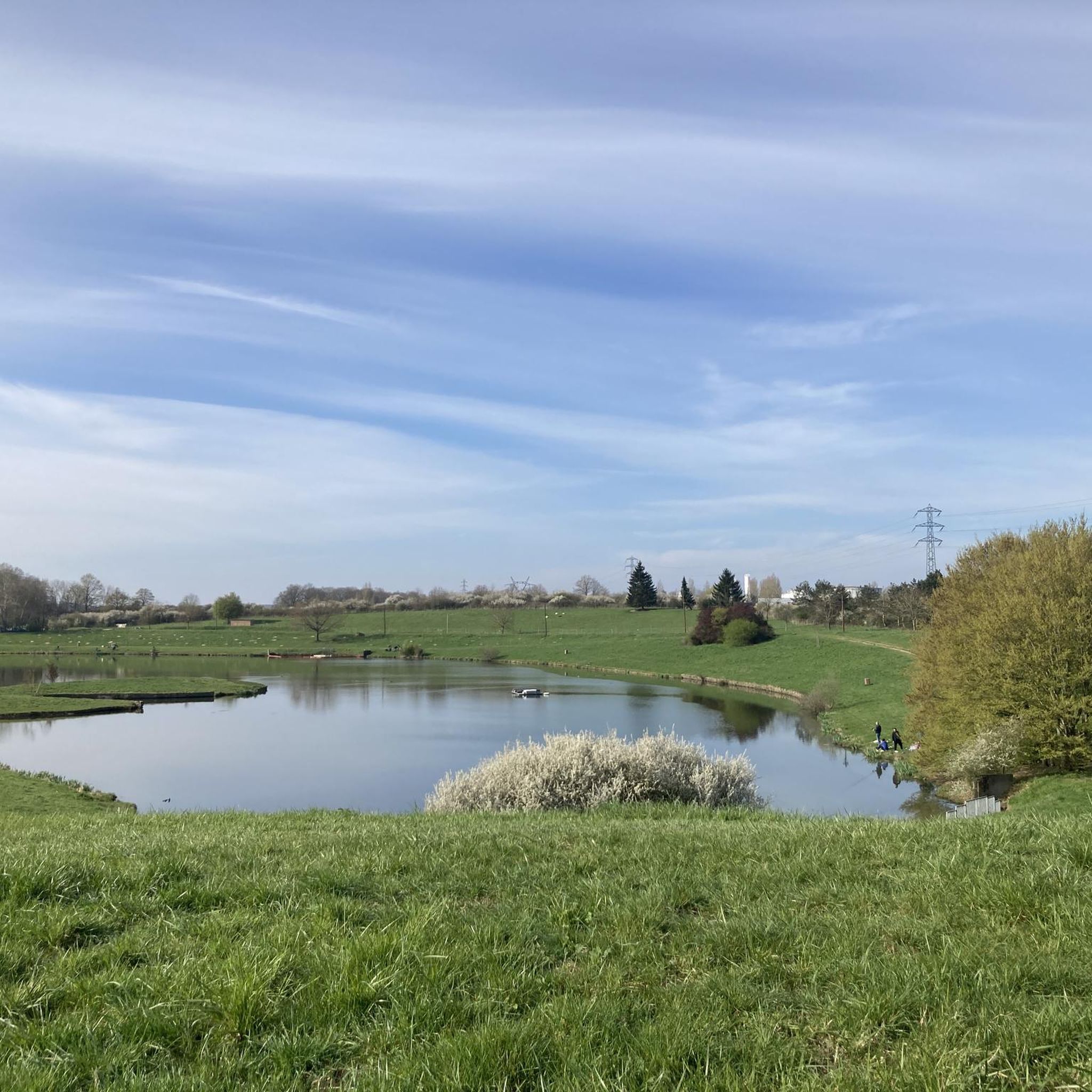
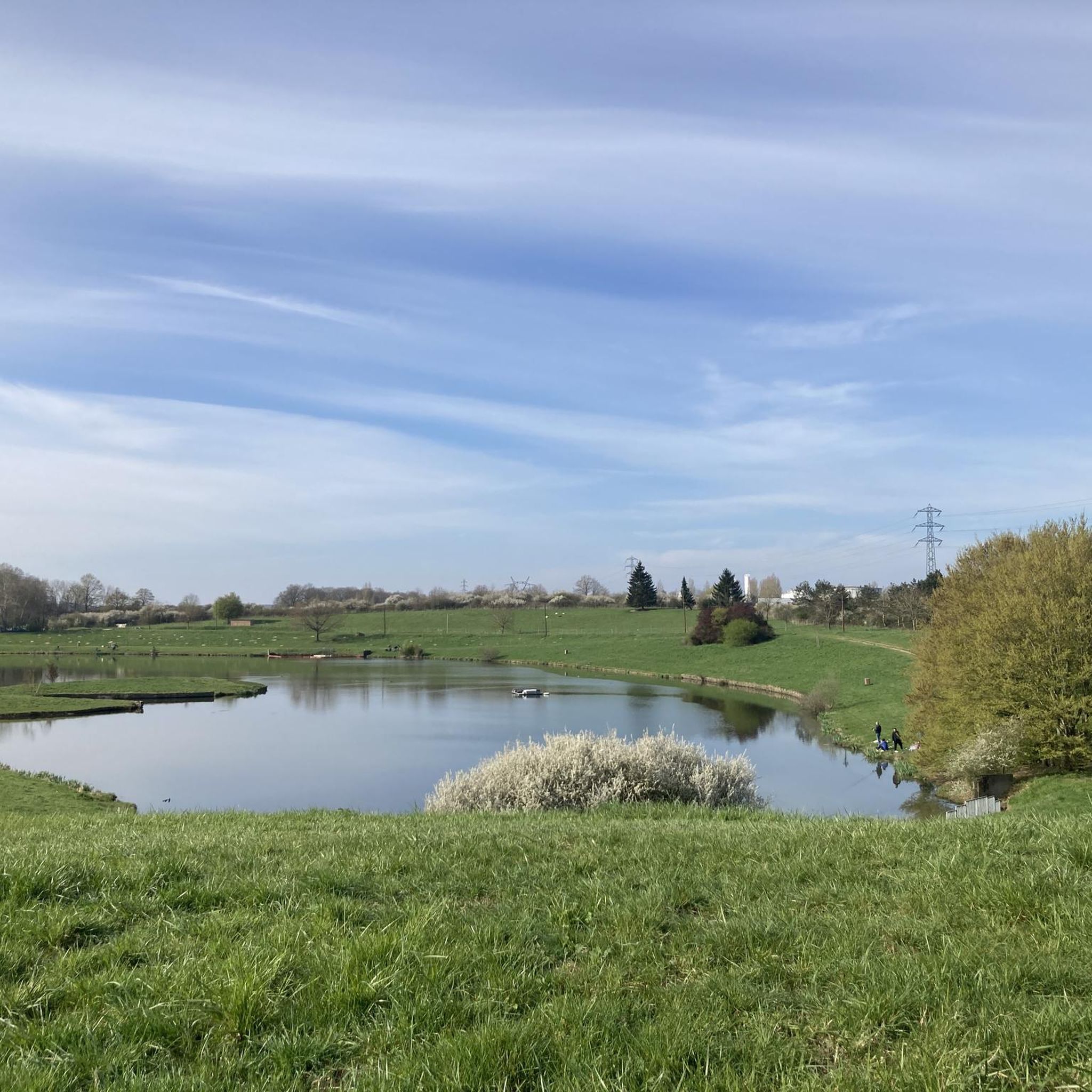
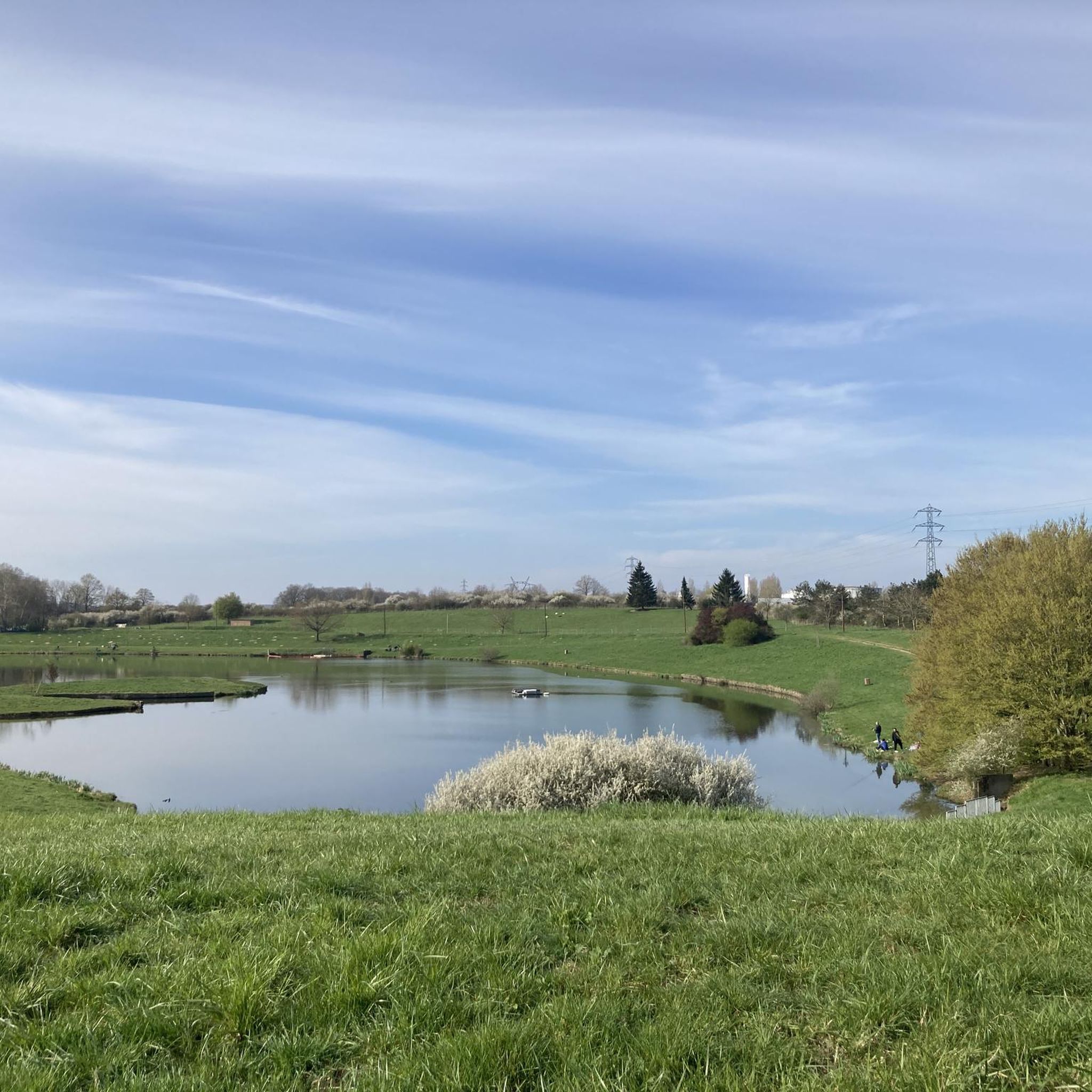
This former retention basin was part of the network that was used to supply water to the Palace of Versailles. Today, it is a beautiful bird sanctuary where it is pleasant to walk.
0
0

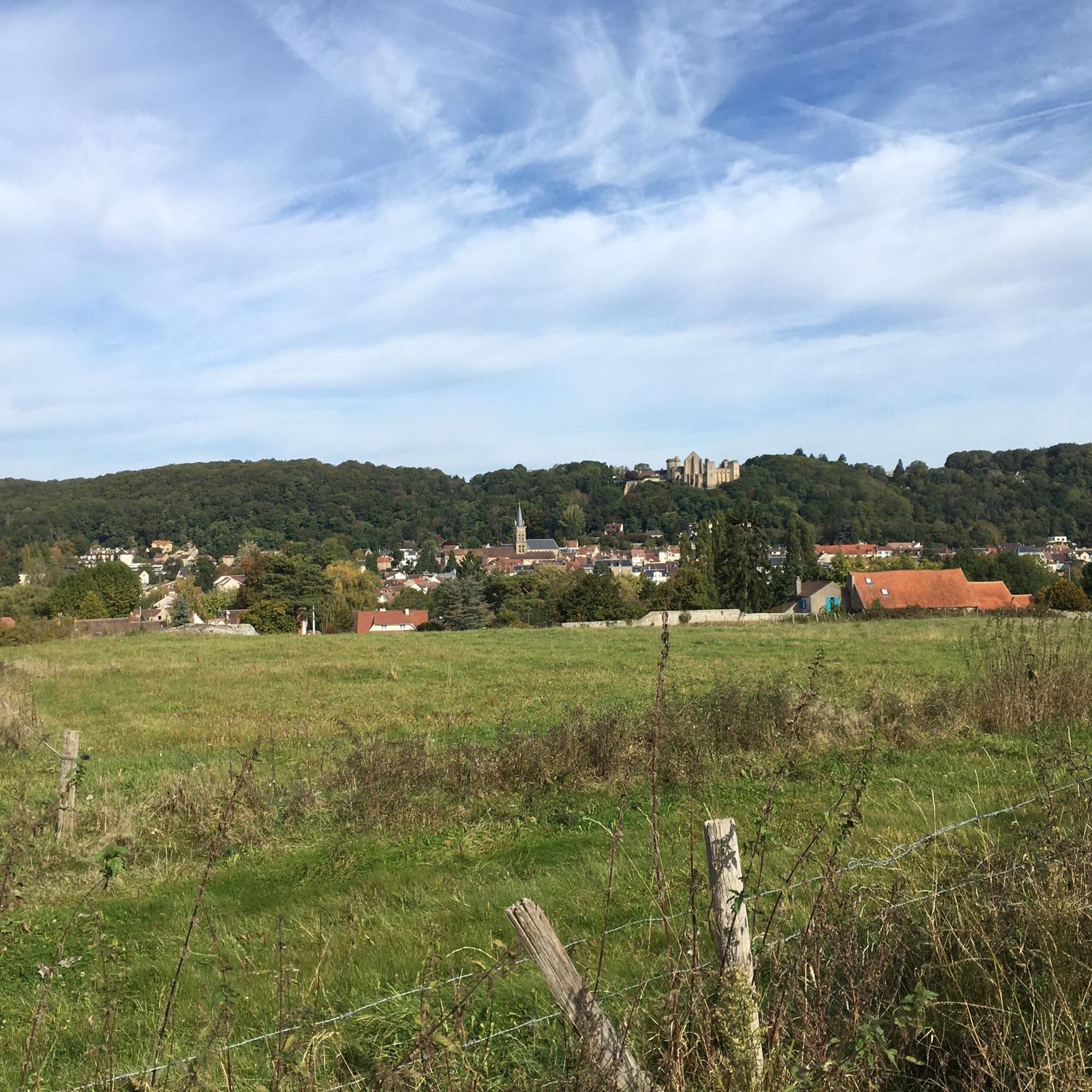
A lovely passage towards the abbey and waterfalls of Vaux-en-Cernay.
0
0


It is a beautiful place that is quite cool even in the heat because it runs along the Yvette and several ponds, but it concentrates a lot of people on Sundays on a fairly narrow path. In high season, prefer Saturday for this course
0
0

Pretty water point in a bucolic area near Vaux-en-Cernay. Perfect for recharging your batteries and forgetting the Parisian frenzy for an afternoon!
0
1
Napoleon's bridge crossing the ponds of the Cheuvreuse valley. Very nice place to get some air in the Paris region
1
0
Frequently Asked Questions
What are the most popular natural monuments to visit around Coignières?
Among the most popular natural monuments, visitors frequently enjoy Vaux‑en‑Cernay Lake, known for its breathtaking views and suitability for picnics. Another favorite is Étang de Saint-Hubert, a historic lake developed under Louis XIV, featuring the notable Pont Napoléon. The Rock Formations Near Maincourt-sur-Yvette also draw many, offering a cool environment along the Yvette river.
Are there natural monuments around Coignières with historical significance?
Yes, Coignières is rich in natural monuments with historical ties. The Étang de Saint-Hubert and Étang de Hollande are part of a system of ponds and hydraulic structures designed by Vauban during Louis XIV's reign to supply water to the Palace of Versailles. Additionally, the Rigoles Royales, historical canals originally built for the same purpose, now serve as vital ecological corridors.
What kind of natural features can I expect to see in Coignières?
Coignières offers a diverse range of natural features. You'll find extensive forest massifs like the Bois des Hautes-Bruyères, which is a significant ecological zone, and the more secluded Bois de la Kabyline. The area is also characterized by numerous wetlands, including ponds like Rompu Pond, the Rigoles Royales, and agricultural meadows, all contributing to a rich biodiversity.
Are there family-friendly natural monuments or activities in Coignières?
Many natural monuments around Coignières are suitable for families. Lakes such as Vaux‑en‑Cernay Lake, Étang de Saint-Hubert, Rompu Pond, and Étang de Hollande are ideal for peaceful walks and picnics. The Rigoles Royales offer accessible pathways, and the Allée des Pommiers provides a charming setting for a stroll, often included in local educational nature trails.
What outdoor activities can I do near the natural monuments in Coignières?
The natural monuments in Coignières are surrounded by excellent opportunities for outdoor activities. You can explore various running trails, enjoy cycling routes, or tackle challenging MTB trails. The forest areas and pathways along the Rigoles Royales are perfect for walking and experiencing nature.
Are there any natural monuments that are particularly good for spotting wildlife?
Yes, Coignières' natural areas are vital for wildlife. The Rigoles Royales, acting as a 'turquoise corridor,' support hygrophilous species like amphibians and dragonflies. The Bois des Hautes-Bruyères, classified as a ZNIEFF, is a crucial habitat for insects, birds, small mammals, and bats. The various wetlands, including ponds and ditches, are also essential for supporting a wide range of aquatic and semi-aquatic biodiversity.
What is the best time of year to visit the natural monuments in Coignières?
The natural monuments in Coignières can be enjoyed throughout the year. Spring and autumn offer pleasant temperatures for walking and cycling, with vibrant foliage or blooming flora. Even in warm weather, places like the Rock Formations Near Maincourt-sur-Yvette provide a cool environment along the river. Winter can also offer unique, serene landscapes for those who enjoy colder weather hikes.
Are there any hidden natural gems or less-known spots worth exploring?
Beyond the more popular sites, the Bois de la Kabyline offers a more secluded wooded area that contributes significantly to the local ecological network. The Allée des Pommiers, lined with century-old apple and pear trees, including a remarkable pear tree, provides a picturesque setting and a glimpse into the area's agricultural heritage, often overlooked by casual visitors.
What do visitors enjoy most about the natural monuments around Coignières?
Visitors frequently praise the serene beauty and historical depth of the natural monuments. Many appreciate the breathtaking views, especially at Vaux‑en‑Cernay Lake, which was historically favored by painters for its luminosity. The blend of history and nature, such as the ancient hydraulic systems at Étang de Saint-Hubert, and the cool, scenic paths along the Yvette river near the Rock Formations, are also highly valued.
Are there accessible pathways for easy walks among the natural monuments?
Yes, the Rigoles Royales offer accessible pathways, allowing visitors to enjoy a blend of history and nature with ease. Many of the lake areas, such as Vaux‑en‑Cernay Lake and Étang de Saint-Hubert, also provide relatively flat and well-maintained paths suitable for leisurely strolls.
Most popular routes around Coignières
Most popular attractions around Coignières

Get inspired with the komoot mobile app


Explore more
Extend your search for the best caves by checking out these guides of the top ones around Coignières:
