Top 5 Natural Monuments around Ronquerolles
Best natural monuments around Ronquerolles are situated within the French Vexin Regional Natural Park, an expansive area covering over 71,000 hectares. This region offers diverse natural landscapes, including significant forests, wetlands, and geological features. Ronquerolles itself is surrounded by areas of ecological interest, providing opportunities to experience nature through various trails. The landscape is characterized by its mix of woodlands, marshlands, and historical natural sites.
Best natural monuments around Ronquerolles
- The most popular natural monument is Singletrack along the Marais…
Last updated: June 20, 2026
Singletrack along the Marais de Stors
Highlight (Segment) • Trail
Translated by Google •
Tip by

The Blue Lake of Carnelle
Highlight • Forest
Translated by Google •
Tip by
Sign up now to discover places like this
Get recommendations on the best single tracks, peaks, & plenty of other exciting outdoor places.
Sign up for free
Pierre de Lait Polishing Stone
Highlight • Historical Site
Translated by Google •
Tip by

Covered alley
Highlight • Historical Site
Translated by Google •
Tip by

Auversian Geological Site
Highlight • Natural Monument
The interest of this quarry lies in the geological substrate, formed from the famous sands of Auvers.
valdoise.fr/888-site-geologique-de-l-auversien.htm
Translated by Google •
Tip by
Sign up for free to discover even more natural monuments around Ronquerolles.
Sign up for free
Already have an account?
Start today with a free account
Your next adventure awaits.
Login or Signup

Tips from the Community

What is to be remembered from this route is the passage through the Carnelle forest. However, there are too many roads on the Isle Adam and along the Oise. No particular difficulty.
0
0

pretty lake hidden in the middle of the forest
0
0

This funerary megalith dates back to the beginning of the Neolithic period! It is the largest and most famous of all the covered alleys in the Paris region, which has become the archetype of burials associated with the Seine-Oise-Marne culture. All the slabs are in Fontainebleau sandstone, several outcrops of which are visible on the hillside.
2
0

in a beautiful forest we arrive there with a magnificent sun which warms up a little
0
0

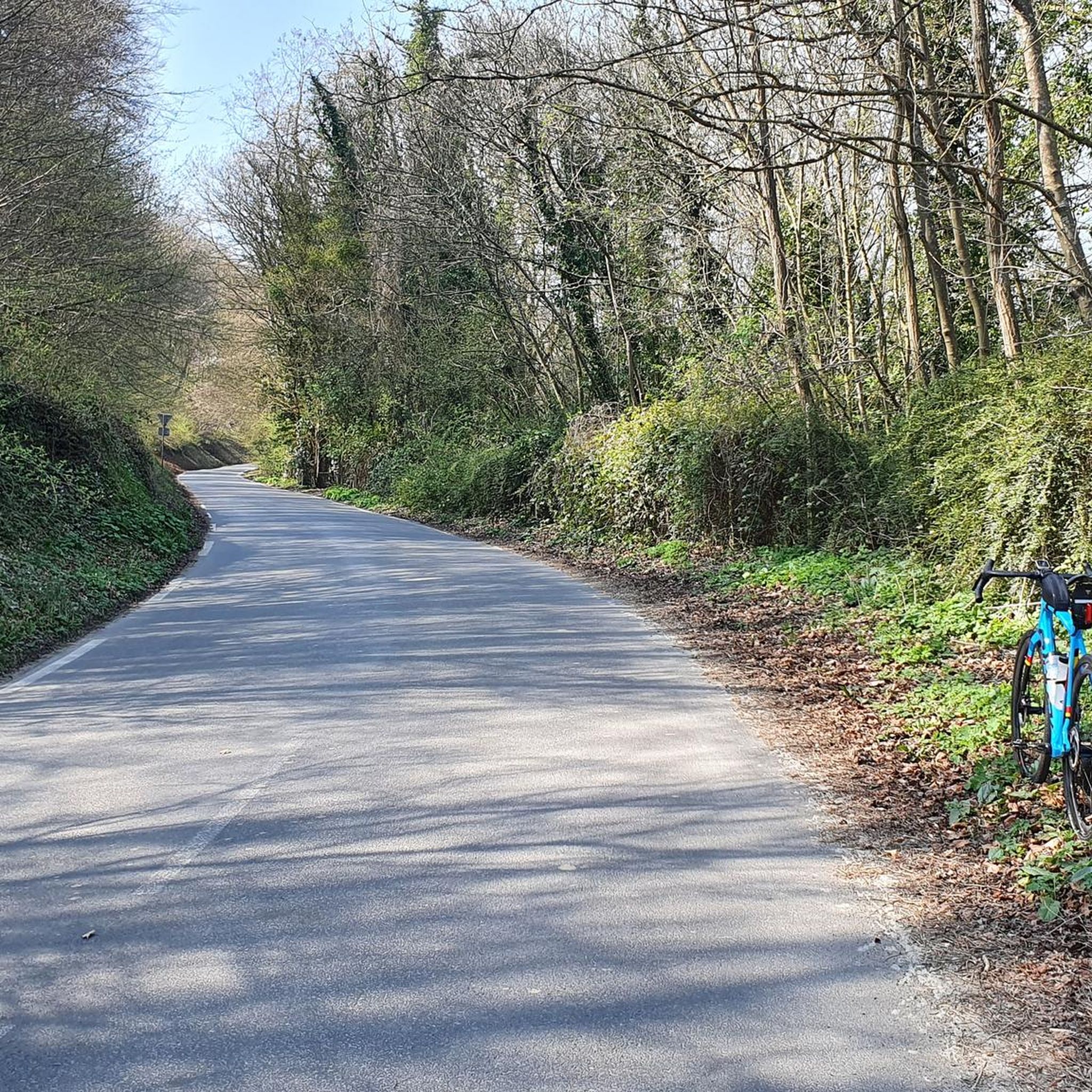
This bucolic path runs along the Stors marsh nature reserve. The ground quickly becomes muddy in bad weather and the days following the rain. That said, the setting is beautiful along the rock faces. For the rest, it's a fairly easy single.
0
0

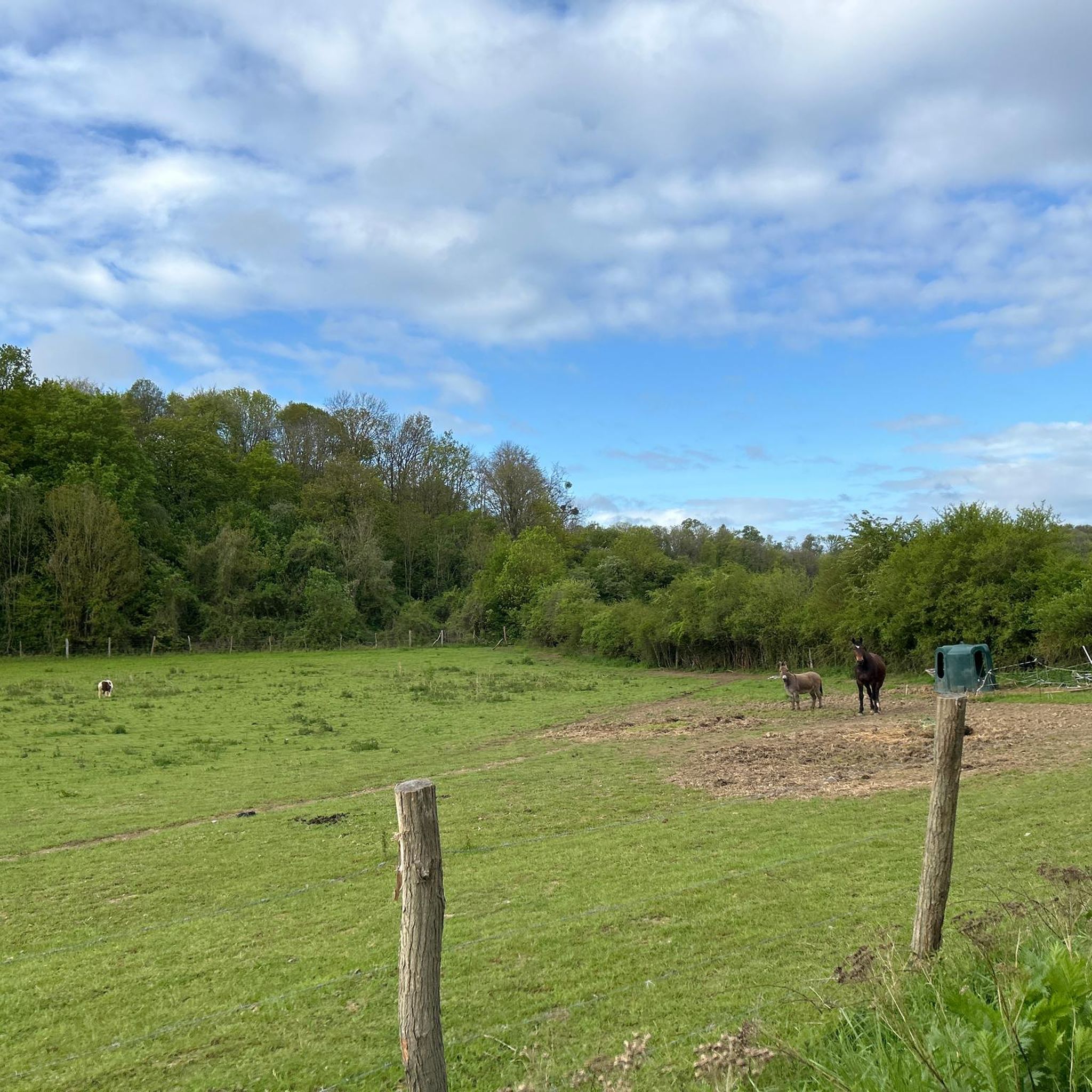
Magnificent natural reserve that this marsh of Stors.
0
0
Lac Bleu is one of the two bodies of water in the Carnelle forest. On sunny days, its name takes on its full meaning. But there is another reason for the name of this lake from ancient quarries. The rock at the bottom is a mixture of gypsum and marl. The color is changing due to algae, but originally it is deep blue. Around the lake, one can appreciate oaks, beeches and chestnuts. A feast for the eye!
1
0
The Blue Lake, like the small pond located a few dozen meters away, has been built in old marl quarries, which give the water a bluish color. For this reason, they reach a depth of 20 to 30 m and swimming is prohibited there for safety reasons. On the other hand, you can go fishing there. The ponds have replaced the quarries, and the presence of green marls, which color their bed, explains their astonishing variation in color. Going from turquoise blue to emerald green, depending on the depth, the time of day, the intensity of the light.
0
0
Frequently Asked Questions
What are the most popular natural monuments around Ronquerolles?
The komoot community highly recommends several natural monuments. Among the most popular are the Singletrack along the Marais de Stors, known for its bucolic path along rock faces and rich biodiversity. Another favorite is The Blue Lake of Carnelle, admired for its striking emerald-to-blue color. Visitors also frequently explore the Pierre de Lait Polishing Stone, a Neolithic archaeological site nestled in a beautiful forest.
Are there family-friendly natural monuments to visit near Ronquerolles?
Yes, several natural monuments are suitable for families. The Blue Lake of Carnelle is a great option, offering picturesque views and picnic spots within the Carnelle forest. The Covered alley, a significant funerary megalith, is also considered family-friendly, providing an interesting historical experience. Additionally, the Auversian Geological Site is mainly for educational purposes and public awareness, making it suitable for curious minds of all ages.
What kind of historical or archaeological natural monuments can I find?
The region around Ronquerolles boasts several natural monuments with significant historical and archaeological value. The Pierre de Lait Polishing Stone is a notable example, a sandstone block used by Neolithic people for polishing tools, with traces engraved from 4500 years ago. Another is the Covered alley, a funerary megalith dating back to the early Neolithic period, recognized as the largest and most famous of its kind in the Paris region. The Auversian Geological Site, an old quarry, offers insights into the region's geological past and is being restored for educational purposes.
Where can I find beautiful lakes or wetlands near Ronquerolles?
For stunning water features, visit The Blue Lake of Carnelle, an emerald-colored forest lake known for its deep blue hue on sunny days, influenced by its gypsum and marl rock bed. For wetlands, the Marais de Stors is a regional natural reserve within the Vallée de Chauvry. This 47-60 hectare wetland is a crucial ecological hotspot with exceptional biodiversity, including over 350 plant species and 140 bird species.
What outdoor activities can I do near these natural monuments?
The area around Ronquerolles, including the French Vexin Regional Natural Park, offers diverse outdoor activities. You can find numerous hiking trails, such as those leading to the Pierre de Lait Polishing Stone. For more extensive options, explore the hiking routes around Ronquerolles. Cyclists can enjoy road cycling or gravel biking through the varied landscapes of forests, fields, and valleys.
Can I observe wildlife at the natural monuments?
Yes, the region is rich in biodiversity. The Marais de Stors nature reserve is particularly renowned for its exceptional fauna, with over 140 bird species, various butterflies, dragonflies, bats, amphibians, and reptiles. The Bois de Ronquerolles and the Bois de la Tour du Lay also offer opportunities to observe local wildlife amidst their quiet paths and ecologically rich calcareous hillsides.
What are the notable geological features in the area?
The region's geology is quite distinctive. The Blue Lake of Carnelle is an old gypsum and marl quarry, with its unique color attributed to these underlying rocks. The Auversian Geological Site highlights the famous sands of Auvers. More broadly, Ronquerolles is situated near the French Vexin Regional Natural Park, characterized by its calcareous plateau, which gives rise to specific ecosystems and offers insights into the region's geological history.
Is the Marais de Stors accessible to the public?
The Marais de Stors is a sensitive natural reserve, and public access is regulated to ensure its preservation. Typically, access is through organized nature activities. For more detailed information on visiting and any specific regulations, you can check the Val d'Oise Tourism website: valdoise-tourisme.com.
What is the best time to visit the natural monuments around Ronquerolles?
The natural monuments around Ronquerolles can be enjoyed throughout the year, but each season offers a different experience. Spring and autumn are ideal for hiking and wildlife observation, with pleasant temperatures and vibrant foliage. Summer is great for enjoying the lush greenery and the striking blue of The Blue Lake of Carnelle. While some paths, like the Singletrack along the Marais de Stors, can become muddy after rain, the natural beauty persists.
Are there specific trails or paths within the Bois de Ronquerolles or Bois de la Tour du Lay?
Yes, the Bois de Ronquerolles offers quiet paths for accessible natural escapes. Within the larger Bois de la Tour du Lay, you'll find trails leading to the Pierre de Lait Polishing Stone. This area also features a significant 'coteau calcicole' (calcareous hillside) rich in entomological and floristic diversity, making for interesting walks for nature enthusiasts.
What makes the Vallée de Chauvry significant?
The Vallée de Chauvry is a classified site recognized for its significant biological richness and diverse landscapes. It encompasses agricultural fields, forests, and wetlands, including the Marais de Stors. Its protected status aims to preserve its natural balance against urban development, offering varied scenery for walks and cycling and enhancing the ecological value of the region.
Most popular routes around Ronquerolles
Most popular attractions around Ronquerolles

Get inspired with the komoot mobile app


Explore more
Extend your search for the best caves by checking out these guides of the top ones around Ronquerolles:
