Top 5 Natural Monuments around Cormeilles-En-Vexin
Best natural monuments around Cormeilles-En-Vexin are found within the Vexin Français Regional Natural Park, a protected area characterized by diverse landscapes. This region features extensive woods, agricultural fields, meandering streams, and verdant valleys. Cormeilles-En-Vexin itself is situated on a plateau with gypsum, sand, and clay deposits, reflecting its geological history. The park offers a range of natural features for exploration, including geological sites and varied ecosystems.
Best natural monuments around Cormeilles-En-Vexin
- The most popular natural monuments is View of the…
Last updated: July 4, 2026
Auversian Geological Site
Highlight • Natural Monument
The interest of this quarry lies in the geological substrate, formed from the famous sands of Auvers.
valdoise.fr/888-site-geologique-de-l-auversien.htm
Translated by Google •
Tip by

Butte de Rosne
Highlight • Summit
Translated by Google •
Tip by

Sign up now to discover places like this
Get recommendations on the best single tracks, peaks, & plenty of other exciting outdoor places.
Sign up for free
The Ancient Chestnut Trees of Butte de Marines
Highlight • Natural Monument
Translated by Google •
Tip by

View of the Vexin
Highlight • Viewpoint
Translated by Google •
Tip by

Start today with a free account
Your next adventure awaits.
Login or Signup


Tips from the Community


I looked for the old chestnut trees, but alas I saw nothing! Maybe I didn't take the right path. But on the side of the GR, a lot of barriers and signs “private property, no entry, traps, etc.,” made me not want to get off the trail!
0
0

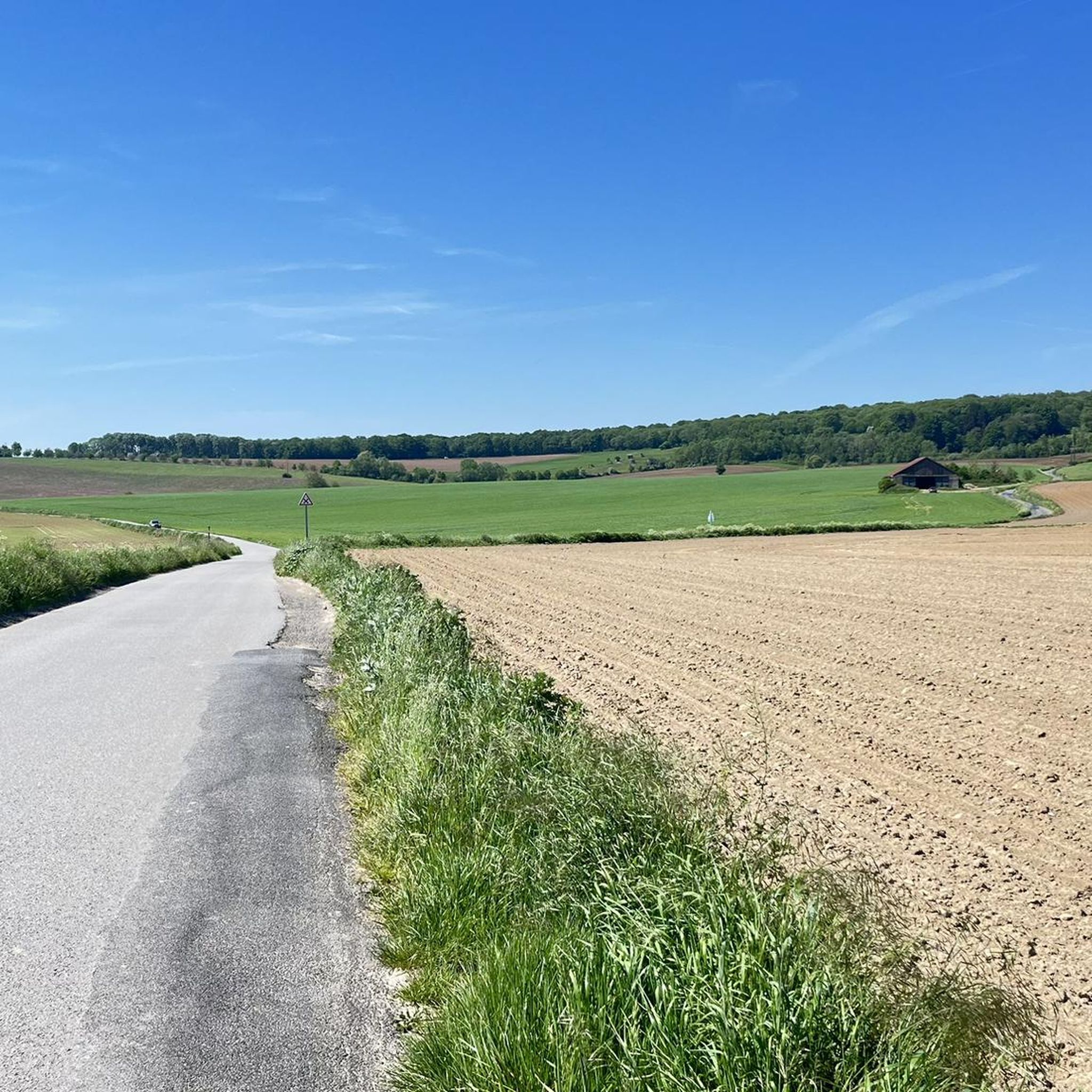
Magnificent point of view, you can even see Paris in the distance, when the weather is clear
1
0


Superb viewpoint at the top of a Vexin hill (after a short 2km climb at 3% via the Rhus road)
2
0

The mounds of Rosne or mounds of Rône are located in the Vexin, on the border of the departments of Val-d'Oise and Oise. At 216 meters above sea level, they are the highest point in the departments of Val-d'Oise and Oise and the highest natural point in the Île-de-France region.
1
0

Here are many chestnut trees dating back more than 300 years. It is seen in their size and in the width of the trunks. They are discovered through the shaded trails of the Butte de Marines. A nugget of the French Vexin!
1
0
Frequently Asked Questions
What kind of natural landscapes can I expect to see in the Vexin Français Regional Natural Park?
The Vexin Français Regional Natural Park, which encompasses Cormeilles-En-Vexin, offers a diverse range of landscapes. You'll find extensive woods and forests, agricultural fields, meandering streams, and verdant valleys like those of the Viosne and Sausseron rivers. The region is also characterized by distinctive limestone hills and unique geological formations, including gypsum, sand, and clay deposits.
Are there any family-friendly natural monuments or sites to visit near Cormeilles-En-Vexin?
Yes, several sites are suitable for families. The Auversian Geological Site is a natural monument and historical site being restored for educational purposes, showcasing interesting geological substrates. Another great option is Butte de Rosne, which is a summit and natural monument with forest trails, offering an accessible and quiet experience for all ages.
What are some notable geological features in the area around Cormeilles-En-Vexin?
The region has a rich geological history. Cormeilles-En-Vexin itself is situated on a butte composed of gypsum, sand, and clay deposits. The Auversian Geological Site is a prime example, an old quarry that highlights the geological substrate formed from the sands of Auvers. The broader Vexin Français Regional Natural Park also features significant geological sites like the Vigny quarry, known for its Palaeocene reefal limestones.
Where can I find panoramic views of the Vexin landscape?
For breathtaking panoramic views, visit the View of the Vexin. This superb viewpoint is located at the top of a Vexin hill and offers expansive vistas that can even extend to Paris on clear days. Another excellent spot is Butte de Rosne, which, at 216 meters, is the highest natural point in the Île-de-France region and provides great views.
What outdoor activities can I do near the natural monuments around Cormeilles-En-Vexin?
The Vexin Français Regional Natural Park offers over 1,000 km of marked trails, making it ideal for various outdoor activities. You can explore numerous running trails, gravel biking routes, and mountain biking trails. For more details on routes, check out the guides for Running Trails around Cormeilles-En-Vexin, Gravel biking around Cormeilles-En-Vexin, and MTB Trails around Cormeilles-En-Vexin.
Are there any ancient or unique trees to see in the area?
Yes, you can discover The Ancient Chestnut Trees of Butte de Marines. These impressive trees, some dating back more than 300 years, are notable for their size and wide trunks. They can be found along the shaded trails of the Butte de Marines, offering a unique natural highlight within the French Vexin.
What is the highest natural point in the Île-de-France region, and can I visit it?
The highest natural point in the Île-de-France region is Butte de Rosne, standing at 216 meters above sea level. It is located in the Vexin, on the border of the Val-d'Oise and Oise departments. Access to this summit is generally easy and quiet, making it a rewarding visit for those seeking elevated views.
What is the best time of year to visit the natural monuments in the Vexin Français Regional Natural Park?
The Vexin Français Regional Natural Park is beautiful year-round. Spring and autumn offer pleasant temperatures for hiking and cycling, with vibrant foliage in spring and rich colors in autumn. Summer is also popular for outdoor activities, though it can be warmer. Winter provides a tranquil experience, especially in the wooded areas, but some trails might be humid.
Can I spot wildlife in the Vexin Français Regional Natural Park?
Yes, the Vexin Français Regional Natural Park is a significant refuge for flora and fauna in the Northwest Parisian region. Its diverse ecosystems, including woods, marshes, and fields, support a variety of wildlife. It's an excellent spot for nature observation, so keep an eye out for local birds, mammals, and insects, especially in quieter areas and during dawn or dusk.
How long should I plan for a visit to the natural monuments around Cormeilles-En-Vexin?
The duration of your visit depends on your interests. For a quick visit to a specific viewpoint or geological site like the View of the Vexin or Auversian Geological Site, a few hours might suffice. If you plan to explore multiple sites, combine them with hiking or cycling, or delve deeper into the Vexin Français Regional Natural Park, a full day or even a weekend would allow for a more comprehensive experience.
Are there opportunities for easy walking trails near Cormeilles-En-Vexin's natural monuments?
Yes, the Vexin Français Regional Natural Park offers many marked trails suitable for various fitness levels. While specific 'easy' trails aren't detailed for each monument, locations like Butte de Rosne are noted for their easy and quiet access, suggesting gentle paths. The park's extensive network ensures you can find routes that match your desired difficulty, including many suitable for leisurely walks.
Most popular routes around Cormeilles-En-Vexin
Most popular attractions around Cormeilles-En-Vexin

Get inspired with the komoot mobile app


Explore more
Extend your search for the best caves by checking out these guides of the top ones around Cormeilles-En-Vexin:
