Top 8 Natural Monuments around Saint-Jean-Du-Bruel
Best natural monuments around Saint-Jean-Du-Bruel are found in a region characterized by diverse landscapes and unique geological features. The area is part of the Regional Natural Park of Grands Causses, which emphasizes the preservation of its ecosystems. Visitors can explore deep river valleys, limestone plateaus, and dramatic rock formations. This natural setting offers a variety of outdoor experiences.
Best natural monuments around Saint-Jean-Du-Bruel
- The most popular natural monuments is Abri des Usclades, a cave that shows traces of human…
Last updated: July 4, 2026
Minier Pass
Highlight • Mountain Pass
Translated by Google •
Tip by

Le Roc Nantais
Highlight • Natural Monument
Translated by Google •
Tip by

Sign up now to discover places like this
Get recommendations on the best single tracks, peaks, & plenty of other exciting outdoor places.
Sign up for free
Abri des Usclades
Highlight • Cave
Translated by Google •
Tip by
Vis Valley
Highlight (Segment) • Gorge
Translated by Google •
Tip by

Masque du Géant Rock Formation
Highlight • Natural Monument
Beware of the numerous caterpillar nests during the period
Translated by Google •
Tip by

Sign up for free to discover even more natural monuments around Saint-Jean-Du-Bruel.
Sign up for free
Already have an account?
Start today with a free account
Your next adventure awaits.
Login or Signup

Tips from the Community

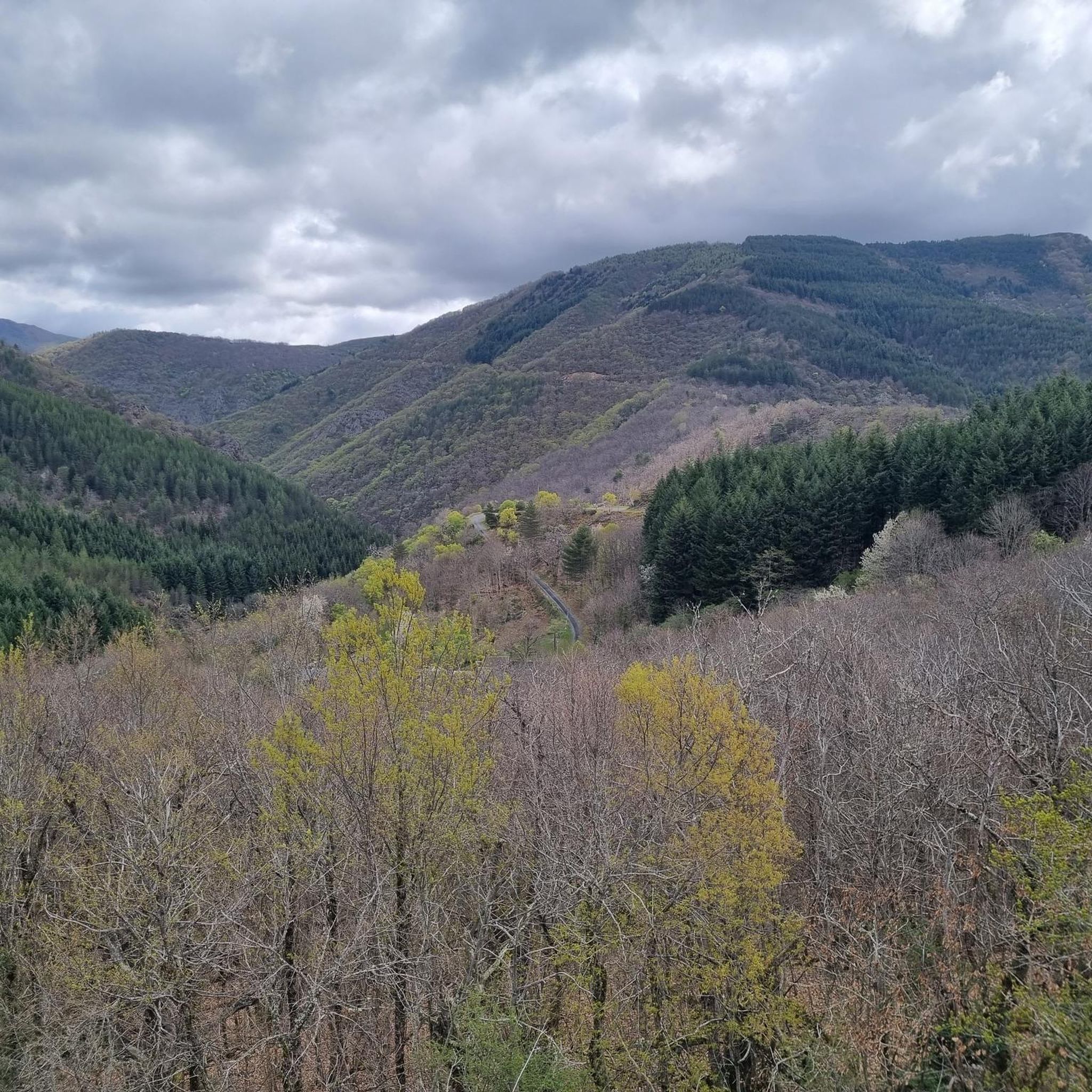
This pass, discreetly nestled among the fir trees, is a great road and pedestrian crossing. It also allows cyclists and gravel enthusiasts to take the trails that go a little deeper into the coniferous forests.
0
0

curiosity on the hiking trail of the Canoles hike
1
0

22.60 km and “Height difference” 1033m between Le Vigan and Col!
1
0

Egalières sector Beware of the numerous caterpillar nests during the period
1
0

The Col du Minier with an altitude of 1,264 meters is located on the watershed between the Mediterranean Sea and the Atlantic Ocean. It is also located near a small waterfall, which is very useful for cooling off.
0
0

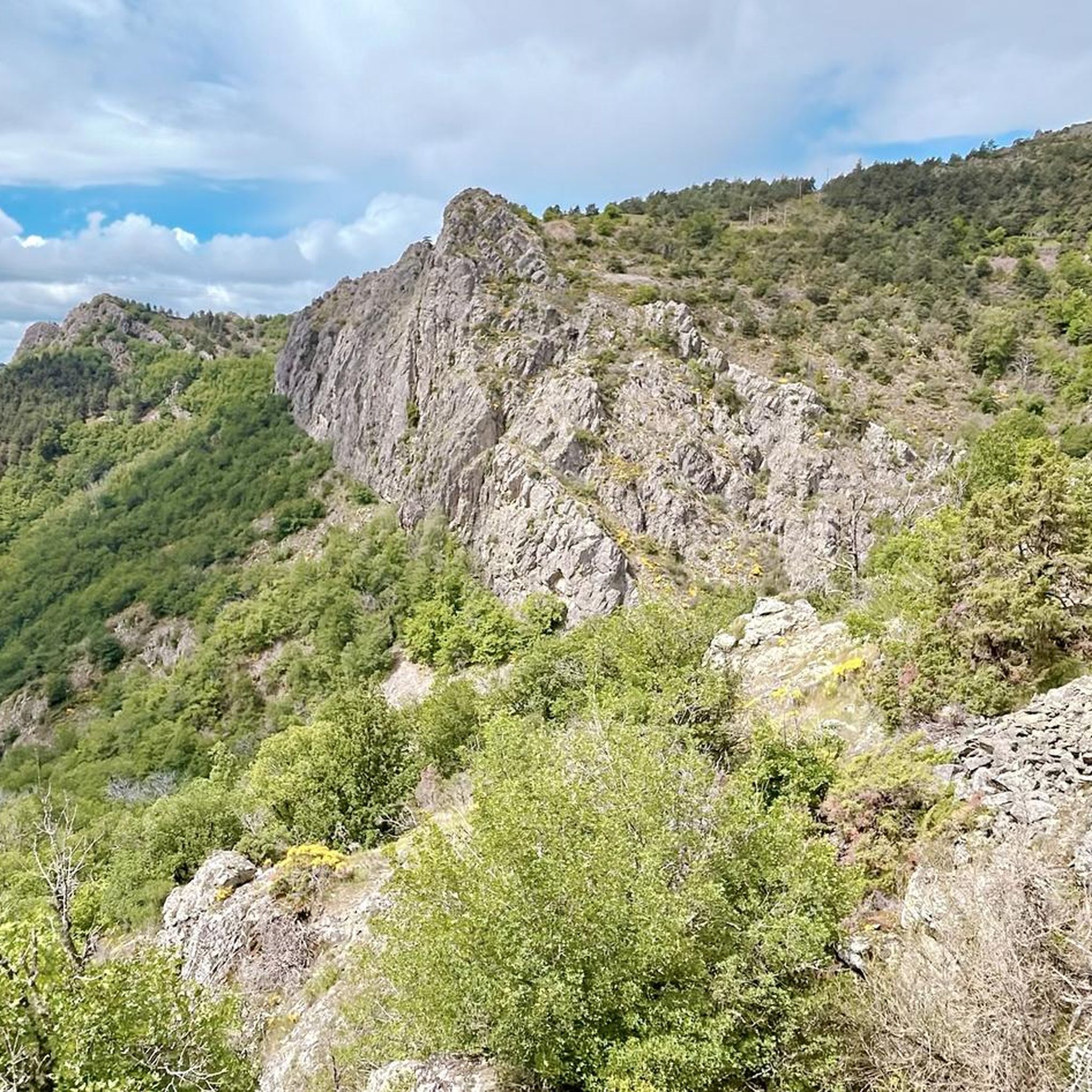
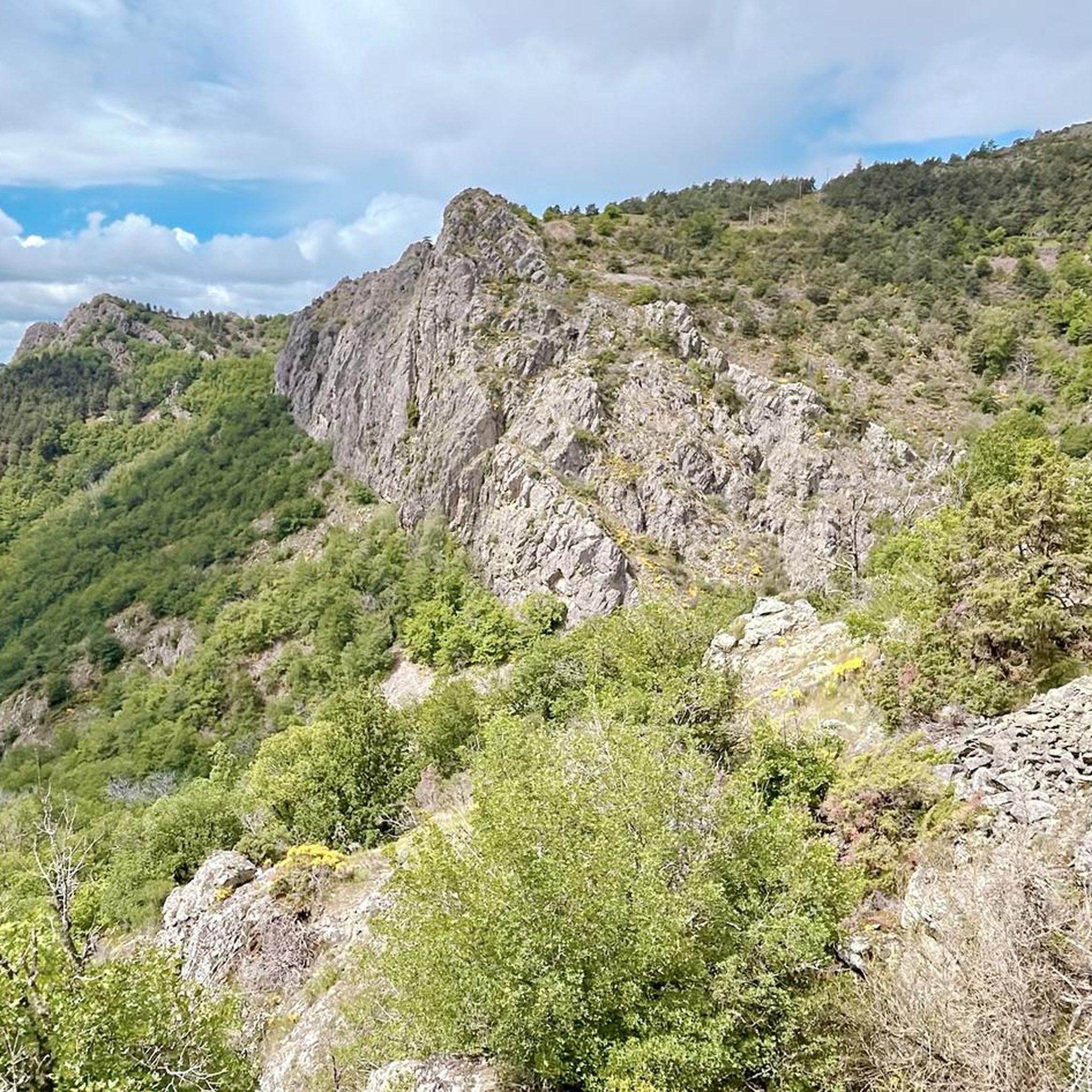
The Roc Nantais is a rock in the shape of a monumental tower dominating the Dourbie at 808m. It obviously offers a magnificent viewpoint from which to admire the Larzac and the foothills of the Cévennes (on the left), the St-Alban (opposite) and the Causse des Cuns (on the right).
1
0
Cave occupied for more than 10,000 years. Traces of occupation dating back to -9500 years BC have indeed been found up to the remains of an old sheepfold occupied until the 19th century.
1
0
The Col du Minier with an altitude of 1,264 meters is located on the watershed line between the Mediterranean Sea and the Atlantic Ocean. It is also located near a small waterfall, which turns out to be very useful for cooling off after the climb.
1
0
Frequently Asked Questions
What are some unique natural monuments to explore around Saint-Jean-Du-Bruel?
The region offers a diverse range of natural monuments. You can visit the impressive Cirque de Navacelles, a UNESCO World Heritage site with a unique horseshoe-shaped canyon and an 8-meter waterfall. Another significant site is the Abri des Usclades, a cave with traces of human occupation dating back over 10,000 years. The dramatic Le Roc Nantais, a monumental tower-shaped rock, also offers stunning views.
What are the most popular natural monuments around Saint-Jean-Du-Bruel according to visitors?
Visitors frequently enjoy the Abri des Usclades, a cave known for its historical significance. The Minier Pass, located on the watershed between the Mediterranean and Atlantic, is also highly rated for its scenic beauty and a small waterfall. The View of the Cévennes is another favorite, offering expansive vistas from a beautiful forest setting.
Are there family-friendly natural sites around Saint-Jean-Du-Bruel?
Yes, the Cirque de Navacelles is a great option for families, offering accessible panoramic viewpoints and opportunities for swimming in the Vis river. The nearby Moulins de la Foux also provide an interesting historical exhibition. The View of the Cévennes is also suitable for families looking for a scenic spot to enjoy nature and a picnic.
What kind of geological features can I expect to see in the region?
The area is rich in diverse geological formations. You'll find deep, horseshoe-shaped canyons like the Cirque de Navacelles, sculpted by river erosion. The Roc Nantais is a striking tower-shaped rock formation. The Gorges de la Dourbie showcase wild, steep gorges carved into schist and granite, alongside unique rock formations. The Causse Bégon features limestone plateaus with heathlands and dry stone landscapes.
What outdoor activities can I do near these natural monuments?
The region is ideal for various outdoor activities. You can enjoy hiking, mountain biking, and even aquatic hiking in the Gorges de la Dourbie. The Cirque de Navacelles is popular for hiking, with trails like the GR 7 passing through, and offers refreshing swims in the Vis river. For cycling enthusiasts, there are numerous routes available, such as those found in the Cycling around Saint-Jean-Du-Bruel guide or the Gravel biking around Saint-Jean-Du-Bruel guide.
Are there hiking trails near these natural monuments?
Absolutely. The Cirque de Navacelles is a hub for hiking, including sections of the GR 7. A hiking loop from Saint-Jean-Du-Bruel allows you to explore the Causse Bégon and the ancient Tombeau du Géant. The Gorges de la Dourbie also offer numerous trails for hikers. For more detailed routes, you can explore the MTB Trails around Saint-Jean-Du-Bruel guide, which also includes hiking-friendly paths.
What is the best season to visit the natural monuments around Saint-Jean-Du-Bruel?
The region is beautiful year-round. Spring and autumn offer pleasant temperatures for hiking and vibrant colors. Summer is ideal for refreshing swims in the Vis river at Cirque de Navacelles or in the Dourbie river. Even winter can be enchanting, with frost adding a unique beauty to the landscapes, especially at sites like the Cirque de Navacelles.
Are there any historical or ancient sites among the natural monuments?
Yes, the Abri des Usclades is a significant historical site, a cave with evidence of human occupation spanning over 10,000 years, including remains of an old sheepfold. Additionally, on the Causse Bégon, you can find the Tombeau du Géant, a large dolmen that serves as a testament to the region's ancient megalithic history.
Where can I find panoramic views of the region?
For breathtaking panoramic views, several natural monuments stand out. The Cirque de Navacelles offers spectacular vistas from belvederes like Les Chênes and La Doline. The Le Roc Nantais provides a magnificent viewpoint over the Larzac plateau and the Cévennes foothills. Saint-Guiral, part of the Aigoual massif, rewards climbers with a 360° panoramic view stretching across the entire Séranne mountain range. The View of the Cévennes is also a popular spot for expansive vistas.
Can I spot wildlife near the natural monuments?
The Gorges de la Dourbie, part of the Natura 2000 network, are particularly rich in biodiversity. Here, you might spot species such as trout, beavers, otters, and kingfishers. The entire Regional Natural Park of Grands Causses emphasizes the preservation of its diverse ecosystems, making it a good area for wildlife observation.
Are there any accessible viewpoints for people with reduced mobility?
Yes, the belvederes at the Cirque de Navacelles, specifically Les Chênes, La Doline, and La Cascade, are accessible to people with reduced mobility, allowing everyone to enjoy the spectacular panoramic views of this UNESCO site.
Most popular routes around Saint-Jean-Du-Bruel
Most popular attractions around Saint-Jean-Du-Bruel

Get inspired with the komoot mobile app


Explore more
Extend your search for the best caves by checking out these guides of the top ones around Saint-Jean-Du-Bruel:
