The best cycling routes around Saint-Jean-Du-Bruel
4.5
(123)
1,362
riders
57
rides
Touring cycling around Saint-Jean-Du-Bruel offers routes through a diverse landscape at the crossroads of the Aveyron, Gard, Hérault, and Lozère departments. The region is characterized by the green valley of the Dourbie river, vast limestone plateaus of the Grands Causses, and the foothills of the Cévennes and Aigoual massif. Cyclists can navigate through schistose gorges, open ridges, and ancient chestnut groves, providing varied terrain for exploration. This geographical blend creates a network of routes with significant elevation changes and scenic…
Last updated: October 11, 2026
5.0
(11)
177
riders
80.3km
05:48
1,610m
1,610m
Hard bike ride. Very good fitness required. Mostly paved surfaces. Suitable for all skill levels.
4.6
(12)
54
riders
44.0km
03:01
730m
730m
Hard bike ride. Very good fitness required. Mostly paved surfaces. Suitable for all skill levels.

4.7
(3)
63
riders
70.7km
05:06
1,450m
1,450m
Hard bike ride. Very good fitness required. Mostly paved surfaces. Suitable for all skill levels.
4.7
(7)
49
riders
46.4km
03:10
770m
770m
Hard bike ride. Very good fitness required. Mostly paved surfaces. Suitable for all skill levels.
5.0
(4)
52
riders
78.1km
04:44
670m
670m
Hard bike ride. Very good fitness required. Mostly paved surfaces. Suitable for all skill levels.
Get access to more routes and recommendations from other explorers.
Already have an account?
Our route recommendations are based on thousands of hikes, rides, and runs completed by other people on komoot.
Start today with a free account
Your next adventure awaits.

Tips from the Community

From this point at the foot of the structure, the regular succession of piers and guyed pylons can be particularly well distinguished. The deck, 2,460 m long, crosses the valley at a height of approximately 270 m above the Tarn. Pier P2, the tallest, culminates at 245 m, while the assembly formed by the pier and its pylon reaches 343 m: a height greater than that of the Eiffel Tower. This perspective also recalls the technical feat that the construction of the viaduct represented. The metal deck was assembled in sections from either side of the valley, then progressively launched across the void. The joining of the two parts was carried out on May 28, 2004, 268 m above the Tarn, before the official inauguration a few months later. An interesting detail can be discerned here: despite its exceptional dimensions, the structure appears remarkably light. This impression is not accidental. The viaduct was specifically designed to blend into the valley by limiting the visual impact of its structure, with a very slender deck and piers that branch out in a "Y" shape.
2
0

Absolutely worth seeing - view it from below and definitely join the architecture tour.
0
0

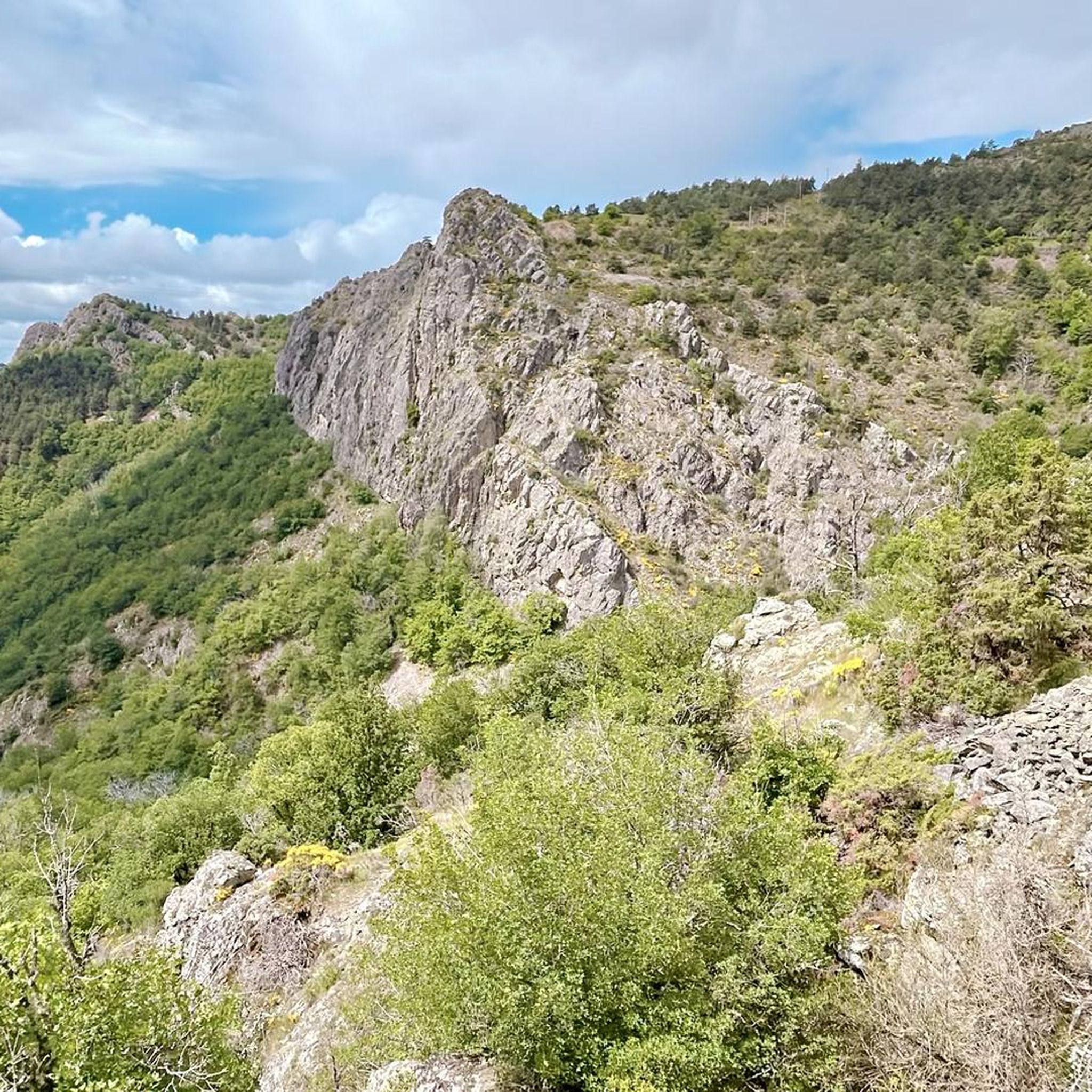
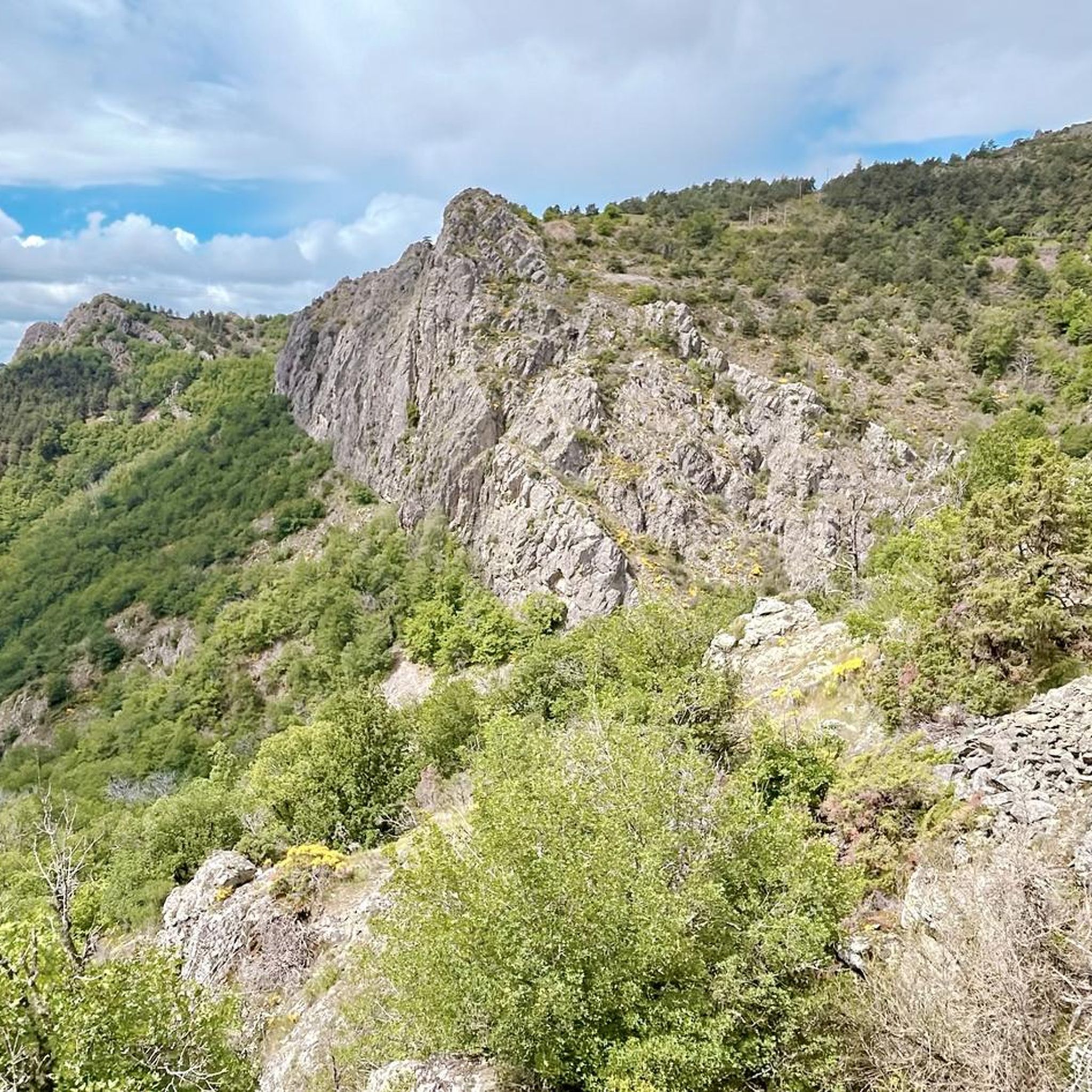
Sublime point, view of the Cévennes and the Mediterranean Sea in good weather
0
0

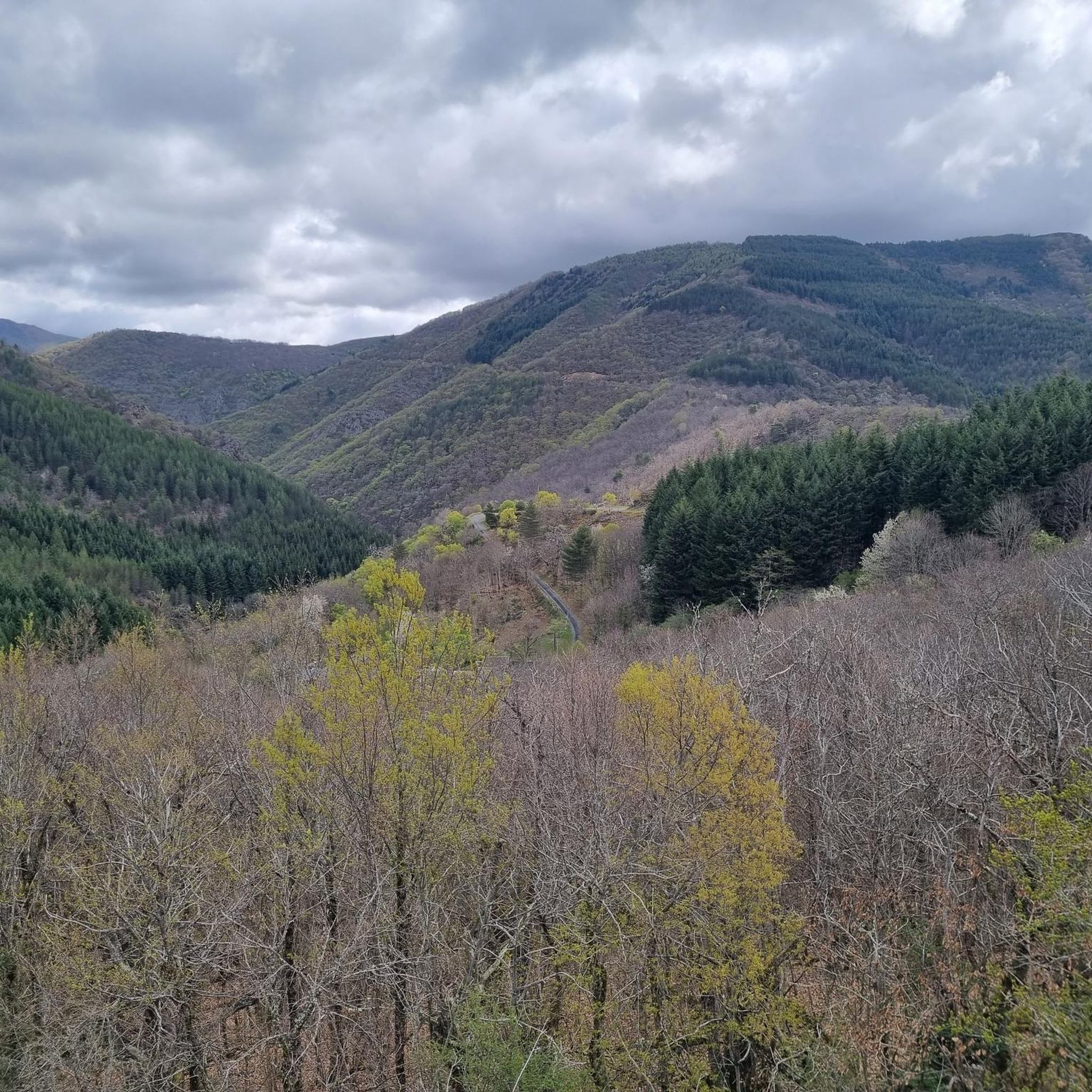
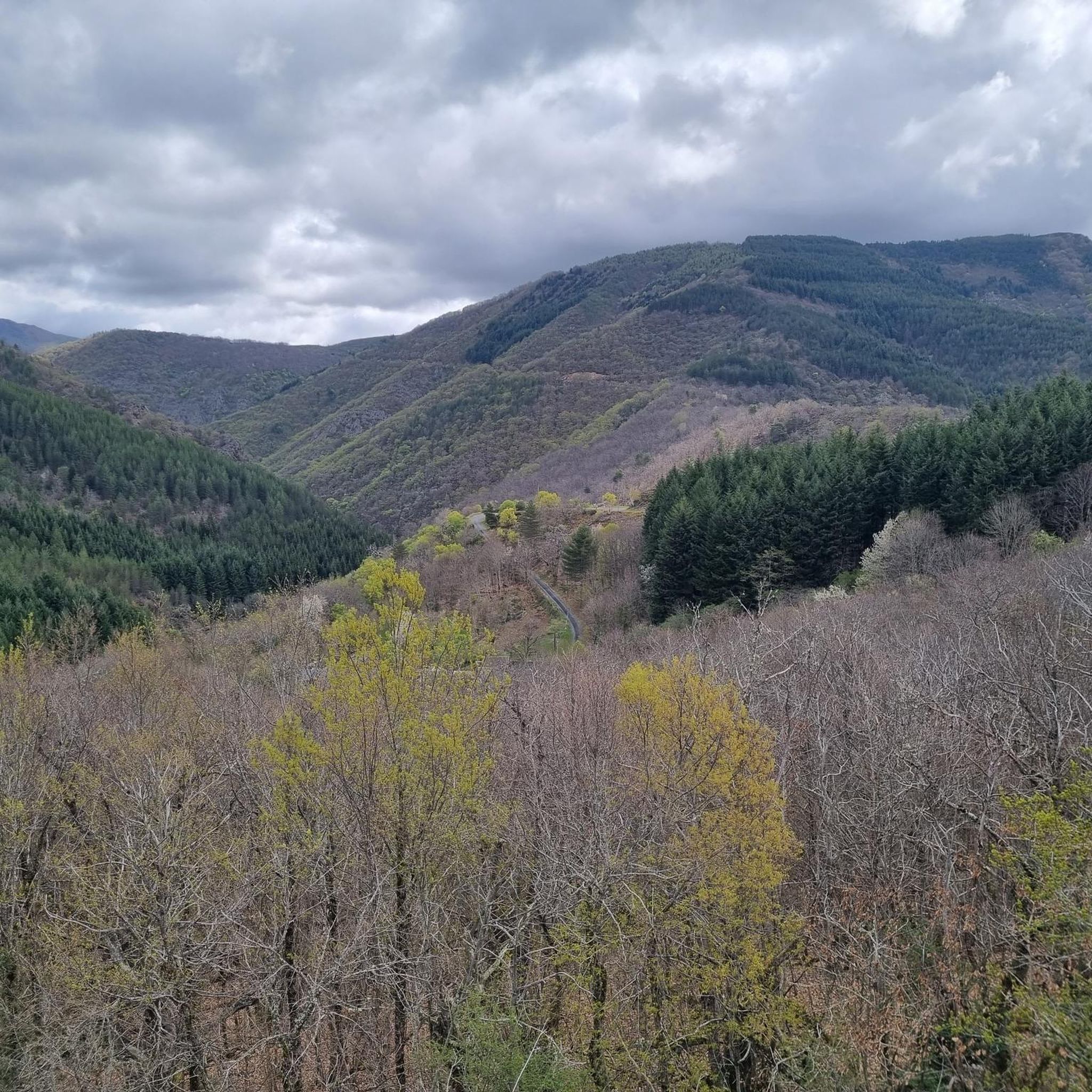
Under the title “France’s Wild South,” an episode of the British television series »National Parks – Protected Natural Wonders« on 3sat introduces the Cévennes. The accompanying text on the website states: “Lush green mountains, barren high plateaus, and deep gorges characterize this landscape, which, unlike France’s coasts, has not yet been discovered by mass tourism. Yet, it boasts what are probably the country’s most spectacular river landscapes.” The worthwhile film contribution in German can be accessed in the media library at the following link =>> https://www.3sat.de/dokumentation/nationalparks-geschuetzte-naturwunder/nationalparks-geschuetzte-naturwunder-cevennen-frankreichs-wilder-sueden-102.html
0
0


Cabrillac is a typical example of the small hamlets found throughout the Cévennes. These small stone buildings are characteristic of the local architecture.
0
0

Lovely runnable climb, the start through the forest is nice for cycling. Afterwards the road surface becomes a bit worse. Nicely runnable climb.
0
0

Frequently Asked Questions
How many touring cycling routes are available around Saint-Jean-Du-Bruel?
There are over 50 touring cycling routes to explore around Saint-Jean-Du-Bruel, offering a wide range of experiences from the Dourbie river valley to the high plateaus of the Grands Causses and the Cévennes foothills.
What is the general difficulty level of touring cycling routes in this region?
The touring cycling routes around Saint-Jean-Du-Bruel are predominantly challenging, with 44 out of 59 routes rated as difficult. These often feature significant elevation changes as they navigate through gorges, forests, and open ridges. There are also a few moderate and easy options for those seeking a less strenuous ride.
What kind of landscapes can I expect to see while cycling around Saint-Jean-Du-Bruel?
You'll experience a rich tapestry of landscapes, from the green valley of the Dourbie river with its crystal-clear waters and schistose gorges, to the vast limestone plateaus of the Grands Causses. The routes also venture into the foothills of the Cévennes and the Aigoual massif, offering fresh forests, ancient chestnut groves, and panoramic views from high points like the Le Roc Nantais.
Are there any notable landmarks or viewpoints along the cycling routes?
Yes, the region is rich in natural and historical points of interest. You can encounter impressive natural monuments like Le Roc Nantais, offering magnificent panoramic views. Other highlights include the Minier Pass and the Masque du Géant Rock Formation. Some routes also pass through charming villages like Cantobre, a perched village, and offer views of structures like the Viaduc de la Voie verte La Cévenol.
What is the best season for touring cycling in Saint-Jean-Du-Bruel?
The region benefits from a mild and pleasant spring, and summers with cool nights and warm days, making these seasons ideal for touring cycling. The diverse terrain and contrasting climate ensure enjoyable conditions for outdoor pursuits for much of the year.
Are there any circular touring cycling routes available?
Yes, many routes in the area are designed as loops, allowing you to start and finish in the same location. An example is the Place and Market Hall of Nant – Col de la Pierre Plantée loop from Nant, which takes you through varied terrain and past notable features.
What do other touring cyclists say about the routes in Saint-Jean-Du-Bruel?
The touring cycling routes in Saint-Jean-Du-Bruel are highly regarded by the komoot community, with an average rating of 4.6 stars from over 99 reviews. Cyclists often praise the varied terrain, the stunning natural beauty of the Dourbie Gorges, and the challenging climbs that lead to rewarding panoramic views.
Are there any long-distance touring cycling options near Saint-Jean-Du-Bruel?
Given its location at the crossroads of several departments and its proximity to the Parc naturel régional des Grands Causses, Saint-Jean-Du-Bruel serves as an excellent starting point for extended cycling tours. Routes like the Millau Viaduct – Place and Market Hall of Nant loop from Nant offer significant distances and diverse scenery, including views of iconic landmarks.
Is public transport available to access the cycling routes?
While the region encourages soft mobility, specific public transport options directly serving all trailheads for cyclists might be limited. It's advisable to check local bus services or consider driving to a starting point, especially for routes that venture into more remote areas of the Causses and Cévennes.
Where can I find parking for my bike and car in Saint-Jean-Du-Bruel?
Saint-Jean-Du-Bruel and nearby villages like Nant are generally accommodating for visitors. You can typically find public parking areas within the villages, which serve as convenient starting points for many touring cycling routes. Look for designated parking zones in the town centers.
Are there any family-friendly touring cycling routes in the area?
While many routes are rated difficult due to significant elevation, there are a few easier options available. For family-friendly cycling, look for routes that stick to the flatter sections of the Dourbie valley or explore the outskirts of villages, which may offer less challenging terrain. Always check the route details for elevation and distance to ensure it suits your family's abilities.
Are there cafes or accommodation options along the touring cycling routes?
Saint-Jean-Du-Bruel and charming nearby villages like Nant offer various amenities, including cafes, restaurants, and accommodation options. Many routes pass through or near these villages, providing opportunities for refreshments and overnight stays. It's a good idea to plan your route to include stops in these locations.
Most popular routes around Saint-Jean-Du-Bruel
Most popular attractions around Saint-Jean-Du-Bruel

Get inspired with the komoot mobile app


Explore more
Browse the best Cycling routes in other regions.
